search
Search

Enter keywords to search for products, blog posts, and more.


Home > High-Strength Zirconia Ceramic Grinding Balls

High-Strength Zirconia Ceramic Grinding Balls

High-Strength Zirconia Ceramic Grinding Balls

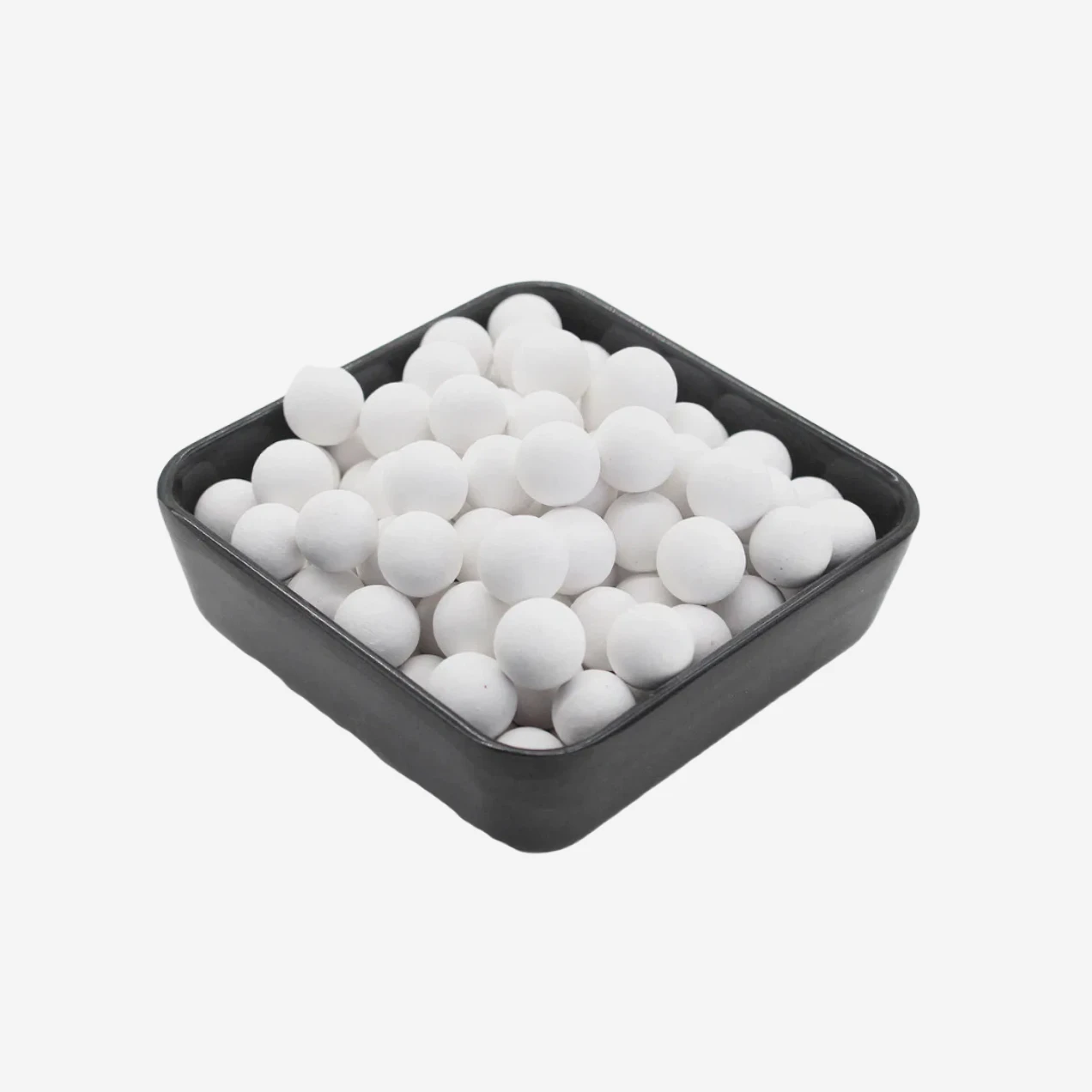
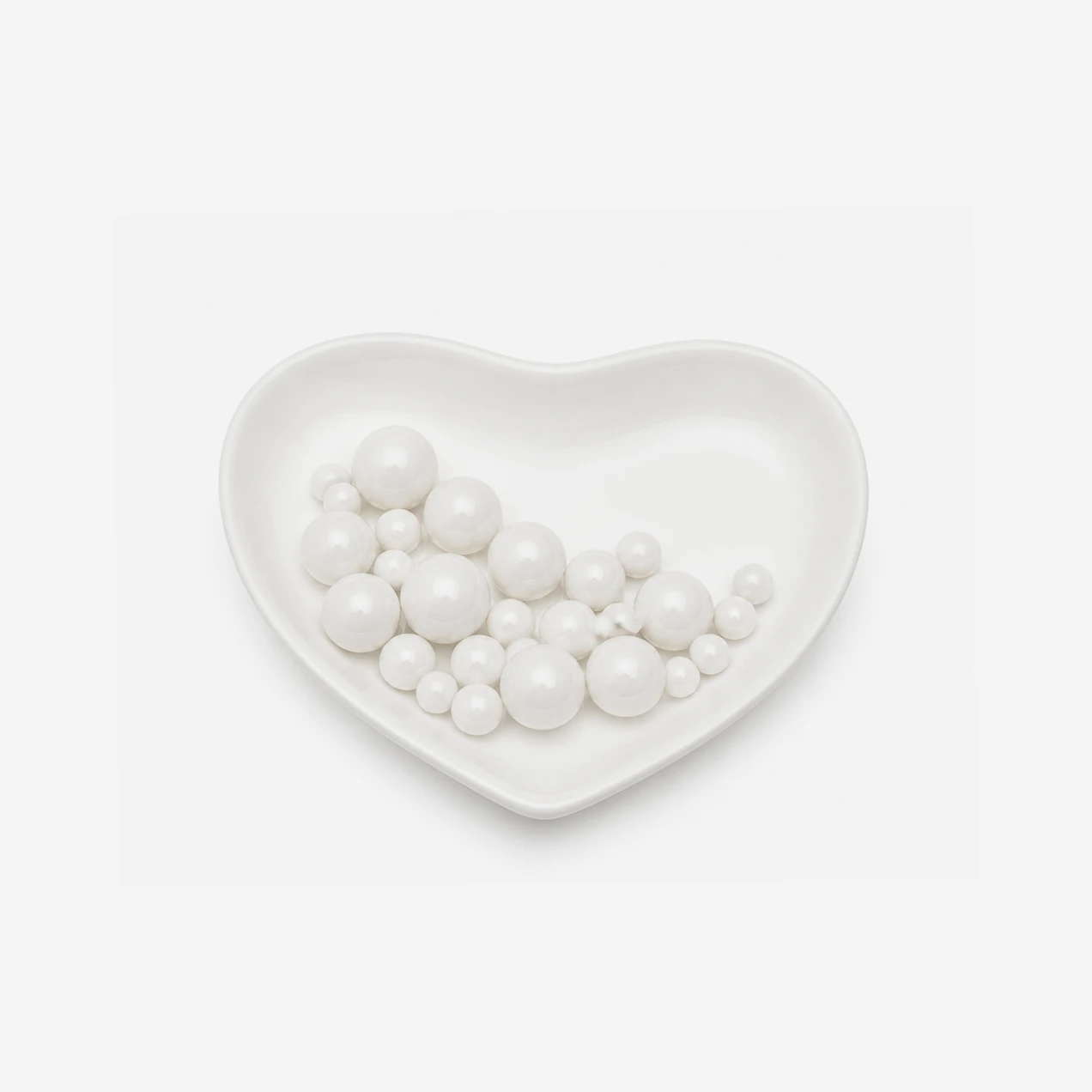
High-strength zirconia grinding balls are the top tier of ceramic grinding media, made from yttria-stabilized zirconia — about 94.8 percent zirconium oxide with 5.2 percent yttria. That chemistry gives a hardness of Mohs 9, second only to diamond among common media, together with a very high density, and the two let the balls grind and disperse the hardest materials fast and fine. Their wear rate stays under one percent even in harsh milling, so a charge runs a long time and sheds almost nothing into the batch, and being inert zirconia they add no metal impurities at all. That is why they are chosen for quartz, glass, silicon powder, lithium battery materials, electronic and magnetic ceramics, coatings and other high-value feeds. They come polished and highly round, at 98 percent roundness, across a wide size range from fine micro-beads to 60 mm balls, to suit bead, planetary, stirred and ball mills. Model RJ-2056.

  • Yttria-stabilized zirconia media, Mohs 9 — second only to diamond
  • Very high density and a wear rate under 1% — long life, minimal contamination
  • No metal impurities — for quartz, glass, battery and electronic materials
  • Polished, highly round balls to 60 mm for bead, planetary, stirred and ball mills

Technial Parameters

ParameterValue
ProductZirconia ceramic grinding balls
ModelRJ-2056
MaterialYttria-stabilized zirconia (Y-TZP)
CompositionZrO2 94.8%±0.2%, Y2O3 5.2%±0.2%
HardnessHV 1150–1400; Mohs 9
Wear rate<0.2% (planetary mill, general); <1% (harsh)
Grain density6.00–6.08 g/cm³
Bulk (packing) density3.6–3.8 g/cm³
Crushing load≥75 kgf (Φ1.5 mm)
Water absorption0%
Roundness98%
ColourWhite / ivory
Surface finishPolished / smooth
Size range0.1–60 mm
ApplicationBead, planetary, stirred and ball mills; quartz, glass, silicon, battery, electronic and magnetic materials
HS code6909110000
OriginChina
BrandRongjian
PackagingCarton box or ton bag

FAQs

What are zirconia grinding balls used for?

Zirconia grinding balls grind and disperse hard, high-value materials in a mill. Their hardness and high density break a feed down fast to a fine, even particle size, wet or dry, and because zirconia is inert they add no metal to the batch. They handle quartz, glass, silicon powder, lithium battery materials, electronic and magnetic ceramics, white cement, coatings and paints — the work where a hard, clean grind matters and metal contamination cannot be allowed.

How hard are zirconia grinding balls?

Very hard — Mohs 9, second only to diamond among common grinding media, and well above alumina or steel. That hardness, backed by a high crushing strength, is what lets a zirconia ball grind the hardest feeds and hold its shape with a wear rate under one percent even in harsh milling. A harder ball grinds faster, lasts longer and keeps the product cleaner.

Why do zirconia balls contaminate so little?

Because zirconia is inert and barely wears. Unlike steel media it sheds no iron or rust, and its very low wear rate leaves only a trace of the ball in the batch — and with zero water absorption it takes nothing up either. That is why it is chosen for battery, electronic and other high-purity materials, where even a little pickup would push the product off spec.

What size of zirconia grinding balls should I use?

The size follows the mill and the fineness. Fine micro-beads grind to a very fine or nano particle size in bead and stirred mills, while larger balls, up to 60 mm, break coarser feeds and suit ball and planetary mills. We supply the full range, and most mills run a single size chosen for the duty. Tell us the mill and the target particle size, and we will match the size and the charge.

What is the difference between the two density figures?

The two figures measure different things. The grain density, around six grams per cubic centimetre, is the density of the solid zirconia itself, which is what carries energy into each impact. The bulk density, near four grams per cubic centimetre, is the weight of a filled volume of balls including the gaps between them, which is what you use to work out how much media fills a mill. Both are normal for zirconia media.

Zirconia grinding balls are the hardest and densest ceramic grinding media, made from yttria-stabilized zirconia. At Mohs 9, second only to diamond, with a high density and a wear rate under one percent, they grind the hardest, highest-value materials fast and fine while adding almost no contamination. Inert, with zero water absorption and high roundness, they serve quartz, glass, silicon, battery, electronic and coating work, in sizes from fine micro-beads to large balls. The more a job demands on hardness, cleanliness and fineness, the more zirconia earns its higher cost.

Key properties:

PropertyValueWhat it means
HardnessMohs 9Grinds the hardest feeds; second only to diamond
Wear rateUnder 1%Long media life and very low contamination
Grain density~6 g/cm³High energy into each impact for a fast grind
Roundness98%Even grinding and smooth mill operation