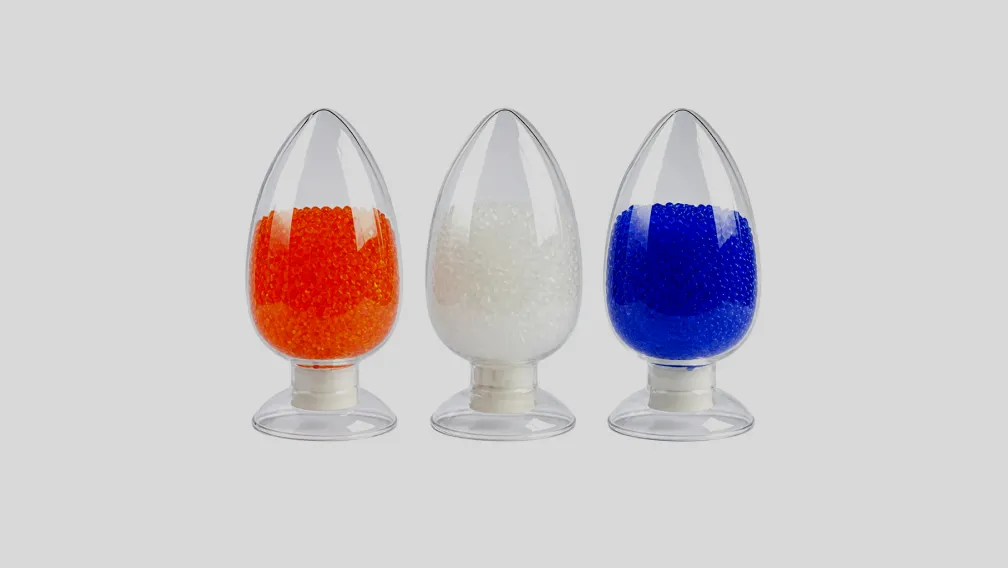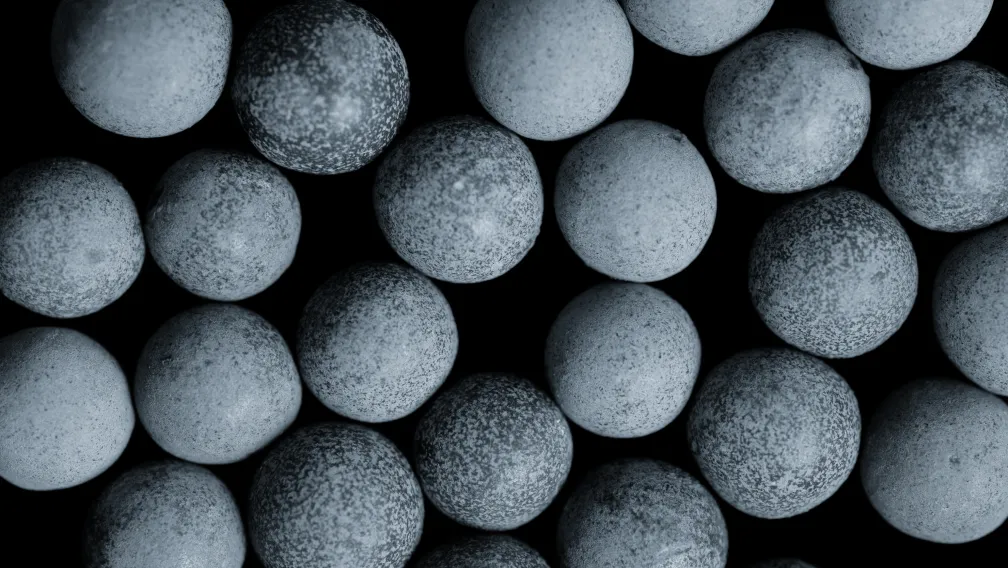

Drying and purification look simple until the catalyst downstream poisons, the pipeline hydrates, or the product fails its moisture spec. Behind each of those failures is usually the wrong adsorbent, or the right one asked to do a job it was never suited to. Molecular sieves, silica gel and activated alumina all pull water out of gases and liquids, yet they reach very different dew points, cost very different amounts to run, and are selective for different molecules. This guide sets out how we, as an adsorbent manufacturer, help plants pick the right one — and, for a molecular sieve, the right grade.
Two questions decide everything
Before comparing products, answer two things. First, which molecule are you removing, and is there one you must keep? Drying an olefin or an alcohol, where you cannot afford to lose the product to the adsorbent, is a different problem from bulk air drying or from pulling CO2 out of a gas. Second, how dry or how pure does the stream have to be — a rough dew point, or an ultra-low residual measured in parts per million? Those two answers, the target molecule and the target level, point straight at the adsorbent and its grade. Everything below is how to read them.
Molecular sieve, silica gel or activated alumina?
All three are adsorbents — they hold water on their internal surface rather than soaking it up — but they sit in different niches. Molecular sieves are crystalline zeolites with uniform, molecule-sized pores; they reach the lowest dew points, keep working in very dry and very hot gas where the others give up, and can sieve one molecule from another by size. Silica gel holds the most water at high humidity and costs the least, which suits bulk drying and packaging, but it fades at low humidity and can crack if liquid water hits it. Activated alumina is the tough, versatile middle option for compressed-air and gas drying, and it doubles as a water-treatment medium for fluoride and arsenic.
| Property | Molecular sieve | Silica gel | Activated alumina |
|---|---|---|---|
| Material | Crystalline zeolite | Amorphous silica | Activated alumina (γ-Al₂O₃) |
| Pore size | Uniform, 3–10 Å | Wide, non-uniform | Wide, non-uniform |
| Water capacity at high humidity | Medium | Highest | High |
| Performance at low humidity | Excellent | Poor | Moderate |
| Dew point it can reach | Very low (around –70 to –100 °C) | Moderate (around –40 to –50 °C) | Low (around –40 to –70 °C) |
| Selectivity by molecule size | High | Low | Low |
| Holds capacity when hot | Yes | Falls off above roughly 50 °C | Falls off above roughly 50 °C |
| Regeneration temperature | Higher (about 200–350 °C) | Lower (about 120–180 °C) | Medium (about 175–300 °C) |
| Liquid-water tolerance | Fair | Poor — can crack | Good |
| Relative cost | Higher | Lowest | Moderate |
| Best for | Deep drying, low dew point, molecule separation | Bulk high-humidity drying, packaging, low cost | Versatile gas drying; also fluoride and arsenic in water |
A useful rule: reach for a molecular sieve when you need a very low dew point, tight moisture control, or selective removal; use silica gel for cheap bulk drying at high humidity; use activated alumina for dependable everyday gas drying. On high-water, high-flow duties the two are often layered — silica gel or alumina first to take the bulk of the water, then molecular sieve to polish the gas down to a low dew point and to protect the sieve from a liquid-water slug.
Choosing the molecular sieve grade: 3A, 4A, 5A, 13X
Once you are on a molecular sieve, the grade is set by pore size, and the numbers are literal: 3A opens to about 3 angstroms, 4A to 4, 5A to 5 and 13X to about 10. A sieve adsorbs molecules smaller than its pore and turns away anything bigger, so the guiding principle is to pick the smallest pore that still lets water in while shutting out whatever you need to keep.
| Grade | Pore | Adsorbs | Typical use |
|---|---|---|---|
| 3A | 3 Å | Water only (excludes larger molecules) | Drying olefins, cracked gas, alcohols such as ethanol, refrigerants, insulating glass, polyurethane — where the product must not be co-adsorbed |
| 4A | 4 Å | Water, CO2, NH3, methanol, ethanol, H2S | General-purpose drying of gases and liquids, natural gas, air, refrigerants |
| 5A | 5 Å | The above, plus n-paraffins | Normal-from-iso paraffin separation, PSA oxygen and hydrogen, desulfurization of hydrocarbons |
| 13X | 10 Å | Water plus CO2 and larger molecules such as mercaptans | Air pre-purification (water and CO2 together), gas sweetening, deep drying |
In plain terms: 3A is the one to use when you are drying something reactive or valuable and must not co-adsorb it — ethylene, propylene, cracked gas, ethanol — because its small pore takes only water. 4A is the general-purpose desiccant, the default for drying most gases and liquids where losing a little CO2 or ammonia to the sieve does not matter. 5A earns its place in separations and in pulling sulfur compounds out of hydrocarbons. 13X, with the widest pore, takes water and CO2 together and larger molecules besides, which makes it the grade for air pre-purification ahead of cryogenic separation and for sweetening natural gas. Note that 3A is made from 4A by an extra ion-exchange step, so it costs a little more — worth it only when the small pore is actually needed.
Form matters: beads, pellets and honeycomb
The same zeolite comes in different shapes, and the shape follows the system. Beads and pellets are the standard fill for a fixed adsorber bed, chosen by size for the balance of capacity against pressure drop. Where the gas flow is high and continuous, a honeycomb molecular sieve — zeolite on a ceramic honeycomb block with straight channels — passes the flow at a far lower pressure drop and sheds no dust, which suits rotor concentrators and modular systems. Powder is used where the sieve is blended into another material. Match the form to the equipment before you fix the grade.
Dew point and capacity: match the adsorbent to the target
The reason molecular sieves win the demanding jobs is what happens at very low moisture. As a gas gets drier, silica gel and activated alumina lose their grip — their capacity drops sharply below roughly 100 ppm of water — while a molecular sieve holds a nearly constant capacity right down to single-figure ppm, which is how it reaches dew points of minus seventy degrees and below. It also keeps working in hot gas, where the others become ineffective above about fifty degrees. The flip side is cost: that deep-drying power comes with a higher regeneration temperature and a higher price, so over-specifying a molecular sieve for a routine compressed-air dryer just wastes energy. Size the adsorbent to the dew point you actually need, and no tighter.
Regeneration and service life
All three adsorbents are regenerable — heat drives the water back off and the bed goes back to work — and most industrial dryers run two beds so one adsorbs while the other regenerates. The heat needed differs: silica gel comes back at roughly 120 to 180 degrees, activated alumina a little higher, and molecular sieve highest, commonly 200 to 350 degrees because it holds water so tightly. Pressure-swing systems skip the heat and regenerate by dropping the pressure instead, at the cost of some purge gas. Two things protect the investment: keep oil and liquid water off the bed, since both foul it and shorten its life, so lubricated air needs a pre-filter; and expect a well-run molecular sieve bed to last several years before its capacity fades enough to warrant a change-out.
A selection workflow
- Name the target molecule, and any molecule you must keep in the stream.
- Set the target: the dew point or residual moisture, or the purity you have to hit.
- Pick the adsorbent family: molecular sieve for low dew point or selectivity, silica gel for cheap bulk drying, activated alumina for dependable everyday drying.
- If it is a molecular sieve, pick the grade by pore size, using the smallest pore that admits water and excludes the product.
- Pick the form: beads or pellets for a fixed bed, honeycomb for high-flow continuous service.
- Set the regeneration method and temperature, and add pre-filtration if oil or liquid water is a risk.
- Confirm the choice and the bed sizing with the supplier against your dew-point target.
Talk to us before you specify
Rongjian manufactures the full adsorbent range — 3A, 4A, 5A and 13X molecular sieves, honeycomb molecular sieve, silica gel desiccant and activated alumina — for gas and liquid drying, CO2 and sulfur removal, and air pre-purification. We supply plants in chemicals, natural gas, air separation, refrigeration and insulating glass, and we would rather steer you to the right grade than sell you deep-drying capacity you do not need. Tell us the stream, the molecule to remove and the dew point or purity you are after, and we will recommend the adsorbent, the grade, the form and the bed size. Reach out through the enquiry form or contact your Rongjian representative for a selection review or a quotation.
Frequently asked questions
What is the difference between 3A, 4A, 5A and 13X molecular sieves?
Pore size, which sets what each can adsorb. 3A opens to about 3 angstroms and takes only water, so it dries reactive or valuable streams without stealing the product. 4A opens to 4 angstroms and is the general-purpose desiccant for water, CO2 and small polar molecules. 5A, at 5 angstroms, adds n-paraffins and suits separations and desulfurization. 13X, at about 10 angstroms, takes water and CO2 together plus larger molecules, for air pre-purification and gas sweetening.
Molecular sieve or silica gel — which should I use?
Use silica gel when you want cheap, high-capacity drying at high humidity, such as packaging or bulk moisture removal. Use a molecular sieve when you need a very low dew point, tight moisture control, drying in hot or already-dry gas, or removal of a specific molecule. Many high-water systems layer the two, with silica gel first and molecular sieve polishing the gas afterwards.
Which molecular sieve removes CO2?
13X is the usual choice, because its wide pore takes carbon dioxide along with water, which is exactly what air pre-purification units and natural gas sweetening need. 4A and 5A also adsorb CO2, and 5A is used where sulfur compounds have to come out of a hydrocarbon stream as well.
Which molecular sieve is best for drying ethanol or olefins?
3A. Its small pore admits water but shuts out ethanol, ethylene, propylene and other larger molecules, so the stream is dried without losing product to the sieve and without the risk of the sieve catalysing side reactions. It is the standard grade for ethanol dehydration and for drying unsaturated hydrocarbons.
How do you regenerate a molecular sieve?
By heating it, usually to about 200 to 350 degrees in a stream of hot dry gas, which drives the adsorbed water off; the bed then cools and returns to service. Industrial dryers run two beds so one works while the other regenerates. Pressure-swing systems regenerate by lowering the pressure instead of heating. Keeping oil and liquid water off the bed is what makes it last.
What dew point can a molecular sieve achieve?
Very low — commonly around minus seventy degrees and below, into the single-figure ppm range of residual moisture. Molecular sieves hold their adsorption capacity at these very low moisture levels where silica gel and activated alumina fall off sharply, which is why they are the choice wherever an ultra-low dew point has to be met and held.
-

Rongjian
Process Media Manufacturer Since 2010
Rongjian produces tower packing, molecular sieves, ceramic grinding media and other process media from our Pingxiang production base. We supply to industrial projects in over 100 countries.