search
Search

Enter keywords to search for products, blog posts, and more.


Home > Acid and Alkali Resistant Ceramic Bricks for Corrosion Protection

Acid and Alkali Resistant Ceramic Bricks for Corrosion Protection

Acid and Alkali Resistant Ceramic Bricks for Corrosion Protection

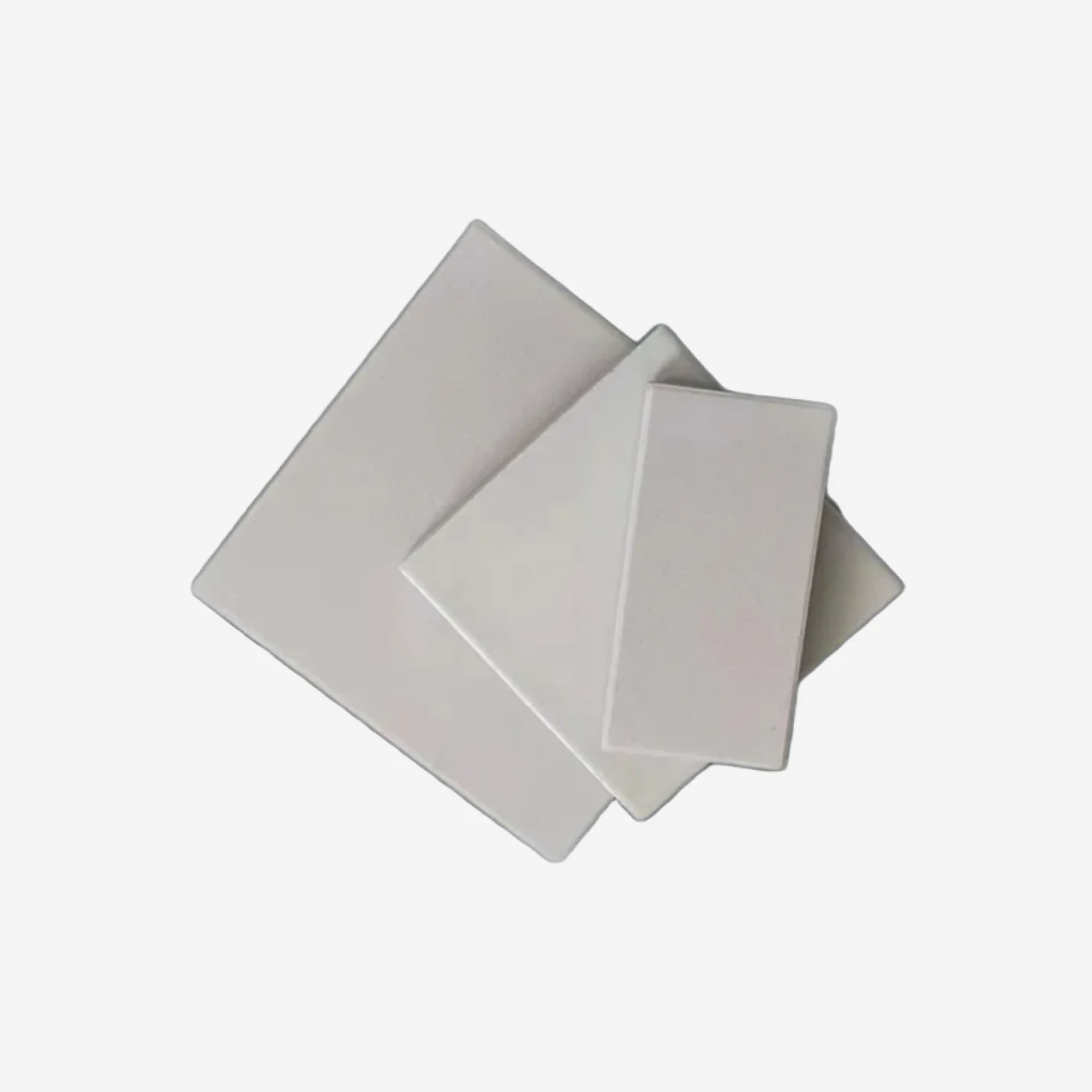
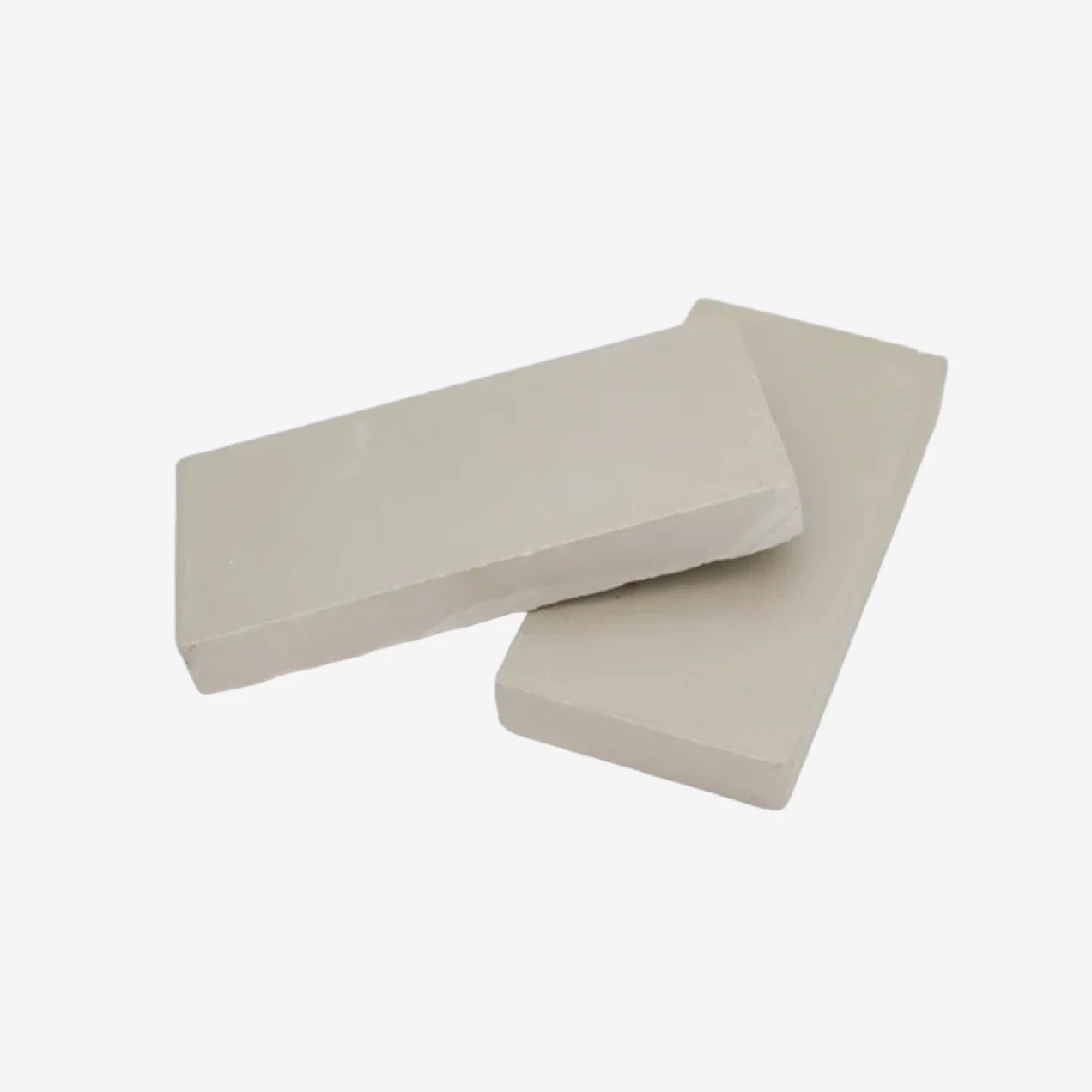
Acid and alkali resistant ceramic bricks handle corrosion from both ends of the pH scale — strong acids and strong alkalis alike — which sets them apart from a brick made only for acids. They are pressed and fired from clay and feldspar to a silica content of 60 to 70 percent, giving a dense, hard, light-grey body that barely takes up liquid, so neither acid nor caustic can seep in and break it down. Their acid resistance runs above 99.8 percent, alkali resistance comes with it, and their bending and compressive strength let them bear traffic and load on a plant floor, all while surviving a 100-degree heat shock intact. Set in matching acid- and alkali-proof mortar, they armour the concrete and steel of a corrosive plant against attack. Made in standard brick and plate sizes and cut to custom order. Model RJ-1216.

  • Handles both acids and alkalis — broader protection than acid-only brick
  • Clay-feldspar body, 60–70% silica, dense and near-impervious
  • Acid resistance above 99.8%, strong under traffic and load
  • Armours floors, tanks and walls in corrosive plants; standard and custom sizes

Technial Parameters

ParameterValue
ProductAcid and alkali resistant ceramic bricks
ModelRJ-1216
MaterialClay and feldspar ceramic
SiO2 content60%–70%
ColourLight grey
FormStrip / brick
Volume density2.31–2.4 g/cm³
Bulk density2.00–2.35 g/cm³
Water absorption≤0.2%
Acid resistance≥99.8%
Bending strength≥58.8 MPa
Compressive strength≥80 MPa
Thermal conductivity0.25–0.45 W/(m·K)
Thermal shock resistanceNo cracking at 100 °C temperature difference
StandardsGB/T 8488-2001, HG/T 3210-1986
HS code6914100000
OriginChina
BrandRongjian
PackagingSteel drum, ton bag or carton box

Standard sizes (mm)

BricksTiles / porcelain plates
230×113×65180×110×15–30
230×65×65150×150×15–30
230×113×55/65150×70×15–30
230×113×25/65150×150×15
200×200×20
300×300×20

FAQs

Do these bricks resist alkalis as well as acids?

Yes — that is the point of them. Where an ordinary acid brick is aimed mainly at acids, these are built to resist both acids and alkalis, so they hold up where the surface meets a mix of corrosive reagents or swings between acidic and alkaline. Their acid resistance is above 99 percent, and alkali resistance comes with it, which makes them the safer pick where the chemistry is varied or not fully known. For a specific strong reagent we confirm the brick against it.

What are acid and alkali resistant bricks made of?

They are made from clay and feldspar, fired into a dense ceramic with a silica content of 60 to 70 percent. That recipe and the high firing yield a hard, tight body with almost no open pore, which is what makes it both strong and inert to chemical attack. The outcome is a light-grey brick that resists acids and alkalis and carries load without cracking.

Where are they used?

Anywhere a surface must survive corrosion from both acids and alkalis. Typical homes are the process floors, bund walls, tank interiors, drainage channels and pump sumps of chemical, electroplating, fertiliser, dye and metal-finishing plants — the wet, aggressive zones where a coating alone would fail. Their dual acid and alkali resistance is what lets them serve areas of mixed or alternating reagents that an acid-only brick could not safely cover.

How low is the water absorption, and why does it matter?

Very low — under a fifth of a percent by weight. A brick that barely absorbs liquid will not let acid or alkali soak into its body and attack it from within, so it stays strong and inert far longer than a porous material. That low take-up is a main reason these bricks endure in a corrosive plant, and it works with acid- and alkali-proof jointing to seal the surface as a whole.

What sizes and thicknesses are available?

The base size is a 230 by 65 by 65 millimetre brick, backed by other brick and plate dimensions and full custom cutting. Heavier sections go on trafficked floors and load-bearing lining, while slimmer plates face walls and tanks. Give us the area, the reagents and the mechanical duty, and we will set the format, the thickness and the jointing system to match.

Acid and alkali resistant ceramic bricks are the choice where a surface faces both acidic and alkaline attack rather than acid alone. Clay and feldspar fired to a 60 to 70 percent silica body give them a dense, near-impervious structure with an acid resistance above 99.8 percent, alkali resistance and a water absorption under 0.2 percent, so aggressive liquids stay on the surface instead of soaking in. Strong under load and stable through heat shock, they armour floors, tanks, channels and walls across chemical, plating and metallurgical plants, laid in matching acid- and alkali-resistant mortar.

Key properties:

PropertyValue
Acid resistance≥99.8%
Silica (SiO2) content60–70%
Water absorption≤0.2%
Bending strength≥58.8 MPa
Compressive strength≥80 MPa
Thermal conductivity0.25–0.45 W/(m·K)