search
Search

Enter keywords to search for products, blog posts, and more.


Home > Acid-Resistant Ceramic Bricks and Tiles for Corrosion Protection

Acid-Resistant Ceramic Bricks and Tiles for Corrosion Protection

Acid-Resistant Ceramic Bricks and Tiles for Corrosion Protection

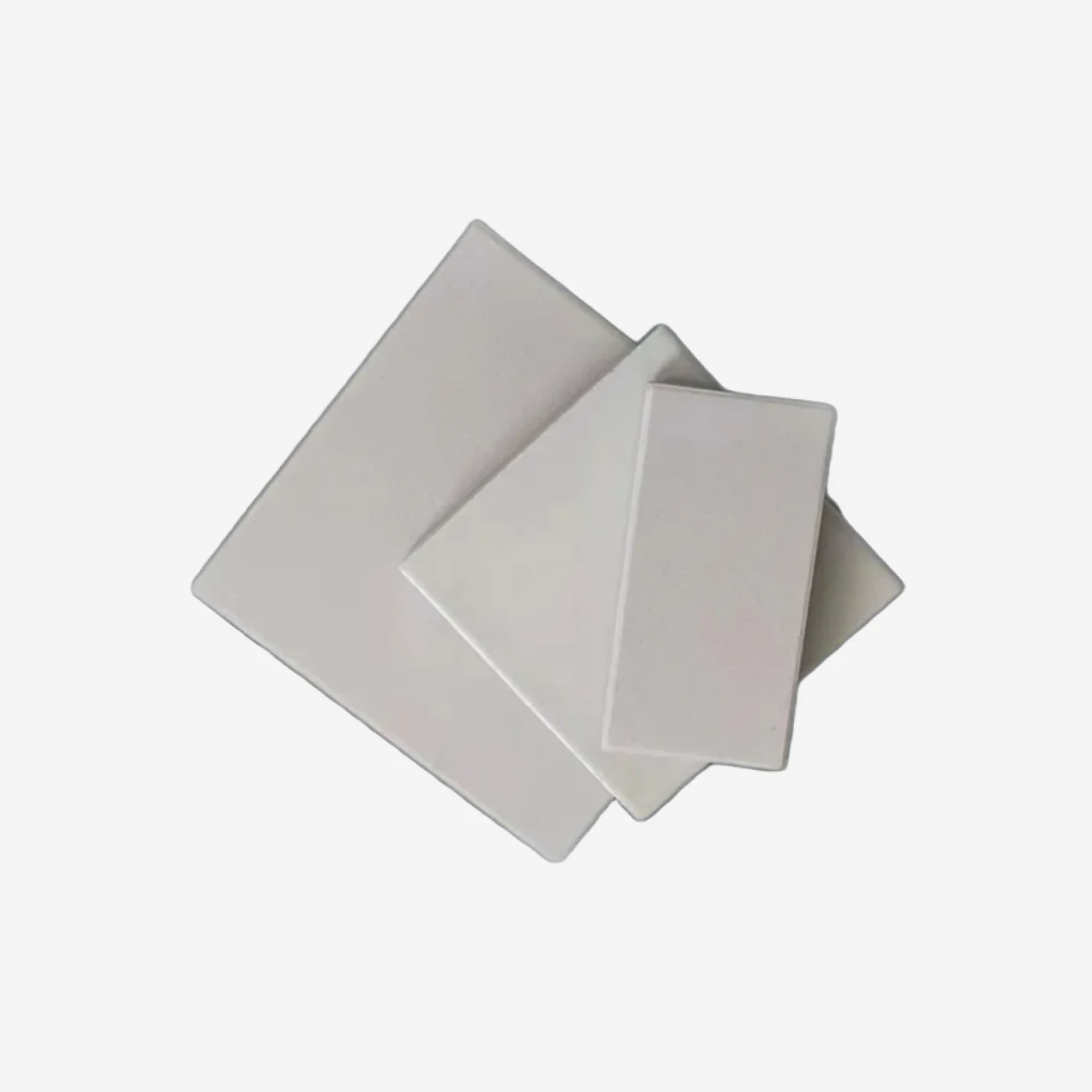
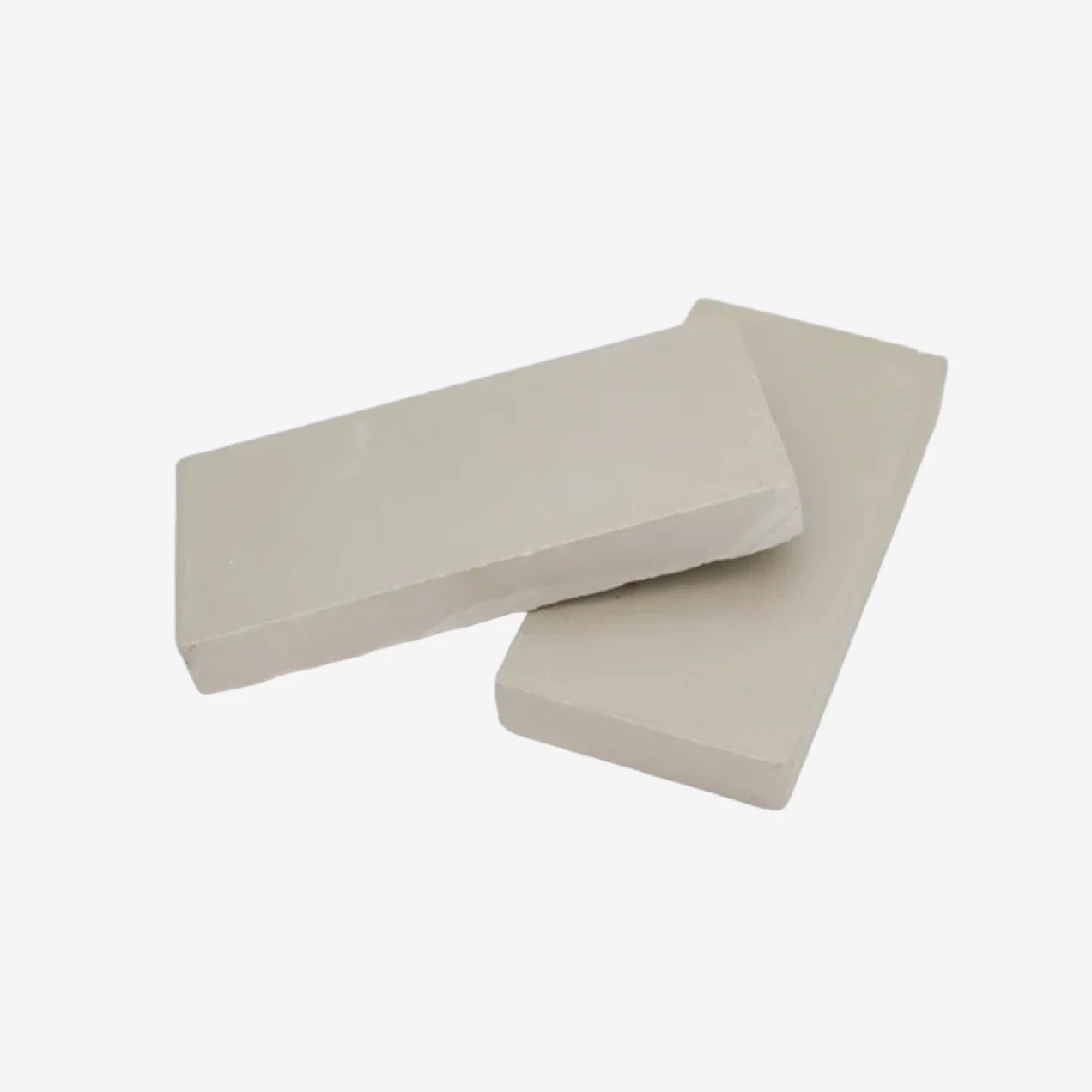
Acid-resistant ceramic bricks and tiles are dense, vitrified ceramic units that protect floors, walls, tanks and channels from acid and chemical attack. Fired hard from acid-proof clays until they are almost non-absorbent, they shrug off strong acids, salts and solvents that would eat through concrete or steel, with an acid resistance above 99.8 percent and a water absorption under 0.2 percent. They are strong as well as inert — high in bending and compressive strength — so they carry load and take impact in industrial flooring, and they ride out a 100-degree thermal shock without cracking. We make them in both thicker brick and thinner tile or porcelain-plate forms, in standard sizes and to custom order, for chemical, electroplating, fertiliser, dye and metallurgical plants. Laid in acid-resistant mortar, they give a fully corrosion-proof lining.

  • Dense, vitrified acid-resistant ceramic — acid resistance above 99.8%
  • Very low water absorption (under 0.2%) and high strength
  • Bricks and thinner tiles/plates, standard and custom sizes
  • For anti-corrosion floors, walls, tanks and channels in chemical plants

Technial Parameters

ParameterValue
ProductAcid-resistant ceramic bricks and porcelain plates
MaterialAcid-resistant vitrified ceramic
Volume density2.31–2.4 g/cm³
Water absorption≤0.2%
Acid resistance≥99.8%
Bending strength≥58.8 MPa
Compressive strength≥80 MPa
Thermal shock resistanceNo cracking at 100 °C temperature difference
StandardsGB/T 8488-2001, HG/T 3210-1986
CustomizationCustom sizes available
HS code6907210000
OriginChina
BrandRongjian
PackagingPallets or cartons

Standard sizes (mm)

BricksTiles / porcelain plates
230×113×65180×110×15–30
230×65×65150×150×15–30
230×113×55/65150×70×15–30
230×113×25/65150×150×15
200×200×20
300×300×20

FAQs

What are acid-resistant ceramic bricks used for?

Acid-resistant ceramic bricks and tiles line surfaces that would otherwise be eaten away by acids and other corrosive chemicals. They go down as flooring, wall cladding and lining in chemical plants, electroplating and pickling shops, fertiliser and dye works, storage tanks, trenches and reaction vessels, where spills, fumes and immersion attack ordinary concrete or steel. Fired dense and almost non-absorbent, they hold up to strong acids for years and protect the structure beneath.

How acid-resistant are they?

Very — their acid resistance is above 99 percent, so almost nothing is lost when the ceramic meets strong acid. They resist most acids across a range of concentrations, along with many salts and solvents, which is why they are the standard lining for acid-handling floors and tanks. They are strongest against acids in particular; for heavy alkaline or hydrofluoric service the material should be confirmed for the specific chemical.

What sizes and shapes are available?

We supply both thicker bricks and thinner tiles, or porcelain plates, in a range of standard sizes, and we make custom sizes to order. Bricks run to around 230 by 113 by 65 millimetres for heavy-duty flooring and lining, while the plates come in sizes such as 150 by 150 and 300 by 300 millimetres in thinner sections for cladding. Tell us the surface and the duty and we will advise the size and thickness.

How are acid-resistant bricks installed?

They are bedded and jointed with an acid-resistant mortar or resin, laid over a prepared and often membrane-protected base, so that both the ceramic and the joints resist the chemical. The bricks take the wear and the chemical attack while the mortar seals the gaps and the membrane backs them up, giving a lining that keeps acid off the structure. Correct bedding and jointing matter as much as the brick itself.

What is the difference between acid-resistant bricks and tiles?

It is mostly thickness and use. Acid-resistant bricks are thicker and stronger, made for floors, trenches and heavy lining that must carry load and take impact as well as resist chemicals. Acid-resistant tiles or porcelain plates are thinner, for wall cladding and lighter-duty surfaces. Both are the same acid-resistant ceramic; the form is chosen for where it goes.

Acid-resistant ceramic bricks and tiles are dense, vitrified ceramic units used to protect floors, walls, tanks and channels from acid and chemical attack. With an acid resistance above 99.8 percent and a water absorption under 0.2 percent, they shrug off strong acids that would destroy concrete or steel, and their high bending and compressive strength lets them carry load and take impact in industrial flooring. They are made in both brick and thinner tile or plate forms, in standard and custom sizes, and bedded in acid-resistant mortar to give a fully corrosion-proof lining.

Key properties:

PropertyValue
Acid resistance≥99.8%
Water absorption≤0.2%
Bending strength≥58.8 MPa
Compressive strength≥80 MPa
Thermal shockNo cracking at 100 °C difference