search
Search

Enter keywords to search for products, blog posts, and more.


Home > Activated Alumina Adsorbent Beads for Water Treatment and Fluoride Removal

Activated Alumina Adsorbent Beads for Water Treatment and Fluoride Removal

Activated Alumina Adsorbent Beads for Water Treatment and Fluoride Removal

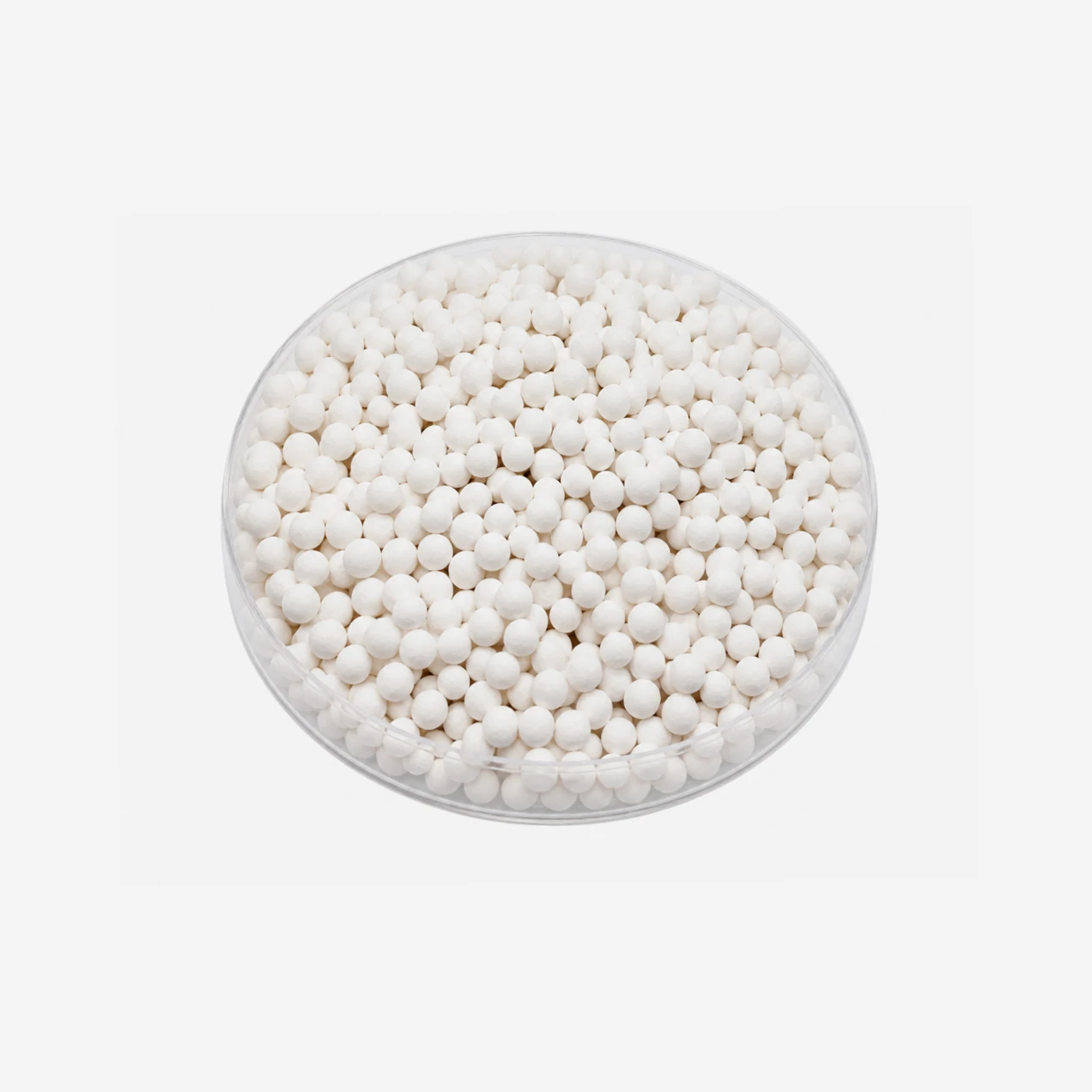
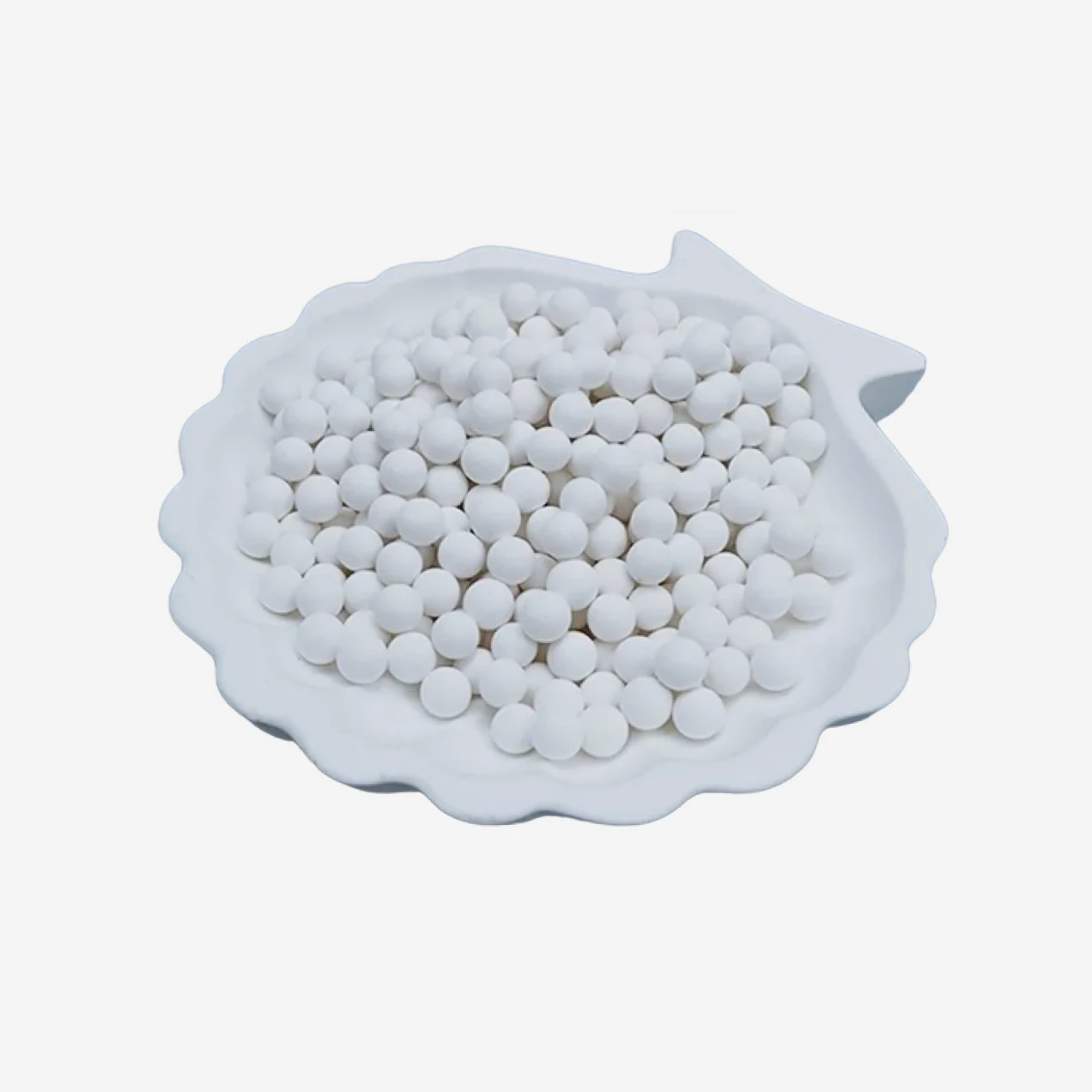
Activated alumina is a porous form of aluminium oxide, made by the controlled dehydration of alumina hydrate into hard white beads shot through with a fine internal pore network. That network gives it a large internal surface — several hundred square metres in every gram — and a strong affinity for water and for fluoride, which is what puts it to work. In water treatment it is the standard media for defluoridation, adsorbing fluoride from drinking water down to safe levels, and it also takes up arsenic and selenium; as a desiccant it dries gases and liquids and holds close to a fifth of its own weight in water. The beads are hard and low in attrition, so they resist crumbling in a bed, and they can be regenerated and reused many times. Supplied as spherical beads in a range of sizes, including the 1–2 mm grade for water filters.

  • Porous γ-alumina beads with a high internal surface area
  • Adsorbs fluoride, arsenic and moisture — the standard media for defluoridation
  • Hard, low-attrition beads that resist crumbling in a filter bed
  • Regenerable and reusable, in 1–2 mm and other bead sizes

Technial Parameters

ParameterValue
ProductActivated alumina adsorbent beads
MaterialActivated alumina (γ-Al2O3)
Al2O3 content≥92%
Form / colourWhite spherical beads
Bead size1–2 mm (also 2–4, 3–5, 4–6, 5–8 mm)
Specific surface area300–350 m²/g
Bulk density700–800 kg/m³ (0.7–0.8 g/cm³)
Pore volume0.4–0.5 mL/g
Static water adsorption≥20% (of its weight)
Crush strength≥130 N (per bead, larger sizes)
Loss on attritionLow
Regeneration175–250 °C (thermal) or chemical
Key usesFluoride removal, arsenic removal, gas and liquid drying, catalyst carrier
HS code2818200000
CertificationISO 9001:2013
OriginJiangxi, China
BrandRongjian
Packaging25 kg bags, 1-ton bulk bags, or as required

FAQs

What is activated alumina used for?

Activated alumina is a porous form of aluminium oxide used both to adsorb specific ions from water and to dry gases and liquids. In water treatment it is best known for removing fluoride from drinking water, and it also takes up arsenic and selenium; as a desiccant it dries air, natural gas and liquids, and it serves as a catalyst carrier. Its large internal surface and strong affinity for water and fluoride are what make it work across all of these.

How does activated alumina remove fluoride from water?

Fluoride removal works by adsorption. As water passes through a bed of activated alumina beads, the fluoride ions bind to the alumina surface and are held there, so the water leaving the bed carries far less fluoride, down to safe drinking levels. The bed keeps taking up fluoride until its surface is loaded, at which point it is regenerated or replaced. It is the most widely used media for community and household defluoridation because it is effective, safe and low in cost.

What size of activated alumina should I use for a water filter?

For a water filter, a small bead is used so its surface is quickly available to the water — the fine grade of around one to two millimetres is the usual choice for defluoridation cartridges and beds, giving a good balance of adsorption and flow. Larger beads are used in deeper beds and in gas drying, where a lower pressure drop matters more. Tell us the vessel and the flow and we will match the bead size.

Can activated alumina be regenerated after use?

Yes. When the beads are loaded with fluoride or moisture they are not discarded; the bed is regenerated — fluoride-loaded alumina is treated with a regenerant solution and rinsed, and a moisture-loaded desiccant is dried with heat — and returned to service over many cycles. This reusability is a large part of why activated alumina is economical. When the beads finally lose capacity they are simply replaced.

How is activated alumina different from molecular sieve or silica gel?

All three are adsorbents, but they do different jobs. Activated alumina has a strong, specific affinity for fluoride and arsenic in water, which the other two do not, so it is the media for defluoridation, and it also dries gases well. Silica gel holds the most moisture at high humidity for packaging and general drying, while molecular sieve reaches the lowest dew points and can separate molecules by size. For fluoride and arsenic from water, activated alumina is the one to use.

Activated alumina is a hard, porous form of aluminium oxide used to adsorb fluoride and other ions from water and to dry gases and liquids. Made by dehydrating alumina hydrate into white beads with a large internal surface, it binds fluoride, arsenic and moisture, which makes it the standard media for defluoridating drinking water as well as a durable desiccant and catalyst carrier. The beads are hard and low in attrition, and they can be regenerated and reused many times.

What activated alumina is used for:

UseWhat it does
Fluoride removalAdsorbs fluoride from drinking water down to safe levels
Arsenic and selenium removalTakes up these ions in water treatment
Gas and liquid dryingWorks as a desiccant, holding moisture
Catalyst carrierSupports active material in chemical processes