search
Search

Enter keywords to search for products, blog posts, and more.


Home > Activated Alumina Desiccant for Gas Drying

Activated Alumina Desiccant for Gas Drying

Activated Alumina Desiccant for Gas Drying

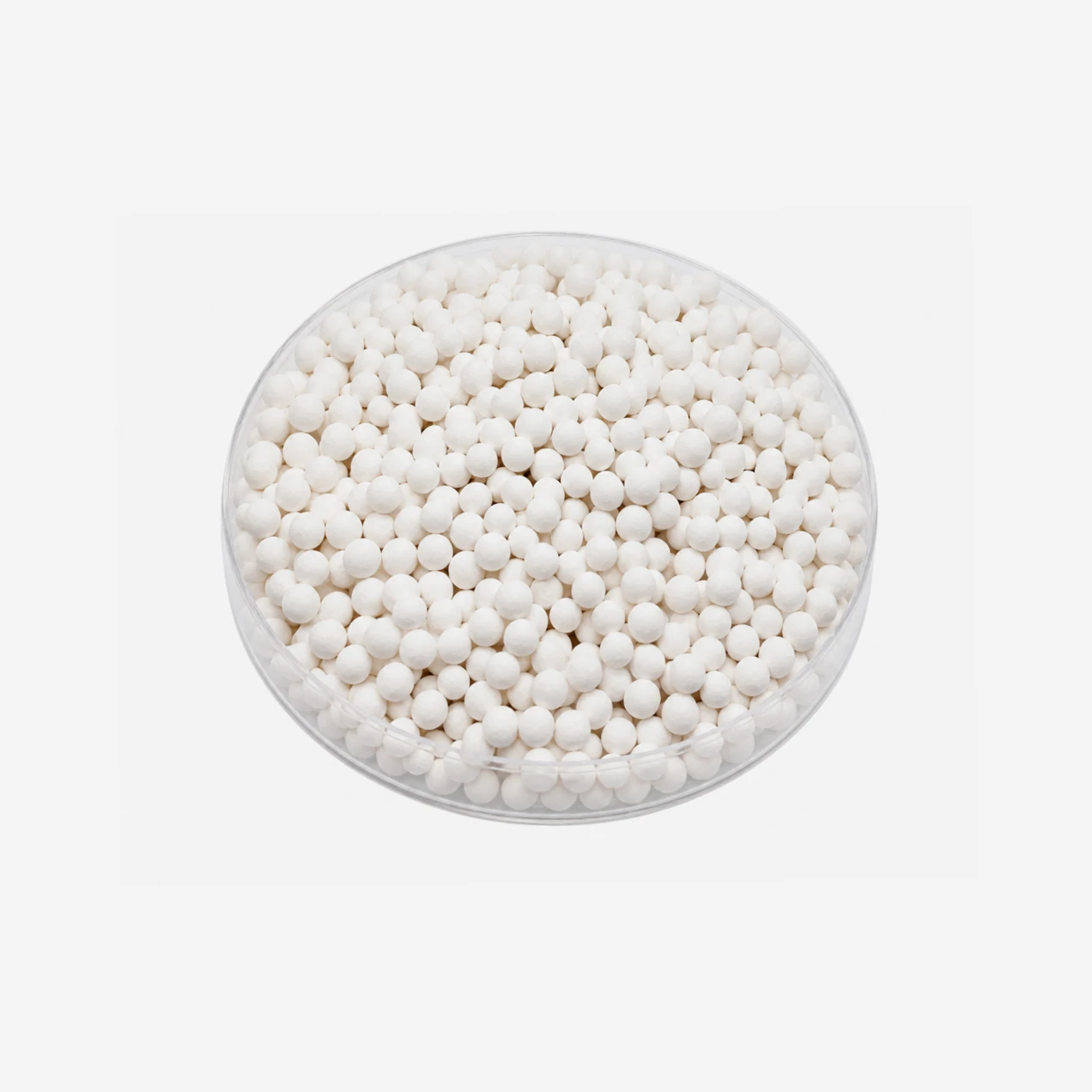
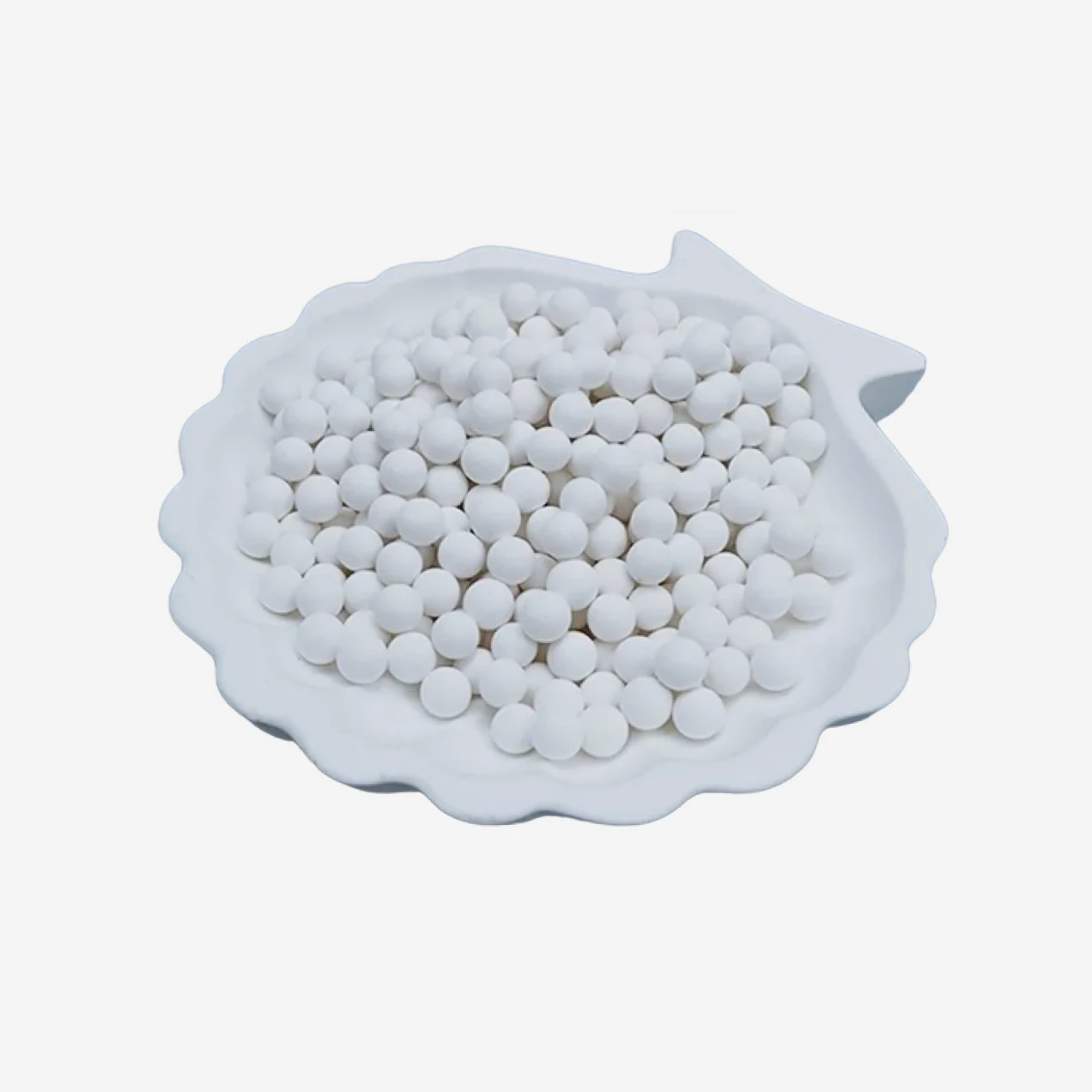
Activated alumina is a hard, porous aluminium oxide used as a desiccant to dry gases and liquids. Its beads are riddled with fine pores that build a large internal surface, and that surface pulls water vapour out of a stream and holds it, so the gas leaves dry. It is a workhorse desiccant for compressed air, natural gas, hydrogen, argon and process liquids, reaching a low dew point and taking up a heavy load of moisture before it has to be regenerated. Two things keep it working in service: the beads are hard with a low abrasion loss, so they do not powder and channel in the tower, and they are dried out and reused over many cycles. It runs in twin-tower dryers, air-line dryers and breathers, and the same material also serves water treatment. Supplied as spherical beads in the sizes a dryer bed needs.

  • Hard, porous γ-alumina desiccant for drying gases and liquids
  • High moisture capacity and a low dew point in compressed air and gas
  • Low abrasion loss — beads resist powdering and channelling in the tower
  • Regenerated with heat or pressure swing and reused across many cycles

Technial Parameters

ParameterValue
ProductActivated alumina desiccant beads
MaterialActivated alumina (γ-Al2O3)
Al2O3 content≥92%
Form / colourWhite spherical beads
Bead size3–5 mm (also 1–2, 2–4, 4–6, 5–8 mm)
Specific surface area300–350 m²/g
Static water adsorption≥20–22% (of its weight)
Bulk density700–800 kg/m³ (0.7–0.8 g/cm³)
Pore volume0.4–0.5 mL/g
Crush strength≥130 N (per bead, larger sizes)
Loss on attrition (abrasion)Low (typically ≤0.5%)
Regeneration175–250 °C (thermal swing) or pressure swing
Dew pointDown to about −40 °C (typical, in a dryer)
Key usesDrying compressed air, natural gas, hydrogen and liquids; also water treatment
HS code2818200000
OriginJiangxi, China
BrandRongjian
Packaging25 kg bags, 1-ton bulk bags, or as required

FAQs

What is activated alumina desiccant used for?

Activated alumina desiccant dries gases and liquids by adsorbing their moisture. It dries compressed air, natural gas, hydrogen, argon and other gases, as well as process liquids, taking water vapour out of the stream and holding it on its large internal surface so the gas leaves dry. It is one of the most common desiccants in industrial drying, and the same material is also used to remove fluoride and arsenic in water treatment.

What dew point can activated alumina reach in gas drying?

In a normal twin-tower dryer, activated alumina brings a compressed-air or gas stream down to a pressure dew point of around minus 40 degrees, dry enough for most instrument air and process gas. It holds a heavy load of moisture before it has to be regenerated, and where an even lower dew point is required it is often paired with a molecular sieve that polishes the gas further. The dew point reached depends on the gas, the pressure and the drying cycle.

Why does a low abrasion loss matter in a desiccant?

A desiccant sits in a bed and is cycled hard, so soft beads rub together, powder, and the dust both blocks the flow and lets the gas channel past the bed, which cuts the drying and fouls downstream filters. Activated alumina beads are hard and low in abrasion loss, so they hold their shape and keep the bed clean and even over a long service life. That toughness is a big part of why it is picked for continuous dryers.

How is activated alumina regenerated in a dryer?

Activated alumina is regenerated by driving the held water back off. In a heat-regenerated dryer the spent tower is warmed, commonly to around 175 to 250 degrees, while a purge gas carries the moisture away; in a pressure-swing dryer the bed is regenerated by dropping the pressure instead. Either way the desiccant returns to full capacity and the two towers swap over, so drying runs without a break. It regenerates over many cycles before it needs changing.

When should I choose activated alumina over silica gel or molecular sieve for drying?

It comes down to how dry the gas must be and how much water there is to take out. Activated alumina is a strong general desiccant with a high moisture capacity and hard, reusable beads, and it suits most compressed-air and gas drying. Silica gel takes up more water at high humidity but is softer, while molecular sieve reaches a far lower dew point where very dry gas is needed. Many dryers layer activated alumina or silica gel first and finish with a molecular sieve.

Activated alumina is a hard, porous aluminium oxide used mainly as a desiccant to dry gases and liquids. Its beads carry a large internal surface that adsorbs and holds water vapour, so it dries compressed air, natural gas, hydrogen and process liquids to a low dew point, and its low abrasion loss keeps the bed clean and even through hard cycling. It is regenerated with heat or by pressure swing and reused over many cycles, and the same material also removes fluoride and arsenic in water treatment.

Activated alumina in a drying system:

PointDetail
RoleAdsorbs moisture from the gas or liquid stream
Dew pointDown to about −40 °C in a typical dryer
Bead toughnessLow abrasion loss — resists powdering and channelling
RegenerationHeat (thermal swing) or pressure swing, over many cycles
PairingOften followed by molecular sieve for a lower dew point