search
Search

Enter keywords to search for products, blog posts, and more.


Home > Ceramics Sand

Ceramics Sand
Ceramics Sand

Ceramics Sand

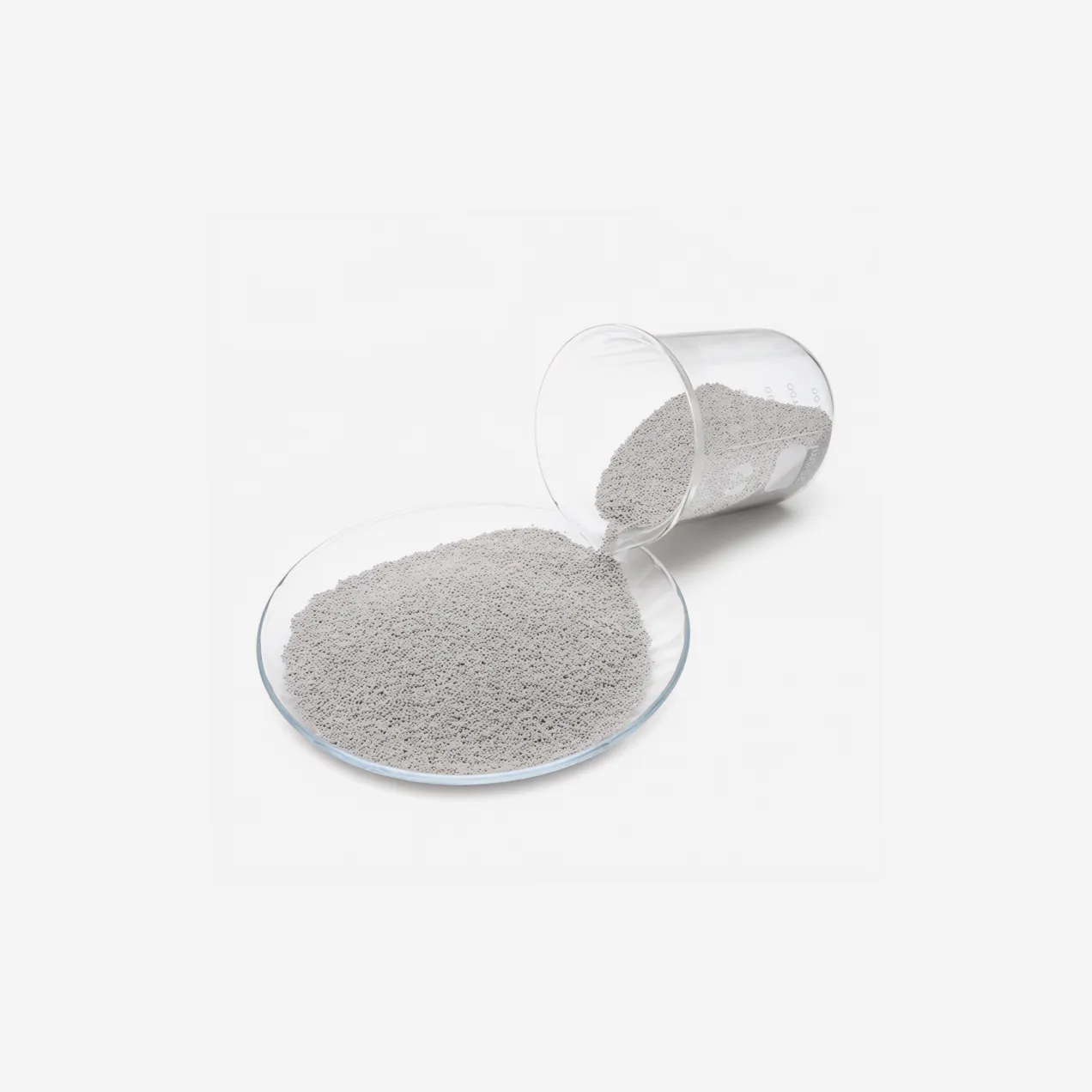
Ceramic sand, or porcelain sand, is a granular ceramic filter media used to clarify water. It is a hard, angular grit fired from high-quality kaolin, made up mainly of silica and alumina, and it works by physical filtration: packed as a bed in a filter, it lets water pass down through it while the countless pores and gaps between the grains trap the suspended particles, sediment and other impurities the water is carrying, so cleaner, clearer water leaves the bottom. When the bed fills with captured dirt it is backwashed — run in reverse — to flush the solids out and put it back to work. The value of the ceramic grain over ordinary quartz sand is that it is more angular and more porous, so it holds far more dirt before it needs washing and intercepts pollution strongly; it also resists acids and alkalis and barely wears, with a very low wear and breakage rate, so it lasts. Its bed is open, at 40 to 45 percent porosity. Grain size 0.5 to 1 mm; model RJ-661.

  • Granular ceramic (porcelain) sand filter media, fired from kaolin (silica + alumina).
  • Physical filtration: traps suspended solids, sediment and impurities as water passes through.
  • Angular and porous: high dirt-holding and pollution interception; backwashes clean.
  • Acid- and alkali-resistant; very low wear (0.02%) and breakage (0.75%); long life.
  • Porosity 40–45%; specific gravity 2.57; grain 0.5–1 mm; model RJ-661.

Technial Parameters

ParameterValue
Specific gravity (proportion)2.57 g/cm³
Bulk density1.4 g/cm³
Porosity40–45%
Wear rate0.02%
Breakage rate0.75%
Acid resistance0.98
Alkali resistance0.92
SiO₂58–74%
Al₂O₃15–24%
Fe₂O₃≤1%
Grain size0.5–1 mm


PropertyValue
Product TypeCeramic / porcelain sand filter media (granular)
FunctionPhysical water filtration: traps suspended solids, sediment and impurities in a filter bed
Model NO.RJ-661
MaterialHigh-quality kaolin ceramic (silica + alumina)
Colour / ShapeCream; angular granular
Grain Size0.5–1 mm (other sizes available)
Specific Gravity2.57 g/cm³
Bulk Density1.4 g/cm³
Porosity40–45%
Wear / Breakage0.02% / 0.75% (very low)
Chemical ResistanceHigh acid and alkali resistance
AdvantagesStrong pollution interception, high dirt-holding, durable, backwashable, low wear
ApplicationsRapid and pressure filters in water and wastewater treatment; industrial, municipal, pharmaceutical, chemical and food water
TrademarkRONGJIAN
OriginChina
HS Code2508300000 (source; a ceramic-article code such as 6914900000 may apply for fired ceramic — confirm)
Transport PackageSteel drum / ton bag / carton box

FAQs

What is ceramic (porcelain) sand filter media, and how does it work?

Ceramic sand, also called porcelain sand, is a granular ceramic medium used to filter water clear. It is a hard, sharp-edged grit made by firing high-quality kaolin clay, and it does its work by simple physical filtration. In a filter, a tank or vessel holding a deep bed of the grains, water is passed down through the bed. As it threads through the maze of tiny gaps between the grains, the suspended particles it carries, the sediment, silt, flakes of organic and inorganic matter, cannot follow all the twists and are caught, some strained out at the surface and much of it trapped down inside the bed. Clean, clear water comes out of the bottom. Over a run the bed gradually fills with the dirt it has caught, and the pressure needed to push water through rises; at that point the filter is backwashed, clean water and often air forced up through the bed to lift and scrub the grains and carry the trapped solids away to waste. The bed then settles back and filters again. So the grain is a reusable dirt trap, cleaned and used over and over for years.

How is ceramic sand better than quartz sand?

Quartz sand is the traditional, cheapest filter medium, and ceramic sand is the upgrade from it. The difference is in the grain. A quartz grain is fairly smooth and rounded; a ceramic sand grain is angular and, crucially, porous, its surface rough and pitted rather than glassy. That does two useful things. It gives the bed a higher porosity and a much greater internal surface, so it holds a lot more captured dirt before it clogs, a higher dirt-holding capacity, which means longer filter runs and less frequent backwashing for the same water. And the rough, angular grains intercept fine suspended matter more effectively, giving clearer water. On top of that, fired ceramic resists acids and alkalis better than quartz, so it suits aggressive or variable-pH water, and it is hard and tough, wearing and breaking very little over years of backwashing. The trade is that ceramic sand costs more than quartz. Where water is difficult, or long runs and durability matter, the ceramic pays for itself. Tell us your water and filter and we will compare.

What are its properties and composition?

Ceramic sand is a fired kaolin ceramic, so its make-up is mostly silica and alumina, roughly 60 to 75 percent silica and 15 to 24 percent alumina, with a little iron oxide, kept under one percent so it does not stain, and traces of lime, magnesia and titania. That composition is what gives it its hardness and its chemical resistance. In terms of the physical numbers that matter for a filter: the grains have a specific gravity of about two and a half times water and a bulk density of roughly one and a half grams per cubic centimetre, so the bed sits firmly and backwashes cleanly; the packed bed is open, at 40 to 45 percent porosity, which is where the dirt-holding comes from; and the grains are extremely durable, losing only a tiny fraction of a percent to wear and under one percent to breakage. Its acid and alkali resistance are both high. The standard grain size here is half a millimetre to a millimetre, and other gradings can be supplied to suit the filter. Tell us your filter and we will grade the sand.

Where is it used, and how is the filter run?

Ceramic sand is used as the filtering medium in the rapid gravity and pressure filters that clarify water across almost every kind of plant: municipal drinking-water works, industrial process and cooling water, wastewater polishing, and the water used in pharmaceutical, chemical and food production, wherever suspended solids have to be taken out to make the water clear. In a filter it is laid as a bed, often on top of a supporting layer of coarser gravel, and sometimes as one layer of a multimedia filter above finer media. Running it is straightforward: water is filtered down through the bed until the head loss rises or the run time is up, then the bed is backwashed to clean it, and filtering resumes; the grain itself is not consumed and lasts for years, with only occasional topping-up. The main things to set are the bed depth, the grain size and the filtration and backwash rates, all of which follow from the water and the vessel. Send us the water, the flow and the filter and we will specify the sand and the bed.

Ceramic sand, or porcelain sand, is a granular ceramic filter media that clears suspended solids from water. Fired from kaolin into a hard, angular, porous grit, it is packed as a bed in a filter; water passes down through it and the particles it carries are trapped in the gaps and pores between the grains, so clear water leaves the bottom. When the bed fills with dirt it is backwashed clean and used again. Its rough, porous grains hold far more dirt and intercept pollution more strongly than smooth sand, and being fired ceramic it resists acids and alkalis and barely wears.

Ceramic (porcelain) sand against quartz sand:

PropertyCeramic sandQuartz sand
Grain surfaceAngular and porousSmoother, rounded
Dirt-holding / run lengthHigher; longer runsLower
Pollution interceptionStrongerGood
Acid / alkali resistanceHighLower
CostHigherLowest

It is used in rapid and pressure filters across municipal, industrial and wastewater treatment, and in pharmaceutical, chemical and food water. Made from kaolin (mostly silica and alumina), about 40 to 45 percent porous and very hard-wearing, it is supplied at a grain size of 0.5 to 1 mm and in other gradings. Tell us your water, flow and filter, and we will grade the sand and set the bed.