search
Search

Enter keywords to search for products, blog posts, and more.


Home > Coconut Shell Activated Carbon for Drinking Water Treatment

Coconut Shell Activated Carbon for Drinking Water Treatment

Coconut Shell Activated Carbon for Drinking Water Treatment

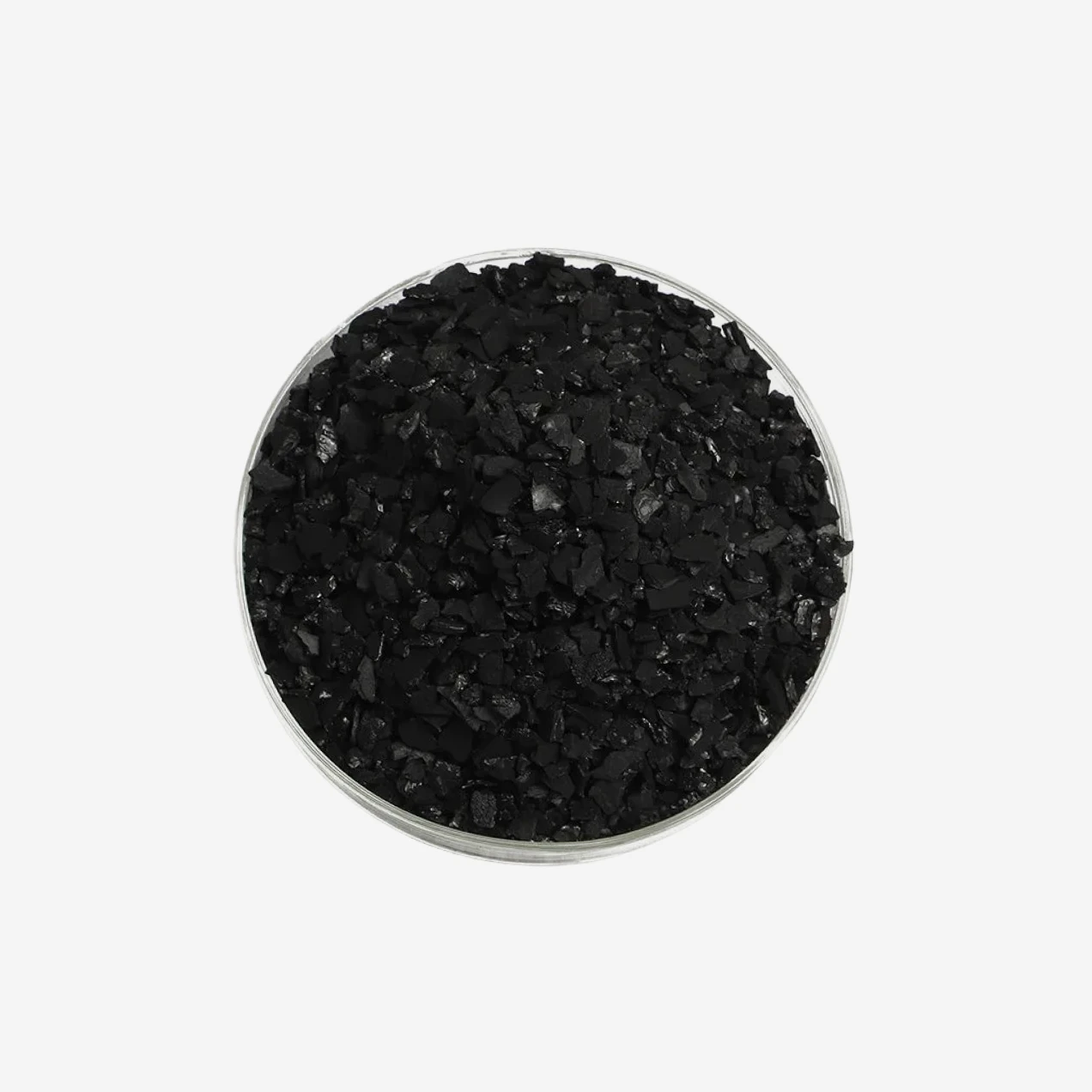
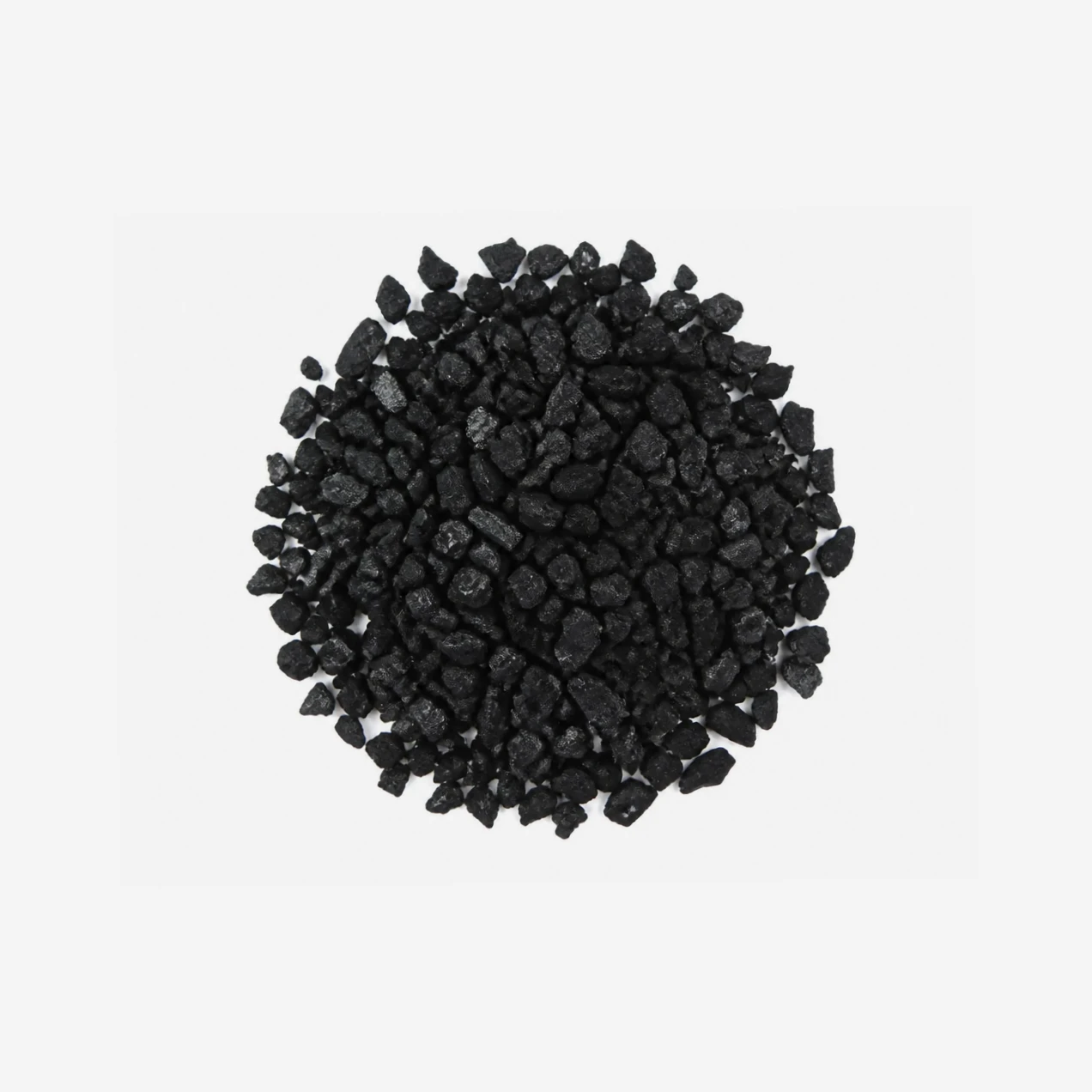
This is a coconut shell granular activated carbon made for drinking water. Selected high-density shell is steam-activated into a rich microporous structure, and that pore network is what lets the carbon polish water — it adsorbs chlorine and the taste and smell it leaves behind, along with colour, dissolved organics and other impurities, so tap, ground and purified water come through cleaner and better tasting. Because it is food-safe and low in dust, with high mechanical strength and an even particle size, it runs stably in filters and cartridges and lasts a long time before it needs changing, without bleeding fines or causing secondary pollution. It is the grade behind household water purifiers, bottled-water lines, municipal supply and industrial drinking-water systems. Model RJ-2531.

  • Food-safe coconut shell granular activated carbon for potable water
  • Removes chlorine, taste, odour, colour and dissolved organics
  • High hardness, low dust and uniform particle size for stable, long-life filtration
  • For water purifiers, bottled water, municipal and industrial drinking-water systems

Technial Parameters

ParameterValue
ProductCoconut shell granular activated carbon
ModelRJ-2531
Raw materialSelected high-density coconut shell
GradeFood-safe, for drinking water
Iodine value900–1000 mg/g
CTC adsorption50–65%
Methylene blue value120–240 mg/g
Specific surface area990–1100 m²/g
Hardness≥95%
Ash content3–5%
Moisture3–8%
pH value5–7
Particle size0.5–1 mm
Mesh sizes4×8, 6×12, 8×30, 12×40, 30×60, 60×80
Apparent density400–680 kg/m³
Packing density0.45–0.55 g/cm³
Ignition (fire) point≥500 °C
UsageDrinking water and water purification; also air purification and gas-phase adsorption
HS code3802100000
OriginPingxiang, China
BrandRongjian
Packaging25/50 kg bags, 1-ton bulk bags, or as required

FAQs

What does coconut shell activated carbon remove from drinking water?

In drinking water, coconut shell activated carbon takes out the things that spoil taste, smell and safety. It adsorbs chlorine and the taste and odour it leaves behind, along with colour, dissolved organic matter and trace organic pollutants, from tap, ground and purified water. Its network of fine pores gives it a strong hold on these small molecules, so the water leaves the filter clearer, fresher and better tasting.

Is this activated carbon food-safe for potable water?

Yes. This is a food-safe grade, made from selected coconut shell and washed to meet drinking-water standards, and it does not release fines or cause secondary pollution. Its low dust and high mechanical strength keep it in place in the filter rather than bleeding carbon into the water, which is why it is trusted in household purifiers, bottled-water lines and municipal supply where the water is for drinking.

How is coconut shell carbon better than coal carbon for drinking water?

Coconut shell carbon is built on fine micropores, the right size for the small chlorine-, taste- and odour-related molecules in drinking water, and it is harder and lower in dust than coal carbon, so it runs cleaner and lasts longer in a filter. Coal carbon carries more of the wider pores suited to larger molecules and some bulk duties, but to polish drinking water to a clean taste, the harder, micropore-rich coconut grade is the usual choice.

What mesh size should I use, and how is it backwashed?

The mesh is matched to the filter. Coarser grades such as 4×8 and 6×12 suit backwashing beds and cartridges where a low resistance matters, while finer grades such as 12×40 and 30×60 give a faster, sharper polish in smaller units. In a bed the carbon is backwashed now and then to lift out trapped solids and reclassify the grains, which keeps the flow even. Tell us the filter and flow and we will match the mesh.

How long does it last, and can it be reactivated?

Service life depends on the water and the load, but coconut shell carbon is hard and keeps its structure, so a bed runs a long time before the carbon is exhausted, and it can be thermally reactivated and put back to work rather than discarded. When it is finally spent it is simply changed out. Send us your water quality and flow and we will estimate the change-out interval.

Coconut shell activated carbon is the food-safe, micropore-rich grade used to purify drinking water. Steam-activated from selected high-density coconut shell, it adsorbs chlorine, taste, odour, colour and dissolved organics from tap, ground and bottled water, and its high hardness, low dust and even particle size keep it running cleanly and for a long time in filters and cartridges, without secondary pollution. The same carbon also serves air purification and gas-phase adsorption.

What it removes from drinking water:

ContaminantWhat the carbon does
Free chlorineRemoves the chlorine taste and smell left after disinfection
Taste and odour compoundsGives water a fresh, clean taste
Colour and dissolved organicsClears colour and cuts the organic load
Trace organic pollutantsImproves water safety and quality