search
Search

Enter keywords to search for products, blog posts, and more.


Home > Coconut Shell Activated Carbon for Oil Decolorization

Coconut Shell Activated Carbon for Oil Decolorization

Coconut Shell Activated Carbon for Oil Decolorization

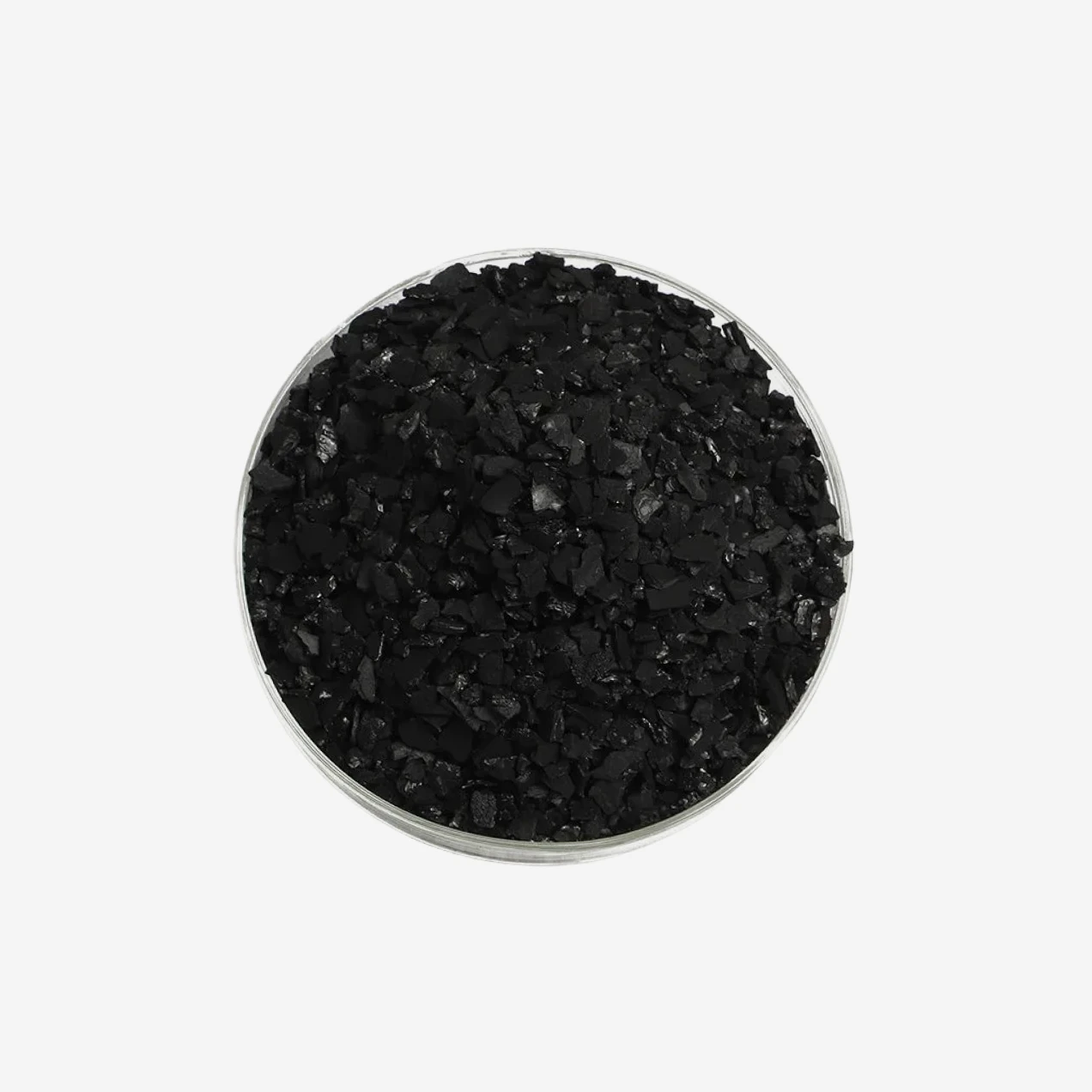
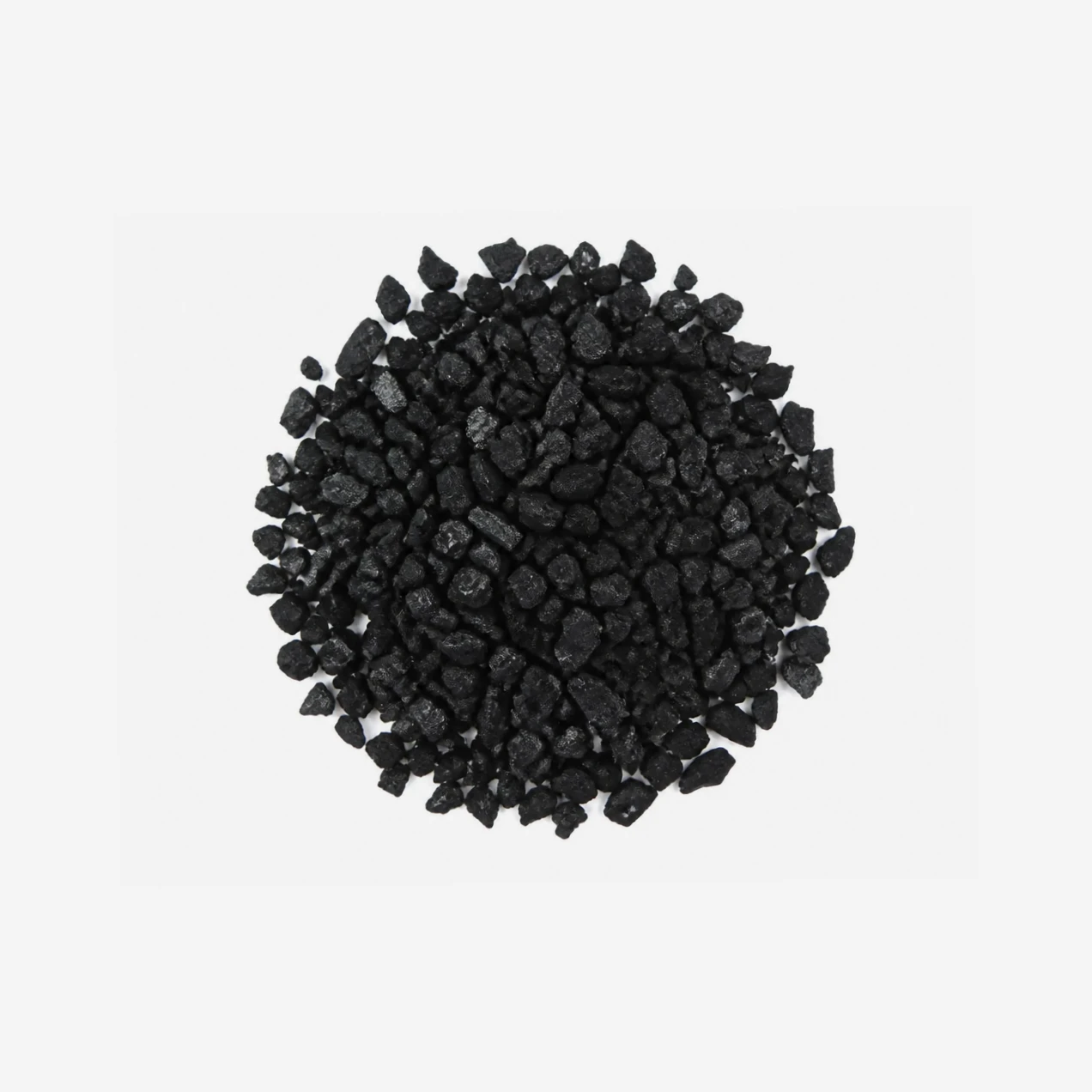
This is a granular activated carbon made from coconut shell, built for decolorizing oil. The shell is carbonized and then steam-activated to open a dense network of fine pores, which gives a high iodine value of 900 to 1100 mg/g and a large specific surface area of 900 to 1200 m²/g — the surface that pulls colour bodies, pigments, colloids, odours and organic impurities out of a liquid. In oil refining that shows up as clearer, more stable product: it strips the colour and off-odours from edible, biodiesel and mineral oils, and its low ash, high hardness and low dust keep the oil clean and the bed steady through continuous runs. The same high-adsorption carbon also serves water treatment, air purification and gas-phase adsorption. Supplied across a range of mesh sizes to suit the bed. Model RJ-2530.

  • Coconut shell granular activated carbon, steam-activated to a high iodine value (900–1100 mg/g)
  • Strong decolorizing power — removes pigments, colloids, odours and organics from oils
  • Low ash, high hardness (95%) and low dust for continuous oil refining
  • Also used in water treatment, air purification and gas-phase adsorption

Technial Parameters

ParameterValue
ProductCoconut shell granular activated carbon
ModelRJ-2530
Raw materialHigh-quality coconut shell
Iodine value900–1100 mg/g
Methylene blue value120–240 mg/g
Specific surface area900–1200 m²/g
Hardness95%
Ash content3–5%
Moisture3–8%
pH value5–7
Particle size0.5–1 mm
Mesh sizes4×8, 6×12, 8×30, 12×40, 30×60, 60×80
Apparent density400–680 kg/m³
Filling density0.38–0.58 g/cm³
Ignition (fire) point≥500 °C
UsageOil decolorization, water treatment, air purification, gas-phase adsorption
HS code3802100000
OriginPingxiang, China
BrandRongjian
Packaging25/50 kg bags, 1-ton bulk bags, or as required

FAQs

What is coconut shell activated carbon used for in oil decolorization?

Coconut shell activated carbon decolorizes oil by adsorption. Its fine pore structure and large surface area pull the colour bodies, pigments, colloids, odours and organic impurities out of the oil, so the refined product comes out clearer and more stable. It is used to decolorize edible oils, biodiesel and mineral oils, run as a bed of granules or mixed in as a fine grade, and its low ash and low dust keep the oil clean and the process steady.

What iodine value and grades do you offer?

We supply this coconut shell grade at a high iodine value of 900 to 1100 mg/g, with a methylene blue value of 120 to 240 mg/g and a surface area of 900 to 1200 m²/g — the numbers that set its adsorption capacity. Iodine value tracks the fine pores that take small molecules, while methylene blue value tracks the larger pores that take colour bodies. We can supply other iodine grades and mesh sizes to match the duty, so tell us the oil and the colour target you need to hit.

Why choose coconut shell over coal- or wood-based activated carbon?

Coconut shell carbon has a harder, denser structure and a higher share of fine pores than coal- or wood-based carbon, which gives it a high iodine value, strong adsorption, high hardness and low dust. That hardness lets it hold up in continuous beds and reactivate well, and being made from a renewable shell it is a cleaner raw material. Coal carbon suits some bulk gas and water duties, and wood carbon takes very large colour molecules, but for clean, hard, high-iodine decolorizing carbon, coconut shell is the usual choice.

What mesh sizes and packaging are available?

The carbon comes in a range of mesh sizes — 4×8, 6×12, 8×30, 12×40, 30×60 and 60×80 — alongside finer granular grades, so the size is matched to the bed or the mixing step. It ships in 25 and 50 kg bags, in one-tonne bulk bags, or packed as you require. Give us the mesh and the volume and the packing comes back on the quote.

Can it be regenerated and reused?

Yes. Coconut shell carbon is hard and holds its structure, so once it is loaded with colour and impurities it can be thermally reactivated — heated to drive off the adsorbed material — and used again over several cycles, which lowers the cost for each tonne of oil treated. When it is finally spent, it is easily replaced. Tell us your process and we will advise on handling and reactivation intervals.

Coconut shell activated carbon is the hard, high-iodine grade used to decolorize and purify oils and liquids. Carbonized and steam-activated from coconut shell, it develops a dense network of fine pores and a large surface area, which strip pigments, colloids, odours and organic impurities from edible, biodiesel and mineral oils, leaving them clearer and more stable. Its low ash, high hardness and low dust suit it to continuous refining, and the same carbon also serves water treatment, air purification and gas-phase adsorption.

Activated carbon by raw material:

Raw materialCharacterBest for
Coconut shellHard, high iodine, fine pores, low dustOil decolorization, water and air purification, gold recovery
CoalDense, broad pore rangeBulk water and gas treatment, general use
WoodSoft, large poresVery large colour molecules, some liquid decolorizing