search
Search

Enter keywords to search for products, blog posts, and more.


Home > High Alumina Grinding Balls for Ball Mills

High Alumina Grinding Balls for Ball Mills

High Alumina Grinding Balls for Ball Mills

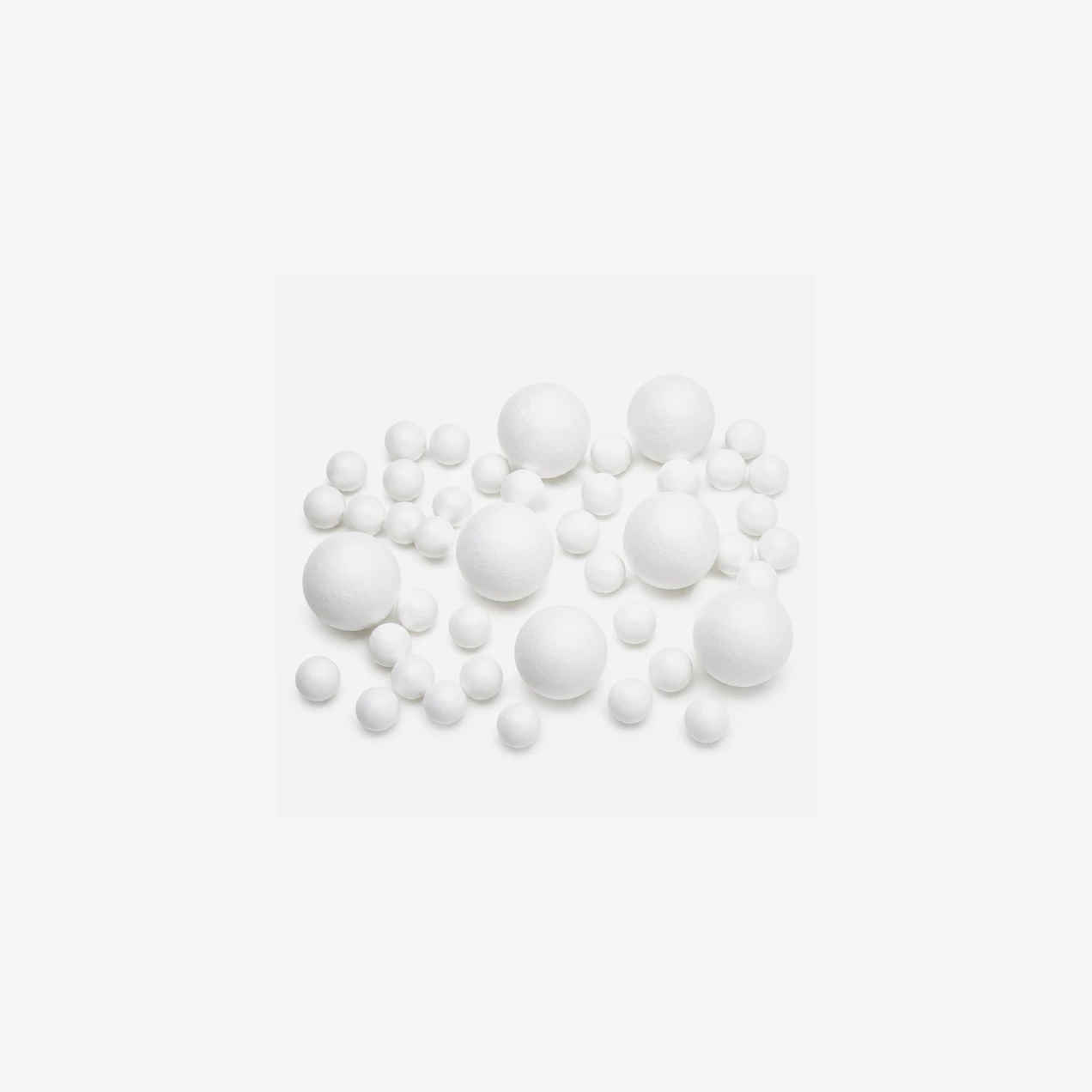
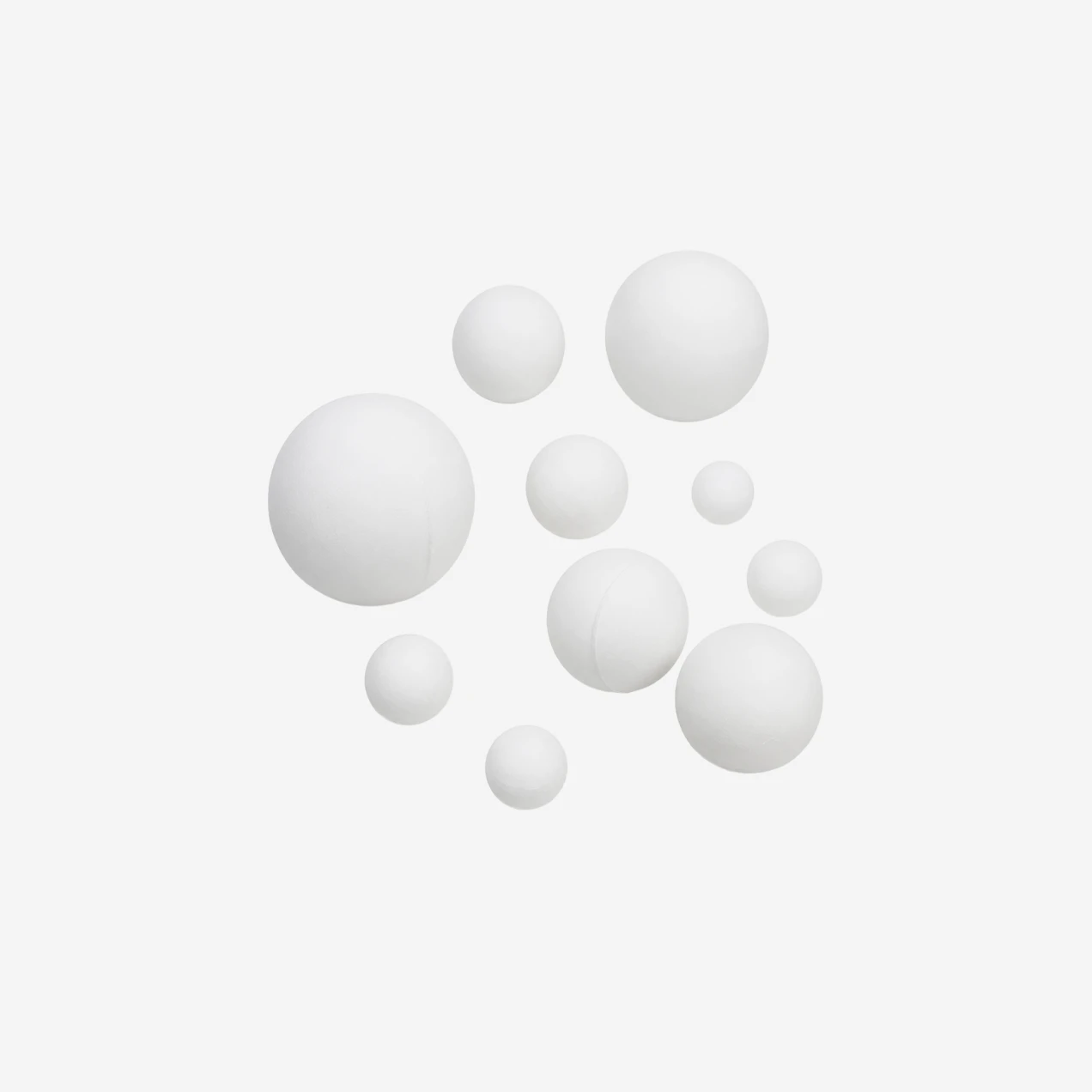
High alumina grinding balls are the dense, ultra-hard ceramic media that does the grinding in a ball mill. Dry-pressed from high-purity alumina and fired at high temperature, they run from a 92 percent alumina grade up to 99 percent, getting harder, denser and more wear-resistant as the alumina rises. They grind minerals, ceramic bodies, cement and other hard feeds, wet or dry, and because they are alumina they leave no iron or rust in the batch the way steel media does — which is why they are chosen for white, ceramic and electronic materials. At around 9 on the Mohs scale, with a high compressive strength and a very low wear rate, a charge grinds hard and lasts, so the media cost against each tonne milled stays low. Supplied smooth and round in sizes from 6 to 50 mm, with custom sizes on request. Model RJ-2359.

  • Dense, ultra-hard alumina grinding media in 92%, 95% and 99% grades
  • No iron contamination, unlike steel media, for a clean ground product
  • High compressive strength and very low wear for a long charge life
  • For wet and dry ball milling of minerals, ceramics and cement

Technial Parameters

ParameterValue
ProductHigh alumina grinding balls
ModelRJ-2359
MaterialHigh alumina ceramic (Al2O3)
Alumina content92%, 95%, 99%
Bulk density3.6–3.9 g/cm³ (rises with grade)
Water absorption≤0.01%
Mohs hardness9
Compressive strength≥1500 N (10 mm ball)
Max service temperature1650 °C
Wear featureHigh-wearing (very low wear loss)
Surface finishSmooth
FormingDry-pressed and high-temperature sintered
Sizes6, 13, 19, 25, 38, 50 mm (custom 1–100 mm)
ApplicationBall mills; wet and dry grinding of minerals, ceramics and cement
HS code6909110000
OriginJiangxi, China
BrandRongjian
PackagingCarton box, ton bag or steel drum

FAQs

What are high alumina grinding balls used for?

High alumina grinding balls are the media that grinds material in a ball mill. They break and refine minerals, ceramic bodies, cement, glazes and similar hard feeds, wet or dry, driving the grind by impact and standing up to an abrasive load. Being hard and inert, they grind fast and leave the product clean, without the iron a steel ball sheds, so they are used across ceramic, mineral, cement and electronic-material milling.

What alumina grades do you supply, and how do they differ?

We supply high alumina grinding balls in 92, 95 and 99 percent alumina grades. The higher the alumina content, the harder, denser and more wear-resistant the ball, and the cleaner it grinds, so a 92 percent grade suits general milling while the 95 and 99 percent grades are chosen for finer, higher-purity or more abrasive work. A higher grade lasts longer and contaminates less, at a higher price, so the grade follows the material and the budget.

Why use alumina grinding balls instead of steel?

Alumina balls add no iron or rust to the batch, wear slowly and run a long time between changes, which steel media cannot match on cleanliness. Steel is denser and cheaper to buy, so it still has a place on some very heavy feeds, but for white, ceramic, electronic and other contamination-sensitive materials, alumina is the media of choice. Its hardness and slow wear also keep the mill running longer between recharges.

What sizes are available, and how do I choose?

We make the balls in sizes from 6 to 50 millimetres, with custom sizes down to a millimetre and up to a hundred, so the size fits the mill and the fineness the job needs. Larger balls break a coarse feed; smaller balls grind fine. Most mills run a graded charge of a few sizes rather than one, filled to the level the mill design calls for, and we work the size mix out from the mill and the material.

Do alumina grinding balls contaminate the ground product?

Very little, and that is a large part of why they are used. Alumina is hard and wears slowly, so next to steel or spent media it puts almost no iron, rust or colour into the product. A higher-alumina grade wears even less and contaminates even less, so for the cleanest work, such as electronic and high-purity ceramic powders, the 99 percent grade is used.

High alumina grinding balls are dense, hard ceramic media used to grind minerals, ceramics, cement and other hard materials in a ball mill. Dry-pressed from high-purity alumina and fired hard, they run from a 92% grade up to 99%, growing harder, denser and more wear-resistant as the alumina rises, and they grind clean because, unlike steel, they add no iron to the batch. A high compressive strength and a very low wear rate give a long charge life and a low cost for each tonne milled.

Alumina grade ladder:

GradeAl2O3Best for
92%92%General wet and dry milling
95%95%Finer grinding, lower wear
99%99%High-purity and abrasive materials