search
Search

Enter keywords to search for products, blog posts, and more.


Home > Medium Alumina Ceramic Balls for Catalyst Support and Grinding

Medium Alumina Ceramic Balls for Catalyst Support and Grinding

Medium Alumina Ceramic Balls for Catalyst Support and Grinding

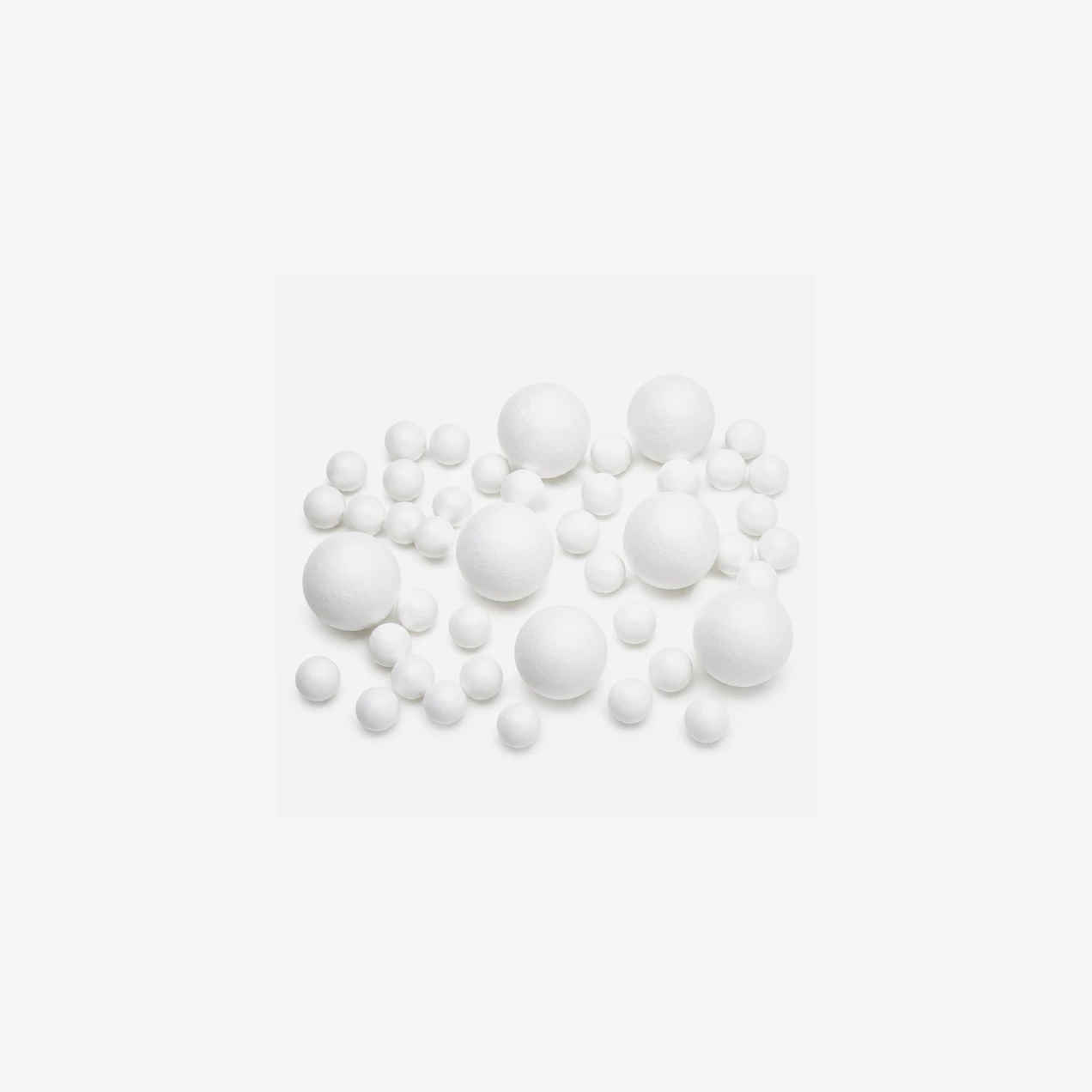
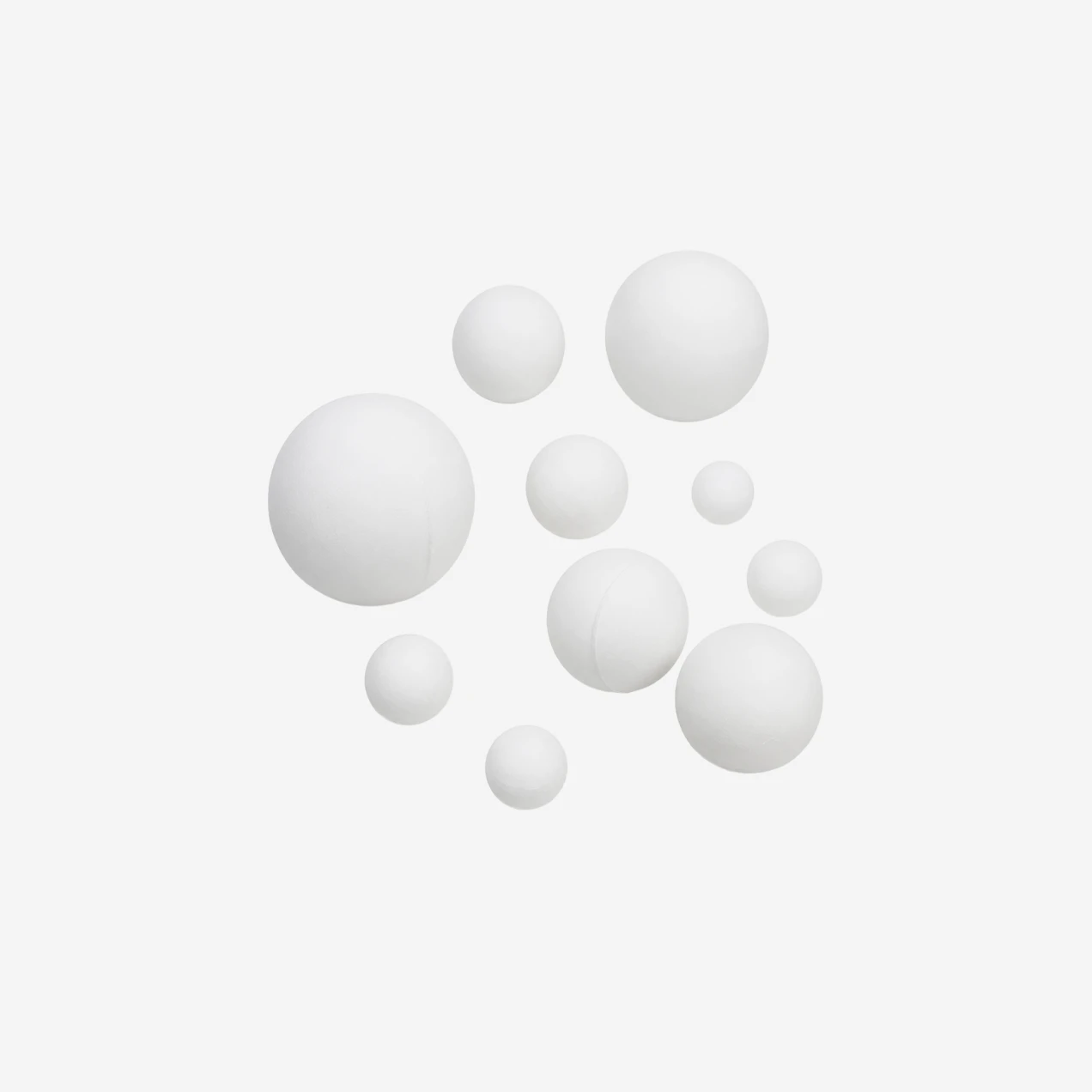
Medium alumina ceramic balls sit in the middle of the ceramic-ball range, with an alumina content of 50 to 75 percent — above a plain porcelain ball, below a high-alumina one — which makes them the value grade where full high-alumina strength is not called for. They are hard, dense and chemically stable, shrugging off acids, alkalis and heat to around 1450 degrees, and they wear slowly. Their main job is inert support: a layer of them beneath a catalyst or packing bed carries its weight, stops fines dropping through, and evens the gas or liquid flow into the active layer, all while staying chemically out of the way. The same balls double as a low-cost grinding media in ball mills for lighter grinding, and as insulating, heat-conducting parts in electronic and pharmaceutical work. Supplied smooth and round in 6, 25, 38 and 50 mm. Model RJ-2444.

  • Medium alumina ceramic balls, 50–75% Al2O3 — the cost-effective mid-grade
  • Inert catalyst-bed and tower packing support media
  • Also a low-cost grinding media for ball mills
  • Heat resistant to ~1450°C, acid- and alkali-resistant, low wear

Technial Parameters

ParameterValue
ProductMedium alumina ceramic balls
ModelRJ-2444
MaterialMedium alumina ceramic (Al2O3–SiO2)
Al2O3 content50–75%
Al2O3 + SiO2>93%
Grain density2.6–2.9 g/cm³
Water absorption<1%
Max operating temperature1450 °C
Mohs hardness>7
Fe2O3<1%
Leachable Fe2O3<0.005%
Surface finishSmooth
Sizes6, 25, 38, 50 mm
ApplicationCatalyst bed support, tower packing support, economical ball-mill grinding
HS code6909190000
OriginJiangxi, China
BrandRongjian
PackagingCarton box or ton bag

Compressive strength (medium alumina)

SizeCompressive strength (kN/particle)
φ6 mm>0.50
φ25 mm>4.9
φ38 mm>5.5
φ50 mm>6.5

Where the medium grade sits

GradeAl2O3Grain densityMax temp
Low alumina17–30%2.3–2.4 g/cm³980 °C
Medium alumina50–75%2.6–2.9 g/cm³1450 °C
High alumina85–97%~3.4 g/cm³1580 °C
99% alumina99%3.2–3.6 g/cm³1580 °C

FAQs

What are medium alumina ceramic balls used for?

Medium alumina ceramic balls mostly do support work. A layer of them beneath a catalyst or packing bed takes the weight, keeps fines from dropping through, and evens the flow entering the active layer, all without joining the chemistry. As a mid-priced ball they are chosen for this where top-grade strength is unnecessary, and they double as low-cost grinding media in ball mills and as components in electronic and pharmaceutical work.

What does 50-75% alumina mean, and how does it compare to high alumina?

The percentage is the alumina content of the ceramic, and it drives the strength, the density and the heat resistance. A medium ball at 50 to 75 percent alumina is harder, denser and more heat-resistant than a low-alumina or porcelain ball, though it stops short of a high-alumina ball above ninety percent on both strength and price. It is the middle option — ample strength and chemical resistance for most support duty, without paying for the top grade.

Can medium alumina balls be used as grinding media in a ball mill?

Yes, for lighter grinding. Medium alumina balls run harder and cleaner than natural pebbles or flint and cost less than high-alumina media, so mills reach for them when a moderate grind and a lower media bill outweigh the last degree of hardness. Fine, high-purity or very abrasive grinding still wants a high-alumina ball or a denser media, but for everyday or budget milling the medium grade holds its own.

Are these ceramic balls resistant to heat and chemicals?

Yes. The ceramic stays stable against acids and alkalis and resists corrosive media, and it holds continuous heat to about 1450 degrees without softening. That sits well inside what a support bed at the foot of a hot reactor meets, and paired with a slow wear rate it is why a medium alumina ball keeps its shape and its job for years.

What sizes do you supply?

Standard sizes are 6, 25, 38 and 50 millimetres, with others on request. A support layer usually stacks two or three of these, larger balls underneath and smaller on top, the top size set so the catalyst above cannot slip between them. Send us the vessel, the catalyst size and the duty, and we will fix the sizes and the amounts.

Medium alumina ceramic balls are the value grade of the ceramic-ball family, running 50 to 75 percent alumina. Their day job is inert support under a catalyst or packing bed — carrying the load and steadying the flow — and, where a moderate grind is enough, they stand in as a cheaper grinding media in ball mills. Hard, chemically stable and good to around 1450 degrees, with a slow wear rate, they earn their place wherever high-alumina performance would be overkill and its price hard to justify.

How the medium grade compares:

AgainstAl2O3Trade-off
Medium alumina (this grade)50–75%Value pick for support and light grinding
Low alumina / porcelain17–30%Cheaper, but softer and less heat-resistant
High alumina85–99%Stronger, harder and hotter-rated, but dearer