search
Search

Enter keywords to search for products, blog posts, and more.


Home > Inert Alumina Ceramic Balls for Catalyst Support and Tower Packing

Inert Alumina Ceramic Balls for Catalyst Support and Tower Packing

Inert Alumina Ceramic Balls for Catalyst Support and Tower Packing

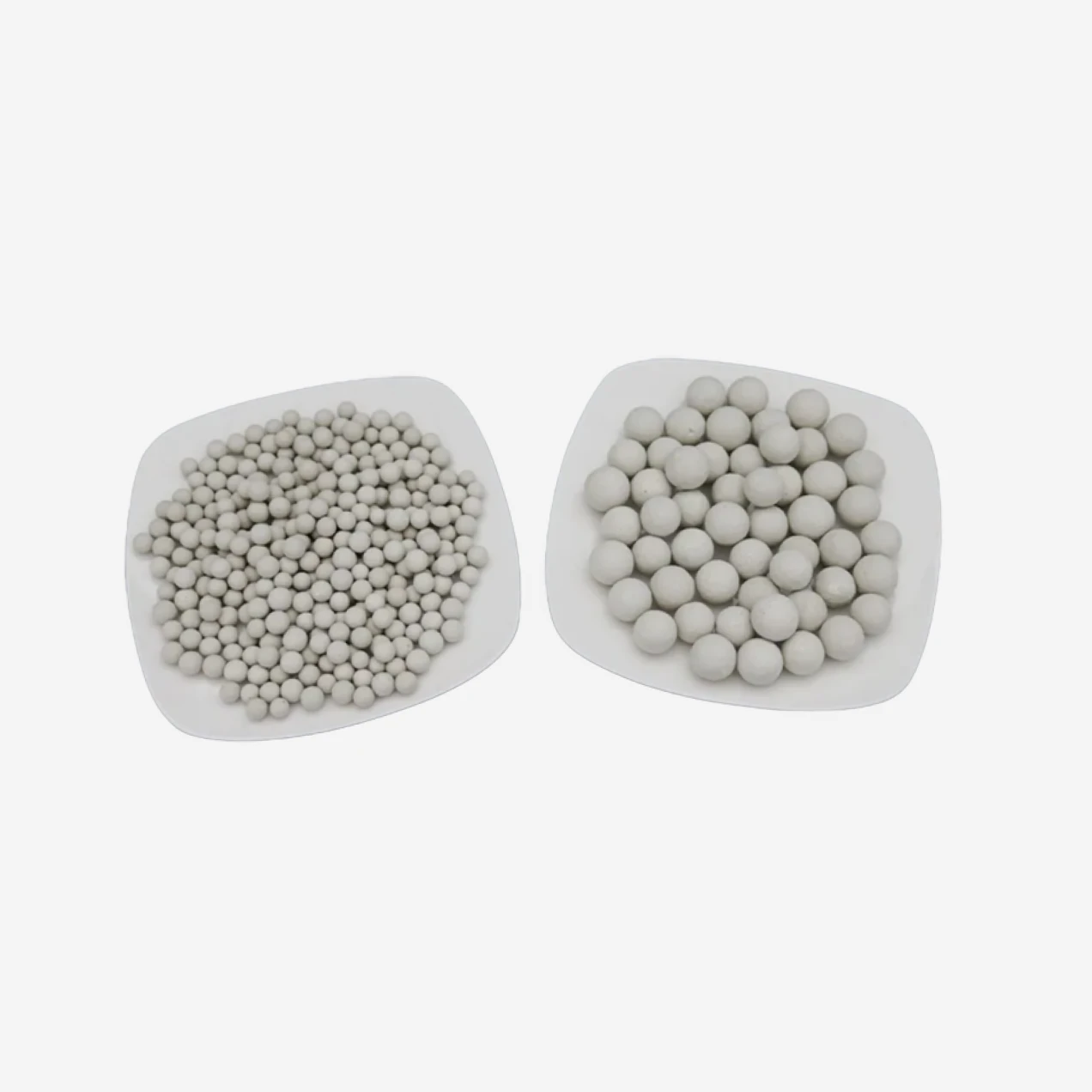
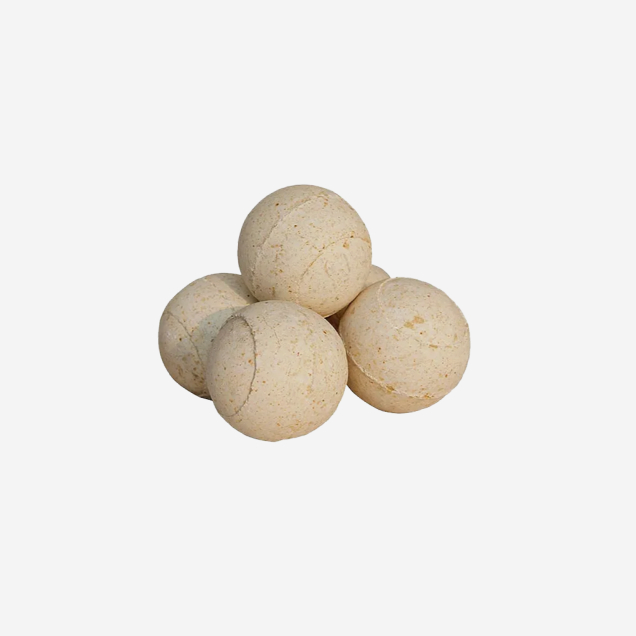
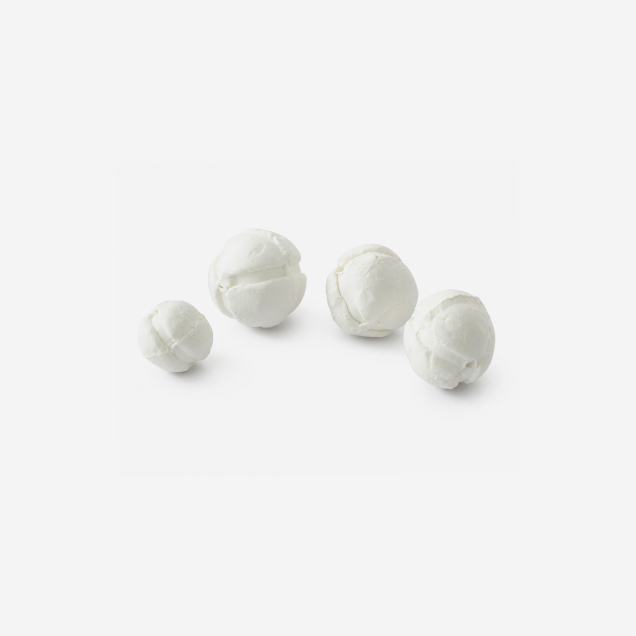
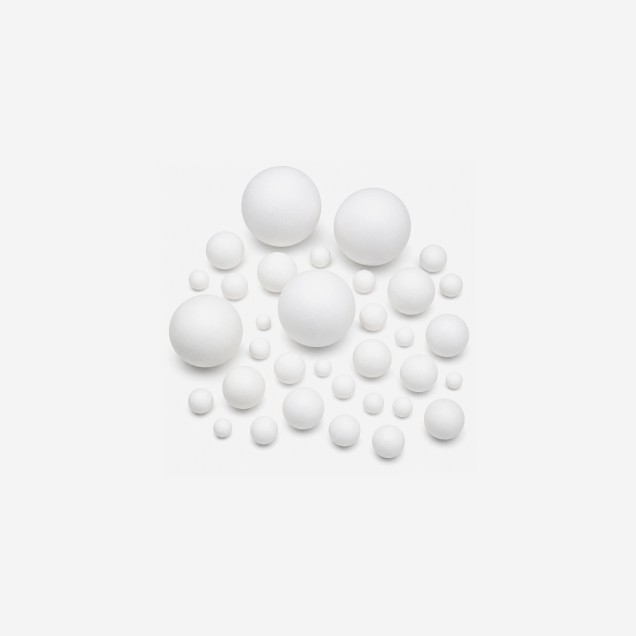
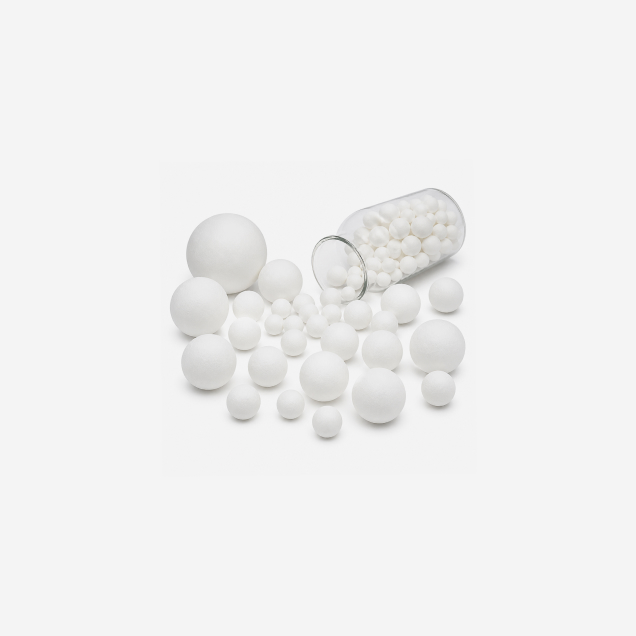
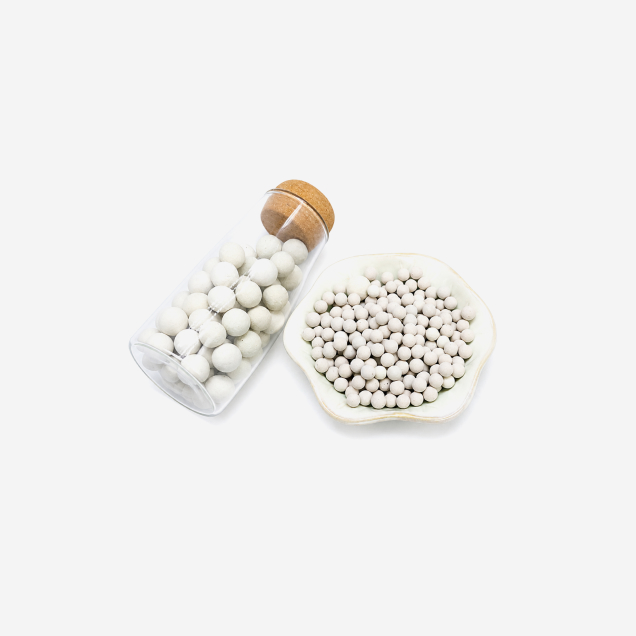
Inert alumina ceramic balls are the hard, chemically inert spheres that support and protect a bed of catalyst or packing in a reactor or tower. They do no reacting themselves — their job is to hold the bed up, spread the gas and liquid evenly across it, stop the catalyst or packing from shifting or being lost, and take the weight and the heat at the base of the vessel. Fired dense from alumina and silica, they stand up to high temperature, to acids and alkalis, and to the crushing load of a tall bed above them. We make them across a grade ladder set by alumina content — from a low-alumina grade for everyday support up to a high-alumina grade above ninety percent for the most demanding heat and load — and in sizes from 3 to 50 mm, so a bed can be graded from fine balls near the catalyst to coarse balls at the bottom. Widely used in petrochemical reactors, gas drying and purification columns, and high-temperature kilns.

  • Inert alumina ceramic balls for catalyst bed and tower packing support
  • Grade ladder by alumina content, from low-alumina up to over 90%
  • High crush strength, acid and alkali resistance, and heat to 1200°C
  • Sizes from 3 to 50 mm, for grading a support bed

Technial Parameters

ItemValue
MaterialInert alumina ceramic (Al2O3–SiO2)
Alumina grades17%, 23%, medium (>50%), high (>90%)
Water absorption<0.5%
Bulk density1.35–2.0 g/cm³
Specific gravity2.3–2.5 g/cm³
Free volume~40%
Max operating temperature1200 °C
Mohs hardness≥8
Acid resistance>99.6%
Alkali resistance>85%
Leachable Fe2O3<0.1%
ApplicationCatalyst bed support, tower packing support, thermal-oxidiser heat storage, drying and gas-purification columns
HS code6909190000
OriginJiangxi, China
BrandRongjian
Packaging25/50 kg bags or 1-ton bulk bags, or as required

Alumina grade ladder

GradeAl2O3Al2O3 + SiO2
Low alumina (17%)17–19%>93%
Low alumina (23%)23–26%>92%
Medium alumina>50%>93%
High alumina>90%

Size and crush strength

SizeCrush strength (kN/particle)
3 mm (1/8")>0.35
6 mm (1/4")>0.60
10 mm (3/8")>0.85
13 mm (1/2")>1.85
19 mm (3/4")>4.87
25 mm (1")>8.5
38 mm (1-1/2")>12
50 mm (2")>56

FAQs

What are inert alumina ceramic balls used for?

Inert alumina ceramic balls support and protect a bed of catalyst or packing in a reactor or column. They are laid at the bottom of the vessel to hold the catalyst up and spread the incoming gas or liquid evenly across the bed, and often over the top to hold the bed down and stop it being disturbed. Because they are inert, they take no part in the process; they carry the load, distribute the flow and protect the catalyst. They also serve as heat-storage media in thermal oxidisers and as bed support in drying and gas-purification columns.

How do you choose the alumina grade?

The grade is set by alumina content and follows the temperature, the load and the chemistry. Low-alumina balls are the economical choice for ordinary support duty; medium-alumina balls take more heat and load; and high-alumina balls, above ninety percent alumina, are used where the temperature is highest, the bed is tallest, or the strongest acid resistance is needed. A higher alumina content buys more strength, more heat resistance and lower impurity pickup, at a higher price, so the grade is matched to the service.

What size of ceramic support balls do I need, and how are they graded in a bed?

Support balls are graded by size through the bed: coarse balls go at the very bottom to carry the load and pass the flow, with progressively finer balls above them, up to a size just larger than the catalyst so it cannot fall through. Sizes run from 3 millimetres up to 50 millimetres, and a typical support layer uses two or three sizes in steps. Tell us the catalyst size, the vessel and the flow, and we will work out the grading and the quantities.

Are these ceramic balls resistant to acids and high temperature?

Yes. These balls are highly resistant to acids and take alkalis well, and they hold up to continuous high temperature — up to around 1200 degrees for the higher grades — without softening or reacting. That chemical and thermal stability, together with a high crush strength, is exactly why inert ceramic balls are used to carry a catalyst bed in hot, aggressive process conditions where a lesser material would break down.

What is the difference between inert ceramic balls and grinding media?

They are different products for different jobs. Inert ceramic balls are support media — larger, chemically inert spheres that hold up and protect a catalyst or packing bed and take no part in grinding. Grinding media, such as alumina or zirconia beads, are denser, harder and usually smaller, and their job is to grind and disperse a material in a mill. This product is support media; for grinding we supply separate alumina and zirconia grinding beads.

Inert alumina ceramic balls are hard, chemically inert spheres used to support and protect a catalyst or packing bed in a reactor or tower. Fired from alumina and silica, they hold the bed up, spread the flow, and take the heat and the crushing load at the base of the vessel, without reacting with the process. They are made across a grade ladder set by alumina content and in sizes from 3 to 50 mm, so a support bed can be graded from fine balls at the catalyst down to coarse balls at the bottom. The same balls also serve as heat-storage media and as bed support in drying and gas-purification columns.

Choosing the alumina grade:

GradeAl2O3Best for
Low alumina17–26%Everyday catalyst and packing support
Medium alumina>50%Higher temperature and load
High alumina>90%Highest heat, tallest beds, strongest acid resistance