search
Search

Enter keywords to search for products, blog posts, and more.


Home > Refractory Ceramic Balls

Refractory Ceramic Balls

Refractory Ceramic Balls

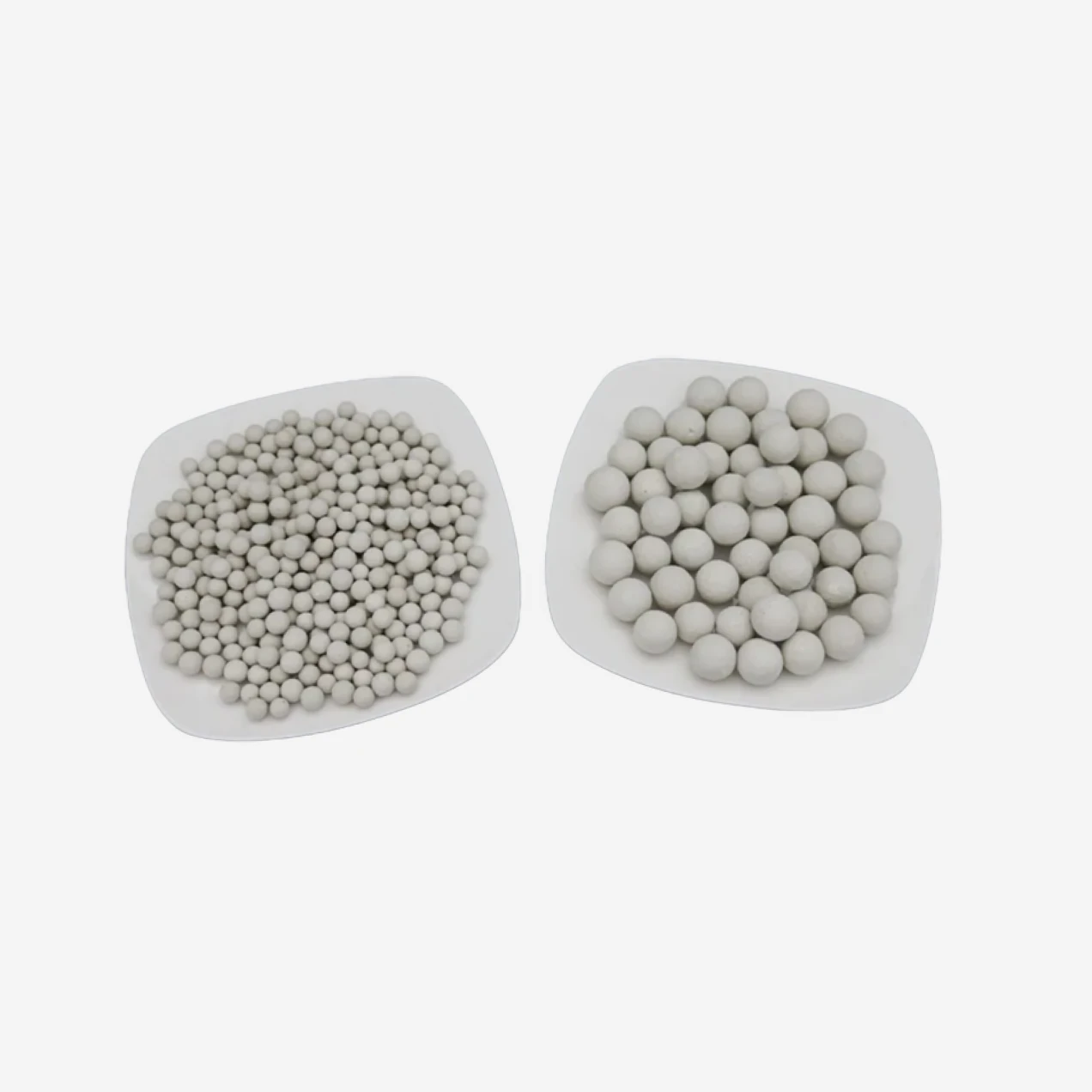
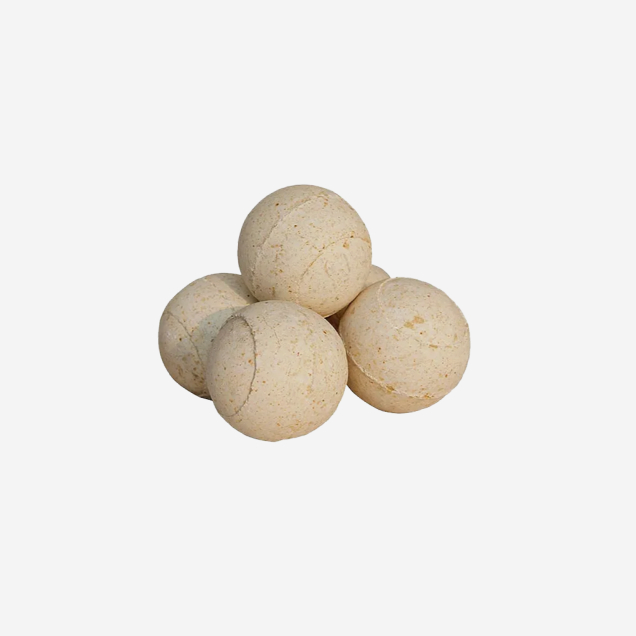
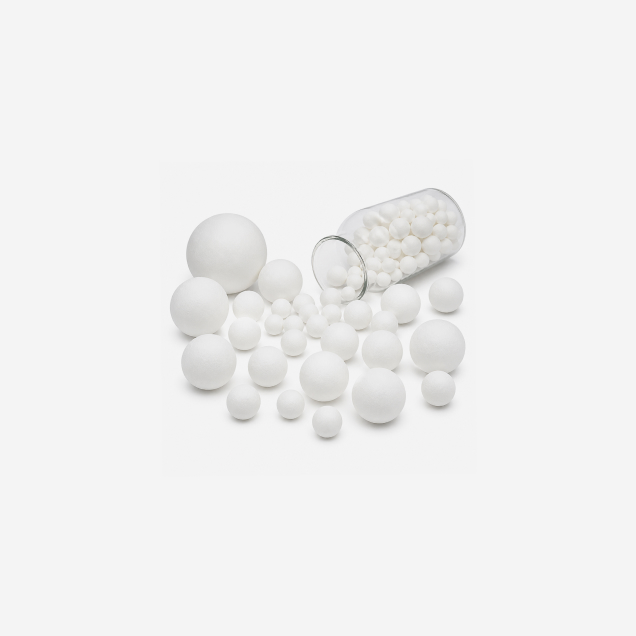
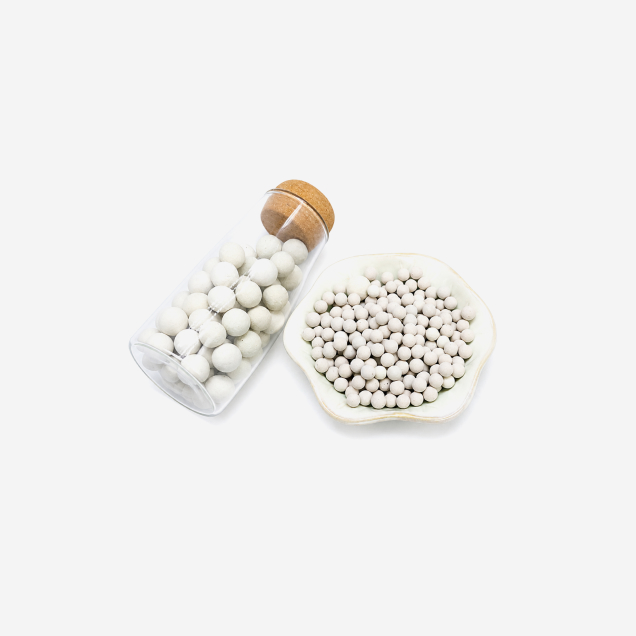
Refractory ceramic balls are high-temperature spheres made from industrial alumina and refractory kaolin, high-fired for use in kilns, furnaces and other high-temperature service. They hold their shape and strength when hot, resist thermal shock and chemical attack, and serve as furnace and kiln filler, insulation and high-temperature packing.

  • High refractoriness: rated to about 1800°C, and to 1500°C under load.
  • High mechanical and compressive strength, holding shape at temperature.
  • Low thermal expansion and good thermal-shock resistance, so they do not deform or crack easily.
  • Chemically stable and inert, not reacting with the material or the process.
  • Made from alumina and refractory kaolin, in Φ25 to Φ40 mm.

Technial Parameters

PropertyValue
MaterialRefractory ceramic (industrial alumina + refractory kaolin)
Al2O3≥65%
Fe2O3≤1.6%
Porosity≤24%
Bulk Density≥1386 kg/m³
Apparent Density≥2350 kg/m³
Compressive Strength≥900 kg/cm²
Refractoriness≥1800°C
Refractoriness Under Load≥1500°C
Refiring Shrinkage≤0.1%
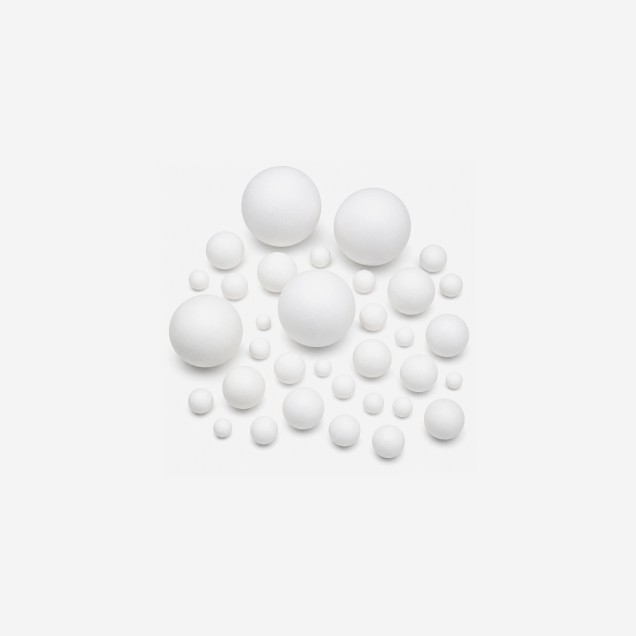
Form / SizesBall; Φ25, 30, 40 mm (other sizes on request)
ApplicationKiln & furnace filler and insulation, furnace lining, fertilizer and steel plants
TrademarkRONGJIAN
OriginJiangxi, China
HS Code6909110000
Transport PackageCarton box / ton bag / steel drum

FAQs

What are refractory ceramic balls used for?

Refractory ceramic balls are used in high-temperature service — as filler and insulation in kilns and furnaces, in the lining of high-temperature and vacuum induction furnaces, and in high-temperature plants such as fertilizer and iron and steel. They hold their shape and carry load when hot, so they support and insulate where an ordinary ceramic would soften or crack.

What are refractory ceramic balls made of?

They are made from industrial alumina and refractory kaolin, mixed to a set formula, formed into balls and fired at high temperature. That gives an alumina content of at least sixty-five percent and a dense, hard body that stays stable and strong when hot.

What temperature do they withstand?

The balls are rated to a refractoriness of about 1800°C, and hold up to 1500°C under load, with a low refiring shrinkage so they keep their size in service. Low thermal expansion and good thermal-shock resistance let them take rapid heating and cooling without cracking.

What sizes and packaging are available?

The standard sizes are Φ25, 30 and 40 millimetres, with other sizes to order. They ship in cartons, ton bags or steel drums, by the tonne. Send the sizes and the amount for a quote.

What sets a refractory ceramic ball apart is the raw material and the firing: industrial alumina and refractory kaolin, calcined at high temperature into a body that stays hard and stable where ordinary ceramics fail. With a refractoriness of about 1800°C, a low refiring shrinkage and good thermal-shock resistance, the balls serve as kiln and furnace filler and insulation, as furnace-lining and vacuum-induction-furnace filler, and in high-temperature fertilizer and steel plants. Supplied in Φ25 to Φ40 mm.