search
Search

Enter keywords to search for products, blog posts, and more.


Home > Honeycomb Ceramic Carrier

Honeycomb Ceramic Carrier

Honeycomb Ceramic Carrier

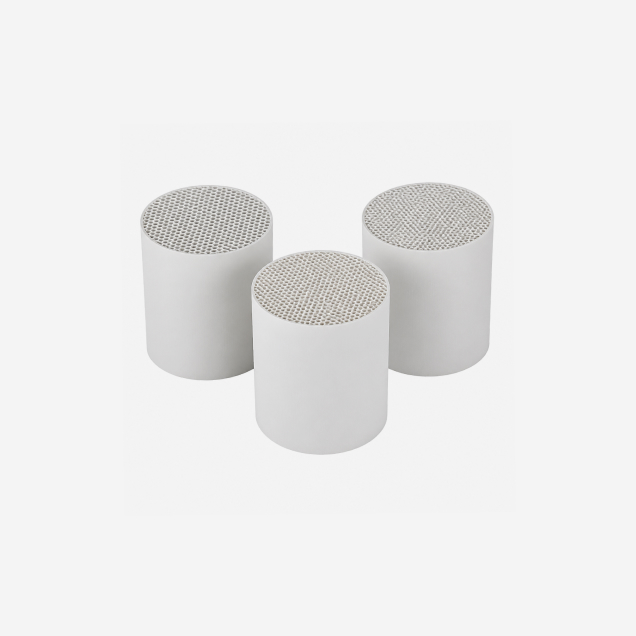
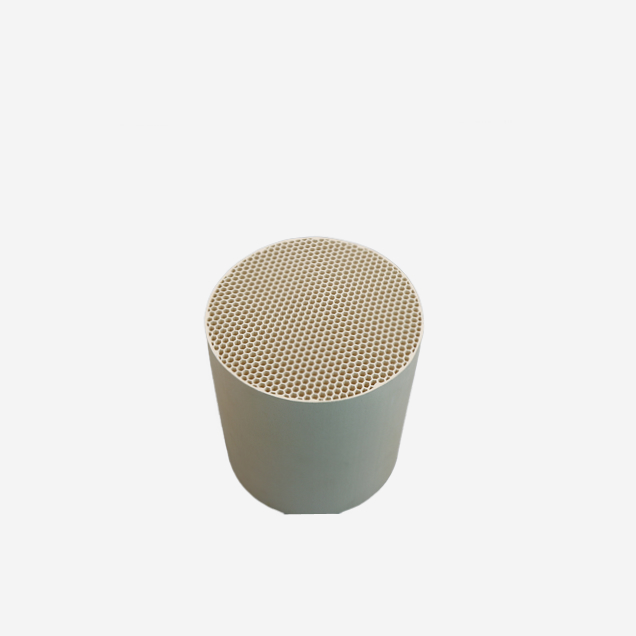
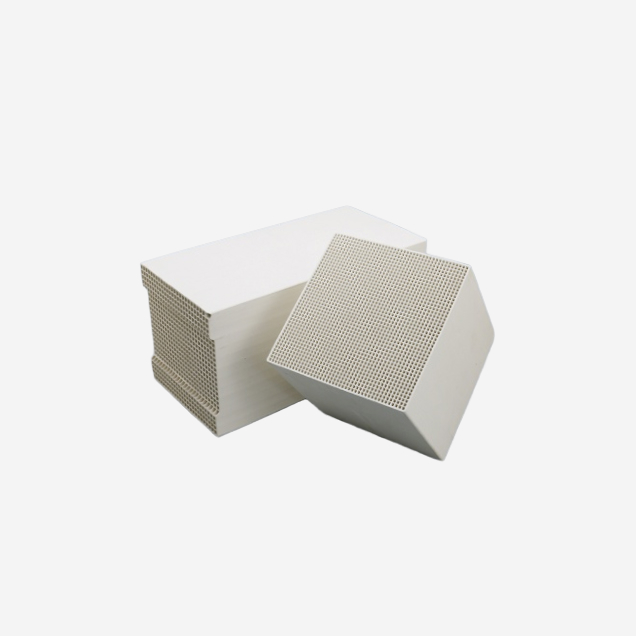
Honeycomb ceramic carriers are ceramic monoliths with straight, parallel channels, used as the catalyst carrier or substrate in catalytic and pollution-control systems. The catalyst is coated onto the channel walls, and the open honeycomb gives a high surface area for it with a very low pressure drop, while the ceramic — usually cordierite — resists thermal shock and high temperature.

  • High geometric surface area for catalyst loading, with a low pressure drop.
  • Excellent thermal-shock resistance, from cordierite's very low thermal expansion.
  • High-temperature service, to 1400°C and beyond on the mullite and alumina types.
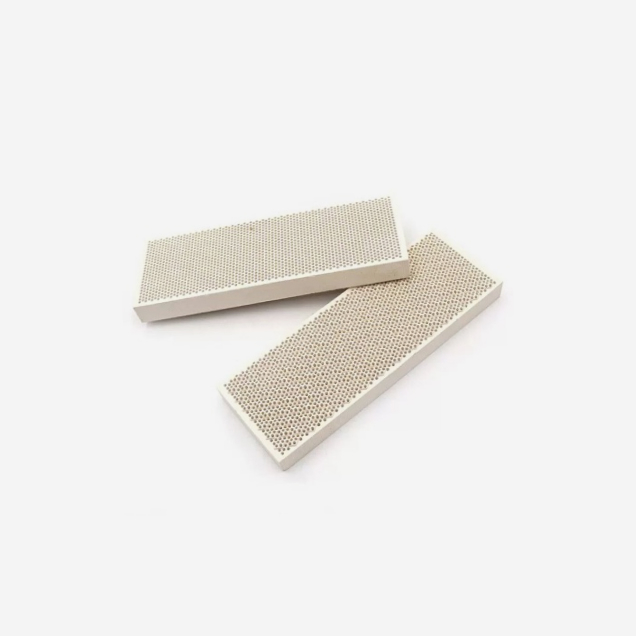
  • Channels in square, round, hexagonal or triangular shapes, across several densities.
  • Used as a catalyst substrate in converters, SCR/DeNOx, VOC and off-gas treatment.

Technial Parameters

PropertyValue
MaterialCordierite, mullite, corundum-mullite, alumina (and dense grades)
StructureHoneycomb monolith with straight parallel channels (catalyst substrate)
Channel ShapeSquare, round, hexagonal or triangular
Cell Count (per face)25, 40, 43, 50, 60 holes
Temperature Resistance1400°C (up to 1320–1700°C, material-dependent)
Shapes / SizesSquare blocks or cylinders; 100×100×100, 150×100×100, 150×150×300 mm; custom to order
AdvantageHigh geometric surface area, low pressure drop, excellent thermal-shock resistance
ApplicationCatalyst carrier for catalytic converters, SCR/DeNOx, VOC and RCO oxidation, off-gas treatment
TrademarkRONGJIAN
OriginJiangxi, China
HS Code3824999999
Transport PackageCarton box / ton bag / steel drum

FAQs

What is a honeycomb ceramic carrier used for?

A honeycomb ceramic carrier is the substrate that a catalyst is coated onto, used in catalytic converters, SCR and DeNOx units, VOC and RCO catalytic oxidation, and other off-gas and pollution-control systems. The straight channels give a large surface area for the catalyst while letting the gas through at a very low pressure drop, so the reaction runs efficiently without choking the flow.

What materials and cell counts are available?

Cordierite is the usual carrier, with mullite, corundum-mullite or alumina where the duty runs hotter, and the channels come in several densities — 25, 40, 43, 50 and 60 holes — and in square, round, hexagonal or triangular shapes. More channels mean more wall area for the washcoat; the material and the density follow the reaction and the operating temperature.

Why is cordierite used for a catalyst carrier?

Cordierite is the standard carrier material for its very low thermal expansion, which gives it excellent thermal-shock resistance: it survives the fast temperature swings of a converter or a catalytic oxidiser without cracking. Where the heat runs beyond what cordierite handles, the mullite and alumina types take over.

What sizes and shapes are made, and how are they packed?

They are produced as square blocks and as round cylinders, in sizes like 100×100×100 and 150×150×300 mm and to a drawing. Packing is by carton, ton bag or steel drum. Give us the size, the channel density and the material for a quote.

A catalyst carrier is judged on surface area and thermal shock. The honeycomb structure packs a large wall area into a small volume for the catalyst to sit on, while the open channels keep the pressure drop low, so the gas passes through freely. The very low thermal expansion of cordierite is what lets the carrier ride out the sharp temperature changes in a converter or an oxidiser without failing; the mullite and alumina types carry the higher heat, up to around 1700°C. The carriers are made as blocks and cylinders, in the cell count and size the catalyst and the reactor call for.