search
Search

Enter keywords to search for products, blog posts, and more.


Home > Honeycomb Ceramic Catalyst

Honeycomb Ceramic Catalyst

Honeycomb Ceramic Catalyst

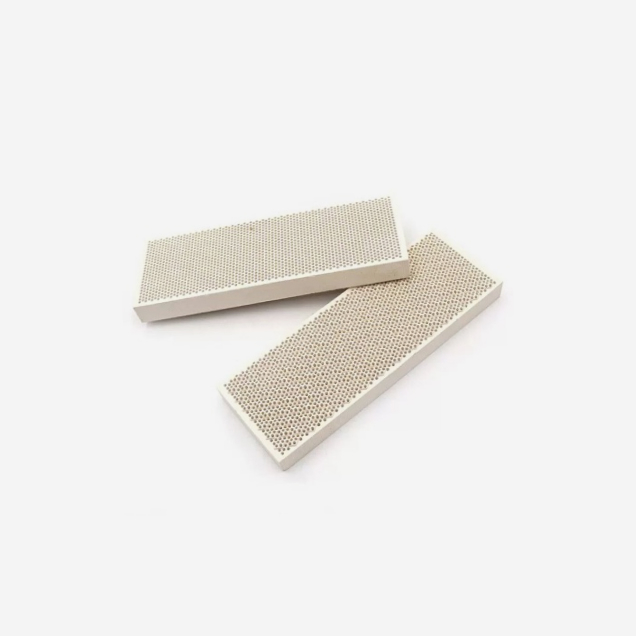
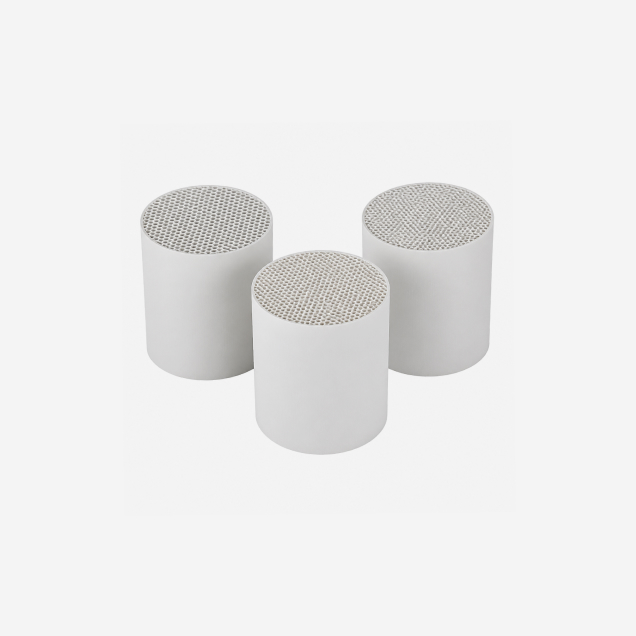
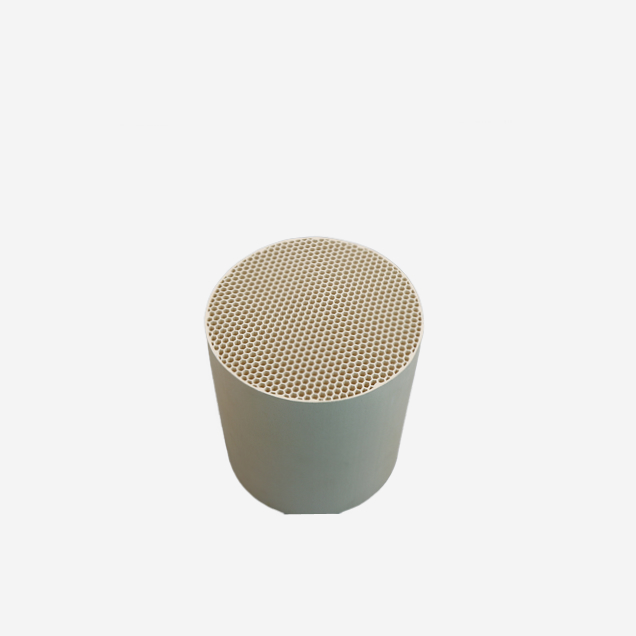
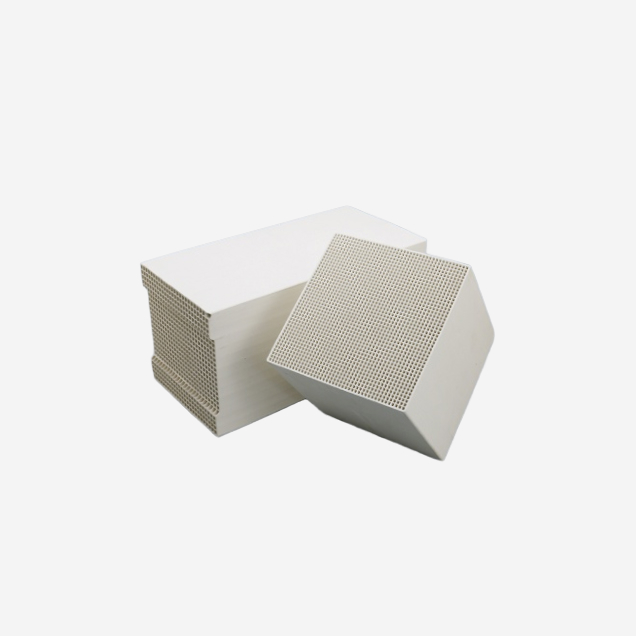
The honeycomb ceramic catalyst is a high-density cordierite honeycomb monolith that carries the active catalyst on its channel walls, used in high-temperature catalytic and pollution-control systems. Its regular honeycomb structure packs a large reaction area into a small volume while keeping the flow resistance and pressure drop low, and the cordierite body stands up to thermal shock, high temperature and chemical attack without cracking or deforming in long service.

  • High-density cordierite, strictly formed and fired, with neatly aligned channels.
  • Large catalytic surface area with a low, stable pressure drop.
  • Takes sharp temperature swings without cracking, and endures heat to about 1400°C.
  • Cell density from 5×5 up to 60×60, in square and round shapes, sizes to order.
  • Used in RTO/RCO off-gas treatment, regenerative burners, kilns and waste-heat recovery.
Technial Parameters

PropertyValue
MaterialCordierite (high-density)
StructureHoneycomb monolith, straight parallel channels (catalyst substrate)
Cell Density5×5 up to 60×60 cells
Temperature ResistanceUp to 1400°C
Shapes / SizesSquare and round; 100×100×100, 150×100×100, 150×150×300 mm; customisable
GroovePlate, single, double, cross, four-footer, chute
ColourWhite
QualityChannels neatly aligned with little misalignment
AdvantageHigh surface area, low and stable pressure drop, strong thermal-shock resistance
ApplicationCatalyst substrate for SCR/DeNOx, VOC and RCO oxidation, catalytic converters, off-gas treatment
TrademarkRONGJIAN
OriginPingxiang, Jiangxi, China
Transport PackageCarton box

FAQs

What is a honeycomb ceramic catalyst used for?

This is the cordierite honeycomb that the working catalyst is washcoated onto, dropped into SCR and DeNOx reactors, VOC and RCO oxidisers, catalytic converters and other exhaust-cleaning duty. The many channels expose a large coated wall to the stream yet let it pass with little back-pressure, so conversion stays high and the flow is not choked.

What cell densities and shapes are available?

The cell density runs from 5×5 right up to 60×60 cells, in square and round monoliths, with grooves such as plate, single, double, cross, four-footer and chute to suit the housing. A finer cell density gives more coated area for the catalyst, so the density is picked for the reaction and the space velocity.

Why cordierite for the catalyst substrate?

The reason is cordierite's near-zero thermal expansion: it lets the block shrug off the fast heat-up and cool-down of a catalytic or regenerative unit without splitting. Cordierite also holds together at high heat, around 1400 degrees, and shrugs off chemical attack, so a substrate stays sound over a long life.

What sizes are made, and how is it packed?

Blocks are turned out in square and cylindrical form, at 100×100×100 mm, 150×150×300 mm and any size on a drawing, and are packed into cartons for transit. Tell us the form, the cell density and the dimensions and a quote follows.

What matters in a catalyst substrate is coated area, pressure drop and thermal shock. The honeycomb packs a large wall area into a small block for the catalyst to sit on, and the straight channels keep the pressure drop low and steady, so throughput stays high. Dense cordierite, tightly formed and fired with straight, well-aligned cells, brings the near-zero expansion that lets the block absorb the swings of an SCR reactor, an oxidiser or a regenerative burner unharmed. Made square and round, from 5×5 to 60×60 cells and in sizes to the housing, it suits RTO/RCO off-gas treatment, kilns and waste-heat recovery.