search
Search

Enter keywords to search for products, blog posts, and more.


Home > Honeycomb Ceramic Regenerator

Honeycomb Ceramic Regenerator

Honeycomb Ceramic Regenerator

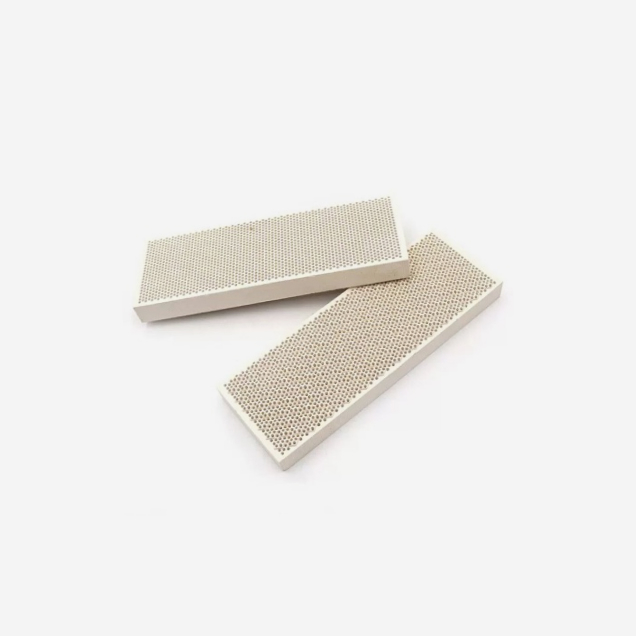
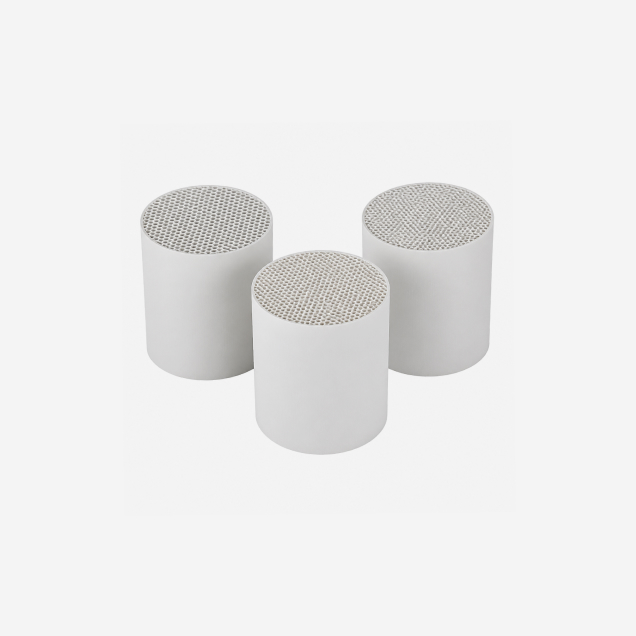
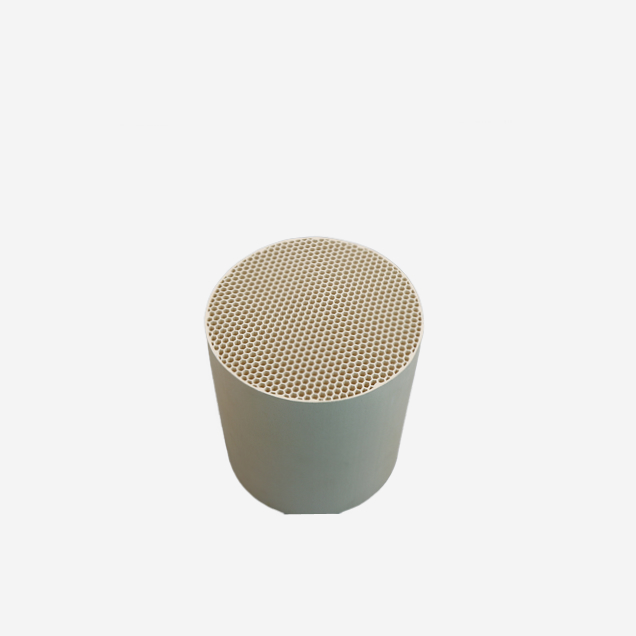
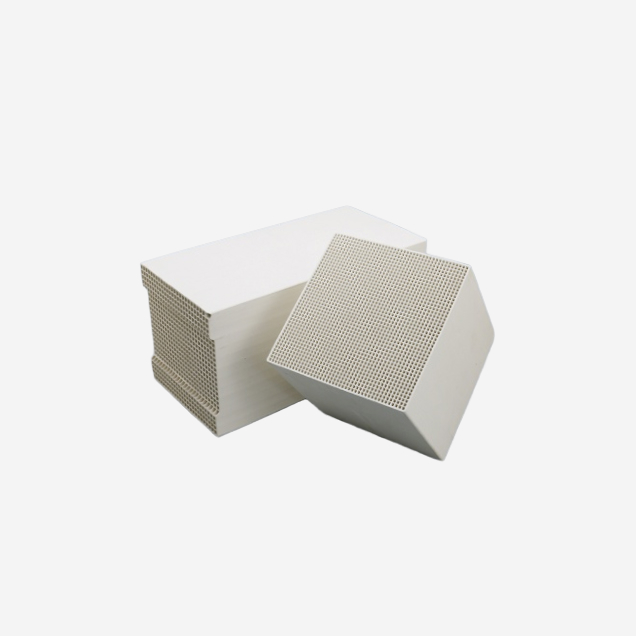
Honeycomb ceramic regenerators are ceramic monoliths with straight square channels, used as heat-storage media in regenerative thermal oxidisers, high-temperature air combustion and heat exchangers. Their high heat capacity and surface area, low thermal expansion and low pressure drop let them store and release heat efficiently, recovering the heat of the exhaust and cutting fuel use and NOx.

  • High heat capacity and high surface area for efficient heat storage and transfer.
  • Low thermal expansion and strong thermal-shock resistance for rapid heating and cooling.
  • Low pressure drop and low thermal resistance through the straight channels.
  • Made in cordierite, mullite, corundum-mullite and alumina grades, rated to about 1400°C.
  • Used in RTO/RCO, HTAC heat recovery, heat exchangers and as catalyst support.

Technial Parameters

PropertyValue
MaterialCordierite, dense cordierite, mullite, corundum-mullite, alumina
StructureHoneycomb monolith with straight square channels
Temperature ResistanceUp to 1400°C (material-dependent)
Cell Count (per face)25×25, 40×40, 43×43, 50×50, 60×60
Block Sizes100×100×100, 100×150×150, 150×150×150, 150×150×300 mm (width 50–200 mm, height 50–450 mm; custom available)
Key PropertiesLow thermal expansion, high heat capacity, high surface area, low pressure drop, good thermal-shock resistance
ApplicationRTO/RCO regenerator, HTAC heat storage, heat exchanger, catalyst support
AdvantageHigh-temperature and corrosion resistant
TrademarkRONGJIAN
OriginJiangxi, China
HS Code6909110000
Transport PackageCarton box / ton bag / steel drum

FAQs

What is a honeycomb ceramic regenerator used for?

Honeycomb ceramic regenerators are the heat-storage media in regenerative thermal oxidisers (RTO and RCO), high-temperature air combustion and heat exchangers. As hot exhaust passes through the channels the ceramic absorbs the heat, then gives it back to the incoming air, so the heat is recovered rather than lost. This saves fuel, raises combustion efficiency and cuts NOx, and the monoliths also serve as catalyst support.

What materials are honeycomb regenerators made from?

They are made from a range of ceramics chosen for the temperature and the duty — cordierite and dense cordierite for good thermal-shock resistance, mullite and corundum-mullite for higher strength and temperature, and alumina grades for the most demanding service. The material sets the maximum temperature and the thermal-shock behaviour.

What cell densities and block sizes are available?

The blocks are made in a range of cell counts — 25×25, 40×40, 43×43, 50×50 and 60×60 channels — and in standard sizes such as 100×100×100, 100×150×150, 150×150×150 and 150×150×300 mm, with custom sizes and counts to order. A higher cell count gives more surface area and heat storage; the size and count are set by the system.

What temperature do they withstand, and how are they packed?

The regenerators are rated to about 1400°C, depending on the material, and stand up to the rapid heating and cooling of a cycling RTO. They ship in cartons, ton bags or steel drums. Send the material, the size and the cell count and we will quote it.

A honeycomb regenerator works by storing heat: hot exhaust gives up its heat to the ceramic on the way out, and the incoming air picks it back up on the way in, so most of the heat is recovered instead of lost up the stack. The straight channels give a high surface area and a low pressure drop, and the ceramic — cordierite, mullite, corundum-mullite or alumina — is chosen for the temperature, up to about 1400°C, and the thermal shock the cycling puts on it. This is what makes an RTO an energy saver and a NOx reducer. Sizes and cell counts are made to the system.