search
Search

Enter keywords to search for products, blog posts, and more.


Home > Inert Ceramic Balls

Inert Ceramic Balls
Inert Ceramic Balls

Inert Ceramic Balls

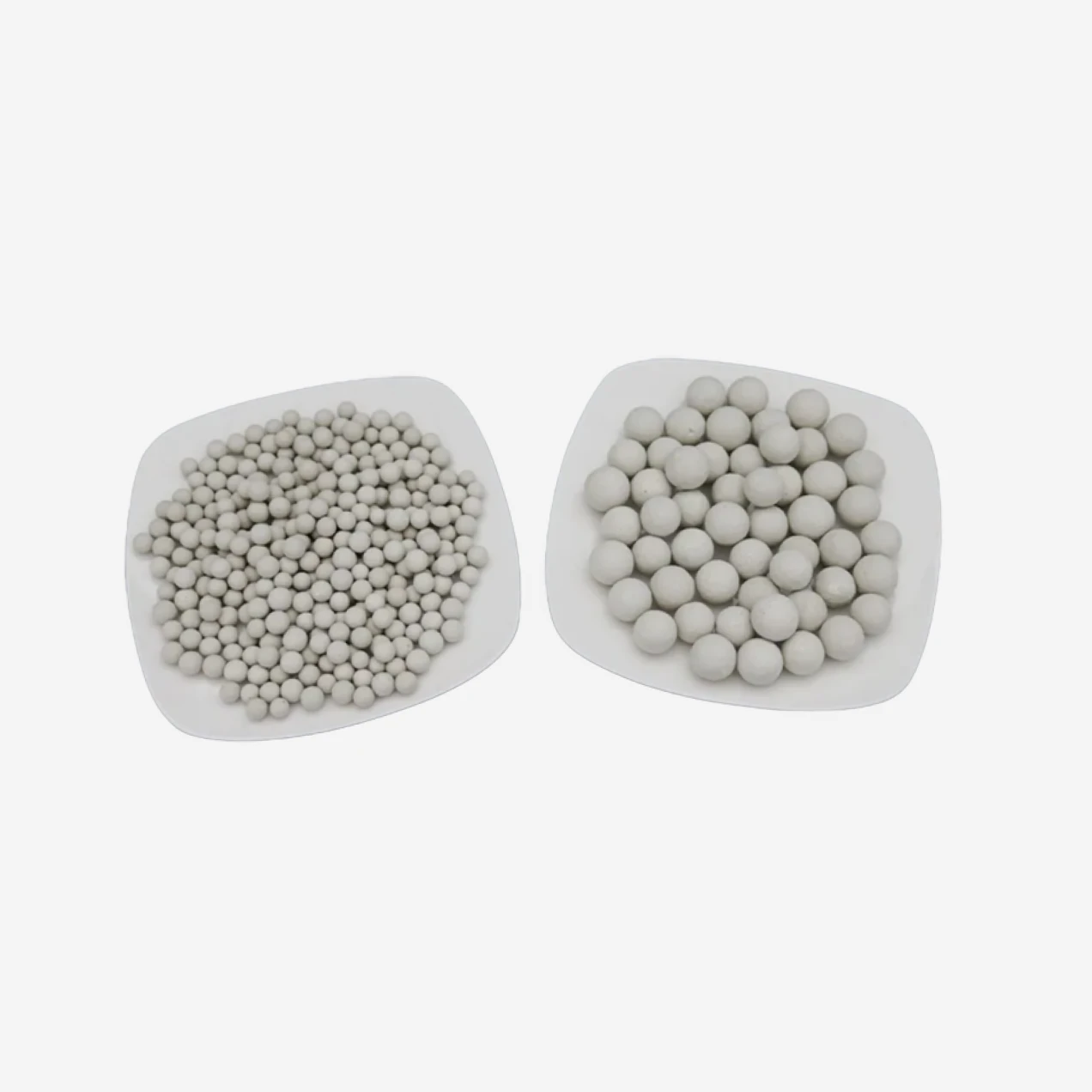
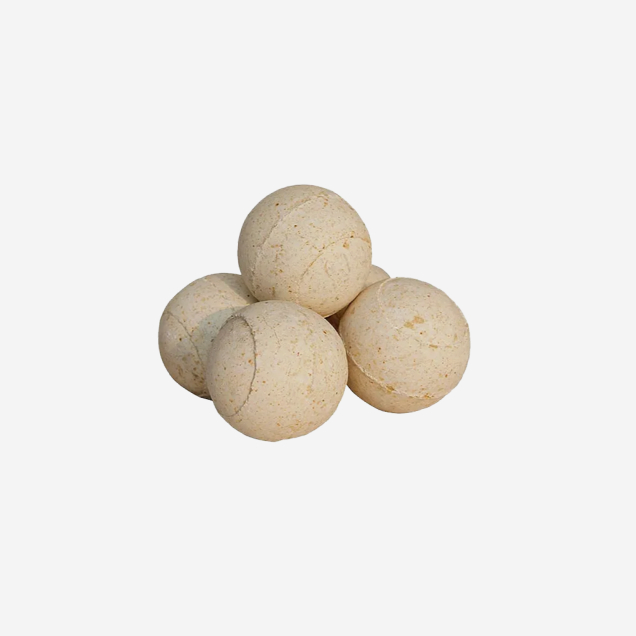
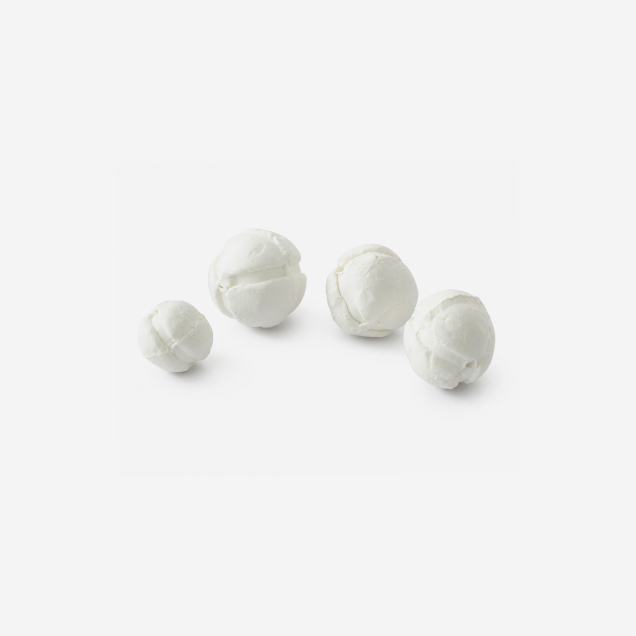
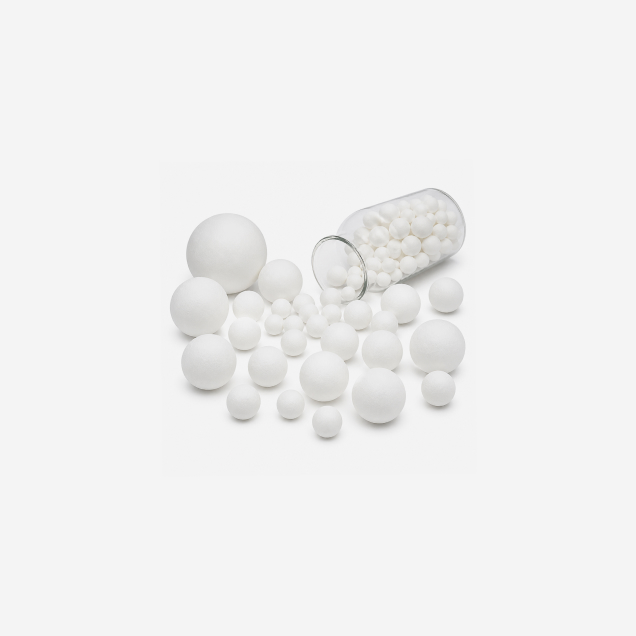
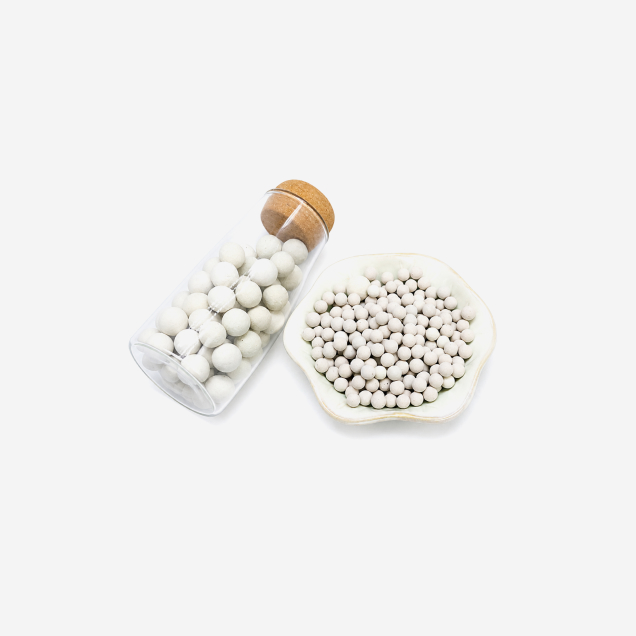
Inert ceramic balls are chemically stable alumina spheres used as support media under catalyst, adsorbent and desiccant beds in reactors and towers. They hold and protect the bed, spread the gas or liquid evenly, and take no part in the reaction.

  • Chemically inert: resists acids, alkalis and corrosive process media.
  • High crush strength: carries a deep catalyst load without fracturing.
  • Thermally stable: the high grades take continuous duty to about 1580°C.
  • Low water absorption: a dense, non-porous body for a long service life.
  • Grades spanning 17% to 99% Al2O3; diameters Φ6 through Φ50 mm.

Technial Parameters

Item17-23% Ceramic ball23-30% Al₂O₃ Ceramic ballMedium alumina ceramic ballHigh alumina ceramic ball99-Alumina ceramic ball
Al₂O₃+SiO₂(%)>93>92>93>94>99
Al₂O₃(%)17-2323-3040-7585-9799
Fe₂O₃(%)<1<1<1<10.2
CaO(%)<0.5<1.5<1.5<0.50.2
MgO(%)<0.5<1.5<0.5<0.50.1
K₂O+Na₂O(%)<4<4<3.5<4>0.5
TiO₂<0.5≤0.5<0.1<0.10.5
Leachable Fe₂O₃<0.1<0.1<0.005<0.001
Water Adsorption Rate<0.5%<0.5%<1%<2%2-5%
Grain Density (g/cm³)2.3-2.42.3-2.42.6-2.93.43.2-3.6
Max Operating Temperature (℃)980980145015801580
Moh's Hardness>6.5>7>7>7.5>7.5
Compressive Strength (KN/Particle)
Φ6mm>0.5>0.5>0.50>0.6>1
Φ25mm>6.5>6.5>4.9>55>8
Φ38mm>8.9>8.9>5.5>54>8
Φ50mm>9>9.8>6.5>7.8>15


FAQs

What are inert ceramic balls used for?

Inert ceramic balls are the support media for catalyst and adsorbent beds in reactors and towers. They sit under the active layer, hold it in place, distribute the gas or liquid across the bed, and shield the catalyst from the weight above and the incoming flow. Being inert, they do no chemistry of their own.

Which alumina grades are available?

We supply the full range by alumina content, from a low-alumina grade around 17 to 30 percent for everyday support up to a 99 percent high-purity grade for hot or severe duty. The more alumina, the greater the crush strength, the higher the temperature it takes, and the lower the impurities.

What sizes are available?

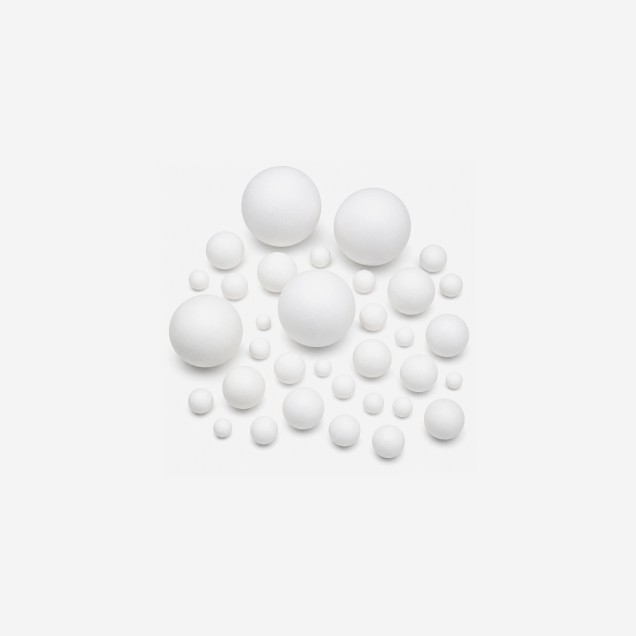
Standard diameters cover the usual support-bed range, roughly Φ6 through Φ50 mm. A bed is built up in layers — the biggest balls on the grid, the smallest under the catalyst — and we set the sizes to the vessel.

What is the minimum order and how is it packed?

Minimum order depends on the grade and diameter chosen; bulk goes out by the tonne, boxed or in ton bags. The balls come clean and dry, ready to charge. Send the grades, diameters and amount for a quote.

Inert ceramic balls are chosen by alumina grade: the low grades, at 17–30% Al2O3, are the economical choice for ordinary catalyst and adsorbent bed support, while the high-alumina and 99% grades — stronger, rated for higher temperatures and lower in silica — suit hot, wet or severe service such as steam reforming. Both the crush strength and the resistance to water pickup climb with the alumina content. Supplied clean, dust-washed and dry across the Φ6–Φ50 mm range, the balls are ready to charge into the vessel.