Choosing High Alumina Ceramic Balls
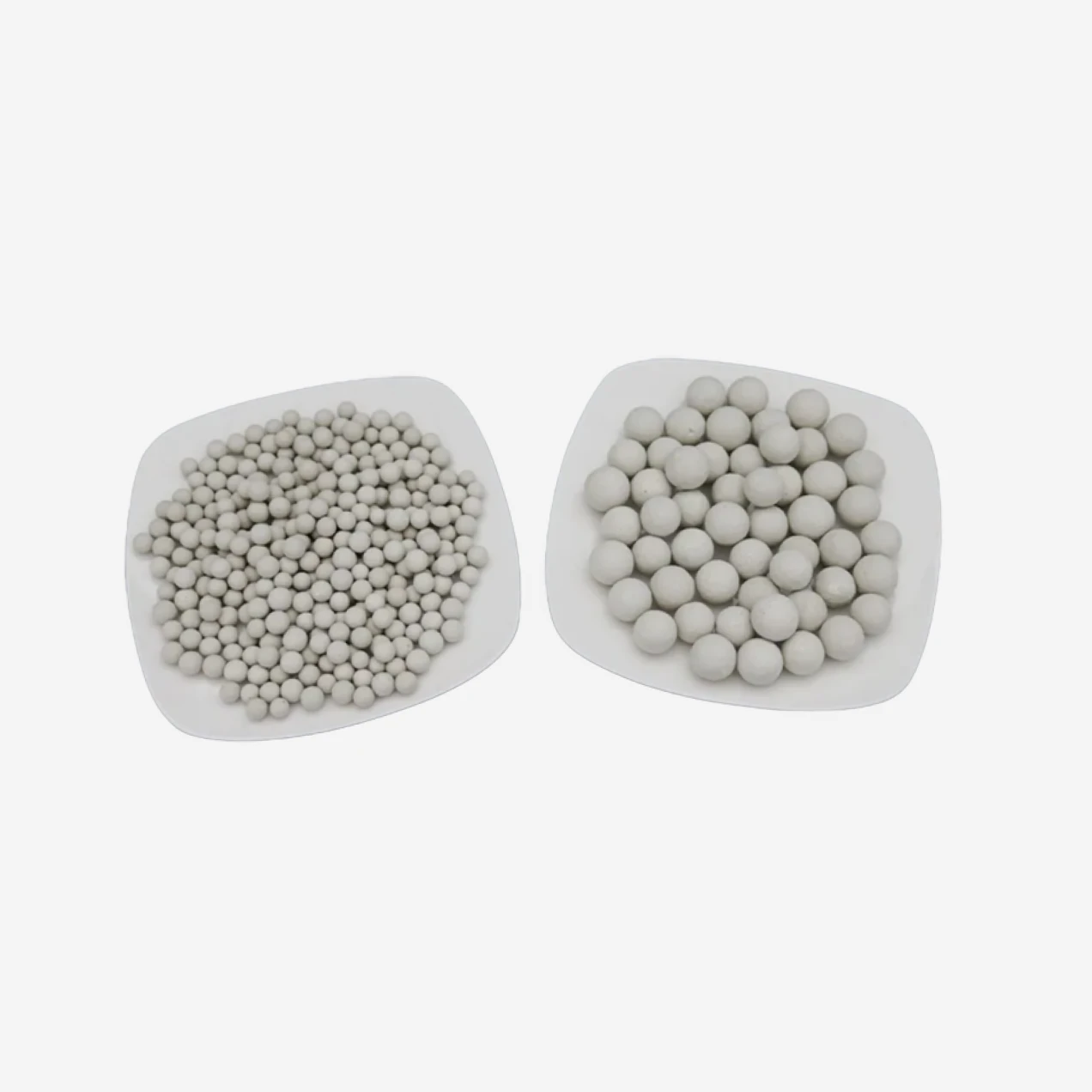
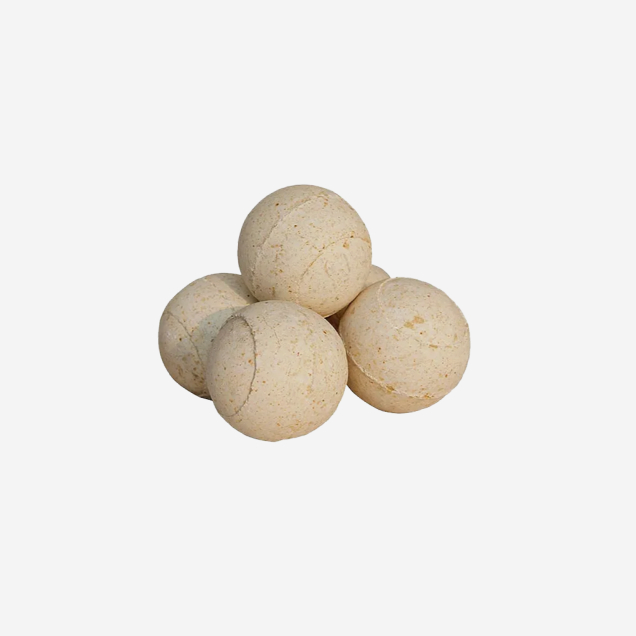
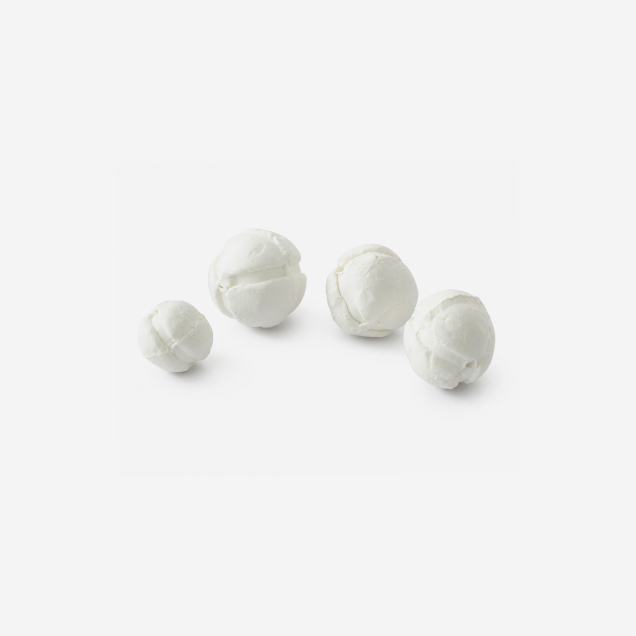
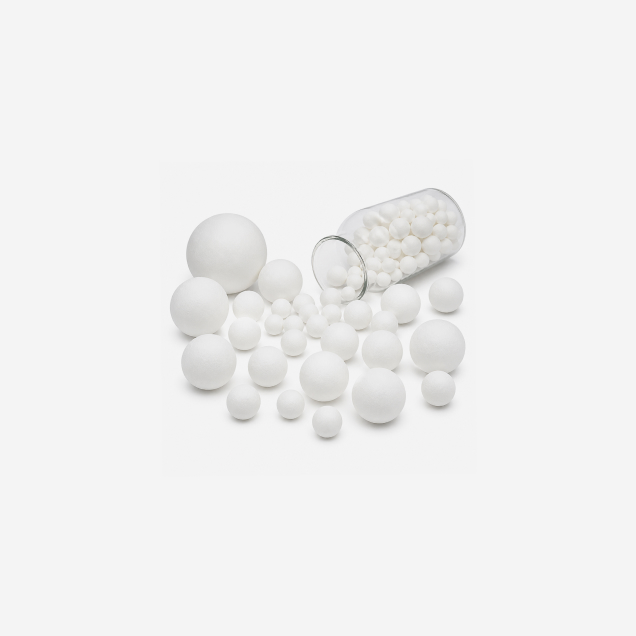
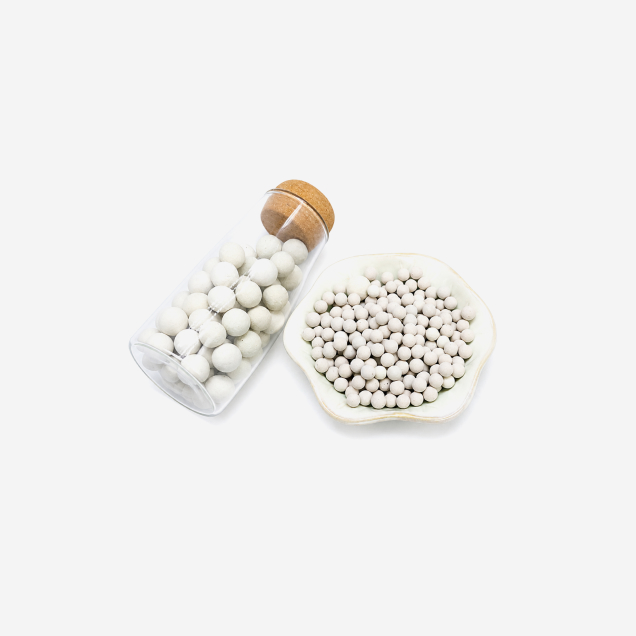
High alumina ceramic balls are versatile alumina spheres used for grinding, catalyst support and wear-resistant duties. What they share is a hard, dense, chemically inert body that resists wear, corrosion and heat and keeps the process clean. Choosing them comes down to the alumina grade and the size, and this guide covers both, along with the main uses.
The alumina grades
The balls run up a grade ladder set by their alumina content, and the grade fixes the hardness, strength, temperature rating and purity. The table below sets out the common grades.
| Grade | Al2O3 | Max temp | Best for |
|---|
| Low-alumina | 17–30% | ~980°C | Standard support and covering |
| Medium-alumina | 40–75% | ~1450°C | Higher load and temperature |
| High-alumina | 85–97% | ~1580°C | Heavy load, grinding, high temperature |
| High-purity | 99% | ~1580°C | Fine grinding, hot or reactive service |
Properties: hardness, chemical and thermal stability
Alumina gives the balls their properties. They are hard — Mohs seven and above on the higher grades — so they grind and resist wear; they are chemically inert, so they take acids, alkalis and corrosive media without damage; and they are dense and low in porosity, so they hold high temperature, up to around 1580°C on the top grades, without breaking down. Being inert, they add no iron or contamination to the material, which matters in white, electronic and pharmaceutical work.
The main uses
The same high alumina ball serves several jobs. As grinding media it runs in ball, jar and vibratory mills, grinding ceramics, minerals and chemicals with a hard, clean, low-contamination action. As catalyst support media it sits under a catalyst or adsorbent bed, holding and protecting it and spreading the flow. And as a wear-resistant and insulating material it is used in the electronic and process industries. The grade and size are set by which of these the ball is for.
Crush strength and water absorption
Two numbers show how a ball will hold up: crush strength and water absorption. Crush strength, measured per ball at each diameter, tells you the load a ball takes before it fractures — important both in a deep support bed and under mill impact. Low water absorption keeps the ball dense and stable and stops it soaking up fluid. Both improve as the alumina content rises, which is why the higher grades suit the hardest, hottest and most demanding duties.
Sizing
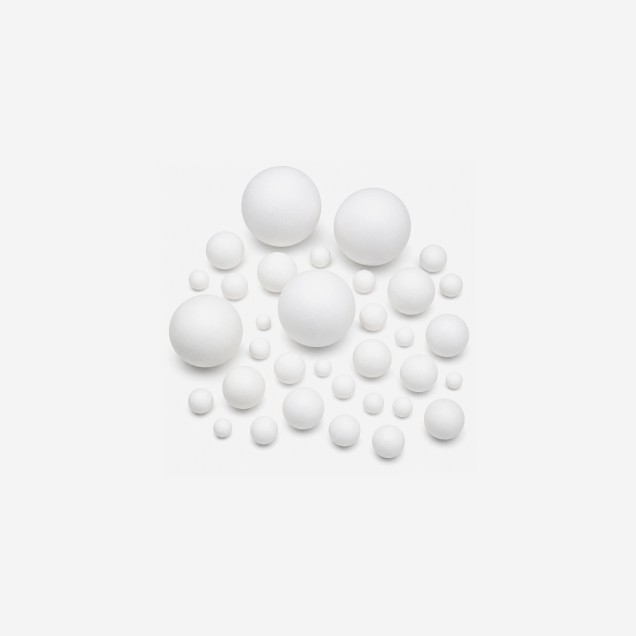
Sizes run from about six millimetres up to fifty millimetres, with larger and custom sizes to order. In a mill, a spread of sizes grinds better than a single size; in a support bed, the balls are layered from large at the bottom to small under the catalyst. We work out the size or the size mix from the duty and the vessel.
Quality and supply
A consistent grade, a clean round shape, high crush strength and low water absorption are what make a high alumina ball reliable, whether it grinds or supports. We supply high alumina ceramic balls across the full grade range and in sizes from Φ6 to Φ50 mm, clean and dry, from sample quantities up to bulk orders by the tonne, packed in cartons or one-tonne bulk bags.