search
Search

Enter keywords to search for products, blog posts, and more.


Home > Breathing Biological Ceramic Rings

Breathing Biological Ceramic Rings

Breathing Biological Ceramic Rings

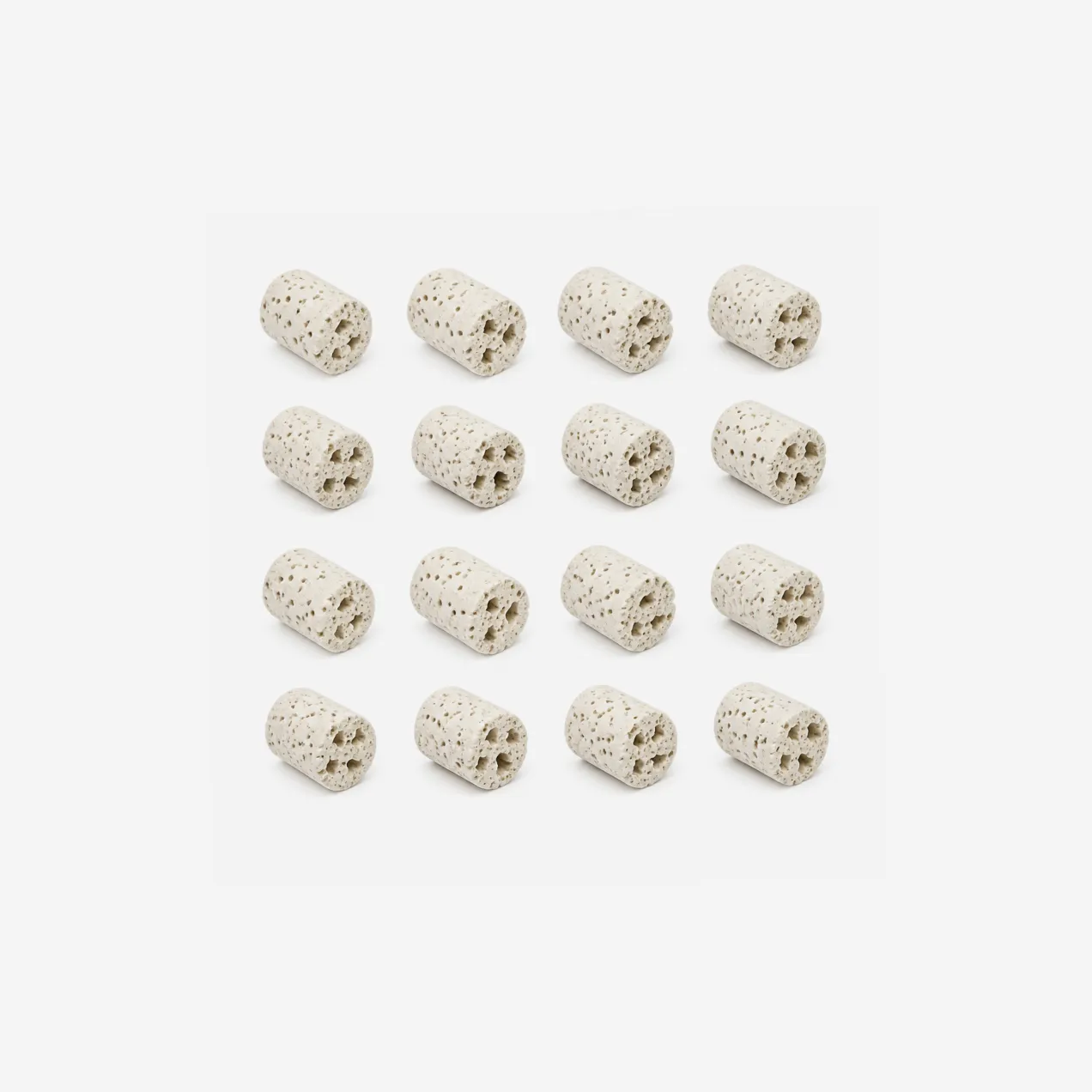
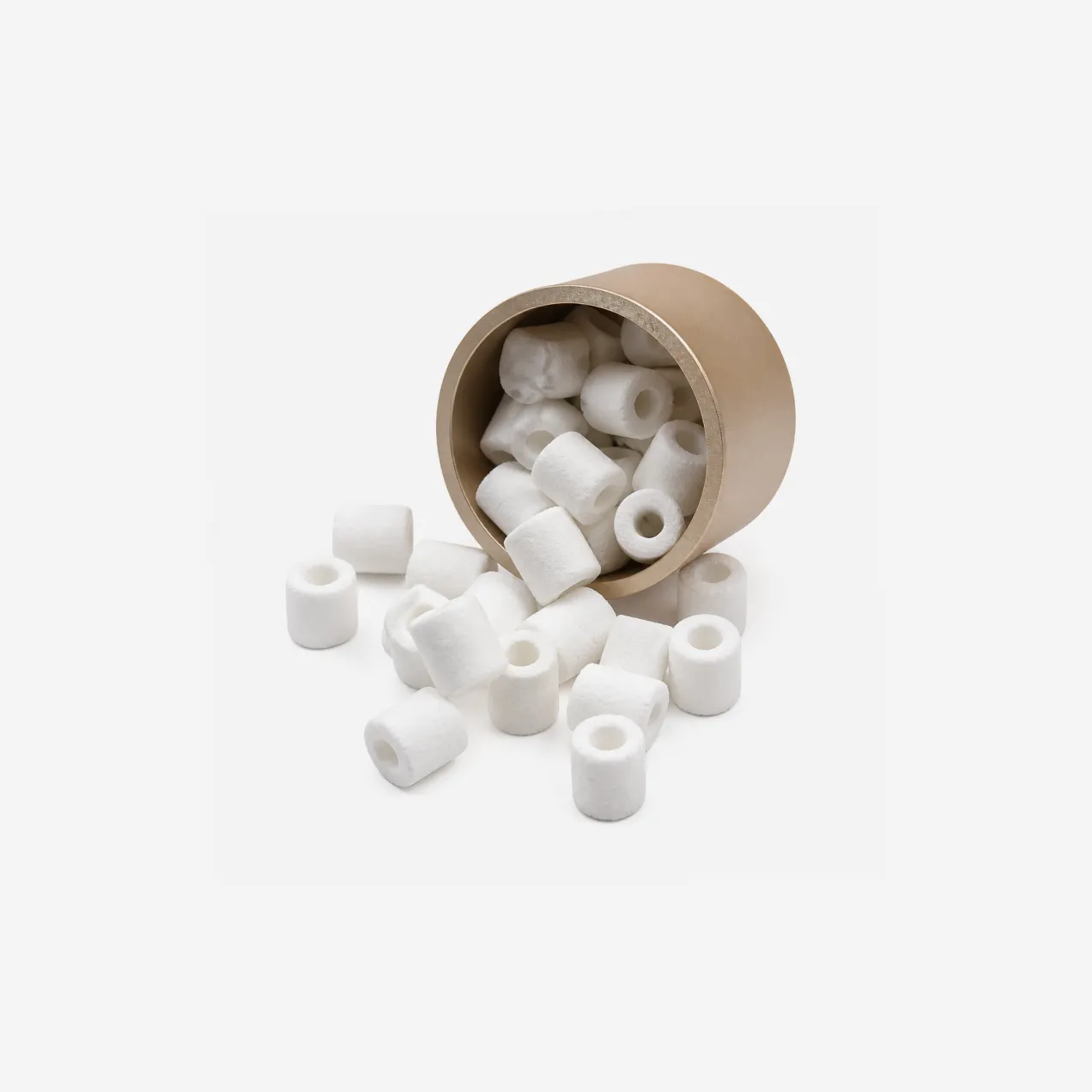
Breathing biological ceramic ring is an ultra-porous, high-fired ceramic used as biological media in aquarium, pond and aquaculture filtration. The name breathing points to its open, sponge-like pore network, which runs right through the ring so water and oxygen move freely inside it rather than only washing over the outside. That open structure is what makes it an ideal home for the beneficial bacteria a healthy tank needs: they settle deep in the pores and turn the ammonia from fish waste into nitrite and then nitrate, so the water stays safe by biology alone. It is sintered at high temperature from a hard ceramic, kaolin as standard, with alumina or zirconia offered for extra hardness, which leaves it inert and pH-neutral, so it shifts nothing in the water chemistry. The rings are crush-resistant, long-lasting and reusable after a gentle rinse. Size 10 to 40 mm, customizable. Model RJ-1785.

  • Ultra-porous breathing ceramic: open pores run through the ring for water and oxygen flow.
  • High-fired kaolin ceramic (alumina or zirconia optional); inert and pH-neutral.
  • Deep pores host the bacteria that turn ammonia into nitrite and nitrate.
  • Crush-resistant, long-lasting, reusable; for aquariums, ponds and aquaculture.
  • Size 10 to 40 mm (customizable); model RJ-1785.

Technial Parameters

ParameterValue
pH7.1
Porosity (porous ratio)65.54%
Water adsorption58.56%
Bulk density1.13 g/cm³
Compressive strength17 N/mm
SiO₂80.92%
Al₂O₃7.87%
CaO8.44%
TiO₂0.13%
MgO0.71%
Fe₂O₃0.53%
K₂O0.53%
Na₂O0.11%


PropertyValue
Product TypeBreathing biological ceramic ring (aquarium bio filter media)
FunctionUltra-porous biofilm carrier: hosts nitrifying bacteria that break down ammonia and nitrite
Model NO.RJ-1785
MaterialHigh-fired ceramic: kaolin standard; alumina or zirconia optional
Form / SizeHollow cylindrical; 10–40 mm (customizable)
pH ImpactNeutral (no change to water chemistry)
Porosity65.54%
WaterFreshwater and saltwater
ApplicationsHome aquariums, commercial fish tanks, garden ponds, aquaculture systems
LifespanLong; reusable after gentle rinsing
AdvantagesOpen breathing pore structure, huge bacterial surface, inert, pH-neutral, crush-resistant
TrademarkRONGJIAN
OriginChina
HS Code6914900000
Transport PackageSteel drum / ton bag / carton box

FAQs

What is a breathing biological ceramic ring?

A breathing biological ceramic ring is a highly porous ceramic tube used as the biological media in an aquarium, pond or fish-farm filter. It is called a breathing ring because of its structure: instead of being solid with a smooth surface, it is shot through with a connected web of open pores, so water and the oxygen it carries pass right into the body of the ring, not just around it. That is exactly what the useful bacteria in a filter want. Nitrifying bacteria, which do the invisible work of keeping fish alive, colonise those pores and steadily convert the ammonia that fish and food produce into nitrite and then nitrate, the far safer end product. Because the pores reach deep inside, a given volume of breathing rings supports a much larger bacterial population than solid or lightly textured media, so the filter processes more waste. The ceramic is fired hard at high temperature, is chemically inert and pH-neutral, and lasts for years. In short, it is a compact, high-capacity home for the living part of the filter.

What does "breathing" mean — and is the far-infrared claim real?

Breathing describes the ring's open, interconnected pore structure, the way water and air pass through it rather than skating over the surface. That is a real, physical property, and it is the reason these rings hold so many bacteria and process so much waste. You will also see very similar rings sold as infrared or far-infrared breathing rings, usually the reddish ones, with claims that they emit infrared energy that improves the water or the fish. Be a little cautious there: the genuine, demonstrable benefit of any of these rings is the porous ceramic surface that grows the biological filter, and that is what you should choose them for. Any infrared effect is a marketing point rather than something you can rely on. Judge a breathing ring on its porosity, its surface area and its durability, all of which this one delivers, and treat the infrared label as a name, not a feature. If you want the plain facts on what a ring will do in your tank, ask us.

What ceramic is it — kaolin, alumina or zirconia?

It is made from a hard ceramic fired at high temperature, and the base material can be chosen. The standard is a kaolin-based ceramic, the natural clay mineral, which gives a good balance of porosity, strength and cost and suits almost every tank. For more demanding or long-term use, alumina and zirconia versions are offered: these are harder, denser technical ceramics that resist wear and mechanical shock even better and are extremely inert, which can matter in commercial systems or heavily stocked tanks. Whichever the base, the firing is done hot enough to lock the structure in place, so the ring does not break down, cloud the water or shift its pH. For most home aquariums the standard ceramic is all you need; the alumina or zirconia options are there for heavier duty or where the longest possible service life is wanted. Tell us your system and we will suggest the material and the size.

What other filter media should I combine it with?

Biological media like these breathing rings are one part of a good filter, and they work best combined with a few others, each doing a different job. Put a mechanical stage first, a sponge or filter floss, to catch the visible dirt before it reaches and clogs the rings. The breathing rings are the biological heart, growing the bacteria that remove ammonia and nitrite. To that you can add chemical media as needed: activated carbon to pull out dissolved colour, odours and some organics, and zeolite, which specifically adsorbs ammonia and is useful in a new tank or an emergency before the bacteria are established. Some keepers also add mineral media or crushed coral to hold the pH and hardness up in tanks that need it. Layering these, mechanical then biological then chemical, is how a filter keeps the water both clear and safe, and it is why media are often sold as a mixed set. Send us your tank and stocking and we will suggest a media combination.

A breathing biological ceramic ring is an ultra-porous, high-fired ceramic media that forms the biological stage of an aquarium, pond or aquaculture filter. Its breathing name comes from the open, connected pores that run through it, letting water and oxygen move inside the ring rather than only past it, which is what lets it hold so many of the nitrifying bacteria that turn fish-waste ammonia into nitrite and then safe nitrate. Fired from kaolin, or from harder alumina or zirconia, it is inert, pH-neutral and long-lasting. It works best as one media among several, each with its own role.

Media to combine in a filter, and what each adds:

MediaWhat it contributes
Mechanical (sponge, floss)Catches visible debris before it clogs the rings
Breathing ceramic ringsGrow bacteria that remove ammonia and nitrite (this product)
Activated carbonAdsorbs dissolved colour, odour and organics
ZeoliteAdsorbs ammonia directly (useful in new tanks)
Mineral / coral mediaHold up pH and hardness where needed

The breathing rings suit home aquariums, commercial fish tanks, garden ponds and aquaculture systems, in fresh or salt water, in sizes from 10 to 40 mm. They are inert and pH-neutral, and rinse clean in tank water for reuse. Tell us your tank and stocking, and we will suggest the quantity and the media mix.