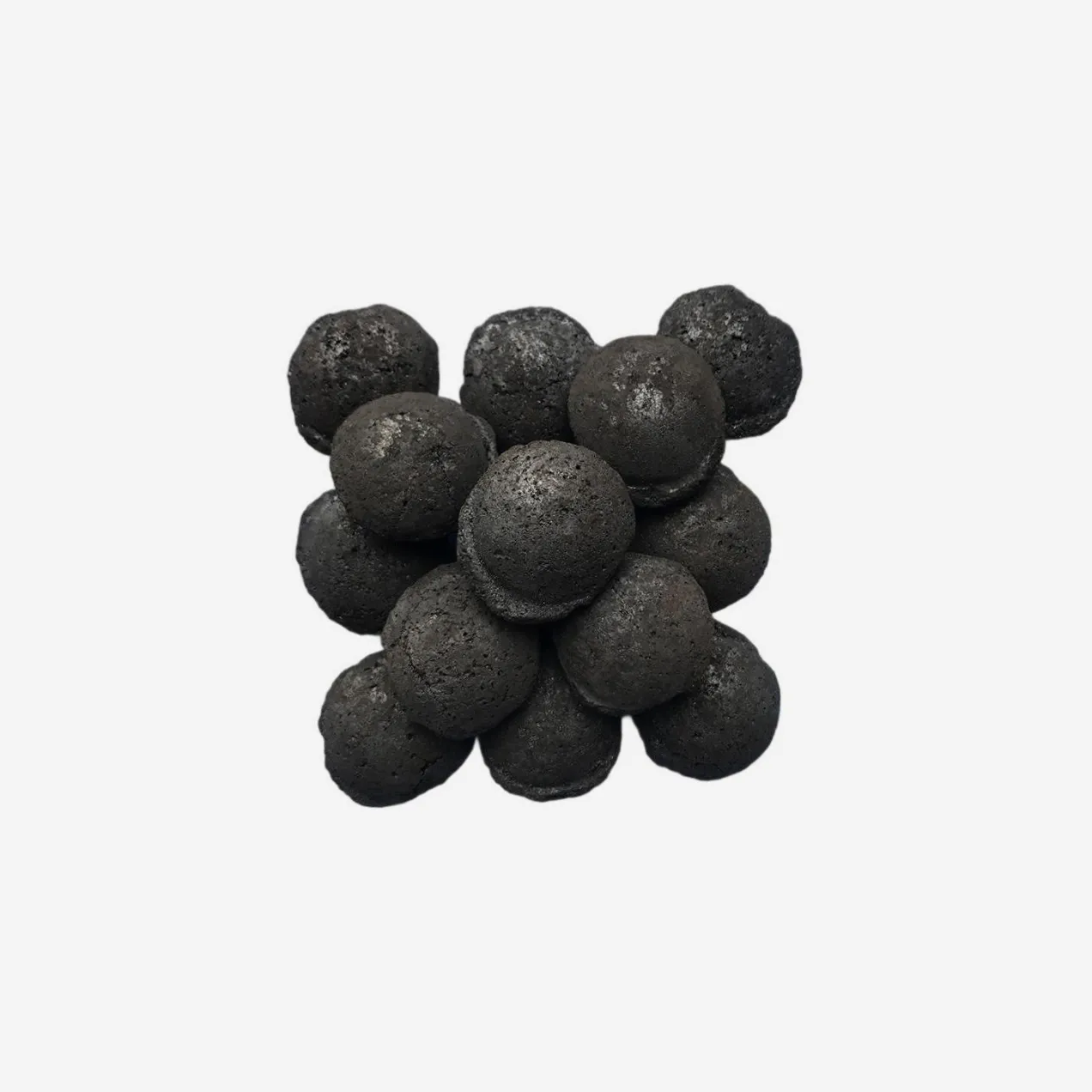
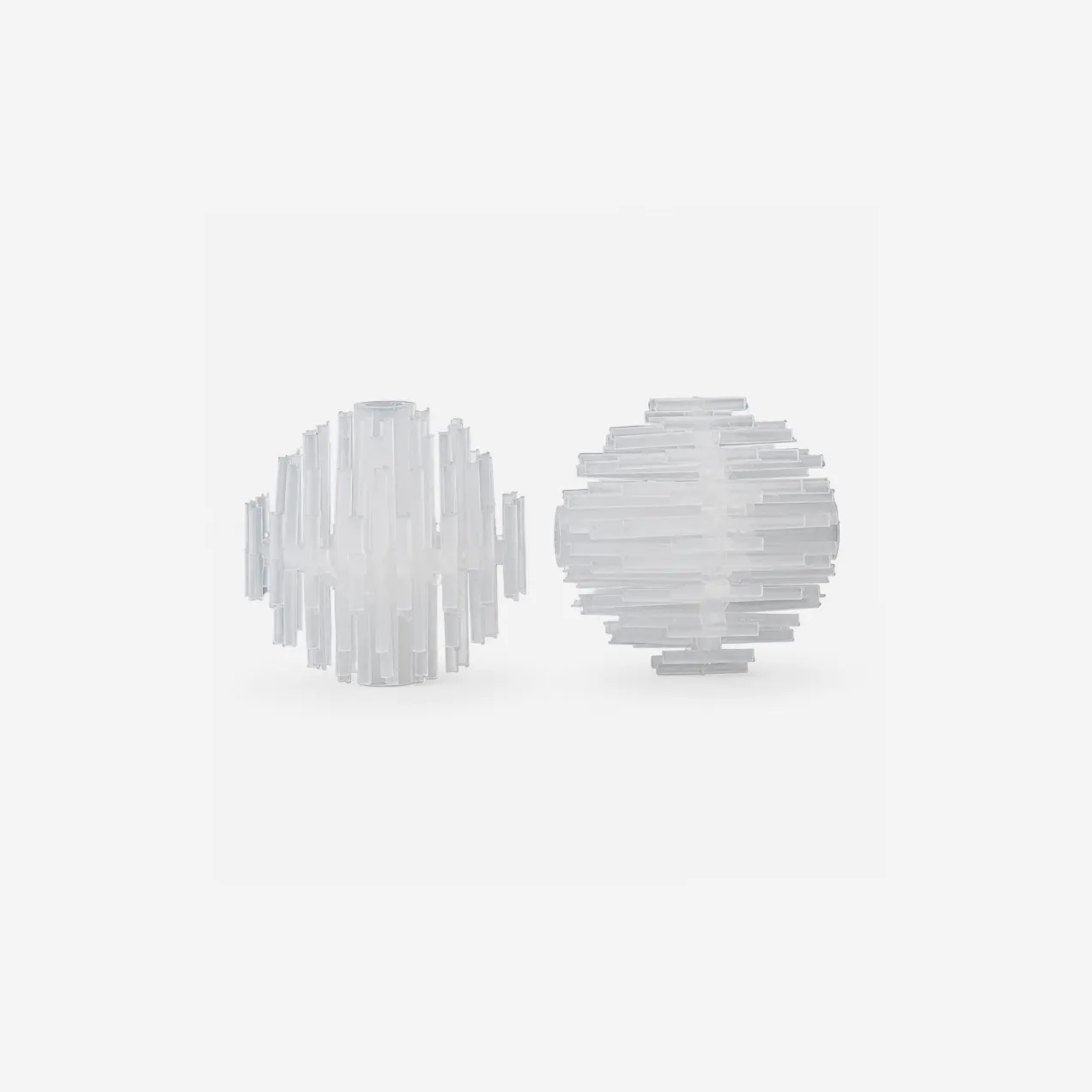
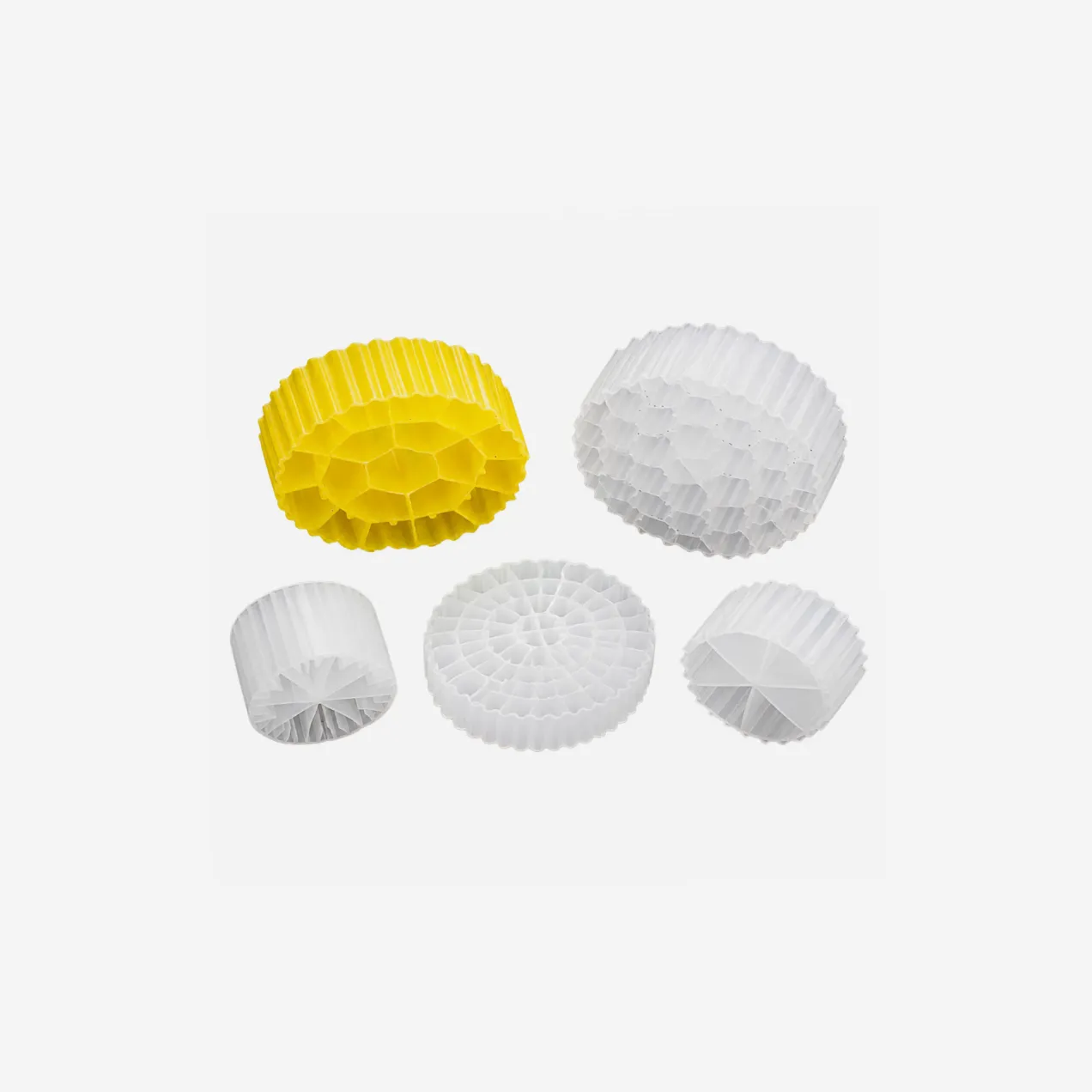
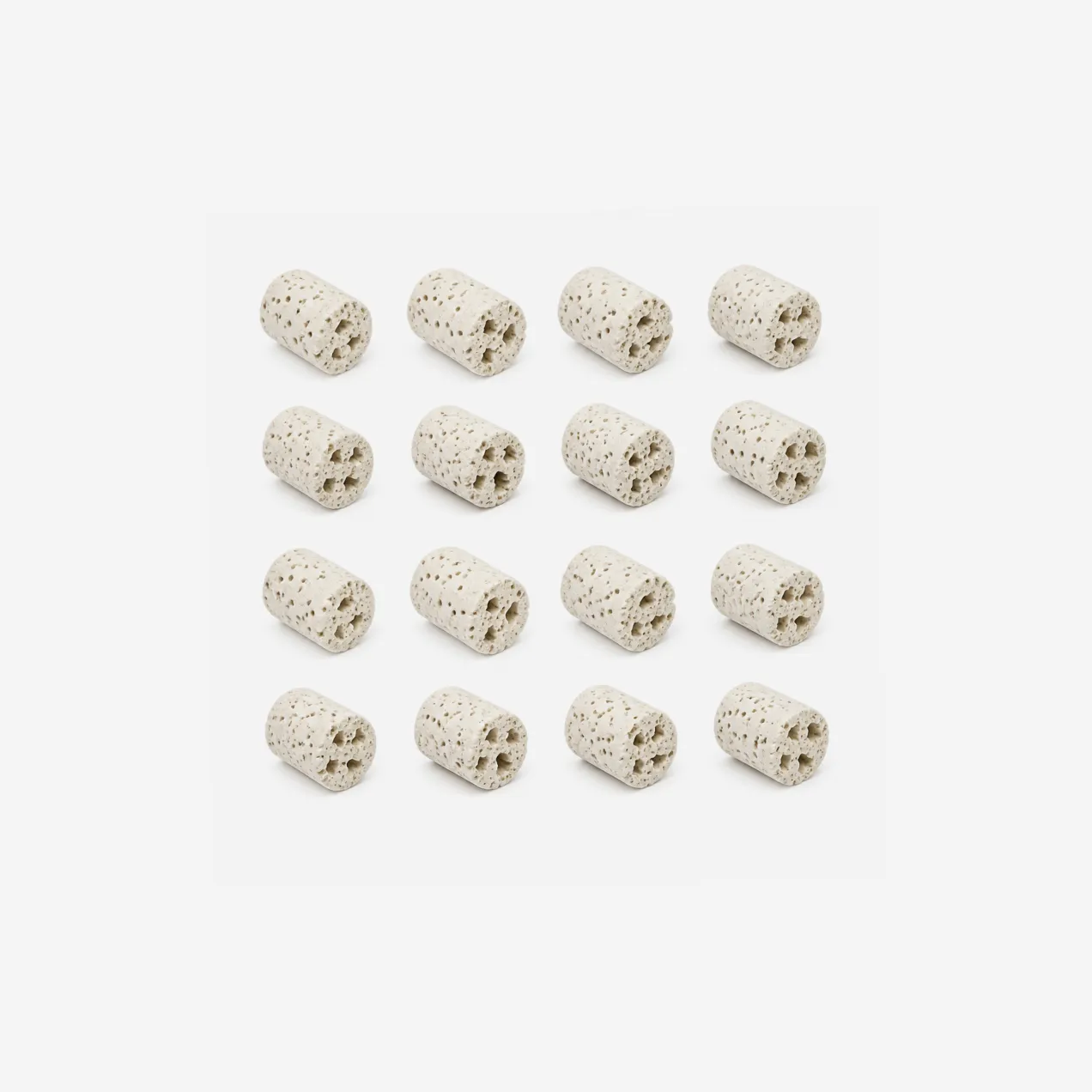
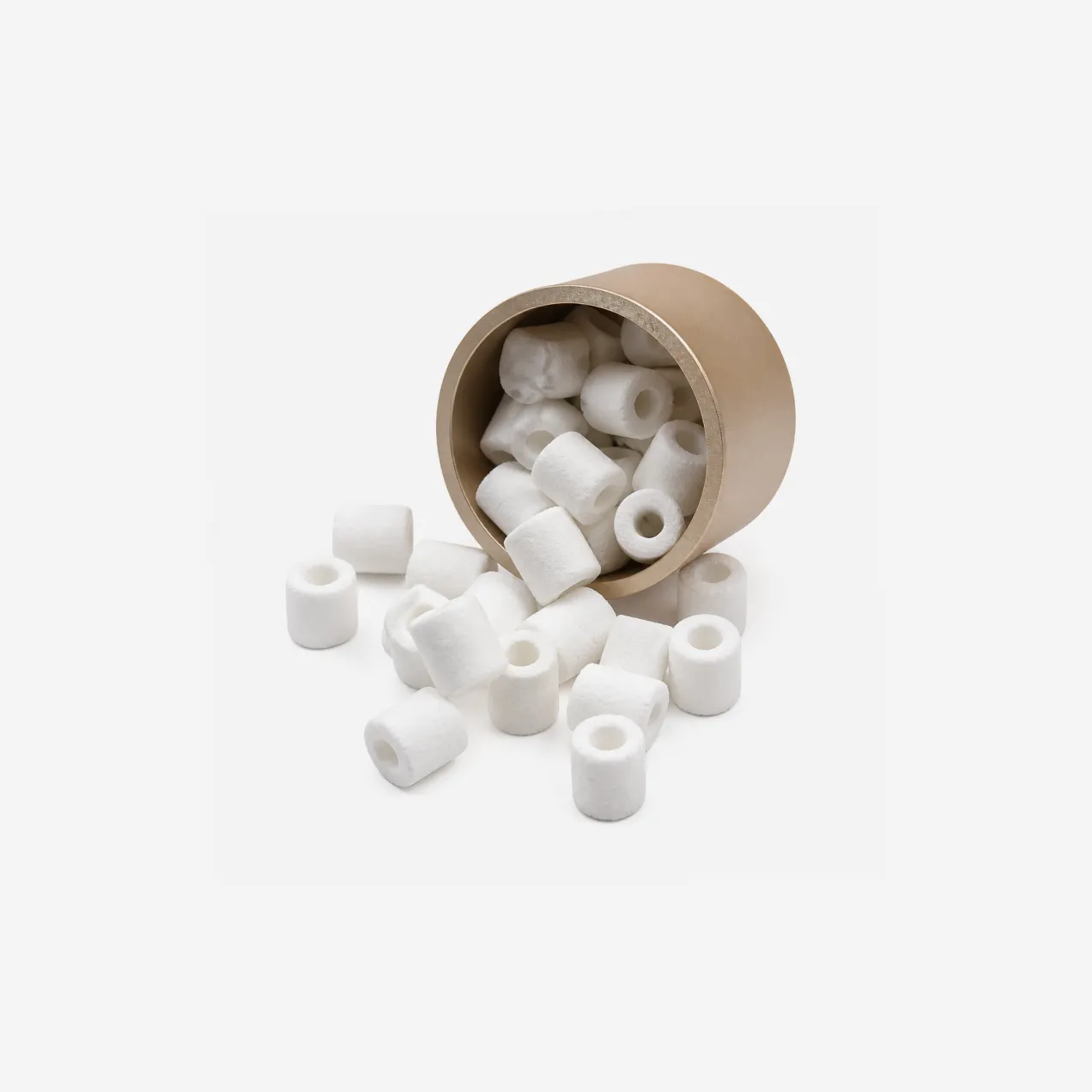
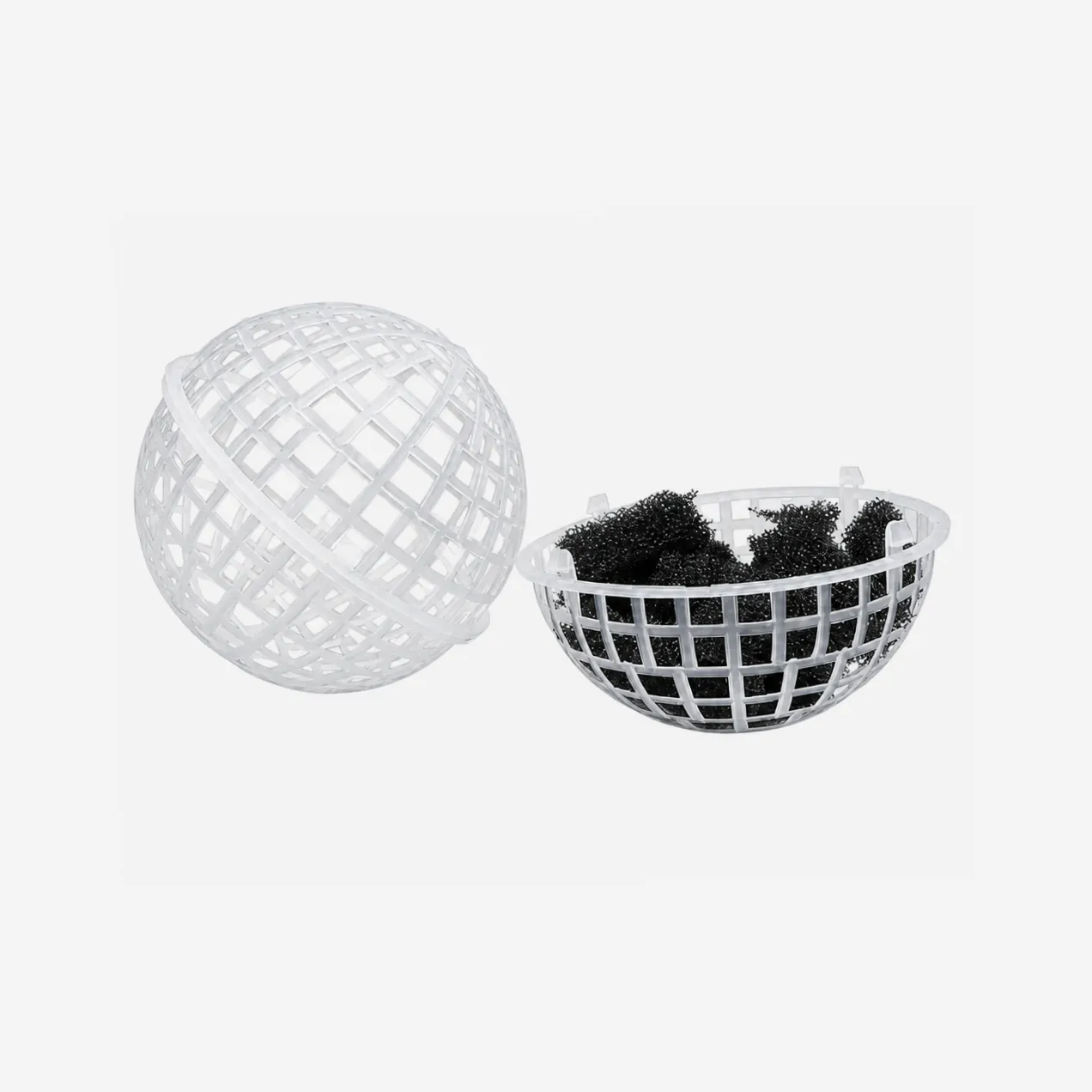
The floating bio ball is not a tower packing but a biofilm carrier — a light plastic ball designed to hold a living film of bacteria that cleans wastewater. It is made in layers. A hollow outer sphere of plastic mesh forms the cage and catches suspended solids, and inside it sit rotating inner spheres or a core of foam and fibre whose ribbed, frosted and perforated surfaces give the bacteria an enormous area to colonise — the perforation designs can raise that area by up to about 30 percent. Moulded from polypropylene with a foam core, the ball is near-neutral in density, so it floats or drifts in the tank rather than settling, and it resists acids, alkalis and the wear of constant motion.
Each part of the ball has a job to do:
| Part | What it does |
|---|
| Outer mesh sphere | Gives shape and strength, and intercepts suspended solids |
| Inner foam / fibre core | Holds the biofilm on a very large surface for microbial growth |
| Near-neutral density | Lets the ball float and move so biofilm stays fed and aerated |
| Self-rotating motion | Boosts oxygen transfer, sheds excess sludge, prevents clogging |
These features make the floating bio ball a mainstay of biological water treatment: domestic sewage, industrial effluent from petrochemical, paper and food plants, and municipal works, as the moving carrier in MBBR and MBR reactors, and in gas scrubbing for VOC removal. Compared with a conventional fixed carrier it needs less aeration energy and produces less sludge, and being polypropylene it is recyclable. Where the task is biological — growing biofilm to break down pollutants — the floating bio ball is the media of choice; where it is physical or chemical mass transfer, a ring or hollow-ball tower packing is used instead. Tell us the reactor and the load and we will recommend the ball size and quantity.