search
Search

Enter keywords to search for products, blog posts, and more.


Home > Plastic Hump Support

Plastic Hump Support

Plastic Hump Support

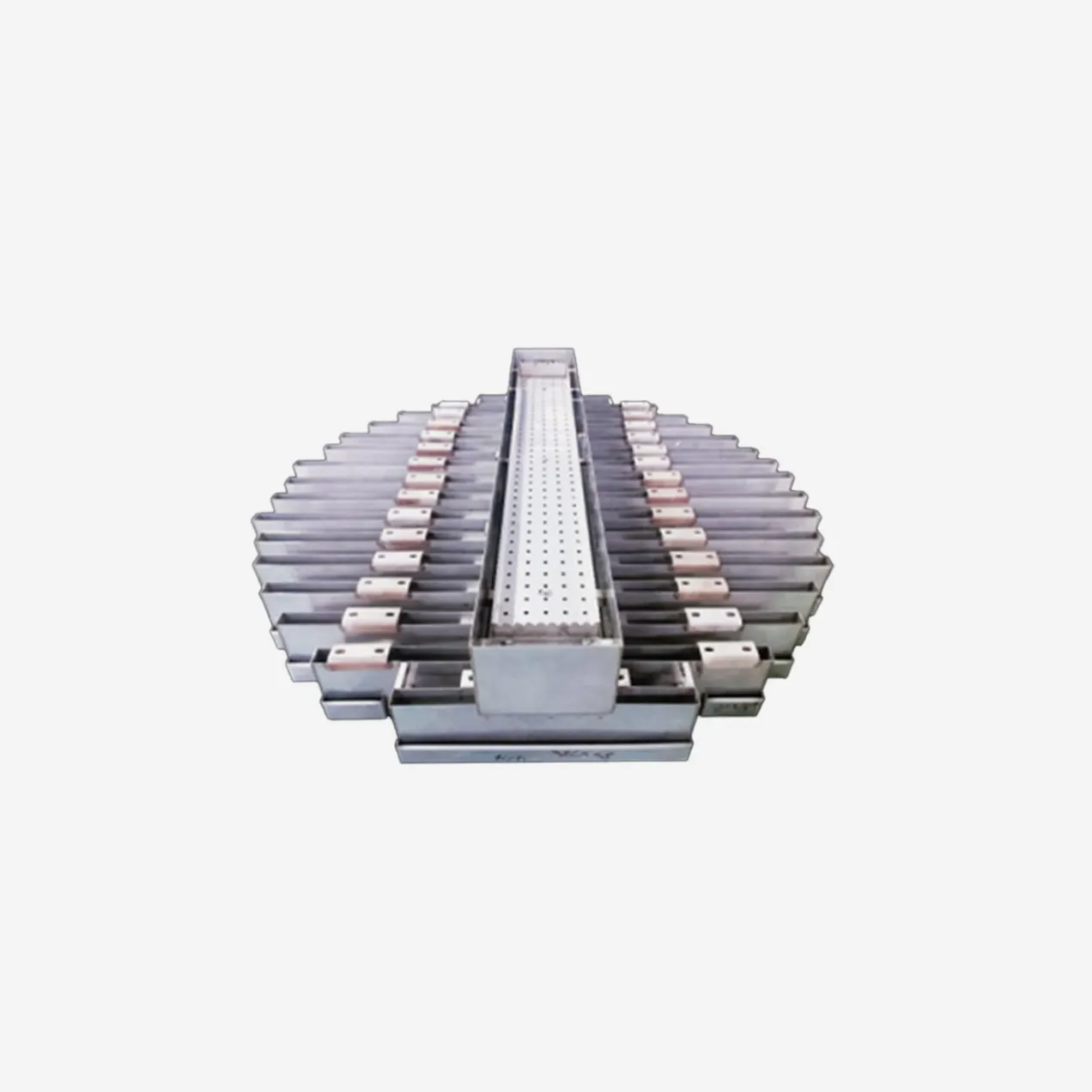
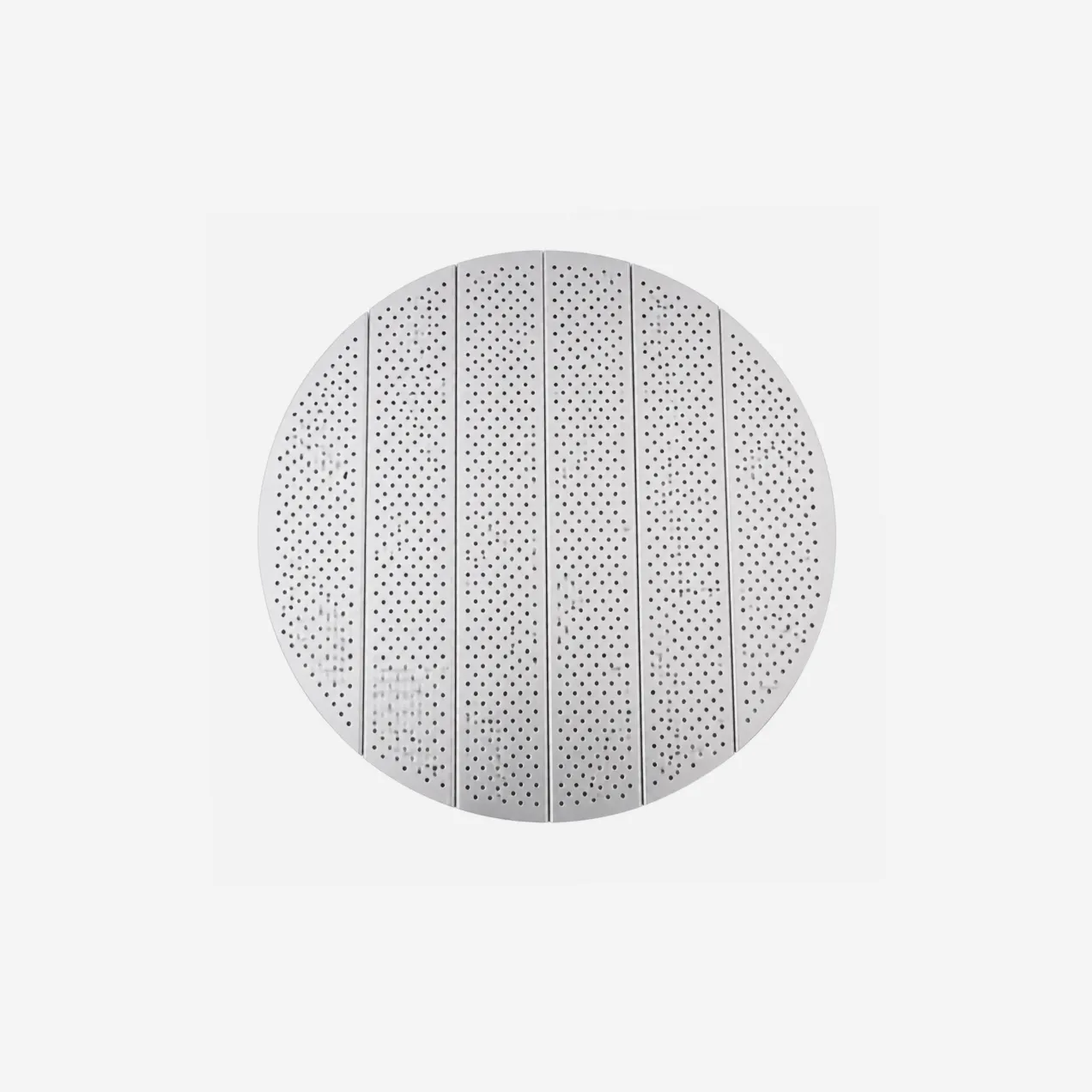
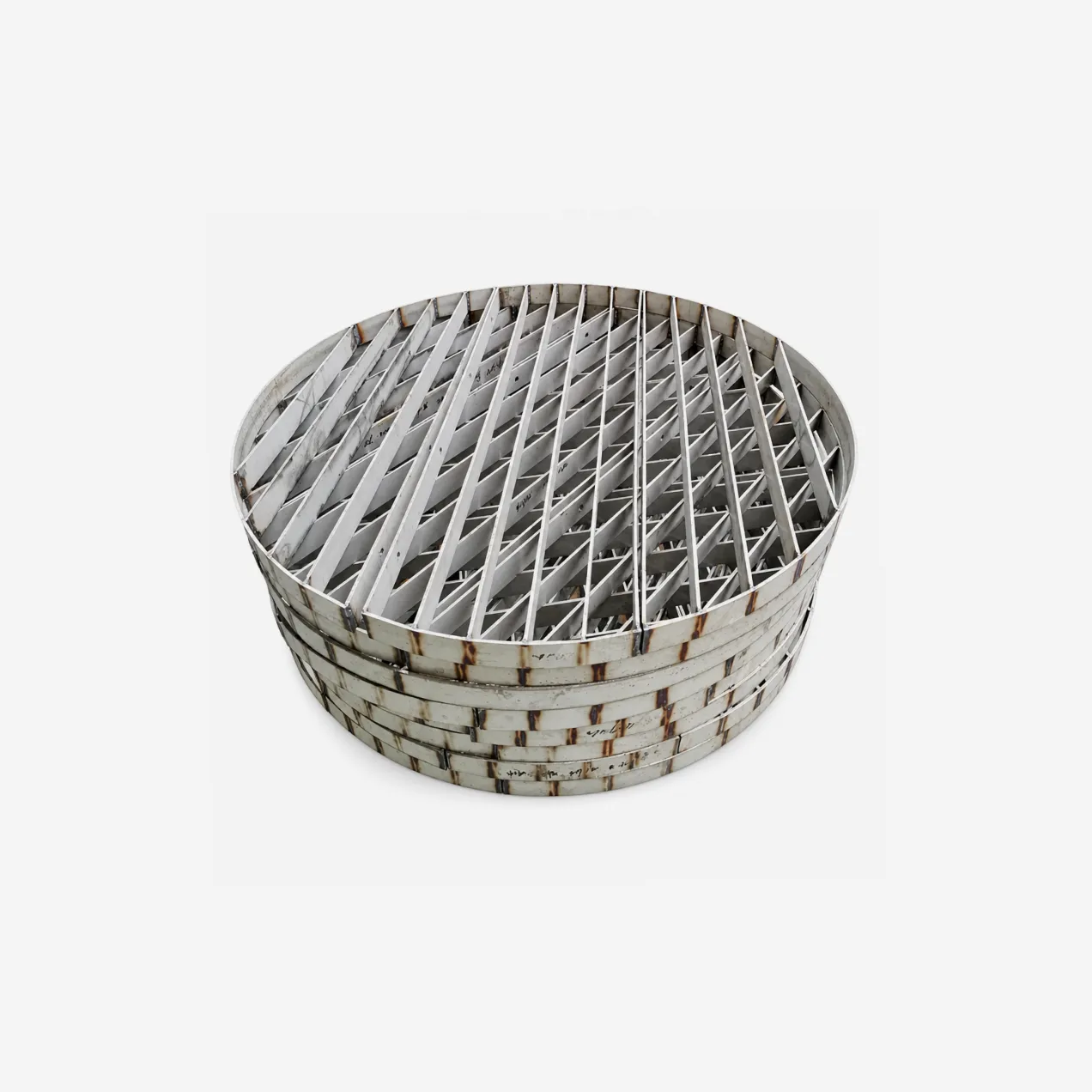
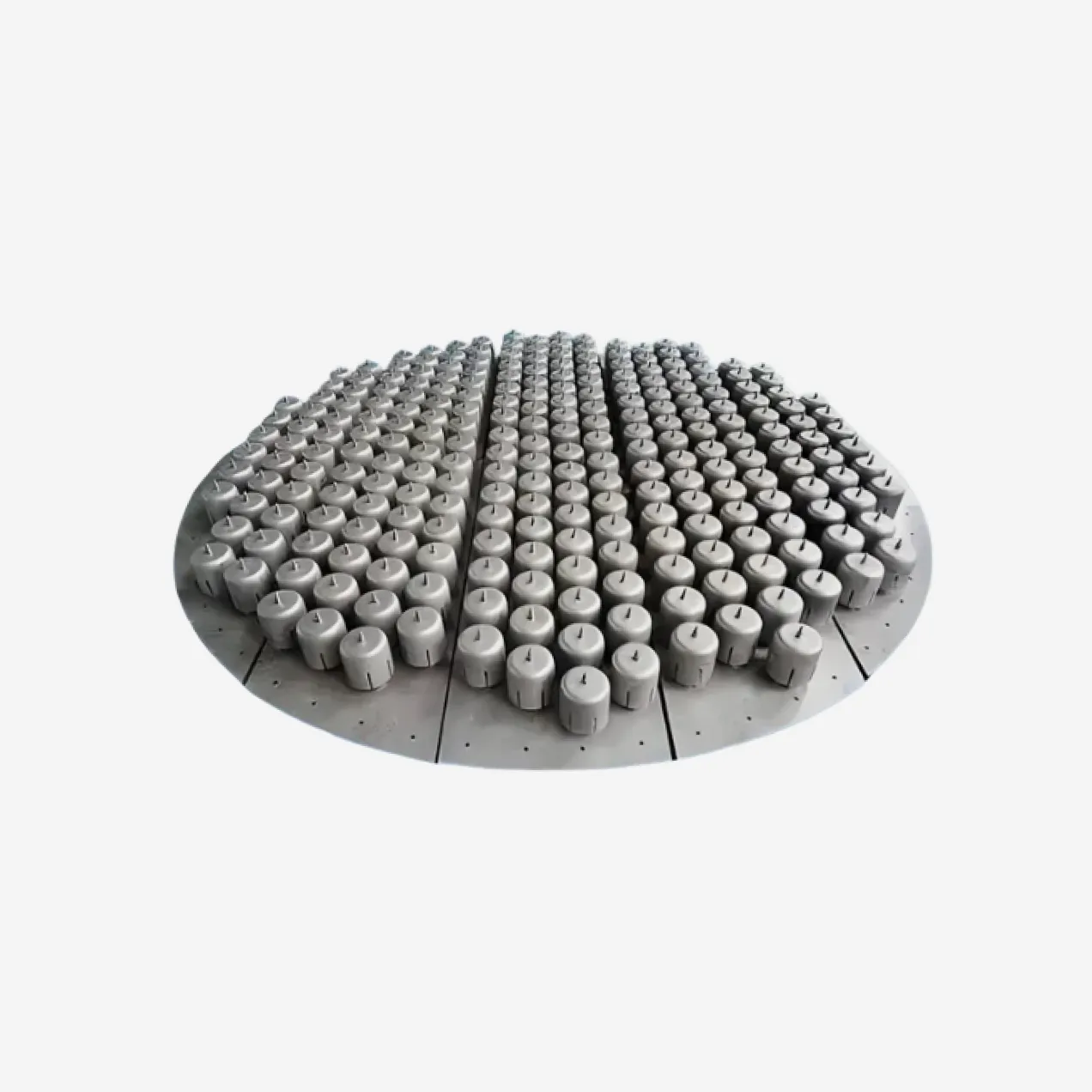
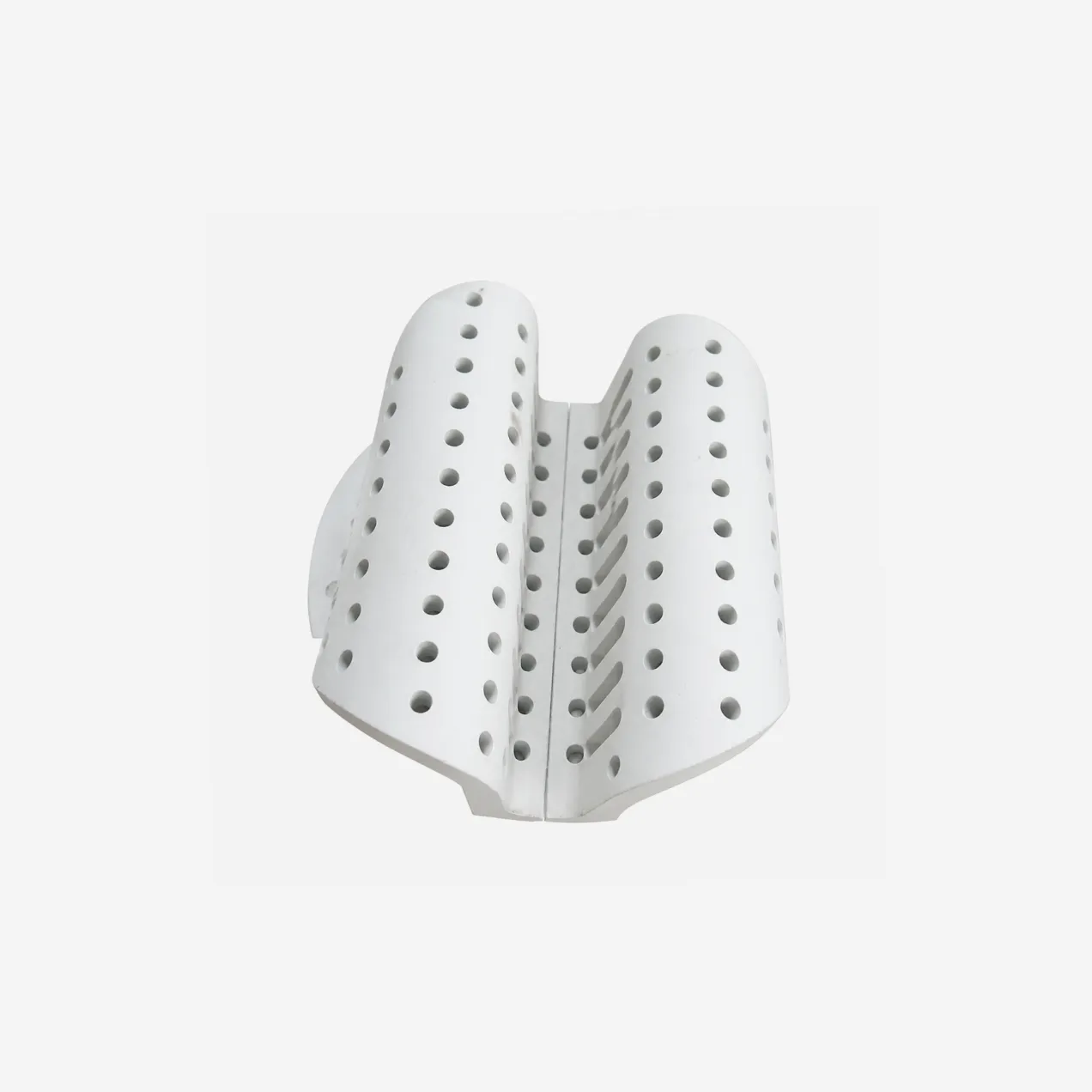
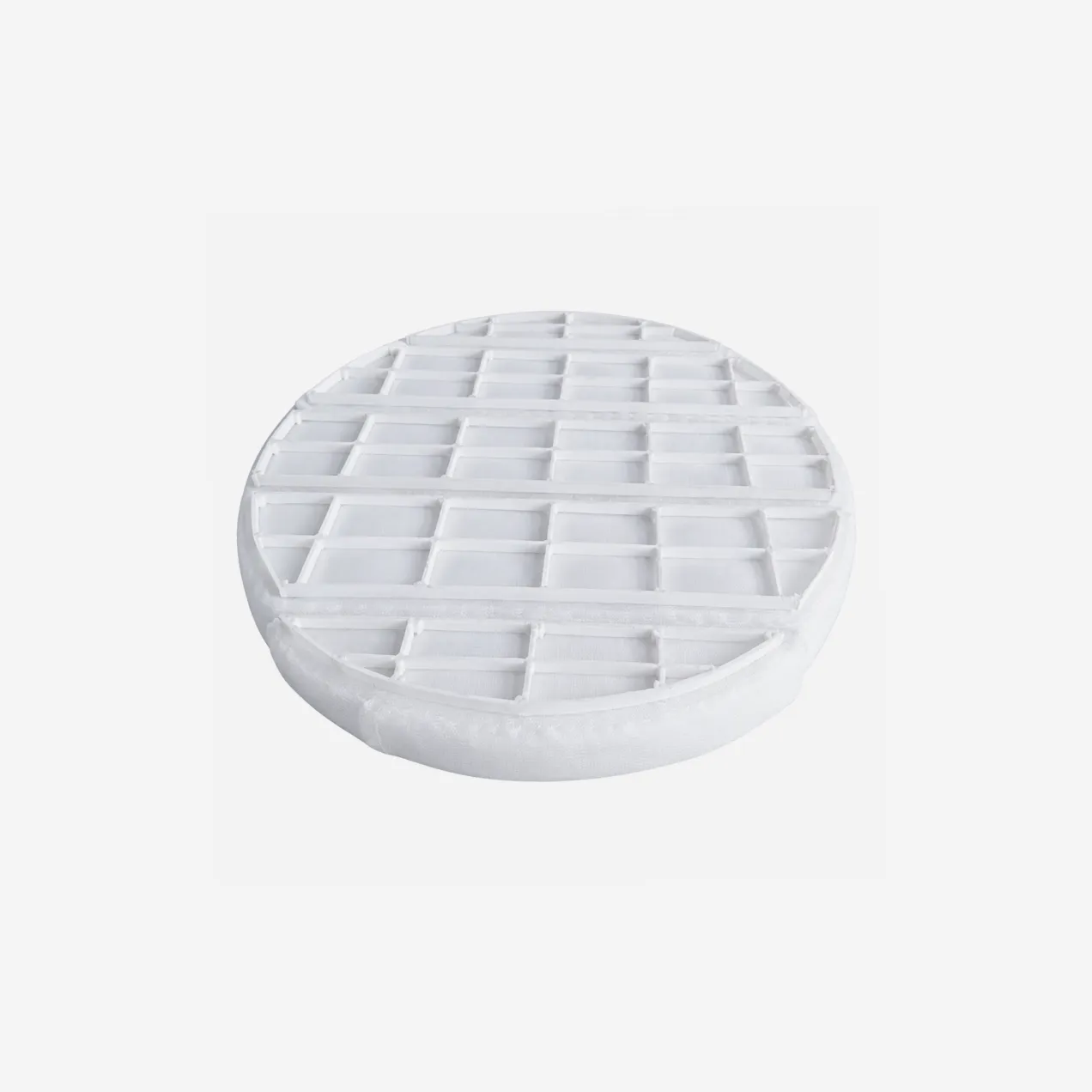
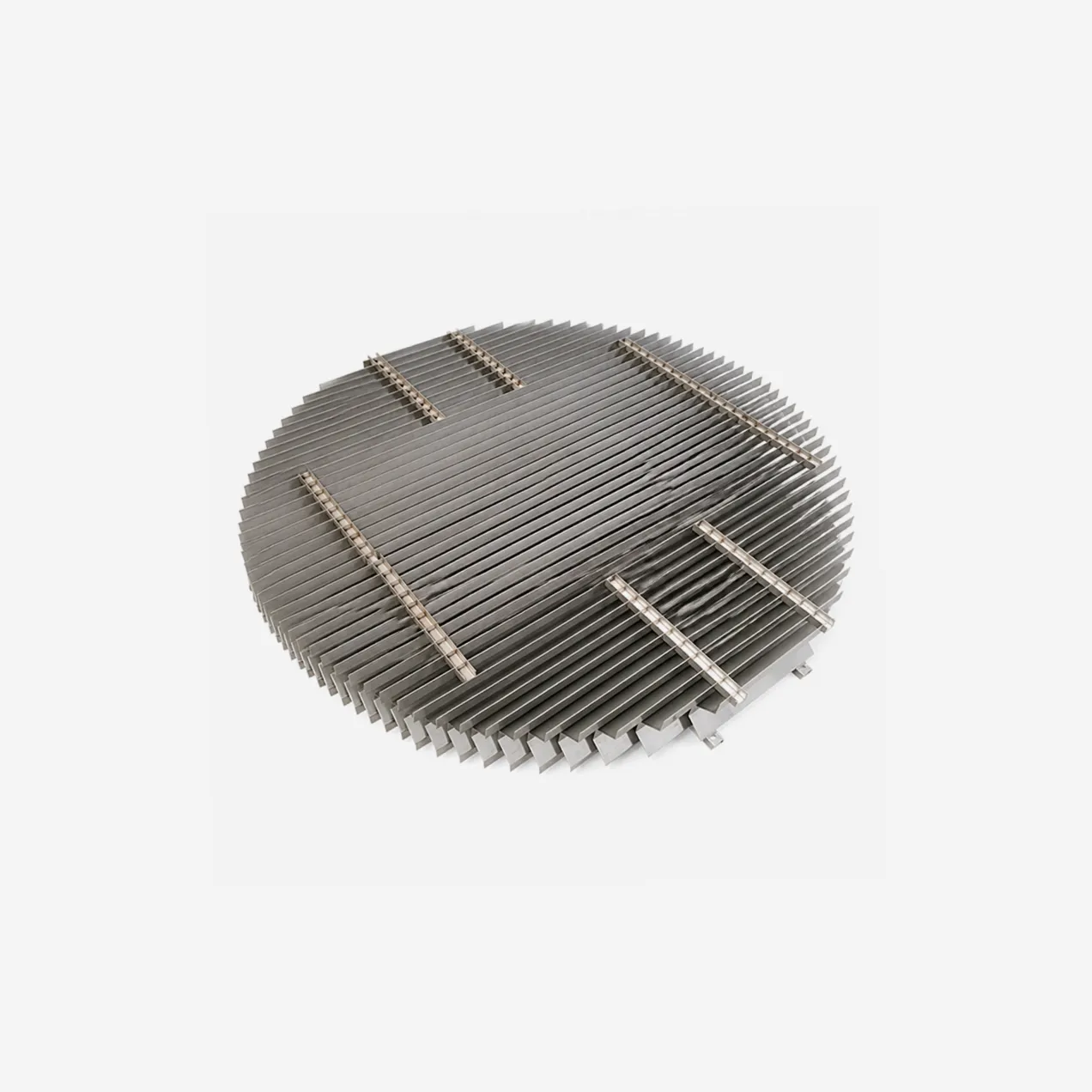
Plastic hump support is a polypropylene packing-support plate of the beam-type, gas-jet design. Set on a ring inside the column, it takes the dead weight of the bed resting on it — the packing and the liquid soaking through it — and at the same time it lets the vapour and the drainage move freely past. The plate is a row of hollow PP beams peppered with holes: the holes fire the rising vapour sideways into the packing like little jets, up above the pooled liquid, while the drainage sinks to the roots of the beams and leaves there. With the two streams routed apart, most of the plate stays clear, so it will carry a heavy vapour and liquid throughput before it chokes, and it costs almost nothing in draught. Polypropylene makes it light to handle, corrosion-proof and inexpensive, though it caps the working temperature at roughly 90 degrees; a stainless-steel or ceramic version covers hotter or fiercer duty. The plate ships as panels that bolt together inside the vessel. Model RJ-2826.

  • Polypropylene beam-type gas-jet packing-support plate; carries random or structured beds.
  • Perforated beams jet the vapour in above the pooled liquid, which drains at the roots — two routes, so it resists choking.
  • Mostly clear, so it handles a heavy throughput at very little draught loss.
  • PP: light, corrosion-proof, inexpensive, working to roughly 90 degrees.
  • Stainless-steel and ceramic versions for hotter duty; bolts up inside the vessel; model RJ-2826.

Technial Parameters

FactorInfluence on support plate design
Column diameterLarge diameters (over 10 m) are assembled in sections through the manway
Design loadsMust carry both the packing weight and the retained liquid (hold-up)
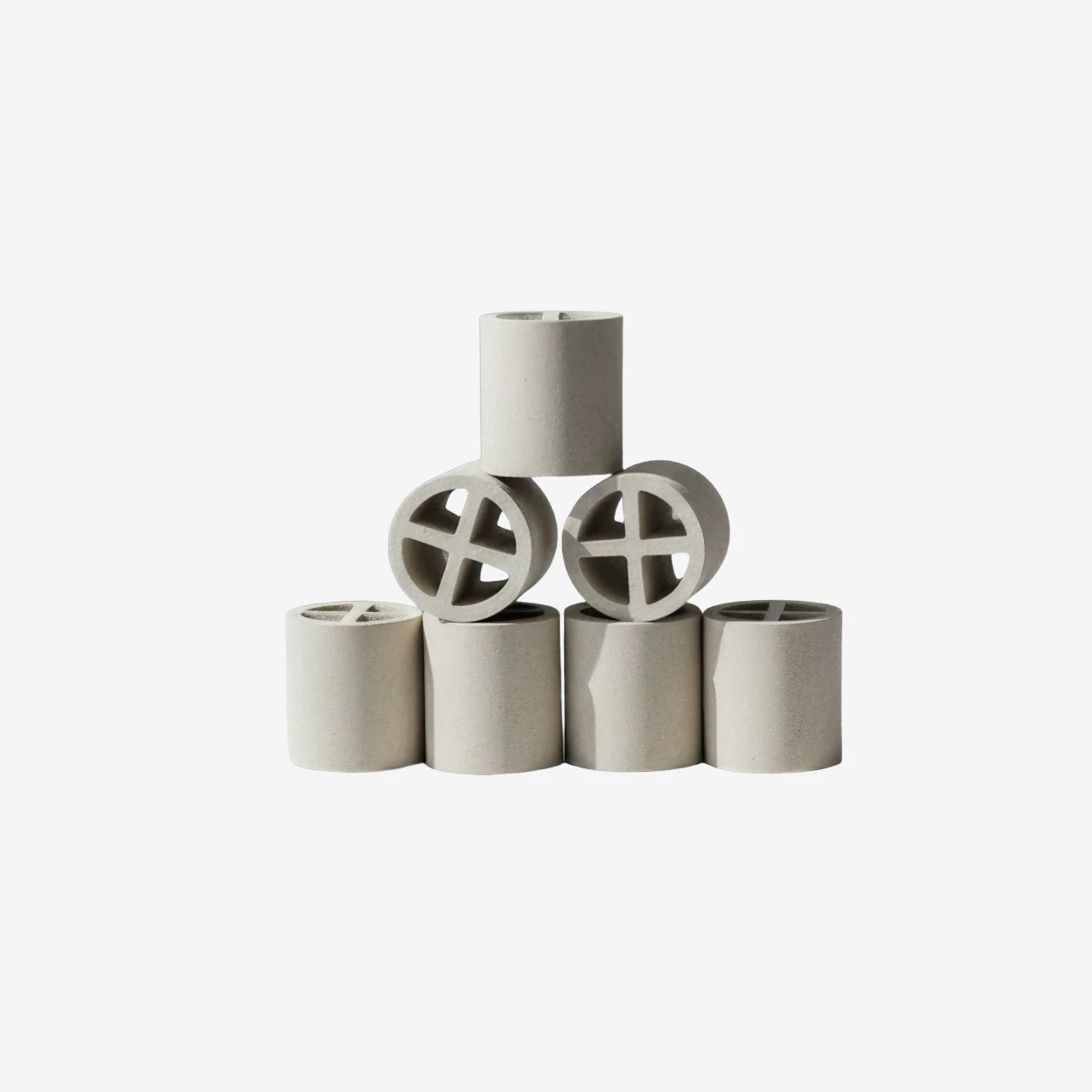
Packing typeSupports random packing (e.g. Raschig rings) or structured packing (e.g. Mellapak)
Liquid hold-upDrains freely to prevent flooding
CorrosivenessMaterial chosen (PP, 304/316L stainless, ceramic) to suit the chemistry


PropertyValue
Product TypePlastic hump support (beam-type gas-jet packing support plate)
FunctionSupports the packing bed; perforated beams give gas and liquid separate paths
Model NO.RJ-2826
MaterialPlastic (PP); also stainless steel or ceramic
Max TemperaturePP to about 90 °C (stainless / ceramic for higher)
Plate Thickness10–12 mm
Column DiameterCustom; large diameters (over 10 m) built in modular sections
Packing SupportedRandom or structured packing
Design LoadsPacking weight plus liquid hold-up
MoldingMolded
AdvantagesLightweight, corrosion-resistant, high open area, low pressure drop, anti-clogging, modular
ApplicationsSupport for packing in distillation and absorption towers, acid/alkali scrubbers, solvent recovery, ammonia and gas-separation columns
CertificateInspection and material certificates
TrademarkRONGJIAN
OriginPingxiang, China
HS Code8419909000 (not shown on supplied listing; a plastic-article code may apply — confirm)
Transport PackageWooden case

FAQs

How does a plastic hump support hold the packing and pass the flow?

A plastic hump support is a PP plate that sits low in a packed column and does the two jobs every packing support must. It is moulded as a run of raised, hollow beams studded with holes. Its structural job is to bear the whole load pressing down on it, the mass of the packing plus the liquid working its way through, while resting on the support ring, and to do so without bowing. Its flow job comes from the beam shape: rather than making the vapour and the draining liquid fight through one set of holes, it separates them. The vapour is jetted out sideways through the holes high on the beams, clear of the liquid, and the liquid trickles down to the base of the beams and drains from there. Splitting the paths means the plate need not be crowded with openings, it stays mostly clear, so it carries a large throughput before choking and steals very little draught. As a plastic part it is light, easy to manoeuvre into place and immune to corrosion, but the polypropylene keeps it to cooler service.

PP, stainless steel or ceramic — which hump support material?

The support plate is offered in three materials, and the choice follows the temperature and the chemistry. Polypropylene, the plastic version here, is the light, low-cost option: it resists most acids and alkalis and is easy to handle, but it softens with heat, so it is kept to roughly 90 degrees. Stainless, grade 304 or 316L, takes over when the gas runs hot or the bed is heavy, holding its strength at temperatures and pressures no plastic could reach. Ceramic is chosen where the service is both corrosive and abrasive, or very hot, and where its brittleness can be worked around. As a rule: PP for cool, corrosive, weight- or cost-sensitive columns; stainless for hot, heavy-load duty; ceramic for the most aggressive, abrasive chemistry. Tell us the temperature, the load and what the gas carries, and we will name the material.

What is the beam-type gas-jet design, and how does it avoid clogging?

The beams are the working part. Each is a hollow ridge pierced with rows of holes, and those holes act as gas jets: they inject the rising vapour into the bed evenly and keep the open area high, while the solid beam between them carries the mechanical load, so the plate is both strong and very open. Clogging is the thing a support plate must avoid, and the shape and the loading method both help. The many small holes are sized so that packing pieces bridge across them rather than dropping through, and there is a simple installation rule that prevents blockage: lay a first course of large packing, about 300 millimetres deep, straight onto the plate, and only then tip the smaller pieces on top. The big pieces hold the small ones clear of the holes, so drainage stays free and the plate does not blind, which matters most with small packing under about DN25. Ask us and we will advise the hole pattern and the loading for your packing.

Which towers use a plastic hump support?

A plastic hump support suits packed towers whose gas is corrosive but not especially hot, the case where a PP plate can replace a metal one. Refiners and petrochemical plants put it beneath the bed in distillation and absorption columns; chemical works use it in acid and alkali scrubbers and in solvent-recovery towers; and fertiliser and gas producers fit it in ammonia towers and in oxygen and nitrogen units. Its role never changes, to shoulder the bed and its liquid, and to hand the vapour and drainage a broad, low-drag route so the plate itself never caps the column's throughput. For a wide vessel it is delivered as panels sized to fit through the manhole and bolted up inside, sparing you a shell opening. Give us the column, the packing and the operating duty, and we will draw up the plate.

A plastic hump support is a polypropylene, beam-type gas-jet plate that carries a packing bed while leaving the vapour and drainage a clear run. Its raised, hollow beams are drilled with holes that work as jets, throwing the rising vapour out into the packing above the liquid level, whereas the liquid coming down off the bed gathers at the beam bases and drains away there — the two are never forced through one opening. Kept apart like this, the plate can stay mostly clear, so it swallows a big throughput before it chokes and barely dents the draught, all the while bearing the mass of the bed and the liquid it holds. In PP it is light, rustproof and cheap, if limited to cooler gas.

Choosing the material for the support:

MaterialTemperatureBest for
PP (this plate)To about 90 degreesCool, corrosive, light and low-cost duty
Stainless steel (304 / 316L)High temperature and pressureHot, heavy-load towers
CeramicHigh temperatureCorrosive and abrasive service

It underlies the packing in distillation and absorption columns, in acid and alkali scrubbers and solvent-recovery towers, and in ammonia, oxygen and nitrogen units, taking either dumped or structured beds. A large plate is moulded in panels that pass through the manhole to be bolted up in situ, and each order carries inspection and material paperwork. Send the column bore, the packing and the service, and we will engineer the plate to fit.