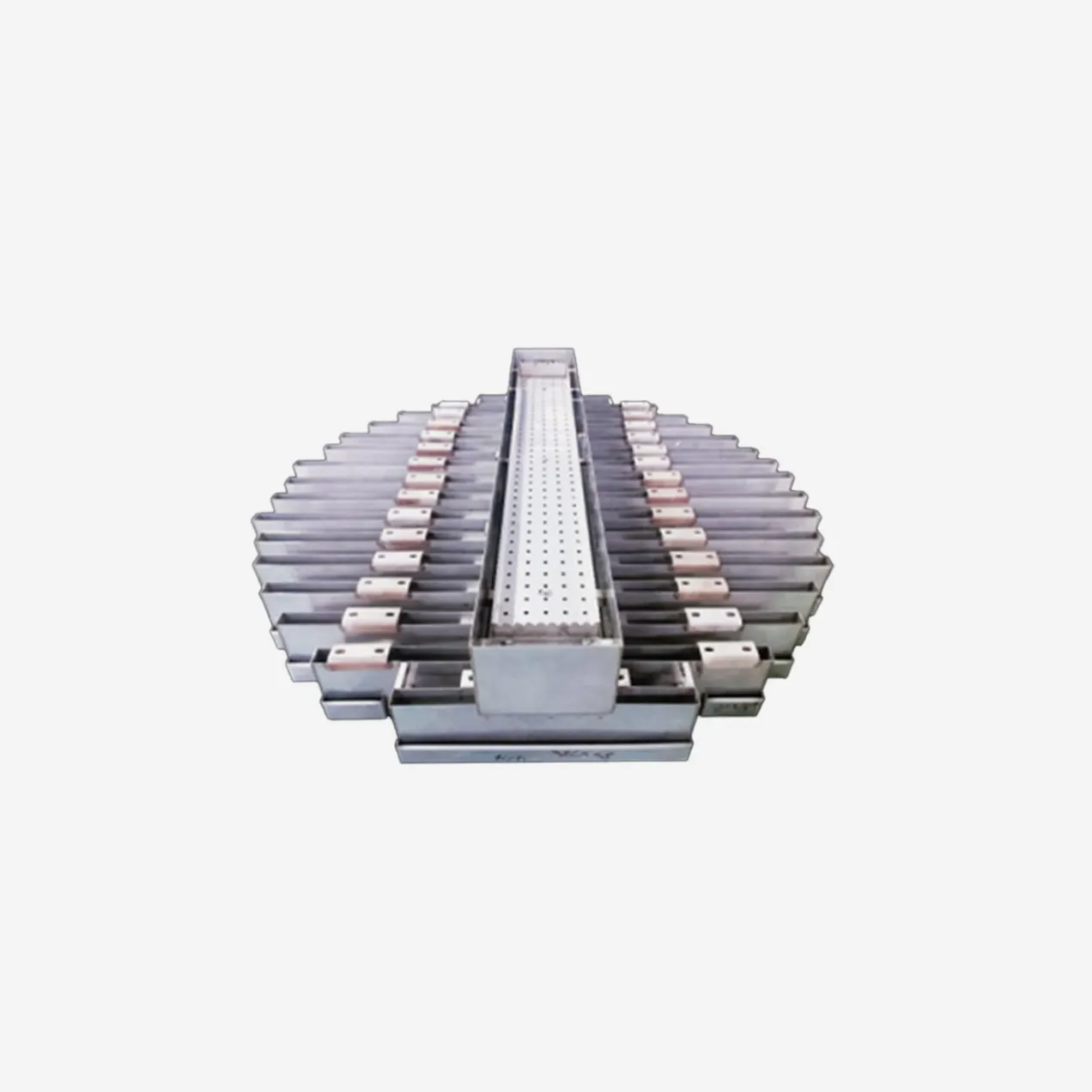
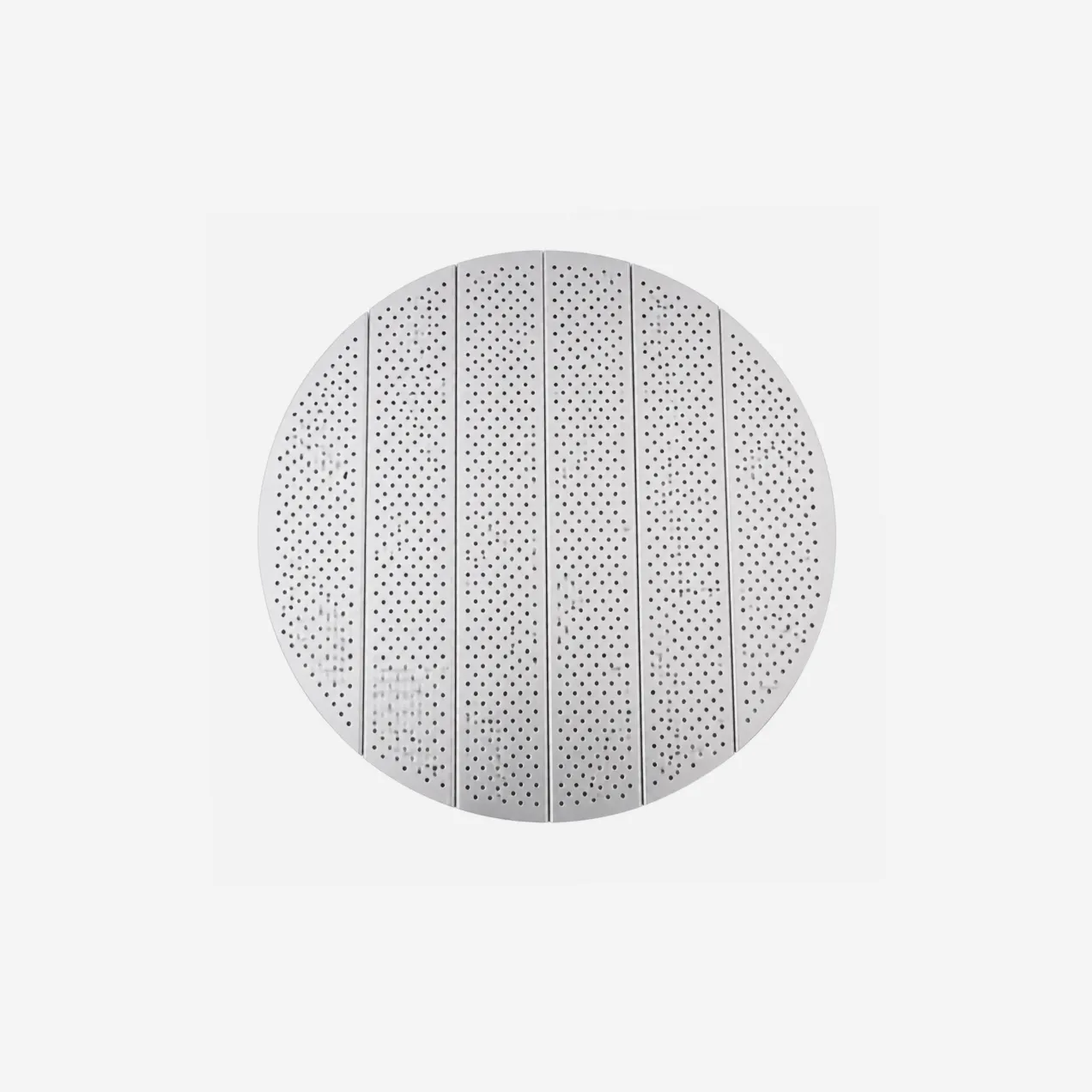
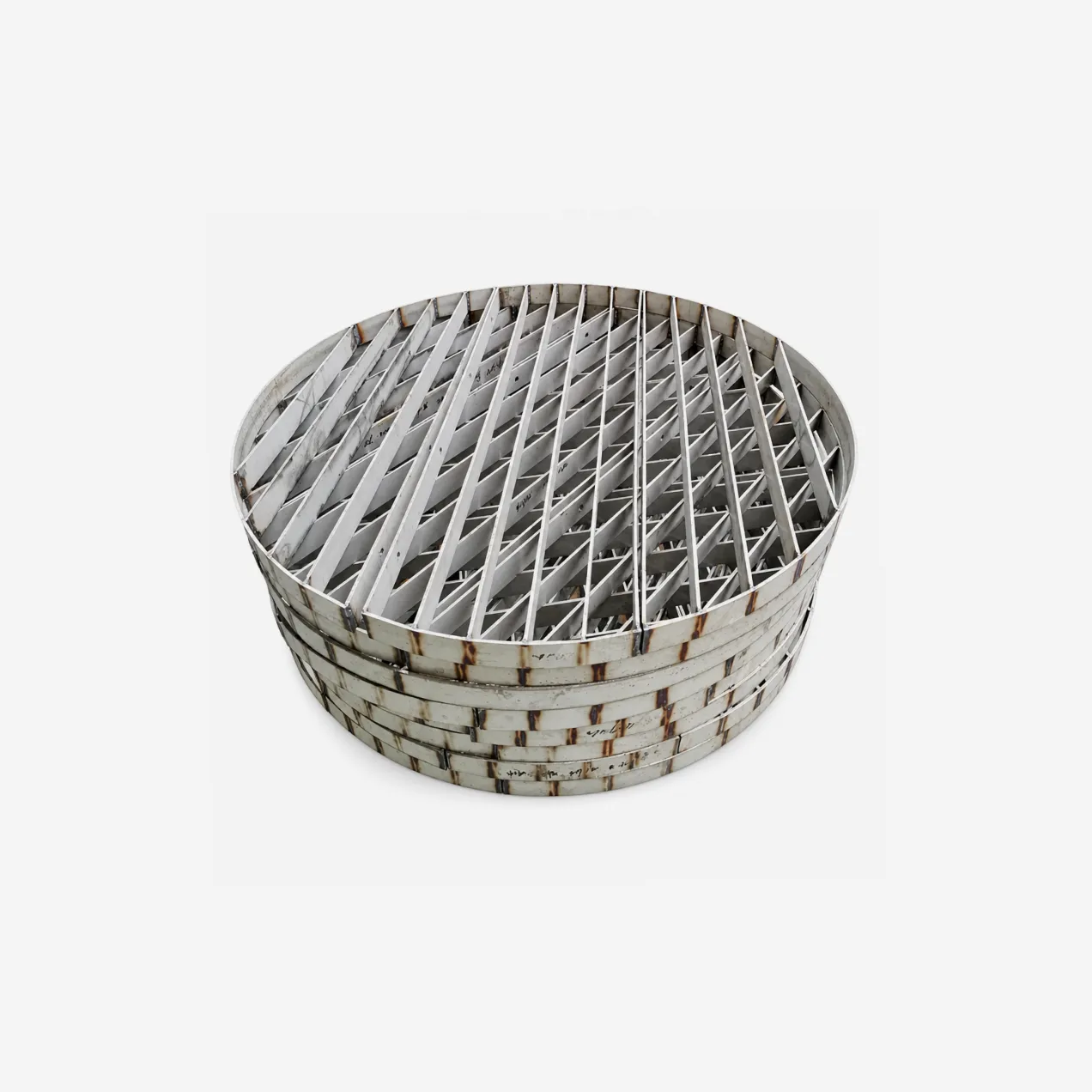
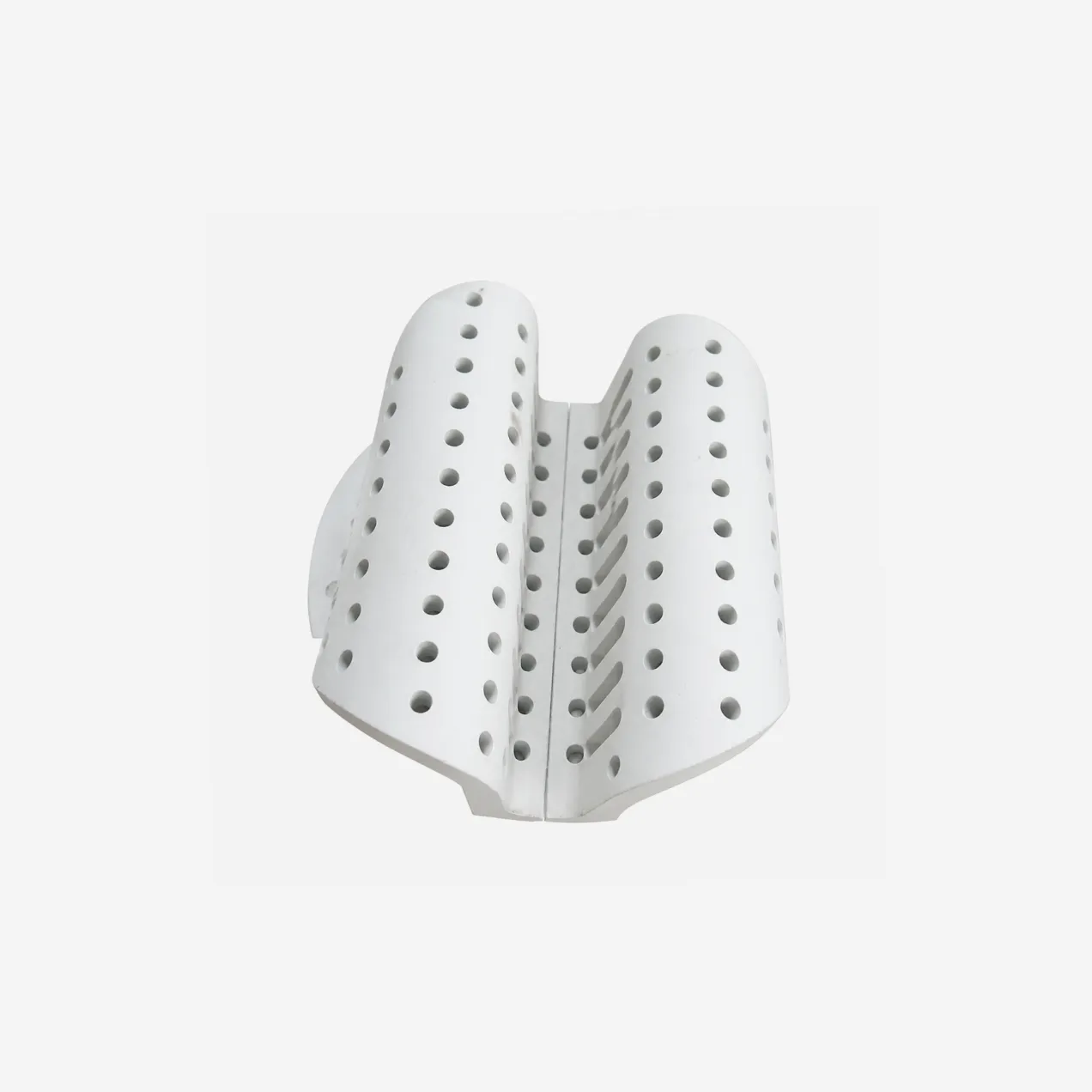
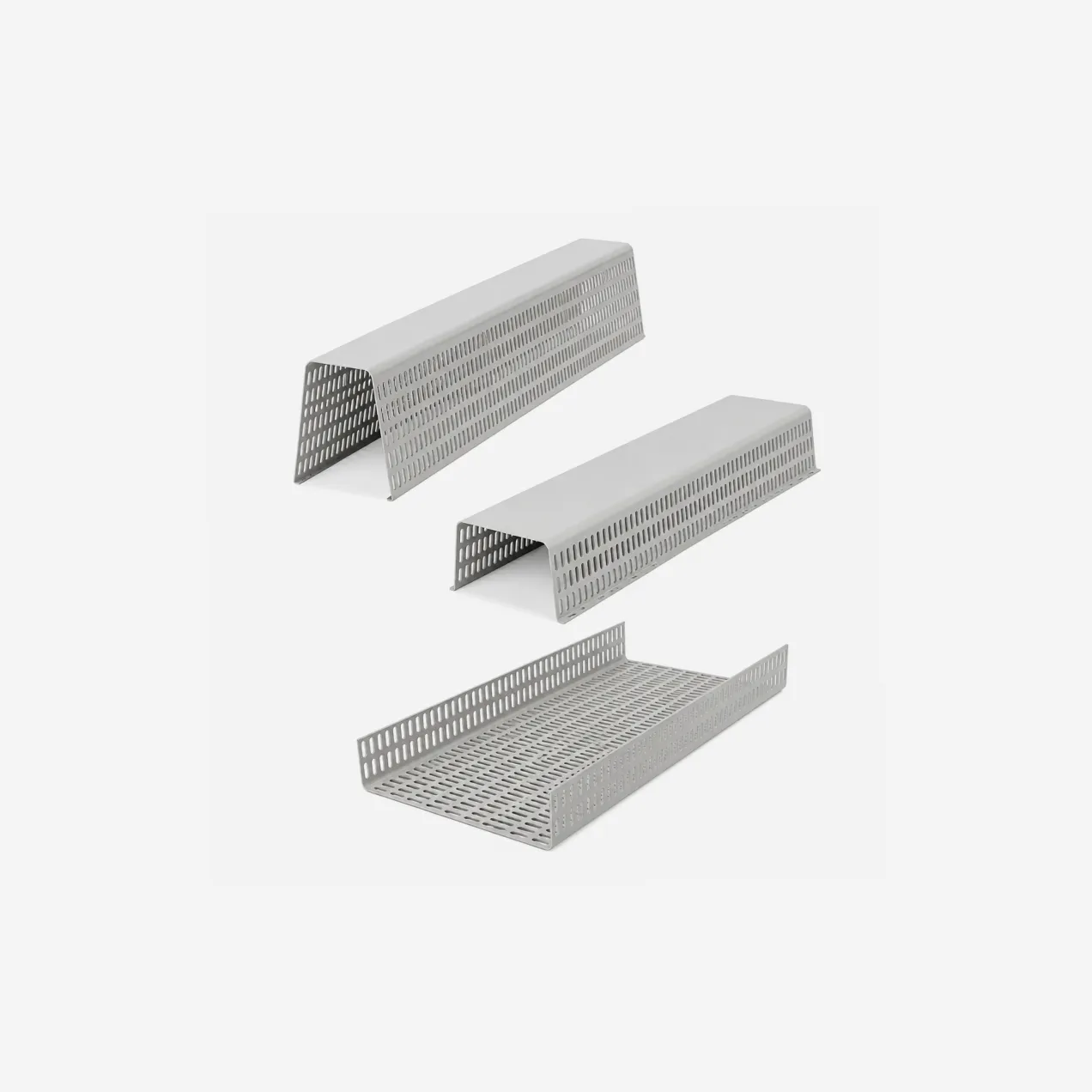
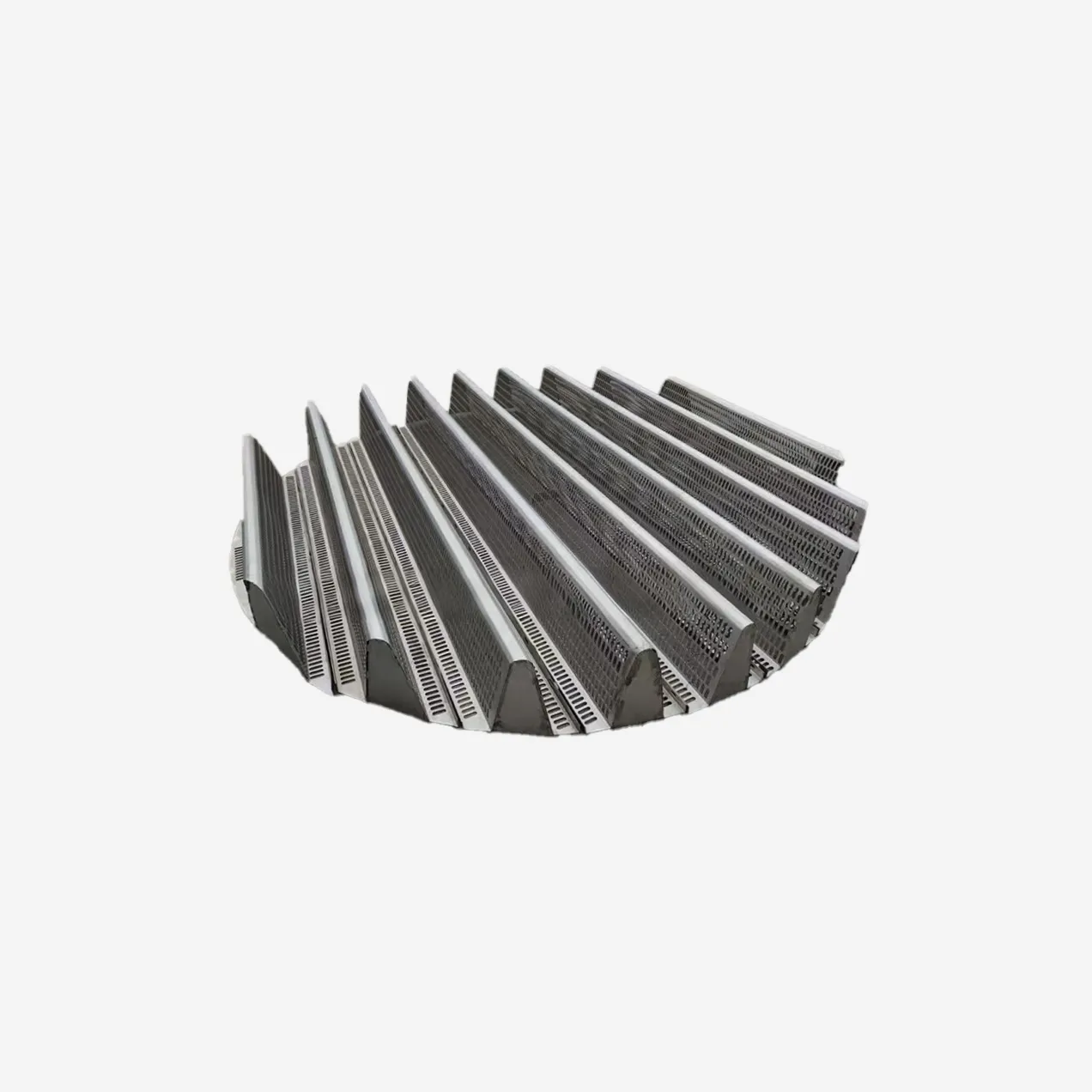
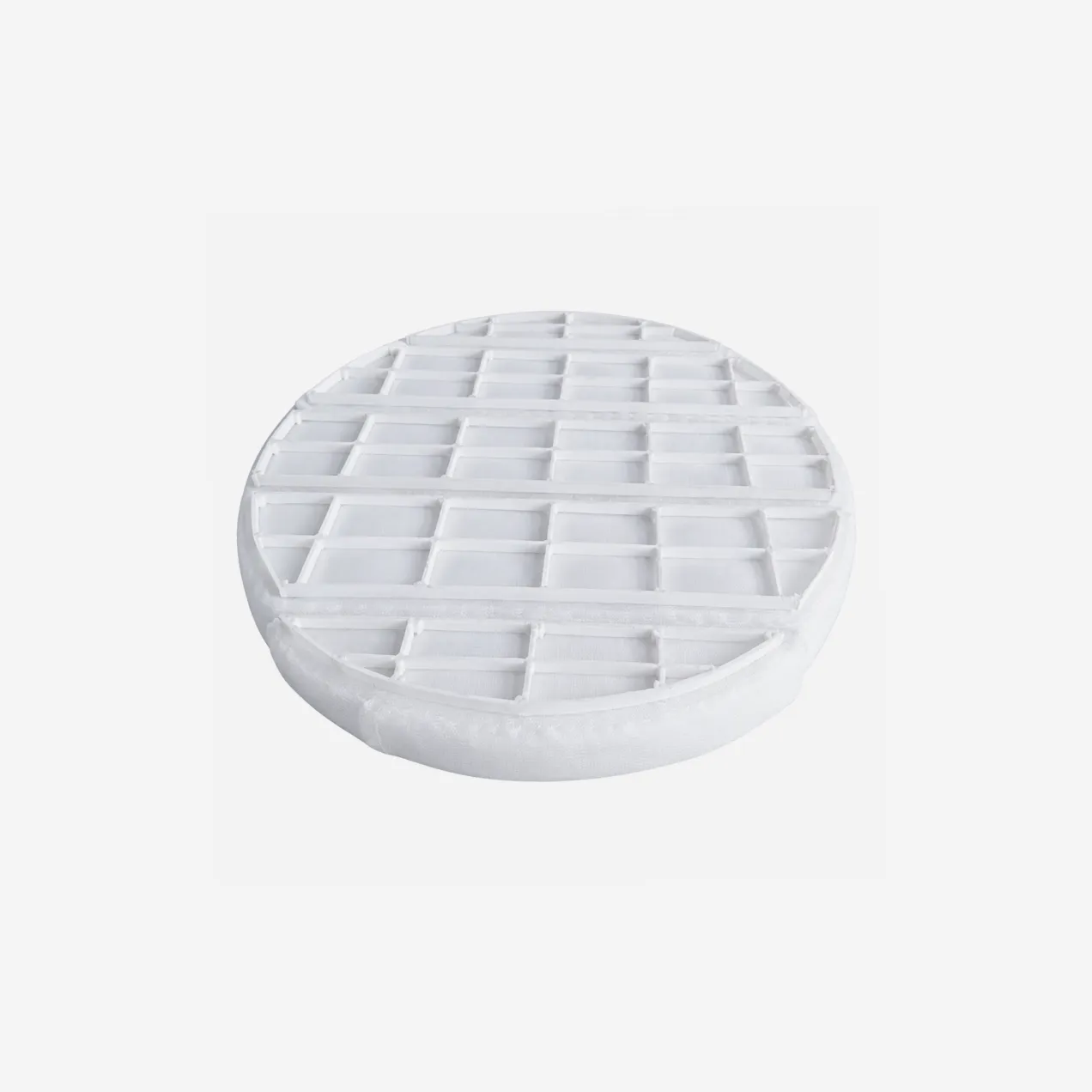
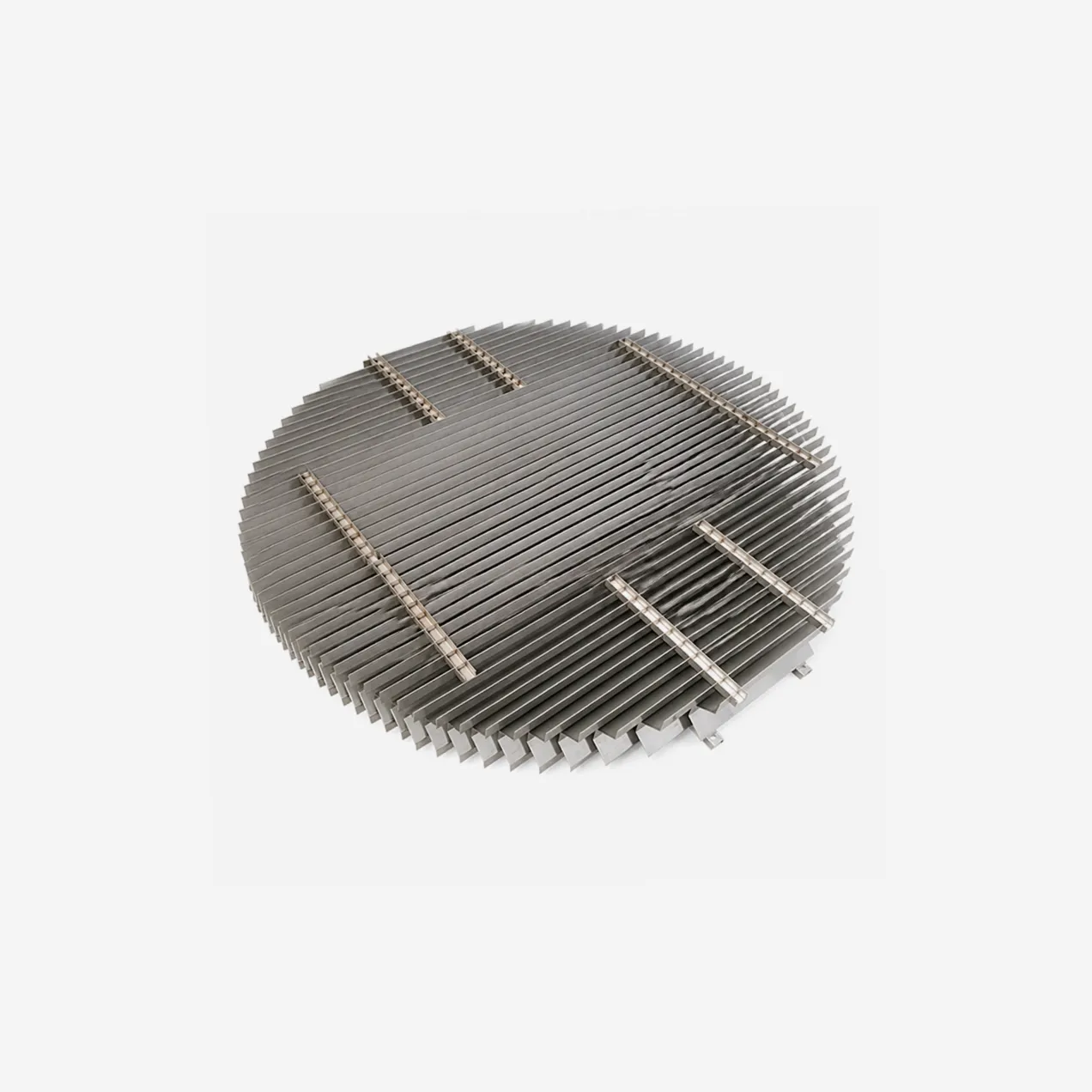
A vane demister — a vane mist eliminator — cleans a gas by taking the liquid droplets out of it. It is a bank of corrugated blades set in a tight zigzag; the gas threads through the winding gaps easily, but the heavier droplets cannot follow the turns, so they strike the blades and are caught. The trapped droplets merge into larger ones, which drain down the vanes by gravity and leave the unit, rather than being carried back into the gas. Because the blades are open and self-draining, the demister does this at a very low pressure drop and takes a high gas flow, and it keeps working in dirty or fouling service that would blind a fine mesh.
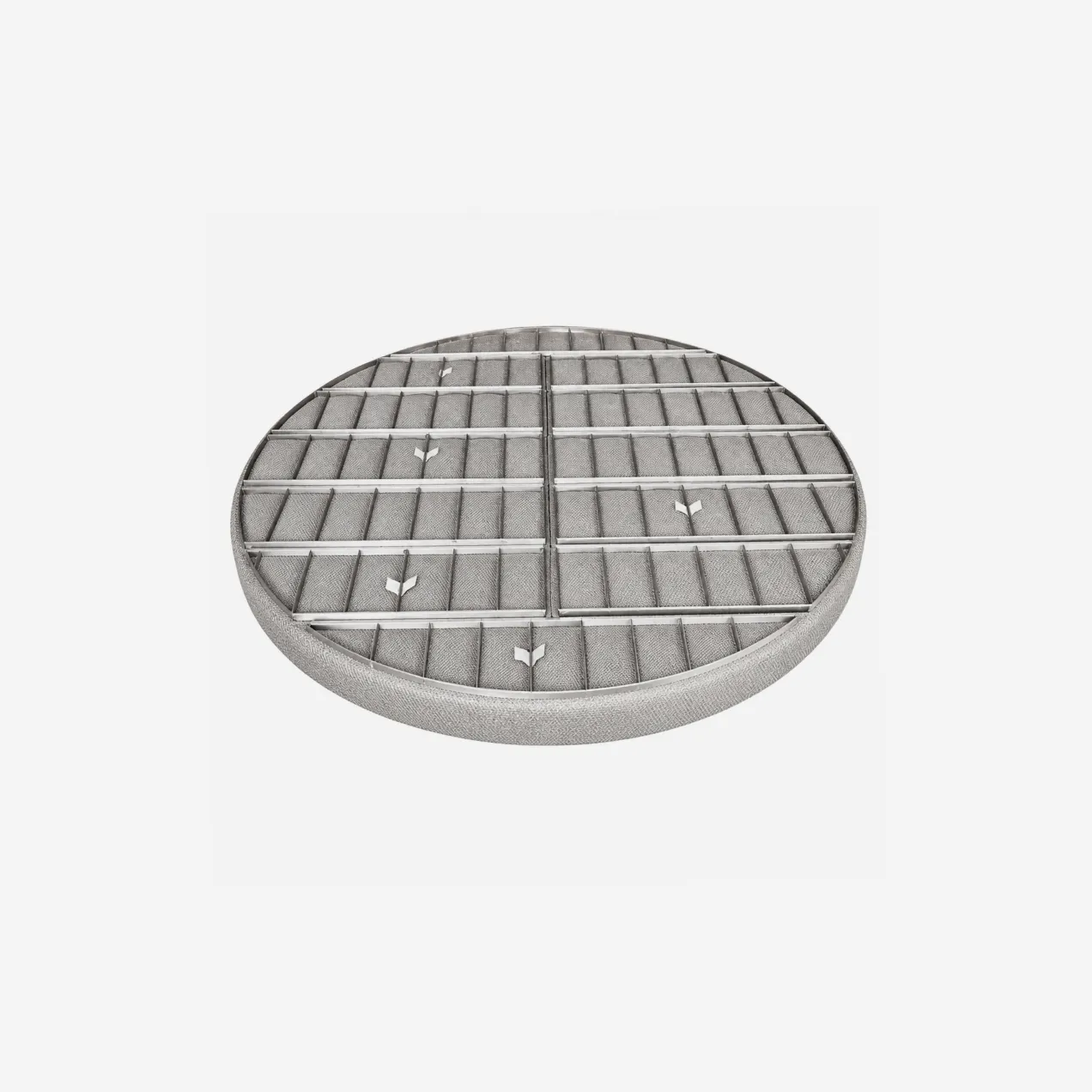
Vane demister against a wire mesh demister:
| Property | Vane pack demister | Wire mesh demister |
|---|
| Gas capacity | Higher (30 to 100 percent more) | Lower |
| Fouling / dirty gas | Tolerant; drains freely | Clogs more readily |
| Gas velocity handled | Higher | Lower before flooding |
| Smallest droplet caught | About 5 microns and up | Finer mist |
| Best suited to | High flow, fouling-prone streams | Fine mist, clean service |
It is used at the top of scrubbers and absorbers, above evaporators and flash drums, and in separators and knock-out pots across the chemical, gas and process industries — anywhere entrained mist must be stripped from a gas to protect downstream kit, recover liquid or clean the discharge. It is built in 304 or 316L stainless steel, PP, FRP or PTFE to suit the chemistry, with blade spacing of 20, 25 or 30 mm and the pack sized to the vessel. Tell us the gas rate, the mist and the vessel, and we will size the demister and choose the material.