search
Search

Enter keywords to search for products, blog posts, and more.


Home > Sieve Tray

Sieve Tray
Sieve Tray

Sieve Tray

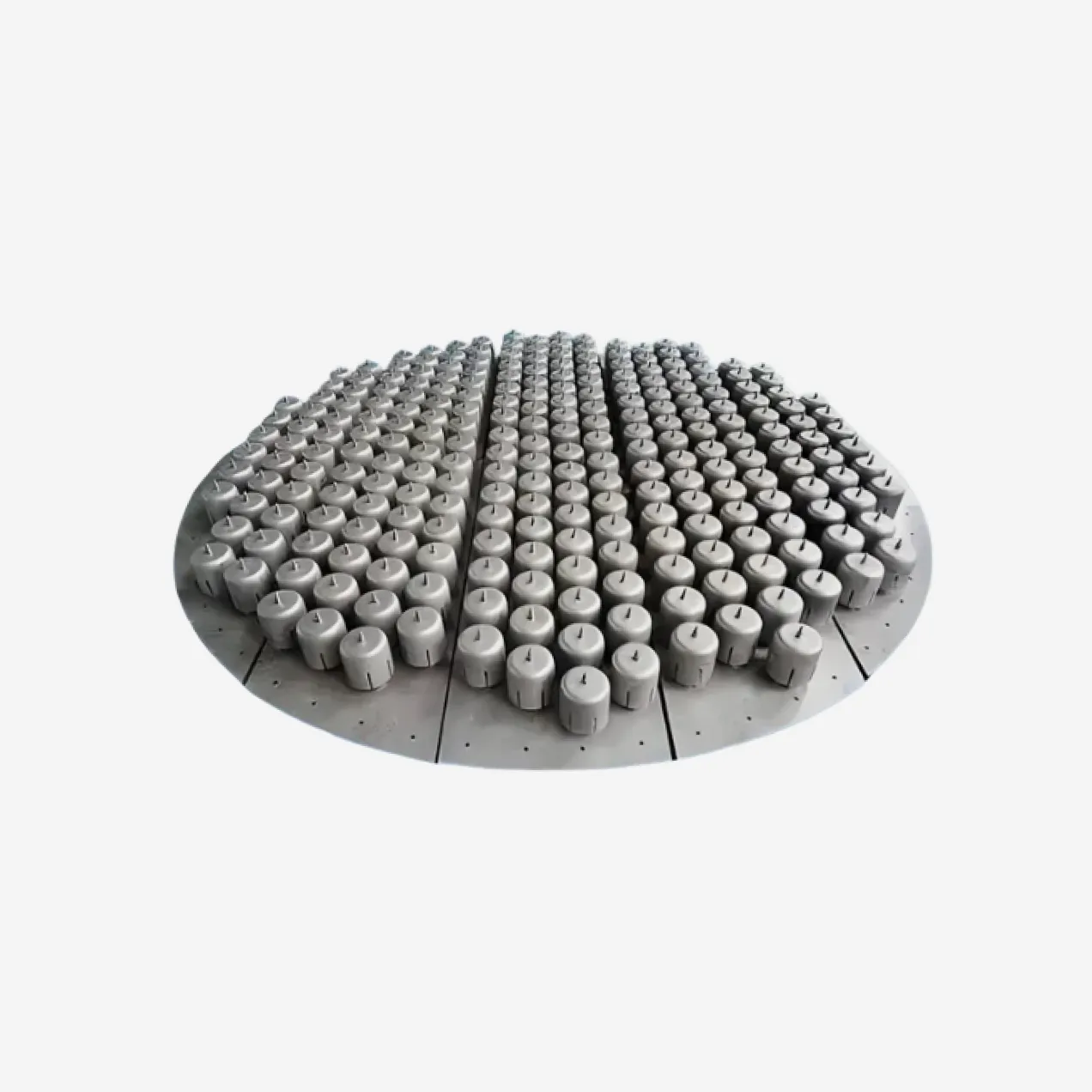
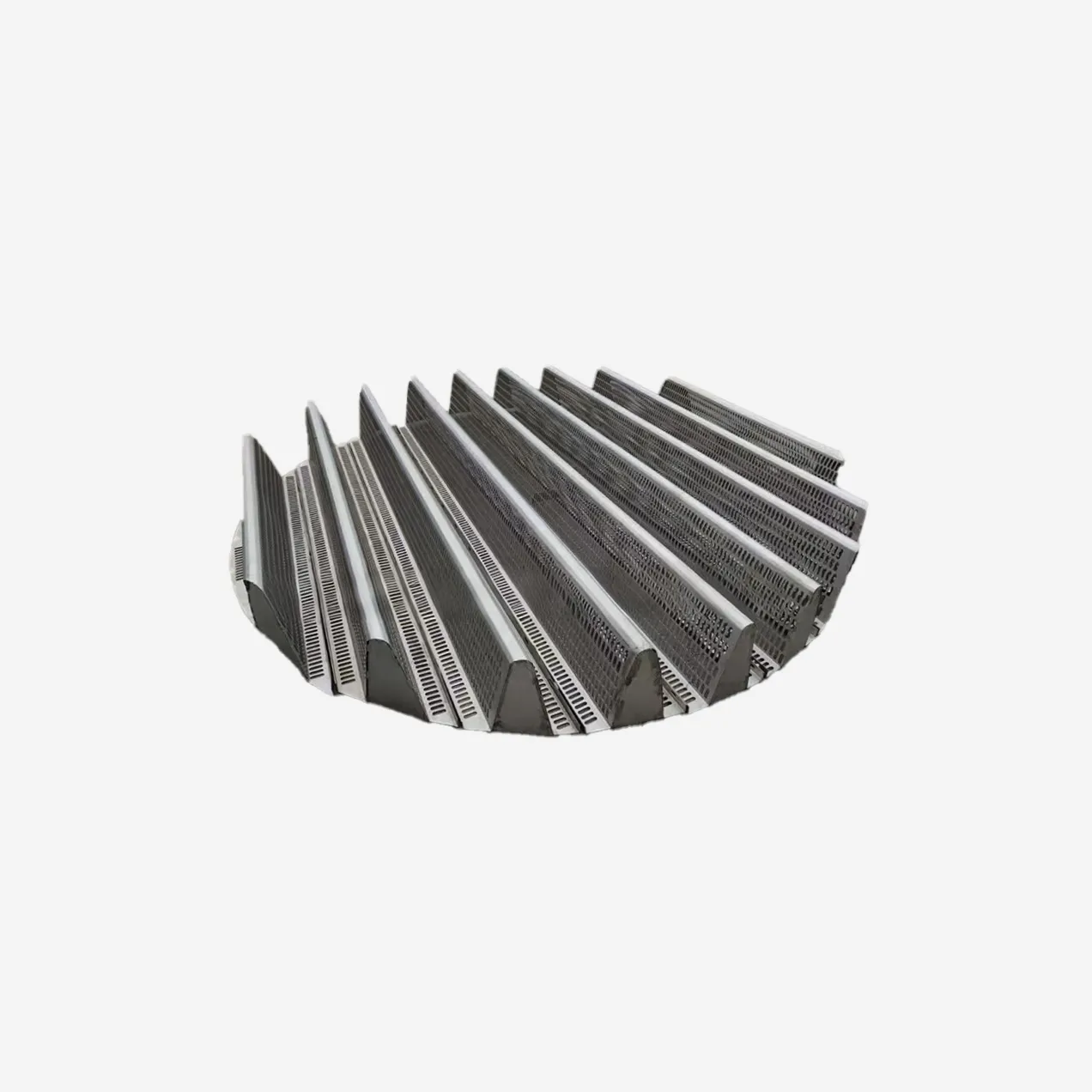
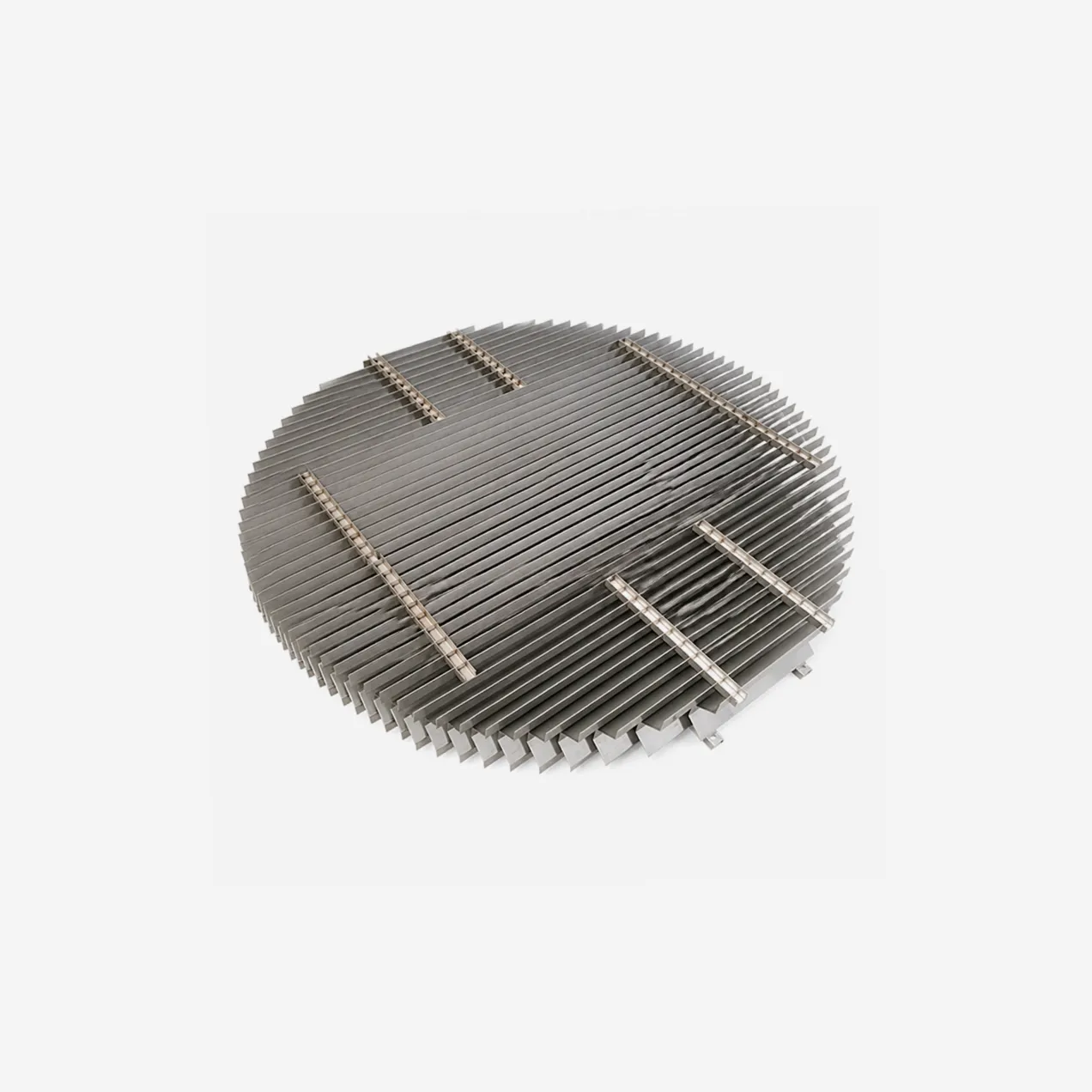
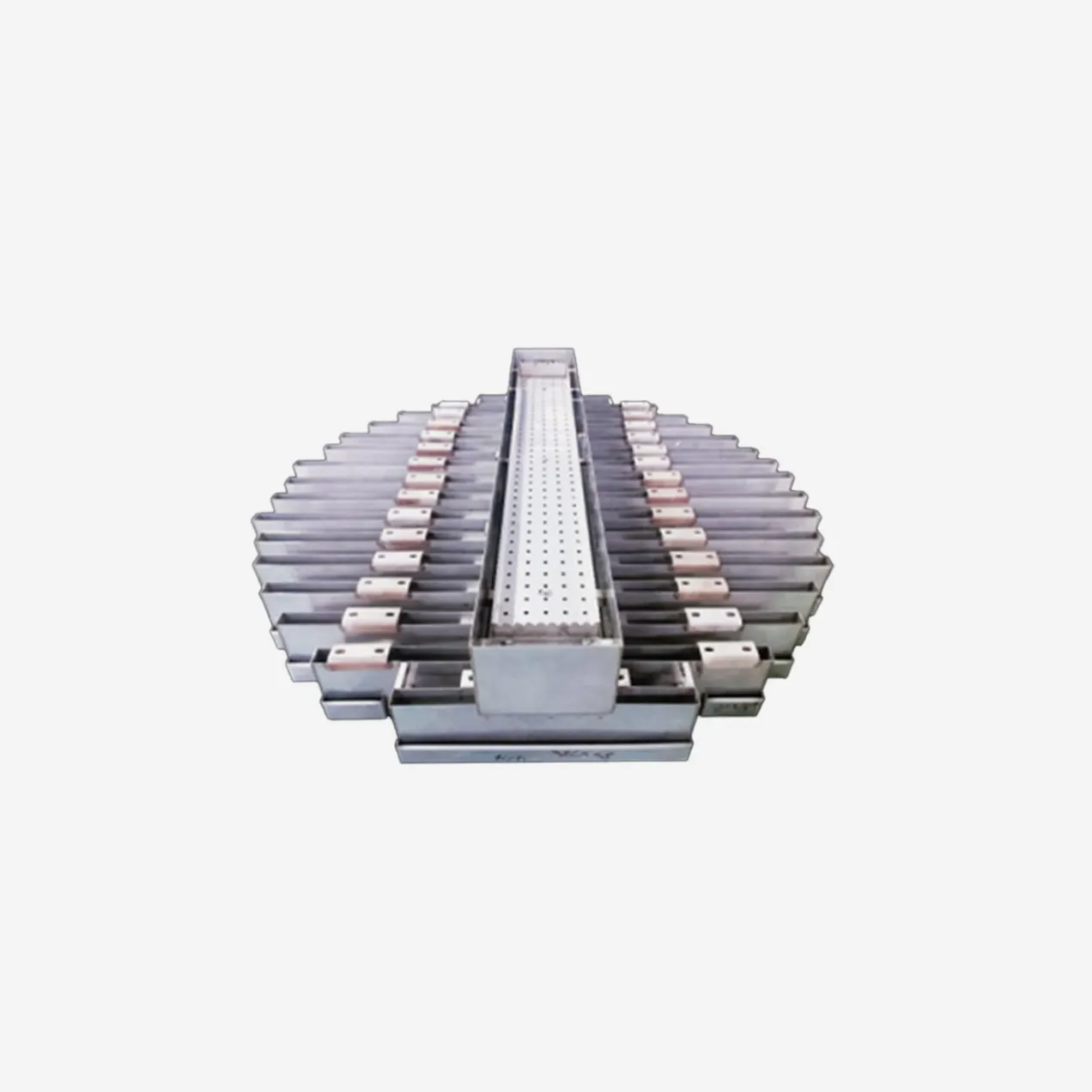
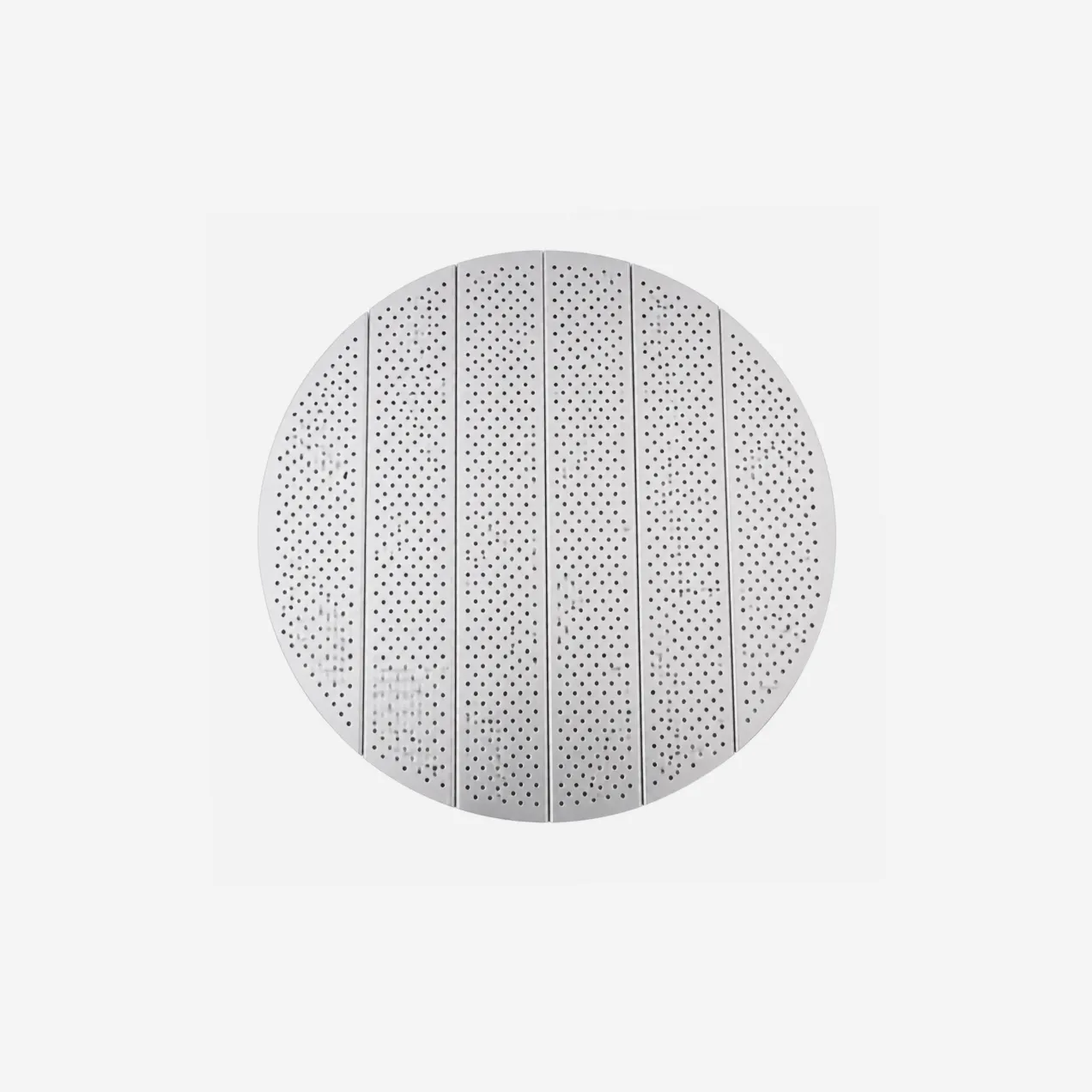
Sieve tray is a perforated plate that forms one contacting stage in a tray column, the plate-type alternative to a packed tower. It is a flat metal deck punched all over with small holes, the sieve. Liquid flows across the top of the tray in a shallow layer, held there by a weir at the far edge, then spills over and runs down a channel called a downcomer to the tray below. The vapour comes up from the tray beneath and is forced through the sieve holes, bubbling up through the liquid layer; that churning froth of gas in liquid is where the mass transfer happens, so a stack of these trays carries out the distillation, absorption or stripping the column is built for. The vapour rising through the holes also holds the liquid up, so the tray must run within a flow range that neither lets liquid rain through the holes nor blows too much of it up to the next tray. It is cut to the column's inside diameter, in sectioned panels for large towers, usually in stainless or carbon steel. Model RJ-74.

  • Perforated tray: one contacting stage in a distillation, absorption or stripping column.
  • Vapour bubbles up through the sieve holes and through the liquid crossing the tray — that froth transfers the mass.
  • Downcomers carry the liquid down tray to tray; a weir sets the liquid depth.
  • Simple and low-cost; runs within a set vapour-flow range.
  • Sized to the column; typically stainless or carbon steel; model RJ-74.

Technial Parameters

PropertyValue
Product TypeSieve tray (sieve plate) — tray-column contacting stage
FunctionOne mass-transfer stage: vapour bubbles up through the perforated deck through the liquid on the tray
Model NO.RJ-74
Key PartsPerforated deck (sieve holes), downcomers, outlet weir, support ring / beams
Tray TypeSieve (vs valve and bubble-cap trays)
MaterialTypically stainless or carbon steel; also alloy or plastic to suit — not specified on the supplied listing
SizeCustom to the column diameter; sectioned for large towers (indicative; no datasheet supplied)
TurndownModerate (weeps at low vapour rate; narrower than bubble-cap)
Pressure DropLow (lower than bubble-cap)
AdvantagesSimple, low-cost, high capacity, low pressure drop, easy to clean
ApplicationsDistillation, absorption and stripping in refining, petrochemical and chemical columns
CategoryTower Internals
TrademarkRONGJIAN
OriginChina
HS Code8419909000 as a plant part (not shown on supplied listing — confirm)
Unit / TransportPiece; wooden case

Note: the supplied listing is a catalogue line (name and model only), with no material, dimensions or hole pattern. A sieve tray must be designed to the column and duty; the material, size and construction above are indicative "–" confirm the specification before ordering.
FAQs

What is a sieve tray, and how does it work?

A sieve tray is one of the perforated plates stacked up inside a tray column, a plate column being the alternative to a tower filled with packing. Each tray is a horizontal metal deck drilled with a regular field of small holes, the sieve. The column works tray by tray. Liquid arrives on the tray from the one above, flows across it in a shallow pool whose depth is set by a low dam, the outlet weir, and then tips over the weir into a downcomer, a walled channel that carries it down to the next tray. Meanwhile the vapour rising from below cannot get past except through the holes, so it jets up through them and bubbles through the pool of liquid, whipping gas and liquid into a froth. In that froth the two phases exchange material, the lighter components moving into the vapour and the heavier into the liquid, which is the whole purpose: a stack of trays performs the distillation, absorption or stripping. Each tray is a single stage of that separation, and the more trays, the sharper the split.

Sieve, valve or bubble-cap tray — which type should I use?

There are three classic tray types, and they trade cost against flexibility. A sieve tray is the simplest and cheapest: just a punched plate. It gives a high capacity and a low pressure drop and is easy to make and clean, but it has a limited turndown, since running the vapour too slowly lets the liquid rain straight down through the holes, which is called weeping, so the tray only works well over a fairly narrow range of rates. A valve tray puts a movable cap over each hole that opens and closes with the vapour flow, which widens the operating range a lot while keeping cost moderate; it is the common modern default. A bubble-cap tray puts a fixed, slotted riser and cap over each hole so that liquid always stays on the tray even at very low vapour rates, giving the widest turndown of all, but it is the most expensive and has the highest pressure drop. So: sieve for simple, steady, cost-sensitive duty; valve for a wide operating range; bubble-cap where the rates swing very low. Tell us your vapour and liquid rates and we will recommend the tray.

Tray column or packed column — when are trays better?

Trays and packing are the two ways to build a mass-transfer column, and each suits different service. Trays, whether sieve, valve or bubble-cap, are usually preferred for high liquid loads, for large-diameter columns, for dirty or fouling service because they are easy to clean, and where the design needs side-draws, cooling coils or many stages in one shell. Packing, random or structured, sitting on support plates and fed by liquid distributors, is preferred for a low pressure drop, for vacuum columns where that matters most, for corrosive service where ceramic or plastic packing is cheaper than exotic-alloy trays, and for small columns. Plenty of towers use both, packing in some sections and trays in others. If you are choosing between them, the liquid rate, the operating pressure, the fouling tendency and the column size usually decide it. Send us the duty and we will advise trays or packing, and size whichever you need.

What is a sieve tray made of, and where is it used?

A sieve tray is made to suit the fluids and the column. The usual material is stainless steel, 304 or 316L for corrosive streams, or carbon steel for mild duty; more resistant alloys or even plastic are used for special chemistry. It is cut to the inside diameter of the column, and for anything but a small tower it is supplied as sectioned panels that pass through the manway and are assembled and sealed on the support ring inside. Sieve trays are used throughout distillation, absorption and stripping, in oil refining, petrochemicals, gas processing, and general chemical plants, wherever a plate column is the right choice. Because the listing supplied gives only the name and model, with no material, dimensions or hole pattern, the details here are the usual ones for a sieve tray; the design has to be set to the column and the duty, so please confirm the specification before ordering. Send us the column diameter, the vapour and liquid rates and the service and we will design the tray.
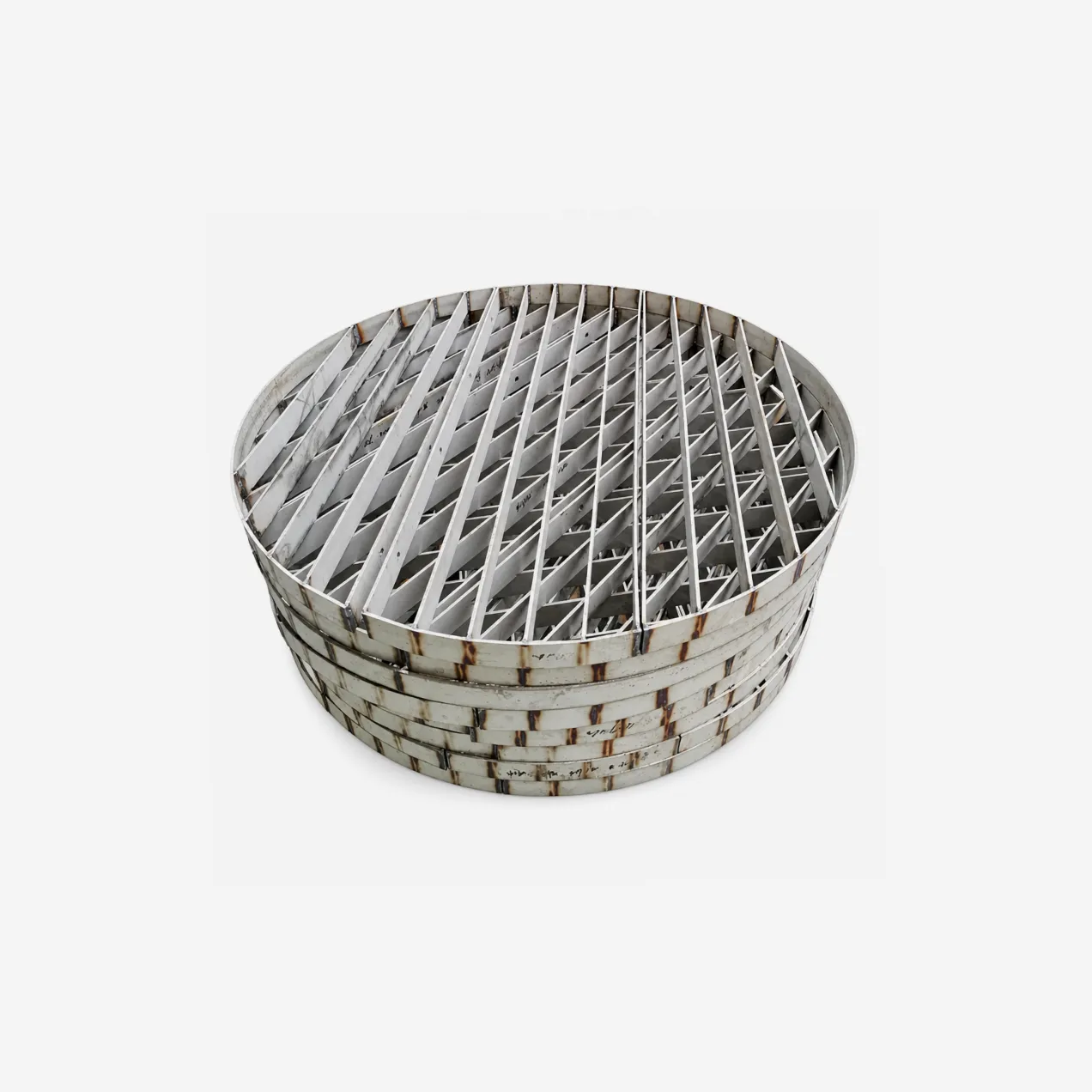
A sieve tray is a perforated plate that forms one stage of a tray column, the plate-type counterpart to a packed tower. Liquid crosses the tray in a shallow layer, set by an outlet weir, and drops to the tray below through a downcomer; the vapour from beneath is driven up through the field of small holes and bubbles through the liquid, and the gas-and-liquid froth this creates is where the two phases exchange material. Stacked up, the trays carry out the distillation, absorption or stripping. A sieve tray is the simplest and cheapest tray, with high capacity and low pressure drop, though its turndown is narrower than the other types.

The three classic tray types:

TrayTurndownCost and pressure dropBest for
SieveNarrower (weeps low)LowestSimple, steady, cost-sensitive duty
ValveWideModerateA broad operating range (modern default)
Bubble-capWidestHighestVery low or swinging vapour rates

Sieve trays are used in distillation, absorption and stripping columns across refining, petrochemical, gas and chemical plants. Each is cut to the column diameter, supplied in sectioned panels for large towers, and made in stainless or carbon steel or an alloy to suit the fluids. The supplied listing gives only the name and model, so the material, size and hole pattern are indicative and must be set to your column — confirm before ordering. Tell us the column and the vapour and liquid rates, and we will design and size the tray.