search
Search

Enter keywords to search for products, blog posts, and more.


Home > Stainless Steel Liquid Distributor

Stainless Steel Liquid Distributor

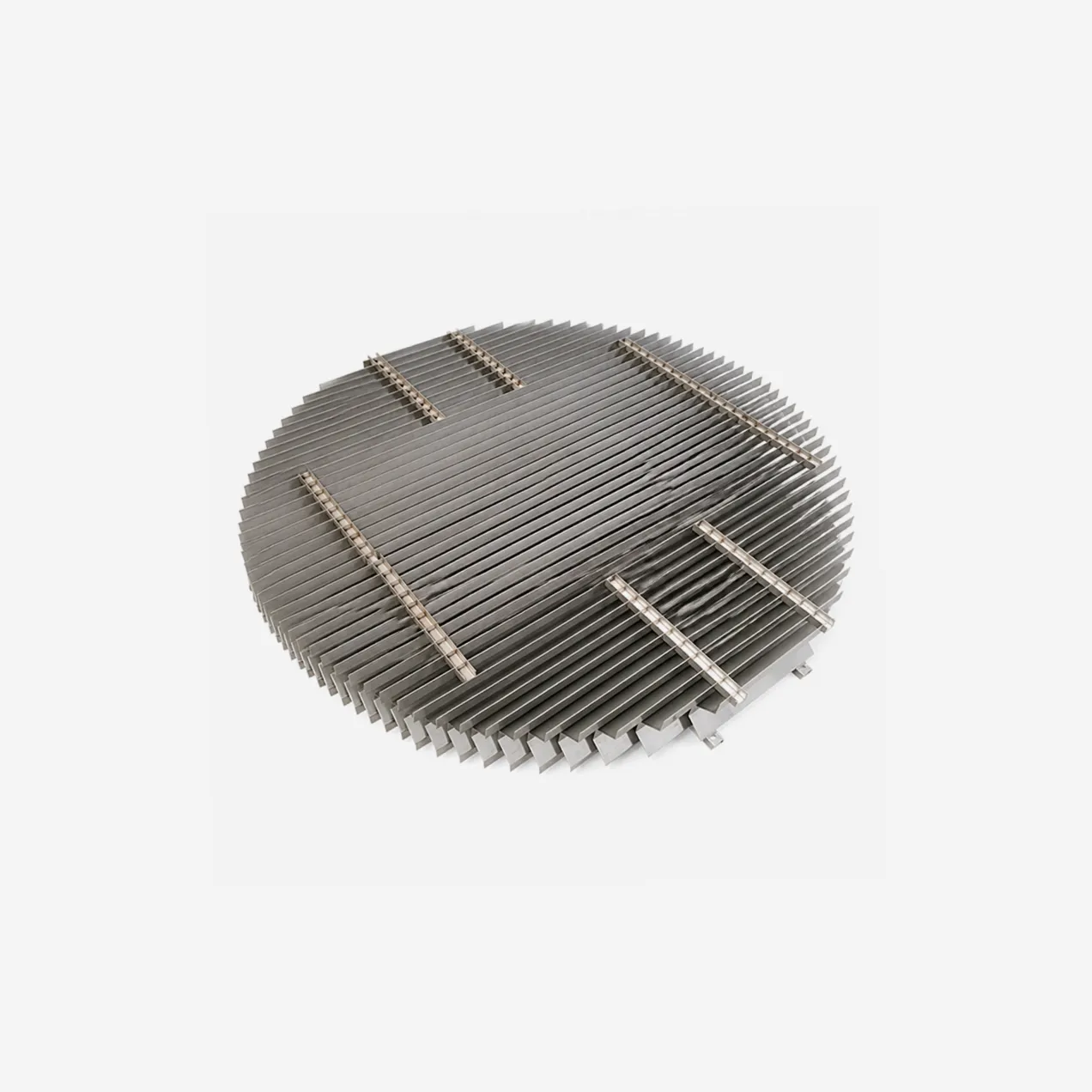
Stainless Steel Liquid Distributor

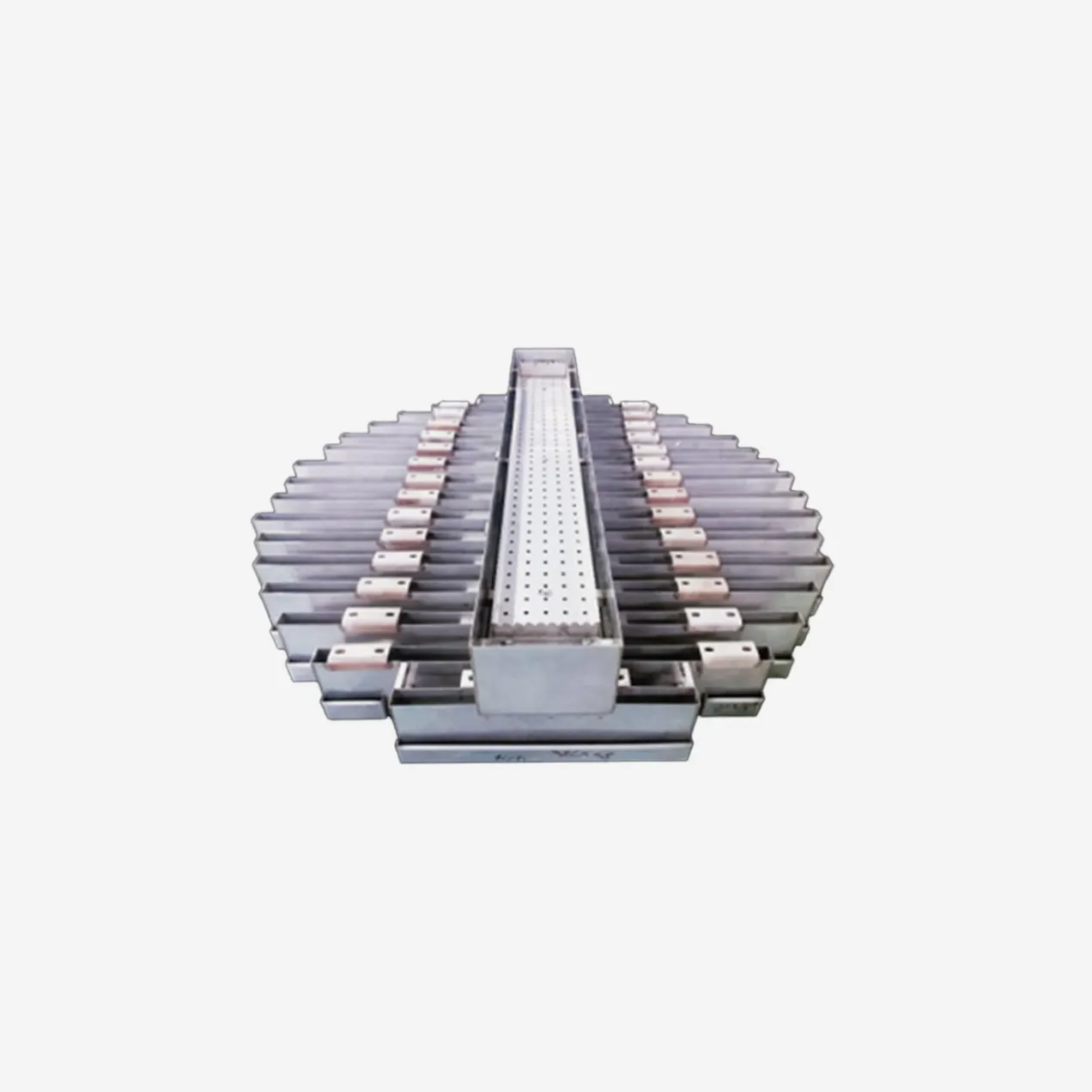
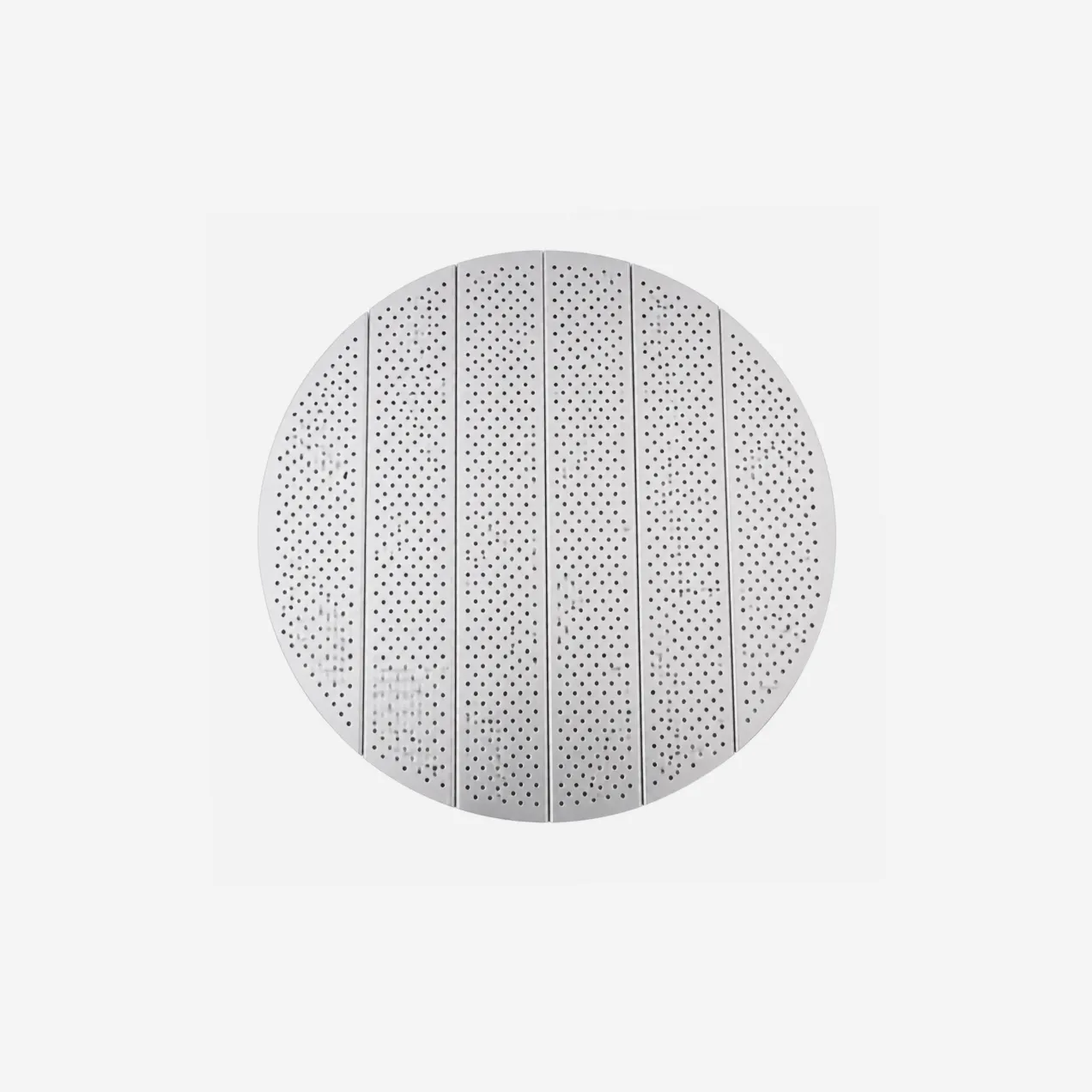
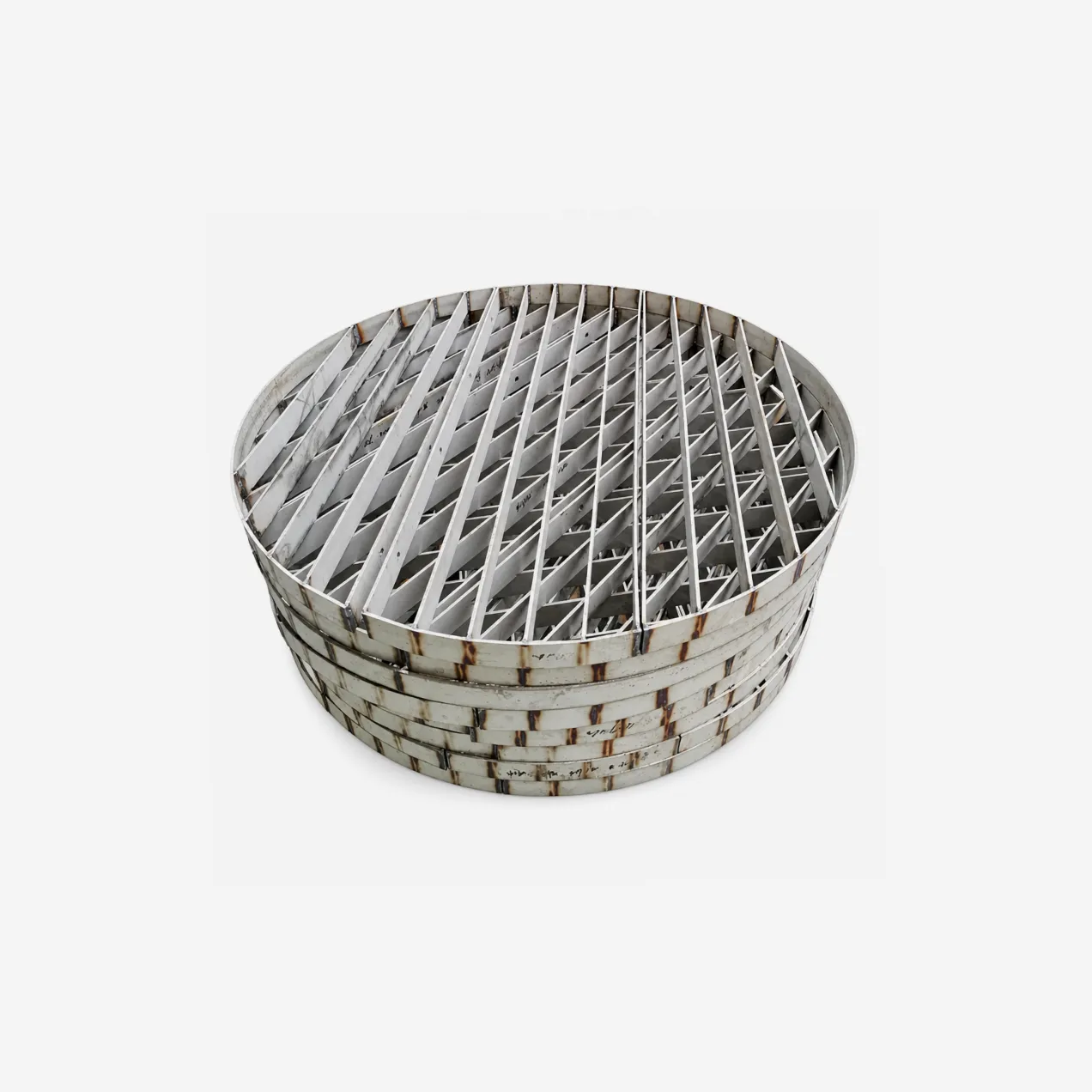
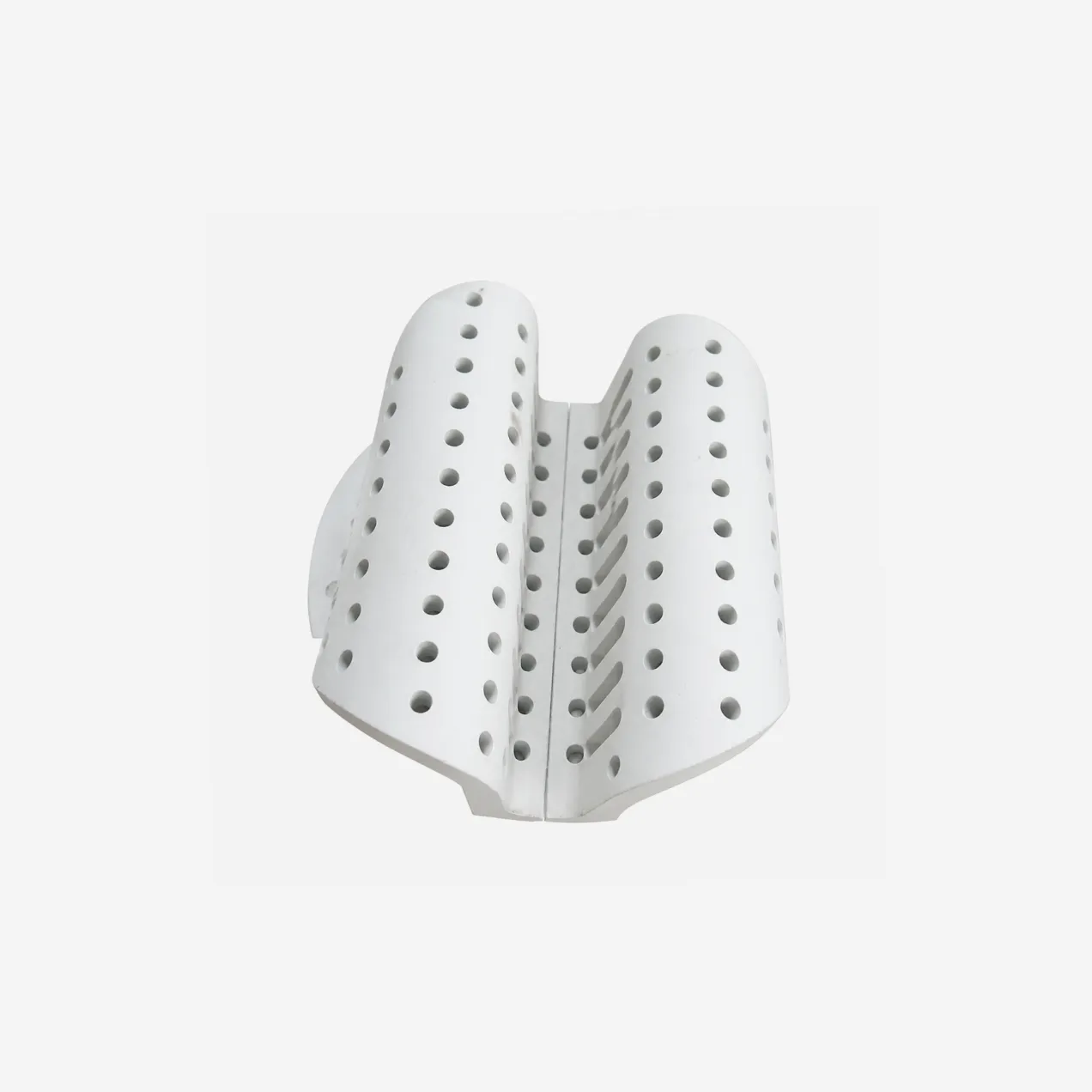
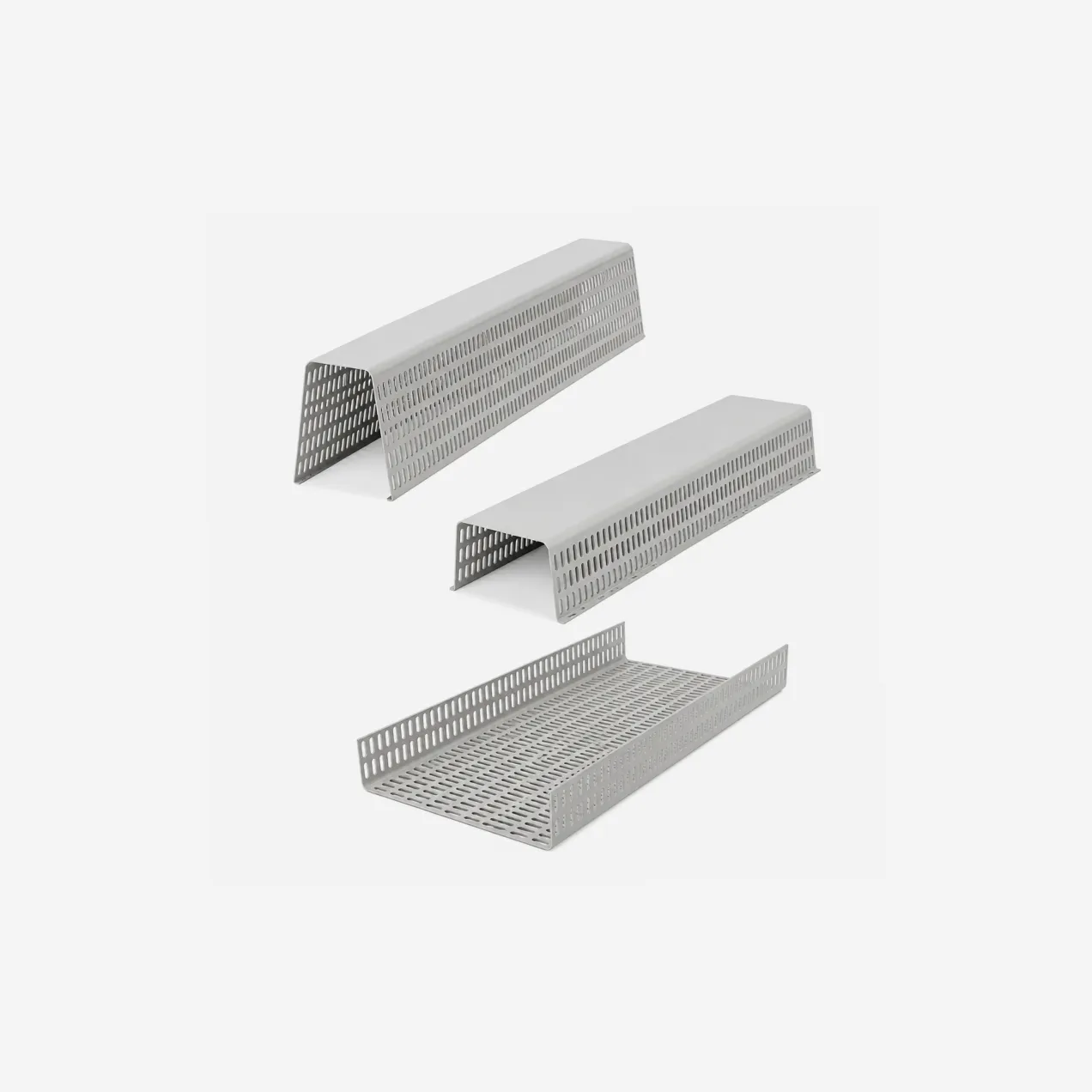
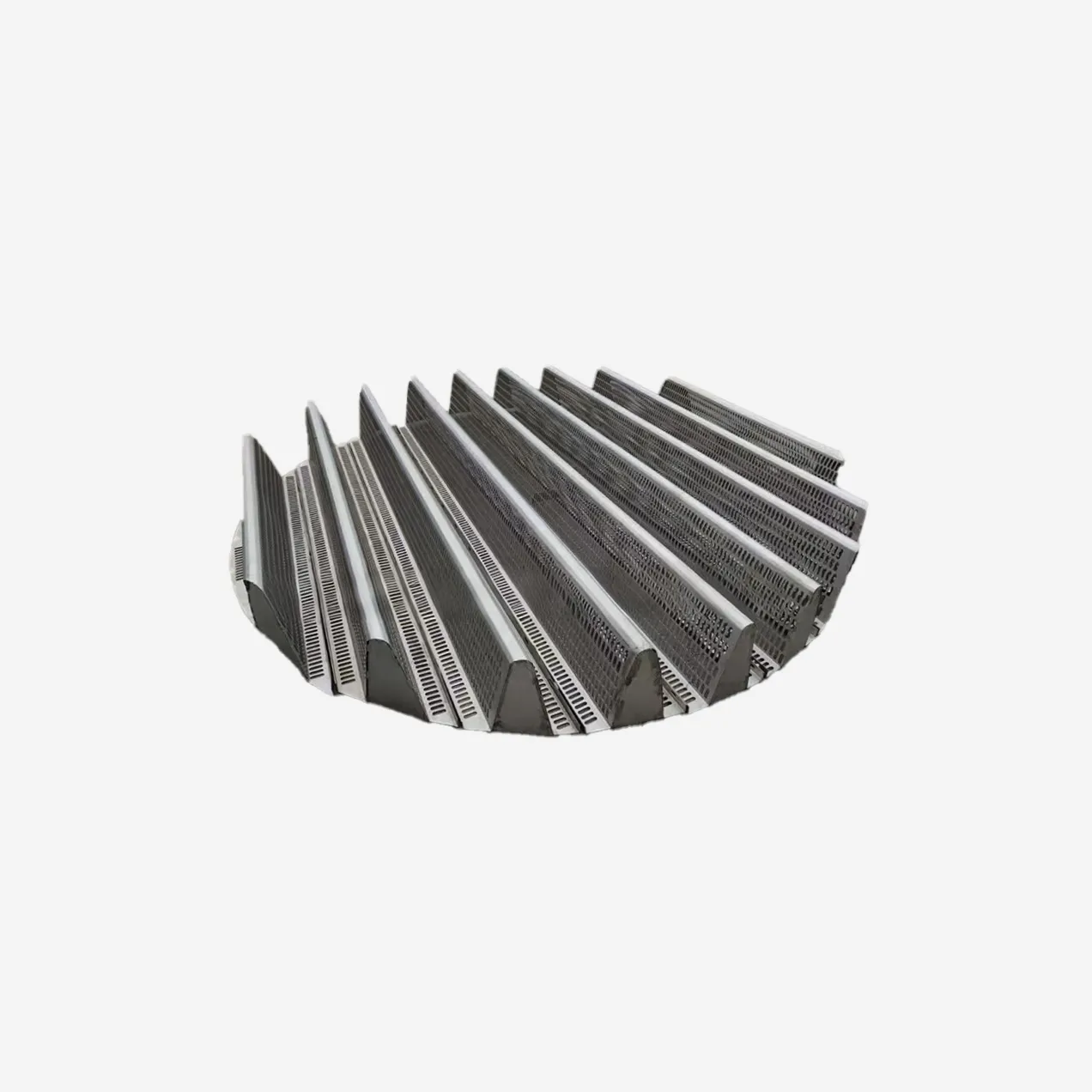
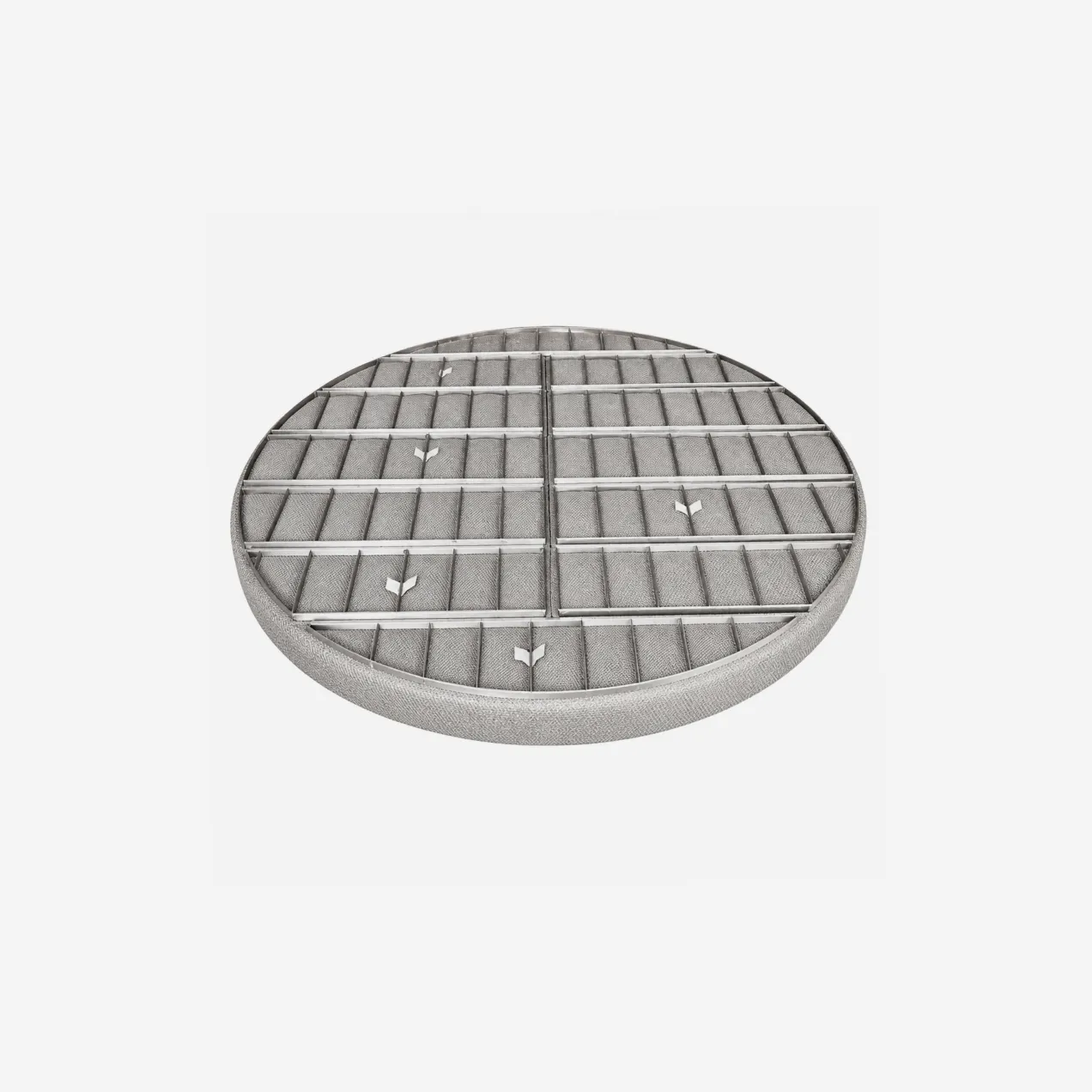
Stainless steel liquid distributor is a metal, trough-type unit that meters the feed liquid out across the face of a packing bed. It is not a flat pan but a rank of parallel open channels — troughs — carried across the tower on a frame. Liquid poured into the troughs escapes along their length through V-notches or weirs in the walls, or through drip tubes in the base, arriving on the bed as a close grid of small, matched flows; the vapour climbs the tower through the broad lanes left open between the troughs. The point of the trough shape is fouling resistance: its openings are wide and drain themselves, so thick, particle-laden or fast-flowing liquids that would silt up a drilled distributor keep running. Welded from 304 or 316 stainless, it is robust and copes with heat and duty a plastic unit could not; ceramic serves where temperatures are very high and PTFE where the liquid is savagely corrosive. It stays even as the flow swings across a ten-to-one band. Model RJ-2841.

  • Metal trough distributor: open channels meter the feed liquid across the bed.
  • Liquid exits by notches, weirs or drip tubes; vapour climbs the lanes between troughs.
  • Wide, self-draining openings resist fouling — made for viscous liquids and high loads.
  • Welded 304 / 316 stainless; ceramic for very high heat, PTFE for savage corrosion.
  • Even across a ten-to-one flow swing; model RJ-2841.

Technial Parameters

AspectDetail
Distributor typeTrough type (also tube and disc types available)
Tube typeLow resistance, but prone to clogging; for medium-low liquid loads
Trough typeHigh anti-fouling and anti-blocking; for high loads and viscous liquids
Disc typeIntegrates liquid/gas separation; 10:1 elasticity (10–100% flow); compact
MaterialsStainless steel 304/316 (standard); ceramic (≤800 °C, brittle); PTFE (highly corrosive media)
Drip-point density≥100 points/m²
Gas flow area≥25% (to minimise pressure drop)
Operational elasticityAbout 10:1 (10–100% flow range)
CertificateISO-9001


PropertyValue
Product TypeStainless steel trough-type liquid distributor
FunctionDistributes liquid evenly onto the packing; eliminates wall flow and channeling
Model NO.RJ-2841
StructureParallel troughs (channels) with weirs / notches / drip tubes; gas passes between troughs
TypesTube, trough, disc
MaterialStainless steel 304 / 316; also ceramic (≤800 °C) or PTFE
Drip-Point Density≥100 points/m²
Gas Flow Area≥25%
Elasticity (turndown)About 10:1 (10–100% flow)
HandlesHigh loads and high-viscosity liquids; atmospheric, pressurised or vacuum
AdvantagesEven distribution, high anti-fouling, wide turndown, corrosion-resistant, cuts wall flow and tower cost
ApplicationsDistillation, absorption and extraction columns; chemical and petrochemical
CertificateISO-9001
TrademarkRONGJIAN
OriginPingxiang, China
HS Code8419909000 (not shown on supplied listing — confirm)
Transport PackageWooden case / pallet

FAQs

How does a trough-type liquid distributor work?

A trough-type liquid distributor is the metal internal that receives the feed entering a packed column and parcels it out evenly over the packing surface. In place of a solid tray it uses a series of parallel open channels, the troughs, carried across the tower a short way above the bed and usually supplied from a bigger feed channel, the parting box. The liquid travels along each trough and discharges at many points on the way: over V-notches or weirs cut in the walls, or through short drip pipes in the floor, so it lands on the packing as a fine, regular array of streams. The vapour rising in the column simply threads the open lanes between the troughs, adding almost no resistance. Troughs are chosen over a perforated tray to beat fouling, their outlets being large and self-clearing, so heavy, gritty or high-rate liquids that would gradually plug a fine-holed unit flow on undisturbed. The distribution has to be even because a packed bed only works its chemistry where liquid is actually wetting it; feed the bed unevenly and much of it sits idle.

Tube, trough or disc distributor — which type should I use?

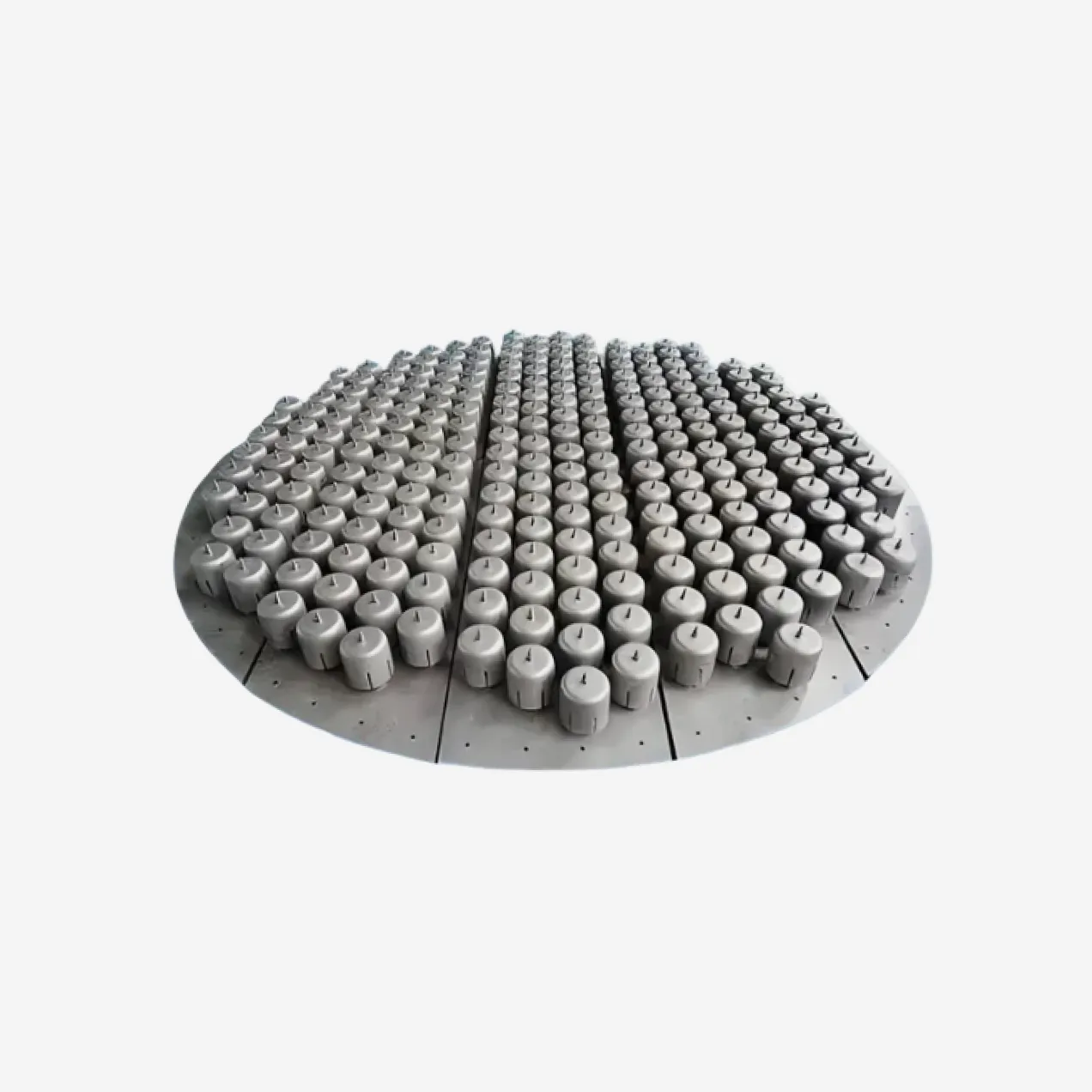
There are three common distributor forms, each suited to a different duty. A tube type, a header feeding a set of perforated pipes, offers the lowest resistance to the gas and a very clean layout, but its holes are small and clog easily, so it is best kept to clean liquids at medium to low rates. A trough type, the open channels described here, has large, self-draining openings that resist fouling and handle high flows and viscous or dirty liquids well, which makes it the workhorse for demanding service. A disc type is a compact pan that combines the liquid distribution and gas passage in one shallow unit and holds a wide flow range, around ten to one, so it fits short or space-limited towers. As a rule: tube for clean, light duty; trough for high, viscous or fouling loads; disc where headroom is tight. Tell us the liquid and the flow and we will pick the type.

What material — stainless steel, ceramic or PTFE?

The material follows the temperature and the chemistry. Stainless steel in grade 304 or 316 is the default, strong, heat-tolerant and resistant to everyday corrosion, with 316 or 316L picked out for chlorides and stronger acids. Where the process runs very hot, to around 800 degrees, or is abrasive, ceramic is specified, brittle and heavy though it is. And for liquids so corrosive that even stainless would be eaten, concentrated acids or aggressive solvents, the distributor is made in PTFE, or lined with it. Metal is the usual pick because it bears heat and load beyond any plastic and can be welded up to any tower size. Give us the liquid and its temperature and we will settle the material.

What are the design criteria, and where is it used?

Two design numbers set how well a distributor works. The first is the drip-point density, how many separate liquid streams reach each square metre of packing, and a good distributor delivers at least 100 points per square metre, so no part of the bed is starved. The second is the open gas-flow area, kept at 25 percent or more of the tower cross-section, so the gas passes without a pressure penalty. Within those rules the troughs and their notches are sized to the liquid rate and its viscosity. In a tower a stainless trough distributor sits over the packing, at the feed to the top bed and again at any redistribution point on a tall column where the liquid needs re-spreading, and it runs equally in atmospheric, pressurised or vacuum columns doing distillation, absorption or extraction. It is at its best on the awkward duties: thick, high-viscosity liquids, and rates that rise and fall, both of which the wide trough outlets take in their stride. By spreading the feed properly it also stops the liquid sliding down the wall and bypassing the bed, and being welded metal it can be built into the largest towers at reasonable cost. Give us the column, the liquid and its flow range and we will engineer the distributor.

A stainless steel trough distributor parcels the incoming feed out evenly over the top of a packed bed. It is a rank of parallel open channels, troughs, spanning the tower; the liquid runs their length and spills through notches or weirs in the walls, or drip pipes in the floor, landing on the bed as a fine, regular array of streams, while the vapour threads the open lanes between them. Those wide, self-clearing outlets are what let the trough form handle viscous, gritty or high-rate liquids that would blind a drilled unit. In stainless it bears heat and load no plastic could.

The three distributor types:

TypeCharacterBest for
TubeLowest resistance, but clogsClean liquids, medium-low rates
TroughHigh anti-fouling, self-drainingHigh loads and viscous liquids
DiscCompact; wide flow range about ten to oneShort or space-limited towers

It is designed to at least 100 drip points per square metre, with a gas-flow area of 25 percent or more to keep the pressure drop low, and holds a flow range around ten to one. Made in stainless 304 or 316, or ceramic to about 800 degrees, or PTFE for the harshest liquids, it serves distillation, absorption and extraction towers from atmospheric through to vacuum. Send the liquid, its flow range and the tower bore, and we will engineer and size the distributor.