
On 24 June 2026 the US Environmental Protection Agency, the Department of Justice and West Virginia’s environmental regulator announced a landmark settlement with The Chemours Company over PFAS, the group of synthetic compounds known as “forever chemicals.” Valued at more than 450 million US dollars, it is the first comprehensive federal settlement with a major PFAS manufacturer, and it points clearly to how North America intends to handle these contaminants — clean up the water, and control the emissions.
What the settlement requires
The agreement covers four Chemours plants — Washington Works in West Virginia, Fayetteville Works in North Carolina, and two sites in New Jersey — and resolves alleged discharges of PFAS into the Ohio, Cape Fear and Delaware rivers under the Clean Water Act, RCRA, the Toxic Substances Control Act and West Virginia’s water law. Its main terms:
- A civil penalty of 22.5 million dollars, and a multi-year, 90 million dollar program to cut PFAS discharges.
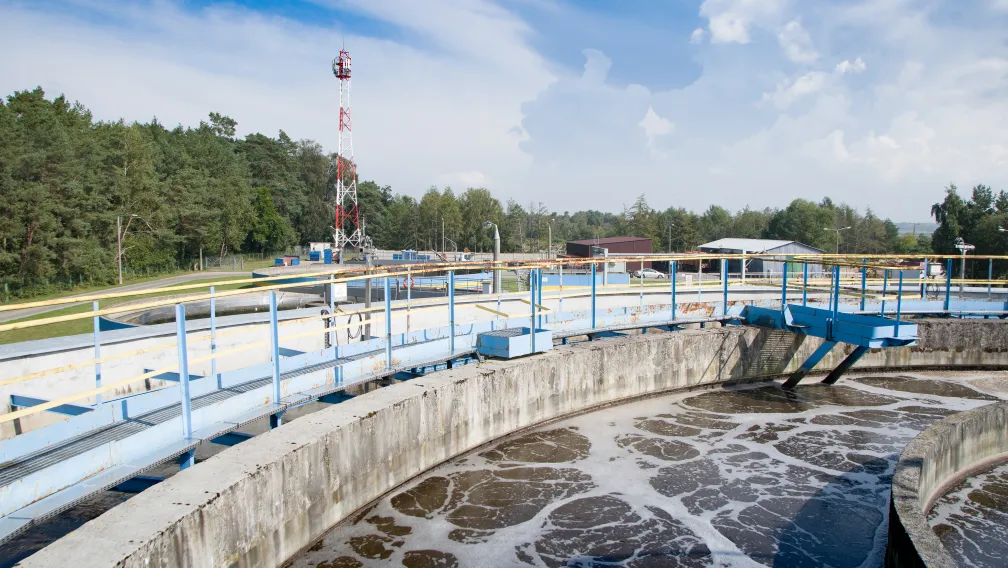
- Fourteen treatment-system projects to remove PFAS from wastewater, stormwater and groundwater at the West Virginia plant, including systems built around granular activated carbon.
- About 60 million dollars for surface-water and air-emission controls at that plant, plus stronger leak detection and repair to cut PFAS emissions.
- An estimated 280 million dollars to supply clean drinking water for more than a decade to communities near the West Virginia and New Jersey sites.
The proposed consent decree now runs through a 30-day public comment period before a court decides whether to approve it. Chemours may keep making PFAS for critical commercial and military uses where substitutes are limited.
Part of a wider tightening
The Chemours deal does not stand alone. PFAS rules have been tightening across North America: manufacturers face a federal reporting deadline in October 2026, many US states have passed PFAS product restrictions, and drinking-water limits keep tap-water safety in the public eye. Whatever direction federal policy takes from here, the practical effect on the ground is the same — more monitoring, more treatment, and more pressure on industrial dischargers to clean up both their water and their air.
What it means for the environmental-materials sector
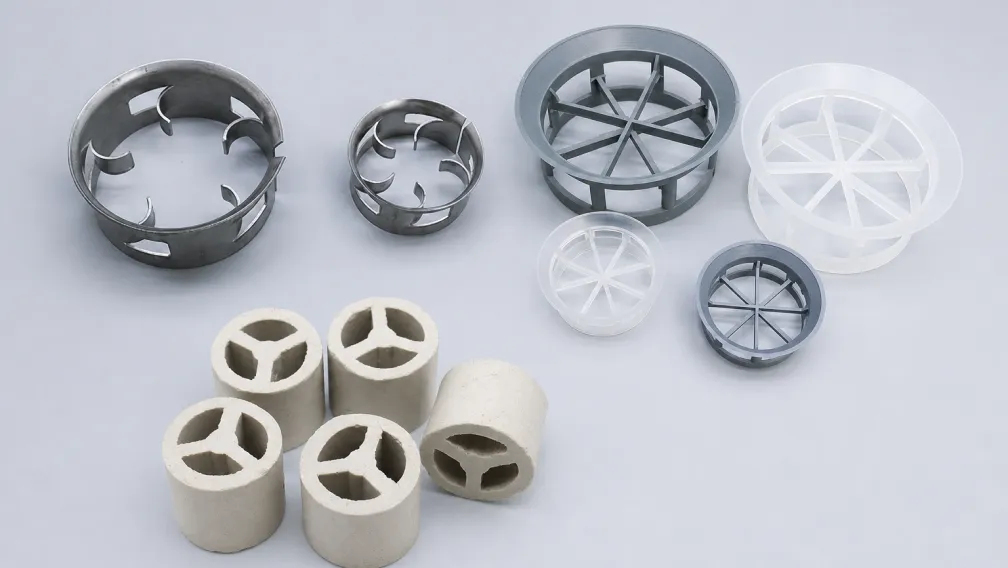
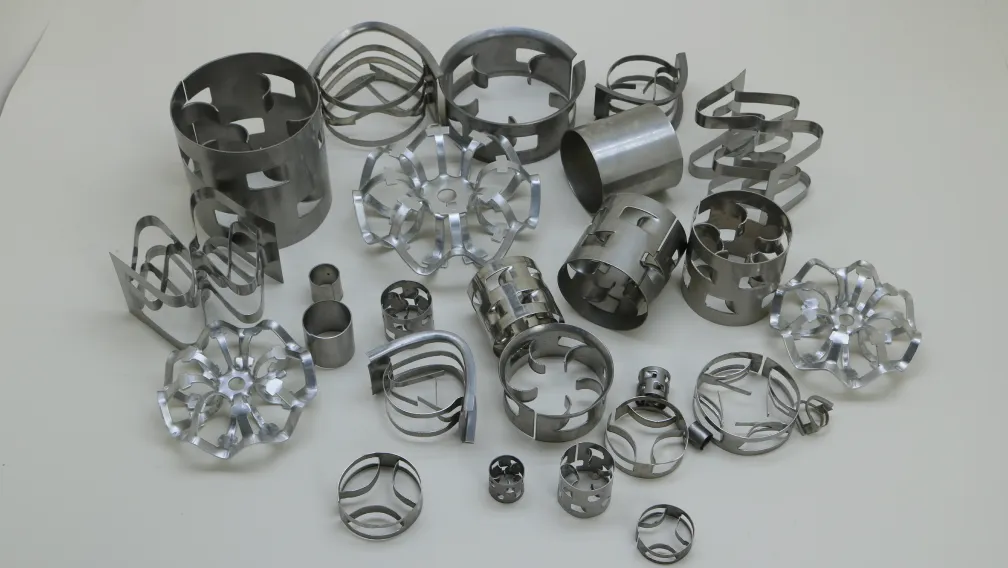
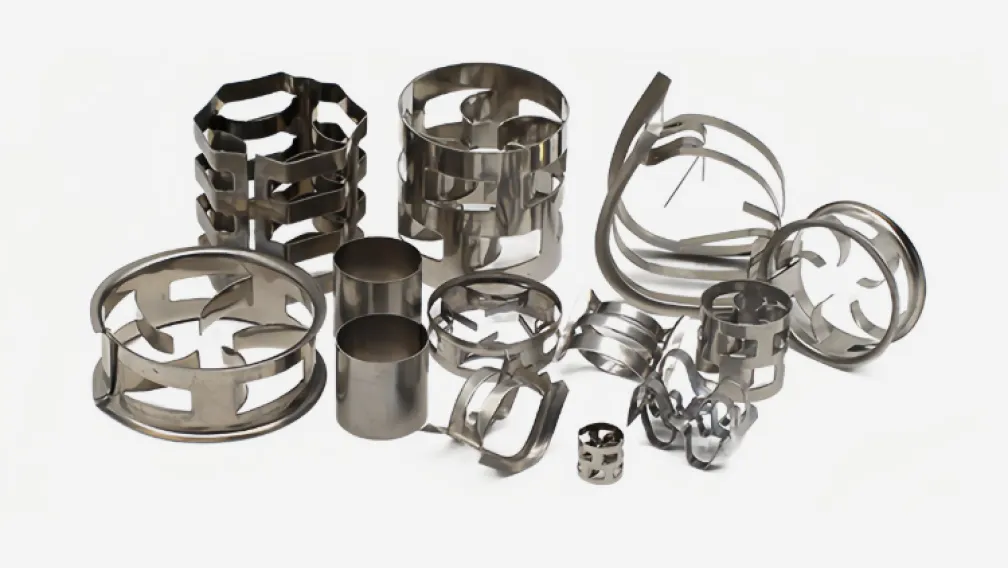
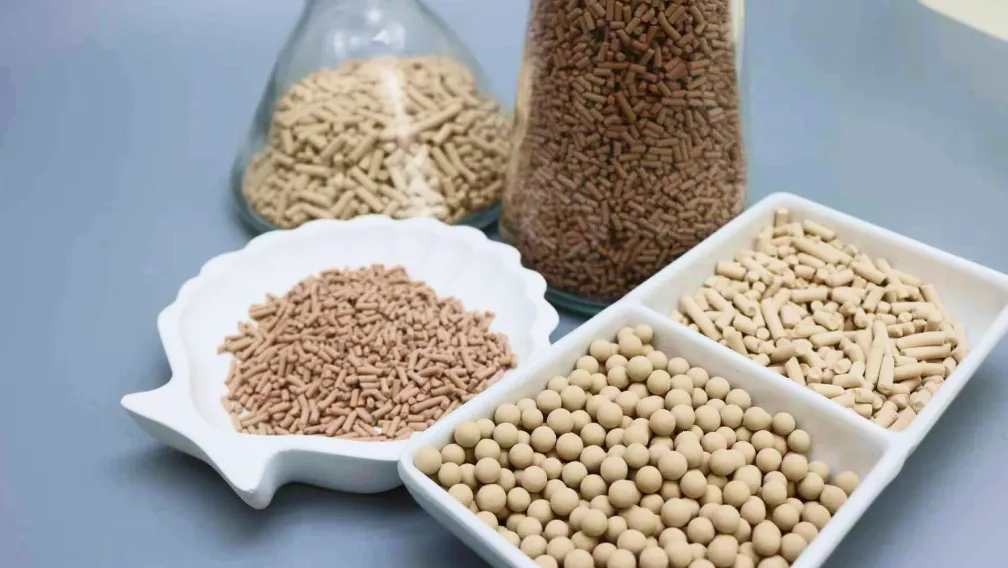
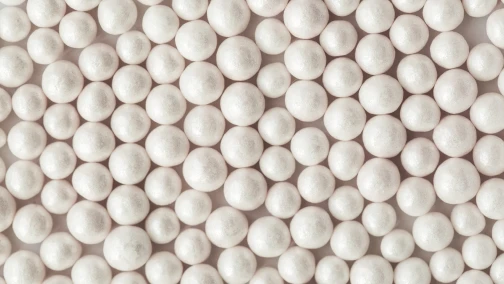
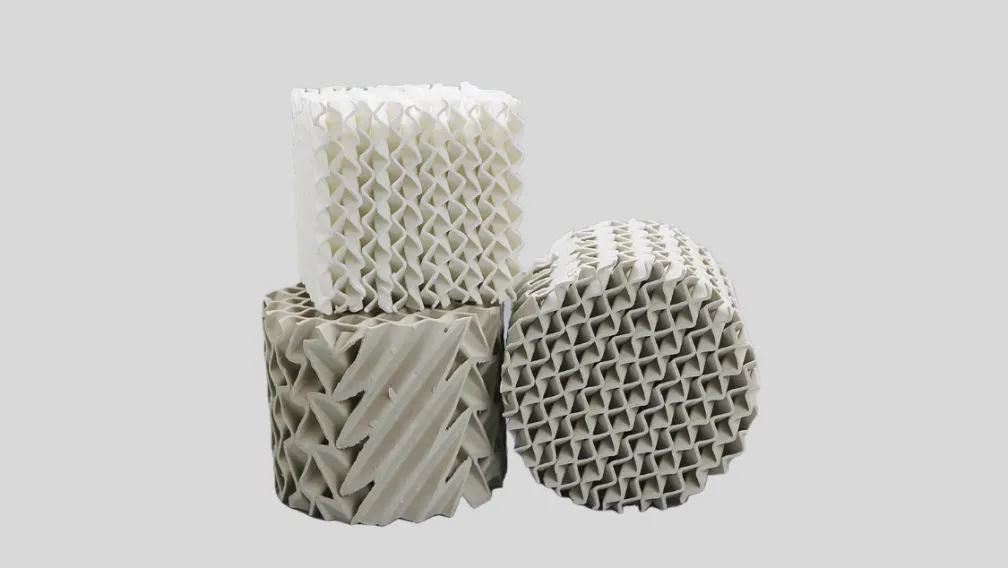
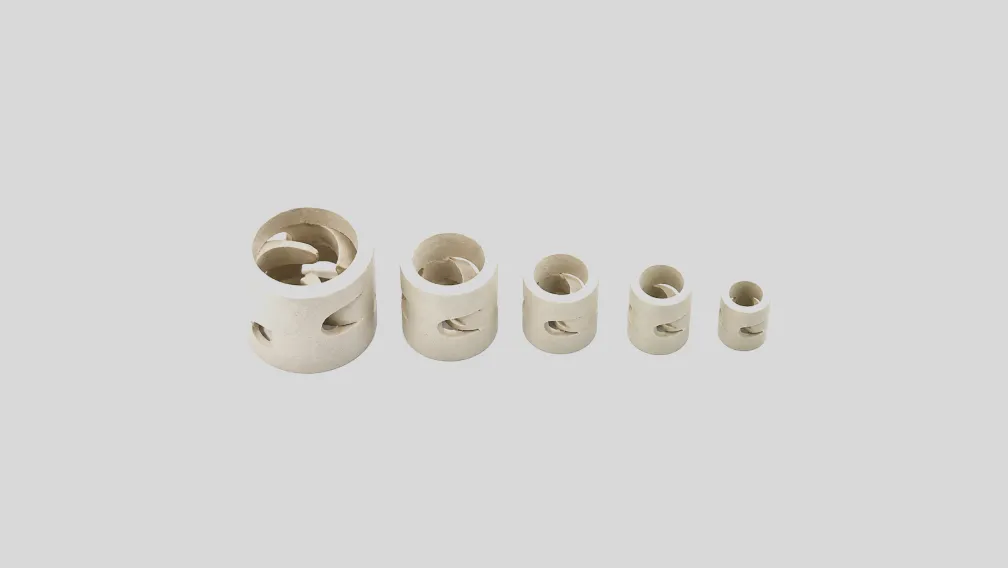
For the companies that supply the materials inside water and air treatment systems, settlements like this one point in one direction: rising demand. Taking PFAS and other contaminants out of water leans on adsorbent and filter media, from activated carbon to specialist filter beds; controlling gas-phase emissions leans on scrubbers and absorption columns, and on the tower packing inside them. As enforcement and regulation push more plants to install or upgrade treatment, the market for these materials grows with it.
At Rongjian we manufacture the media and packing that go into these systems — water treatment media, adsorbents such as molecular sieves and activated alumina, and tower packing for absorption and scrubbing columns. If your project involves water treatment or emission control, tell us the duty and we will help you specify the right materials. Reach out through the enquiry form or contact your Rongjian representative.
-

Rongjian
Process Media Manufacturer Since 2010
Rongjian produces tower packing, molecular sieves, ceramic grinding media and other process media from our Pingxiang production base. We supply to industrial projects in over 100 countries.