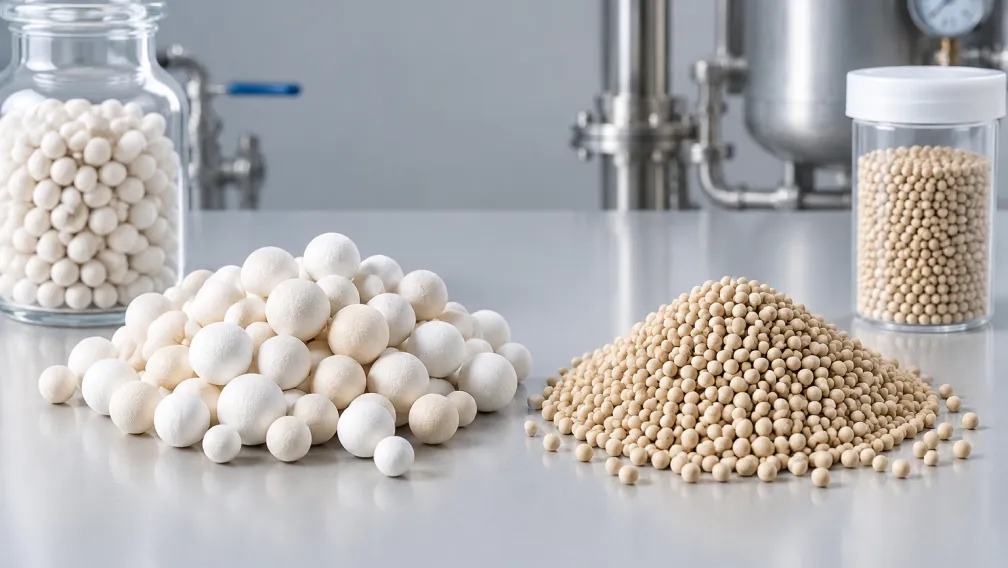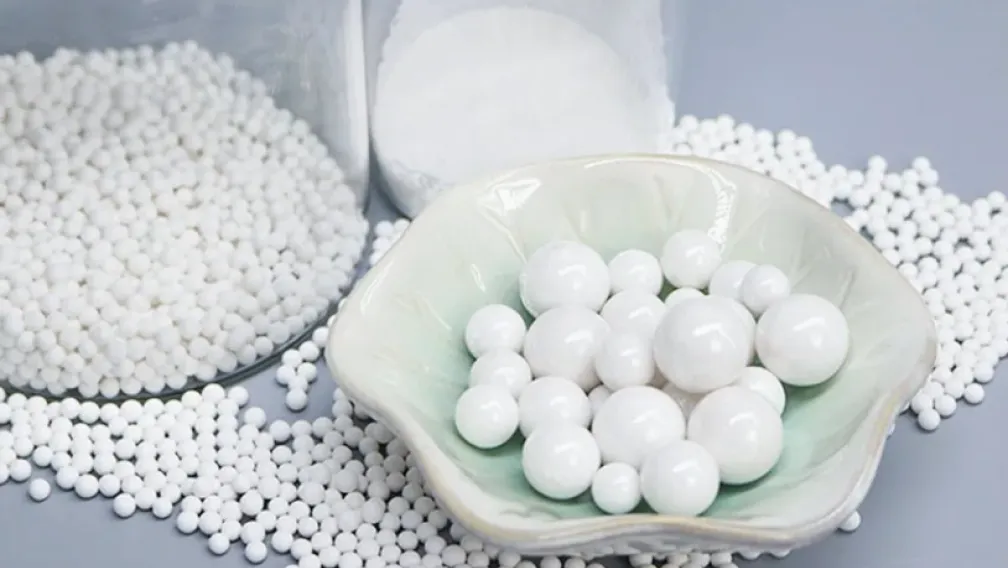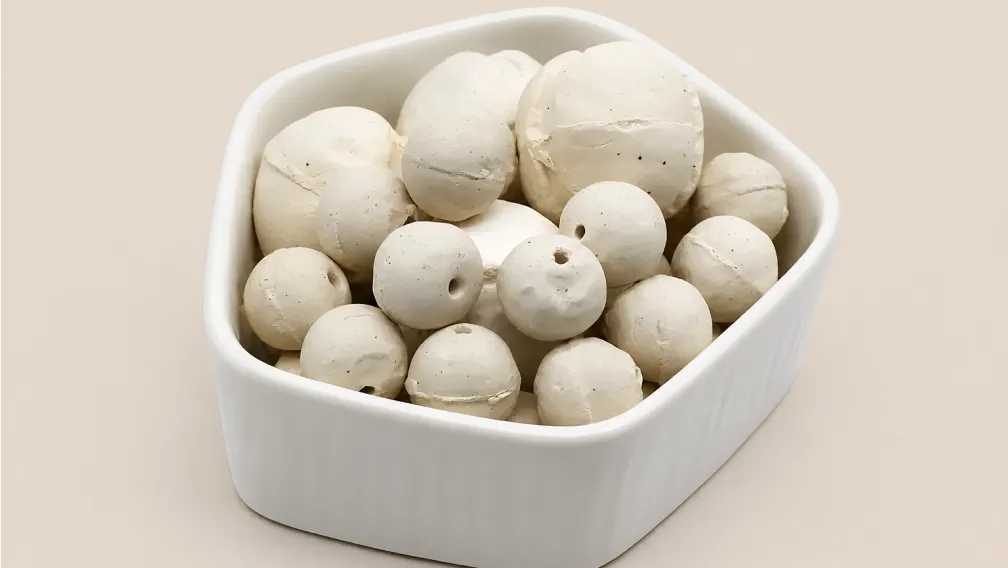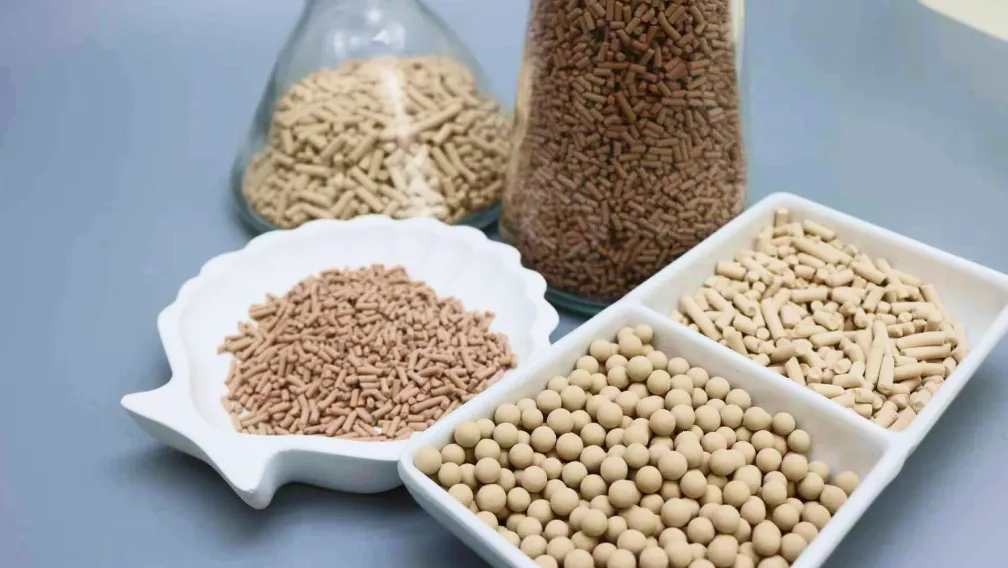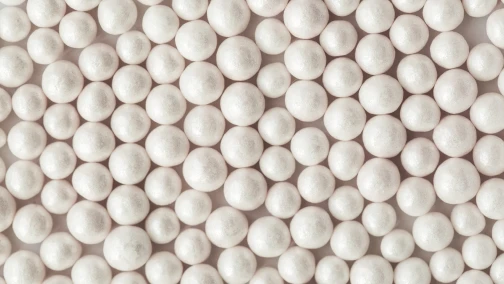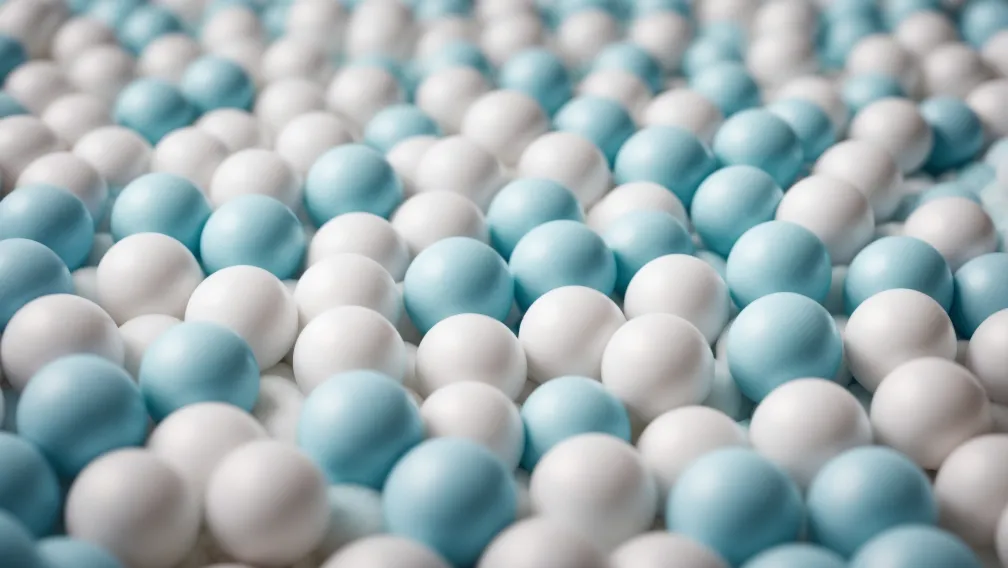

Molecular sieves look like small, uniform beads or pellets, and in a plant they quietly handle one of the harder jobs in gas and liquid processing: pulling the last traces of water, or one specific molecule, out of a stream. The catch for buyers is that "molecular sieve" is not a single product. The common grades, 3A, 4A, 5A and 13X, each have a different pore size and adsorb different things, and the wrong one either wastes money or misses the spec. This guide covers what a molecular sieve is, how it works, what sets the four main grades apart, how they stack up against silica gel and activated alumina, and how to pick one. We manufacture these adsorbents, so the notes here reflect what we ship and what customers ask.
What is a molecular sieve?
A molecular sieve is a crystalline aluminosilicate, a type of zeolite, with a network of pores that are all one precise size. That uniform pore is the whole point. Molecules smaller than the opening get drawn inside and held, while anything larger is shut out. This lets the material separate by molecular size, which ordinary desiccants cannot do. On top of size, the pores favour polar and unsaturated molecules, so water, being small and strongly polar, is held very tightly. A molecular sieve can take up water to around 22 percent of its own weight, and it keeps pulling moisture down to very low dew points even when a stream is already dry.
How a molecular sieve works
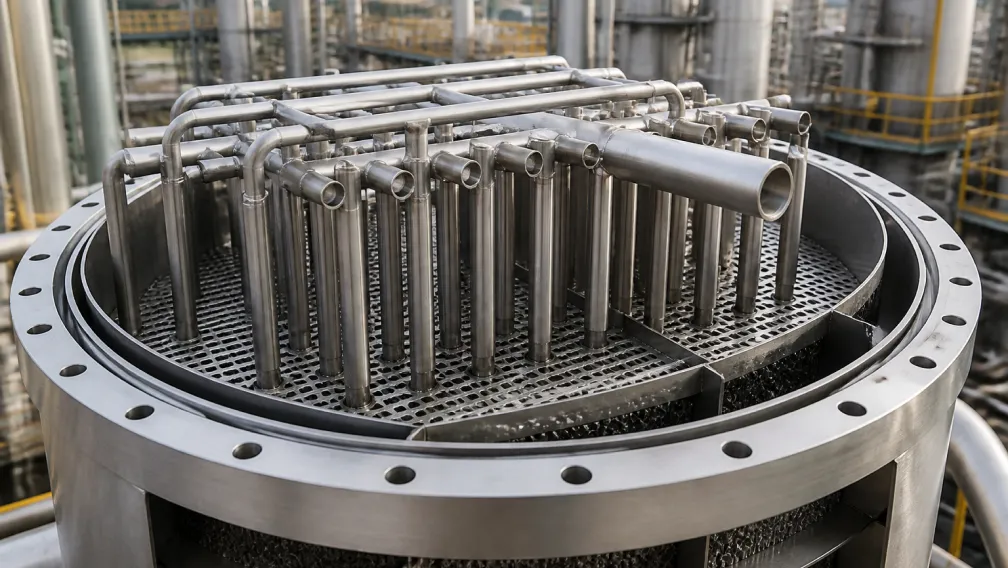
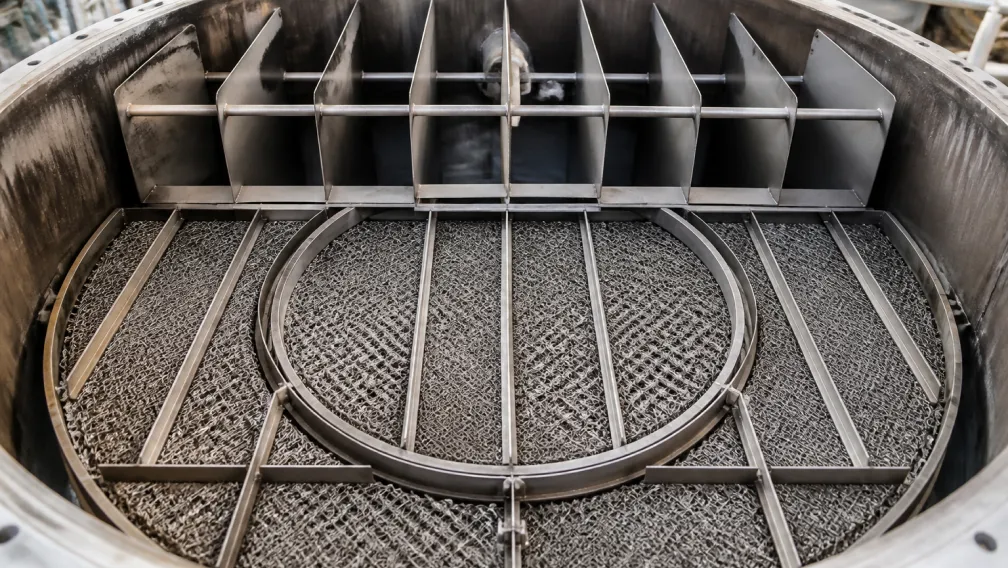
Two properties do the work: a fixed pore size and a polar surface inside the cavities. A stream passes through a packed bed of the sieve, target molecules diffuse into the pores and stay there, and the rest of the stream flows on. Because the selection is physical, you tune it by choosing a grade with the right pore opening.
The adsorption is reversible, which is what makes the material practical. Once a bed is loaded, you regenerate it and run it again. There are two common ways. Thermal swing heats the bed to roughly 200 to 300 °C with a dry purge gas so the water is driven off. Pressure swing drops the pressure so the adsorbed molecules release, which is the PSA method used in on-site gas generators. A well-run sieve gets through hundreds of cycles before its capacity fades enough to warrant a change-out.
The four main types: 3A, 4A, 5A and 13X
All four common grades share the same building blocks. The difference is pore size, set by which cation sits in the crystal. Types 3A, 4A and 5A are all "Type A" structures carrying different ions; 13X is a "Type X" structure with a much larger pore.
| Grade | Pore size | Ion form | Adsorbs | Typical duty |
|---|---|---|---|---|
| 3A | ~3 Å | Potassium | Water, ammonia | Drying reactive and unsaturated streams |
| 4A | ~4 Å | Sodium (base form) | Water, CO2, H2S, SO2, ethanol, ethylene | General drying of gases and liquids |
| 5A | ~5 Å | Calcium | Linear (n-)paraffins, H2S, mercaptans, CO2 | n-/iso- separation, PSA oxygen, sulphur removal |
| 13X | ~10 Å | Sodium (Type X) | Larger molecules, aromatics, H2S, plus water and CO2 | Air pre-purification, gas sweetening, deep drying |
3A molecular sieve is the pick for drying streams that must not be disturbed beyond water removal. Its small pore takes up moisture while keeping hydrocarbons out, so it dries cracked gas, olefins, ethanol and other alcohols without co-adsorbing them or setting off side reactions on the bed. It is also the sieve sealed inside insulating glass units.
4A molecular sieve is the general-purpose workhorse and the base form of Type A. It dries most gases and liquids and also picks up CO2, H2S and other small polar molecules. Static desiccant packs and many bulk drying beds run on 4A.
5A molecular sieve has a larger calcium-form pore that admits straight-chain (normal) paraffins while blocking branched and ring molecules. That clean size cut-off makes it the separation grade: splitting n- from iso-paraffins, stripping sulphur from natural gas and LPG, and running the oxygen side of PSA units, where it holds nitrogen back.
13X molecular sieve has the widest pore of the common grades, so it takes larger molecules the A types exclude, and it holds a lot of water and CO2 together. It is the standard choice for pre-purifying air ahead of cryogenic air separation, removing water and CO2 in one bed, and for sweetening natural gas by pulling out H2S and mercaptans. For air plants, higher-performance grades such as 13X HP and 13X APG are built specifically for that feed-purification duty.
Specialty grades: carbon and lithium sieves
Two grades sit outside the A and X naming but come up often.
Carbon molecular sieve is made from carbon rather than aluminosilicate, and it separates by speed instead of a hard size limit. Oxygen slips into its pores faster than nitrogen, so in a PSA generator it lets a plant draw high-purity nitrogen straight from compressed air.
Lithium molecular sieve is a lithium-exchanged X-type (Li-LSX) with a very high nitrogen capacity. That makes it the material of choice for oxygen concentrators, from medical units to industrial O2 generators, where it separates oxygen from air at high purity.
Molecular sieve vs silica gel vs activated alumina
Molecular sieve is one of three adsorbents that dominate industrial drying. Choosing between them comes down to how dry you need the stream and the conditions you run it under. Here is the short version.
| Property | Molecular sieve | Silica gel | Activated alumina |
|---|---|---|---|
| Material | Crystalline aluminosilicate | Amorphous silica | Activated alumina |
| Best at | Low humidity, deep drying, molecular separation | High humidity at room temperature | Hot, wet, mechanically tough duty |
| Dew point reached | Very low (about -80 °C or lower) | Moderate (about -30 to -40 °C) | Low (about -60 to -70 °C) |
| Molecular selectivity | High (size and shape) | Low | Low |
| Mechanical strength | High | Low to medium | Very high |
| Regeneration temp | ~200–300 °C | ~120–200 °C | ~175–315 °C |
| Relative cost | Higher | Lowest | Moderate |
Read it this way. Reach for a molecular sieve when you need the driest possible stream, a low dew point, or size-selective removal of one molecule. Choose silica gel for high-capacity moisture control at ambient conditions and for low-cost static packs. Choose activated alumina when you want a rugged, crush-resistant bed for hot, wet gas, or when you also need to strip fluoride or arsenic from water. Plenty of real systems layer them, letting alumina or silica gel take the bulk of the water and a molecular sieve finish the drying.
How to choose the right molecular sieve
Three questions settle most selections:
- What are you removing? Water only, on a stream you must not touch otherwise, points to 3A. General drying, or water together with CO2 and H2S, points to 4A. Separating linear from branched molecules, or removing sulphur from hydrocarbons, points to 5A. Purifying air feed or sweetening natural gas points to 13X.
- How dry, or how pure, does the outlet need to be? Tight dew points and high-purity separations favour a molecular sieve over other desiccants, and often a specific grade tuned for that duty.
- What are the conditions? Temperature, pressure, contaminants and whether you regenerate by heat or by pressure all shape the grade, the bead size and the bed design.
If you are unsure, our team can size the bed and pick the grade from your stream data. We go into this in more depth in our molecular sieve and desiccant selection guide.
Where molecular sieves are used
Molecular sieves show up wherever a process needs dry gas or a clean split between molecules. Air separation plants use 13X to strip water and CO2 from incoming air before it is chilled. PSA generators use 5A, carbon or lithium grades to make oxygen and nitrogen on site. Natural gas and LNG plants use them to dry the gas and remove sulphur before liquefaction. Refineries and petrochemical units dry and purify cracked gas, solvents and hydrocarbon streams. Smaller but steady uses include drying refrigerants, sealing moisture out of insulating glass, and protecting packaged electronics and pharmaceuticals. The common thread is a stream that has to be dried hard or separated cleanly, which is what the pore is built to do.
Where Rongjian fits
We manufacture the full range of molecular sieves covered here, from 3A, 4A, 5A and 13X to carbon and lithium grades, along with the activated alumina and silica gel that often share the same bed. Our sieves go into air separation, PSA, natural gas and drying duties in more than a hundred countries, supplied as beads or pellets to your size and shipped with a test report.
Not sure which grade fits? Send us the stream, the contaminants, the dew point or purity target and your regeneration method, and we will recommend the grade, bead size and quantity. Reach us through the enquiry form or your Rongjian contact for advice or a quote.
Frequently asked questions
What is a molecular sieve?
A molecular sieve is a crystalline aluminosilicate (a zeolite) with pores of a single, precise size. Molecules smaller than the pore are adsorbed and held inside, and larger ones are excluded. This lets it dry streams to very low moisture levels and separate molecules by size, which broad desiccants cannot do. The common grades are 3A, 4A, 5A and 13X.
How does a molecular sieve work?
A stream flows through a packed bed of sieve, and molecules that fit the pore diffuse in and are held while the rest passes through. Water and other small polar molecules are held most tightly. The process is reversible: heating the bed to about 200 to 300 °C, or lowering the pressure in a PSA system, drives the adsorbed molecules off so the sieve can be used again.
What is the difference between 3A, 4A, 5A and 13X molecular sieves?
The difference is pore size, set by the cation in the crystal. 3A (about 3 Å, potassium form) adsorbs water only and is used to dry reactive streams. 4A (about 4 Å, sodium form) is a general drier that also takes CO2 and H2S. 5A (about 5 Å, calcium form) admits straight-chain molecules while blocking branched ones, so it is used for separation and sulphur removal. 13X (about 10 Å) has the largest pore and handles bigger molecules, used for air pre-purification and gas sweetening.
Which is better, molecular sieve or silica gel?
It depends on how dry you need the stream. A molecular sieve reaches much lower dew points and holds up at low humidity and higher temperatures, so it is the choice for deep drying and molecular separation. Silica gel holds more water at ambient, room-temperature conditions and costs less, which suits static desiccant packs and moderate duties. Many systems use silica gel or alumina for bulk moisture and a molecular sieve to finish.
What is 13X molecular sieve used for?
13X has the largest pore of the common grades and a high capacity for water and CO2. It is used mainly to pre-purify air ahead of cryogenic air separation, removing water and CO2 in one bed, and to sweeten natural gas by removing hydrogen sulphide and mercaptans. It also works as a general adsorbent for larger molecules the A-type sieves exclude.
How do you regenerate molecular sieve?
Molecular sieve is regenerated rather than discarded once it is loaded. The usual method is thermal swing: heat the bed to roughly 200 to 300 °C while passing a dry purge gas through it to carry off the released water. In pressure-swing (PSA) systems, the bed is regenerated by dropping the pressure instead. A sieve can go through hundreds of cycles before it needs replacing.
What is molecular sieve made of?
Standard molecular sieves are made of crystalline aluminosilicate, a synthetic zeolite, formed into beads or pellets with a binder. The grade depends on which cation is in the crystal: potassium for 3A, sodium for 4A and 13X, calcium for 5A. Carbon molecular sieve is the exception, made from carbon and used to separate gases by diffusion speed.
How much water can a molecular sieve hold?
A molecular sieve can hold water up to around 22 percent of its own weight as a desiccant. More useful in practice is that it keeps adsorbing water down to very low dew points even when a stream is already fairly dry, which is where silica gel and alumina fall off.
How long does molecular sieve last?
With proper regeneration a molecular sieve lasts through hundreds of adsorption cycles, often several years in a well-run bed. Capacity slowly declines as pores foul or crystallinity degrades, and liquid water carryover or heavy contaminants shorten its life. When outlet moisture or purity starts slipping, it is time to change the bed.
-

Rongjian
Process Media Manufacturer Since 2010
Rongjian produces tower packing, molecular sieves, ceramic grinding media and other process media from our Pingxiang production base. We supply to industrial projects in over 100 countries.