
A molecular sieve is a highly specialized, synthetic zeolite material used primarily as a desiccant and purifying agent in rigorous industrial processes. Unlike general-purpose drying agents, molecular sieves are engineered with a precise, three-dimensional crystalline structure. This crystalline lattice creates uniform pores that measure exact dimensions at the angstrom level. Because these pores are uniform, the material functions as a true sieve on a molecular scale, selectively adsorbing molecules that are small enough to enter the cavities while rejecting larger molecules. This precision makes molecular sieves the standard choice for applications demanding ultra-low moisture levels, cryogenic gas separation, and exact chemical purification in the petrochemical, medical, and natural gas industries.

The Chemistry and Structure of Zeolites
At their core, molecular sieves are aluminosilicates. Their framework consists of an interconnected network of silica (SiO4) and alumina (AlO4) tetrahedra. When synthesized, these structures hold water of hydration. When heated to high temperatures in a controlled calcination process, the water is driven off, leaving behind a highly porous matrix of uniform cavities. The internal surface area is massive, typically exceeding 600 square meters per gram.
What sets molecular sieves apart from other adsorbents is the presence of cations—usually sodium, potassium, or calcium—within the crystal lattice. These positively charged ions balance the negative charge of the alumina tetrahedra. By exchanging these cations during the manufacturing process, we precisely control the size of the pore openings, creating the distinct grades of molecular sieves used across different industries. Furthermore, these cations create localized areas of strong positive electrical charge. This localized charge generates a powerful electrostatic field that aggressively attracts polar molecules, such as water, holding them tightly within the lattice even at elevated operating temperatures.
How Molecular Sieve Adsorption Works
Adsorption in a molecular sieve relies on two primary mechanisms: size exclusion and polarity.
- Size Exclusion: The uniform pore diameter acts as a physical barrier. If a molecule's kinetic diameter is larger than the pore opening, it cannot enter the internal cavity and simply flows past the adsorbent bead. For example, a 3A molecular sieve has a pore opening of 3 angstroms. A water molecule has a kinetic diameter of about 2.8 angstroms, allowing it to easily enter the pore. Ethanol, with a kinetic diameter of roughly 4.4 angstroms, is completely excluded. This allows for the precise dehydration of ethanol streams without co-adsorbing the valuable product.
- Polarity and Affinity: Once inside the cavity, molecules are captured based on their polarity. The electrostatic fields created by the cations strongly bind polar molecules (like H2O, H2S, and CO2) and polarizable molecules. Water is highly polar, making molecular sieves incredibly efficient desiccants. They can strip moisture from a fluid stream down to parts-per-billion (ppb) levels, achieving pressure dew points as low as -100 °C (-150 °F).
The Four Primary Types of Molecular Sieves
The chemical formulation dictates the pore size, which in turn determines the industrial application. The four main commercial types are 3A, 4A, 5A, and 13X.
3A Molecular Sieve (Potassium Form)
By exchanging a portion of the sodium ions in a standard 4A zeolite with potassium ions, the pore opening is reduced to approximately 3 angstroms.
Type 3A is the preferred desiccant for drying unsaturated hydrocarbons. It is heavily utilized in the dehydration of cracked gases, propylene, butadiene, and acetylene. In these streams, removing water is critical to prevent pipeline freezing and catalyst poisoning, but the hydrocarbon molecules must not be co-adsorbed, which would cause excessive heat release and product loss. Type 3A is also the standard for fuel-grade ethanol dehydration and is extensively used in insulated glass units (IGU) to prevent condensation without adsorbing air, which would cause the glass panes to deflect.
4A Molecular Sieve (Sodium Form)
Type 4A is the baseline sodium aluminosilicate zeolite with a pore opening of 4 angstroms. It is the most widely used molecular sieve for general drying applications.
Type 4A effectively adsorbs water, ammonia, methanol, and carbon dioxide. It is the standard desiccant for the deep dehydration of natural gas, compressed air, liquid hydrocarbons, and refrigerants. It is frequently employed in static packaging for moisture-sensitive electronic components and pharmaceuticals. For standard instrument air drying requiring a -40 °C to -70 °C dew point, 4A provides reliable, long-term performance.
5A Molecular Sieve (Calcium Form)
When calcium ions replace the sodium ions in a 4A framework, the pore opening expands to 5 angstroms. This slight increase unlocks specific separation capabilities.
Type 5A is critical for the separation of normal paraffins from branched and cyclic hydrocarbons, a process central to modern oil refining. Because its pore size perfectly accommodates the linear structure of normal paraffins while rejecting larger branched isomers, it is used extensively in this specific separation. Furthermore, 5A is the primary adsorbent used in Pressure Swing Adsorption (PSA) systems for generating high-purity hydrogen and oxygen, as it efficiently separates nitrogen, carbon monoxide, and other impurities from the target gas stream.
13X Molecular Sieve (Faujasite / Type X)
Unlike the A-type zeolites, 13X is built on a faujasite crystalline structure, possessing significantly larger pore openings of approximately 10 angstroms. It also offers a higher theoretical mass transfer rate and a larger total adsorption capacity.
The large pores of 13X allow it to adsorb complex molecules that A-type zeolites cannot. It is widely used for deep desulfurization, specifically removing mercaptans, hydrogen sulfide (H2S), and liquid thiols from liquid petroleum gas (LPG) and natural gas. Type 13X is also a critical component in the pre-purification units (PPU) of cryogenic air separation plants. Before air is super-cooled into liquid oxygen and nitrogen, 13X removes bulk moisture and carbon dioxide, preventing solid ice and dry ice from forming and destroying the cryogenic distillation columns.
Physical Forms: Beads vs. Pellets
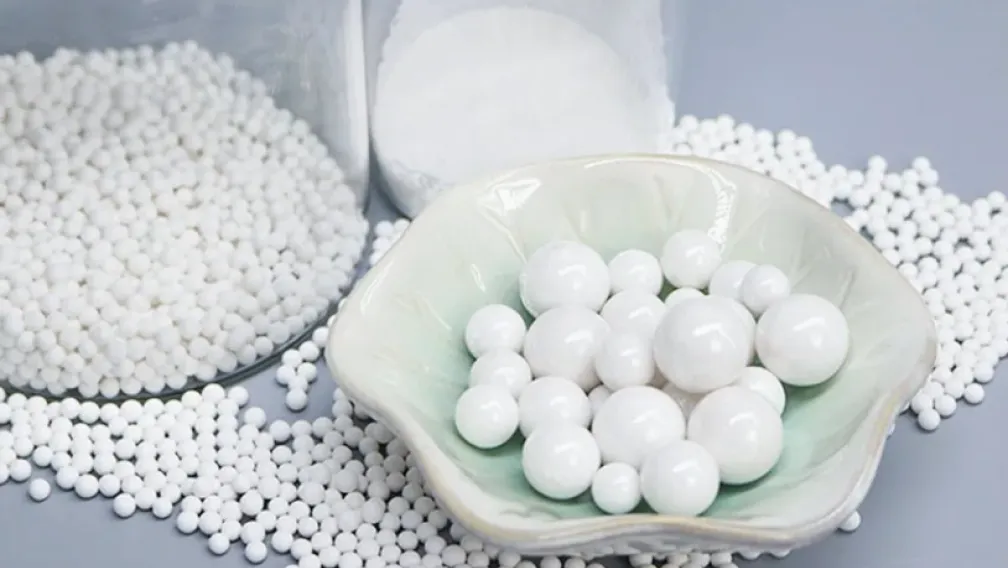
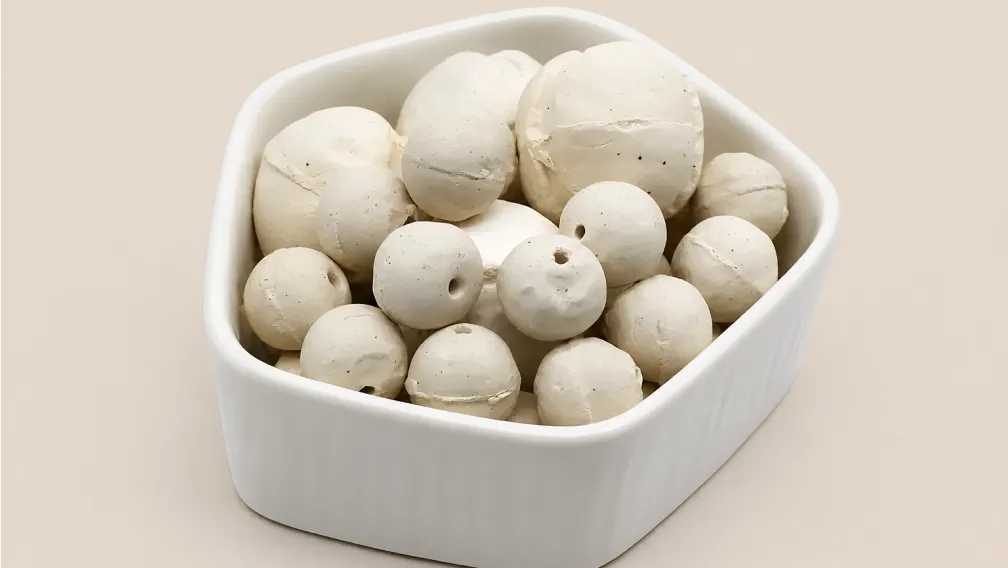
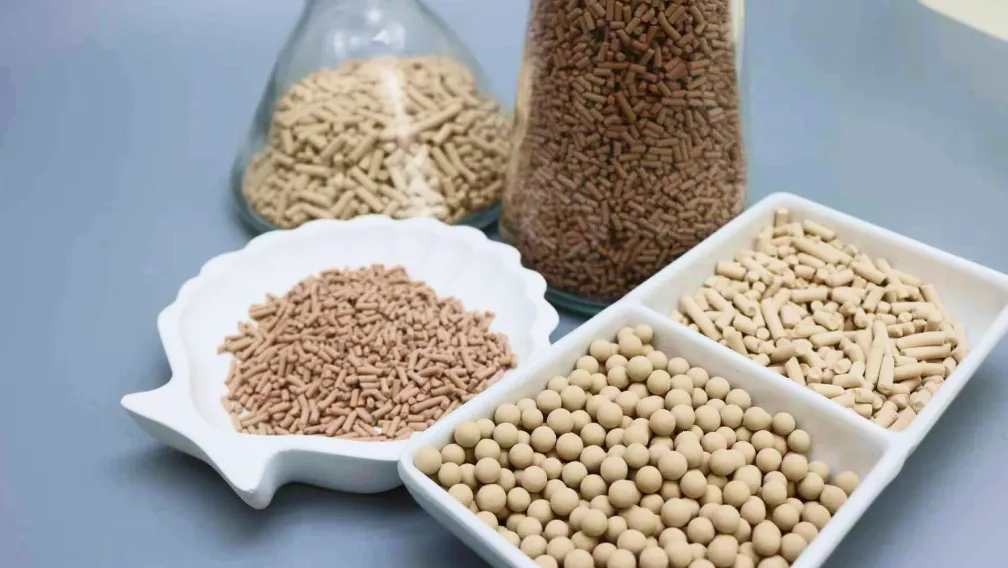
Molecular sieves are manufactured in various physical forms, primarily beads (spheres) and extruded pellets.
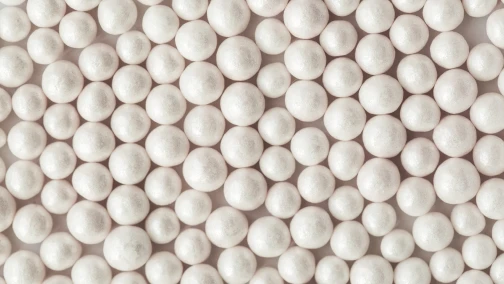
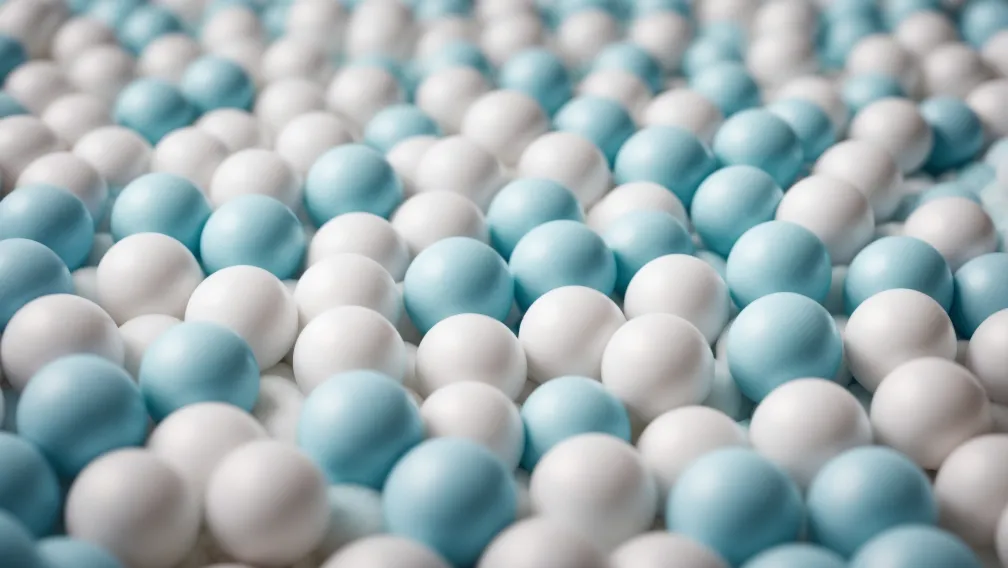
- Beads (Spheres): Beads are generally preferred for most packed-bed vessels. The spherical shape eliminates sharp edges, significantly increasing crush strength and reducing attrition (the generation of dust) during thermal cycling and bed loading. Furthermore, a bed of uniform spheres provides optimal fluid dynamics, resulting in a lower and more predictable pressure drop across the vessel, which reduces the energy burden on compressors.
- Pellets (Extrudates): Cylindrical pellets are often used in specialized applications where specific bed packing geometries or mass transfer kinetics are required, though they generally exhibit a slightly higher pressure drop and higher attrition rates compared to spheres of equivalent diameter.
Molecular Sieve vs. Activated Alumina and Silica Gel
Understanding the performance envelope of a molecular sieve requires comparing it against other common industrial desiccants, namely activated alumina and silica gel.
When ultra-low moisture levels are required, molecular sieves completely dominate. While activated alumina typically reaches a -40 °C dew point, molecular sieves routinely achieve -100 °C. Silica gel has a high moisture capacity at room temperature, but its ability to hold water collapses rapidly as the operating temperature rises above 40 °C. Molecular sieves, due to the strong electrostatic attraction of their crystalline structure, retain excellent water-holding capacity even at elevated fluid stream temperatures.
However, liquid water destroys molecular sieves. If bulk liquid water hits a bed of molecular sieve, the rapid release of the heat of adsorption can violently shatter the beads in a process called hydrothermal degradation. In systems where liquid water carryover is a risk, engineers typically utilize a guard bed of activated alumina or water-resistant silica gel at the inlet of the vessel to catch bulk liquid, protecting the high-performance molecular sieve layer downstream.
Regeneration Procedures
Molecular sieves are designed for continuous reuse through cyclical regeneration. This is typically achieved via Thermal Swing Adsorption (TSA) or Pressure Swing Adsorption (PSA).
In a TSA system, the saturated bed is taken offline and purged with a hot gas stream. To successfully break the strong electrostatic bonds holding the water molecules within the zeolite lattice, high temperatures are required. A typical regeneration temperature for a 4A or 3A molecular sieve ranges from 200 °C to 260 °C (390 °F to 500 °F). For 13X removing heavier compounds, temperatures may need to approach 300 °C to 315 °C. The bed must then be cooled back to ambient temperature using a dry purge gas before returning to service.
In a PSA system, regeneration relies on thermodynamics rather than heat. The bed operates under high pressure during the adsorption phase. To regenerate, the vessel is rapidly depressurized to near atmospheric pressure, and a small amount of dry product gas is swept through the bed. The drop in pressure alters the adsorption equilibrium, causing the molecular sieve to release the captured contaminants.
Engineering Parameters for Selection
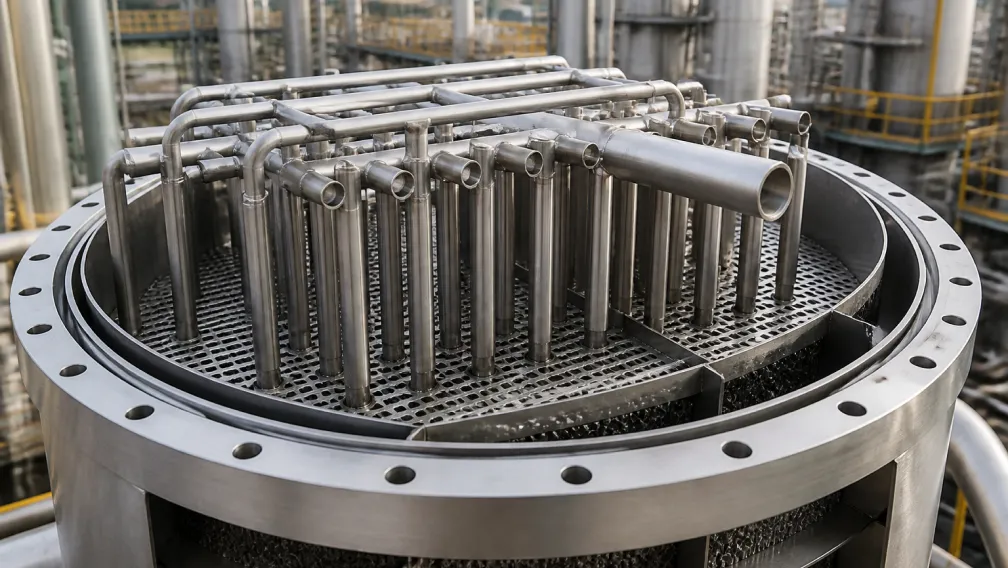
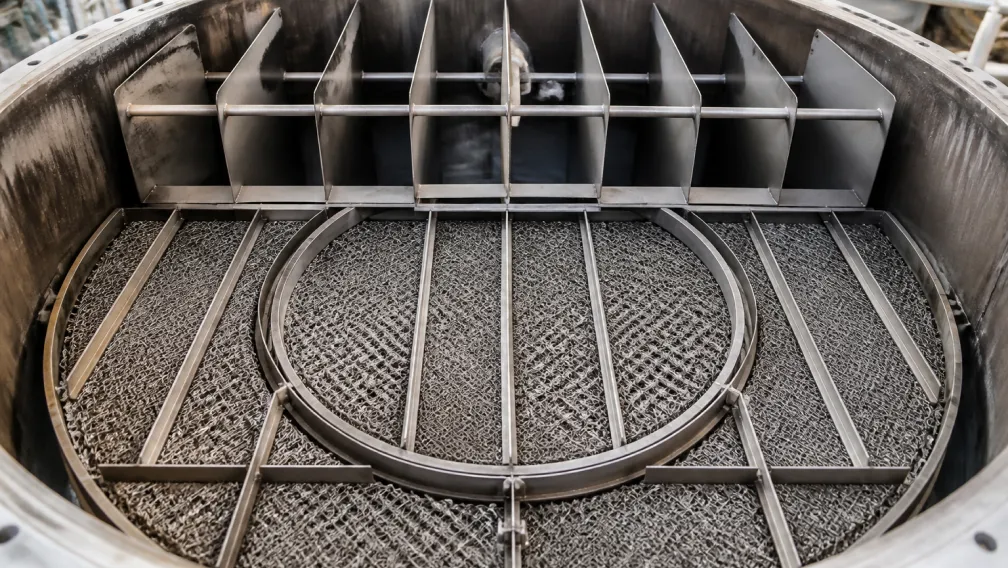
When designing a dehydration or purification system, several engineering parameters dictate the specific grade and quantity of molecular sieve required. Key factors include the composition of the feed gas, operating pressure, temperature, required effluent purity (e.g., pipeline specification), and the cycle time of the vessels. Bulk density and crush strength dictate the mechanical design of the towers, ensuring the desiccant bed does not fluidize or crush under its own weight and the pressure of the fluid stream. Industrial operators should work closely with their process media supplier to model these parameters and ensure the correct product dimensions and lattice type are selected for their specific operational envelope.
Handling and Storage Guidelines
Because molecular sieves are highly active desiccants, they will rapidly adsorb moisture from the ambient atmosphere if left exposed. It is critical to keep the media in its original, sealed packaging—typically steel drums or heavy-duty foil-lined supersacks—until the exact moment of installation. When loading a vessel, the work should be completed swiftly, preferably in dry weather conditions, to minimize the loss of adsorption capacity prior to commissioning the unit. Once loaded, the vessel should be purged with dry gas and brought up to operating pressure cautiously to avoid channeling or lifting the bed, which can abrade the spherical beads and generate dust that fouls downstream filters and valves.

-

Rongjian
Process Media Manufacturer Since 2010
Rongjian produces tower packing, molecular sieves, ceramic grinding media and other process media from our Pingxiang production base. We supply to industrial projects in over 100 countries.