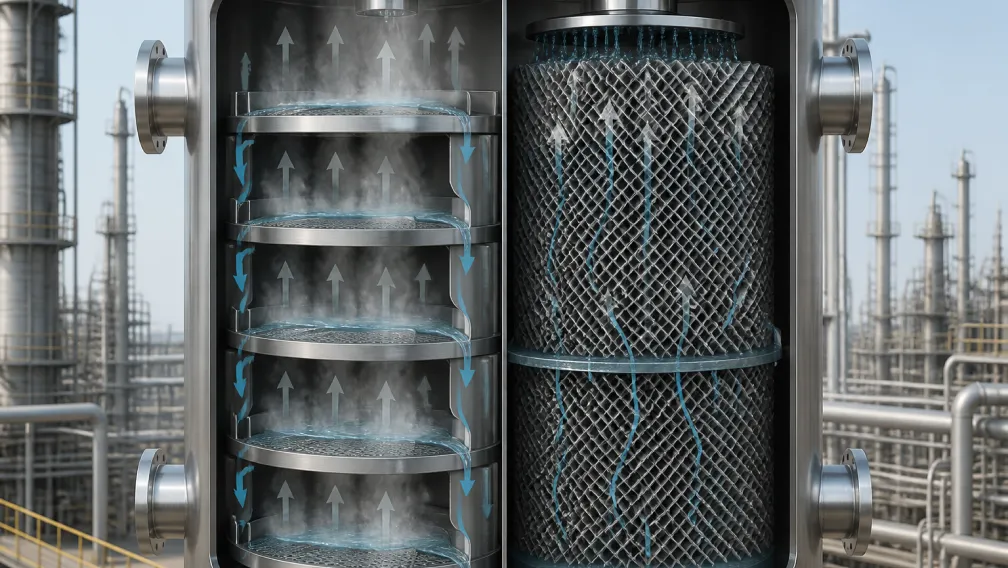

Random packing and structured packing are the two standard ways to fill a mass transfer column, and the choice between them sets the pressure drop, separation efficiency, capacity, and operating cost of the entire system. The short answer: structured packing delivers lower pressure drop and higher efficiency per meter of bed, while random packing costs less upfront, tolerates fouling and high liquid loads, and is far easier to install and replace. Vacuum distillation and close-boiling separations almost always point to structured packing. Scrubbers, corrosive services, and budget-limited projects usually point to random packing. The sections below break down where each type wins and how to make the call for your column.

How the Two Packing Types Differ in Construction
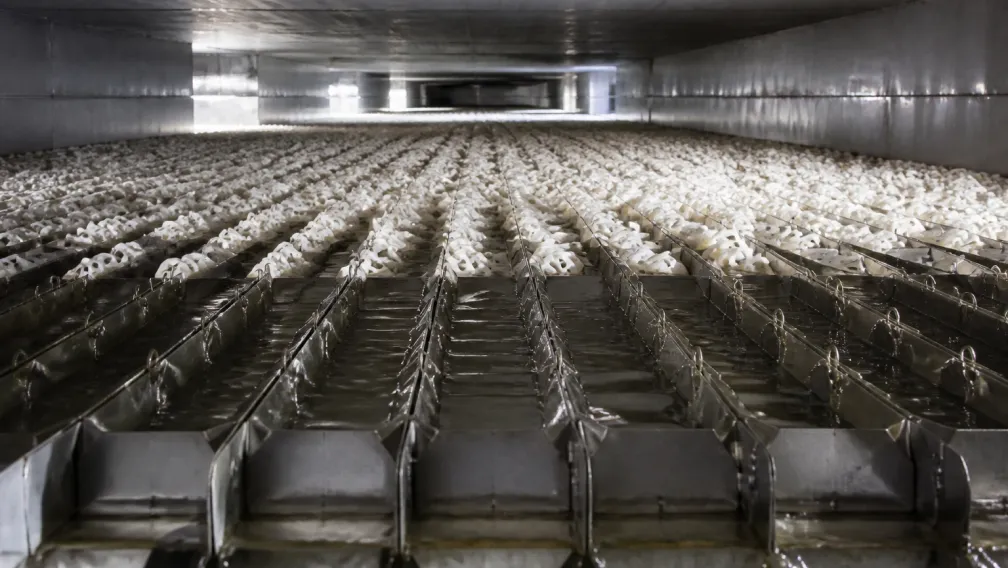
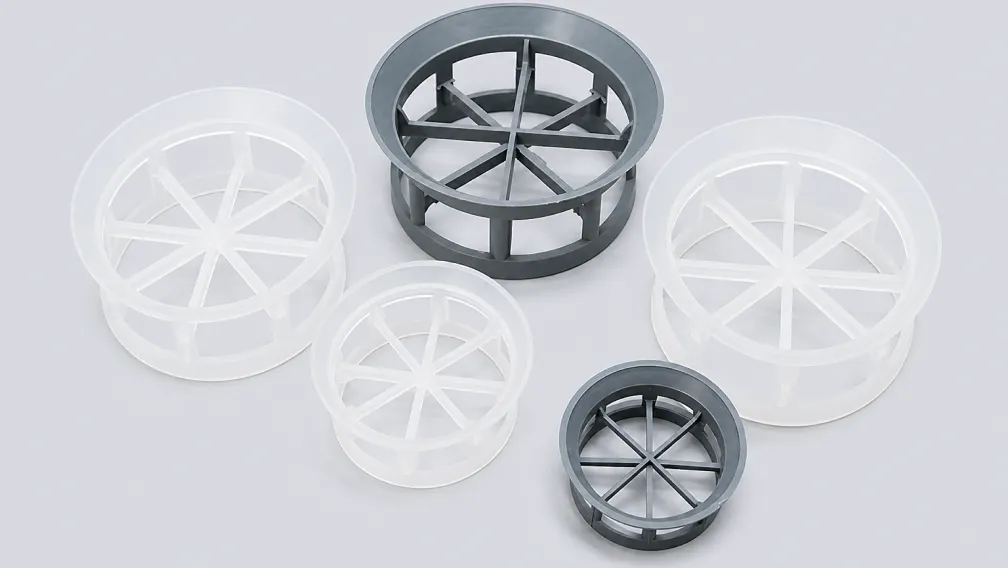
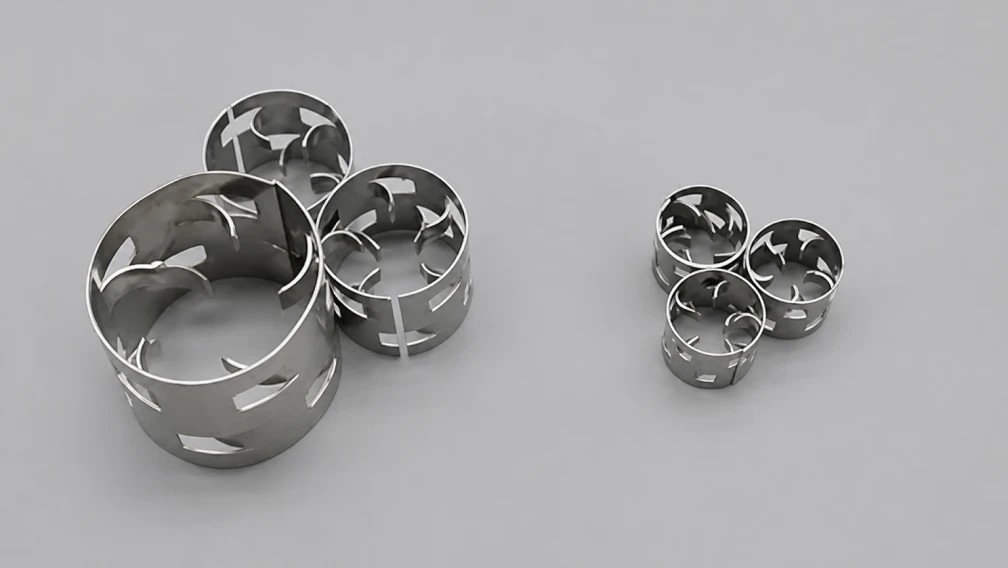
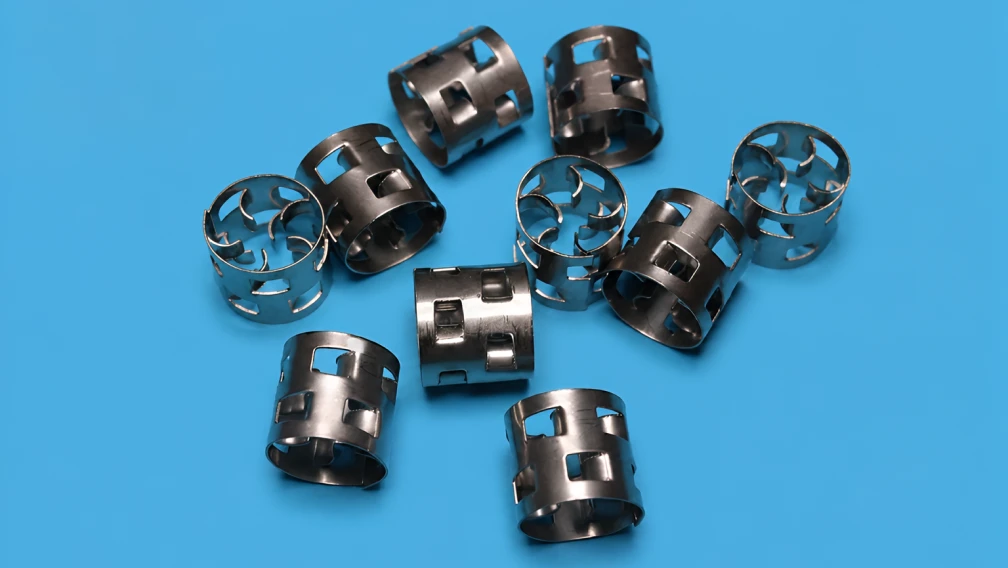
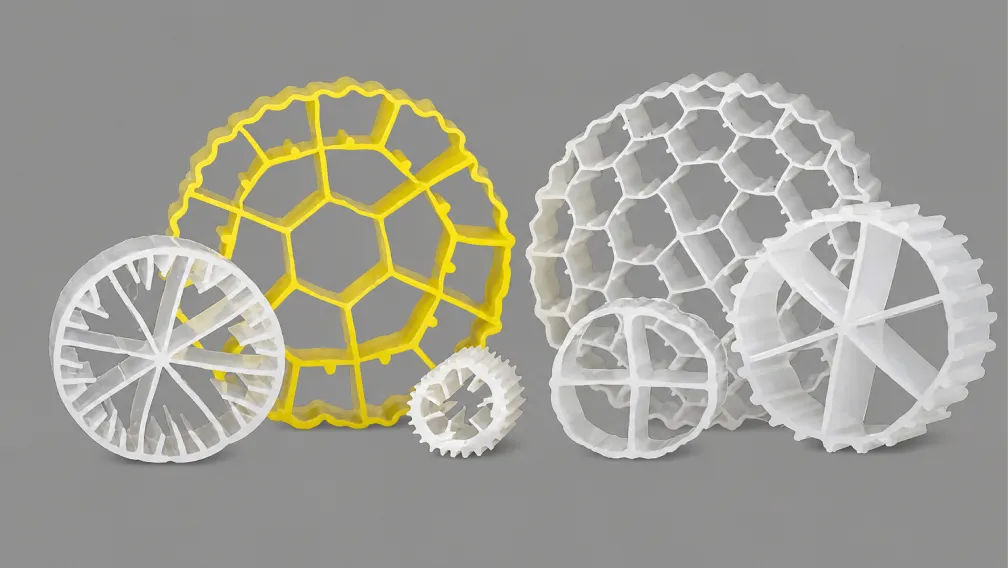
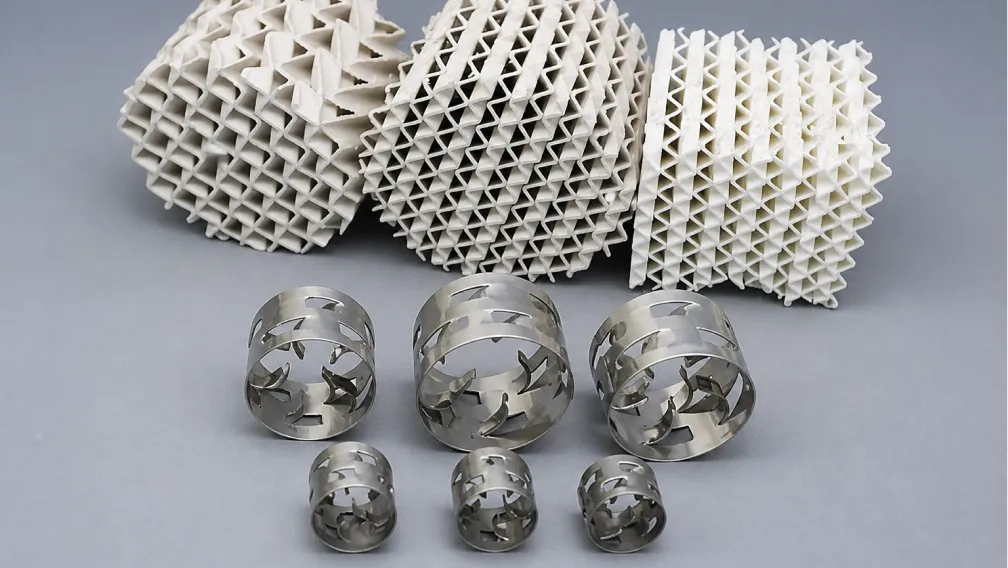
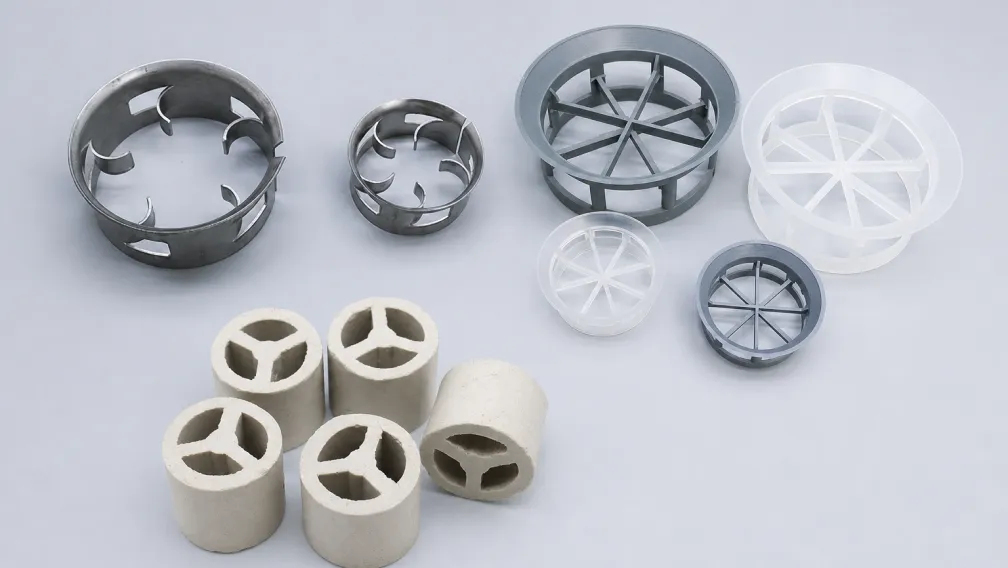
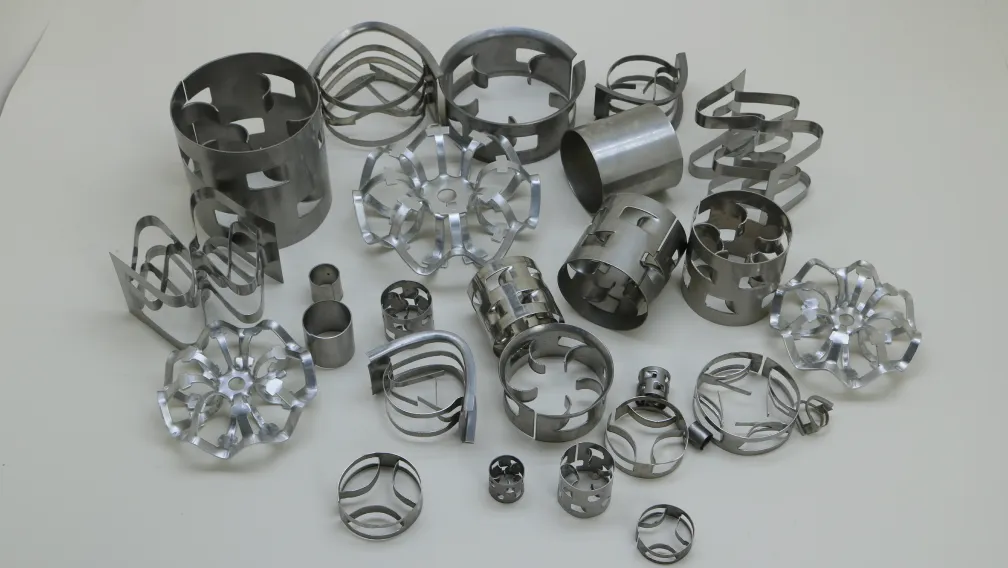
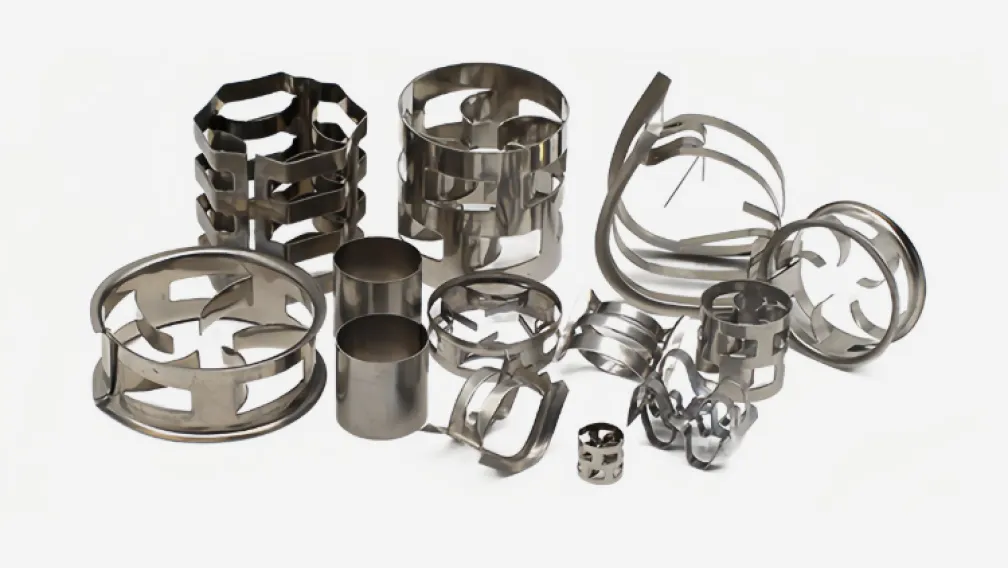
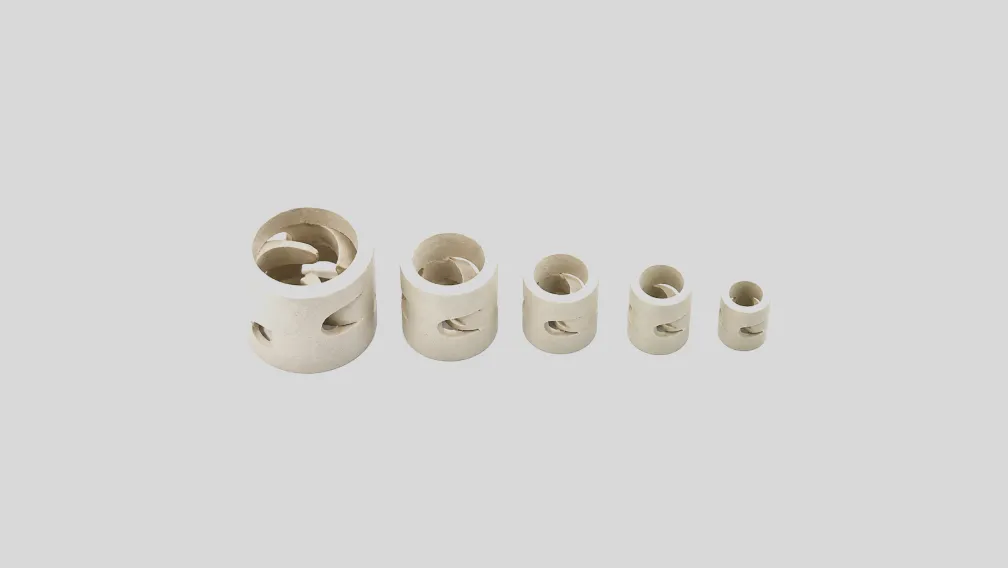
Random packing consists of discrete, preformed pieces—rings, saddles, and similar shapes—that are dumped into the column and settle by gravity into a disordered bed. Common designs include Pall rings, Raschig rings, Intalox saddles, and cascade mini rings, each available in ceramic, plastic, and metal. Because every piece lands in a random orientation, the bed forms irregular flow paths for vapor and liquid. For a detailed breakdown of individual designs, see our guide to random tower packing types.
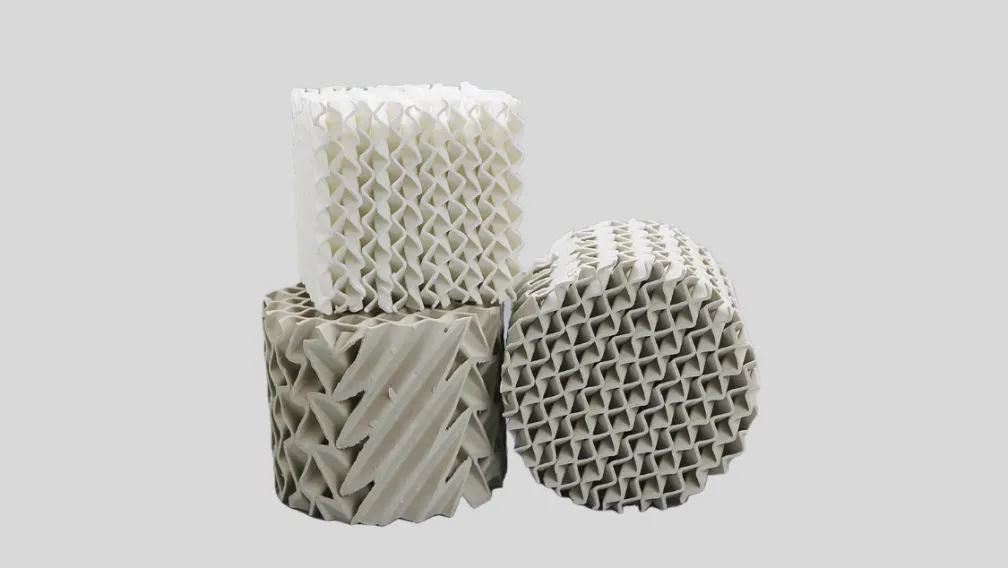
Structured packing takes the opposite approach. Corrugated sheets, perforated plates, or wire gauze layers are fabricated into uniform modules and stacked in a fixed geometric arrangement. The crimped channels force vapor and liquid into predictable, repeatable flow paths. Corrugation angles of 30° (X type) and 45° (Y type) let engineers trade capacity against efficiency. You can read more about module construction in our overview of what structured packing is.

Both families share the same purpose: maximizing the surface area where vapor and liquid exchange mass. The difference is how that surface is organized, and that organizational difference drives every performance gap discussed below.
Mass Transfer Efficiency and HETP
Separation efficiency in a packed column is expressed as HETP—Height Equivalent to a Theoretical Plate. It is the height of packing that achieves the same composition change as one equilibrium stage. A lower HETP means more separation per meter of bed, which translates into a shorter column or a higher-purity product.
Typical random packings run an HETP between roughly 350 mm and 700 mm depending on piece size. Structured packings commonly achieve 150 mm to 400 mm, with high-surface wire gauze grades going lower still. The reason is liquid distribution: the ordered channels of structured packing spread liquid into thin, continuously renewed films, while a random bed always contains some stagnant pockets and channeling.
Specific surface area tells the same story. Random packings generally provide 60 to 450 m²/m³, with smaller pieces at the high end. Structured packings span roughly 100 to over 1,000 m²/m³. In both families, more surface area means better efficiency but also higher pressure drop and higher cost per cubic meter, so the densest packing is rarely the correct default.
Pressure Drop and Vacuum Service
Pressure drop is where structured packing separates itself most clearly. Ordered channels let vapor flow with minimal resistance—typically 0.3 to 0.5 inches of water per foot of bed, often two to four times lower than a comparable random bed.
This matters most in vacuum distillation. Every millibar of pressure drop across the bed raises the pressure—and therefore the boiling temperature—at the column bottom. For heat-sensitive products such as fine chemicals, pharmaceutical intermediates, and monomers that degrade or polymerize at elevated temperatures, the low pressure drop of structured packing directly protects product quality. It also reduces the energy demand on vacuum systems and reboilers, which compounds into real operating savings over a multi-year run.
Capacity, Liquid Load, and Turndown
Capacity behavior cuts the other way. Random packing handles high liquid loads reliably and remains stable at irrigation rates above 20 gpm/ft². Structured packing shows erratic performance at those same high liquid fluxes—the narrow channels begin to flood locally and efficiency collapses. Absorbers and scrubbers with heavy liquid circulation are therefore natural random packing territory.
At the opposite extreme, very low liquid rates hurt random beds because the packing surface fails to wet completely. Structured packing, especially self-wetting wire gauze, maintains film flow at remarkably low irrigation rates, which is one more reason it dominates vacuum and high-purity distillation.
Random Packing vs Structured Packing: Side-by-Side Comparison
| Factor | Random Packing | Structured Packing |
|---|---|---|
| Bed arrangement | Dumped, disordered pieces | Ordered corrugated modules |
| Typical HETP | 350–700 mm | 150–400 mm |
| Specific surface area | 60–450 m²/m³ | 100–1,000+ m²/m³ |
| Pressure drop | Higher | Low (0.3–0.5 in. water/ft typical) |
| High liquid loads (>20 gpm/ft²) | Stable | Prone to local flooding |
| Very low liquid rates | Poor wetting | Excellent (esp. wire gauze) |
| Fouling and solids tolerance | Good; open structure, easy replacement | Limited; narrow channels trap deposits |
| Installation labor | Dumped in hours | Modules assembled layer by layer |
| Material cost (typical range) | Lower (plastic rings from a few USD/ft³) | Higher (metal gauze can exceed USD 400/ft³) |
| Best-fit services | Scrubbing, absorption, corrosive or fouling duty | Vacuum distillation, close-boiling splits, retrofits |
When Random Packing Is the Right Choice
Specify random packing when one or more of the following conditions apply:
- Fouling, coking, or solids in the feed. Open geometries such as metal Pall rings resist plugging, and a fouled bed can be emptied and re-dumped without dismantling internals.
- Severe corrosion. Ceramic and plastic random packings handle acids, alkalis, and chlorides at a fraction of the cost of exotic alloy trays or structured modules. Ceramic Intalox saddles remain the workhorse for sulfuric acid drying towers and similar duties.
- High liquid circulation rates. Scrubbers and absorption towers operating above 20 gpm/ft² run reliably on random beds.
- Small-diameter columns. Below roughly 800 mm, trays become impractical to install and random packing is the default economic choice.
- Tight capital budgets. When the separation is easy and stage requirements are modest, the lower purchase and installation cost of random packing wins outright.
When Structured Packing Is the Right Choice
Specify structured packing in these situations:
- Vacuum and deep-vacuum distillation. Low pressure drop per theoretical stage keeps bottom temperatures down and protects heat-sensitive products.
- Difficult separations. Close-boiling mixtures and high-purity specifications demand many theoretical stages; a low HETP keeps the column height—and the steel bill—under control.
- Retrofit debottlenecking. Replacing trays or random packing with structured modules in an existing shell routinely adds 20–30% capacity or cuts reflux ratio, without touching the vessel.
- Energy-driven economics. Where steam or power costs dominate, the pressure drop savings of structured packing typically repay the higher purchase price within a few operating years.
Material Selection Matters as Much as Geometry
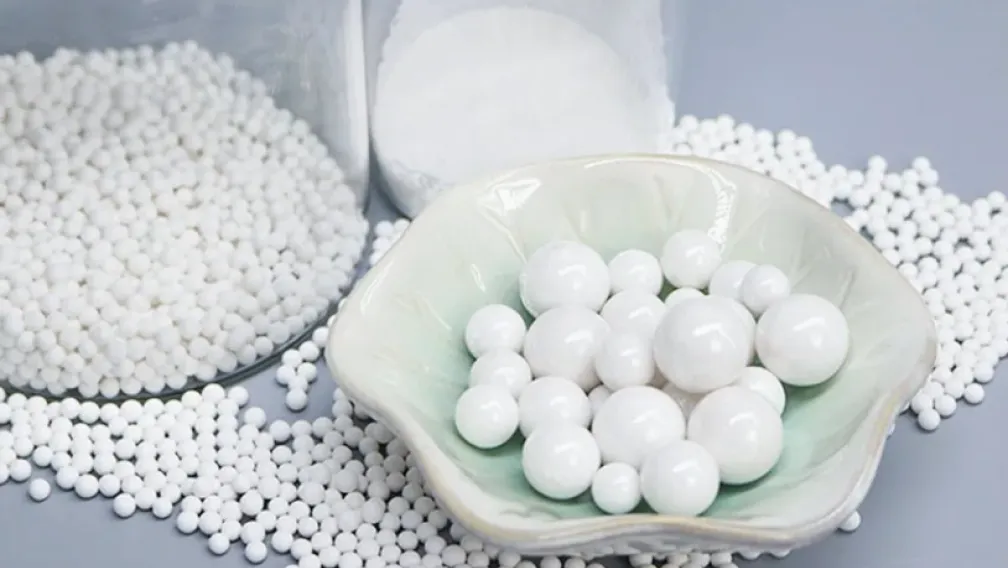
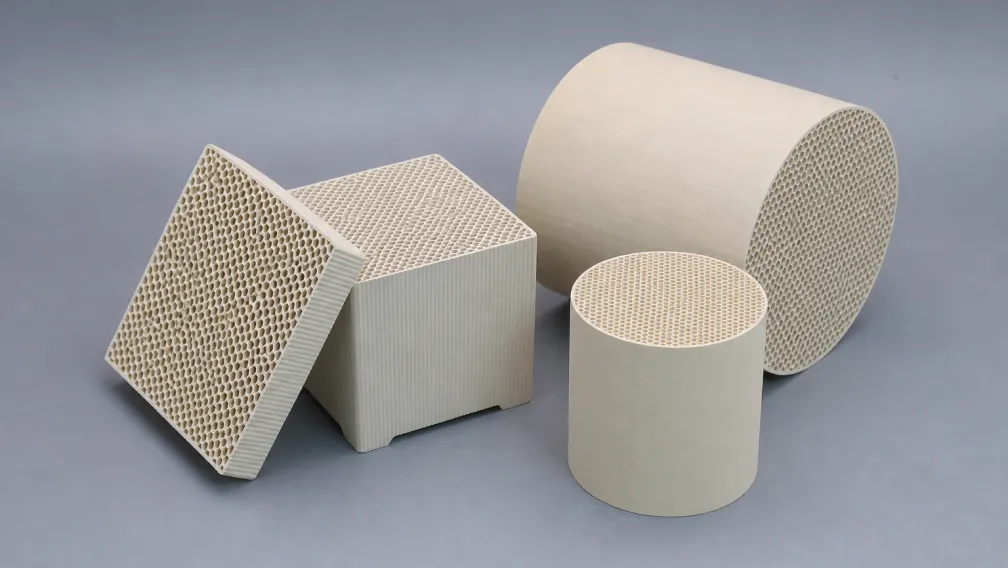
Once the packing family is chosen, material selection carries equal weight. Metal handles high temperatures and mechanical duty; orifice corrugated packing in stainless steel covers most refinery and petrochemical columns. Plastic suits corrosive aqueous systems up to its temperature limit, and plastic structured packing brings ordered-packing efficiency into scrubber service. Ceramic survives strong acids and extreme temperatures where no metal lasts, available both as random shapes and as ceramic structured packing. For the most demanding vacuum distillations, corrugated wire mesh packing offers the lowest HETP of any commercial option.
Do Not Overlook the Tower Internals
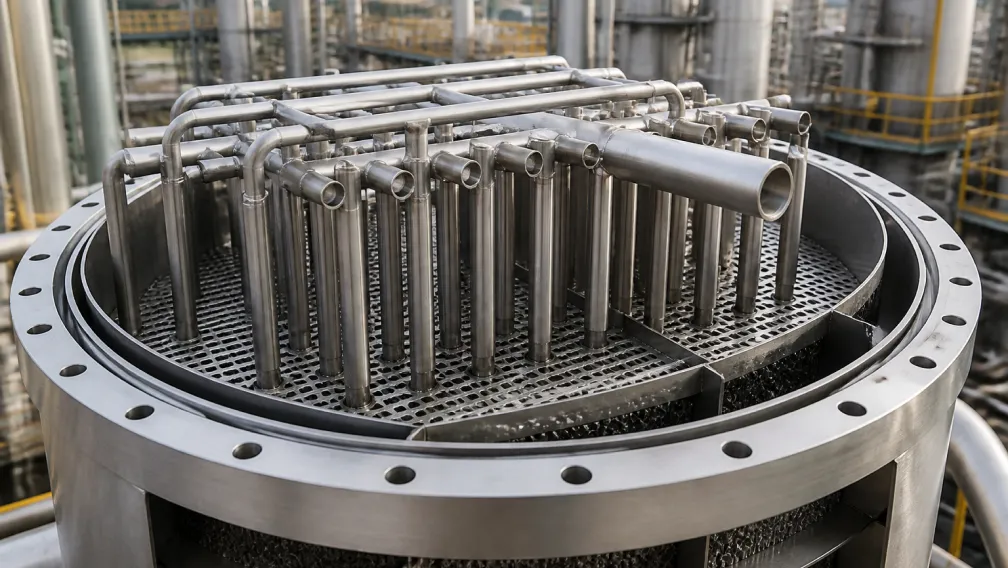
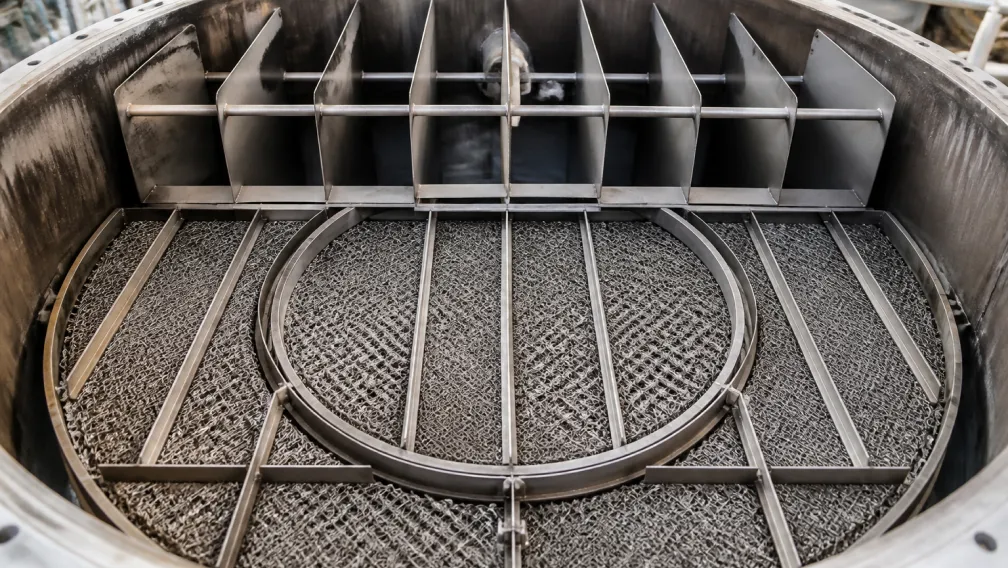
Packing performance is only realized when liquid enters the bed evenly. A poorly designed or misaligned distributor can erase the entire efficiency advantage of structured packing, and even random beds suffer measurable HETP penalties from maldistribution. Budget for quality tower internals—a well-specified trough liquid distributor, support grids, and hold-down devices—on every packed column project, and plan redistribution for beds deeper than about 6 meters.

Looking at Cost the Right Way
Random packing wins on purchase price; structured packing usually wins on lifecycle cost in demanding services. Polypropylene rings start at a few dollars per cubic foot, while high-efficiency metal structured packing can exceed USD 400 per cubic foot. But pressure drop is an energy bill that arrives every operating day. In vacuum service, structured packing also lowers reboiler duty and can shrink the vacuum system itself. Run the comparison as total cost per theoretical stage over the planned run length, not as cost per cubic meter of packing, and the correct answer for your column usually becomes obvious.
If you are weighing random against structured packing for a new column or a retrofit, send us your process conditions—feed composition, operating pressure, liquid and vapor rates, and stage requirements. Our engineers will run the hydraulic and efficiency comparison and recommend the packing type, size, and material that fits your duty. Contact us for a sizing proposal, or browse our random packing and structured packing ranges to see available geometries and materials.
-

Rongjian
Process Media Manufacturer Since 2010
Rongjian produces tower packing, molecular sieves, ceramic grinding media and other process media from our Pingxiang production base. We supply to industrial projects in over 100 countries.