search
Search

Enter keywords to search for products, blog posts, and more.


Home > 13X-APG Molecular Sieve

13X-APG Molecular Sieve

13X-APG Molecular Sieve

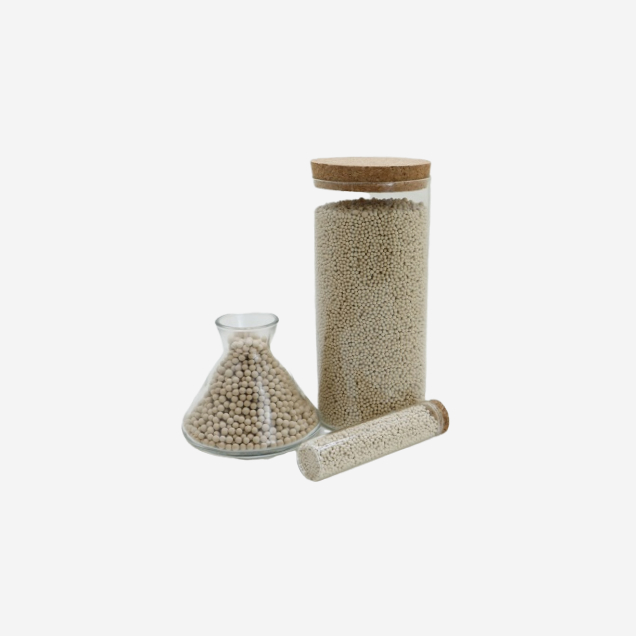
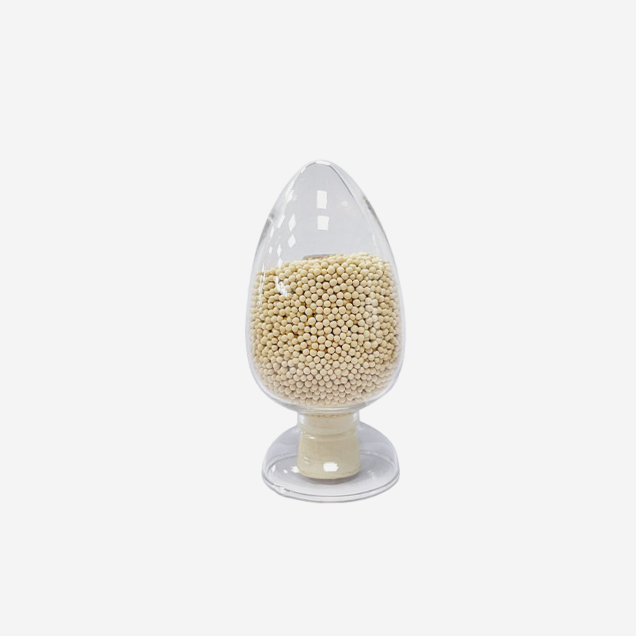
13X-APG molecular sieve is the air pre-purification grade of type X zeolite, built for the front-end purifier of a cryogenic air separation unit. Before air is chilled and distilled into oxygen, nitrogen and argon, its water and carbon dioxide have to come out, or they freeze in the cold box and block it. 13X-APG co-adsorbs both, along with nitrous oxide and trace hydrocarbons, and it is tuned for a higher carbon dioxide capacity and faster kinetics than standard 13X, so the adsorber runs longer between regenerations. We supply it as beads for the layered pre-purification beds of air plants.

  • Co-adsorbs carbon dioxide and water from feed air, the core duty of an air separation pre-purifier.
  • Higher CO2 working capacity and faster kinetics than standard 13X, for longer adsorber cycles.
  • Also removes nitrous oxide and trace hydrocarbons such as acetylene, a safety point in the cold box.
  • Low regeneration temperature, which trims the energy of the thermal-swing cycle.
  • Hard, attrition-resistant beads for the large radial and axial adsorbers of an air plant.

Technial Parameters

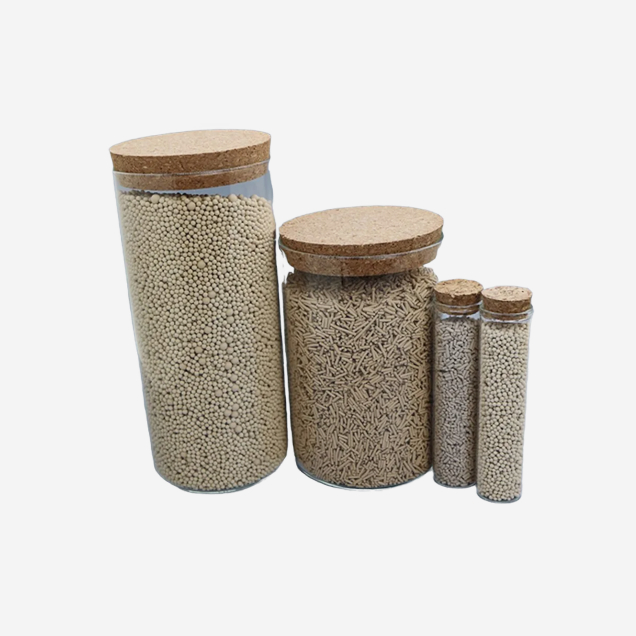
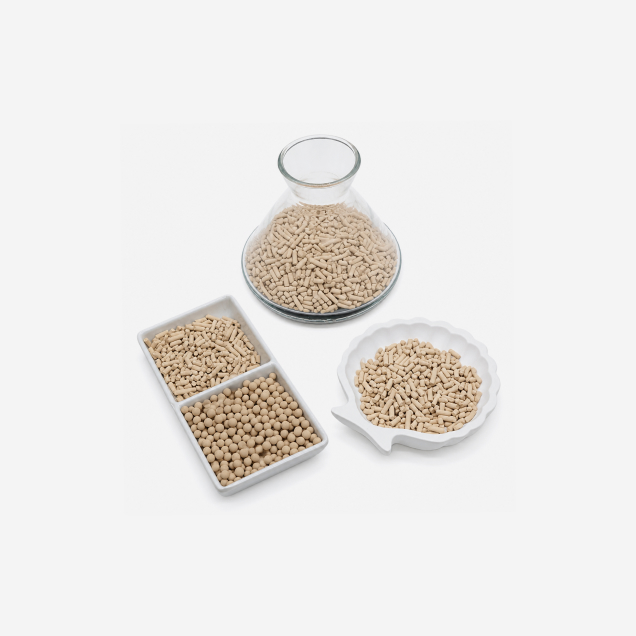
PropertyPellet – 1.5–1.7 mmPellet – 3.0–3.3 mmBead – 1.7–2.5 mmBead – 3.0–5.0 mm
Size ratio on grade (%)≥98≥98≥96≥96
Bulk density (g/ml)≥0.60≥0.60≥0.60≥0.60
Wear ratio (%)≤0.20≤0.25≤0.20≤0.20
Crush strength (N)≥45 N/cm≥60 N/cm≥45 N/pc≥45 N/pc
Static water adsorption (%)≥20≥20≥20≥20
Water content (%)≤1.5≤1.5≤1.5≤1.5


PropertyValue
Type13X-APG zeolite (sodium form of type X; air pre-purification grade)
Pore SizeAbout 10Å (1.0 nm)
Primary UsePre-purification of feed air for cryogenic air separation
Co-adsorbsCO2, H2O, N2O and trace hydrocarbons
Key TraitHigher CO2 capacity and faster kinetics than standard 13X
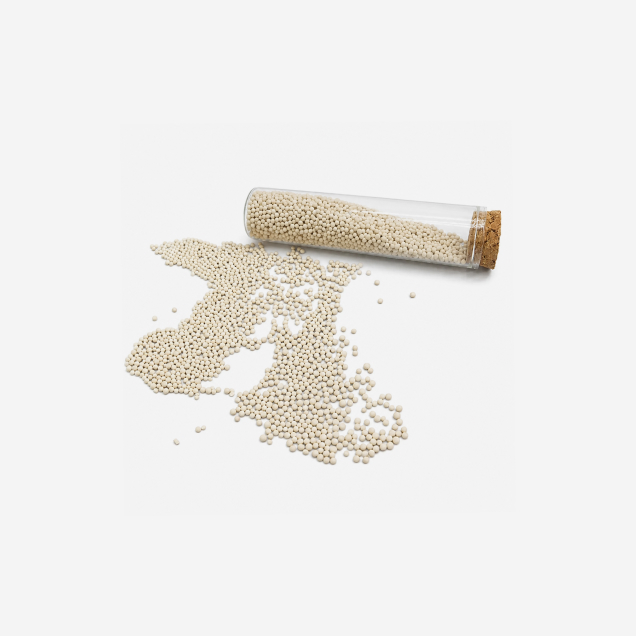
AppearanceBeige beads
Bed DesignLayered — activated alumina below, 13X-APG above
RegenerationThermal swing (about 250–300°C) or pressure swing
CAS No.63231-69-6
TrademarkRONGJIAN
OriginJiangxi, China
HS Code2842100000
Transport PackageSteel drum / carton box / ton bag
Production Capacity10000 tons/year

FAQs

What is 13X-APG molecular sieve used for?

13X-APG is made for one duty: cleaning up the feed air of a cryogenic air separation unit. An air plant chills air to very low temperature to split it into oxygen, nitrogen and argon, and any water or carbon dioxide left in the air would freeze solid and plug the cold heat exchangers and columns. 13X-APG sits in the pre-purifier ahead of the cold box and co-adsorbs the water and carbon dioxide, together with nitrous oxide and trace hydrocarbons, so the air reaching the cold end is clean. It also serves to decarbonate gas in some PSA hydrogen plants.

How is the pre-purification bed arranged in an air separation unit?

The pre-purifier is almost always a layered bed rather than 13X alone. Air enters and passes first through a bottom layer of activated alumina, which strips out the bulk of the water cheaply, then through the 13X-APG layer above, which takes the carbon dioxide, the last of the moisture, the nitrous oxide and trace hydrocarbons. Splitting the job this way lets each adsorbent do what it does best, keeps the bed compact and holds the regeneration energy down. Two vessels run in parallel, one adsorbing while the other is regenerated, so the air supply never stops.

Why remove nitrous oxide and hydrocarbons as well as CO2 and water?

Because they cause trouble downstream in the cold box. Nitrous oxide and hydrocarbons such as acetylene are only sparingly soluble at cryogenic temperature, so any that slip through the purifier can build up as solids in the reboiler and heat exchangers. Hydrocarbons concentrating in liquid oxygen are a recognised explosion hazard, and solid nitrous oxide fouls the equipment. Taking them out at the front end, along with the water and carbon dioxide, is as much a safety measure as a process one, which is why an air-separation grade is specified rather than a general sieve.

How does 13X-APG differ from standard 13X, and how is it regenerated?

They are the same type X zeolite, but 13X-APG is tuned for the air-separation job — a higher working capacity for carbon dioxide and faster adsorption kinetics, so an adsorber holds more and cycles longer before it needs regenerating, and it is made to resist attrition in the large vessels of an air plant. Regeneration is by warming the bed, usually around 250 to 300 degrees Celsius, with pressure swing an option on some designs; the fairly low temperature keeps the energy cost down. Send the air flow, the CO2 and water levels and the adsorber type and we will work out the load and the layering.

13X-APG is a sodium type X zeolite, the same broad family as standard 13X, but the APG mark — air pre-purification grade — sets it apart for the front end of a cryogenic air separation plant. The demands there are specific: the sieve has to pull carbon dioxide down to a few parts per million and take out the last traces of water, do it fast in a large adsorber, and give it all back cleanly on regeneration. APG material is made with a higher carbon dioxide working capacity and quicker kinetics than a general 13X, and formed into hard beads that resist crushing and dust in tall or radial vessels.

An air separation unit cannot chill air that still holds water and CO2 — both freeze at cryogenic temperature and would block the heat exchangers and distillation column, the failure the industry calls a frozen bed. The pre-purification unit prevents it. Air off the compressor and aftercooler enters the adsorber near ambient temperature and leaves dry and decarbonated, ready for the cold box. Most plants run a temperature-swing cycle, warming the spent bed with a slipstream of dry waste gas to drive the contaminants back off; some larger plants use a pressure-swing or combined cycle instead.

The bed itself is layered, and each layer has a job:

LayerAdsorbentRemoves
Bottom (air inlet)Activated aluminaBulk water, cheaply and at high capacity
Top (air outlet)13X-APG molecular sieveCarbon dioxide, residual water, nitrous oxide, trace hydrocarbons

That top layer matters for more than process efficiency. Nitrous oxide and hydrocarbons like acetylene are only sparingly soluble in liquid oxygen, so any that slip through can concentrate and, for the hydrocarbons, create an explosion risk in the cold end. Pulling them out up front with the CO2 and water is a safety function, which is why air plants specify an air-separation grade rather than a general-purpose sieve. Kept dry before loading and regenerated on cycle, a 13X-APG charge holds its capacity over years of service.