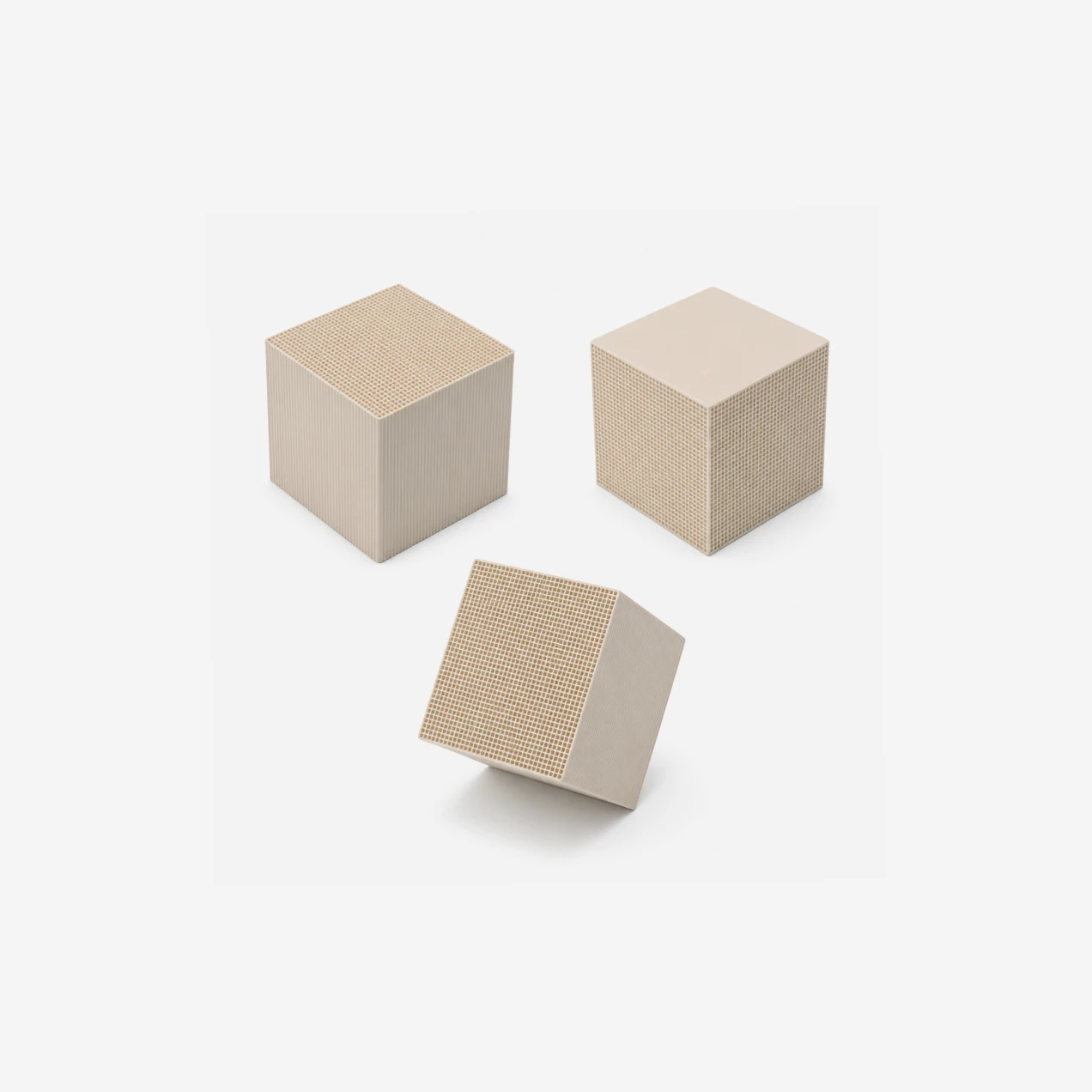
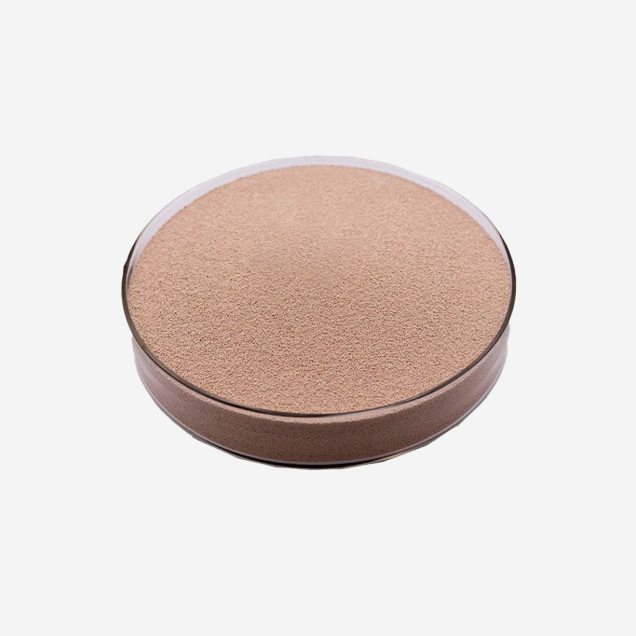
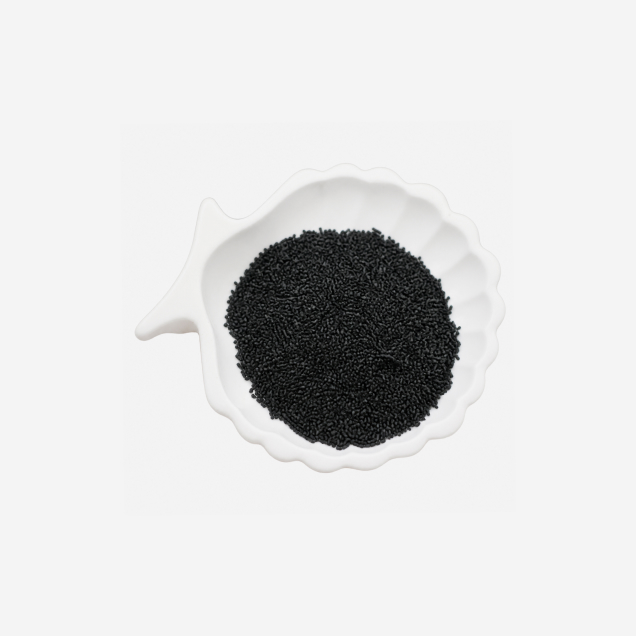
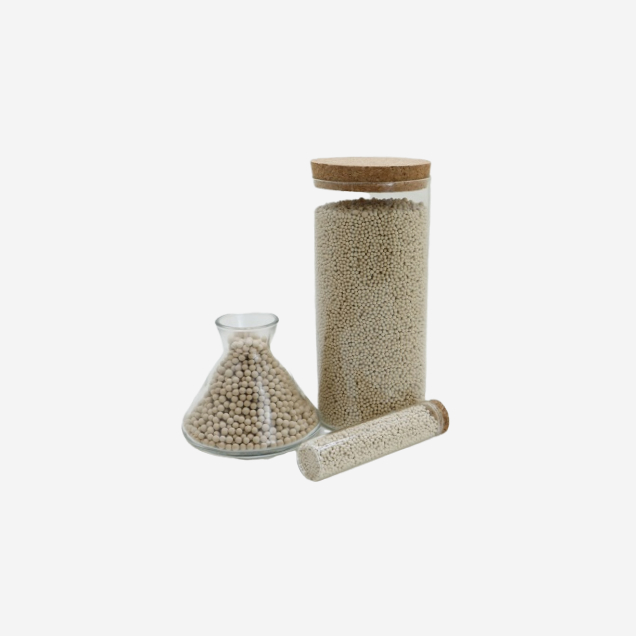
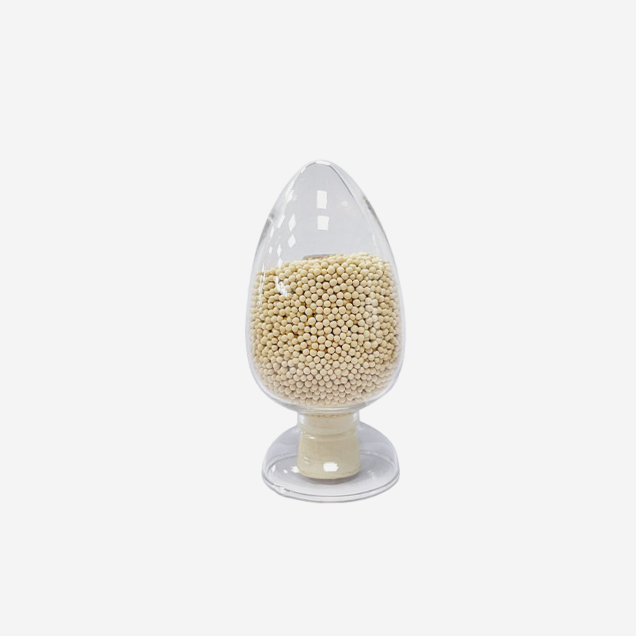
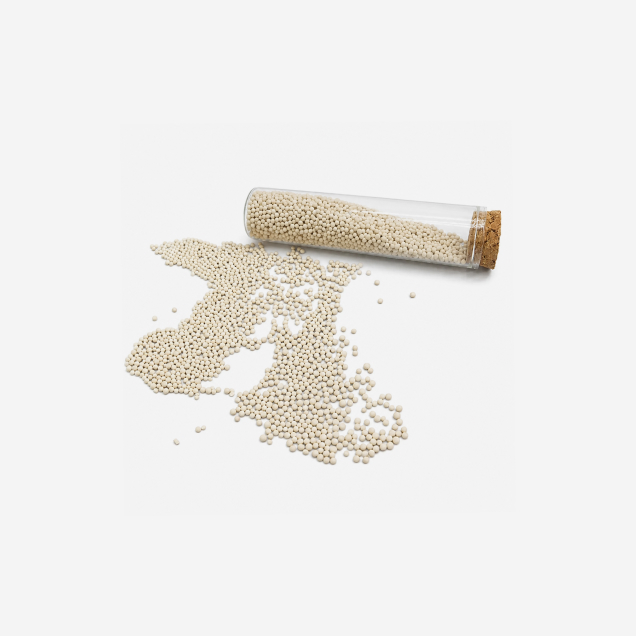
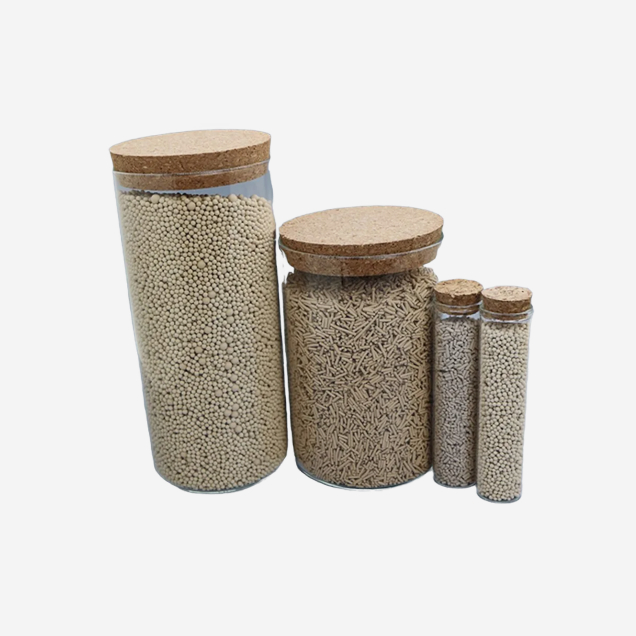
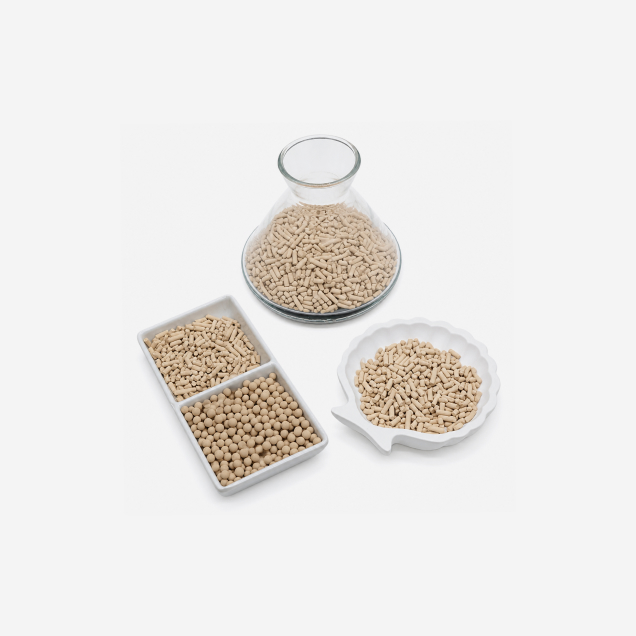
13X-HP is a type X zeolite in the sodium form, the same family as standard 13X but formulated for one job: separating oxygen from air. Two numbers matter for an oxygen sieve — how much nitrogen it holds per unit weight, and how strongly it prefers nitrogen over oxygen. The HP grade is pushed on both, with a nitrogen-to-oxygen separation ratio comfortably above three, so a bed clears more nitrogen per cycle and leaves a higher-purity oxygen stream. It is also formed into hard, low-dust beads, because an oxygen concentrator swings pressure every few seconds and a soft sieve would powder and choke the bed.
The material sits in the sieve bed of a PSA or VPSA oxygen unit. Compressed, dried air enters under pressure, nitrogen is adsorbed, oxygen passes through, and once the bed loads up the pressure is dropped to release the nitrogen and refresh the sieve — two beds alternate for a steady oxygen flow. This runs medical oxygen concentrators, hospital supply systems, and industrial oxygen for ozone generation, fish farming and wastewater aeration.
Oxygen sieves come in a ladder of performance, and 13X-HP sits in the middle:
| Grade | Nitrogen capacity | Typical oxygen purity | Best for |
|---|
| 13X-APG | Good | Up to ~90% | General and older PSA oxygen beds |
| 13X-HP | High | About 93% | Most medical and industrial PSA / VPSA concentrators |
| LiX / LiLSX (lithium) | Very high | Up to 95–98% | Compact, high-purity medical concentrators at low pressure |
The one rule that governs all of them is dryness. Water outcompetes nitrogen for the adsorption sites, so the feed air is always pre-dried and the sieve is kept sealed against room humidity until the moment it is loaded — a wet charge loses oxygen output straight away. Kept dry and run within its pressure range, a 13X-HP bed holds its performance over a long service life in the machine.