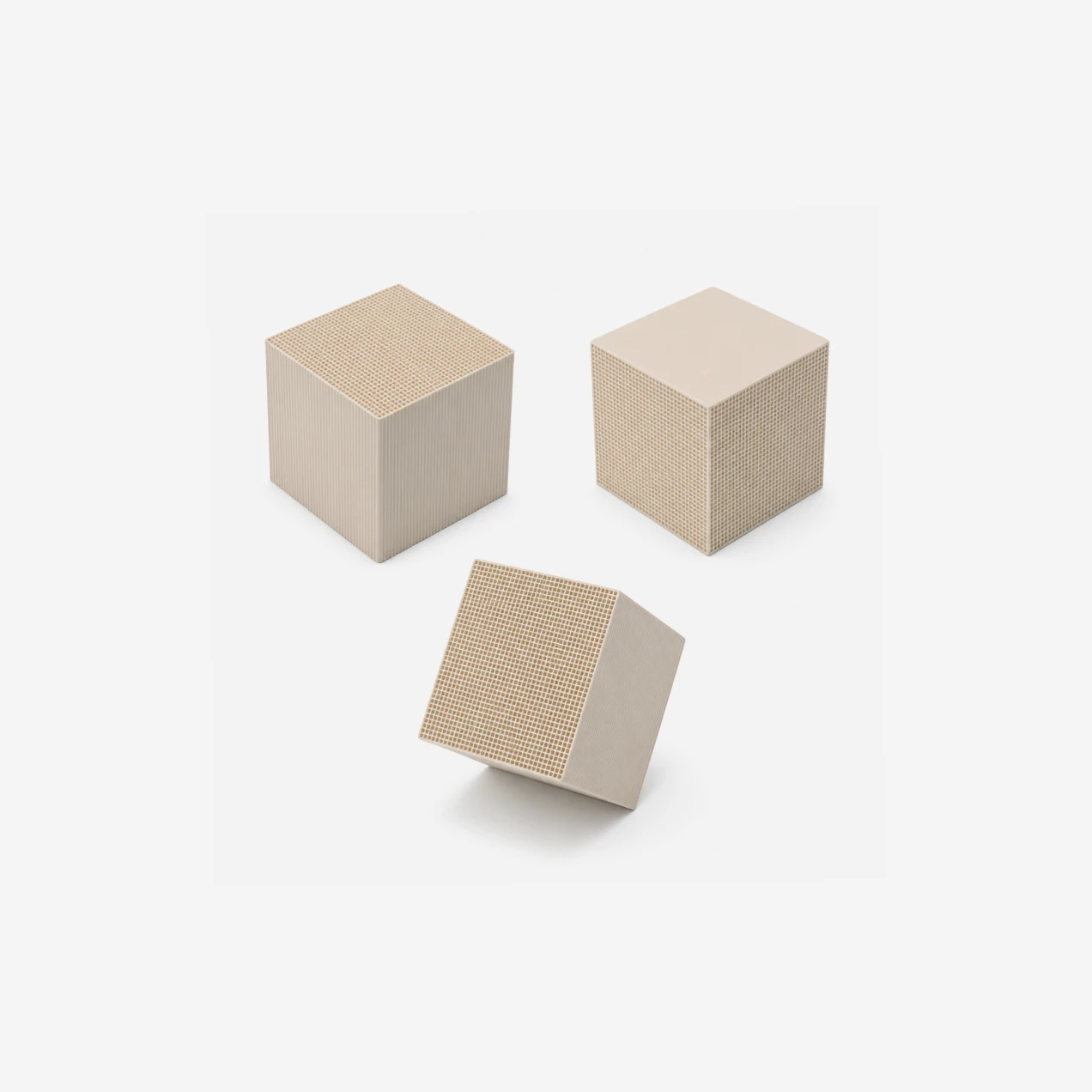
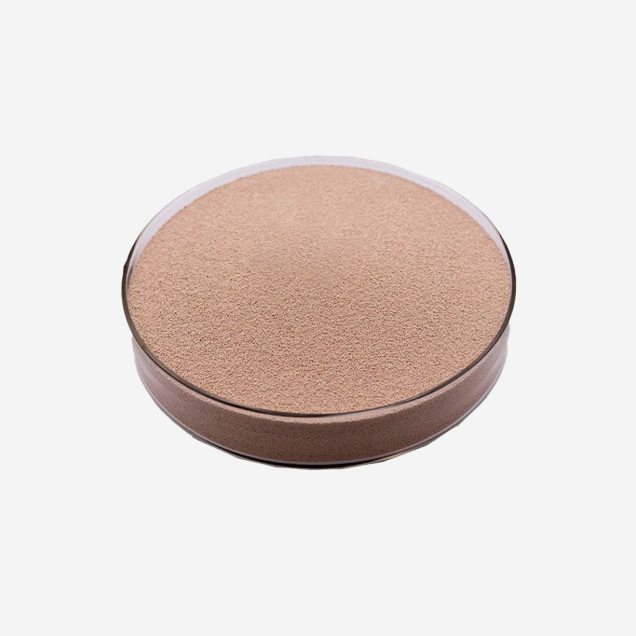
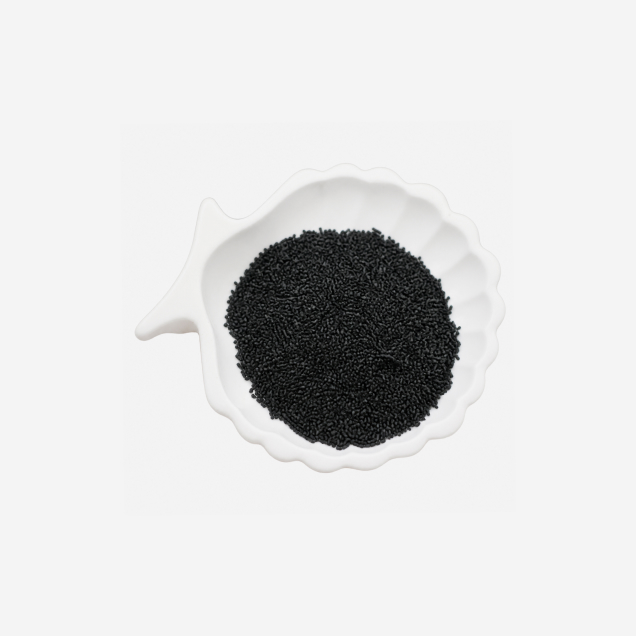
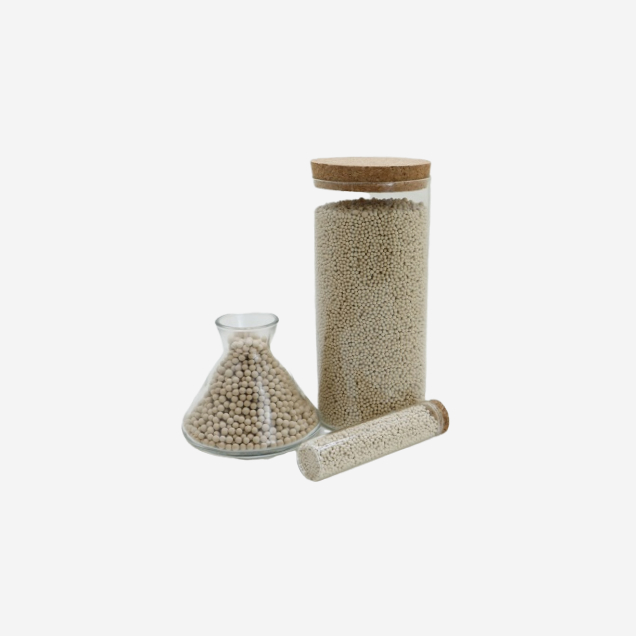
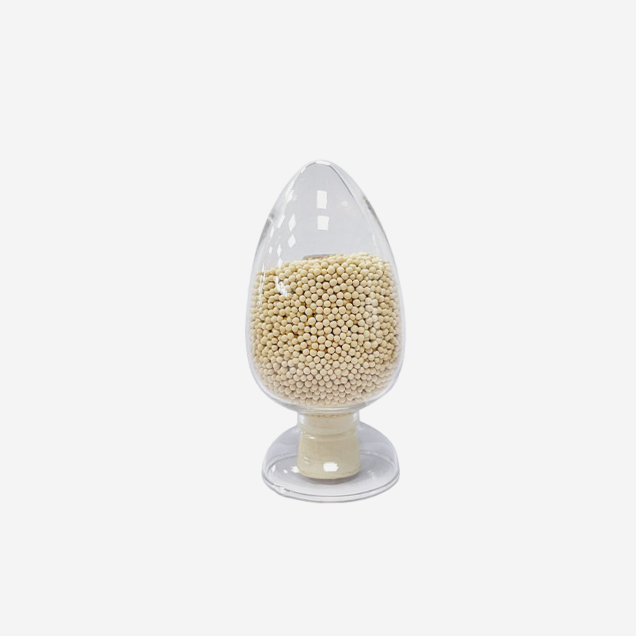
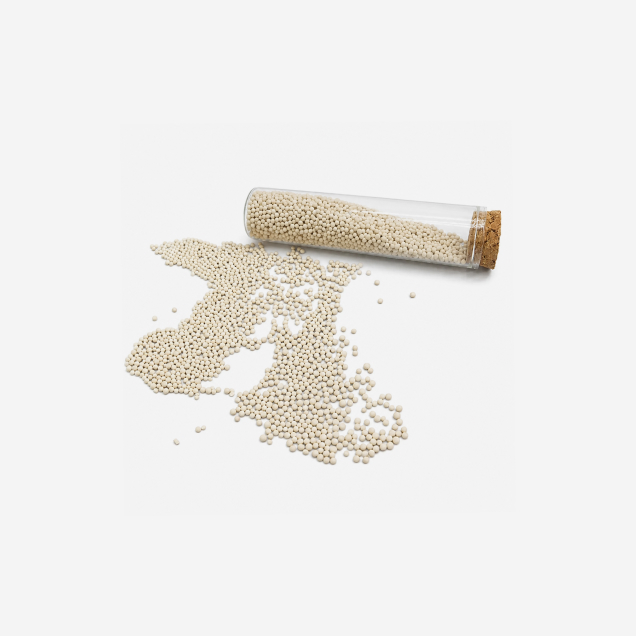
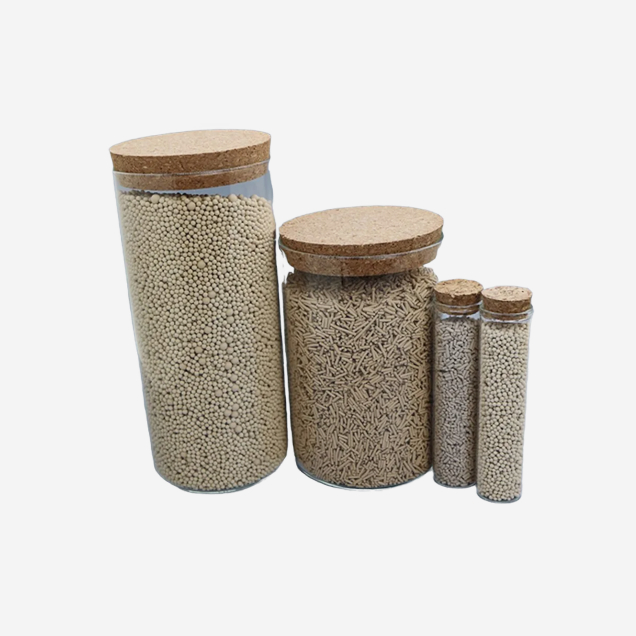
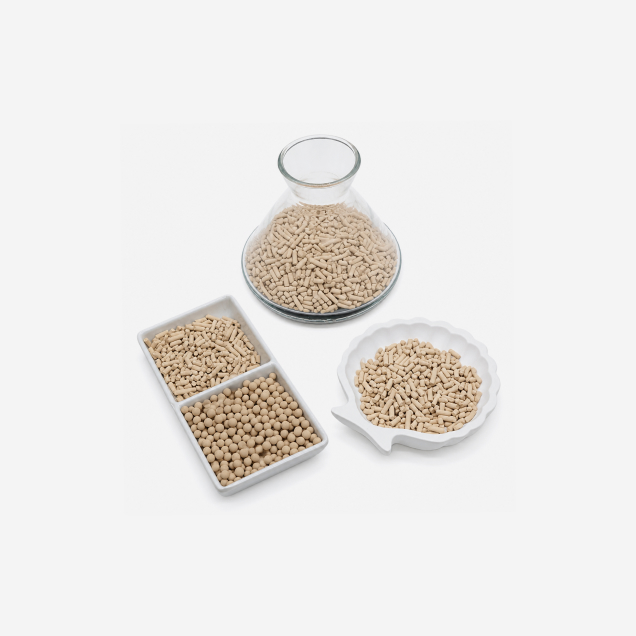
13X molecular sieve is the sodium form of type X zeolite, a faujasite framework that is structurally different from the type A grades behind 3A, 4A and 5A. The practical result is a much wider pore, about 10 angstroms against roughly 3 to 5 for the A-types, which lets 13X take in far larger molecules — mercaptans, aromatics and heavier hydrocarbons — on top of water and carbon dioxide. It also carries the highest water capacity of the common sieves and keeps a firm grip on moisture even at low partial pressure and higher temperature.
Two duties define the grade. The first is air pre-purification: ahead of a cryogenic air separation unit, 13X strips water and CO2 from the feed air in one bed, so nothing freezes out and plugs the cold box downstream. The second is sweetening — running natural gas, LPG or a liquid hydrocarbon through 13X pulls out hydrogen sulfide and the bulkier mercaptans together, and dries the stream at the same time. Both jobs lean on the same thing: a big pore that catches what the A-type sieves let through.
13X is easy to confuse with 5A, so it helps to line them up:
| Property | 5A | 13X |
|---|
| Framework | Type A, calcium form | Type X faujasite, sodium form |
| Pore size | ~5 Å | ~10 Å |
| Also catches | n-paraffins, CO2, H2S | Mercaptans, aromatics, CO2, H2S |
| Signature duty | PSA oxygen, n-paraffin separation | Air pre-purification, gas and liquid sweetening |
One caution specific to 13X: because its capacity is so high, it loads up fast from room air and from any organics it meets, so keep it sealed until commissioning and reactivate it before start-up if it has been exposed. Beyond that the usual rules hold — keep liquid water off a hot bed, and size the vessel for enough contact time. Looked after this way, a 13X charge runs a long, dependable service life.