search
Search

Enter keywords to search for products, blog posts, and more.


Home > 4A Molecular Sieve

4A Molecular Sieve
4A Molecular Sieve

4A Molecular Sieve

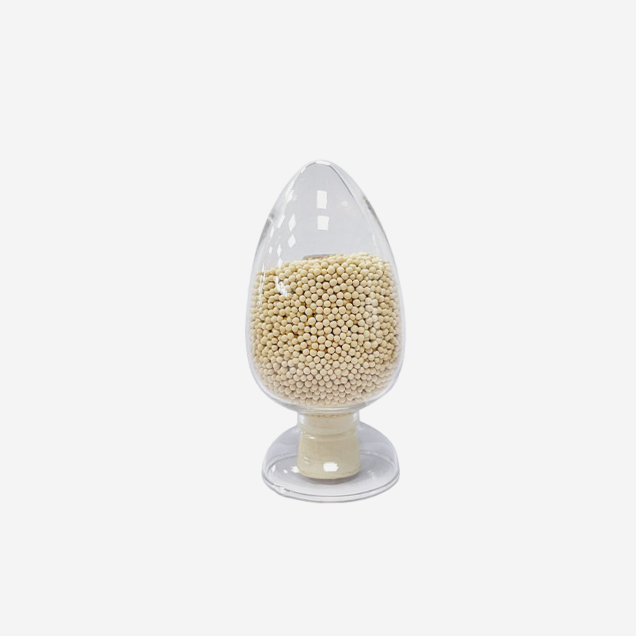
4A molecular sieve is the sodium form of type A zeolite, with a pore opening of about 4 angstroms. That wider pore makes it the general-purpose workhorse of the molecular sieve family: it adsorbs water plus carbon dioxide, hydrogen sulfide, ammonia and small organic molecules, while still shutting out anything larger than propane. High water capacity, a low price and easy thermal regeneration make 4A the default desiccant for drying gases and liquids, packaging protection, and deep moisture removal down to very low dew points. We supply it as beads and pellets, ready to load into dryers, sachets or packed columns.

  • Pore size around 4Å — adsorbs water, CO2, H2S, SO2, ammonia, methanol and ethanol; excludes propane and larger.
  • Water capacity above 20% by weight, with a deeper dew point than silica gel or alumina can reach.
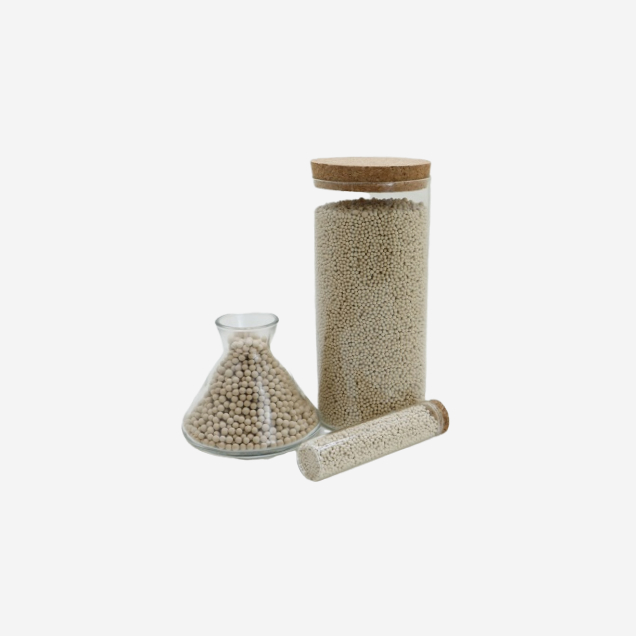
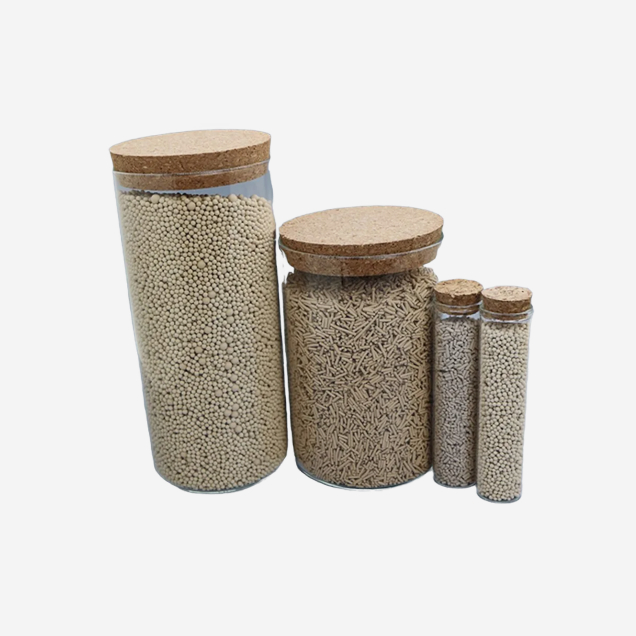
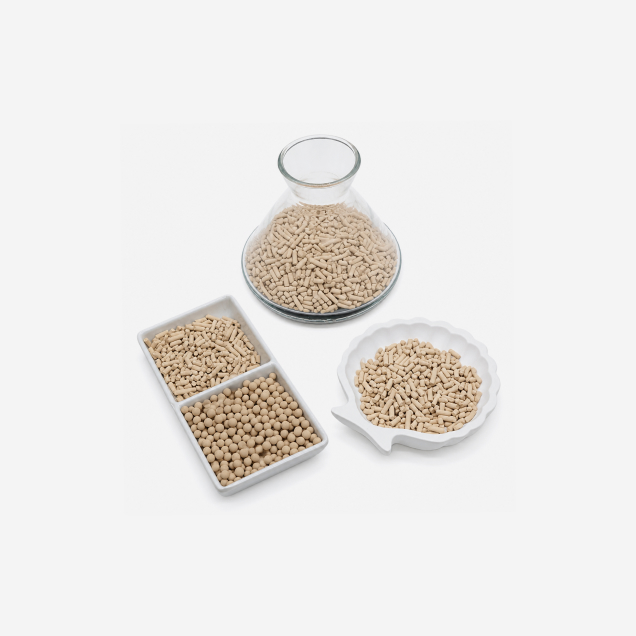
  • Round beads or extruded rods, sized to suit the dryer, sachet or packed column.
  • Hard, low-dust granules that survive repeated pour-and-purge service.
  • Reactivated with heat and run again, hundreds of times across its life.

Technial Parameters

PropertyPellet – 1.5–1.7 mmPellet – 3.0–3.3 mmBead – 1.7–2.5 mmBead – 3.0–5.0 mm
Size ratio on grade (%)≥98≥98≥96≥96
Bulk density (g/ml)≥0.60≥0.60≥0.60≥0.60
Wear ratio (%)≤0.20≤0.25≤0.20≤0.20
Crush strength (N)≥45 N/cm≥60 N/cm≥45 N/pc≥45 N/pc
Static water adsorption (%)≥20≥20≥20≥20
Water content (%)≤1.5≤1.5≤1.5≤1.5


PropertyValue
Type4A zeolite (sodium form of type A)
Pore SizeAbout 4Å (0.4 nm)
AdsorbsWater, CO2, H2S, SO2, NH3, methanol, ethanol (molecules under 4Å)
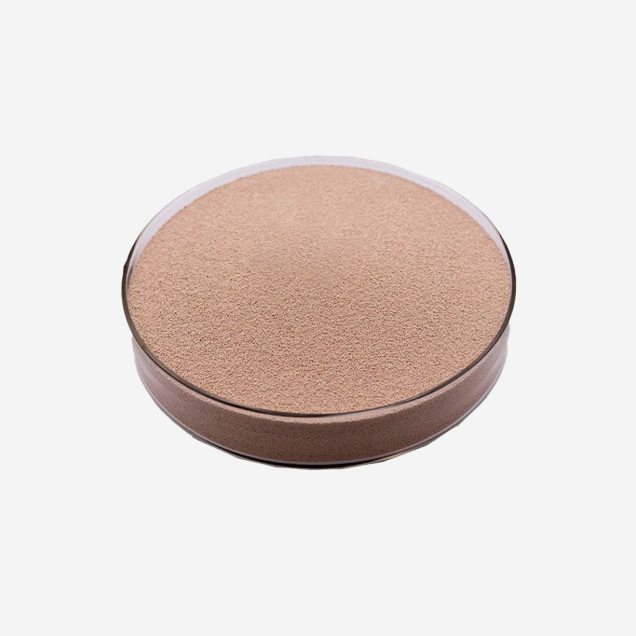
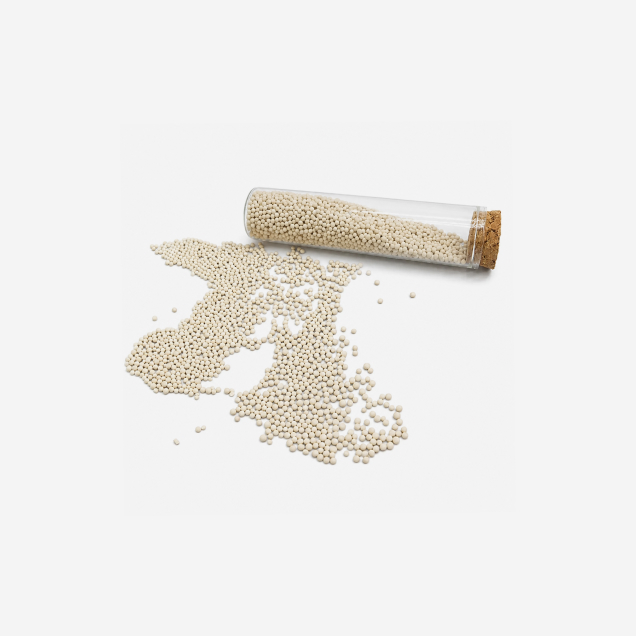
AppearanceBeige beads and pellets
Purity99.9%
SiO2 / Al2O3≈ 2
Regeneration TemperatureAbout 250–350°C
EINECS215-684-8
TrademarkRONGJIAN
OriginJiangxi, China
HS Code2842100000
Transport PackageSteel drum / carton box / ton bag
Production Capacity10000 tons/year

FAQs

What is 4A molecular sieve used for?

4A is the general-purpose molecular sieve, used wherever water and other small molecules need to come out of a gas or liquid. Typical jobs are drying natural gas and compressed air, deep-drying solvents and refrigerants, protecting packaged drugs, electronics and perishable chemicals as a static desiccant, and scavenging moisture in printing, paint and plastics systems. It also pulls carbon dioxide and hydrogen sulfide out of gas streams. Because it is cheap, high in capacity and easy to regenerate, it is the sieve most plants reach for first.

What can 4A adsorb, and what does it leave out?

4A takes in molecules with a diameter under about four angstroms. That covers water, carbon dioxide, hydrogen sulfide, sulfur dioxide, ammonia, methanol and ethanol, plus small straight-chain hydrocarbons. Anything larger is shut out, including propane, branched-chain hydrocarbons and aromatics, so 4A can dry a stream of heavier hydrocarbons without pulling in the product. The wider pore is also why 4A carries a higher water load than a 3A sieve, at the cost of some selectivity.

When should I use 4A instead of silica gel or activated alumina?

Silica gel and activated alumina hold plenty of water at high humidity and cost less, but they cannot dry a stream as deeply — silica gel levels off near a minus twenty degree dew point. 4A keeps pulling moisture down to minus forty degrees and below, and it holds trace water even when the gas is warm, which is where the other two fall away. So reach for silica gel or alumina for bulk moisture and general protection, and 4A when the duty needs a very low, stable dew point or the removal of CO2 and sulfur along with the water. A common setup runs alumina or silica gel first for the bulk, then 4A as the final polish.

How do you regenerate 4A, and in what shapes and sizes is it available?

Heating drives the trapped water and gas back out of the sieve, which for 4A means roughly 250 to 350 degrees Celsius under a dry purge or vacuum, hotter than a 3A needs; done right the charge survives hundreds of these cycles. For format, the parameters table lists the bead and pellet diameters we stock, so you can pick the granule that fits the vessel and the allowable pressure drop. Give us the duty, the moisture level and your bead-or-pellet preference and we will confirm the grade and quantity.

4A molecular sieve is the sodium form of type A zeolite. What it can and cannot hold comes down to one number, the pore width of about 4 angstroms: water near 2.8 angstroms, carbon dioxide, hydrogen sulfide, ammonia and small alcohols slip inside and stay, whereas propane, branched chains and aromatics simply will not fit. Clearing water and several common contaminants in one pass, carrying a high water load and costing less than the more selective grades, is what makes 4A the most used sieve of all.

4A carries a second, less obvious property: ion exchange. The sodium in the framework swaps readily for calcium and magnesium, which is why powdered zeolite 4A is the standard phosphate-free water softener in laundry detergent. In the beaded and pelleted desiccant form supplied here the framework does the drying work, but it is worth knowing the material captures hardness ions as well as moisture.

Against the other common desiccants, 4A trades some bulk capacity for a much lower final dew point:

DesiccantTypical final dew pointStrengthBest for
4A molecular sieveDown to -40°C and belowDeep, stable drying; also takes CO2 and H2SLow dew point, gas sweetening, final polish
Silica gelAround -20°CHigh capacity at high humidity, low costBulk moisture, packaging protection
Activated aluminaAround -40 to -60°CRugged, handles wet and warm gasCompressed air, bulk gas pre-drying

In practice a heavily wet stream is usually staged, with a cheaper desiccant like silica gel or alumina stripping out the bulk water first and the 4A finishing the job to a low dew point. Two cautions matter on site: store the sieve sealed, since it loads up on humidity straight from the air, and never let a slug of liquid water reach a hot bed, because the sharp heat released as it adsorbs can fracture the beads. Sized for enough contact time and regenerated on schedule, a 4A fill delivers many cycles before it is spent.