
The artificial-intelligence boom is redrawing the US power map. Data centers are demanding electricity faster than the grid can build it, and much of the new supply is coming from natural gas. That surge is bringing an older technology back into focus — carbon capture. A study published by the American Chemical Society in June 2026 put hard numbers on the stakes, and industry is moving to match them.
The emissions math
The researchers found that powering every US data center with fossil fuels would push their combined carbon dioxide emissions from about 90 million tonnes in 2025 to 404 million tonnes by 2030. Their proposed answer focuses on capturing the carbon those plants emit:
- Natural gas combined-cycle plants fitted with carbon capture and storage are, in the study’s view, the most practical way to power data centers without releasing the CO2.
- The captured gas would be injected into saline aquifers — deep, salt-water-filled rock formations — for permanent storage.
- The team mapped 34 US states with enough aquifer capacity to store CO2 for over a century, and estimated that injection could cut roughly three-quarters of data-center emissions by 2030, rising to about 90 percent once pipelines move CO2 to neighbouring states.
Momentum, and setbacks
Activity on the ground matches the research. New gas projects to feed data centers are being permitted across Texas and beyond, and carbon-capture developers are moving with them — Net Power and Entropy are advancing a post-combustion capture project in West Texas, and fresh capture facilities have come online in the state this year. The sector still has setbacks; Air Products recently cancelled a large Louisiana clean-energy project. But the direction of travel, pushed along by data-center demand, is toward more capture rather than less.
What captures the carbon: packed columns
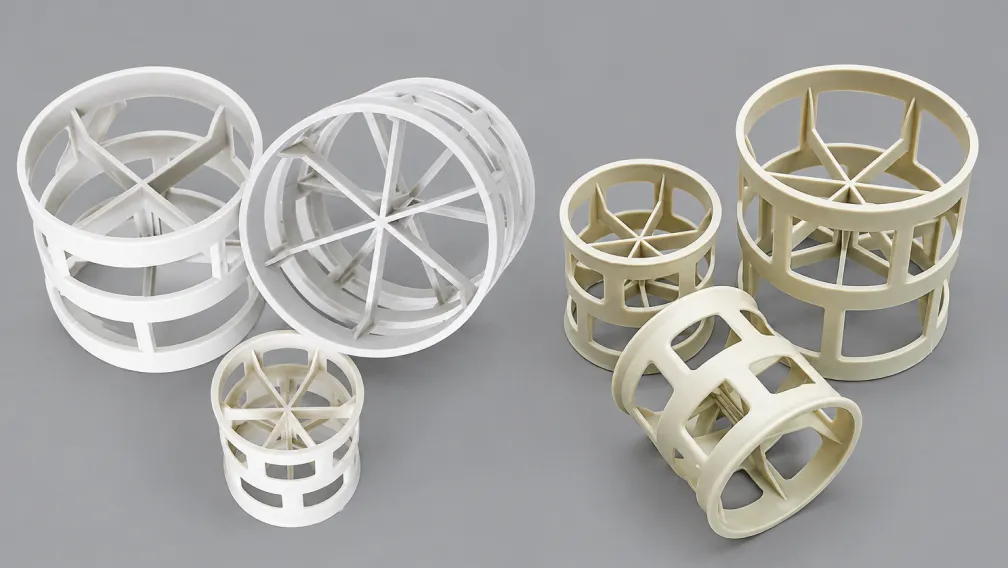
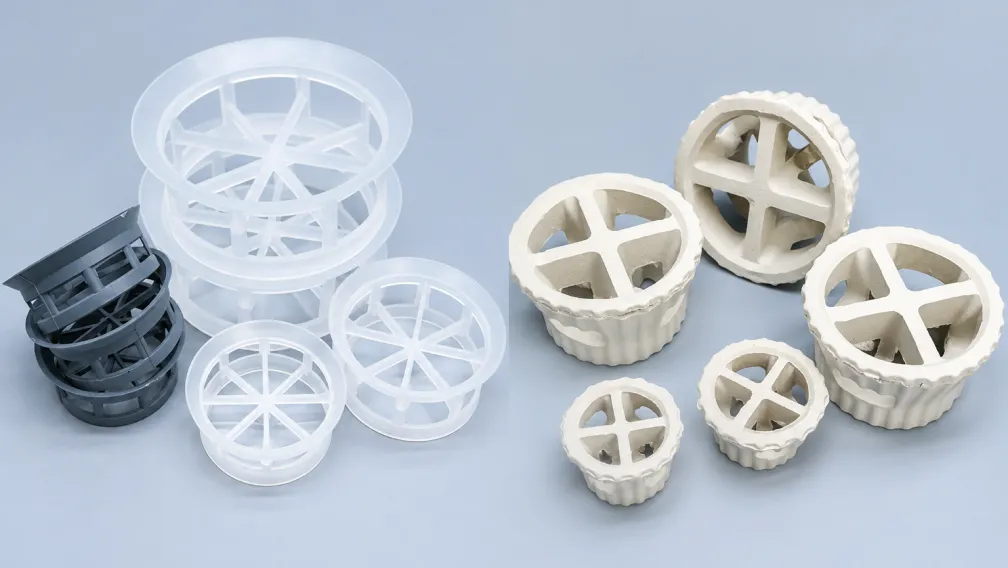
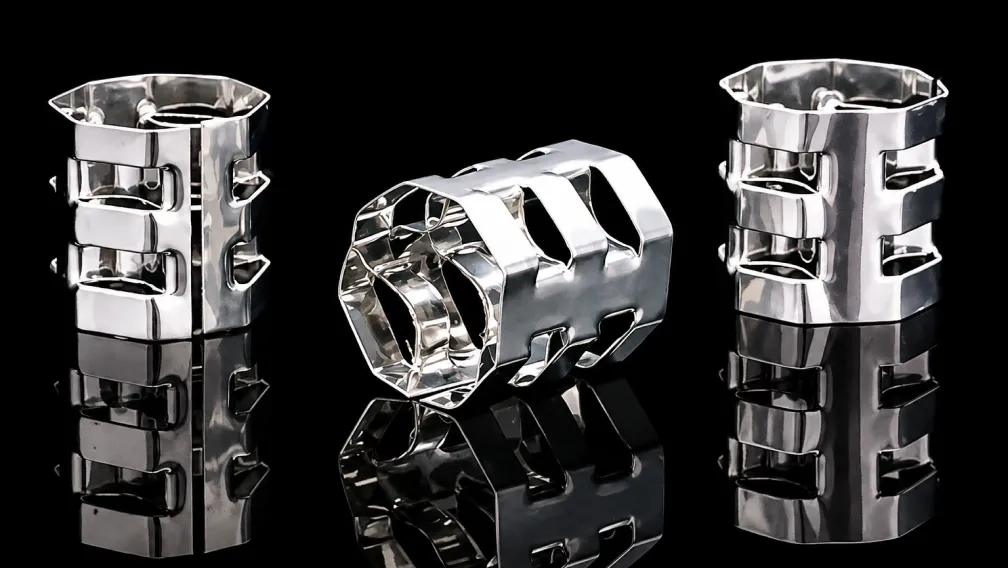
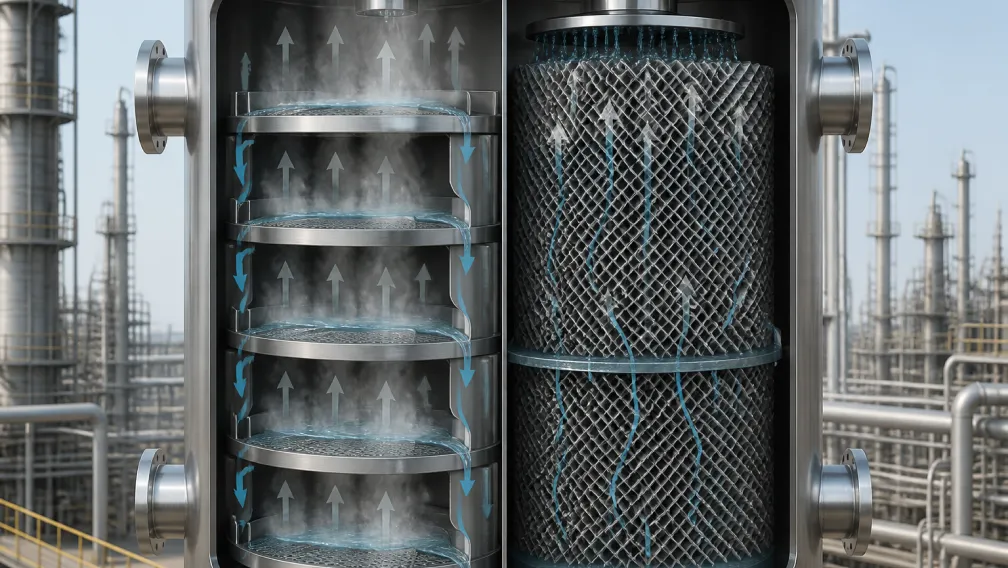
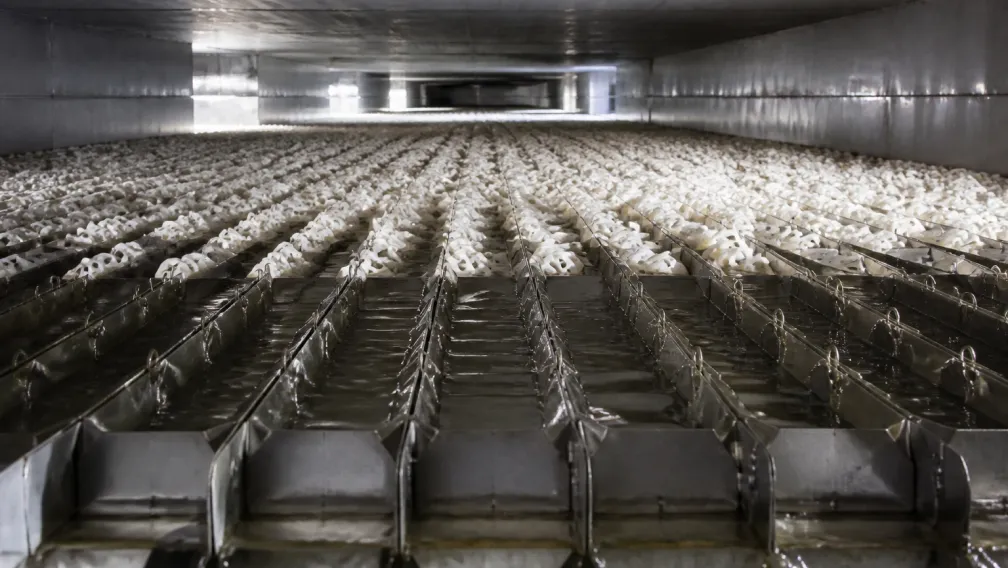
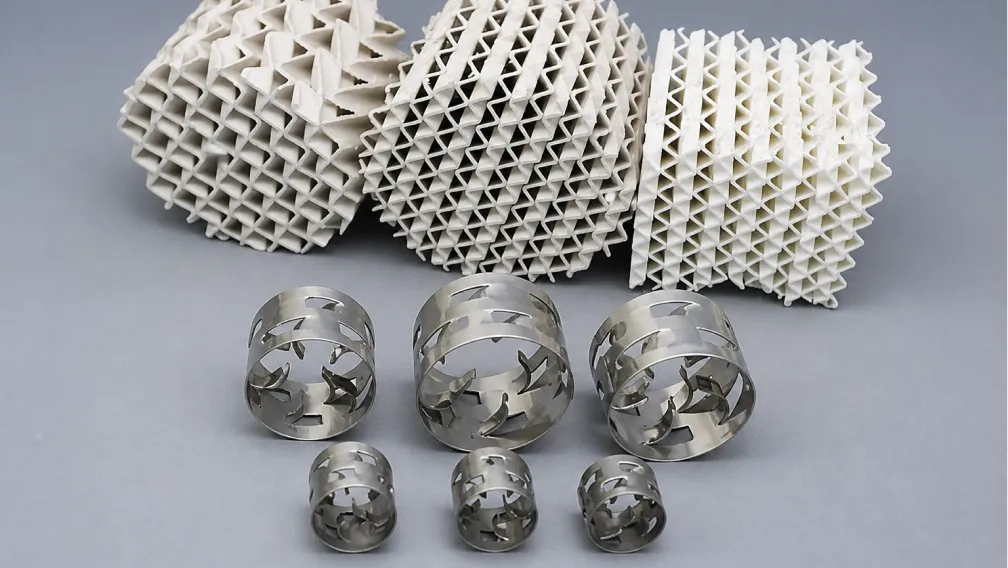
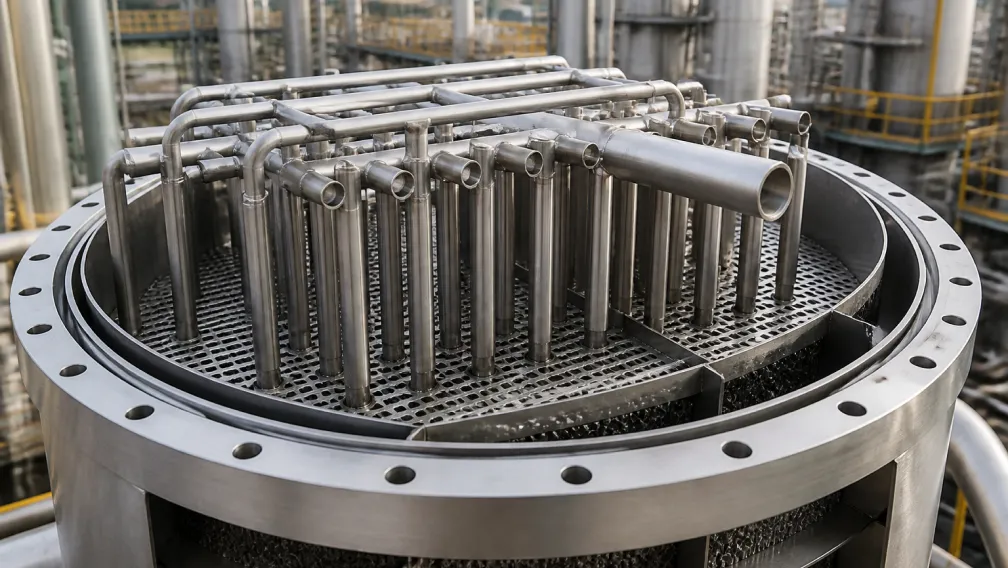
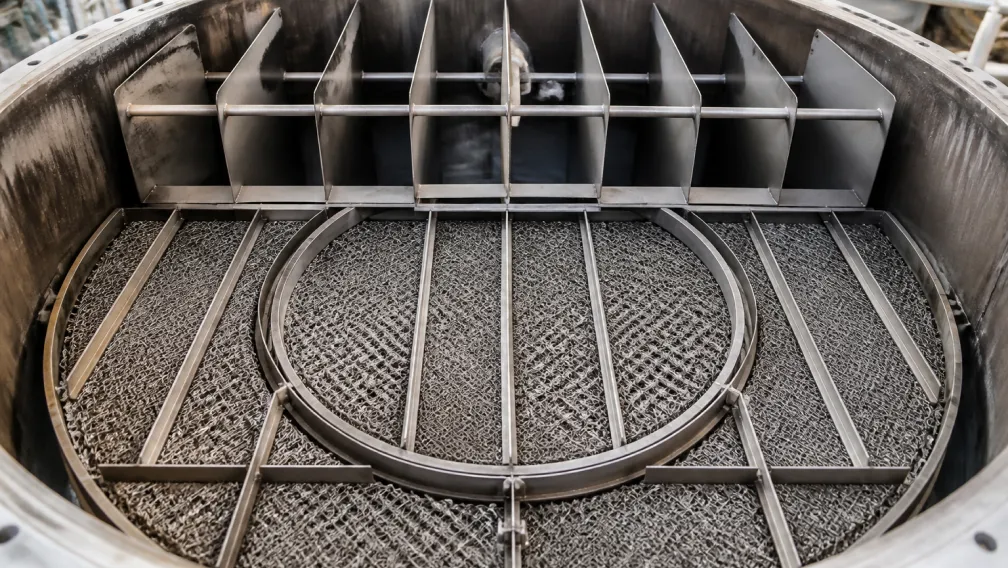
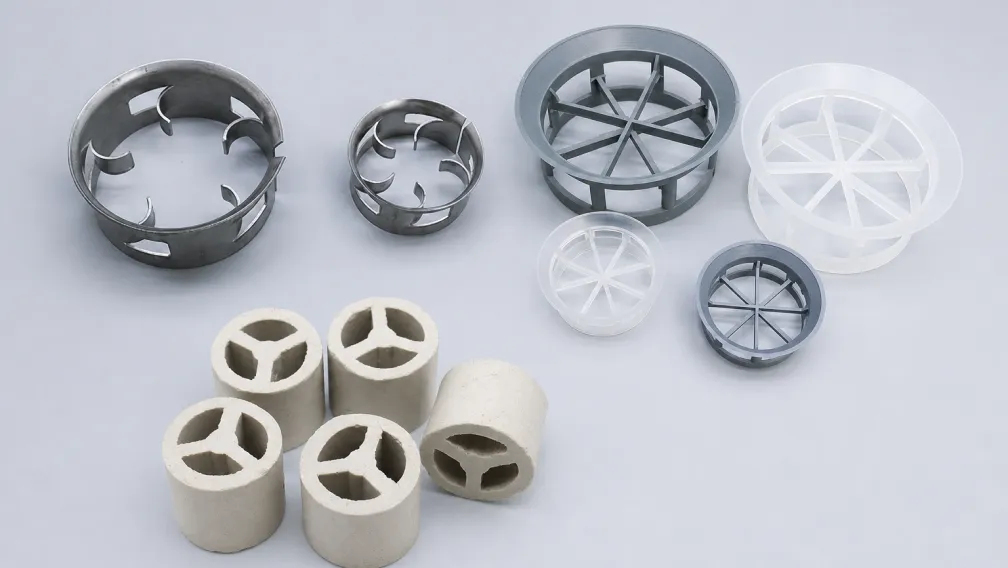
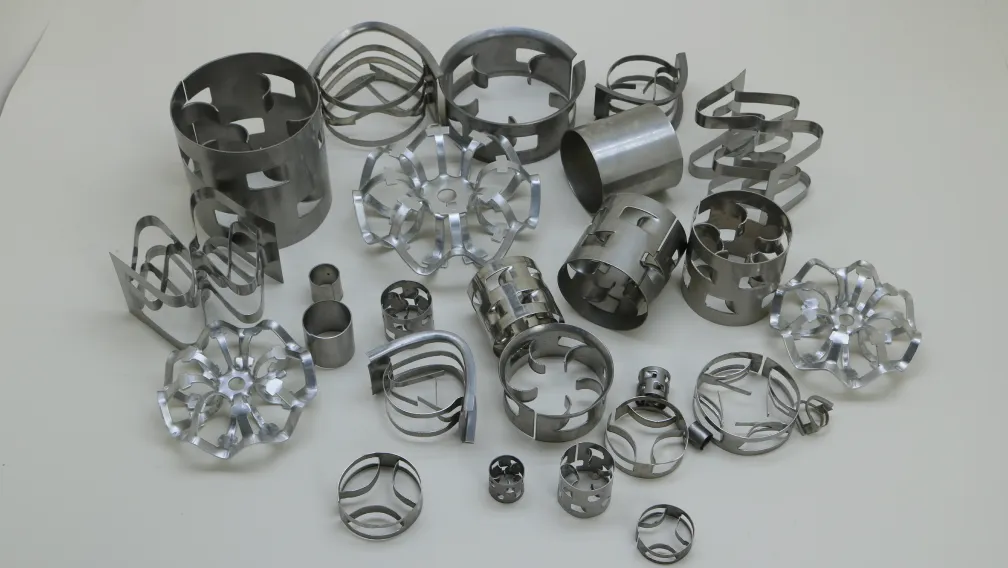
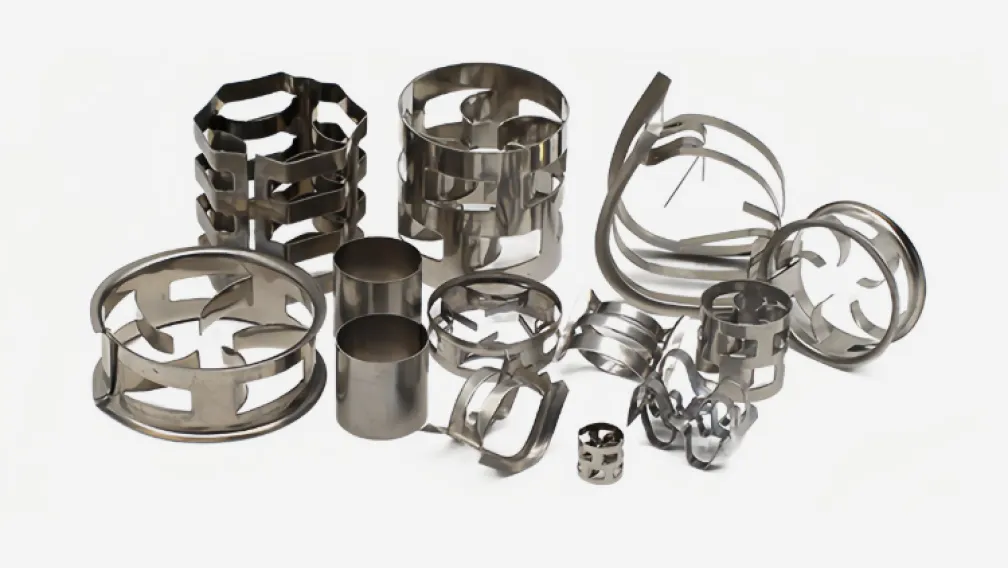
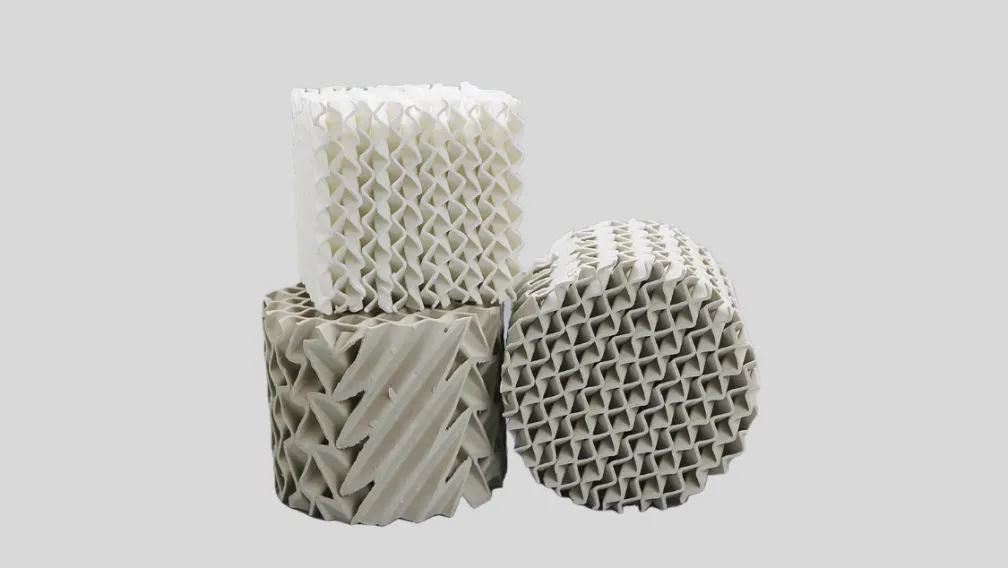
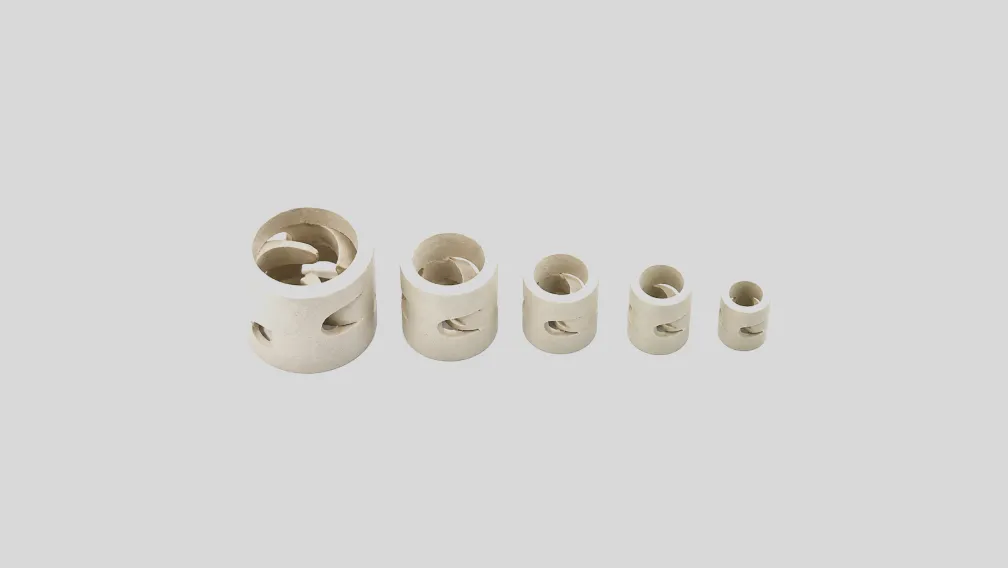
Behind most post-combustion carbon capture sits a piece of equipment familiar to anyone in separations — a packed absorption column. Flue gas rises through a tower filled with packing while a solvent flows down over it, and the packing’s job is to spread that liquid into a thin film across a large surface, so the CO2 transfers out of the gas and into the solvent. The loaded solvent then passes to a second packed column, the stripper, where heat releases the CO2 for storage and regenerates the solvent. How well the whole process runs, and how much energy it costs, turns on the packing and the internals inside those columns. That is why structured packing, with its low pressure drop, is the usual choice for CO2 absorbers.
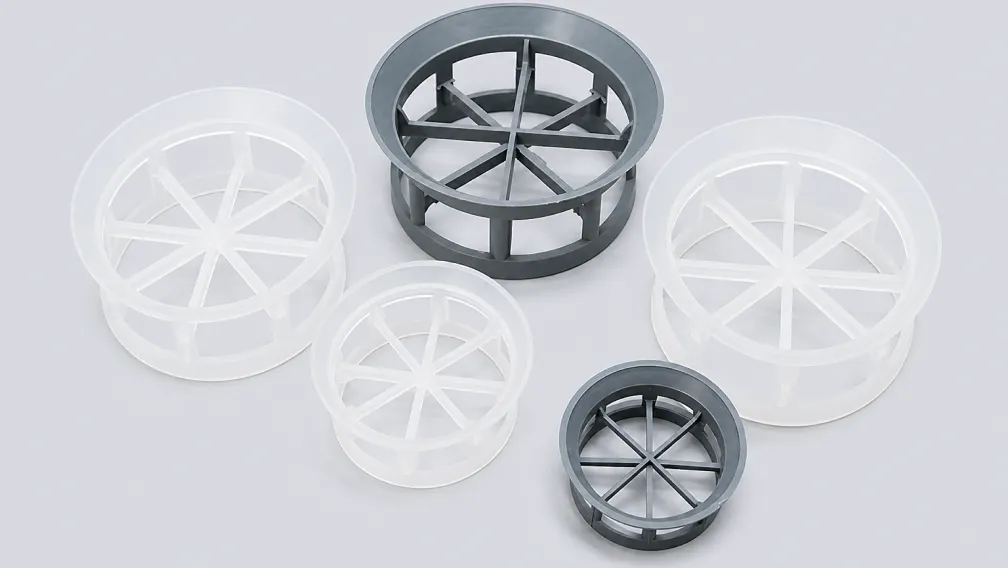
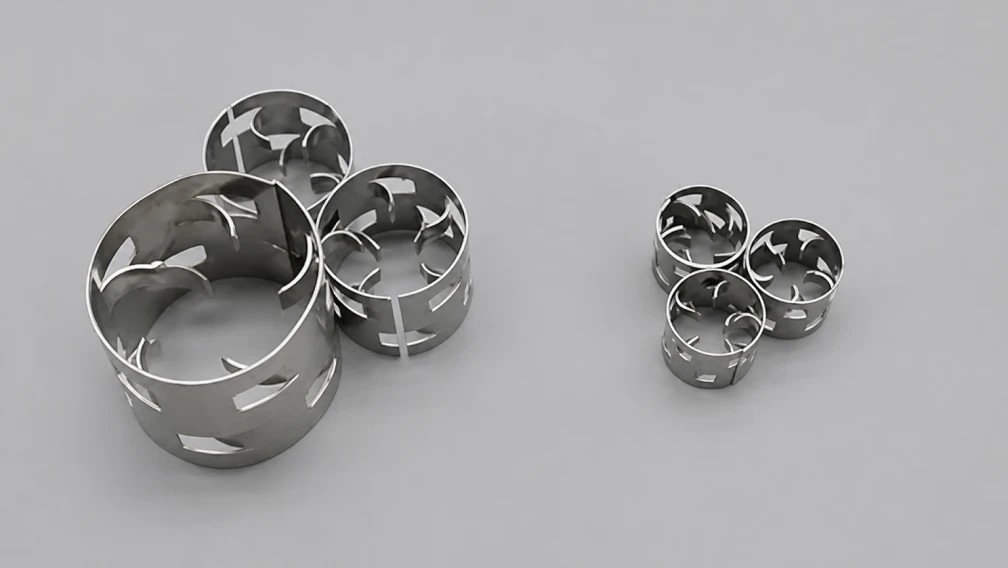
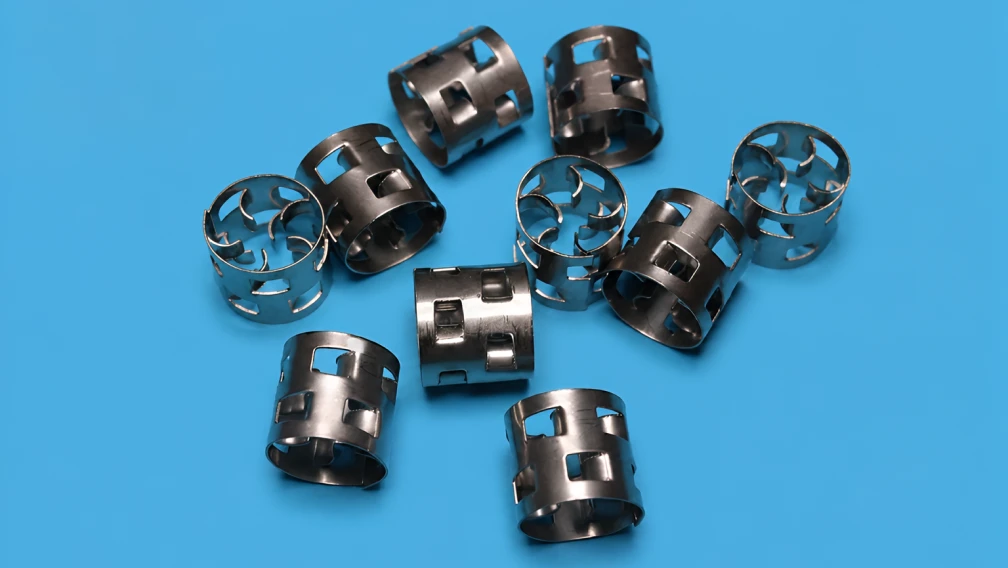
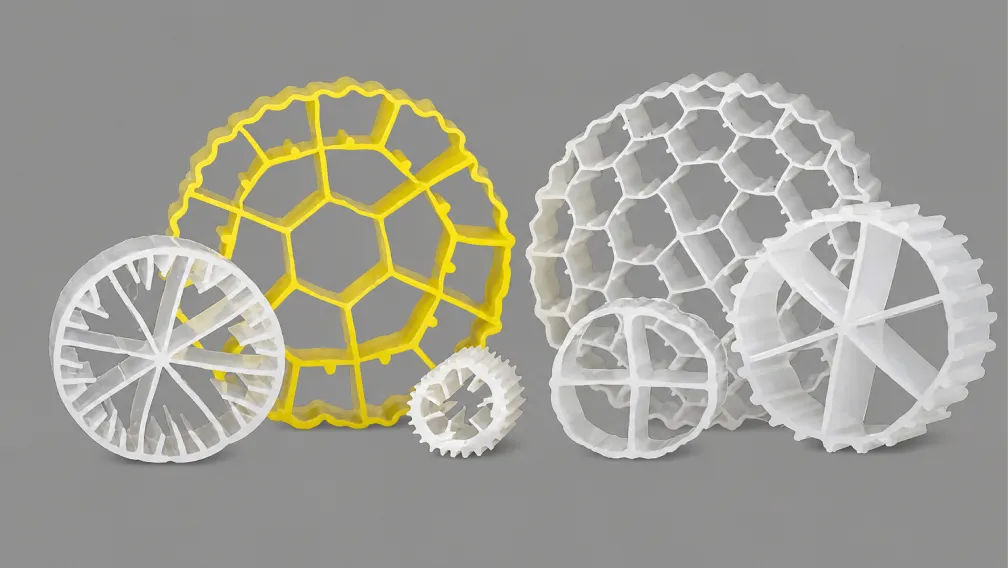
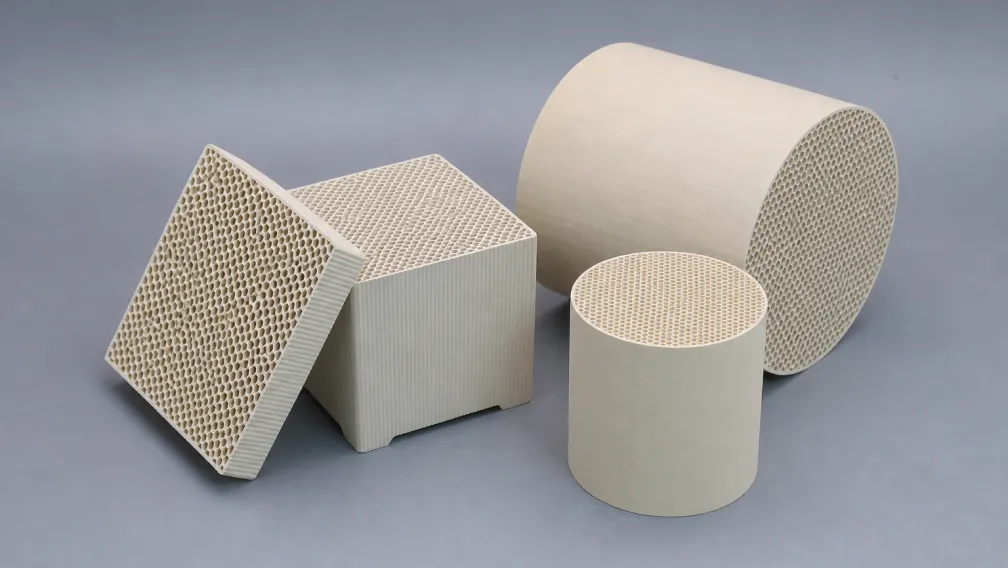
At Rongjian we manufacture the packing and internals that go into absorption and stripping columns — structured and random tower packing, liquid distributors, supports and mist eliminators — along with molecular sieves used to dry and purify gas streams. As carbon capture scales with the data-center build-out, demand for this hardware scales with it. If your project involves gas absorption or purification, tell us the duty and we will help you specify the right materials. Reach out through the enquiry form or contact your Rongjian representative.
-

Rongjian
Process Media Manufacturer Since 2010
Rongjian produces tower packing, molecular sieves, ceramic grinding media and other process media from our Pingxiang production base. We supply to industrial projects in over 100 countries.