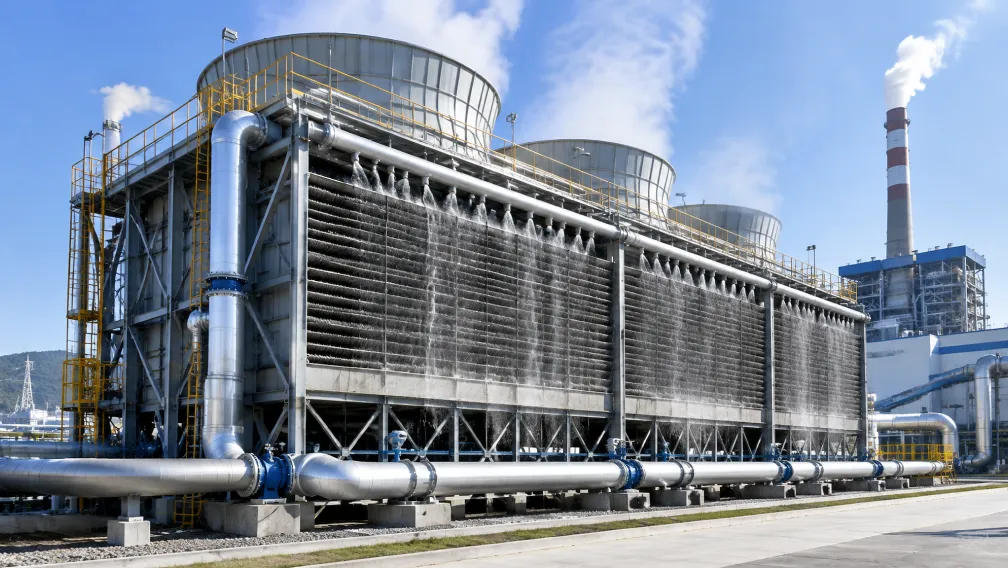

Industrial cooling towers operate on the principle of evaporative cooling, where waste heat is rejected to the atmosphere by contacting warm process water with a draft of ambient air. The core thermal efficiency of this heat exchange depends entirely on the internal packing media. Selecting the correct fill media requires balancing maximum thermal performance against fouling resistance, water quality, and maintenance intervals. While structured film fill media provides exceptional thermal efficiency in clean water applications, it fails catastrophically when exposed to high-turbidity or scaling water. In contrast, splash fill and random media thrive in severe, scaling-prone industrial environments. This guide evaluates the thermodynamic mechanisms of film versus splash fill, water quality limitations, and the engineering criteria for selecting cooling tower media.
Thermodynamic Principles of Evaporative Cooling Media
The primary function of cooling tower packing is to maximize the contact area and contact time between descending warm water and an ascending or cross-flowing stream of air. As water cascades through the media, a small fraction evaporates, absorbing latent heat and cooling the remaining bulk water.
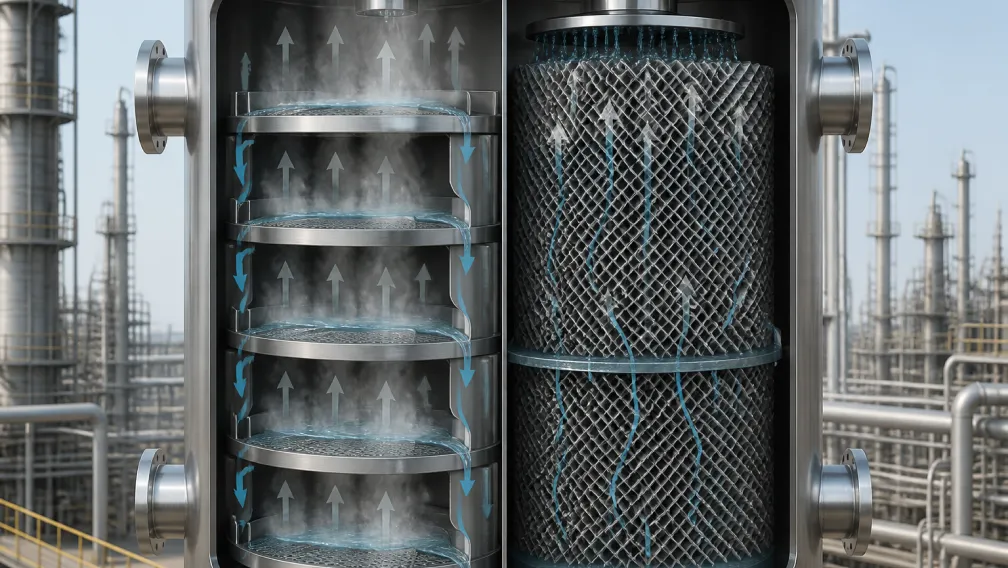
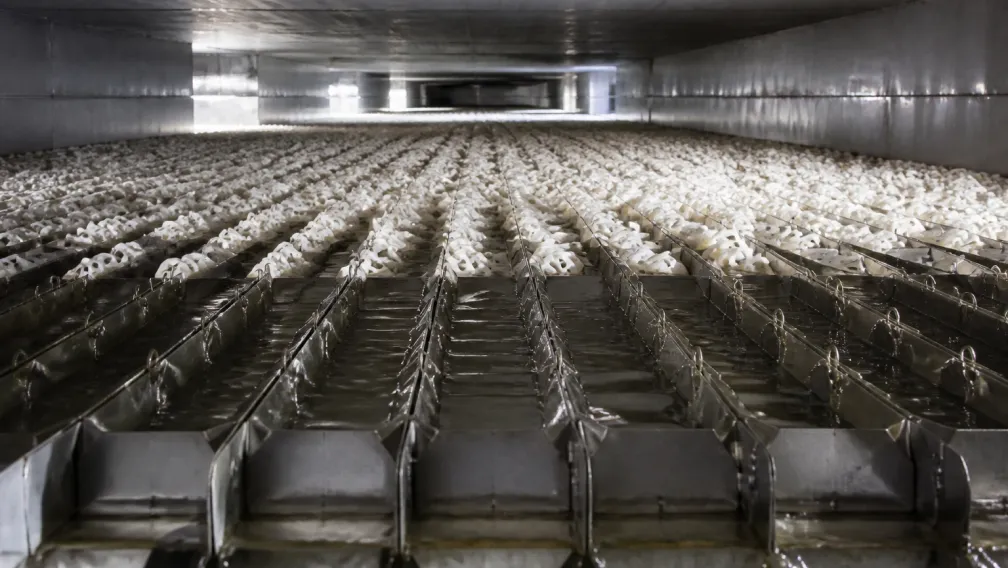
Cooling tower packing falls into two distinct thermal categories: film fill (structured sheets that spread water into a thin, continuous sheet) and splash fill (grids or shapes that break water streams into droplets). The choice between these two architectural profiles dictates how the tower manages heat rejection and handles suspended mineral loads.
Structured Film Fill: Maximum Thermal Efficiency
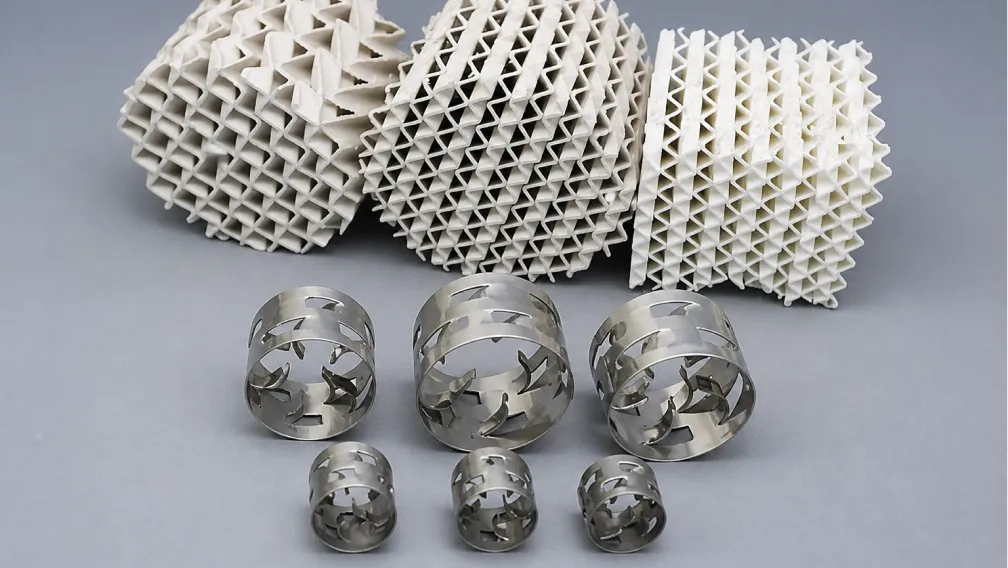
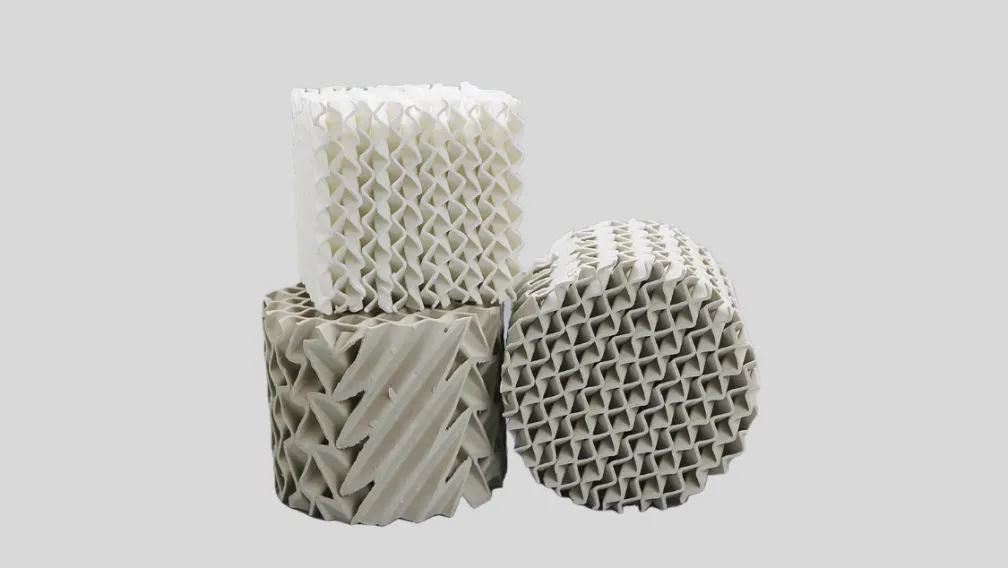
Structured film fill consists of thermoformed, corrugated PVC or PP sheets bonded together into modular blocks. The sheets feature engineered surface textures and micro-flutes designed to spread descending water into an ultra-thin, uniform film across the entire surface area.
Because the water is forced into a continuous thin film, the surface-area-to-volume ratio is exceptionally high (often 100 to 250 $m^2/m^3$). This massive interfacial area accelerates heat and mass transfer, allowing structured film fill to achieve superior thermal cooling ranges within a very compact tower volume. Consequently, film fill is the absolute standard for clean-water applications such as HVAC systems, power plant condensers, and closed-loop industrial cooling towers where water quality is strictly conditioned and filtered.
However, film fill possesses strict hydraulic limitations regarding water quality. The micro-channels and narrow spacing between the corrugated sheets act as a fine filter. If the circulating cooling water contains suspended solids, biological slime, or high concentrations of scaling minerals (such as calcium carbonate), these particulates rapidly wedge between the sheets. Once scaling initiates, the narrow channels bridge shut, blocking airflow and causing localized dry spots, severe thermal degradation, and structural collapse due to the extreme dead weight of the trapped water.
Splash Fill and Random Media: High-Fouling Resilience
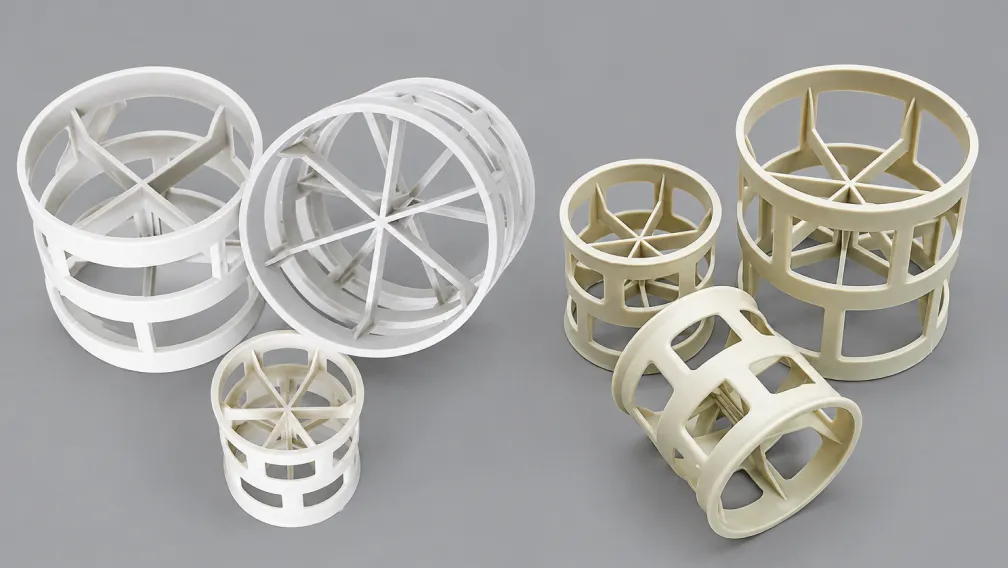
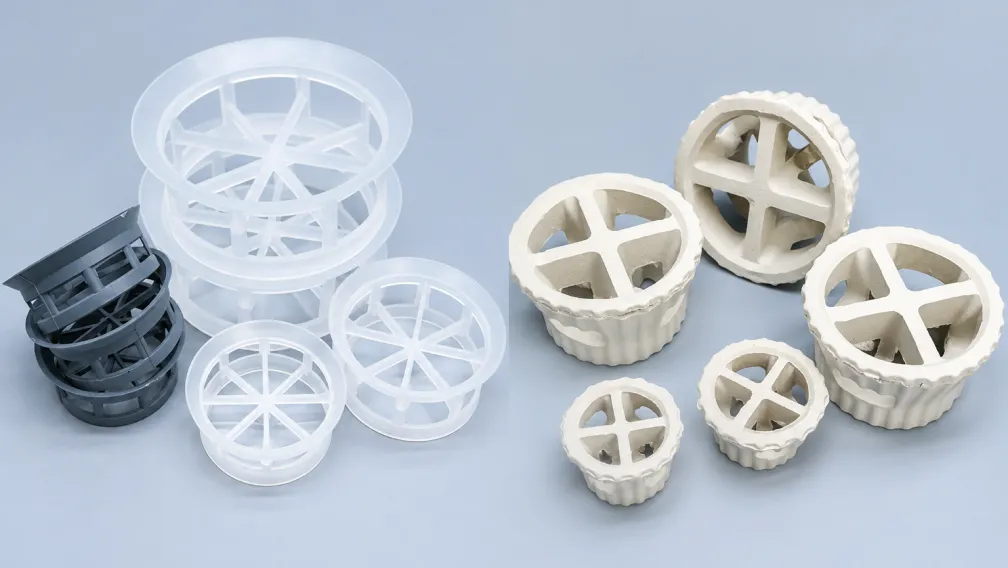
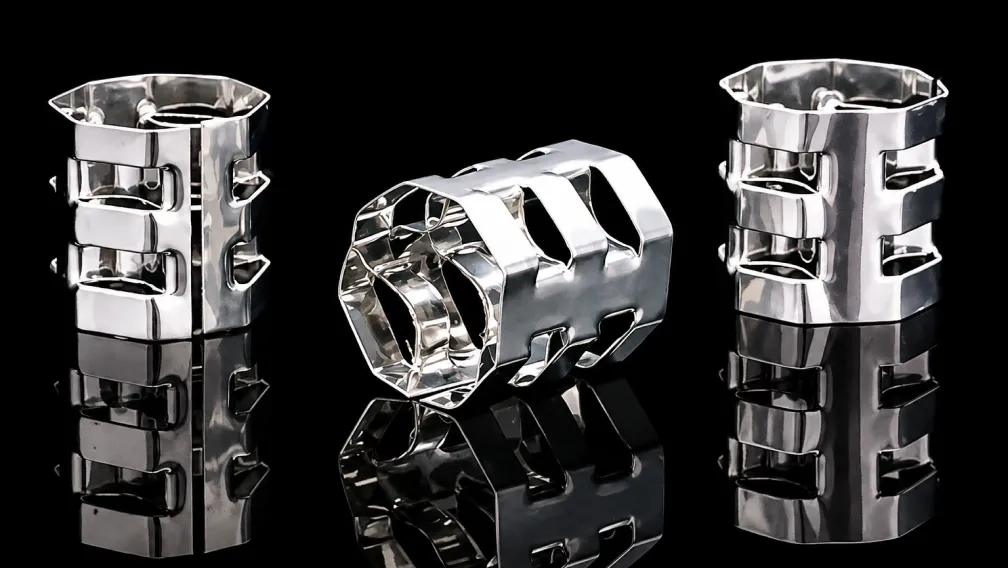
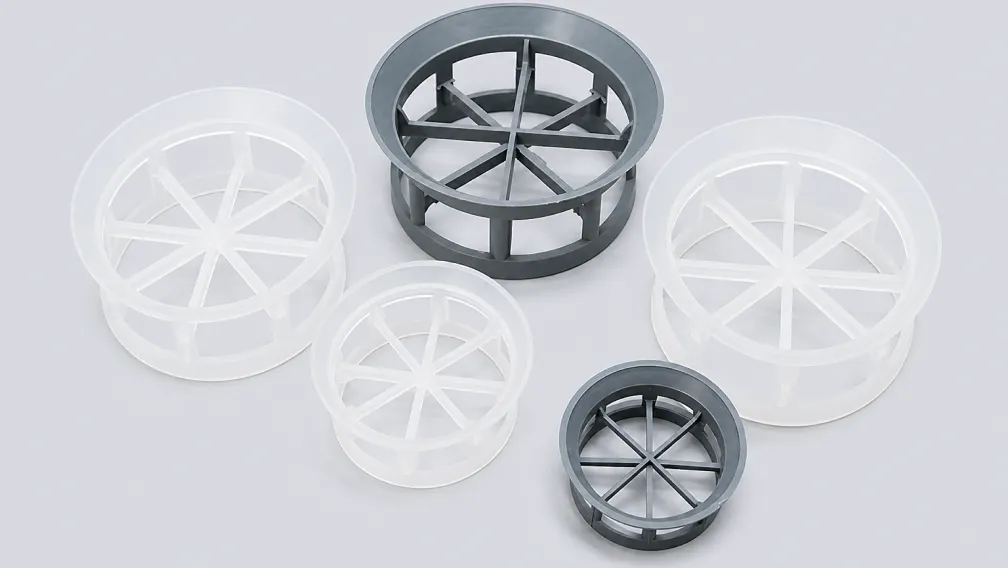
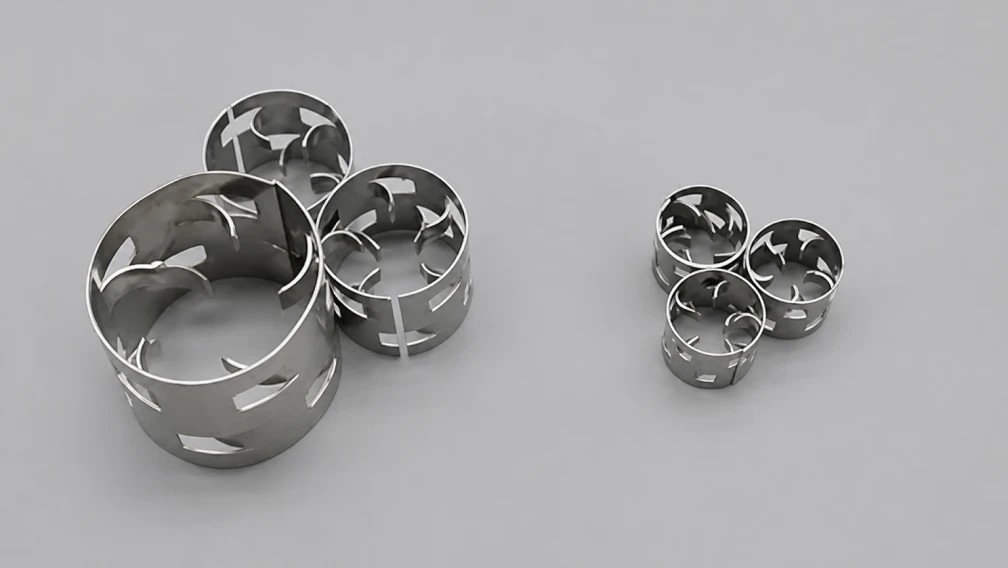
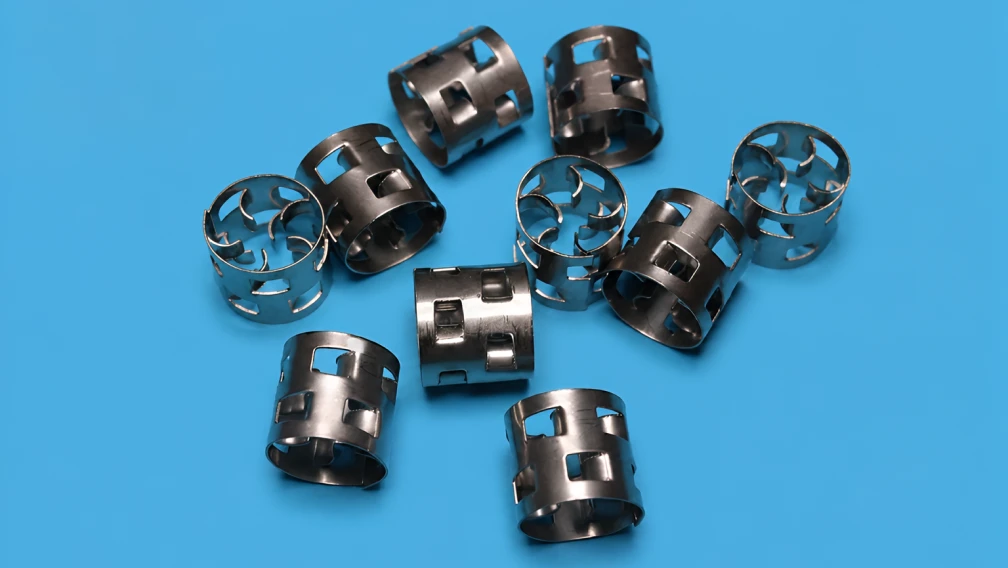
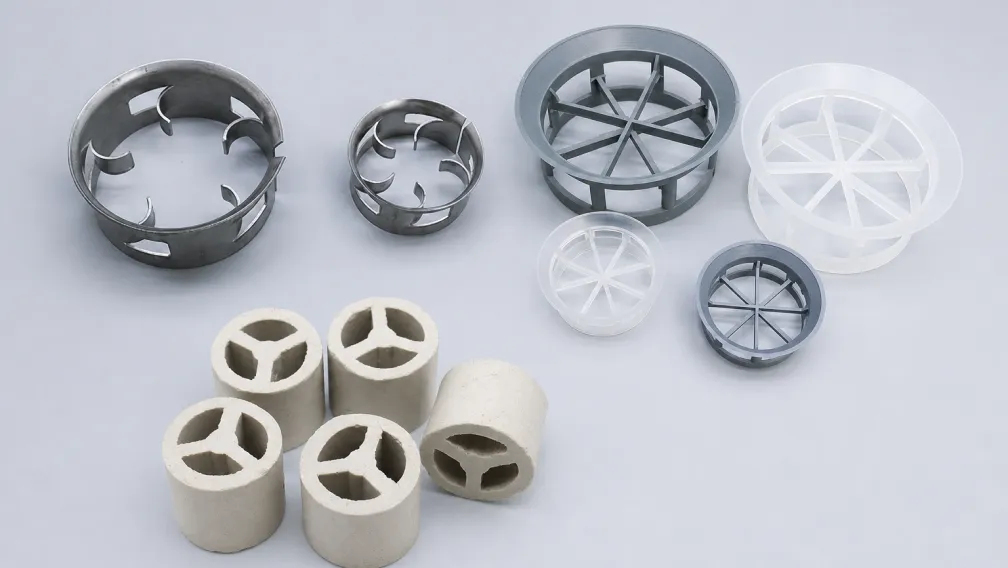
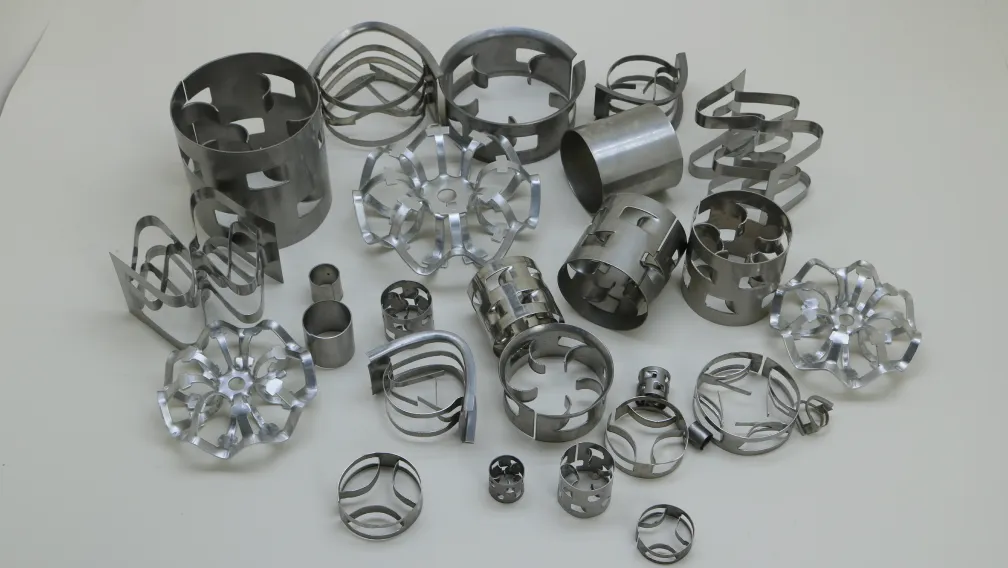
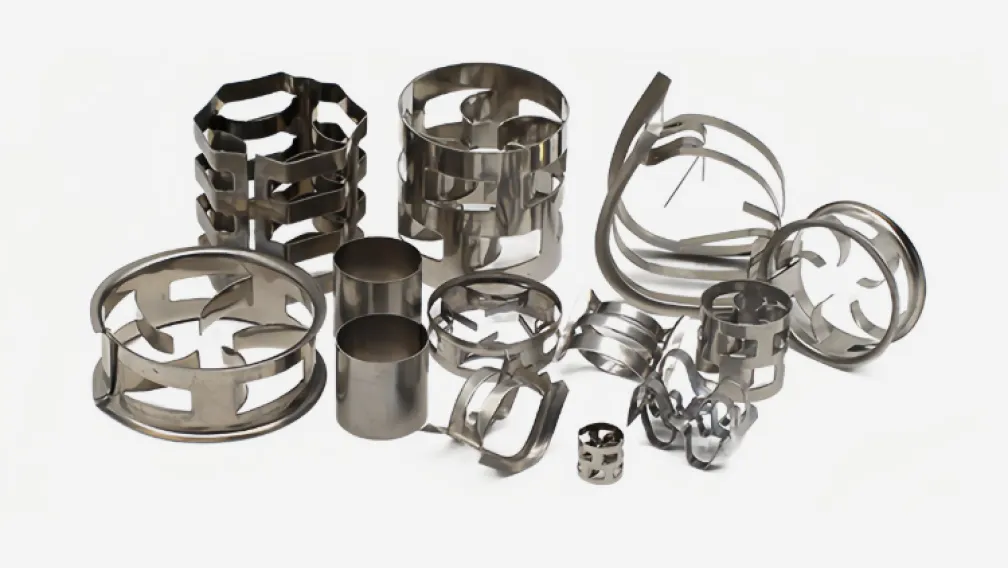
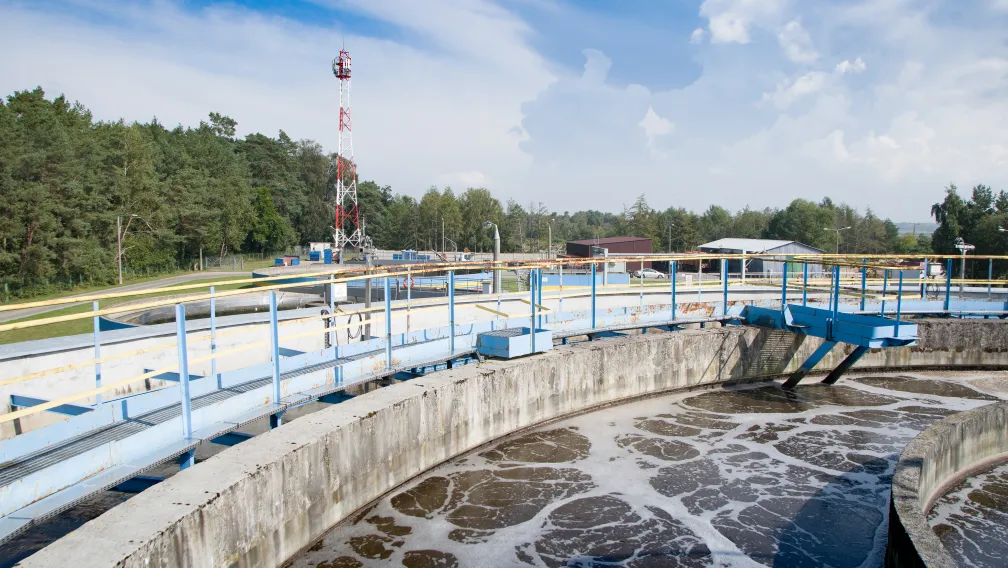
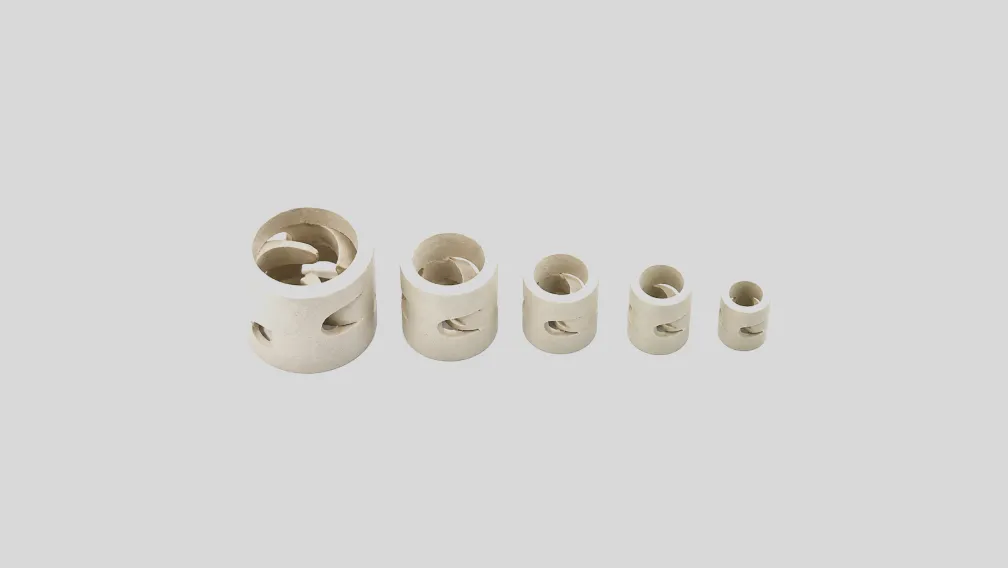
When circulating cooling water is drawn from natural sources—such as rivers, lakes, or heavy industrial effluent—structured film fill is completely unviable. In these high-fouling environments, plant engineers specify splash fill or rugged random packing (such as large plastic Pall rings or Tellerette rings).
Splash fill does not attempt to create a thin water film. Instead, it consists of horizontal bars, grids, or net-like geometric shapes. As warm water cascades down through the multi-tiered grid matrix, the solid elements repeatedly strike the water, breaking the stream into a fine cascade of droplets. Each time the droplets reform, a fresh water surface is exposed to the air.
While splash fill offers a lower specific surface area than film fill, its massive, open flow paths provide absolute immunity to plugging. Suspended solids, biological debris, and precipitated scale pass freely through the wide grid openings without lodging. Furthermore, splash fill media is mechanically robust, allowing maintenance crews to walk directly on top of the media beds during plant turnarounds without damaging the structure.
Water Quality Parameters and Scaling Control
Selecting between film fill and splash fill requires a rigorous chemical analysis of the circulating cooling water. Key parameters include:
- Total Suspended Solids (TSS): If TSS exceeds 25 mg/L, structured film fill will experience rapid particulate plugging. Splash fill or open random media is mandatory.
- Calcium Hardness and Alkalinity: High concentrations lead to calcium carbonate scale formation, particularly on the hot, high-evaporation upper layers of film fill.
- Biological Growth Potential: Organic nutrients in industrial process water encourage algae and bacterial slime growth, which plugs narrow film channels far faster than wide splash grids.
To protect structured film fill, plants must implement aggressive chemical water treatment regimens, including continuous biocide dosing, scale inhibitors, and automated side-stream filtration units that scrub 10% of the circulating water volume continuously. If water treatment fails, the film fill must eventually be cleaned or replaced, requiring costly plant downtime.
Structural Integrity and Tower Internals
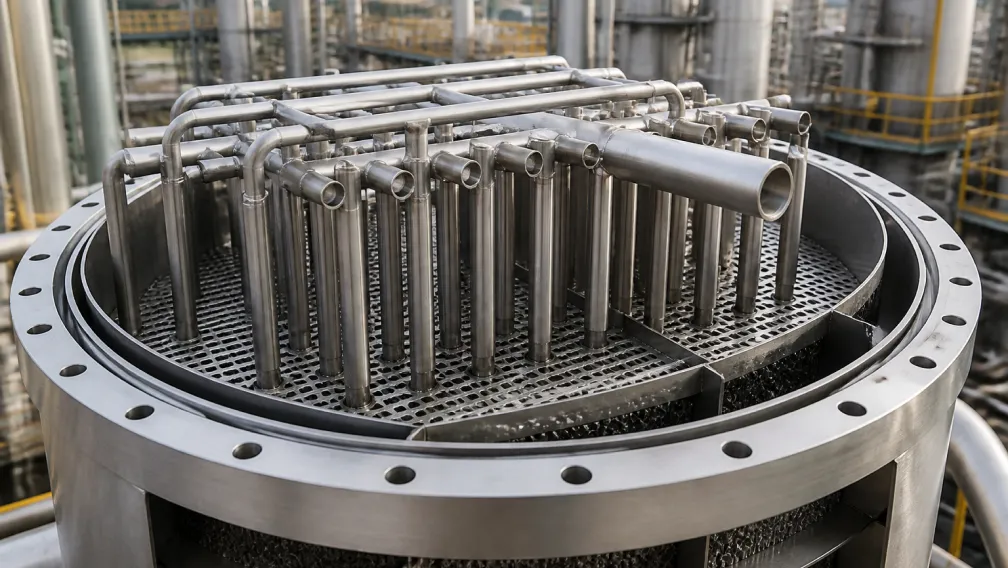
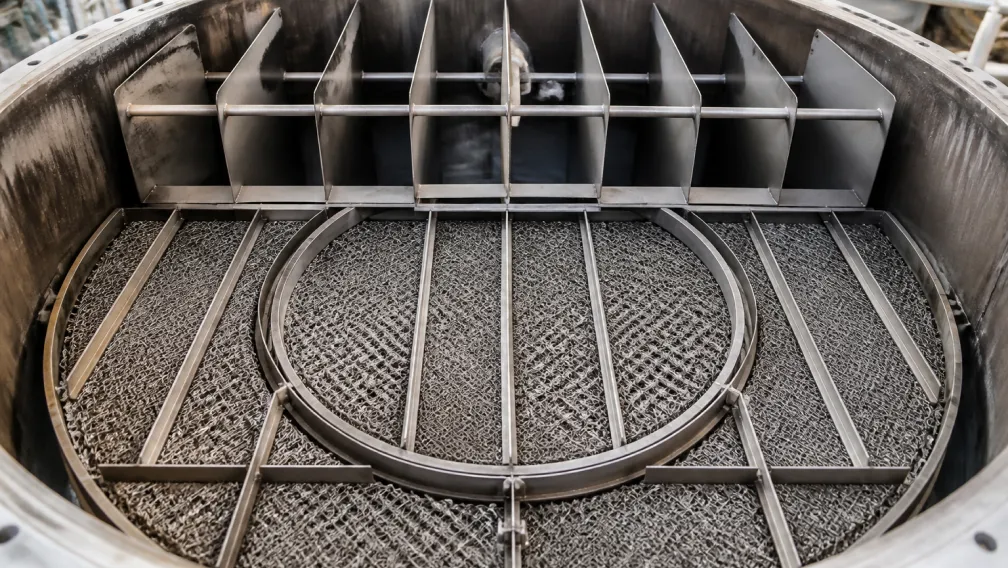
Cooling tower packing operates under wet, heavy, and corrosive conditions. The media must support its own weight, the dynamic load of the cascading water, and occasional maintenance foot traffic. Both structured blocks and random media beds must be secured by heavy-duty structural tower internals, including FRP or stainless steel support grids and upper water distribution header pipes with large-orifice spray nozzles designed to prevent plugging before the water even reaches the packing.
Where Rongjian Fits
Pingxiang Rongjian manufactures heavy-duty mass transfer media and structural components for industrial water treatment and cooling systems. Alongside our extensive portfolio of chemical tower packing, we supply robust plastic random media and structured cooling elements engineered for maximum durability against thermal cycling and scaling. Whether you are designing a high-efficiency power plant cooling tower requiring structured film performance or a heavy industrial scrubber operating on untreated river water, our technical team evaluates your water chemistry and thermal load requirements to supply the optimal media configuration. Contact us with your cooling capacity data for a detailed proposal.
-

Rongjian
Process Media Manufacturer Since 2010
Rongjian produces tower packing, molecular sieves, ceramic grinding media and other process media from our Pingxiang production base. We supply to industrial projects in over 100 countries.