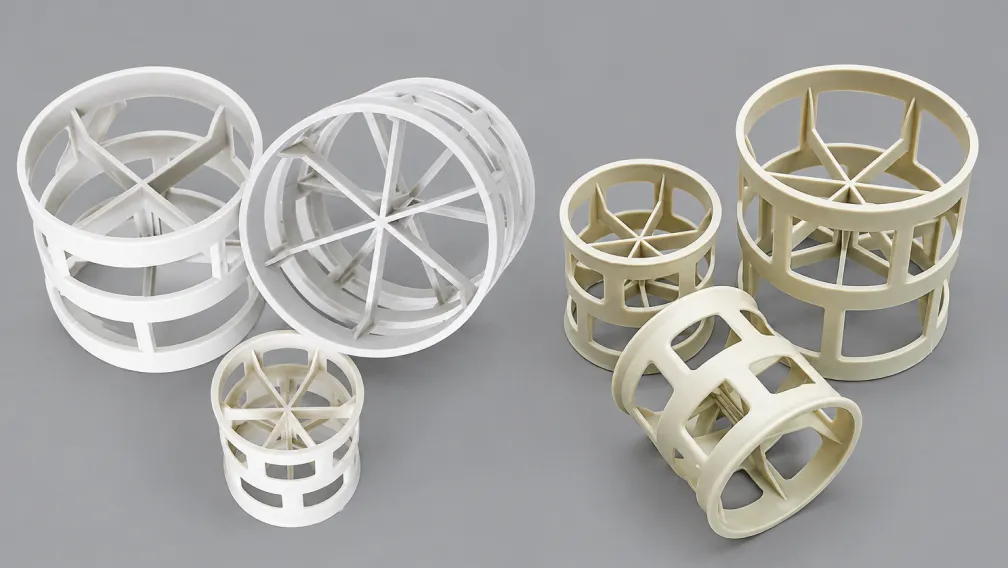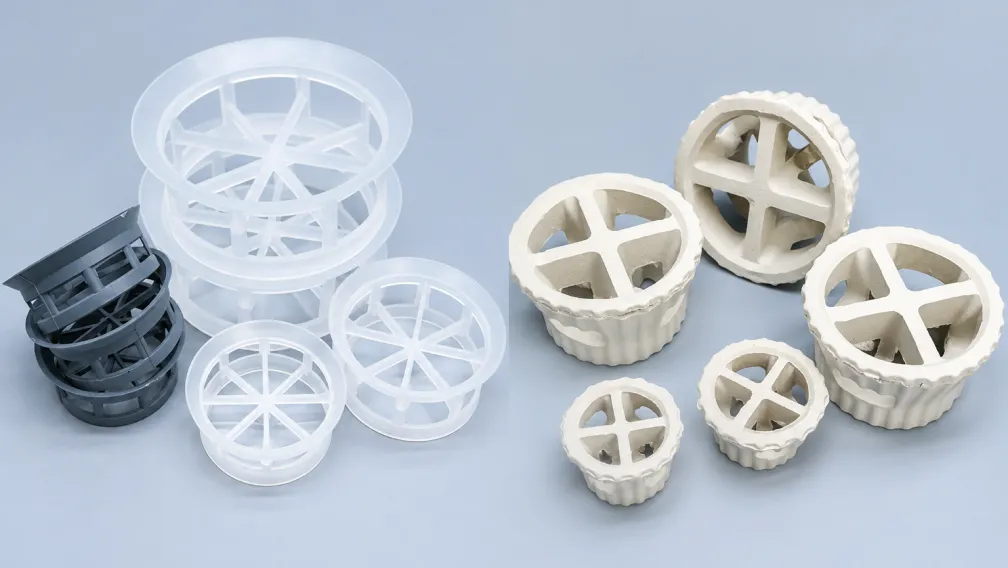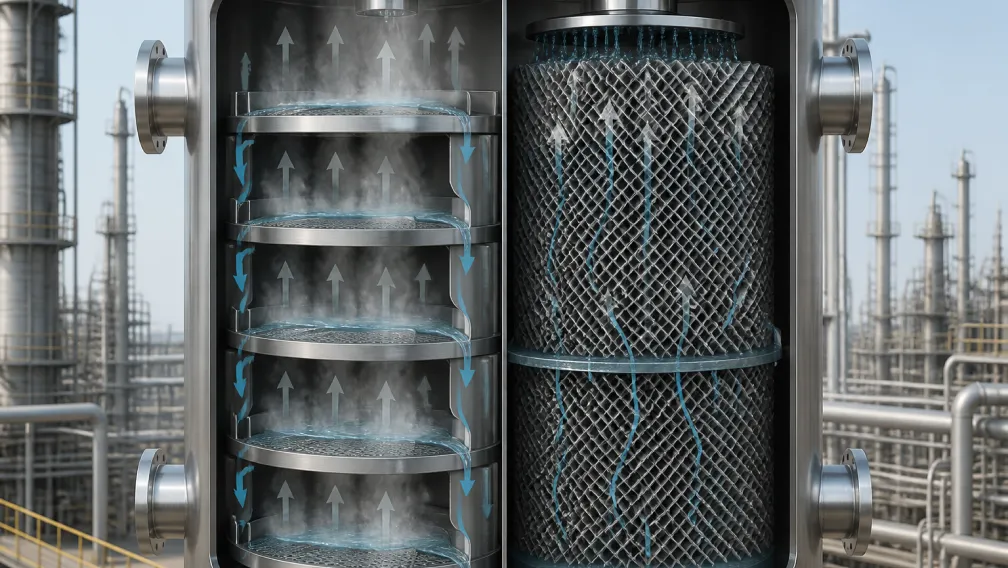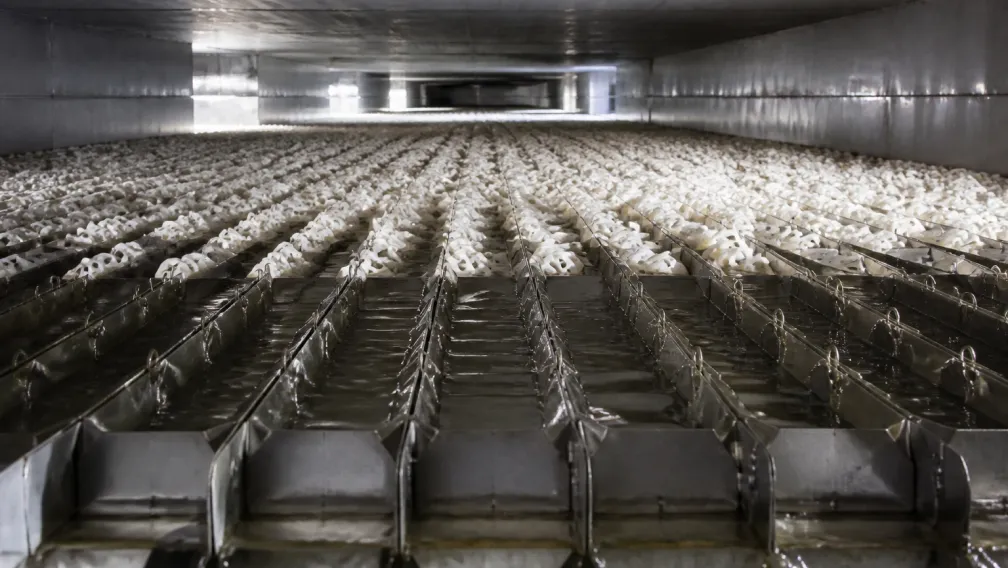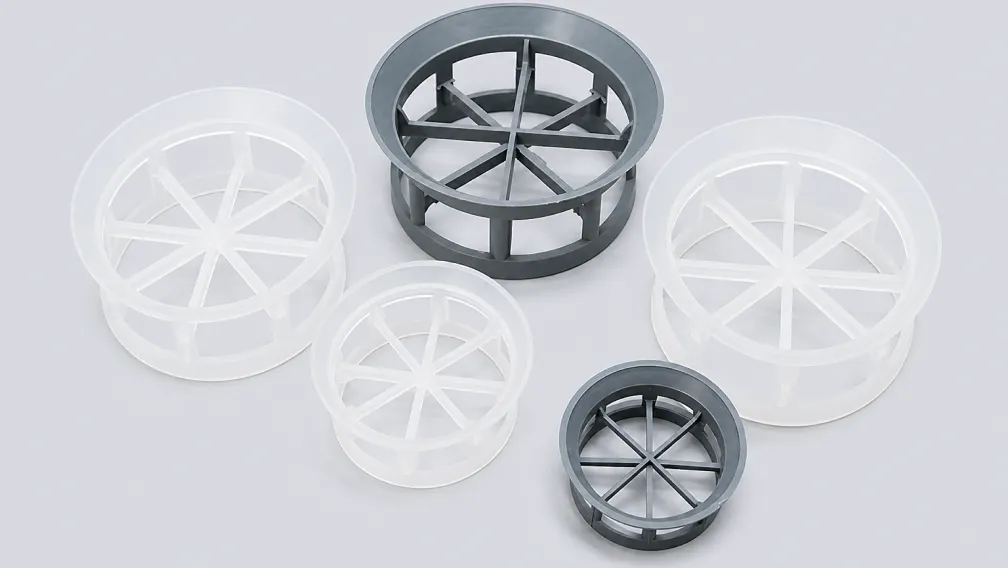

In high-capacity absorption and stripping towers, maximizing gas throughput without inducing premature flooding is the primary engineering objective. While standard Pall rings represented a massive leap in random packing technology, their internal tabs and residual wall structures still generate measurable resistance under extreme vapor velocities. To debottleneck these high-traffic columns, mass transfer engineers developed the Metal VSP Ring (Very Special Packing), also known internationally as the Inner Arc Ring. By fundamentally altering the geometric symmetry and expanding the internal arc structure, the VSP ring achieves an exceptionally high void fraction and minimal aerodynamic drag. This guide examines the unique structural geometry of VSP rings, their hydrodynamic performance advantages over standard media, and their critical role in massive decarbonization and desulfurization absorption systems.
The Geometry of Very Special Packing (VSP)
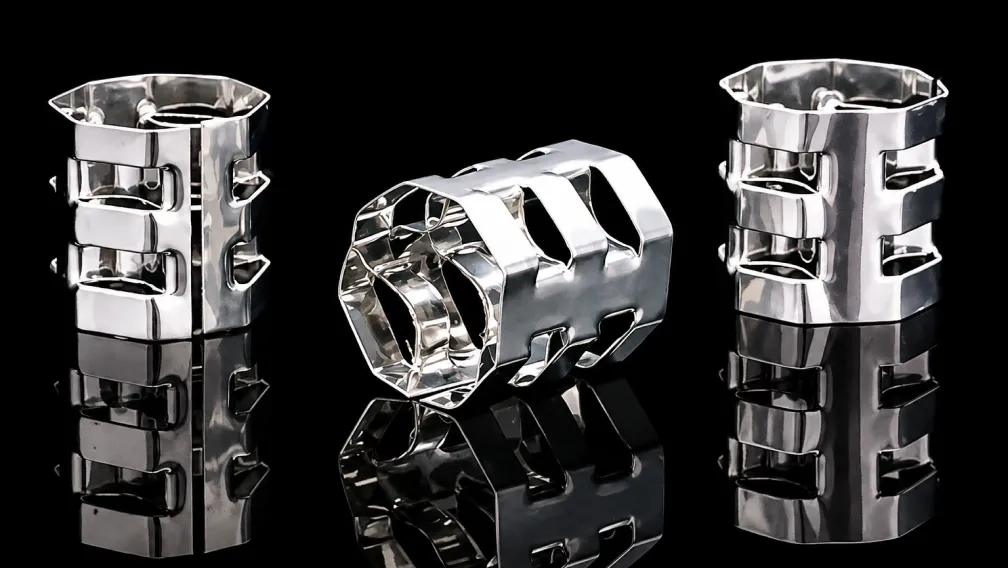
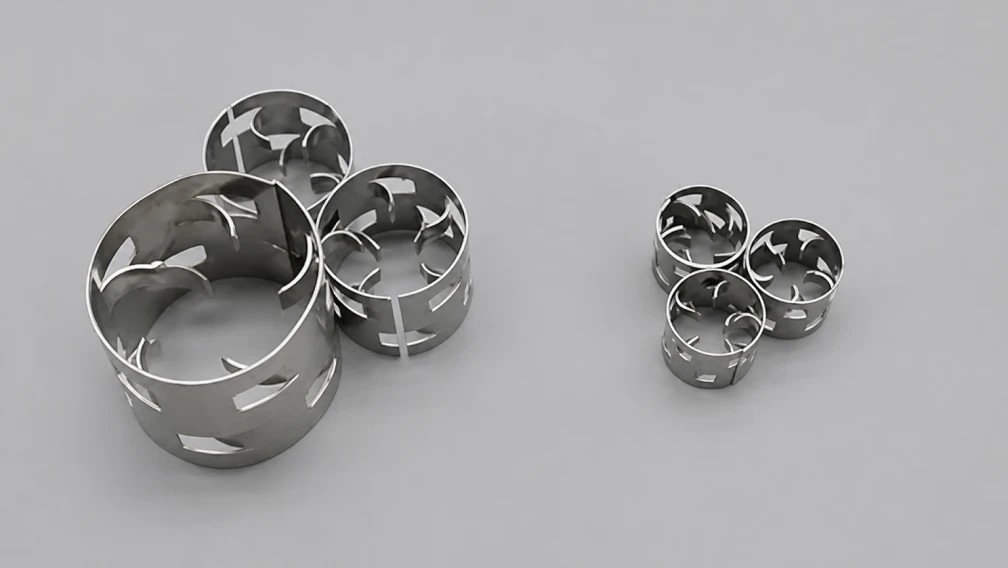
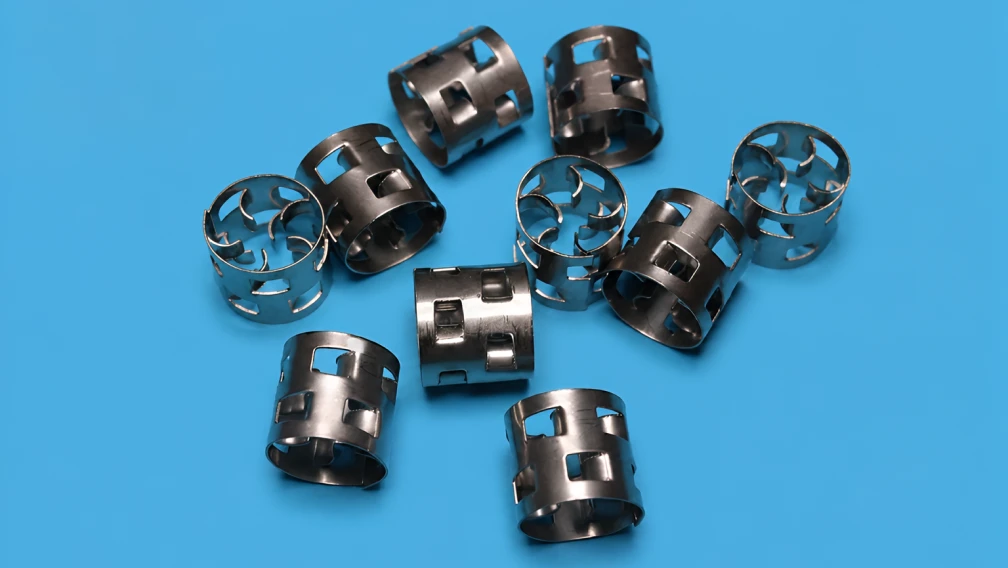
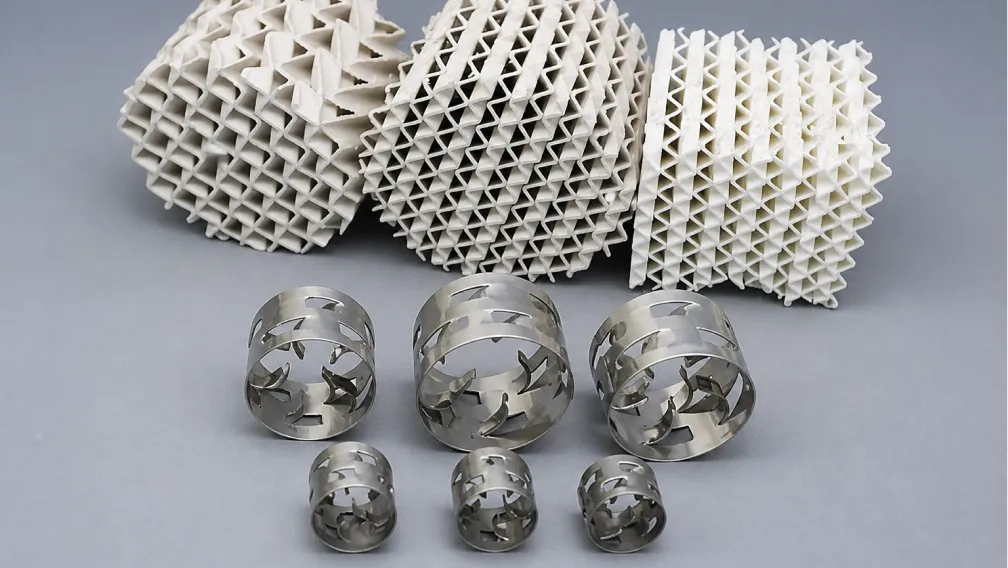
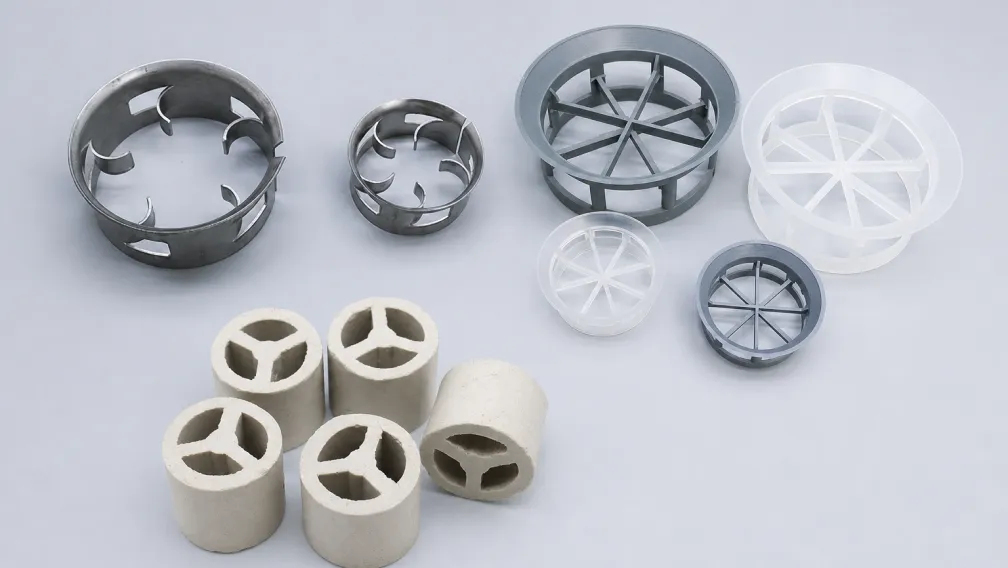
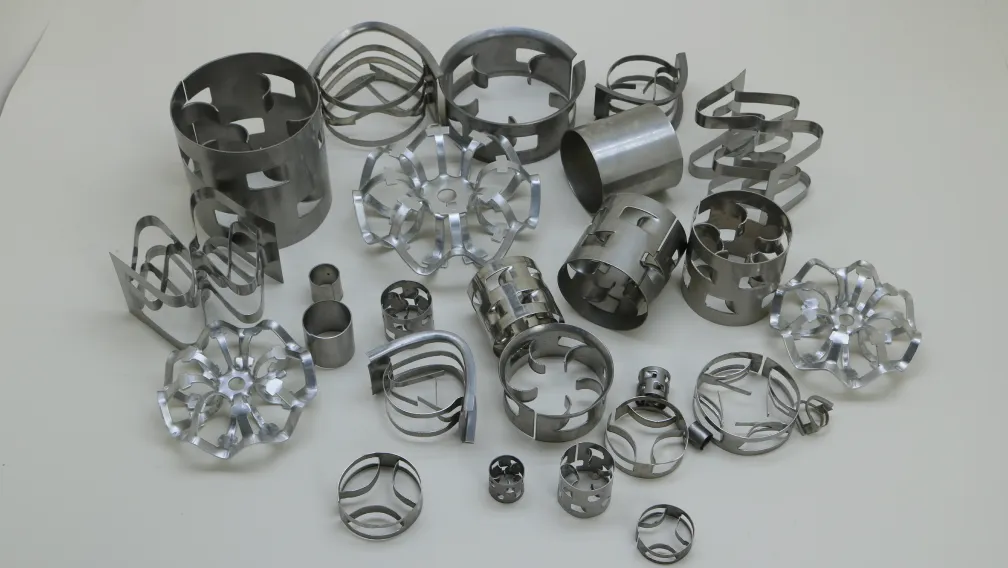
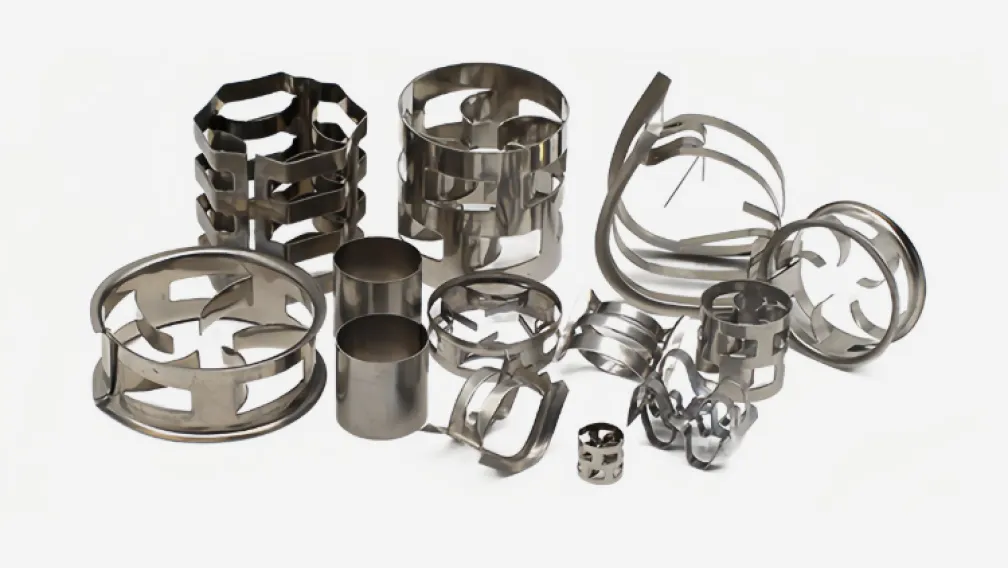
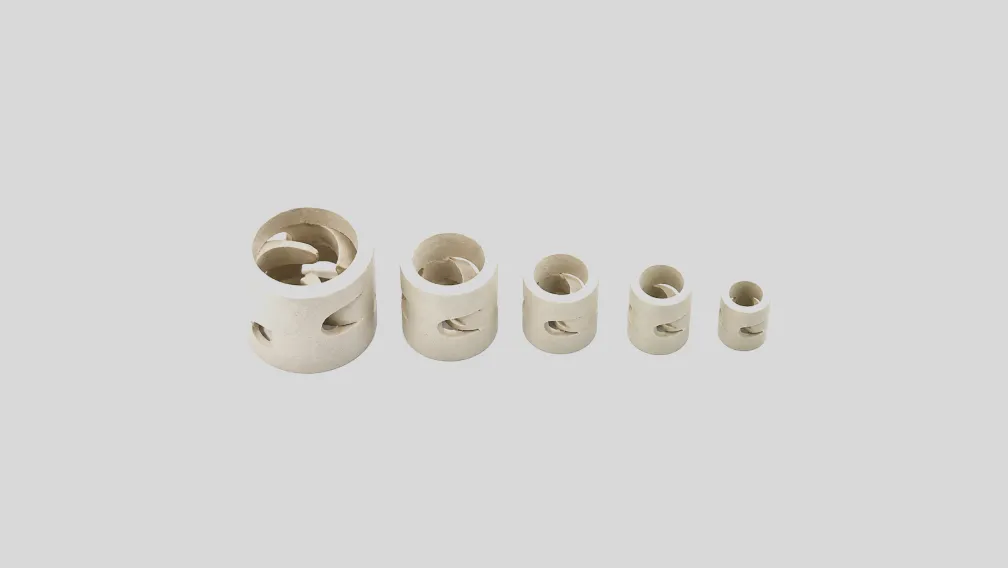
The metal VSP ring abandons the strict cylindrical constraints of the traditional Pall ring. Instead of simply punching rectangular windows into a solid wall, the VSP manufacturing process expands the entire wall structure into a series of continuous, inwardly curved arcs.
This "inner arc" geometry completely opens the top and bottom circular profiles. In a standard Pall ring, the metal tabs project inward but the outer cylindrical rim remains rigid, limiting the physical cross-sectional area available for fluid passage. The VSP ring features flared, wavy edges. This structural expansion creates an internal geometry with high geometric symmetry but almost zero flat, horizontal surfaces. Because there are no flat surfaces to block ascending gas or catch descending liquid, the flow channels remain universally open regardless of how the rings orient themselves when randomly dumped into the column bed.
Maximizing Void Fraction and Minimizing Pressure Drop
The defining metric of the metal VSP ring is its extreme void fraction. Depending on the nominal diameter, VSP rings routinely achieve void fractions ranging from 97% to over 98.5%.
This massive open space fundamentally alters the fluid dynamics inside the tower. Pressure drop in a packed column correlates directly with the restriction of gas flow. Because the VSP ring removes nearly all obstructive metal from the vapor path, the gas flows through the bed with minimal aerodynamic drag. Consequently, the pressure drop per theoretical stage is significantly lower than that of standard metal pall rings or IMTP saddles.
This low pressure drop directly expands the column's hydraulic capacity. Plant operators can push 20% to 30% more gas volume through a VSP-packed tower before reaching the flooding curve. In energy-intensive processes powered by massive forced-draft blowers or compressors, reducing the bed pressure drop by just a few millibars saves hundreds of kilowatts in electrical consumption annually.
Liquid Holdup and Film Renewal
High void fraction alone does not guarantee high mass transfer efficiency. If liquid simply falls straight through the open spaces without interacting with the gas, separation fails. The inner arc geometry of the VSP ring solves this by promoting continuous liquid film renewal.
As liquid trickles down through the bed, it strikes the curved metallic arcs. The continuous, wavy surfaces spread the liquid into thin films rather than allowing it to form thick, stagnant droplets. The flared edges of the rings act as drip points, shearing the liquid film and forcing it to reform continuously as it transfers to the next ring below. This constant renewal of the liquid-gas interface maximizes the active surface area, ensuring a very low Height Equivalent to a Theoretical Plate (HETP) despite the highly open structure of the bed.
Application in CO2 and H2S Absorption Systems
The extreme capacity and low pressure drop of VSP rings make them the preferred random packing choice for massive, high-volume scrubbing applications, particularly in the oil and gas sector.
Amine Sweetening (Decarbonization and Desulfurization): In natural gas processing, amine absorber columns remove carbon dioxide ($CO_2$) and hydrogen sulfide ($H_2S$) from the raw gas stream. These towers process massive volumes of high-pressure gas against a counter-current flow of viscous amine solvent. VSP rings handle these immense fluid loads effortlessly. Their open structure prevents the viscous amine from bridging across the packing and causing localized flooding.
Flue Gas Desulfurization (FGD): In power plants and refineries, FGD scrubbers handle enormous volumes of exhaust gas. To prevent back-pressure on the upstream furnaces or turbines, the scrubber must operate with a near-zero pressure drop. Metal VSP rings provide the necessary gas throughput while ensuring adequate contact with the alkaline scrubbing liquor to neutralize sulfur dioxide ($SO_2$).
Wall Thickness and Mechanical Crush Strength
The expanded, open-arc design of the VSP ring requires careful mechanical engineering to prevent bed collapse. Because so much metal is removed to create the open void space, the remaining structure must support the entire weight of the deep packed bed.
To maintain high compressive strength (crush strength), metal VSP rings are manufactured from robust alloys such as 304L, 316L, and specialized carbon steels. Furthermore, process engineers must precisely specify the sheet metal thickness. For example, a 50 mm (2-inch) VSP ring is typically stamped from 0.6 mm to 0.8 mm thick steel. If the wall thickness is specified too thin to save capital cost, the rings at the bottom of the column will deform under the static load, crushing the void space and destroying the column's hydraulic capacity.
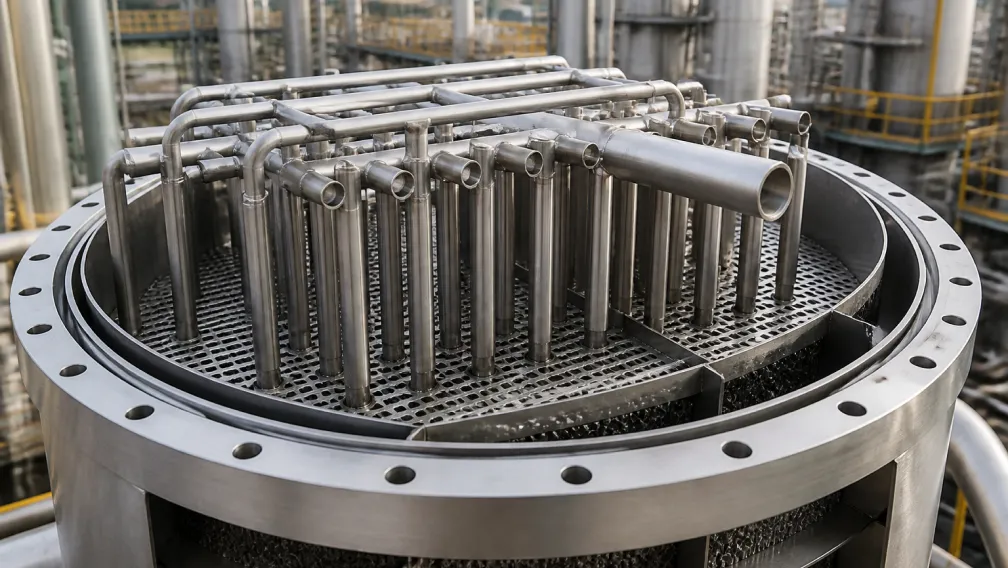
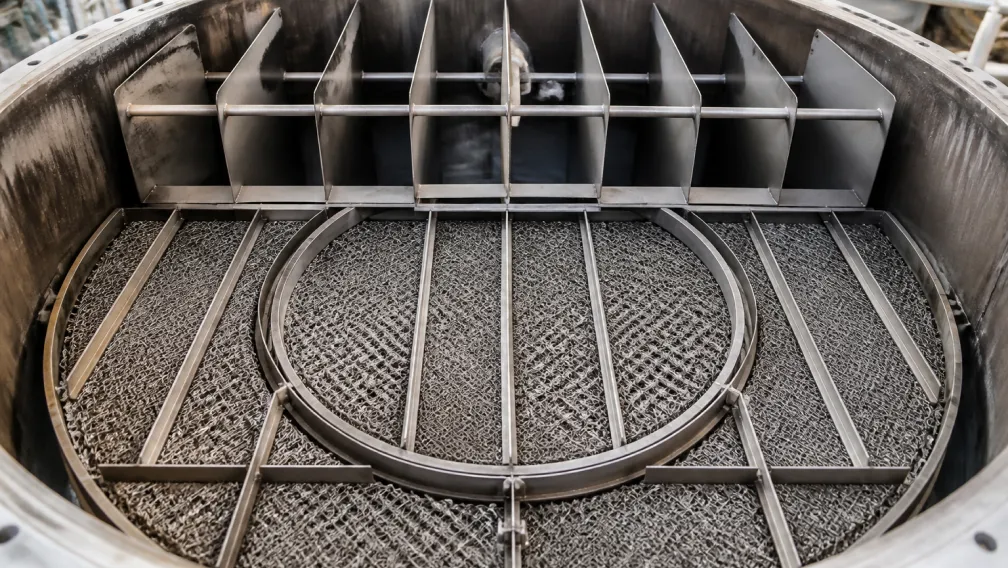
To protect the structural integrity of the bed, VSP rings are always supported by high-strength tower internals, such as gas-injection hump supports, which separate the vapor and liquid channels and distribute the immense mechanical load directly to the column shell.
Where Rongjian Fits
Pingxiang Rongjian designs and manufactures high-capacity mass transfer media for the most demanding petrochemical and environmental separation processes. We produce precision-stamped metal VSP rings (Inner Arc Rings) engineered to deliver maximum void fraction, exceptional gas throughput, and ultra-low pressure drop. Our manufacturing process ensures exact geometric symmetry and precise wall thickness, guaranteeing high crush strength in deep-bed amine absorbers and high-velocity scrubbers. Whether you are building a new decarbonization unit or debottlenecking an existing column to process higher feed volumes, our engineering team can calculate the required packing size, specify the optimal alloy, and supply the heavy-duty tower internals needed to maximize your plant's efficiency. Contact us today for a detailed hydraulic evaluation and media proposal.
-

Rongjian
Process Media Manufacturer Since 2010
Rongjian produces tower packing, molecular sieves, ceramic grinding media and other process media from our Pingxiang production base. We supply to industrial projects in over 100 countries.