
In aggressive chemical separation processes, standard thermoplastics degrade rapidly. Solvents, concentrated halogen acids, and high-temperature oxidizers embrittle, melt, or dissolve materials like Polypropylene (PP) and Chlorinated Polyvinyl Chloride (CPVC). When process conditions exceed the thermal and chemical limits of standard polymers, chemical engineers specify fluoropolymers. Polytetrafluoroethylene (PTFE) and Perfluoroalkoxy alkane (PFA) provide near-universal chemical inertness and survive continuous operating temperatures up to 250 °C. These materials bridge the performance gap between cost-effective commodity plastics and fragile exotic ceramics. Utilizing fluoropolymers for random tower packing requires a precise understanding of their distinct manufacturing methods, surface energy characteristics, and mechanical behavior under compressive loads. This guide details the thermodynamic limits of PTFE and PFA Pall rings, their application in high-purity semiconductor distillation, and the engineering calculations required to manage fluoropolymer creep in deep packed beds.
The Geometric Efficiency of the Pall Ring
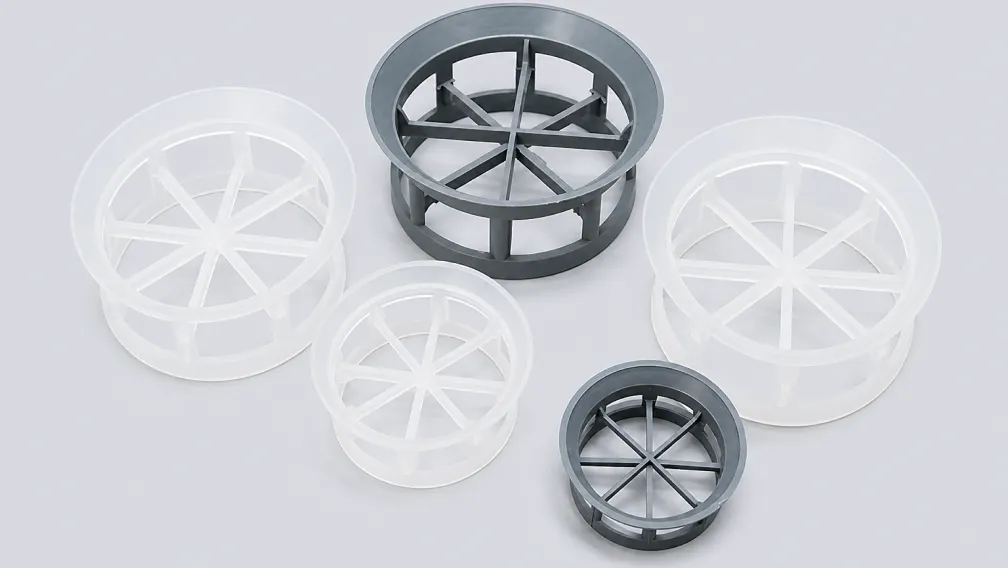
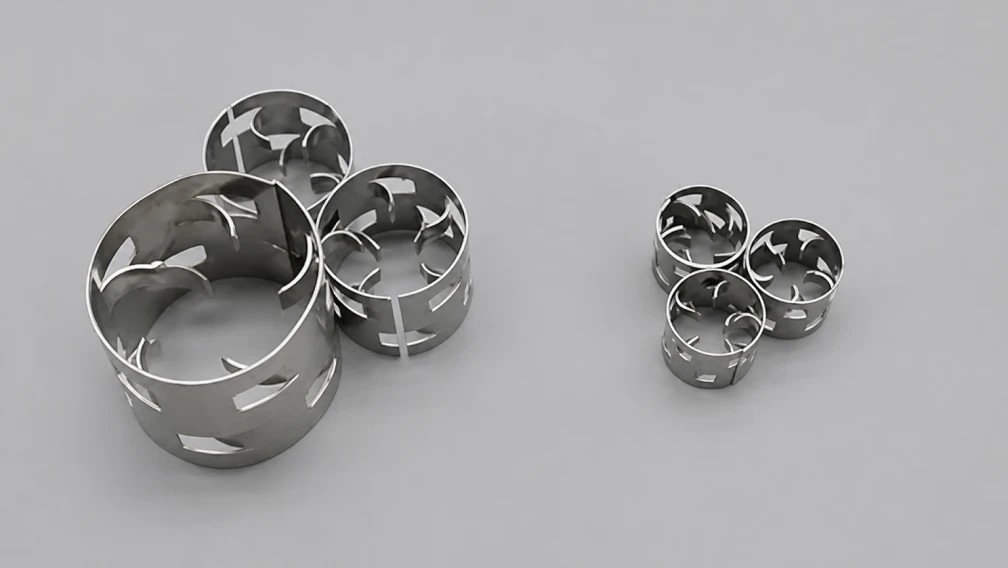
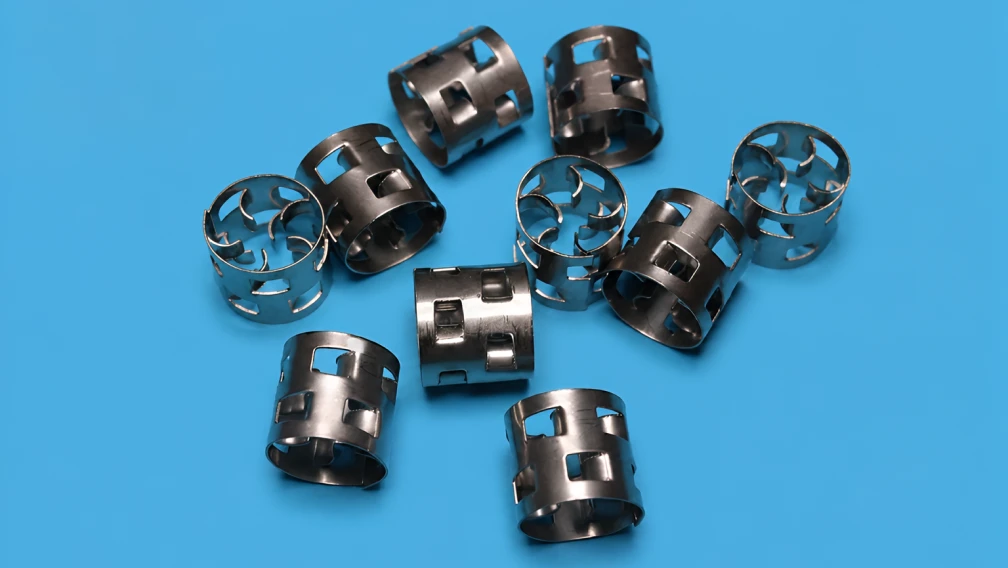
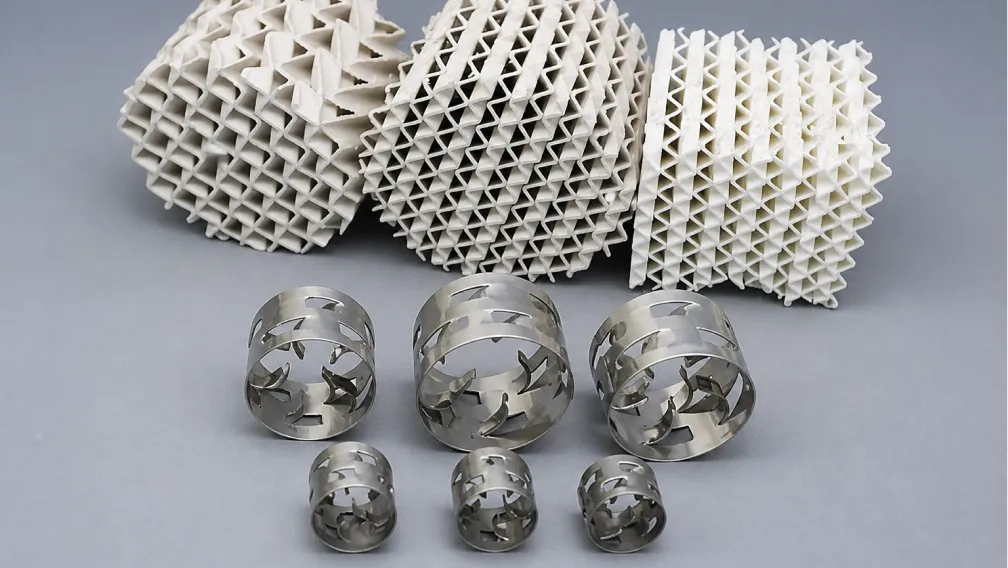
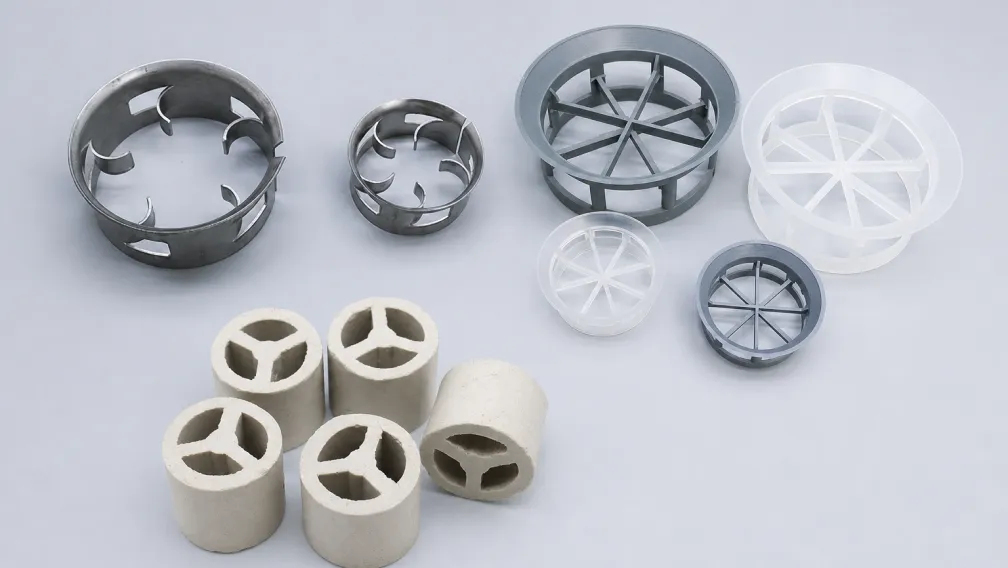
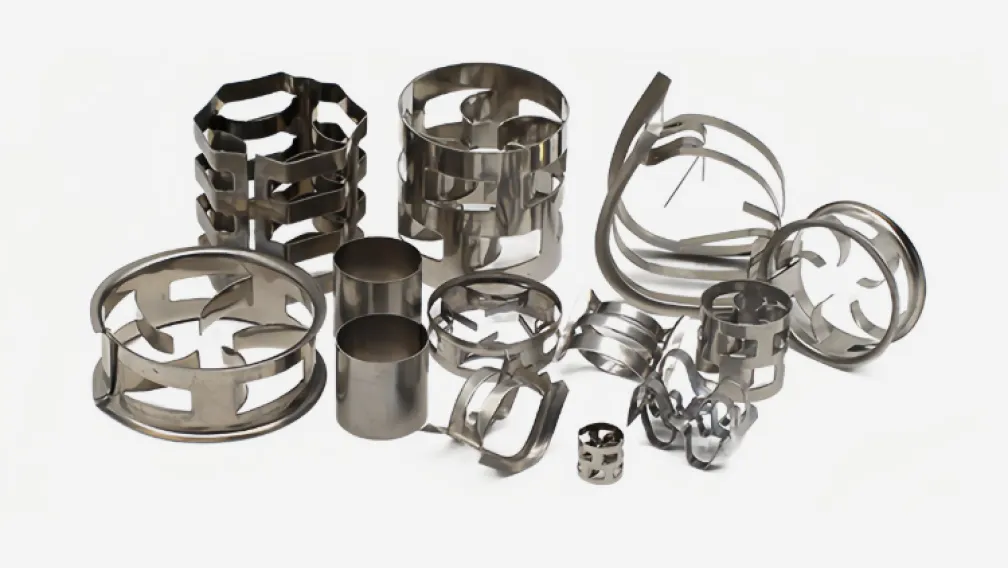
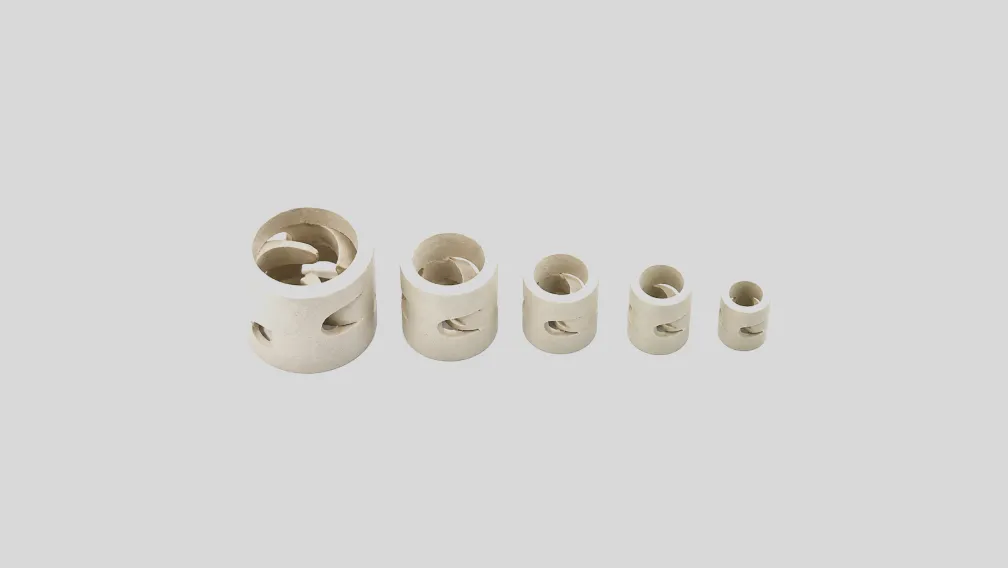
The Pall ring structure dominates industrial gas-liquid absorption because it maximizes the utilization of the internal cylindrical volume. Traditional plain rings block gas flow and create stagnant liquid pools. The Pall ring features punched tabs folded inward toward the center of the cylinder. This geometry opens the cylinder wall, significantly increasing the void fraction and exposing the interior surface area to the vapor-liquid interface.
When manufactured from fluoropolymers, the Pall ring design maintains high mass transfer efficiency (yielding a low HETP) while offering a non-stick, low-surface-energy profile. This geometric efficiency combined with chemical inertness ensures the packing resists biological fouling and chemical scaling in highly contaminated scrubbers.
PTFE vs. PFA: Melt Viscosity and Manufacturing Methods
While PTFE and PFA share exceptional chemical resistance based on their carbon-fluorine bonds, their distinct molecular structures dictate entirely different manufacturing processes.
Polytetrafluoroethylene (PTFE): PTFE possesses an extremely high melt viscosity. It does not flow when heated above its melting point. Consequently, manufacturers cannot use standard injection molding to produce PTFE parts. PTFE Pall rings are fabricated using specialized compression molding and CNC machining techniques. The raw PTFE powder is compressed into a cylindrical billet, sintered at high temperatures, and then mechanically machined to create the internal tabs and windows. This subtractive manufacturing process limits the complexity of the internal geometry and increases production costs, but it yields a packing media with the highest possible continuous operating temperature and absolute chemical inertness.
Perfluoroalkoxy Alkane (PFA): PFA contains an alkoxy substituent branching off the main polymer chain. This structural modification lowers the melt viscosity, making PFA fully melt-processable. PFA Pall rings are manufactured using high-speed injection molding. Injection molding allows for precise, high-volume production of complex internal tabs and thinner wall profiles. PFA offers chemical resistance virtually identical to PTFE, but its melt-processable nature allows for geometric optimization that reduces the overall pressure drop across the packed bed.
Chemical Inertness in Halogen and Semiconductor Processing
Halogens—including wet chlorine gas, bromine, and anhydrous hydrofluoric acid—aggressively attack metals, causing pitting and stress corrosion cracking. They also strip hydrogen atoms from standard plastics, causing rapid embrittlement.
The carbon-fluorine bond in PTFE and PFA is one of the strongest bonds in organic chemistry. The tightly packed fluorine atoms completely shield the carbon backbone from chemical attack. A PTFE Pall ring remains completely unaffected by continuous exposure to boiling hydrofluoric acid, concentrated sulfuric acid, and hot sodium hydroxide.
In the semiconductor industry, manufacturing ultra-pure wet chemicals (such as electronic-grade nitric acid or hydrogen peroxide) requires distillation columns that do not contaminate the product. Metals leach conductive ions. Standard plastics leach organic plasticizers and UV stabilizers. PTFE and PFA contain zero additives. They do not leach any organic or inorganic compounds into the process stream, guaranteeing reagent purity down to the parts-per-trillion (ppt) level.
Thermal Limits of Fluoropolymer Packing
Operating temperature constraints dictate the selection of plastic random packing. Standard polymers fail early in hot processes.
Polypropylene (PP) begins to soften around 90 °C. CPVC handles continuous operations up to 110 °C. Polyvinylidene fluoride (PVDF) bridges the mid-range gap, tolerating up to 140 °C. However, in hot stripping columns, sulfuric acid concentration towers, or exothermic scrubbers, localized temperatures routinely exceed 150 °C. Thermal excursions immediately melt PP and PVDF beds, resulting in catastrophic column failure.
PTFE and PFA handle continuous operating temperatures up to 250 °C (482 °F). They maintain their chemical inertness across this entire temperature range. This extreme thermal stability allows plant operators to design high-temperature distillation systems without resorting to heavy, expensive exotic metal alloys or fragile ceramics that crack under thermal shock.
Mechanical Creep and Bed Height Limitations
Fluoropolymers exhibit a specific mechanical vulnerability known as cold flow, or creep. Under continuous compressive stress, PTFE and PFA deform slowly over time. This deformation accelerates rapidly at elevated temperatures.
If engineers design a very deep packed bed of PTFE Pall rings, the cumulative weight of the packing—combined with the downward hydraulic drag of the descending liquid—exerts massive compressive force on the bottom layers. Over time, the rings at the bottom of the bed slowly flatten. This physical distortion closes the open windows and internal tabs, destroying the void fraction of the media. As the void fraction drops, gas flow encounters severe resistance, causing the pressure drop to spike and the column to flood prematurely.
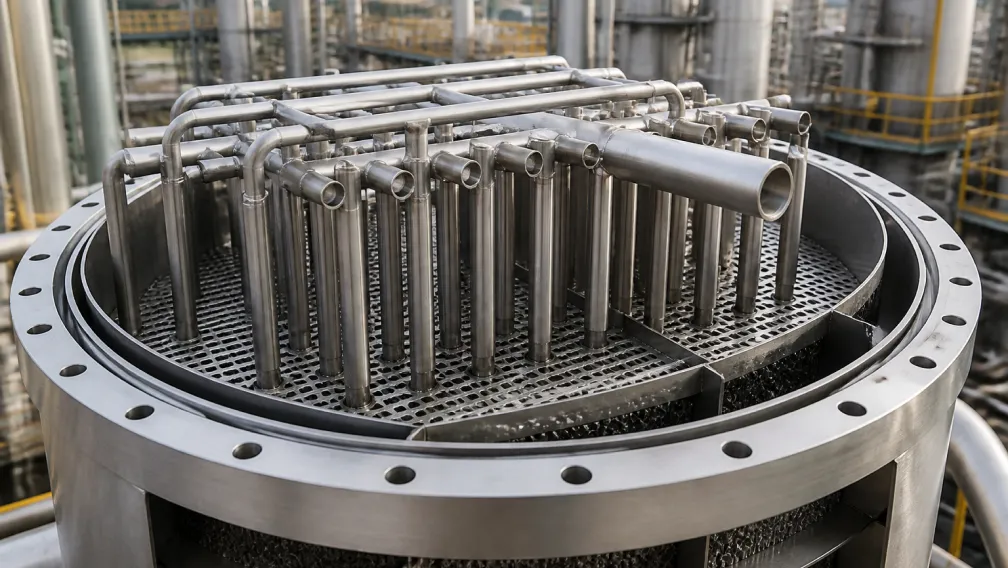
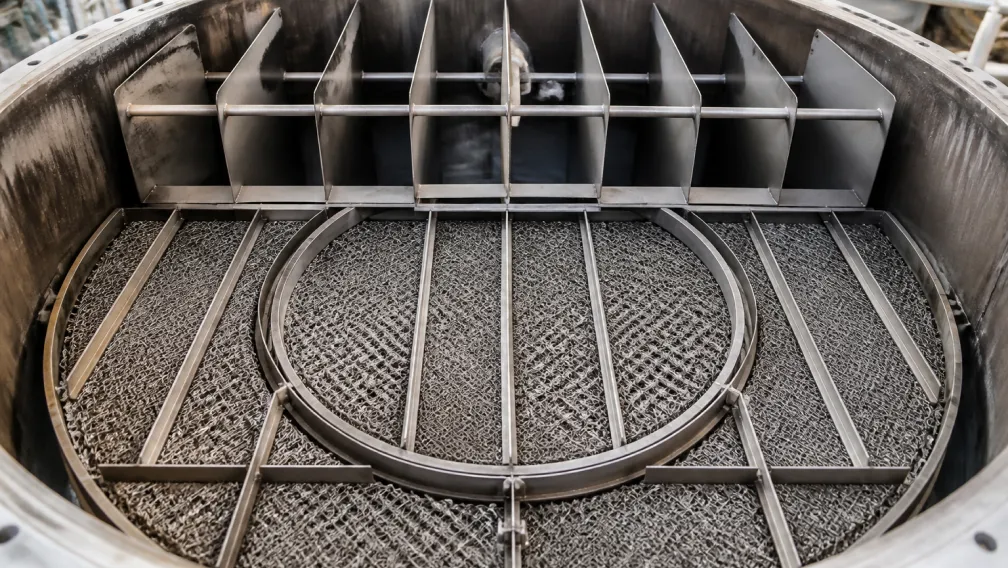
To prevent mechanical creep, process engineers must strictly limit the continuous bed height for fluoropolymer packing. A single bed of PTFE Pall rings is typically restricted to a maximum depth of 2 to 3 meters. Taller columns require intermediate support grids to carry the load. These specialized tower internals divide the total packing height into multiple shorter, independent sections. The support plates themselves must be fabricated from matching corrosion-resistant materials, such as PTFE-lined steel or specialized alloys, to maintain the chemical integrity of the entire system.
Surface Energy and Liquid Distribution
PTFE and PFA possess extremely low surface energy. They are highly hydrophobic and oleophobic, making them functionally non-stick. This property strongly resists biological fouling, scaling, and polymer buildup, ensuring the packing remains clean in dirty services.
However, this low surface energy alters the fluid dynamics of the mass transfer process. Instead of spreading into a continuous, thin film across the plastic surface, liquids tend to bead up and form distinct droplets. This droplet formation reduces the effective interfacial area available for gas-liquid contact.
To counteract this phenomenon, engineers must over-irrigate the bed. Designing the column with a high-density liquid distributor ensures maximum initial coverage. By increasing the drip point density at the top of the bed, designers force the liquid to wet a larger percentage of the packing surface, compensating for the lack of thin-film spreading and maintaining the target HETP.
Where Rongjian Fits
Pingxiang Rongjian manufactures precision random packing for the most demanding chemical and petrochemical environments. We produce injection-molded PFA Pall rings and CNC-machined PTFE Pall rings designed for extreme chemical resistance and high-temperature continuous operation. Our engineering team calculates the exact compressive loads generated by your liquid and vapor traffic to recommend safe maximum bed depths, preventing mechanical creep and premature flooding. Whether you are constructing a high-purity semiconductor distillation column or upgrading a halogen scrubber, we supply the fluoropolymer media and the corresponding lined internals required to guarantee decades of reliable separation. Contact our technical team with your operating temperatures and chemical compositions for a detailed media sizing proposal.
-

Rongjian
Process Media Manufacturer Since 2010
Rongjian produces tower packing, molecular sieves, ceramic grinding media and other process media from our Pingxiang production base. We supply to industrial projects in over 100 countries.