
In chemical processing, certain process streams present environments so aggressive that conventional metallic and ceramic mass transfer media fail rapidly. Hydrofluoric acid (HF) and hot, concentrated alkaline solutions are prime examples. Standard ceramic packing, which relies on a silicate matrix, dissolves in HF because fluoride ions react with silica to form volatile silicon tetrafluoride gas. Simultaneously, metals such as stainless steel and specialty alloys suffer from catastrophic hydrogen embrittlement or rapid general corrosion in these services. Carbon Raschig rings provide the chemical inertness required to survive these severe conditions. Manufactured from impermeable amorphous carbon, carbon rings withstand hydrofluoric acid, strong caustics, and thermal shock without degradation. This guide examines the chemical limitations of conventional packing, the unique material properties of carbon media, and its performance in specialized absorption towers.
The Vulnerability of Ceramic and Metal Packing in HF Service
When designing scrubbing or absorption columns for hydrofluoric acid, selecting the incorrect packing material results in immediate equipment failure.
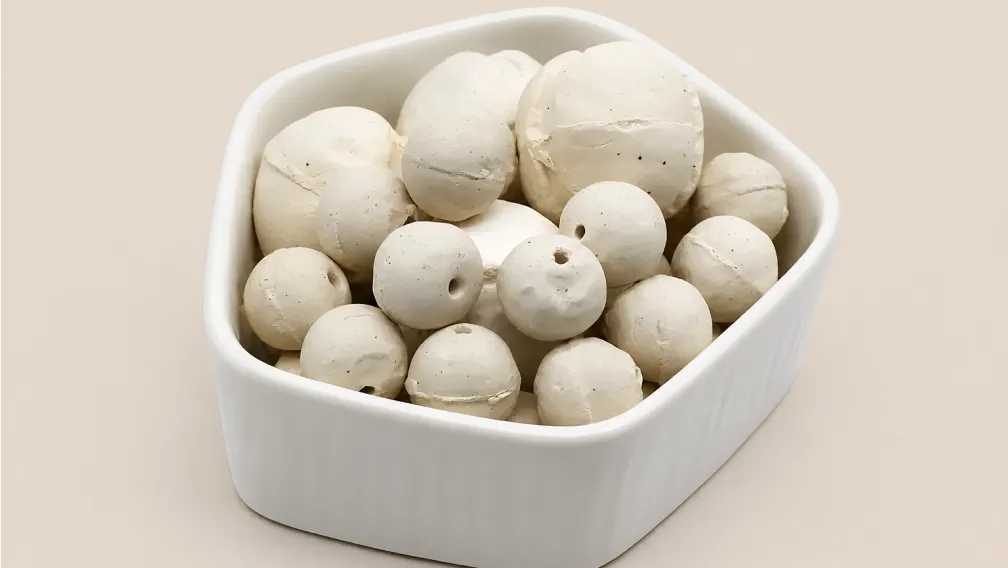
Ceramic materials—including standard porcelain, chemical stoneware, and high-alumina bodies containing residual free silica—are strictly incompatible with HF. The hydrogen fluoride molecule attacks the silicon-oxygen bonds present in the ceramic lattice. This chemical reaction produces soluble fluosilicates and gaseous silicon tetrafluoride ($SiF_4$), causing the ceramic rings to pit, soften, and completely disintegrate within weeks of operation.
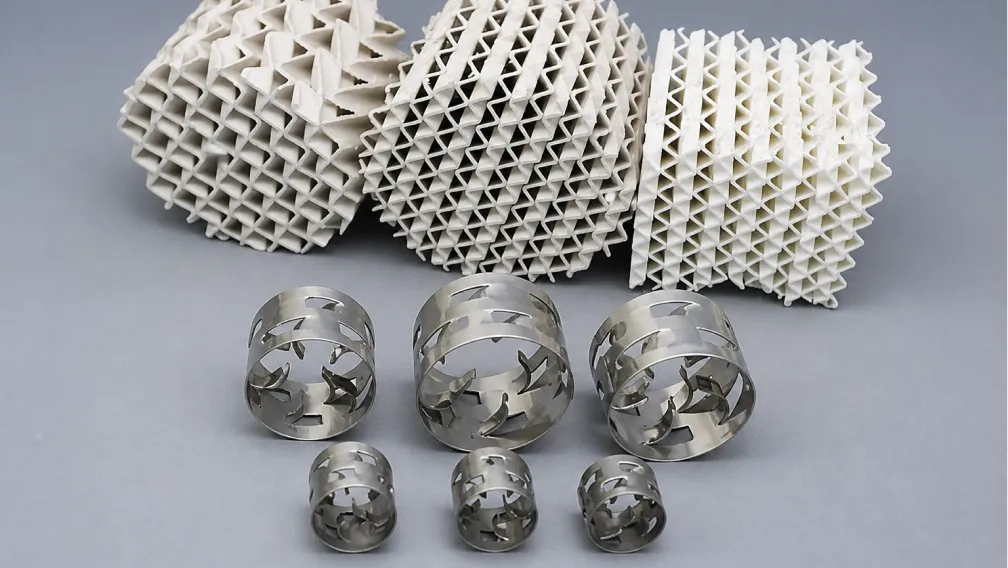
Metals face alternative failure modes. While certain nickel-based alloys resist anhydrous HF at moderate temperatures, they become highly susceptible to stress corrosion cracking and localized pitting in wet, dilute HF scrubbing streams. Furthermore, the capital cost of exotic alloys for a massive tower packing bed is often cost-prohibitive. As a result, engineers turn to non-metallic, carbon-based mass transfer media to bridge the performance gap.
Chemical Properties and Manufacturing of Carbon Raschig Rings
Carbon Raschig rings are manufactured from high-purity petroleum coke combined with coal tar pitch binders. This mixture is formed under high pressure and subsequently subjected to a high-temperature baking process in a controlled, oxygen-free atmosphere.
The resulting material is amorphous, non-graphitic carbon. Unlike crystalline graphite, which can suffer from intercalation and swelling when exposed to specific strong oxidizers, properly baked amorphous carbon is virtually inert to a wide array of chemicals. It is completely unaffected by hydrofluoric acid at all concentrations and temperatures. Additionally, carbon exhibits outstanding resistance to strong caustics (such as concentrated sodium hydroxide) and various organic solvents that degrade plastic media.
To ensure the rings do not absorb process liquids or swell during operation, industrial carbon packing is frequently impregnated with synthetic resins (such as phenolic or furan resins) under deep vacuum. This impregnation seals the internal open pores, yielding a bulk density of approximately 1.5 to 1.6 $g/cm^3$ and reducing water absorption to near zero, while maintaining the core chemical resistance of the carbon matrix.
Thermal Shock Resistance in Exothermic Scrubbers
Absorption columns handling HF or neutralizing strong caustics frequently operate under highly exothermic reaction conditions. Rapid temperature fluctuations are common during process upsets, startup cycles, or sudden changes in gas feed rates.
Traditional ceramic packing possesses high compressive strength but relatively low thermal shock resistance. A sudden temperature swing of 200 °C can induce localized thermal stresses that fracture ceramic rings, generating fine debris that plugs the column and spikes the pressure drop.
Carbon Raschig rings possess a very low coefficient of thermal expansion combined with high thermal conductivity. This physical combination allows the rings to rapidly dissipate thermal energy across the bed. Consequently, carbon media withstands severe thermal shocks without cracking or spalling, ensuring long-term structural stability in volatile scrubbing systems.
Mechanical Strength and Bed Loading Considerations
While carbon is exceptionally corrosion-resistant, its mechanical properties differ from structural steel or high-density alumina. Carbon rings have a lower compressive crush strength compared to ceramic media of identical dimensions.
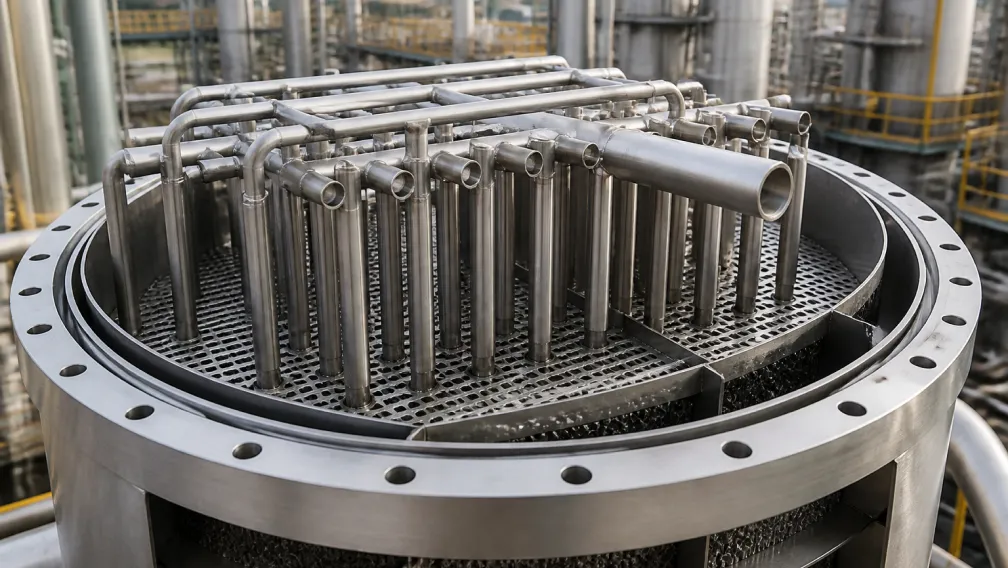
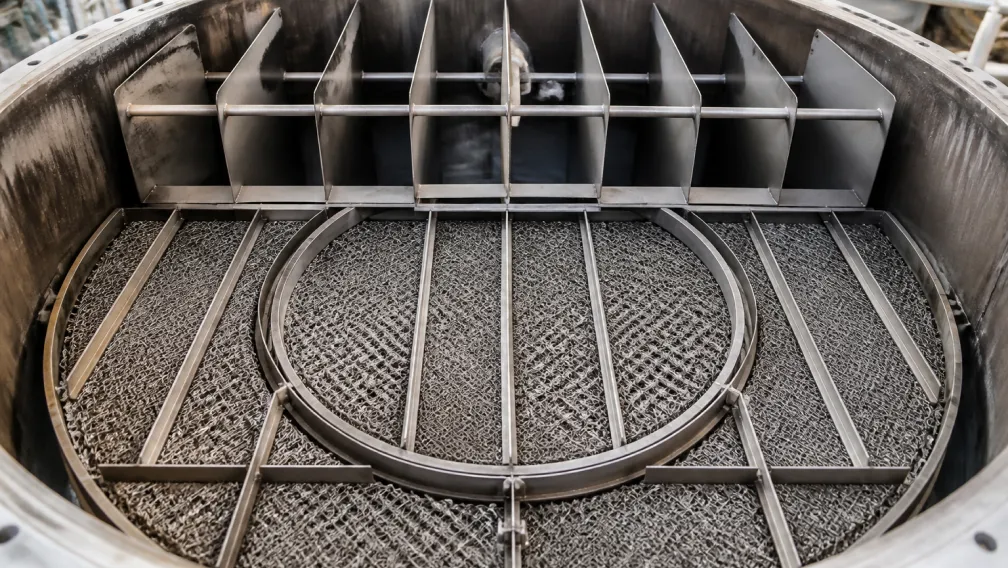
Therefore, engineers must account for bed depth limitations when designing towers with carbon raschig ring fillings. Deep packed beds exert massive cumulative compressive loads on the bottom layers. To prevent the lower carbon rings from crushing under the weight, tall absorption columns are designed with intermediate redistributor and support plates that break the single tall bed into multiple shorter beds (typically limited to 3 to 4 meters per section).
During installation, the rings are typically dumped wet or carefully loaded to prevent impact damage. Once settled into a uniform random matrix, the bed handles standard vapor and liquid throughputs safely, provided the operating pressure drop remains within normal hydraulic parameters.
Applications in HF Alkylation and Flue Gas Scrubbing
Carbon Raschig rings serve in several specialized industrial sectors where alternative materials fail.
HF Alkylation Units: In petroleum refineries, hydrofluoric acid is used as a catalyst to produce high-octane alkylate for gasoline. Acid regeneration and fractionation towers within these units utilize carbon packing to handle wet HF streams without metallic contamination or silicate dissolution.
Fluorochemical Manufacturing: Plants producing refrigerants, fluoropolymers, and inorganic fluorides generate heavy HF vapor streams. Absorption scrubbers utilizing random packing made of carbon successfully clean these exhaust gases before environmental release.
Caustic Chlorine Scrubbing: In chlor-alkali facilities, waste gas scrubbers handling wet chlorine and concentrated sodium hydroxide utilize carbon media to resist aggressive chemical attack and prevent salt crystallization damage.
To maintain peak separation efficiency, carbon beds must be paired with robust tower internals fabricated from matching corrosion-resistant materials, such as PTFE-lined distributors or specialized high-nickel alloy support grids.
Where Rongjian Fits
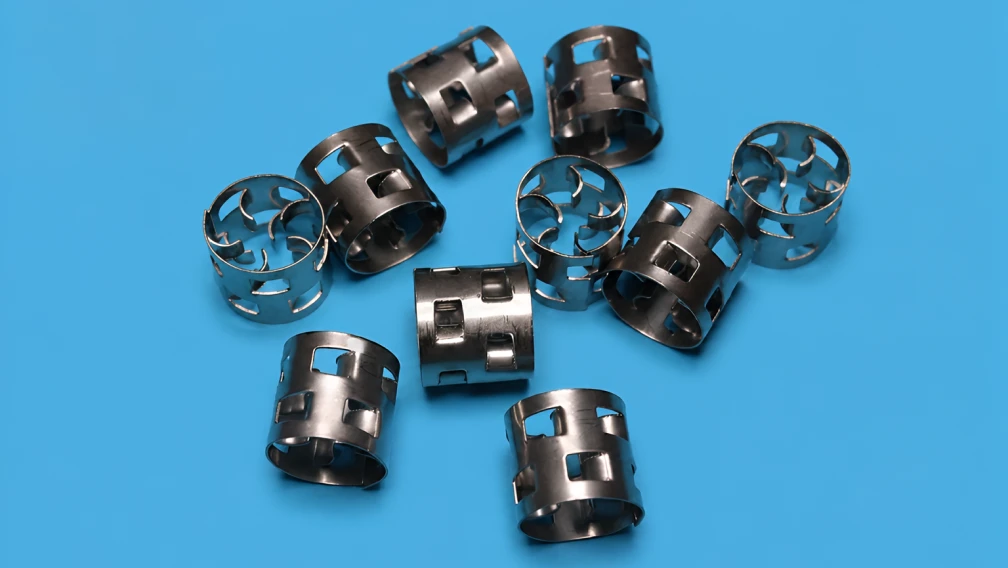
Pingxiang Rongjian manufactures specialized mass transfer media for extreme chemical environments. Alongside our extensive lines of metal and ceramic packing, we supply high-density, resin-impregnated carbon raschig rings engineered specifically for hydrofluoric acid and aggressive caustic scrubbing duties. Our manufacturing process ensures uniform wall thickness, precise outer dimensions, and zero open porosity, preventing fluid penetration and structural softening under continuous operating loads. If your process involves wet HF, strong alkalis, or volatile thermal cycling where conventional media fails, our engineering team can assist with material compatibility and bed design. Contact us through our website to discuss your specific scrubbing requirements.
-

Rongjian
Process Media Manufacturer Since 2010
Rongjian produces tower packing, molecular sieves, ceramic grinding media and other process media from our Pingxiang production base. We supply to industrial projects in over 100 countries.