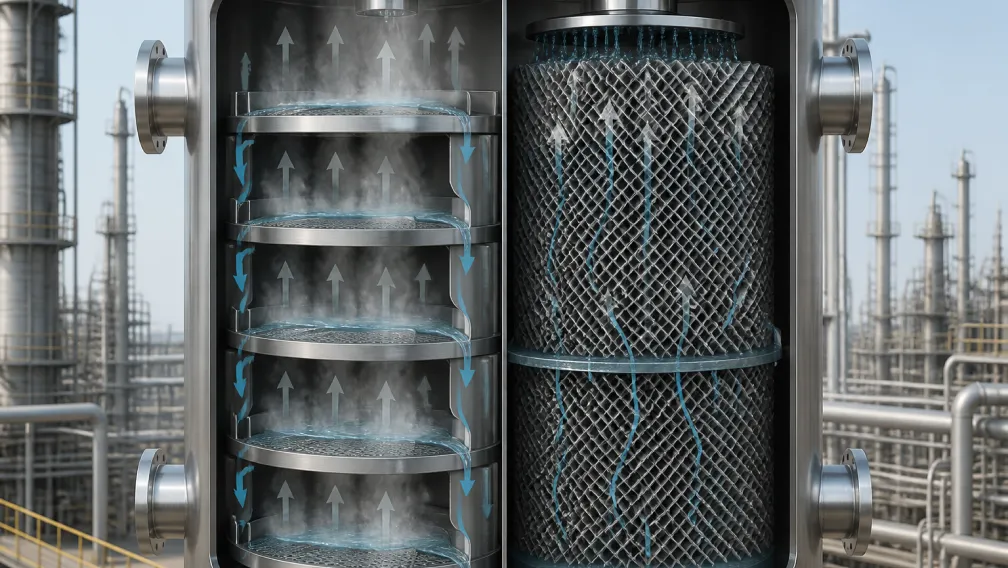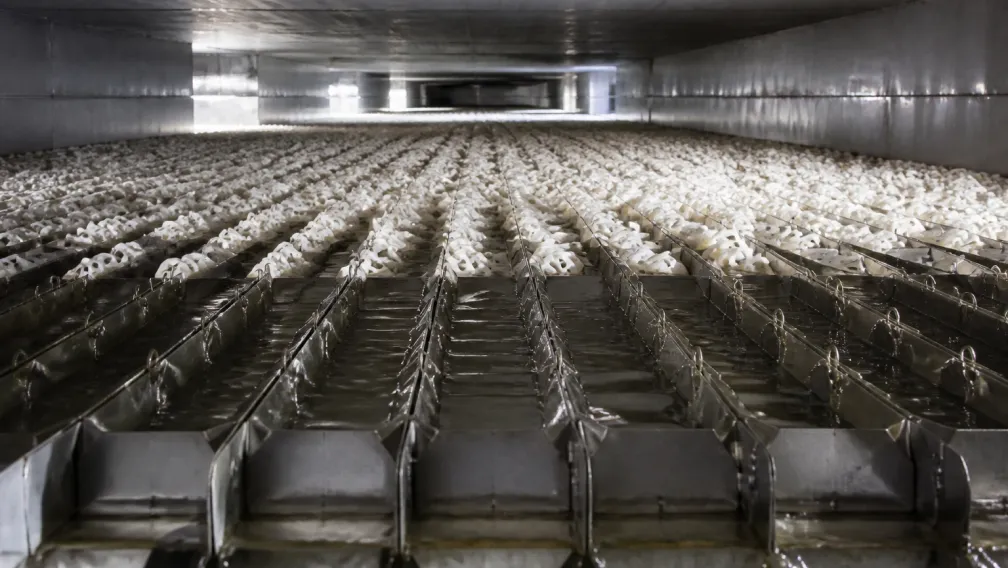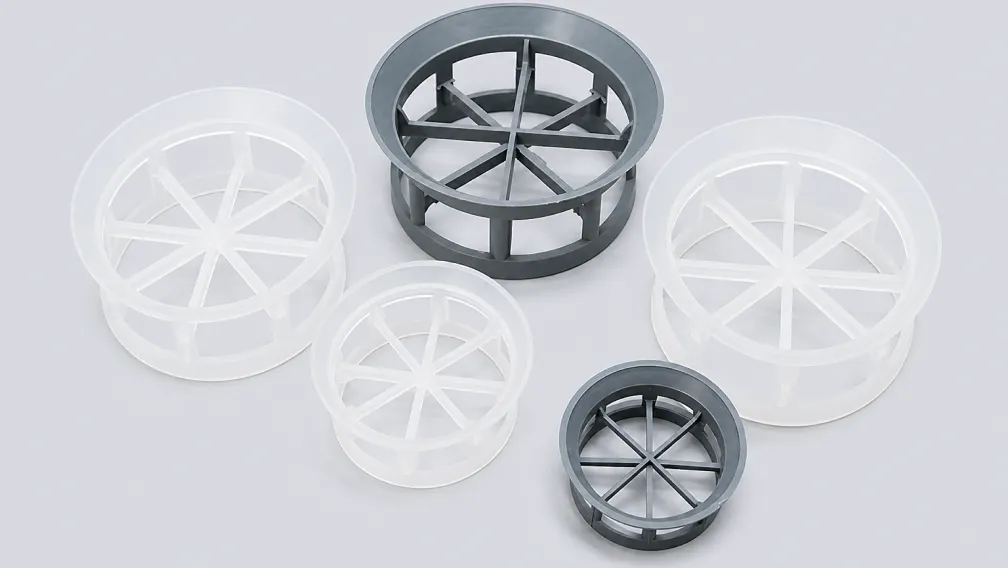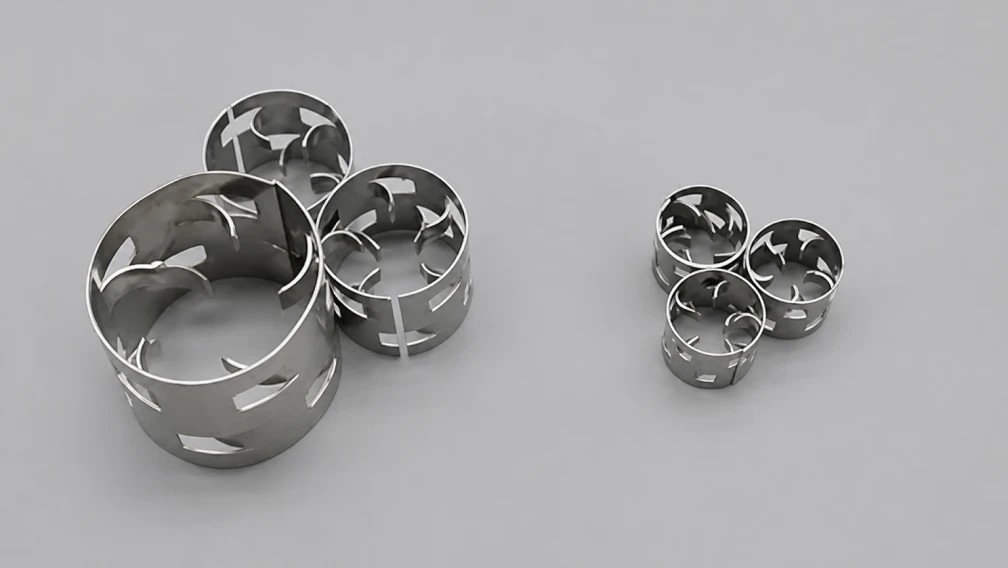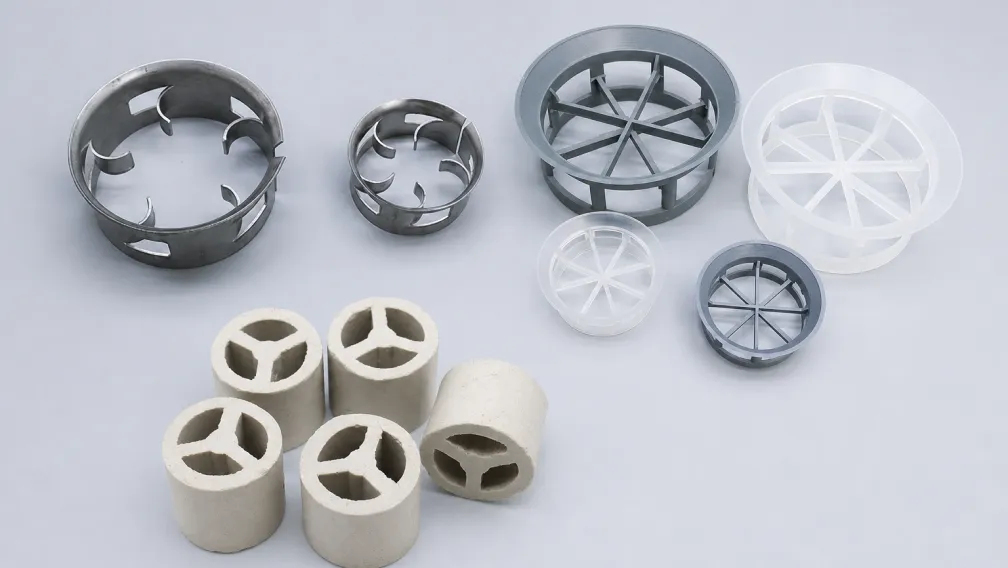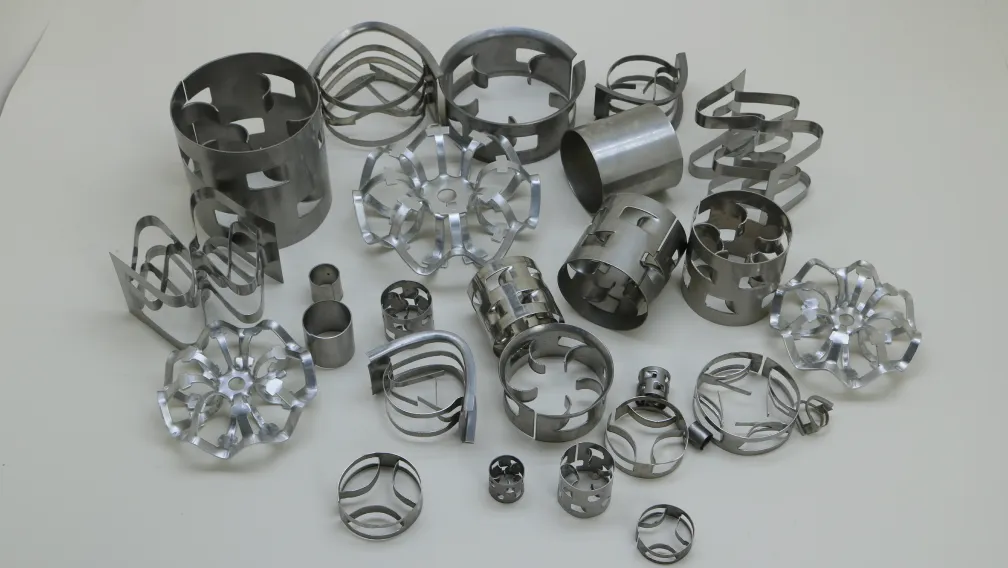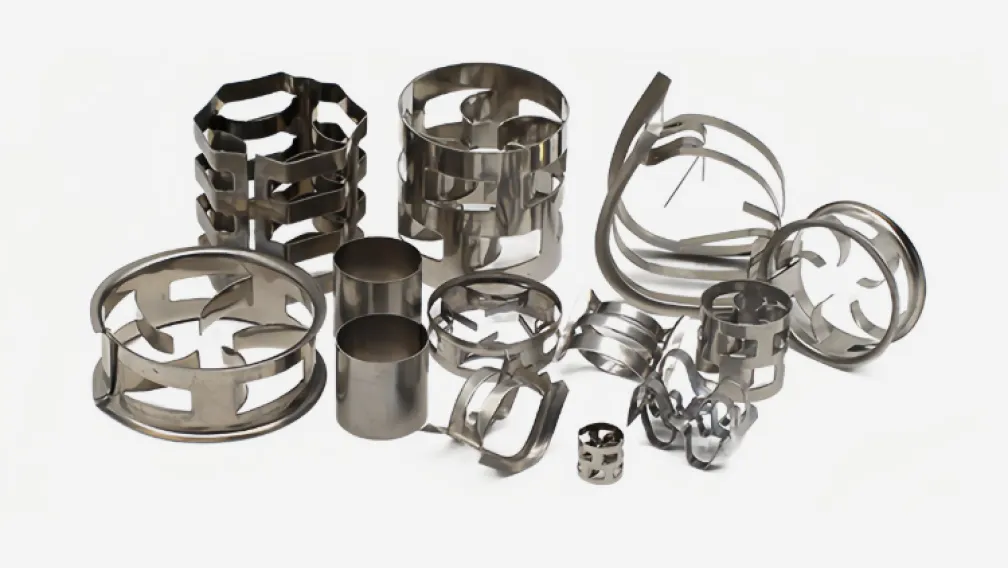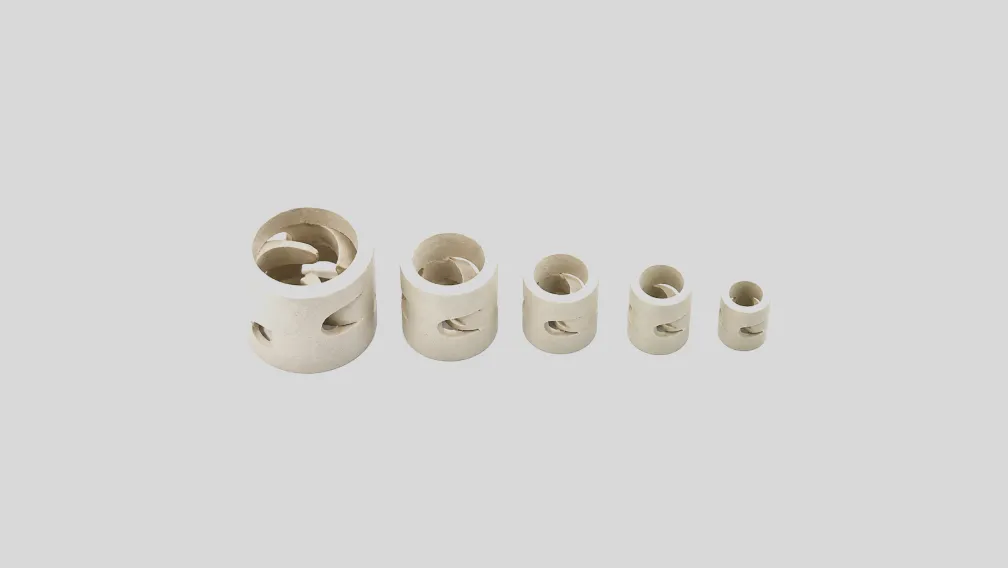

The Raschig ring, introduced over a century ago, fundamentally shaped the evolution of random tower packing in chemical engineering. However, the simple cylindrical design of the first-generation ring suffers from severe aerodynamic limitations, including high pressure drop, low void fraction, and a tendency for fluid channelling. To overcome these constraints, modern mass transfer technology introduced the Super Raschig ring. By engineering an open-grid, corrugated structure with significantly enhanced void space, Super Raschig rings achieve much higher capacity and lower pressure drop while maintaining a massive specific surface area. This guide examines the fluid dynamic limitations of traditional rings, the geometric engineering of Super Raschig media, and the quantitative performance gains achieved in industrial distillation and absorption columns.
The Fluid Dynamic Limitations of First-Generation Raschig Rings
First-generation random packing consisted of plain, hollow cylinders where the height equalled the outer diameter. While durable and inexpensive, this simple geometry presented major hydrodynamic bottlenecks.
Because the walls of a standard cylinder are entirely solid, fluid flow is severely restricted. When dumped randomly into a tower, standard ceramic raschig rings or metal cylinders tend to stack with their axes aligned parallel to the column wall or horizontal planes. This creates a high resistance to gas flow, forcing the vapor through a tortuous path that generates high pressure drop and limits the maximum gas velocity before flooding occurs.
Furthermore, the interior of a traditional ring acts as a dead zone. Liquid pools inside the cylinder, preventing proper renewal of the liquid film and reducing the effective mass transfer area. To achieve acceptable separation stages, older columns required massive bed heights, leading to high capital expenditure on tall column shells and high operational energy costs for blower and compressor fans.
The Geometric Evolution of Super Raschig Rings
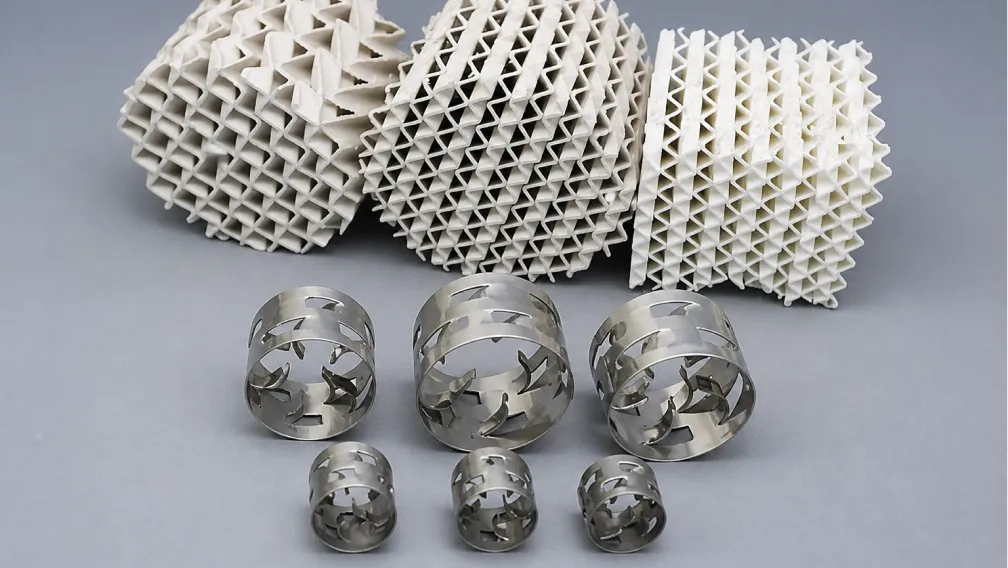
The Super Raschig ring represents an advanced third-generation random packing design. It preserves the basic cylindrical outline of the original ring but completely re-engineered the wall structure to optimize fluid dynamics.
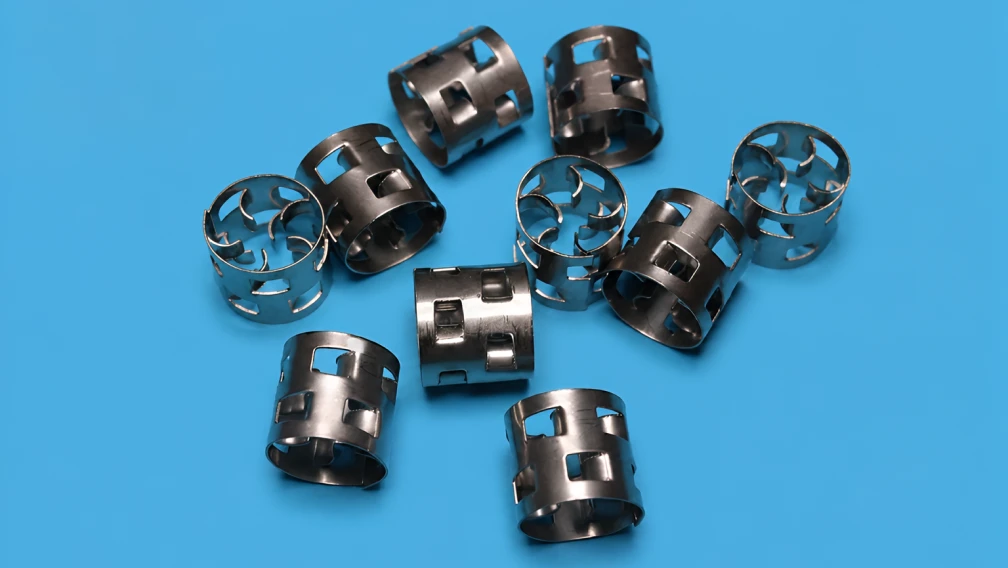
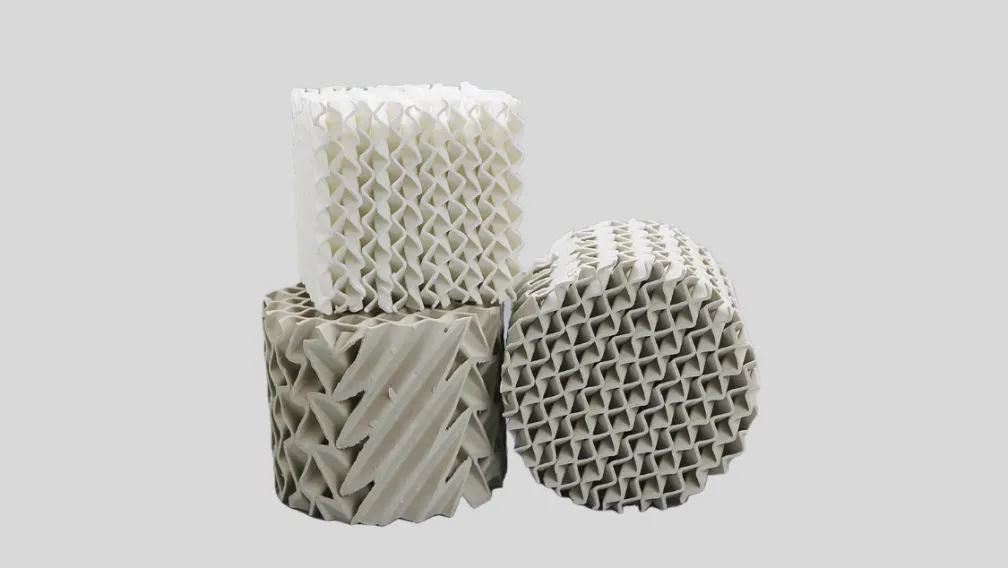
The defining feature of a super raschig ring is its open grid-like wall architecture, often reinforced with internal curved blades or corrugated ribs. This open structure eliminates solid walls, yielding a void fraction that typically exceeds 95% to 98% for metal variants. A higher void fraction means more open space for gas and liquid to pass through, directly translating to a dramatic reduction in pressure drop.
The geometry is designed to prevent nesting—the phenomenon where smaller rings slide inside larger ones during installation, creating localized solid blocks in the bed. The structural ribs and optimized aspect ratios ensure that when the rings are dumped into the column, they form an isotropic, highly open matrix with a uniform distribution of interstitial void spaces.
Mass Transfer Efficiency and HETP Comparison
In chemical separation, packing performance is measured by the Height Equivalent to a Theoretical Plate (HETP). A lower HETP indicates higher separation efficiency, meaning fewer physical meters of packing are required to achieve a given product purity.
Standard Raschig rings typically yield relatively high HETP values due to poor liquid distribution and stagnant liquid pooling inside the cylinder. In contrast, the internal structure of a Super Raschig ring splits descending liquid films continuously. As vapor ascends through the open grid walls, it shears the liquid film into micro-droplets and thin films, maximizing the interfacial contact area between the two phases.
As a result, Super Raschig rings deliver an HETP that is often 30% to 50% lower than traditional rings of equivalent nominal size. This massive efficiency gain allows plant engineers to pack significantly more theoretical separation stages into existing column heights during retrofits, greatly increasing distillate purity or recovery rates.
Capacity and Hydraulic Flooding Limits
Column capacity is governed by the hydraulic flooding point—the vapor velocity at which upward gas drag prevents downward liquid drainage, causing the column to choke.
Because standard Raschig rings possess low void fractions (typically 65% to 75% for ceramic versions), gas velocity must be kept relatively low to avoid premature flooding. Super Raschig rings, with their open-grid architecture, offer vastly superior hydraulic capacity. They allow vapor velocities to increase by 30% to 50% under identical column diameters before reaching the flooding curve.
This increased capacity makes Super Raschig media ideal for debottlenecking projects. When an operating plant needs to process higher feed volumes without purchasing a new, expensive column shell, replacing traditional random packing with Super Raschig rings allows the plant to boost throughput while simultaneously reducing energy consumption through lower operating pressure drops.
Material Variations: Metal, Plastic, and Ceramic
To match diverse process chemistries, Super Raschig rings are manufactured across multiple material platforms.
Metal Super Raschig Rings: Fabricated from stainless steels (such as 304L, 316L) and specialized high-nickel alloys, metal variants offer the highest void fractions and mechanical crush strength. They are widely specified in high-capacity vacuum distillation, hydrocarbon fractionation, and large industrial scrubbers.
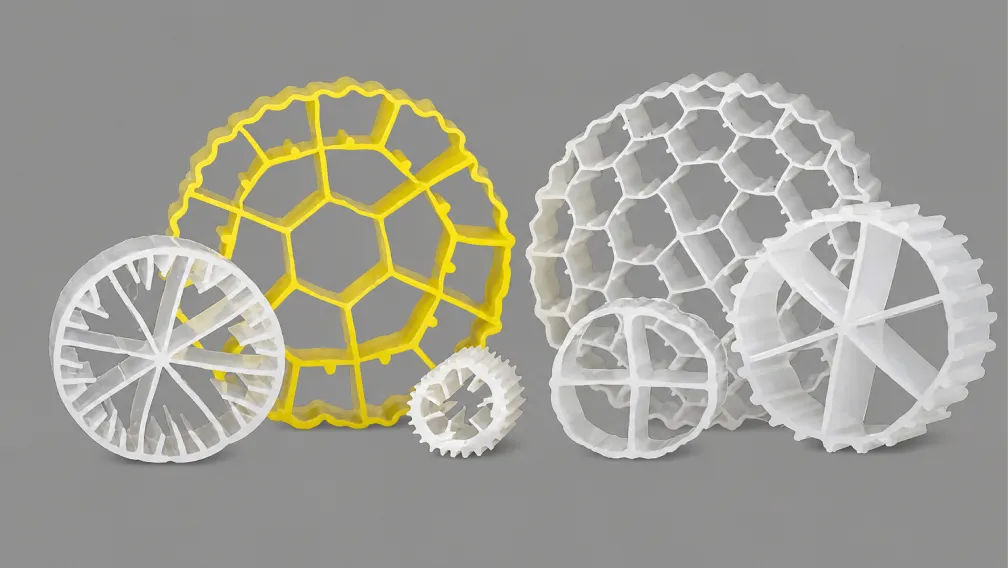
Plastic Super Raschig Rings: Molded from engineering polymers including PP, PFA, and PVDF, plastic versions are deployed in corrosive atmospheric scrubbing towers, biological water treatment, and gas cooling applications where metallic corrosion is a concern.
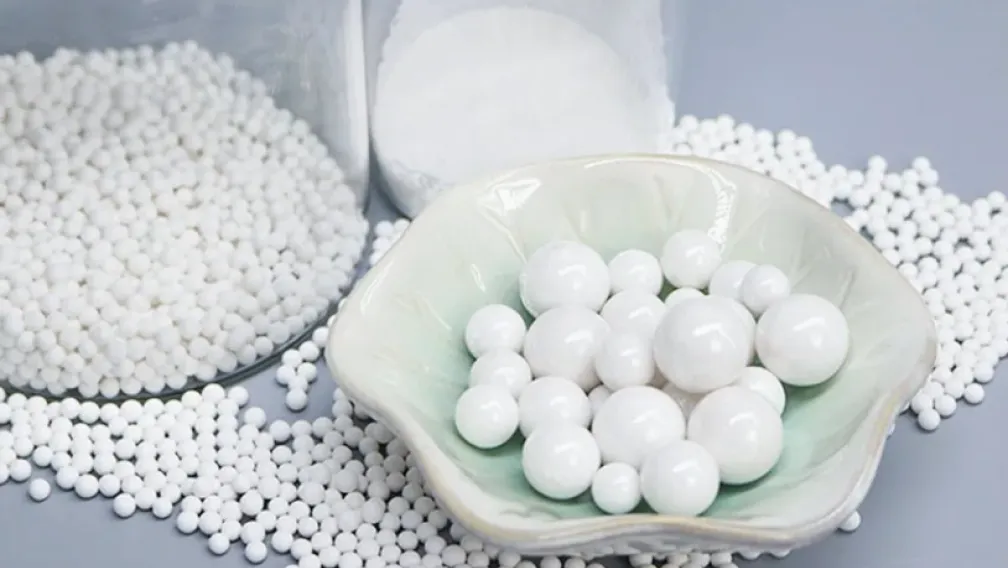
Ceramic Super Raschig Rings: Utilized in high-temperature acid absorption towers where metallic and plastic options degrade. However, engineering designs must account for the lower thermal shock resistance of ceramic media compared to metal.
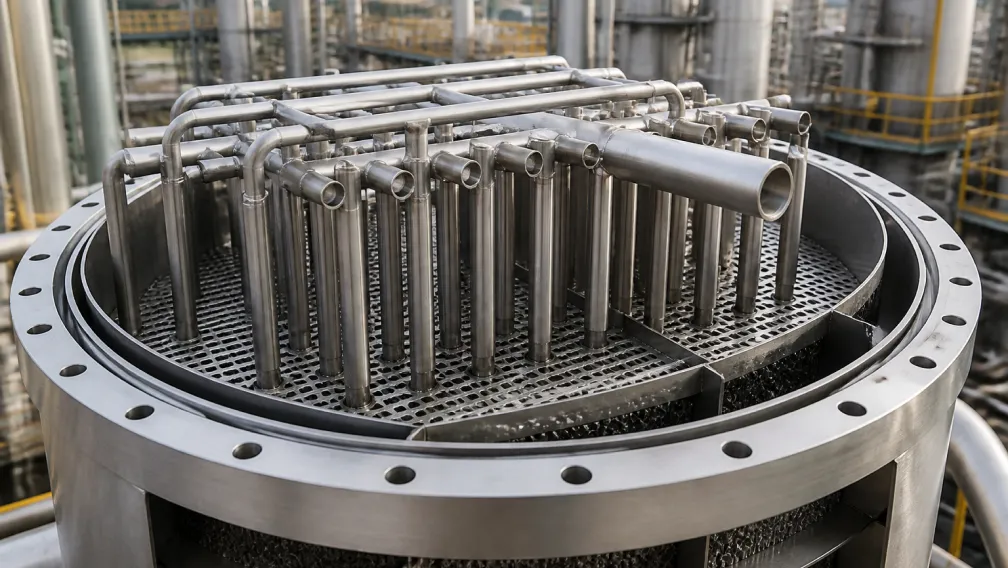
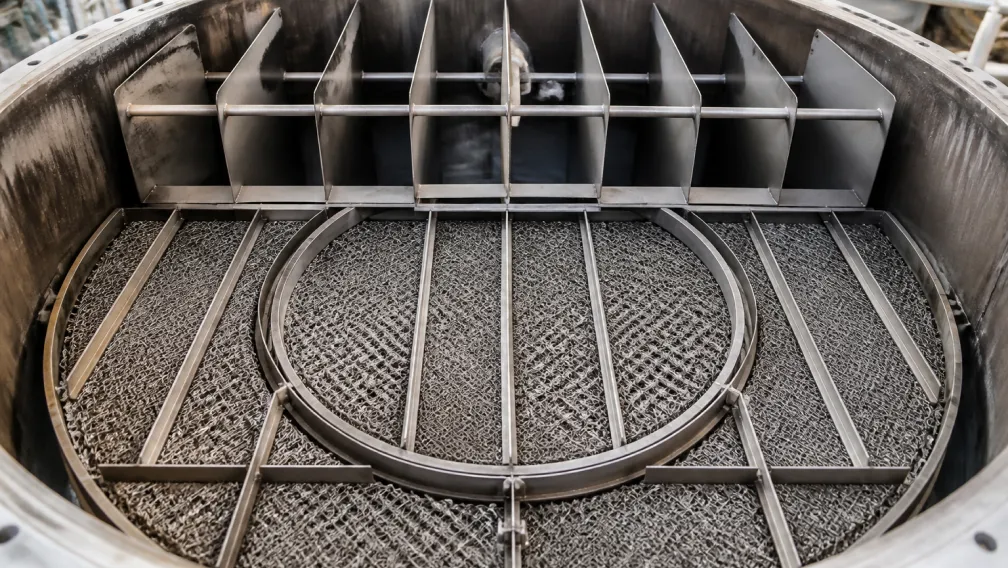
To ensure these high-capacity rings operate at peak efficiency, they must be supported by precision-engineered tower internals, including high-density liquid distributors that provide adequate initial drip point densities across the open bed.
Where Rongjian Fits
Pingxiang Rongjian manufactures high-performance mass transfer media for global chemical and petrochemical processing industries. We produce precision-engineered Super Raschig rings in metal, plastic, and ceramic formulations, designed to maximize void fraction, minimize pressure drop, and deliver exceptional HETP efficiency in demanding separation columns. Whether you are designing a new high-capacity distillation column or debottlenecking an existing unit to increase throughput, our engineering team can help you select the optimal ring size and material. Contact us through our website for detailed technical data sheets and custom packing configurations.
-

Rongjian
Process Media Manufacturer Since 2010
Rongjian produces tower packing, molecular sieves, ceramic grinding media and other process media from our Pingxiang production base. We supply to industrial projects in over 100 countries.