
When designing or retrofitting a chemical separation column, one of the most consequential decisions an engineer faces is choosing between structured packing and random packing. Both media serve the same fundamental purpose: maximizing the interfacial surface area between liquid and vapor phases to promote efficient mass transfer in distillation, absorption, and stripping columns. However, their physical geometry, hydraulic performance, pressure drop characteristics, and capital costs differ vastly. Selecting the wrong packing type can lead to high energy consumption, premature column flooding, or failure to meet product purity specifications. This guide provides an engineering-level comparison of structured and random packing, evaluating when to deploy each media type based on column diameter, fouling potential, and operating pressure.
The Core Mechanics of Mass Transfer in Packed Columns
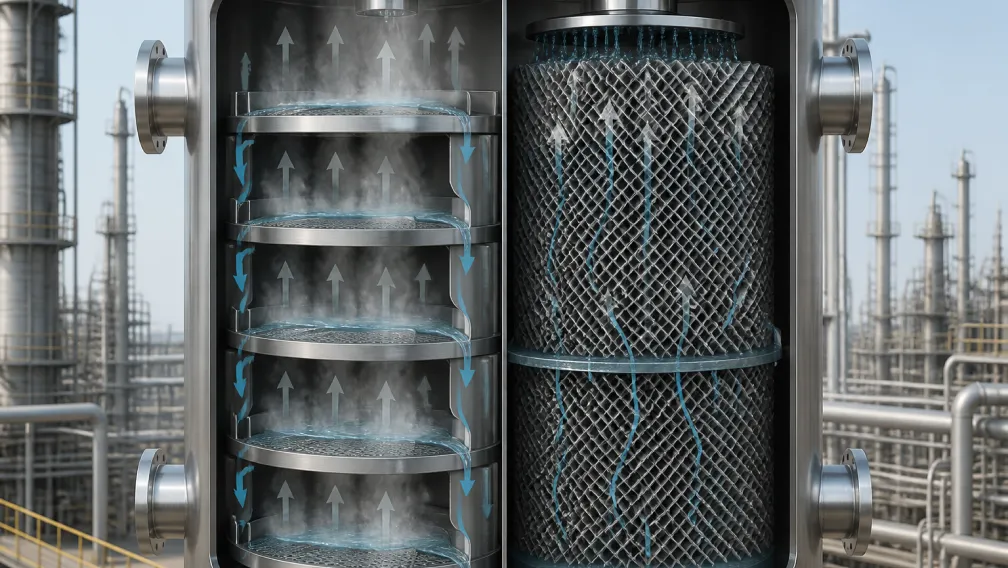
Packed towers operate on continuous counter-current flow, where liquid descends under gravity while vapor ascends under pressure differential. The efficiency of this contact is measured by the Height Equivalent to a Theoretical Plate (HETP) and the specific surface area available per unit volume. A lower HETP means the packing achieves a separation stage in a shorter vertical height, resulting in a more compact and cost-effective column shell.
Both structured and random media provide high surface area, but they achieve it through entirely different physical architectures. The choice between them dictates how the column handles pressure drop, liquid holdup, and vapor loads.
Random Tower Packing: Geometry and Operational Profile
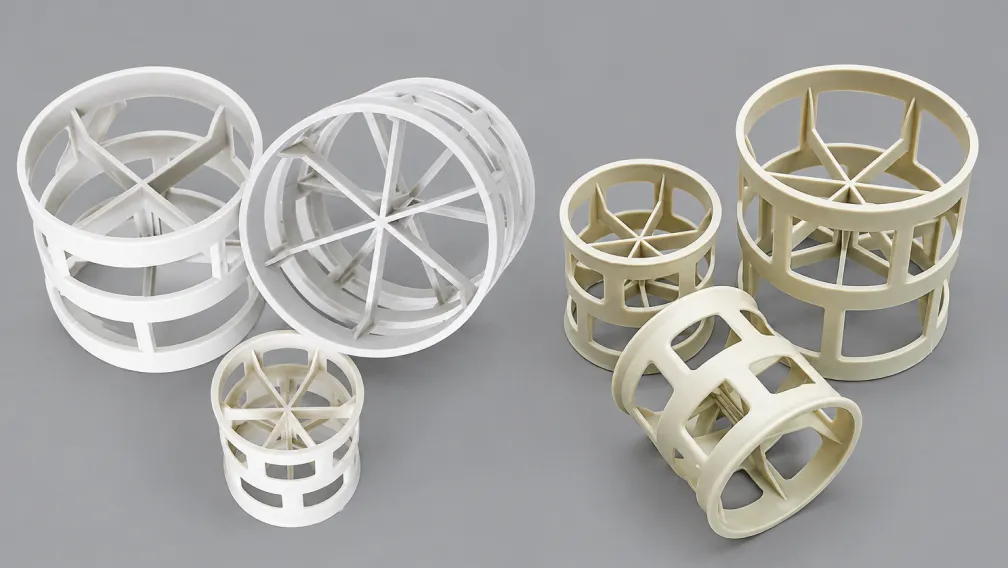
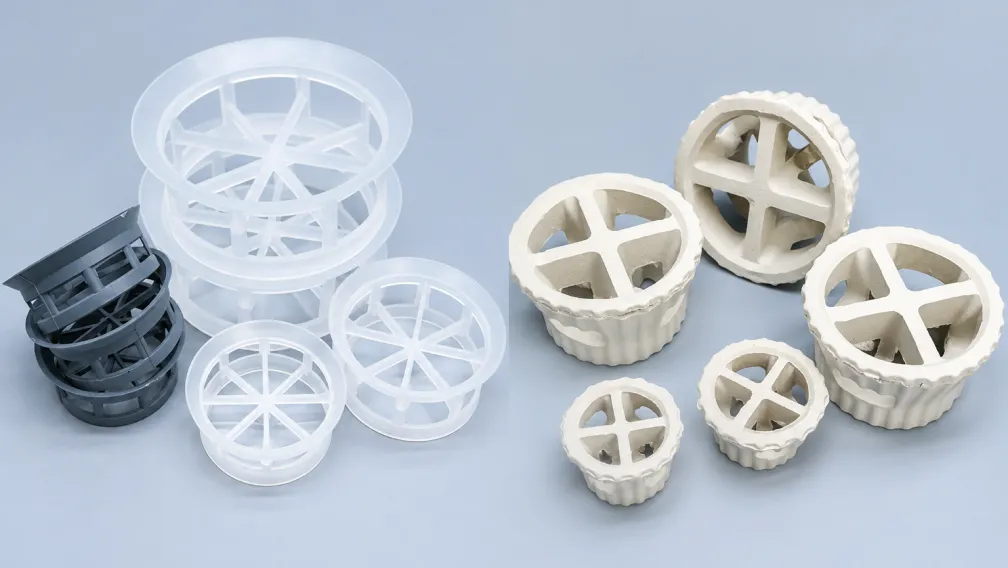
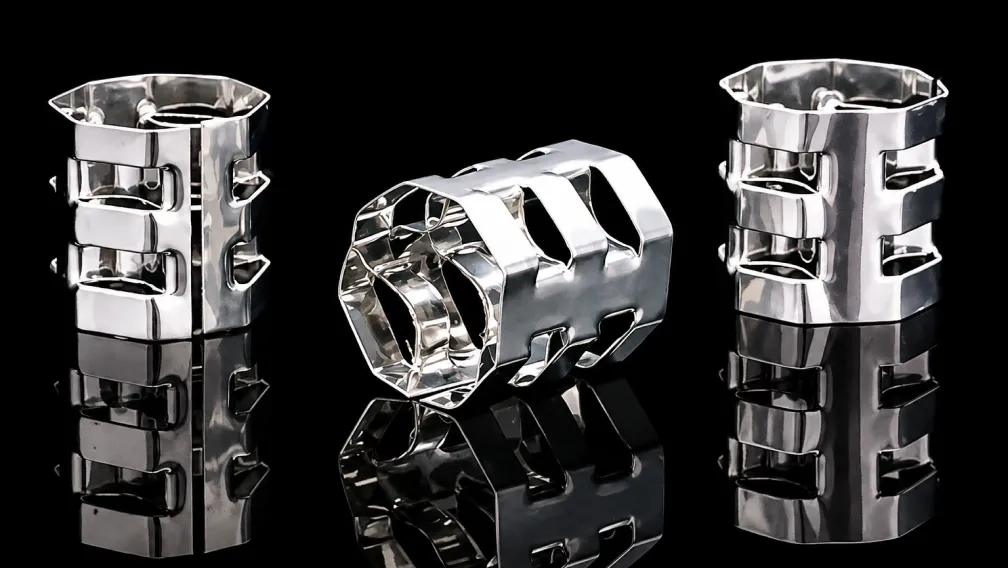
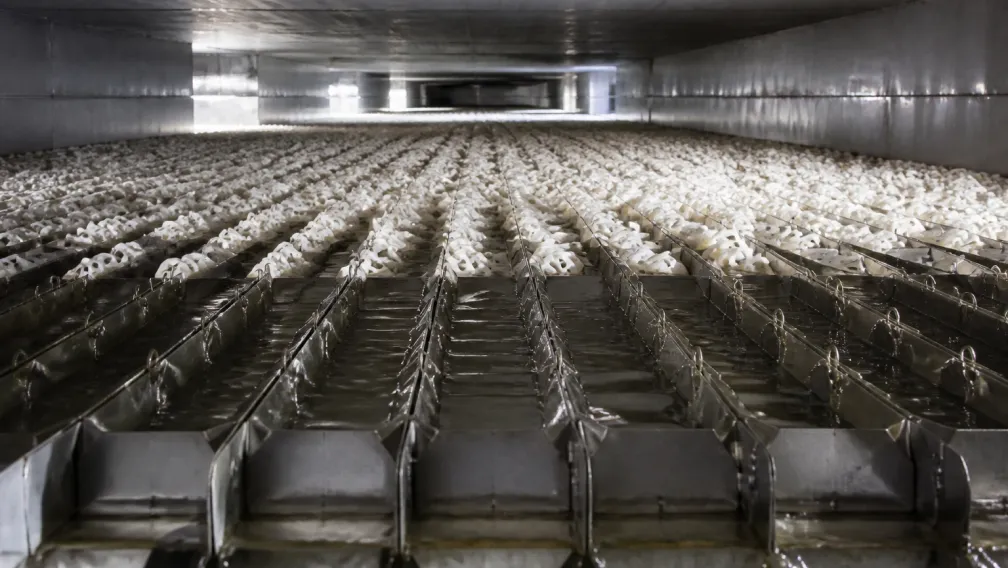
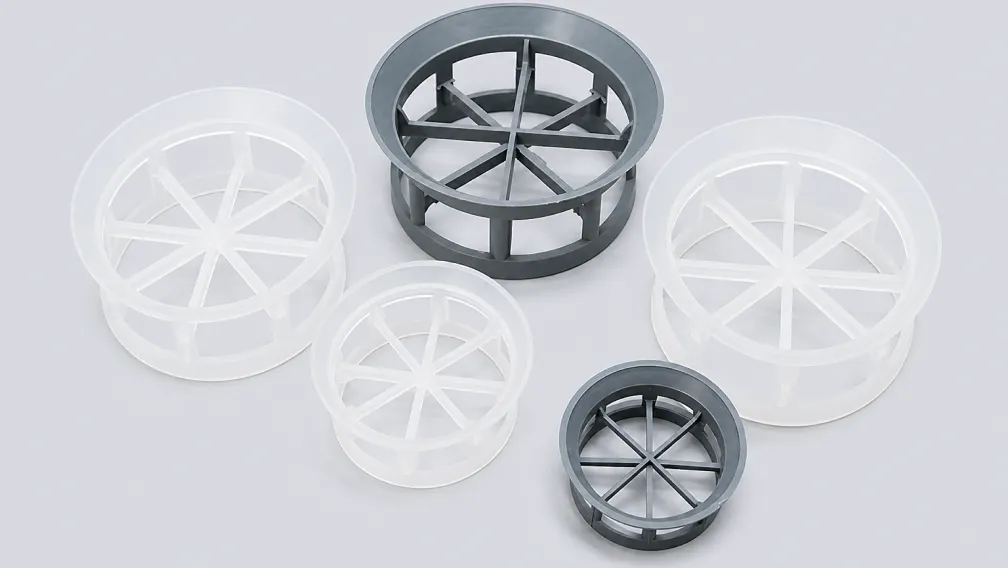
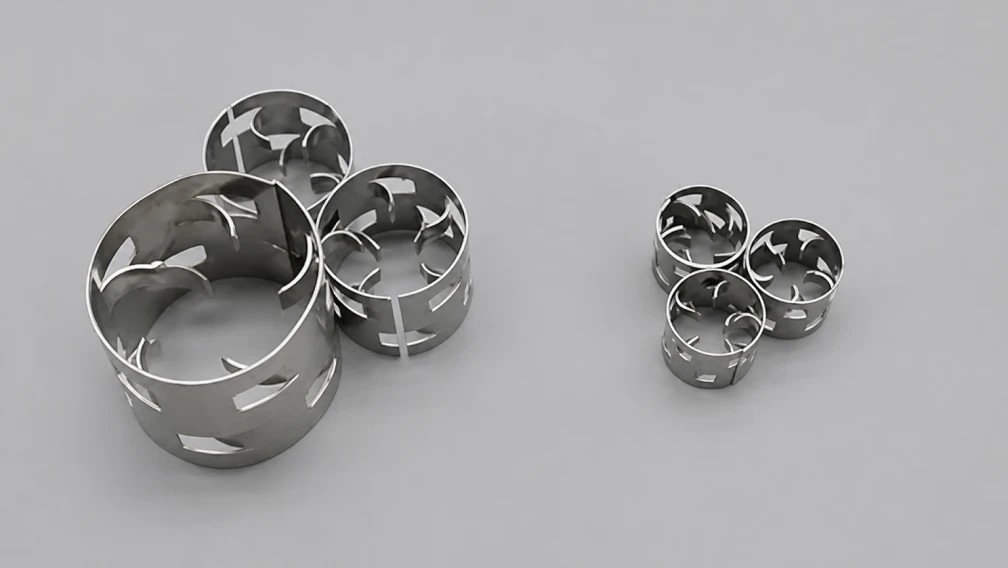
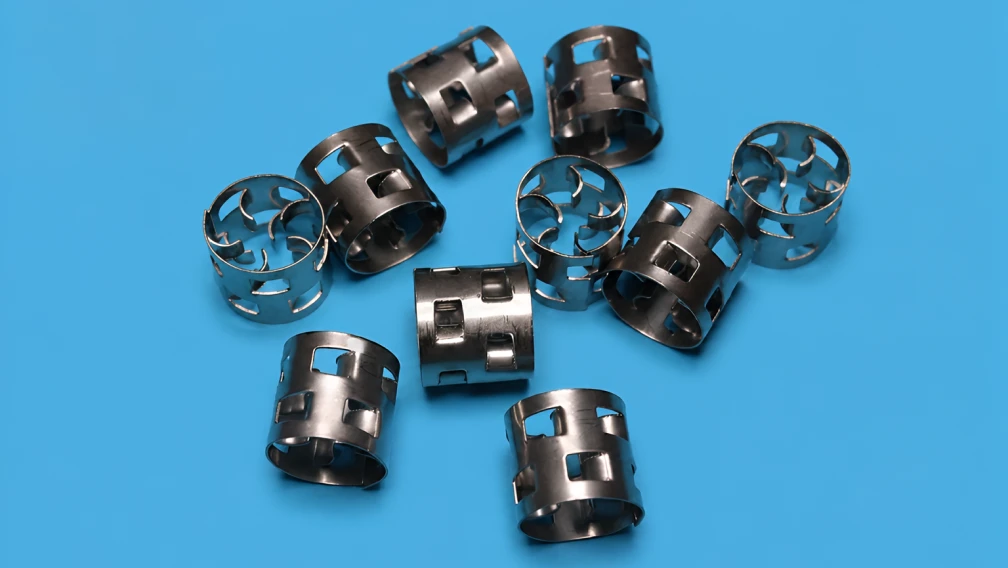
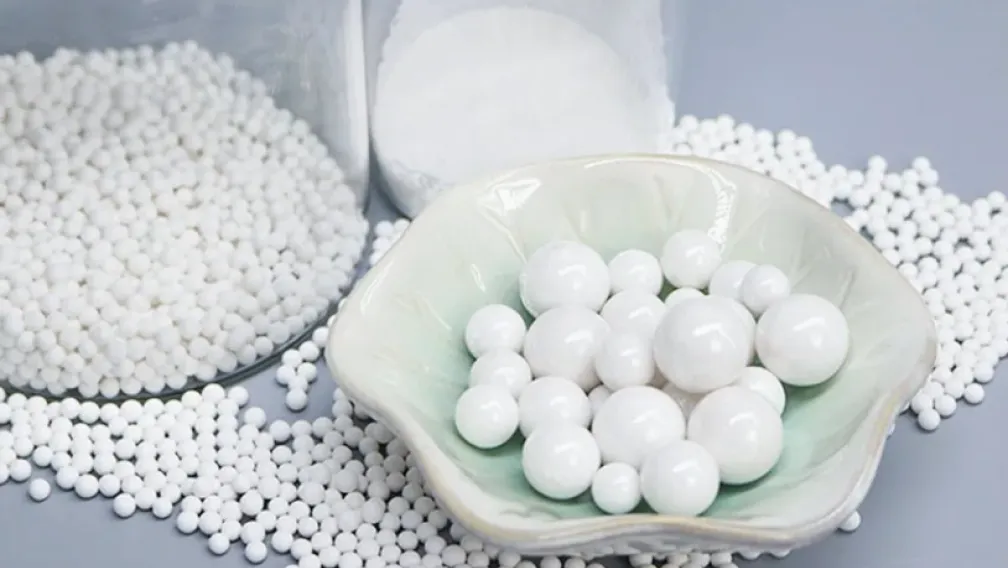
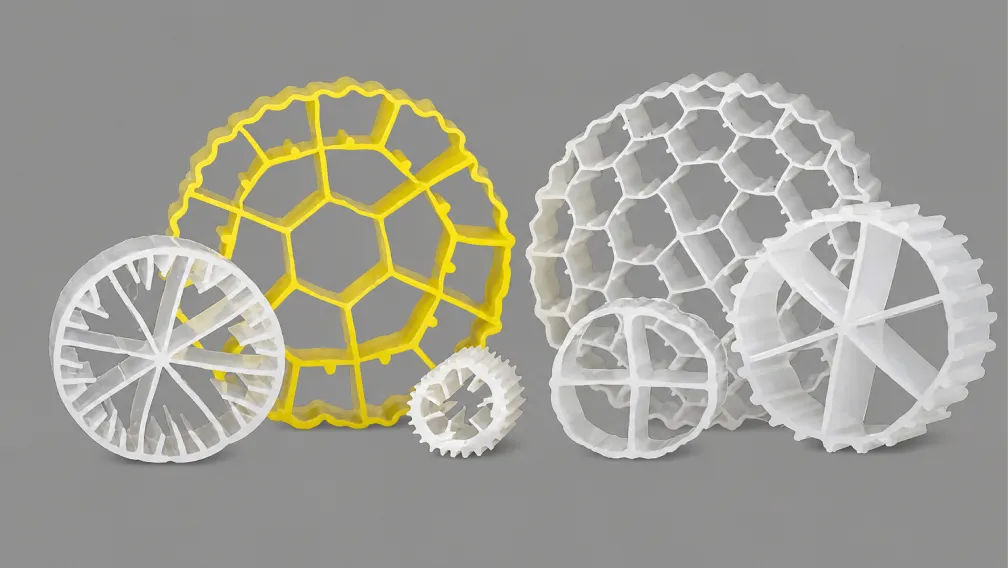
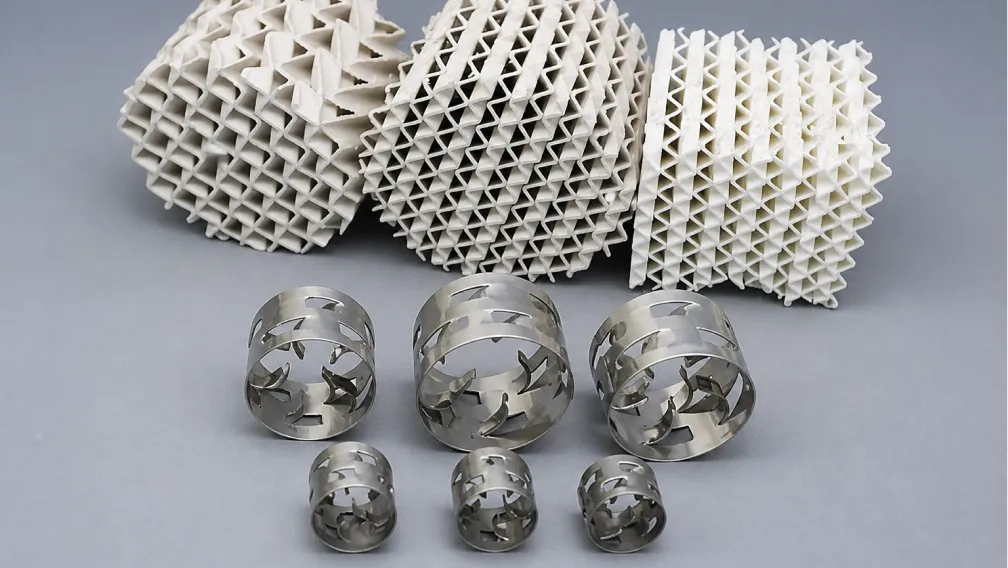
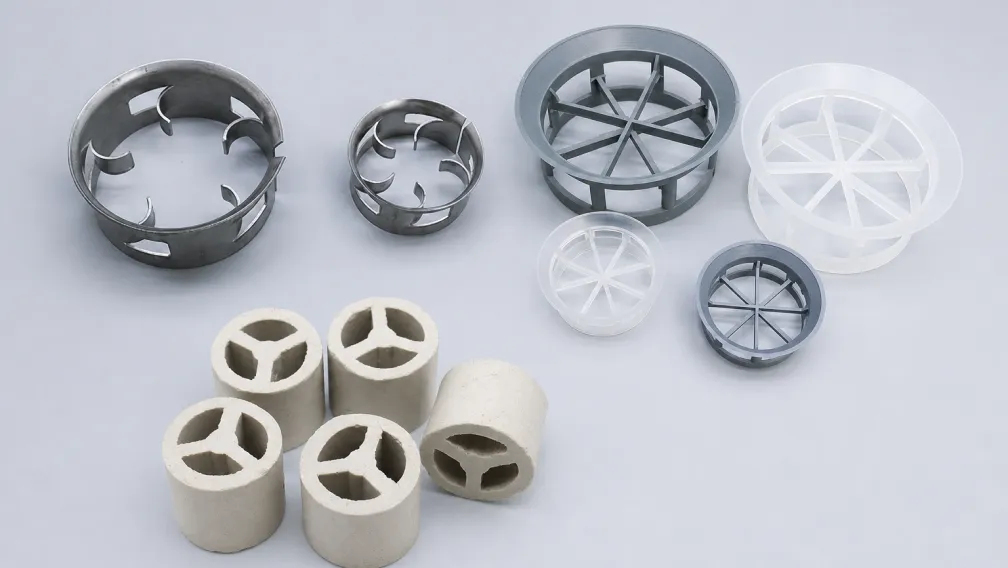
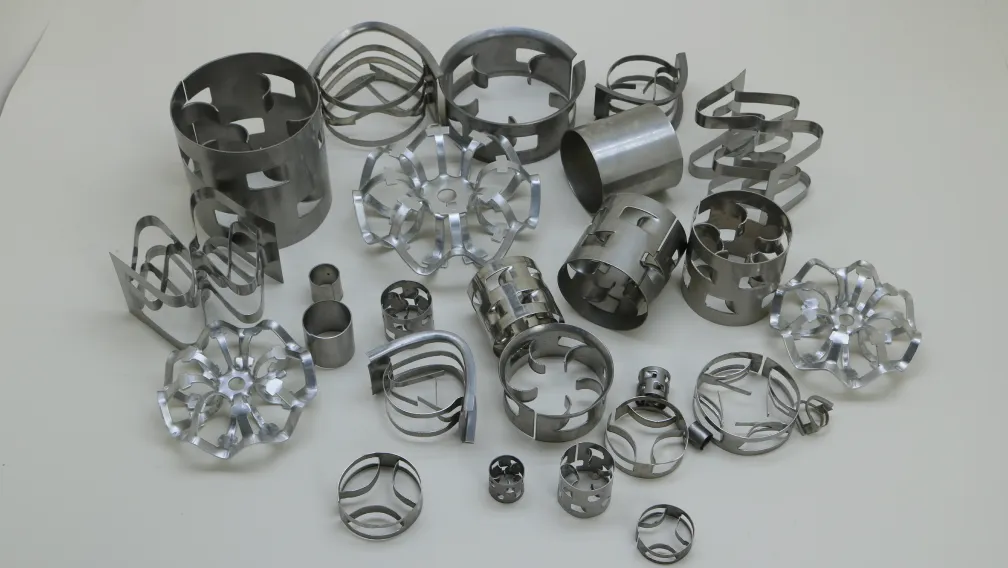
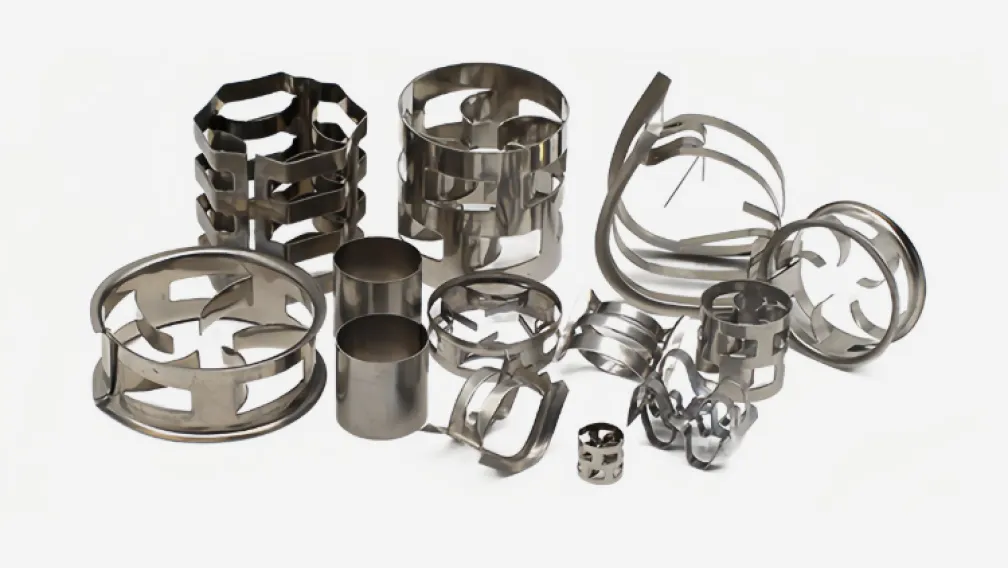
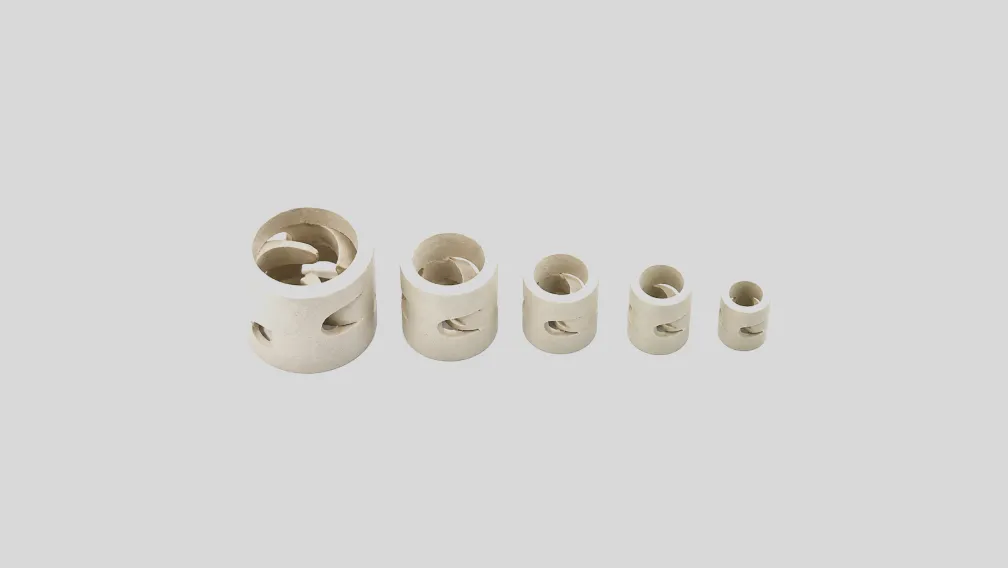
Random tower packing consists of individual, discrete pieces dumped haphazardly into the column shell to form a disordered bed. This category includes traditional rings, saddles, and modern high-performance shapes such as metal VSP rings, cascade mini rings, and ceramic saddles.
Because the pieces fall into a random arrangement, the bed possesses a high degree of isotropic void space and random flow channels. As vapor and liquid navigate this matrix, the fluid paths continually split, remix, and spread radially. This inherent radial mixing is a major operational advantage. If minor liquid maldistribution occurs at the top of a random bed, the media naturally redistributes the fluid outward as it travels downward, mitigating localized dry spots.
Random packing excels in severe, dirty, or fouling environments. The large, open flow channels of modern metal and plastic rings tolerate solid particulates, suspended polymers, and viscous tars far better than tightly structured sheets. If scaling or fouling occurs, random packing can be easily dumped out, cleaned, or replaced during a turnaround. Furthermore, random packing is generally less expensive on a per-cubic-meter basis, making it the preferred baseline for standard scrubbing, quenching, and general absorption columns.
Structured Packing: Geometry and High-Performance Efficiency
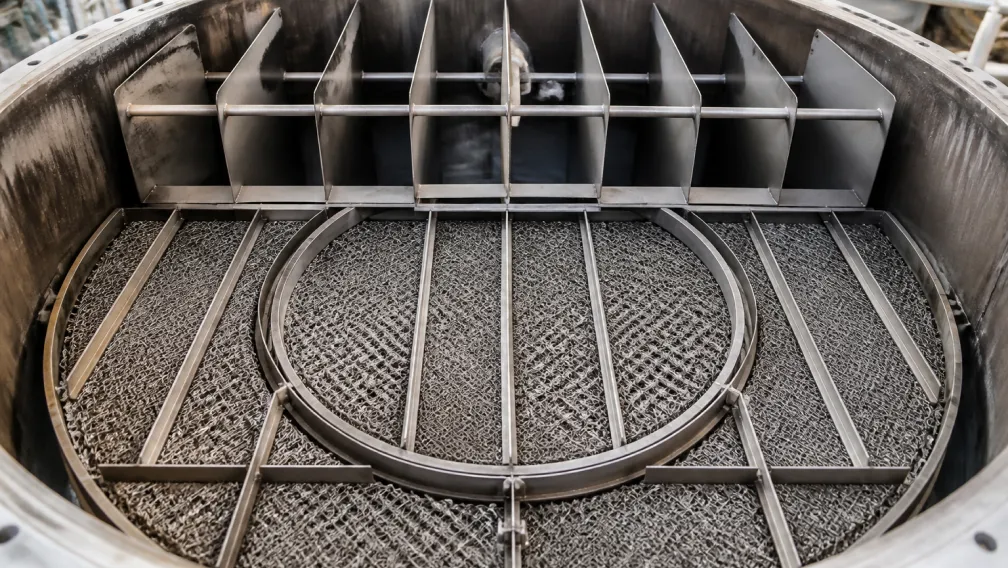
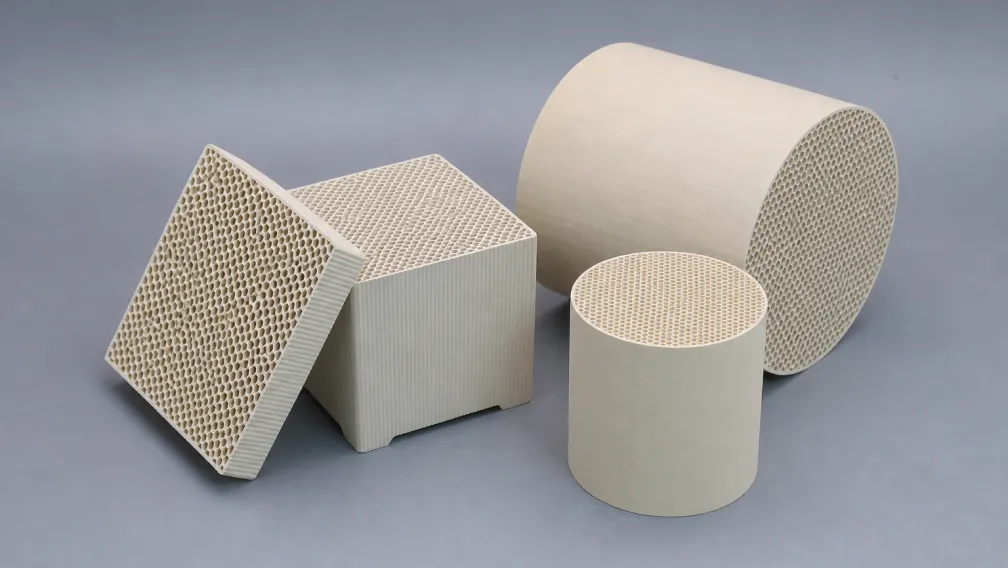
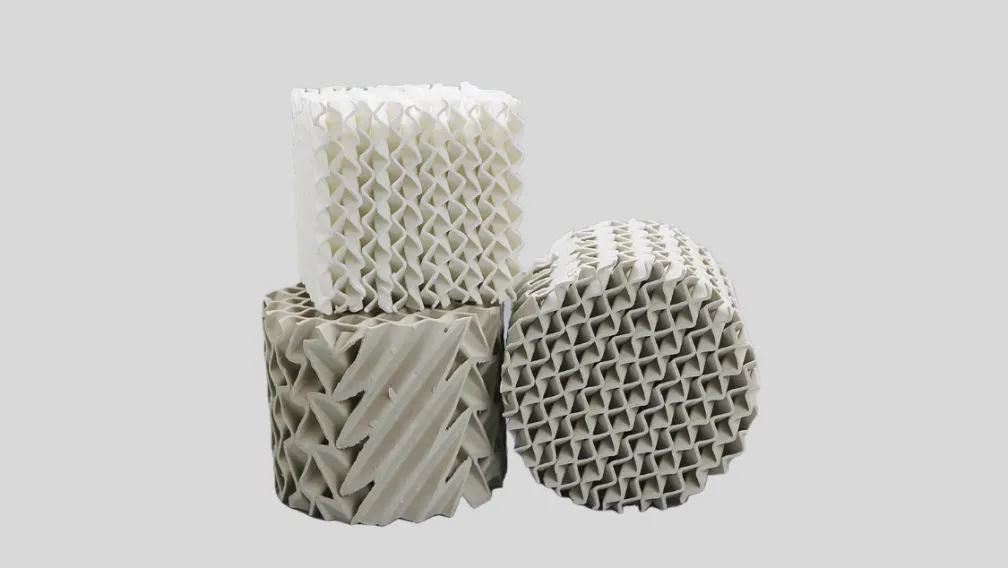
Structured packing consists of thin, corrugated metal or ceramic sheets assembled into orderly, geometric honeycomb blocks that fill the column cross-section. The sheets are perforated and textured to promote capillary wicking and thin-film liquid distribution.
The defining characteristic of structured packing is its exceptionally high surface-area-to-volume ratio combined with an open geometric structure. Standard structured packing provides specific surface areas ranging from 250 to 750 square meters per cubic meter, significantly higher than most random rings. This massive surface area yields a very low HETP, often between 300 and 500 millimeters. Consequently, columns utilizing structured packing are significantly shorter and smaller in diameter than equivalent random-packed columns.
Furthermore, structured packing offers an extremely low pressure drop per theoretical stage, typically 0.1 to 0.5 mbar per meter of packing height. This ultra-low pressure drop makes structured packing indispensable for deep vacuum distillation—such as fatty acid fractionation or petrochemical vacuum towers—where bottom temperatures must be strictly controlled to prevent thermal degradation of heat-sensitive products. By dropping the top pressure, the reboiler temperature drops correspondingly.
However, structured packing possesses strict operational limitations. It offers virtually zero radial liquid spreading. If a liquid distributor fails to wet a specific corrugated channel at the top of the bed, that channel remains completely dry throughout the entire height of the block. Therefore, structured packing demands meticulous liquid distribution and is highly sensitive to fouling, as solid particulates quickly plug the narrow micro-channels.
Head-to-Head Comparison: Key Engineering Parameters
| Engineering Parameter | Structured Packing | Random Packing |
|---|---|---|
| Specific Surface Area | High (250 – 750 m²/m³) | Moderate (100 – 350 m²/m³) |
| Pressure Drop per Stage | Very Low (0.1 – 0.5 mbar/m) | Moderate to High |
| HETP (Separation Efficiency) | Very Low (Short column height) | Moderate |
| Radial Liquid Mixing | Poor (Strictly vertical flow) | Excellent (Natural radial spread) |
| Fouling & Solids Tolerance | Low (Prone to plugging) | High (Tolerates suspended solids) |
| Capital Cost | Higher (Precision fabrication) | Lower (Bulk manufactured) |
Deciding Factors: When to Choose Which Packing
Choosing between structured and random media depends on balancing process chemistry, column dimensions, and operational economics.
Choose Structured Packing When:
The process requires high-purity separation with a massive number of theoretical stages, such as superfractionation of isomers or close-boiling mixtures. It is also mandatory for deep vacuum distillation where every millibar of pressure drop translates to excessive reboiler temperature. The process stream must be clean, dry, and free of suspended solids or polymerizable compounds.
Choose Random Packing When:
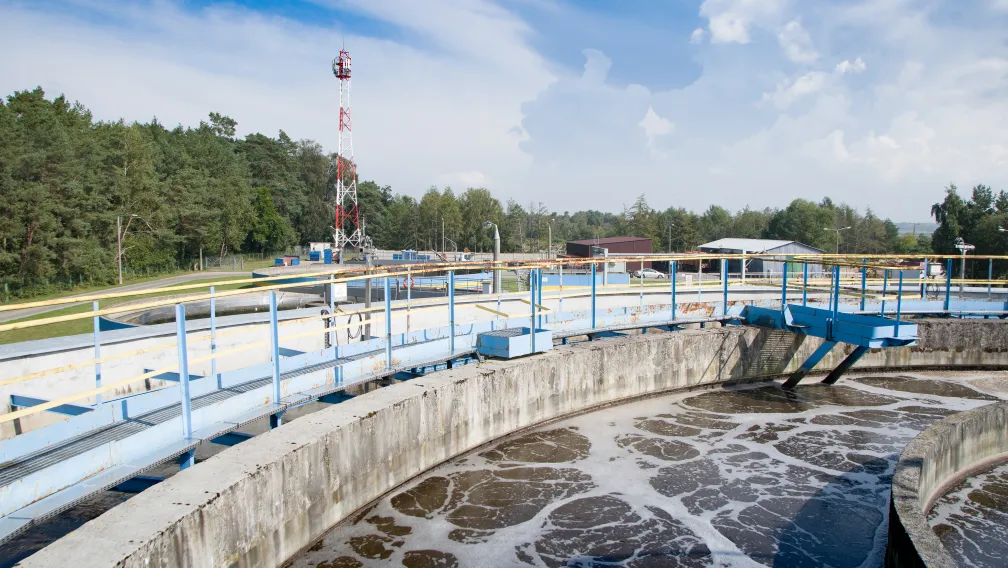
The process fluid contains suspended particulates, tars, or corrosive salts that cause scaling. It is the ideal choice for high-pressure gas absorption, acid gas scrubbing, and biological water treatment applications where fouling is inevitable. Random packing is also selected when capital budget constraints rule out the expensive fabrication costs of structured blocks, or in small-diameter columns where installing orderly sheets provides minimal ergonomic advantage over dumping rings.
In many complex columns, engineers combine both technologies. For instance, a heavy-duty random packing section is installed at the bottom of the column to handle concentrated feeds and any entrained solids, while a high-efficiency structured packing section is placed in the upper rectifying section where purity demands are highest.
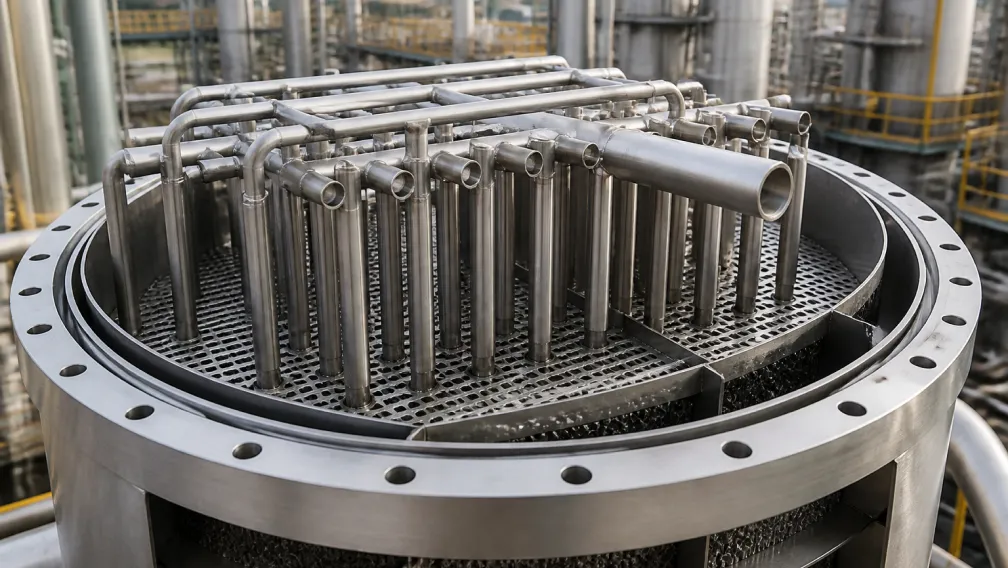
To maintain peak hydraulic performance, both packing types must be paired with precision-engineered tower internals, including high-density liquid distributors and robust bed limiters.
Where Rongjian Fits
Pingxiang Rongjian manufactures a comprehensive range of mass transfer media for the global chemical and petrochemical industries. We produce high-performance random packing in metal, plastic, and ceramic formulations, alongside precision-welded structured packing blocks designed for maximum interfacial area and minimal pressure drop. Whether you are debottlenecking an existing vacuum column to increase distillate yield or designing a robust acid scrubber for dirty gas streams, our engineering team evaluates your fluid loads, system pressures, and fouling potential to supply the optimal packing solution. Contact us with your column specifications for a tailored internal configuration proposal.
-

Rongjian
Process Media Manufacturer Since 2010
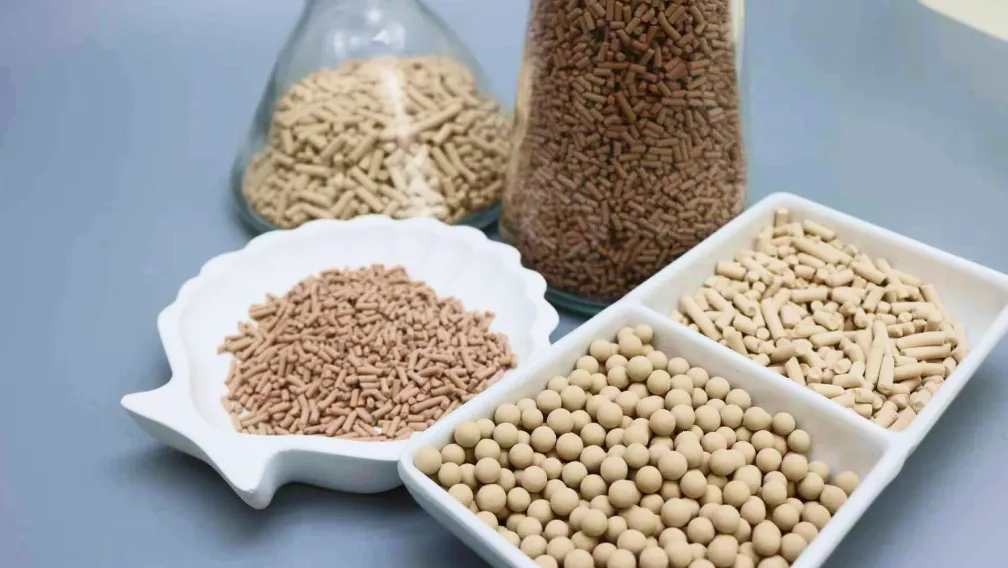
Rongjian produces tower packing, molecular sieves, ceramic grinding media and other process media from our Pingxiang production base. We supply to industrial projects in over 100 countries.