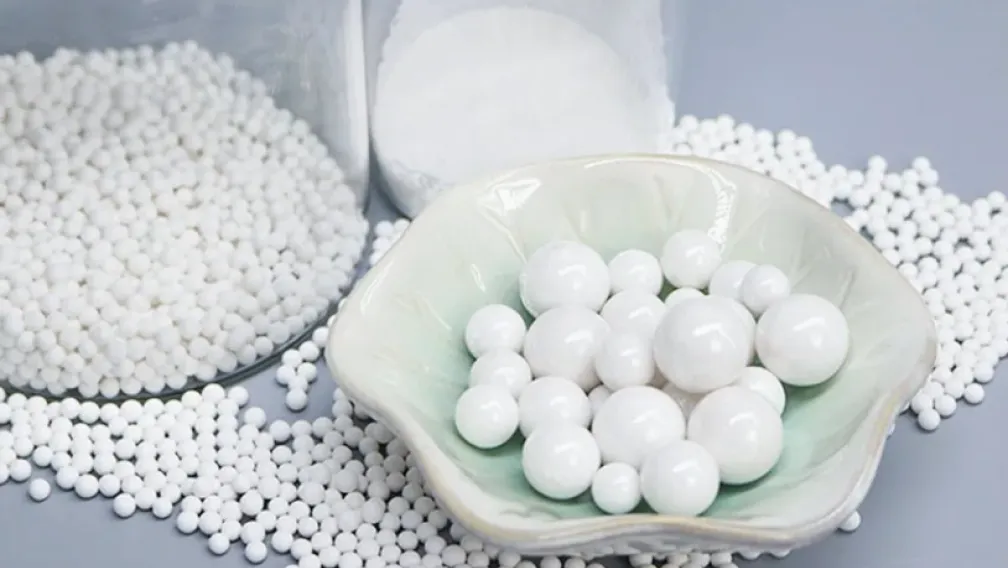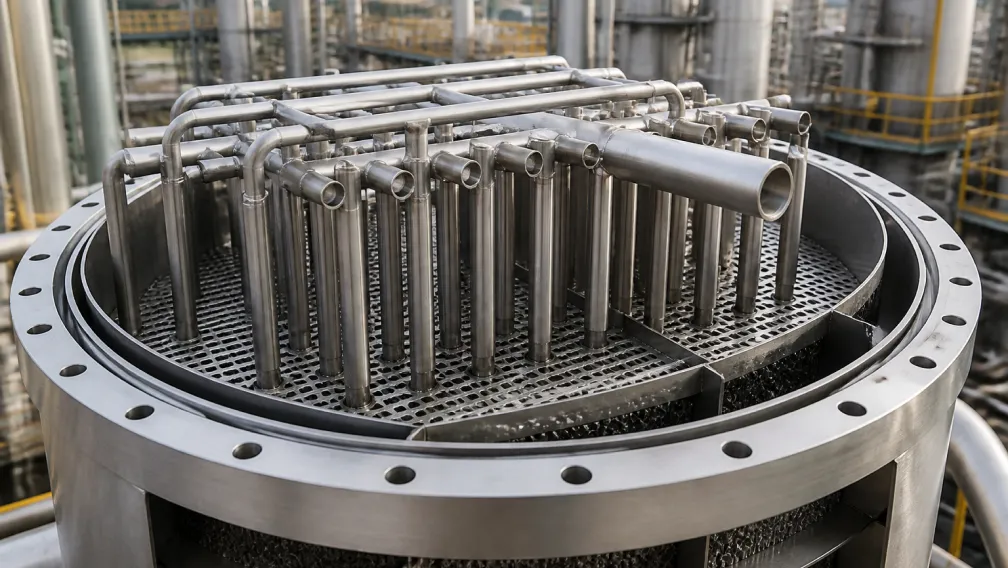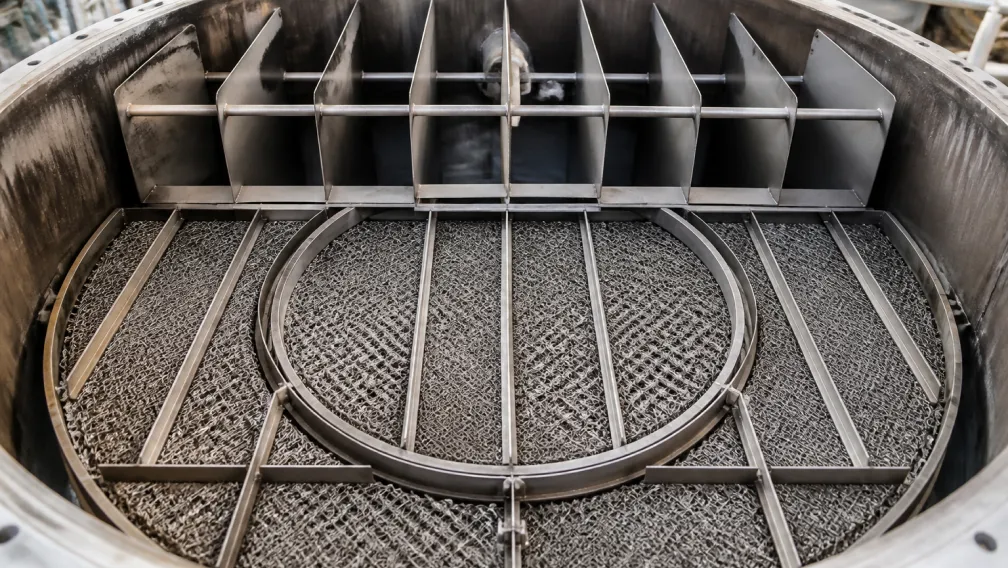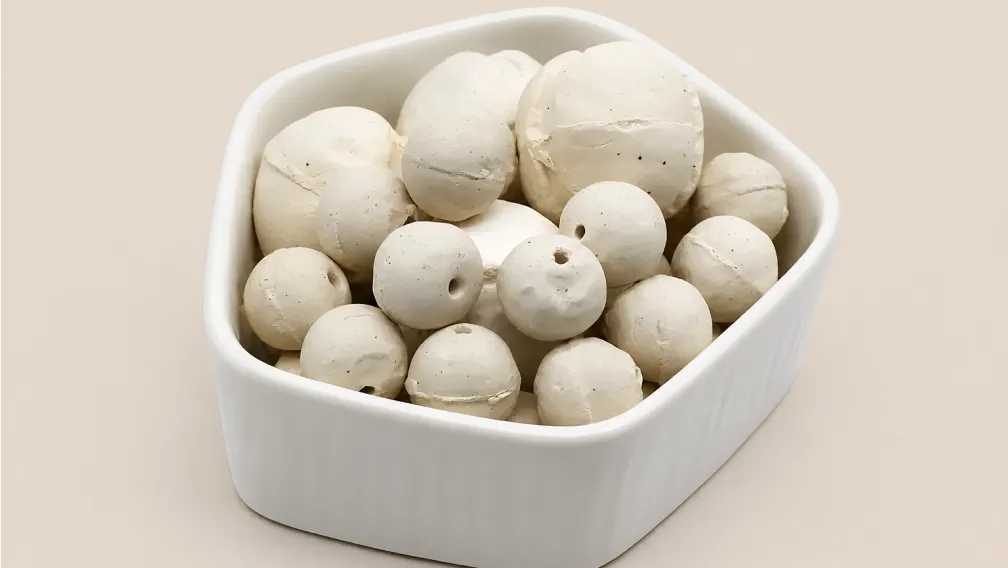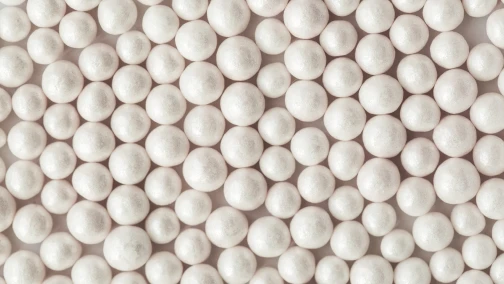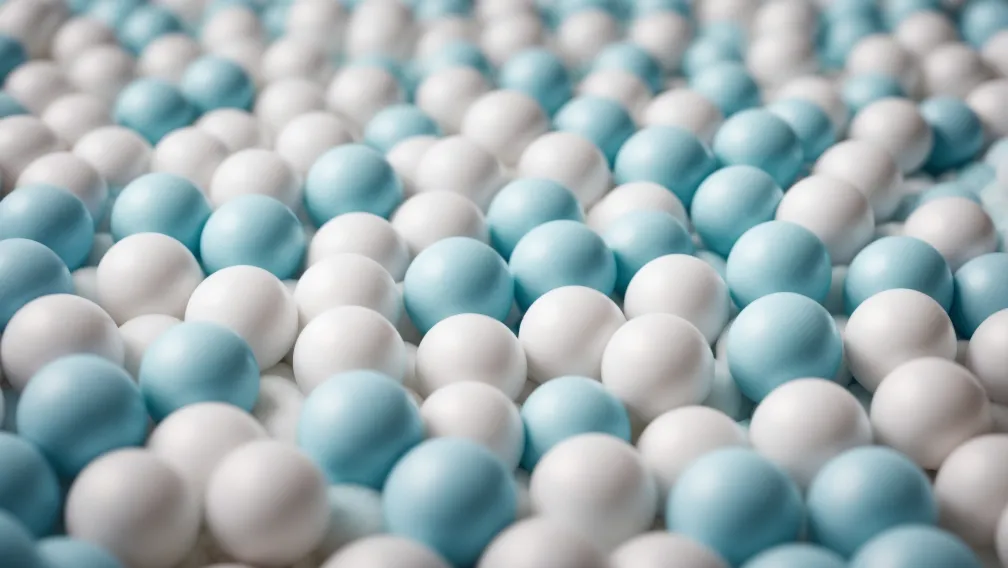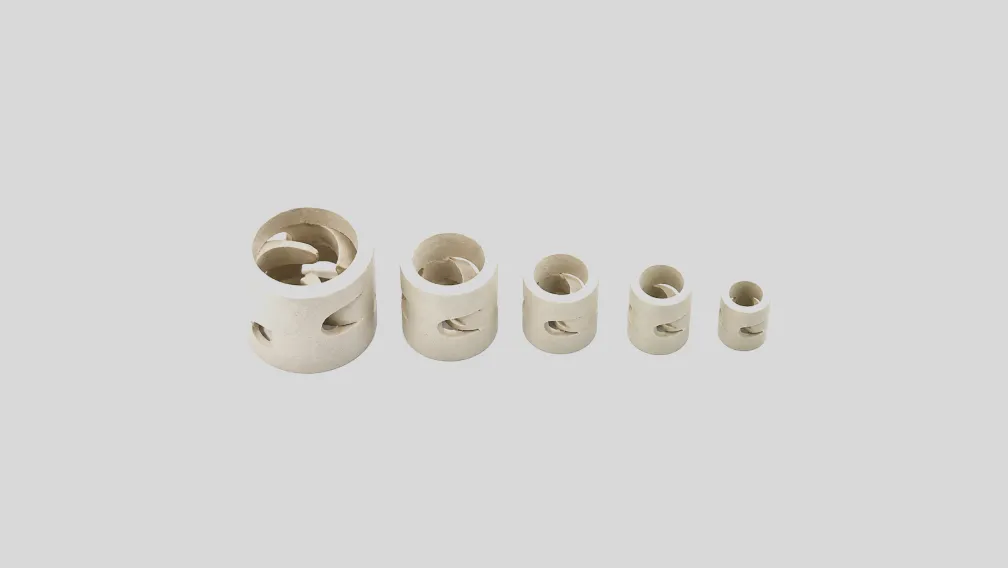

 Inert ceramic balls are the industry-standard support media for fixed-bed reactors. In petrochemical, refining, and gas processing plants, these dense spheres sit below and above the active catalyst, molecular sieve, or desiccant. They provide mechanical support, carry the weight of the catalyst bed, distribute the incoming fluid evenly across the vessel cross-section, and prevent fine active particles from migrating through the bottom grid. This guide covers how to select the correct alumina grade, how to size the support layers using standard grading rules, and how physical properties affect reactor performance.
Material Grades and the Risk of Silica Leaching
Engineers specify ceramic balls by their alumina (Al2O3) content. The required grade depends on the operating temperature, pressure, and the chemical aggressiveness of the process stream.
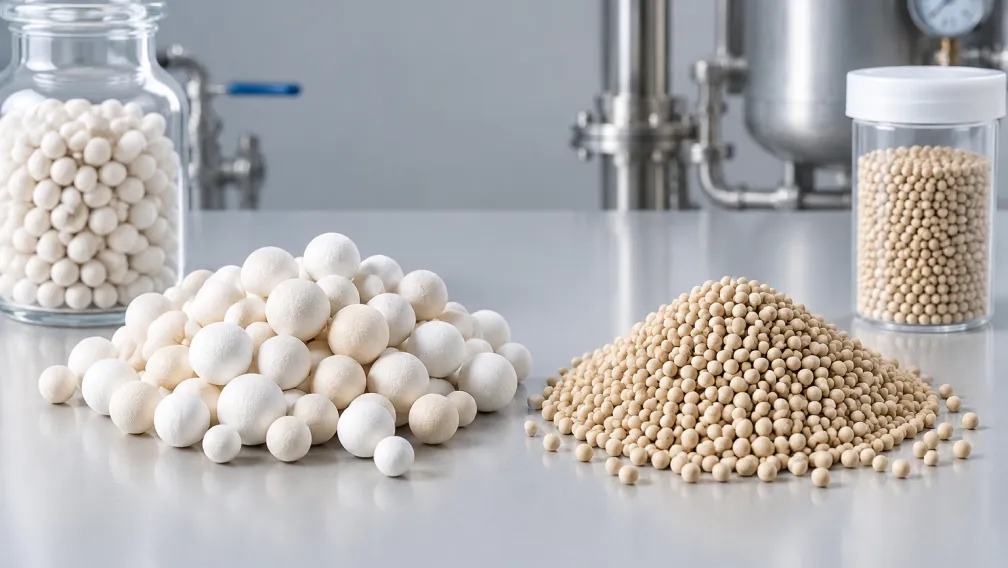
Standard inert ceramic balls typically contain 17% to 25% alumina. These provide excellent mechanical support for general-purpose applications like standard gas drying or low-temperature reactors.
High alumina balls contain 92% to 99.5% alumina. Plants specify 99% alumina ceramic balls for severe hydrothermal processes, such as steam reforming, ammonia production, and hydroprocessing. In high-temperature steam or hydrogen environments, the silica (SiO2) present in standard ceramic media can vaporize or leach out. This silica migrates downstream and condenses on heat exchangers, fouling the equipment. It also coats the active catalyst, permanently poisoning the reaction sites. A 99% alumina ball contains virtually no silica, eliminating the leaching risk entirely.
The 2X Rule for Bed Grading and Layering
A fixed-bed reactor uses multiple layers of ceramic balls to bridge the gap between the large slots of the bottom support grid and the small catalyst pellets. Proper grading prevents the catalyst from falling through the support media.
Engineers follow the 2X rule for sizing. The diameter of the ceramic ball in any given layer must be no more than twice the diameter of the particle in the layer immediately above it.
For example, if the active catalyst has a diameter of 1.5 mm, the support layer directly beneath it requires 3 mm (1/8 inch) ceramic balls. The subsequent layer below that requires 6 mm (1/4 inch) balls, continuing down to 13 mm (1/2 inch) and 25 mm (1 inch) balls resting directly on the metal support screen.
Reactor loading guidelines specify a minimum depth of 100 mm (4 inches) for each grading layer. This depth ensures complete coverage and creates a level surface. A uniform, level layer prevents localized channeling, where process fluid bypasses the catalyst entirely.
Top Cover Layers and Fluid Distribution
Ceramic balls are also loaded on top of the catalyst bed. This top layer serves three distinct mechanical functions.
First, it acts as a flow distributor. As high-velocity gas or liquid enters the reactor, the top balls break up the inlet jet, spreading the flow evenly across the entire bed diameter. This uniform distribution maximizes the contact area between the fluid and the catalyst.
Second, the heavy ceramic layer holds the catalyst down. It prevents the active bed from fluidizing, lifting, or churning during unexpected pressure surges or high-flow events.
Third, the top layer acts as a physical filter. It catches scale, dirt, and particulates from upstream piping before they reach and plug the expensive catalyst bed. When pressure drop rises due to fouling, operators can skim and replace just this top layer of ceramic balls instead of replacing the entire active bed.
Crush Strength and Pressure Drop Calculations
The ceramic support media must survive extreme compressive loads and thermal shocks without cracking. Broken ceramic generates fine dust that plugs the bed and spikes the pressure drop.
Crush strength, or compressive strength, is the critical mechanical property. It rises significantly with the ball diameter. A high-quality 3 mm ball typically withstands 0.2 to 0.6 kN of force, while a 25 mm ball withstands over 16 kN. Buyers must review the supplier's size-by-size crush test data rather than accepting a single generic strength value for the whole product line.
Pressure drop calculations rely on the void fraction of the packed bed. Spherical ceramic balls provide a predictable void fraction of approximately 35% to 40%. Engineers use the Ergun equation to model this frictional loss. Using uniform, perfectly spherical balls minimizes flow resistance compared to irregular shapes. This predictable, low pressure drop reduces the energy burden on plant compressors.
Manufacturing and Quality Control of Ceramic Support Media
The performance of an inert ceramic ball depends heavily on its manufacturing process. Producers start with carefully selected raw materials, primarily bauxite and calcined alumina powder. To create a high-alumina product, the manufacturer uses high-purity alumina powder with very low silicon and iron content.
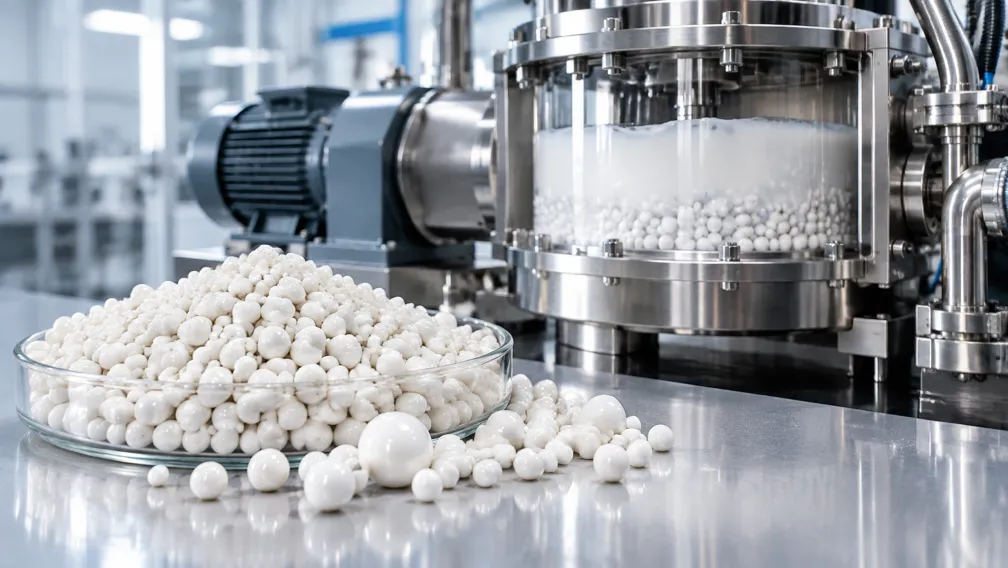
The powder is finely milled, mixed with water and organic binders, and formed into spheres. The forming process utilizes a rolling or extrusion-spheronization method to ensure high sphericity and uniform density. Sphericity is vital because irregular shapes lock together unpredictably, reducing the bed void fraction and increasing pressure drop.
Once formed and dried, the green balls enter a high-temperature tunnel kiln. The sintering temperature exceeds 1,500 °C (2,732 °F) for 99% alumina grades. Precision temperature control during sintering is critical. Under-fired balls exhibit high porosity and low crush strength. Over-fired balls become brittle and susceptible to thermal shock.
Quality control testing evaluates physical properties before shipment. Water absorption acts as a key indicator of densification. A fully sintered inert ceramic ball maintains a water absorption rate of less than 1.0%, often dropping below 0.5% for high-purity grades. Bulk density ranges from 1.3 to 1.4 g/cm³ for standard grades, rising to over 2.0 g/cm³ for 99% alumina balls. Mohs hardness exceeds 8, ensuring the balls resist abrasion during loading and operation.
Critical Industrial Applications
Different processes place different chemical and thermal demands on the support media. The selection of alumina grade directly impacts unit reliability.
Hydrotreating and Hydrocracking Units
Refinery hydroprocessing units operate at elevated temperatures and extreme hydrogen pressures. These reactors use multi-bed configurations with quench zones. 99% alumina ceramic balls are mandatory in these environments. Severe hydrothermal conditions easily extract silica from lower-grade ceramics. Silica carryover rapidly coats downstream heat exchangers and poisons the active sites on the costly hydrotreating catalyst. High crush strength is also critical, as deep beds exert massive compressive forces on the bottom support layers.
Claus Sulfur Recovery Units (SRU)
Claus reactors convert toxic hydrogen sulfide gas into elemental sulfur. These units require robust top and bottom support media. Refractory ceramic balls are specified here due to their excellent thermal shock resistance. During startup, shutdown, or process upsets, the temperature inside a Claus converter swings rapidly. If the ceramic balls lack thermal stability, they crack and spall. The resulting debris mixes with the catalyst, increasing the pressure drop until the plant is forced into a costly shutdown for skimming.
Natural Gas Dehydration and Air Separation
In gas processing, pressure swing adsorption (PSA) and thermal swing adsorption (TSA) units use deep beds of desiccant. Standard 17% to 25% ceramic inert balls are sufficient for these applications. Operating temperatures rarely exceed 250 °C to 300 °C during the regeneration cycle. The ceramic balls support the bed and ensure the incoming wet gas distributes evenly across the entire vessel cross-section, maximizing the dynamic adsorption capacity.
Troubleshooting Catalyst Bed Pressure Drop
A sudden or gradual increase in reactor pressure drop disrupts operations. While catalyst coking is a primary cause, failures within the ceramic support media also trigger severe pressure drop issues.
Improper Bed Grading (Nesting)
If a loading crew violates the 2X sizing rule by placing large ceramic balls directly beneath very small catalyst pellets, nesting occurs. The small pellets migrate downward into the void spaces between the large support balls. This blocks interstitial flow paths, severely restricting fluid movement and creating an immediate high pressure drop.
Thermal Shock and Attrition
During unit commissioning, operators follow strict heat-up and cool-down rates. Heating a reactor too rapidly causes the exterior of the ceramic balls to expand faster than the interior. This thermal stress fractures the sphere. The broken pieces generate ceramic dust, filling the void spaces in the bed. Similarly, if the reactor experiences violent pressure surges, the ceramic balls grind against each other. This attrition generates fine particulates that foul the catalyst and the bottom collector screens.
Chemical Attack
Inert ceramic balls resist most acids and alkalis. However, hydrofluoric acid (HF) and highly concentrated strong alkalis dissolve the silica matrix in standard-grade ceramics. If an incompatible process fluid contacts the support media, the balls lose structural integrity, soften, and crush under the weight of the bed. Specifying a 99% high-alumina grade eliminates this chemical vulnerability.
Where Rongjian Fits
Pingxiang Rongjian manufactures a complete range of inert ceramic balls for reactor internals. We supply standard ceramic balls for general desiccant bed support, and high alumina balls up to 99.5% Al2O3 for critical refining and petrochemical applications where silica leaching is a risk. Our spheres range from 3 mm (1/8 inch) to 50 mm (2 inch) in diameter, engineered for high crush strength and thermal shock resistance. Whether you are loading a new molecular sieve dehydration unit or a high-pressure hydrotreater, we provide the exact grading sizes required for optimal fluid dynamics. Contact our technical team for product data sheets and sizing recommendations.
-

Rongjian
Process Media Manufacturer Since 2010
Rongjian produces tower packing, molecular sieves, ceramic grinding media and other process media from our Pingxiang production base. We supply to industrial projects in over 100 countries.