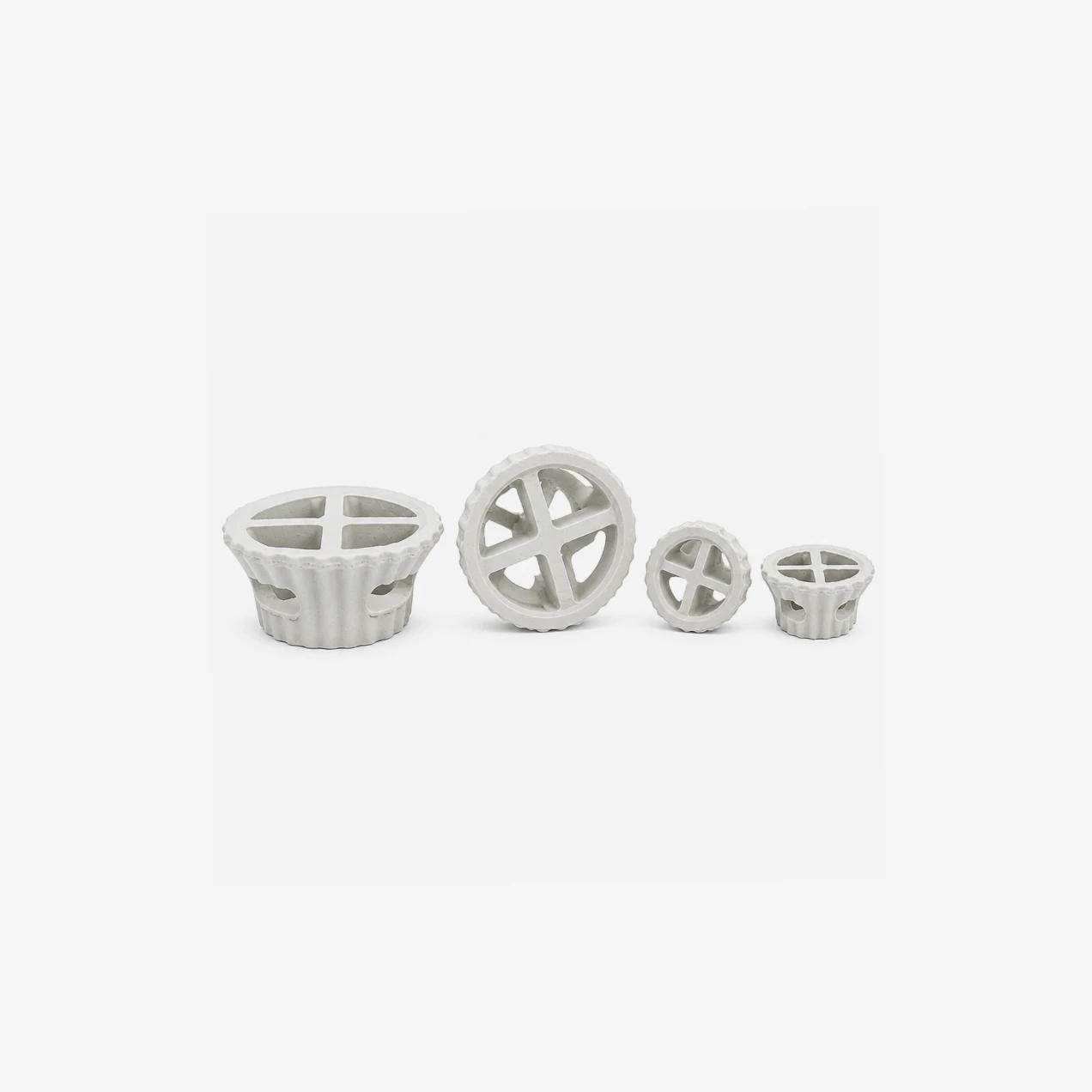
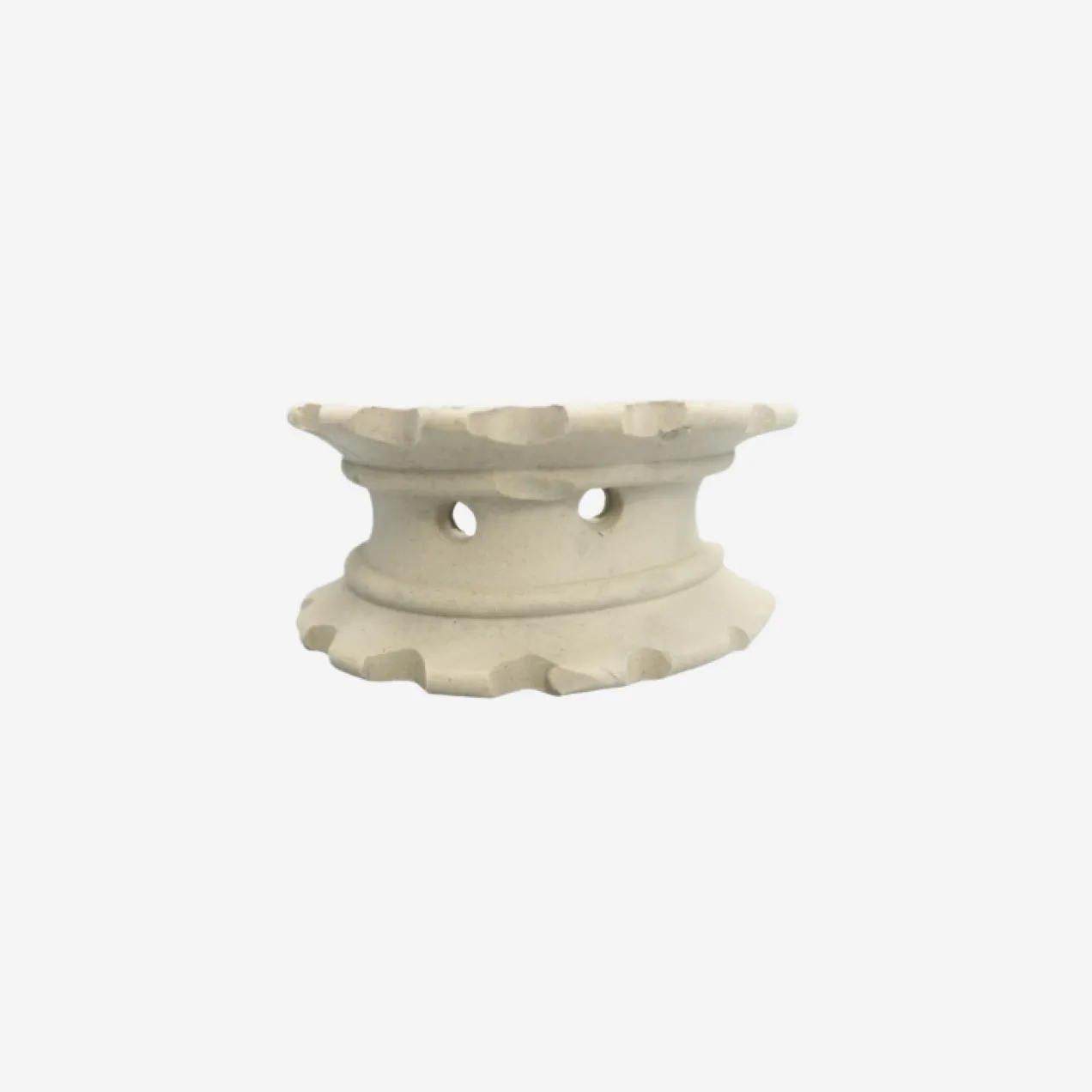
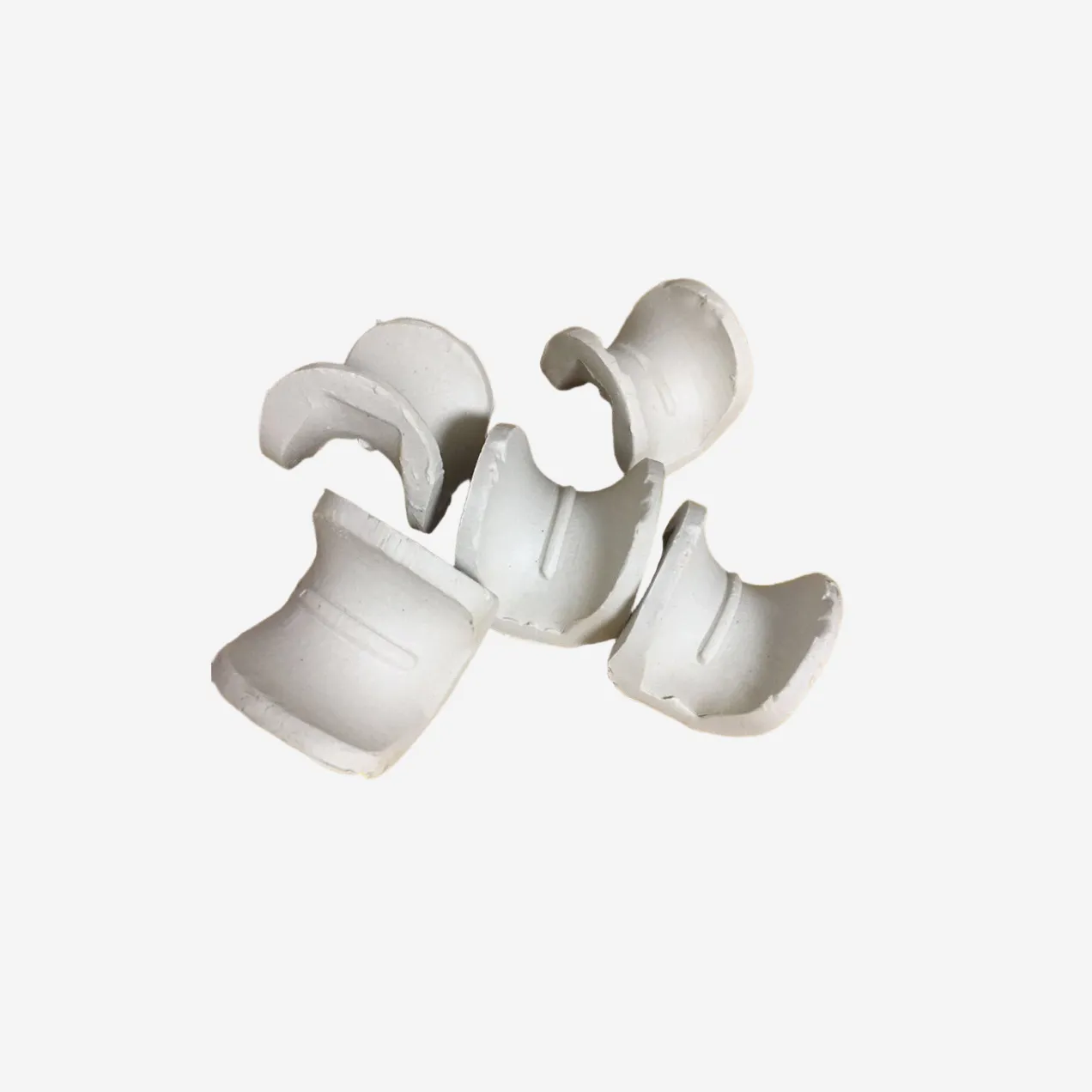
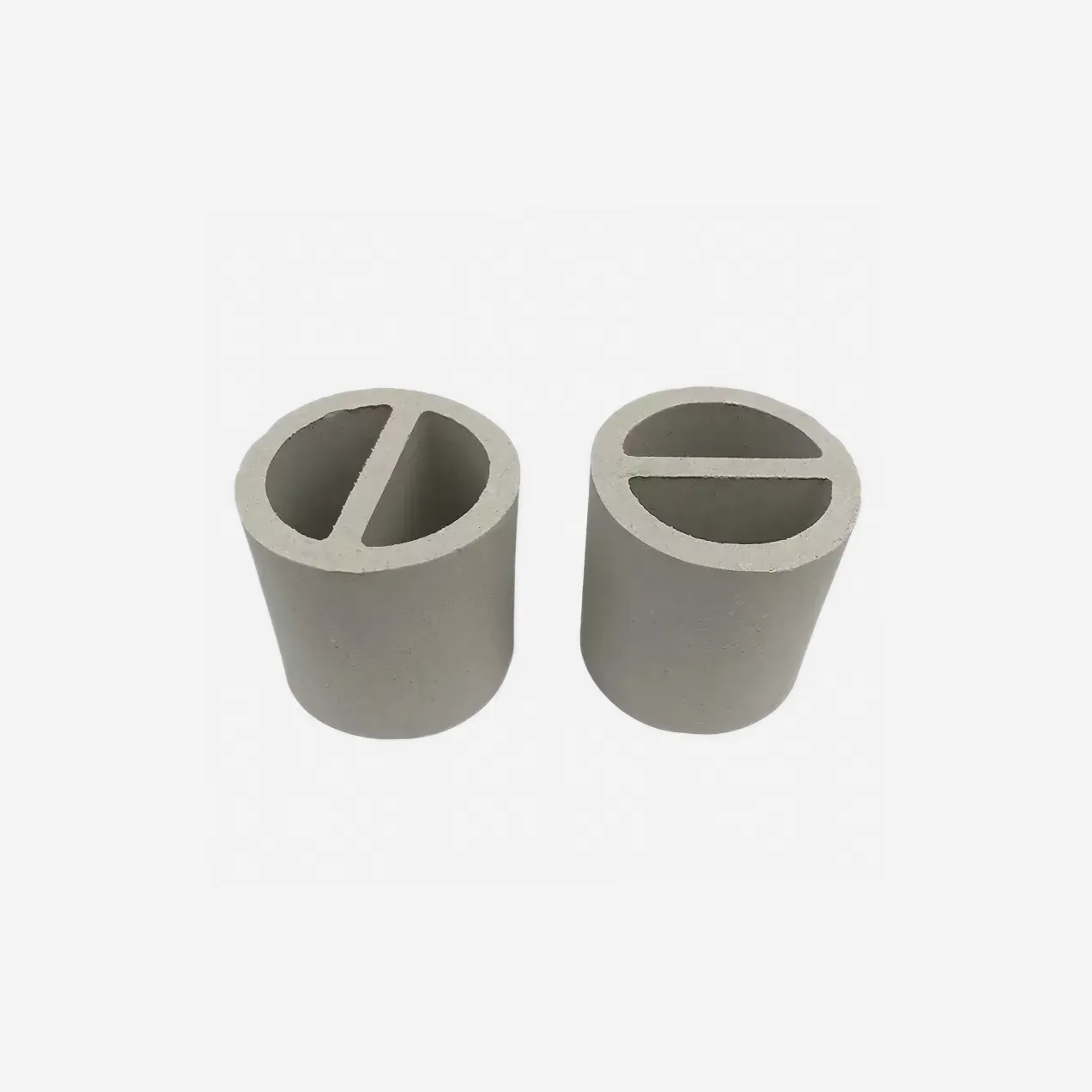
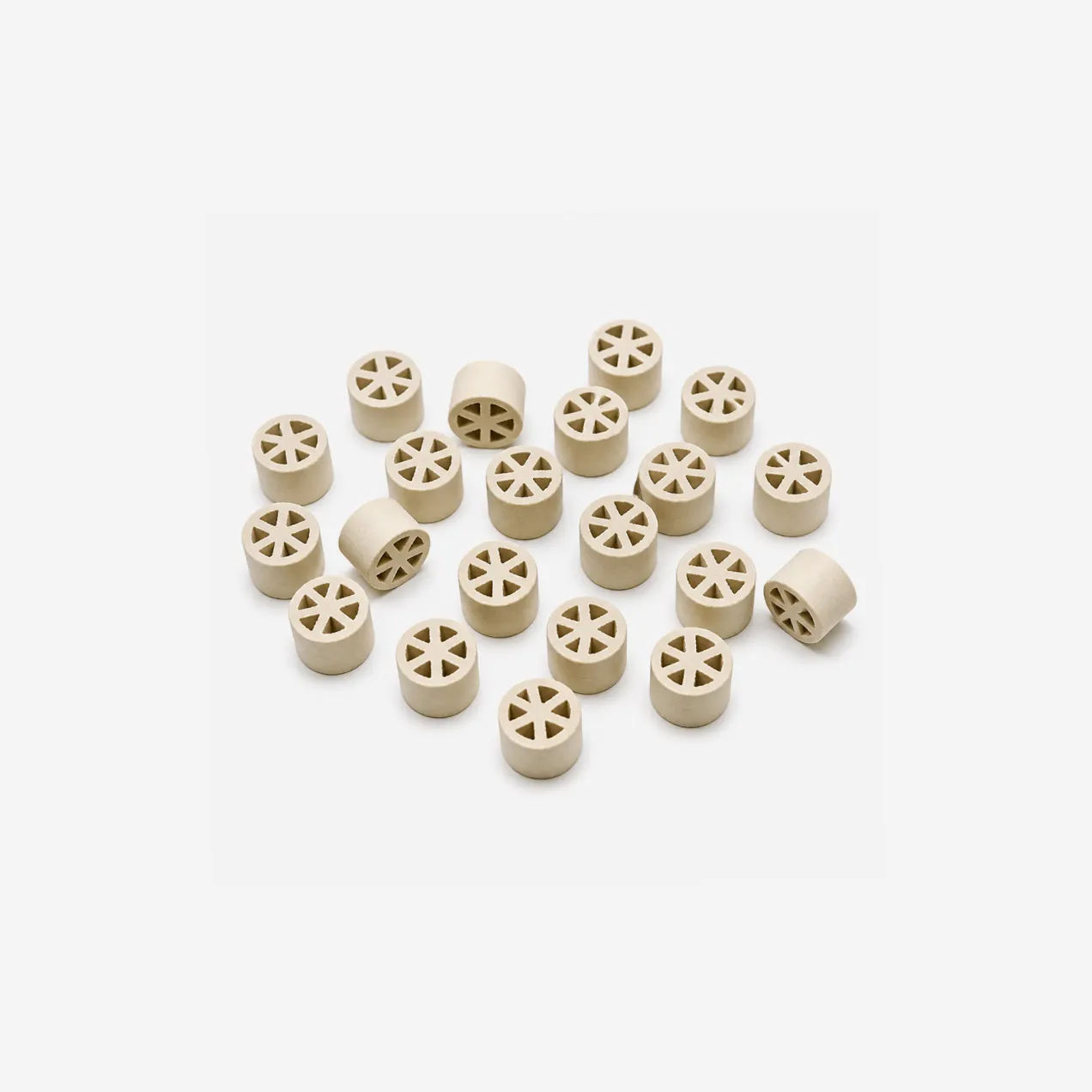
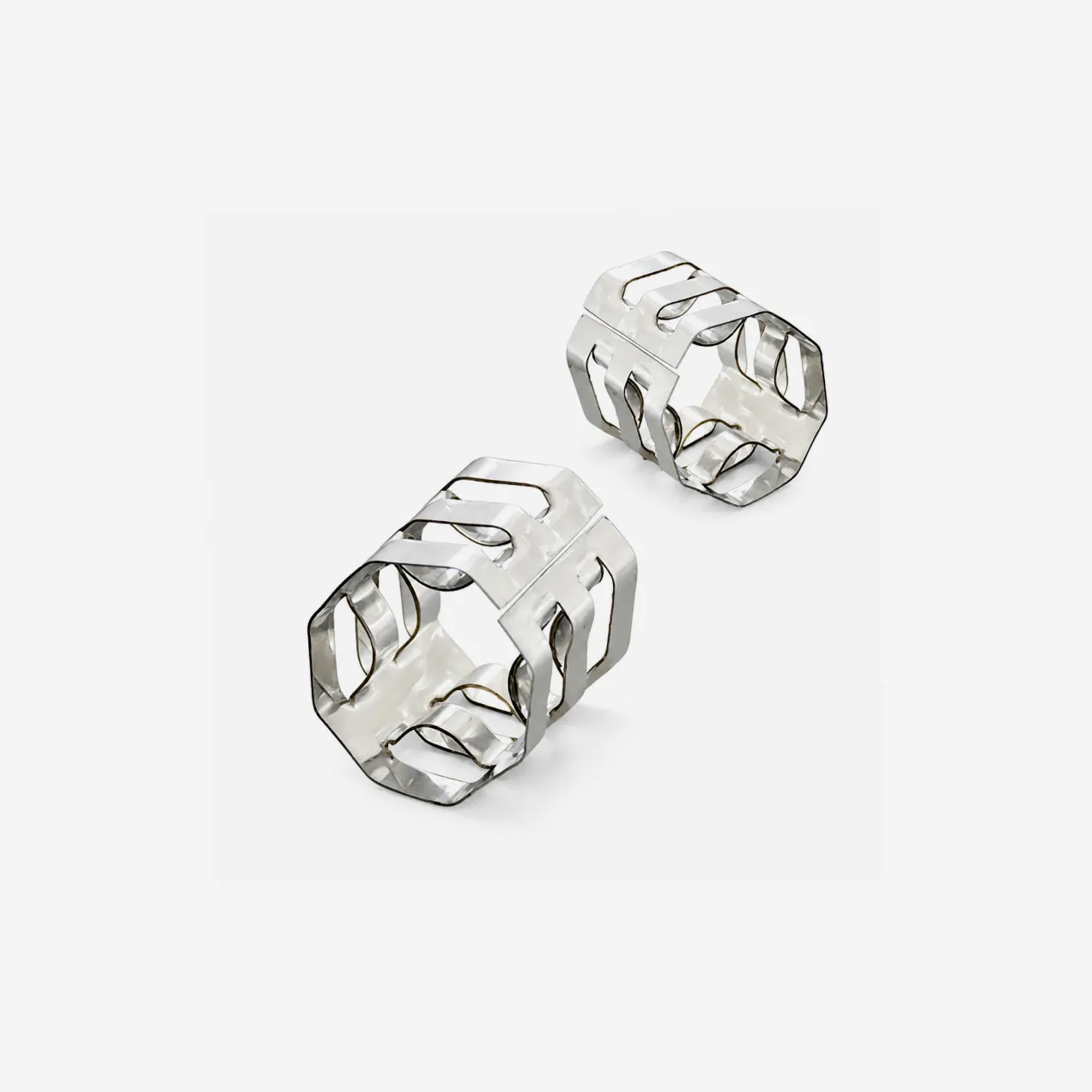
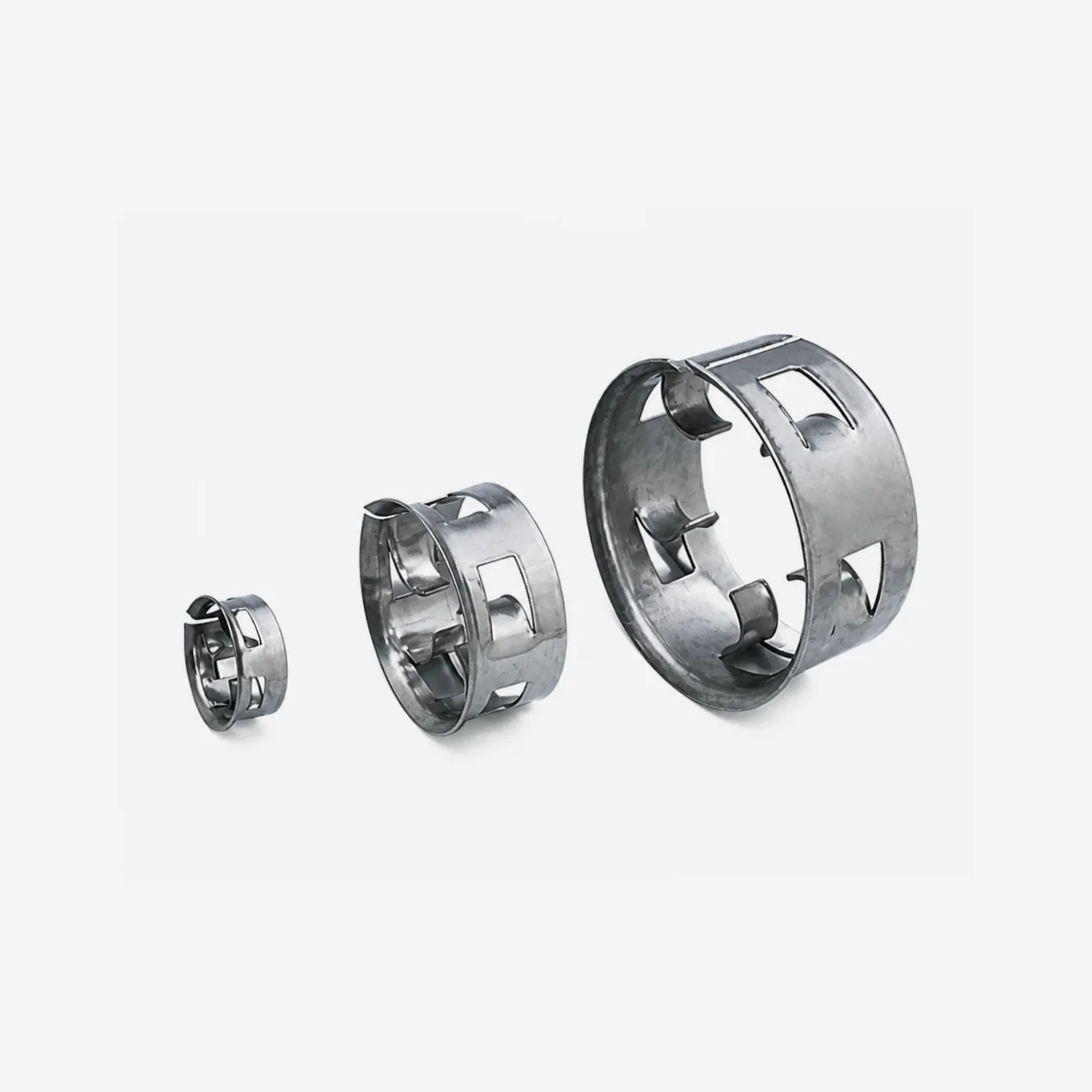
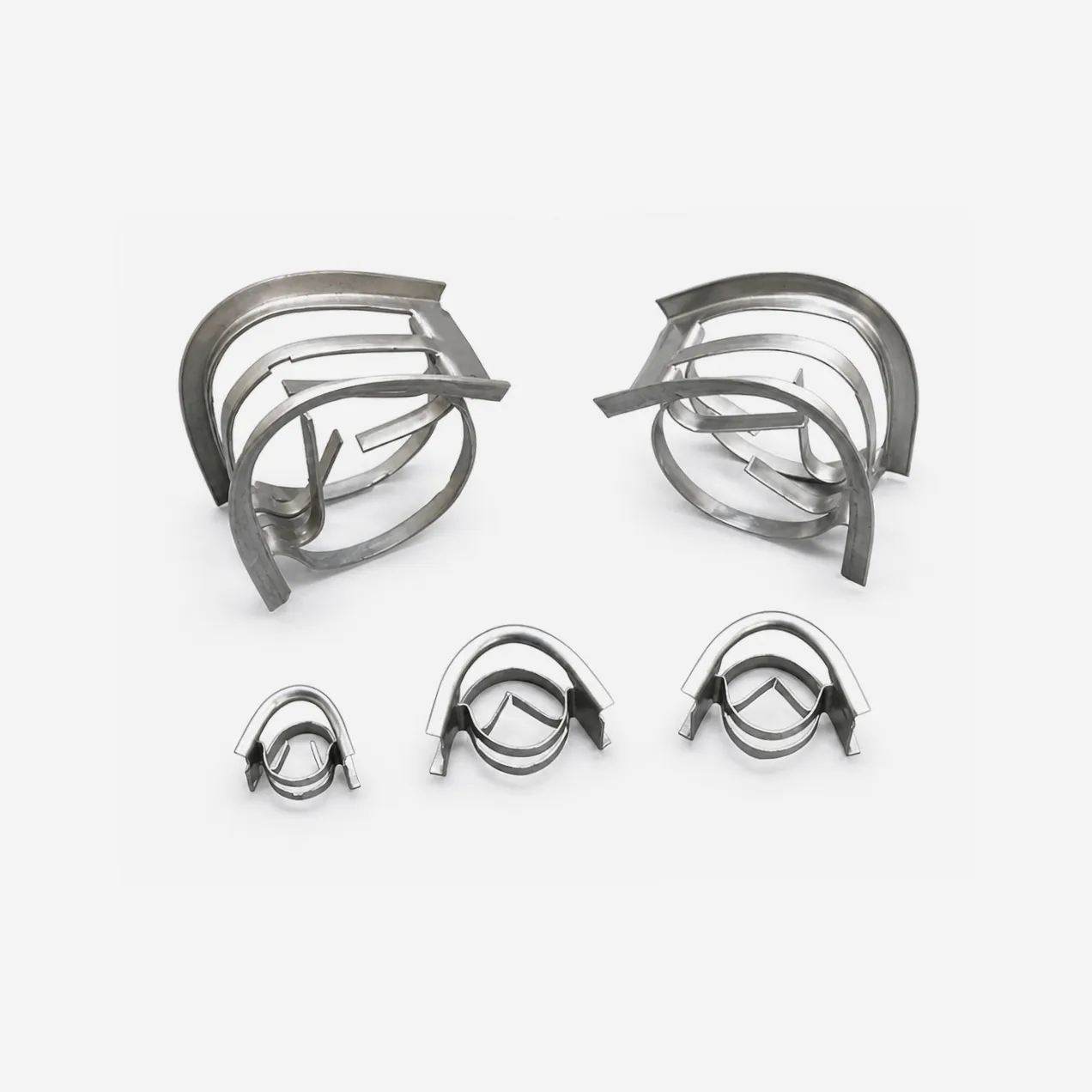
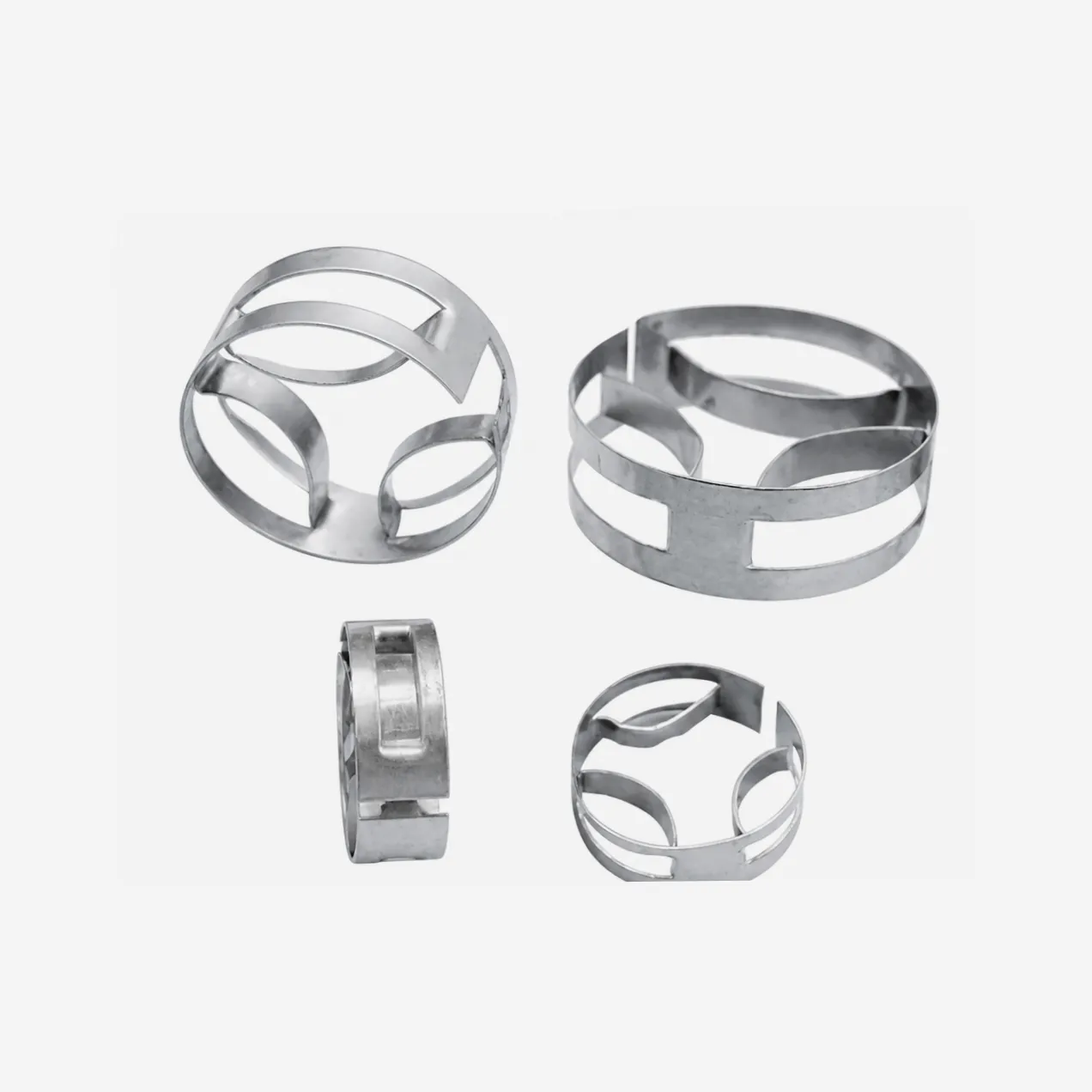
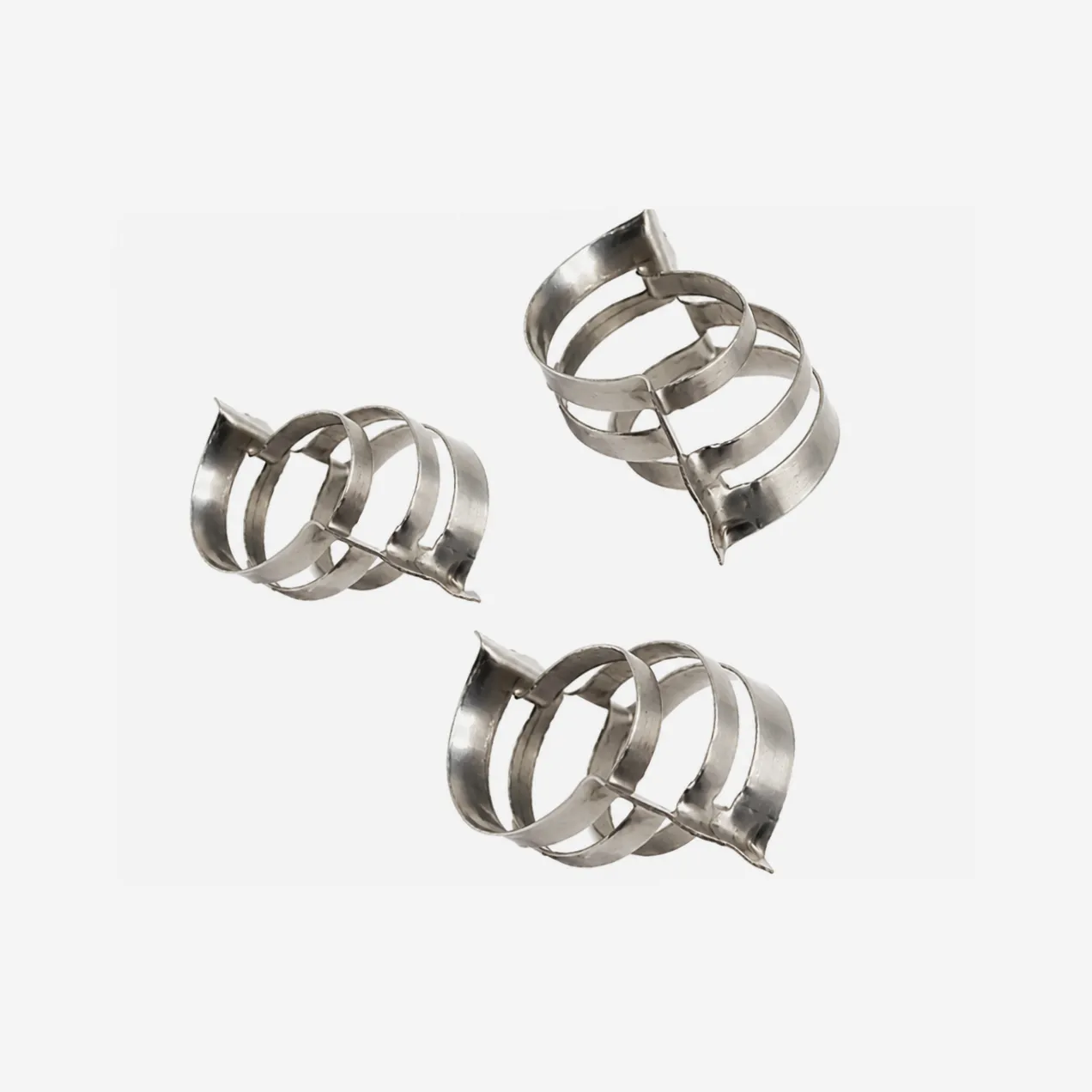
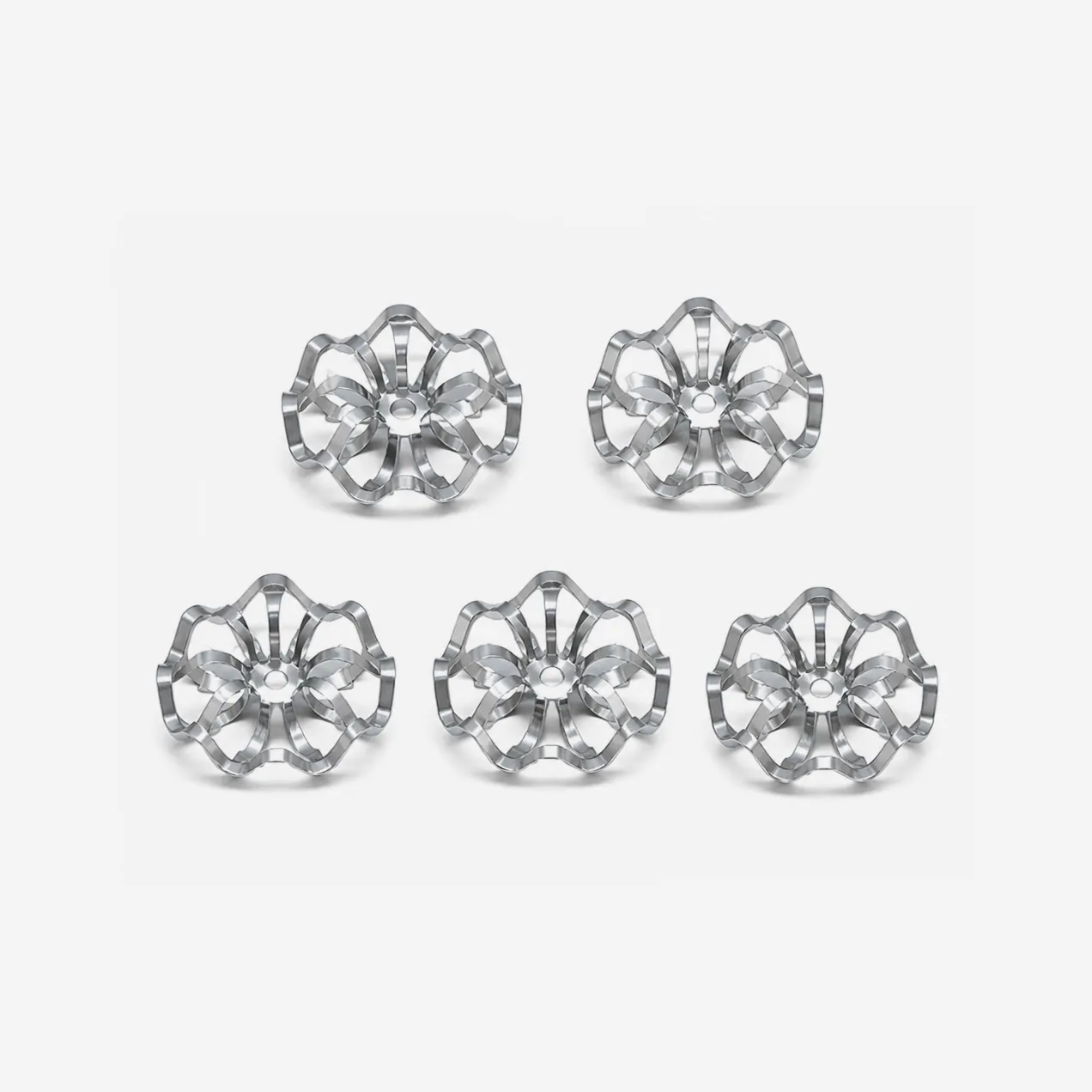
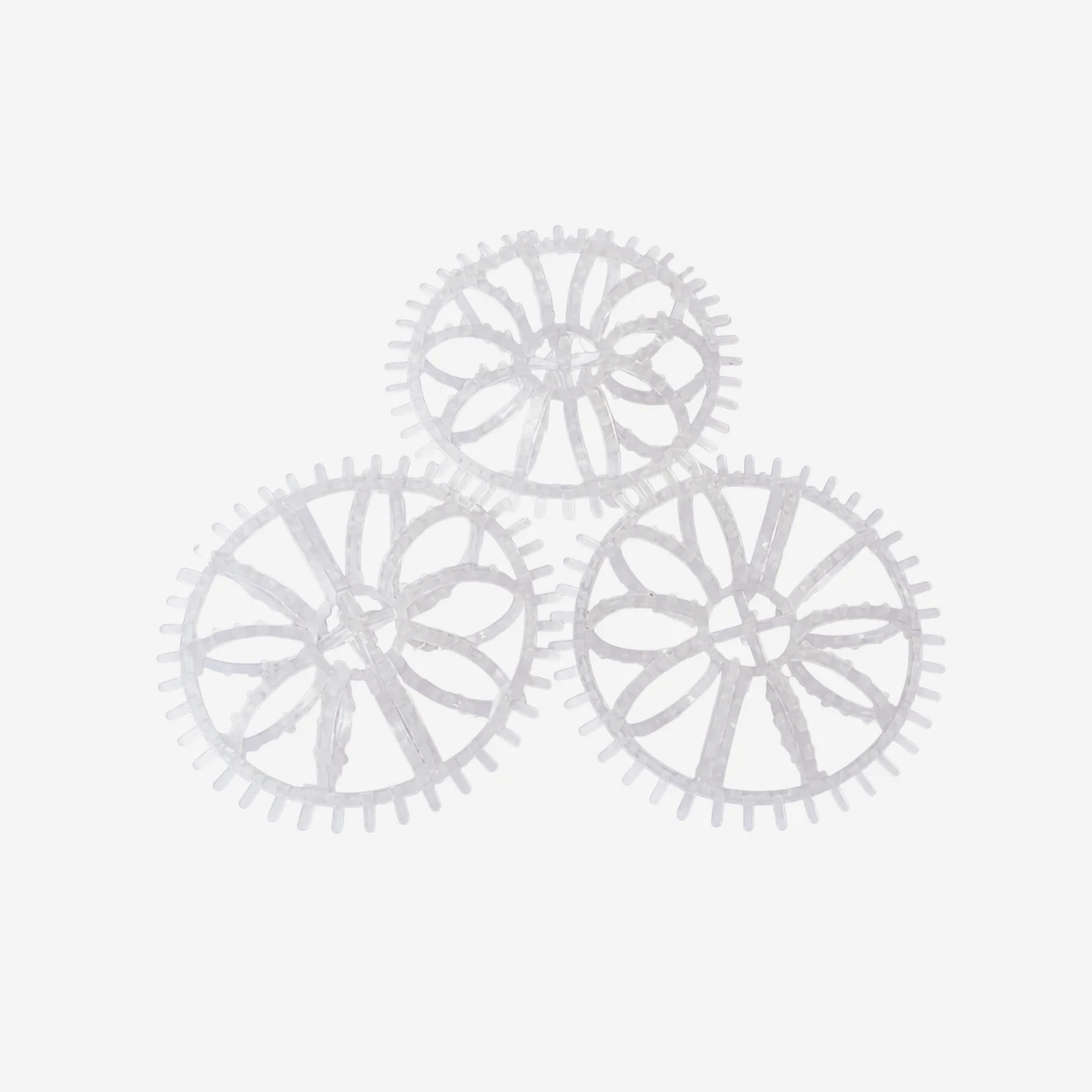
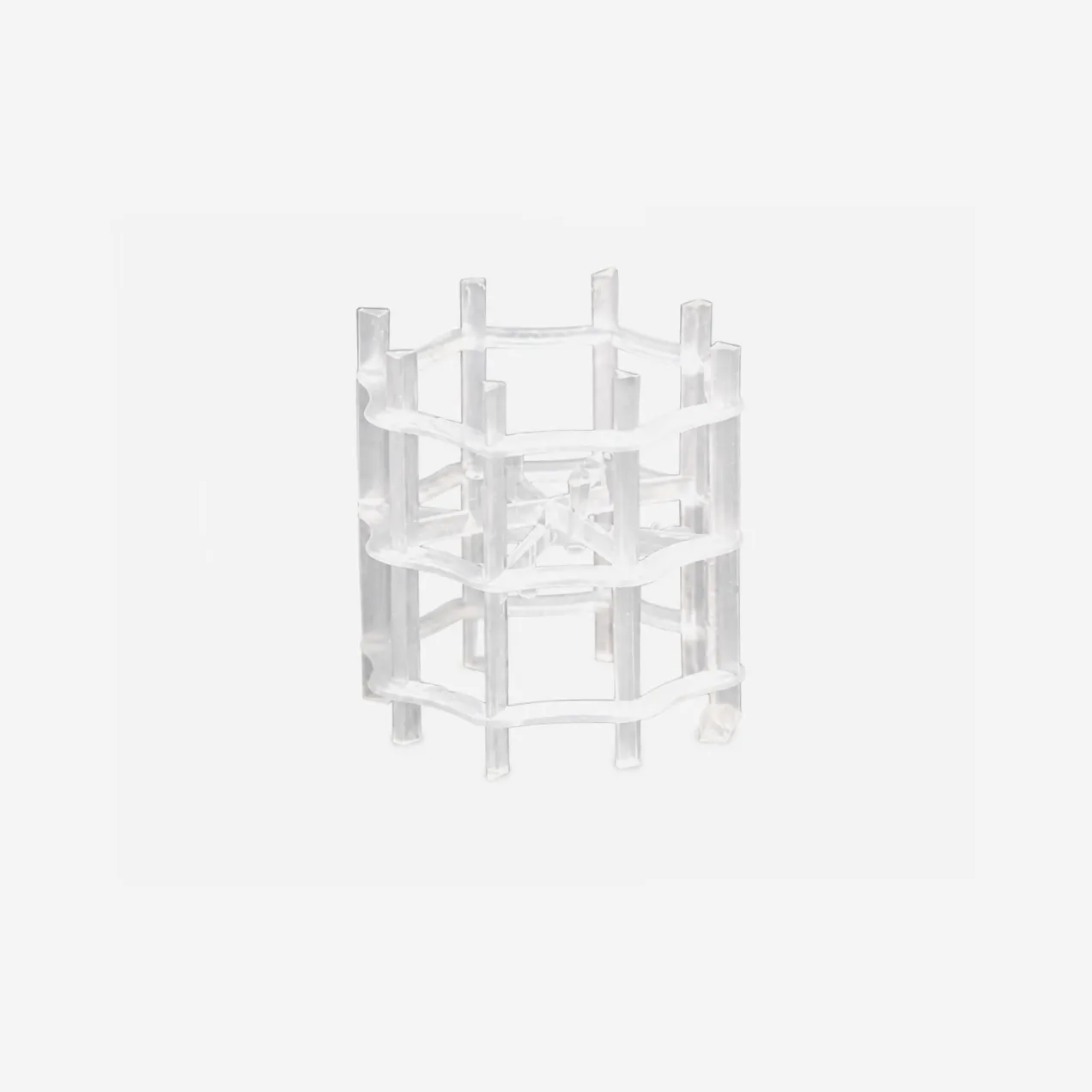
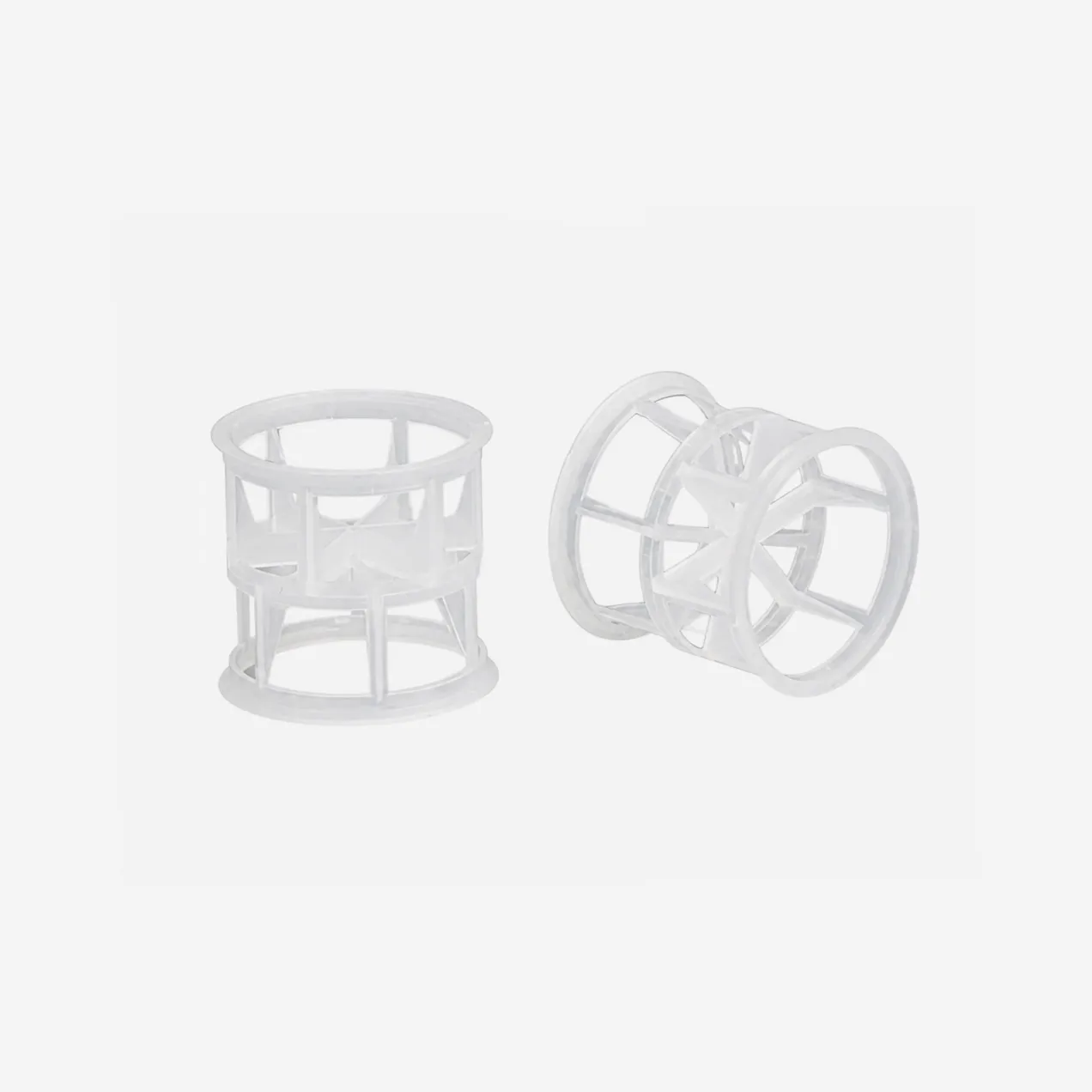
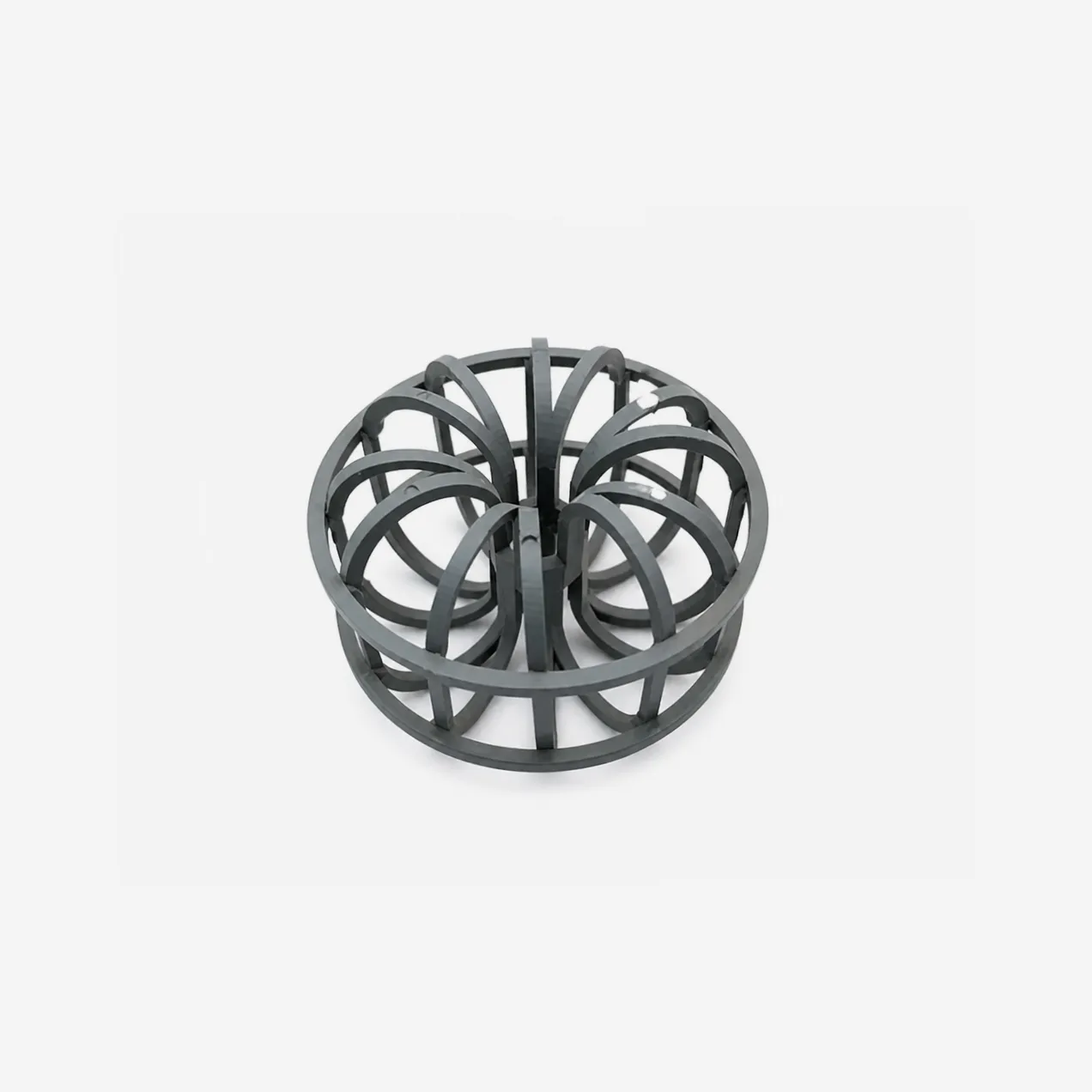
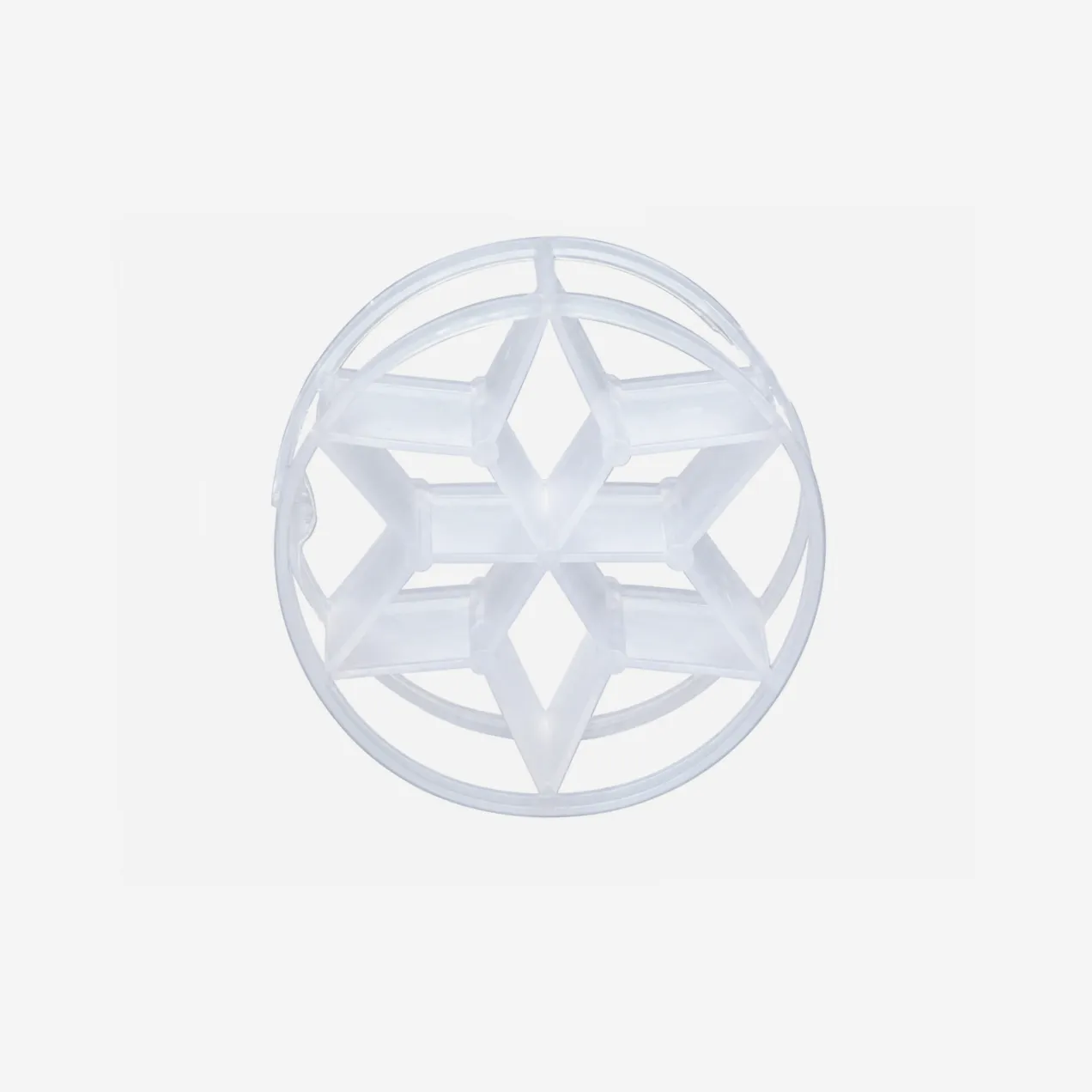
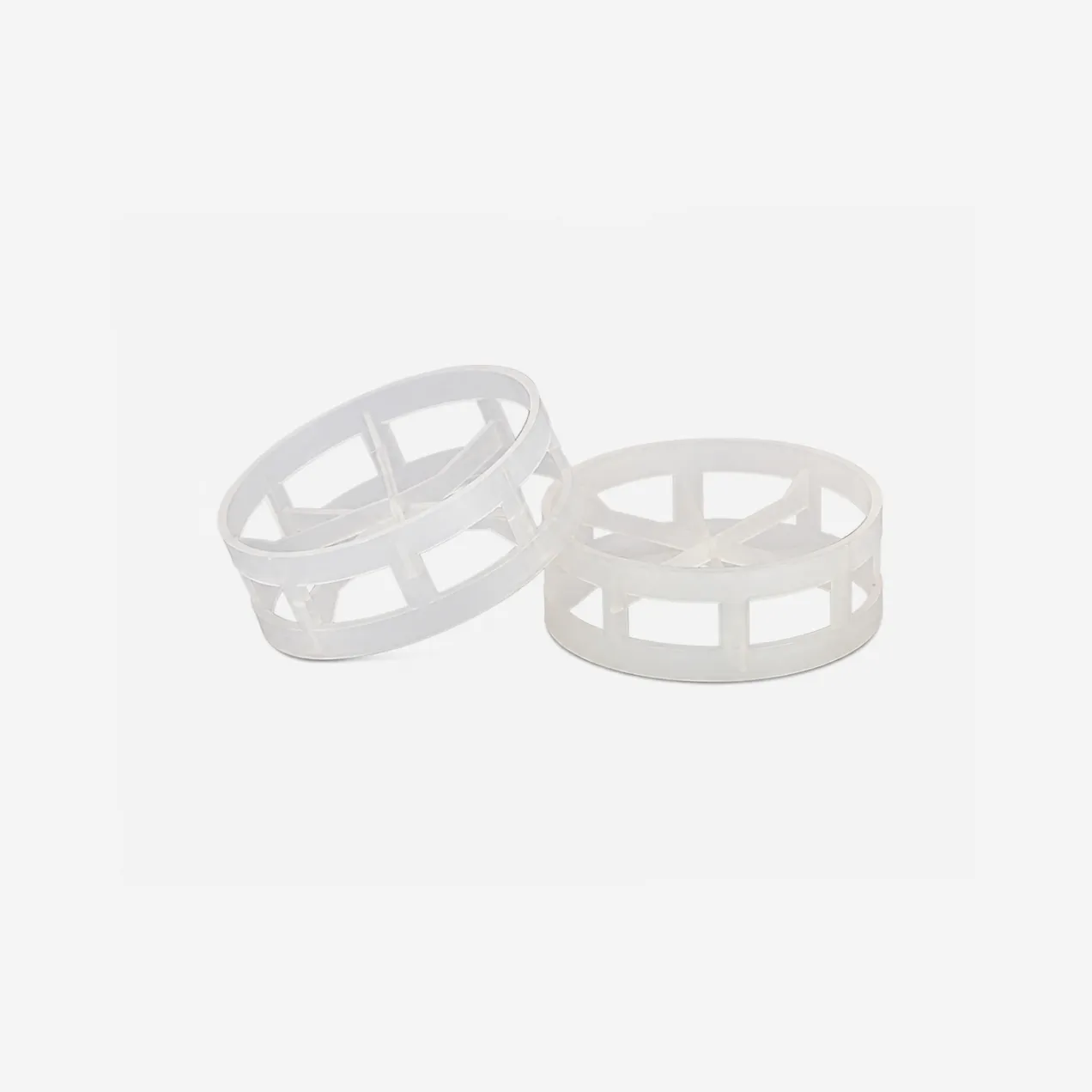
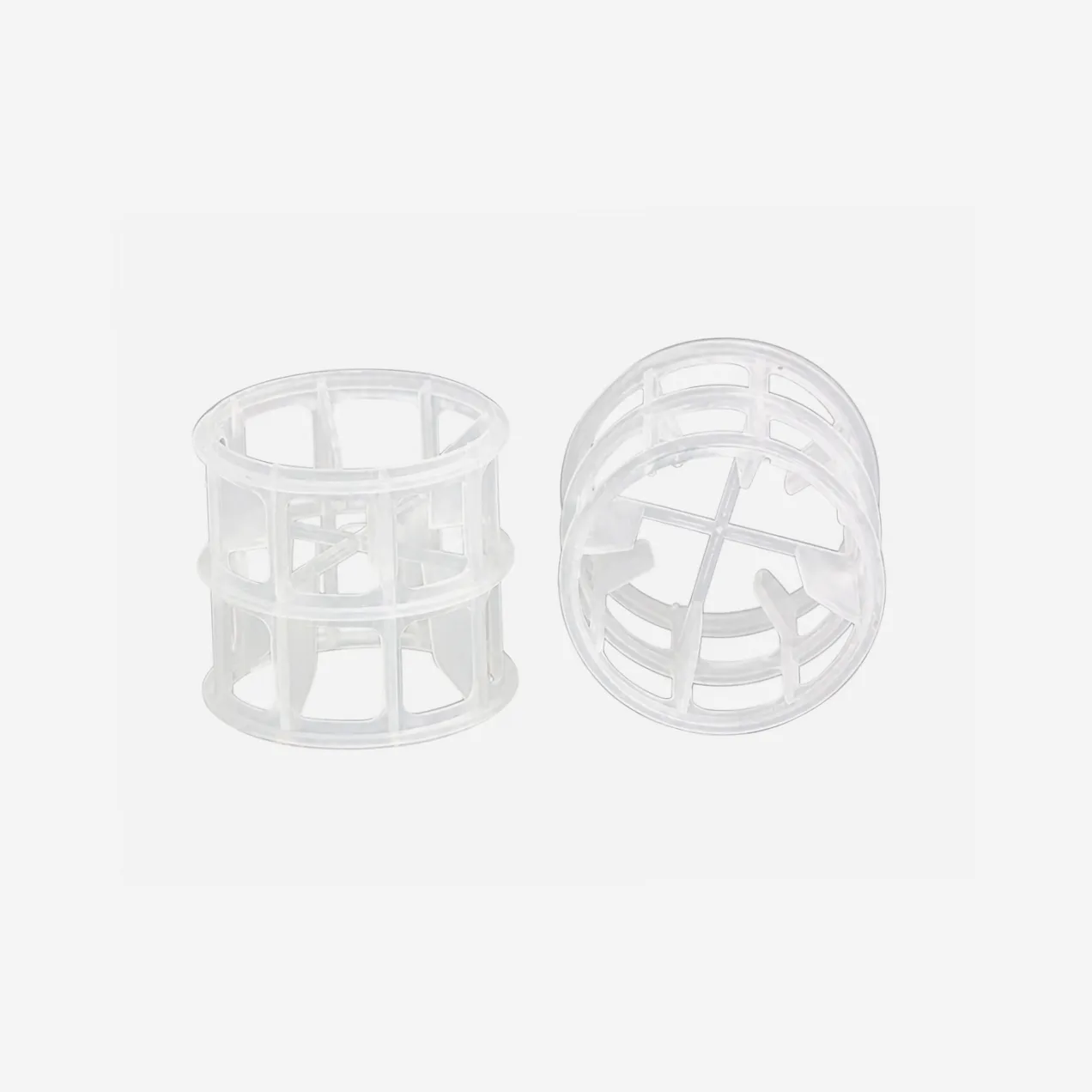
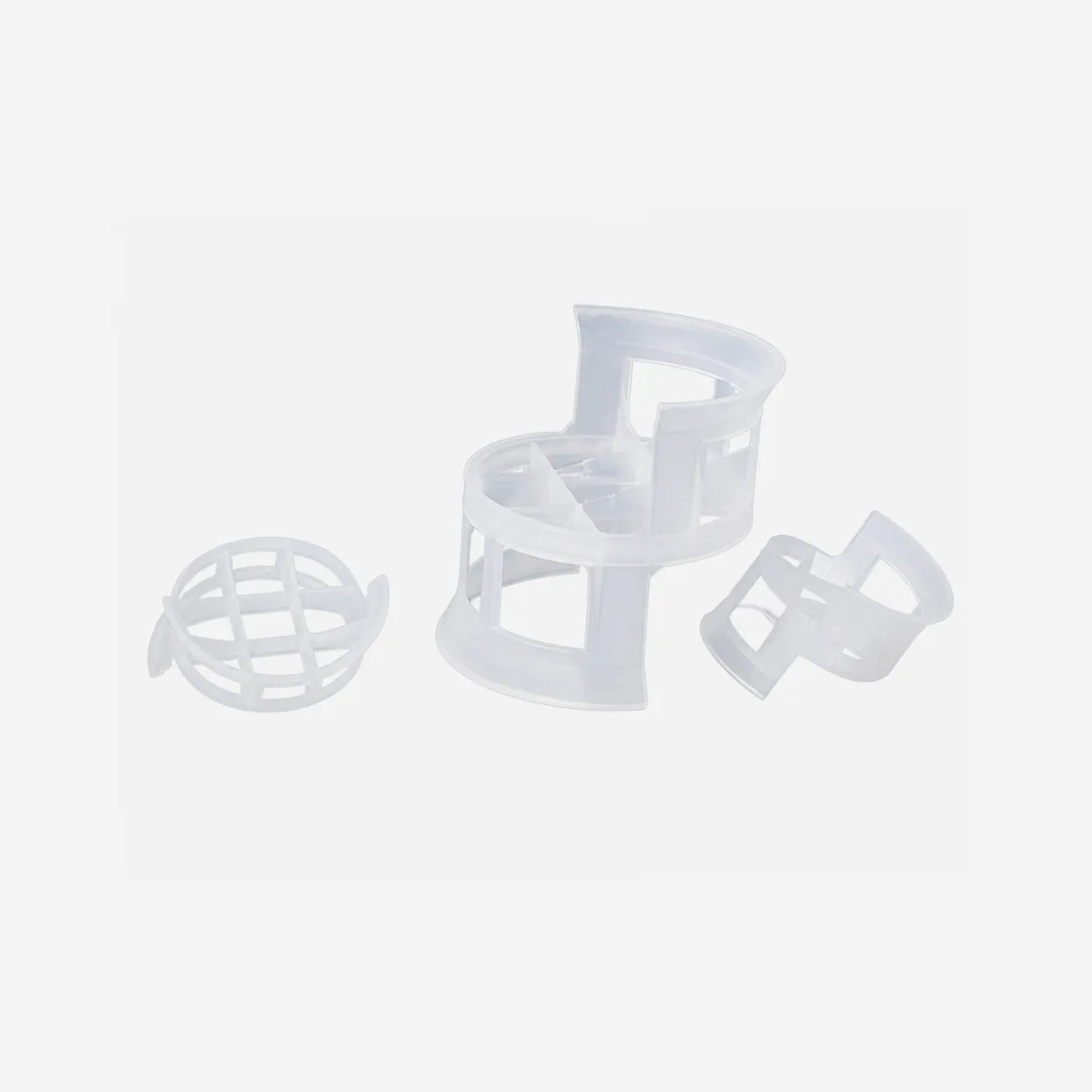
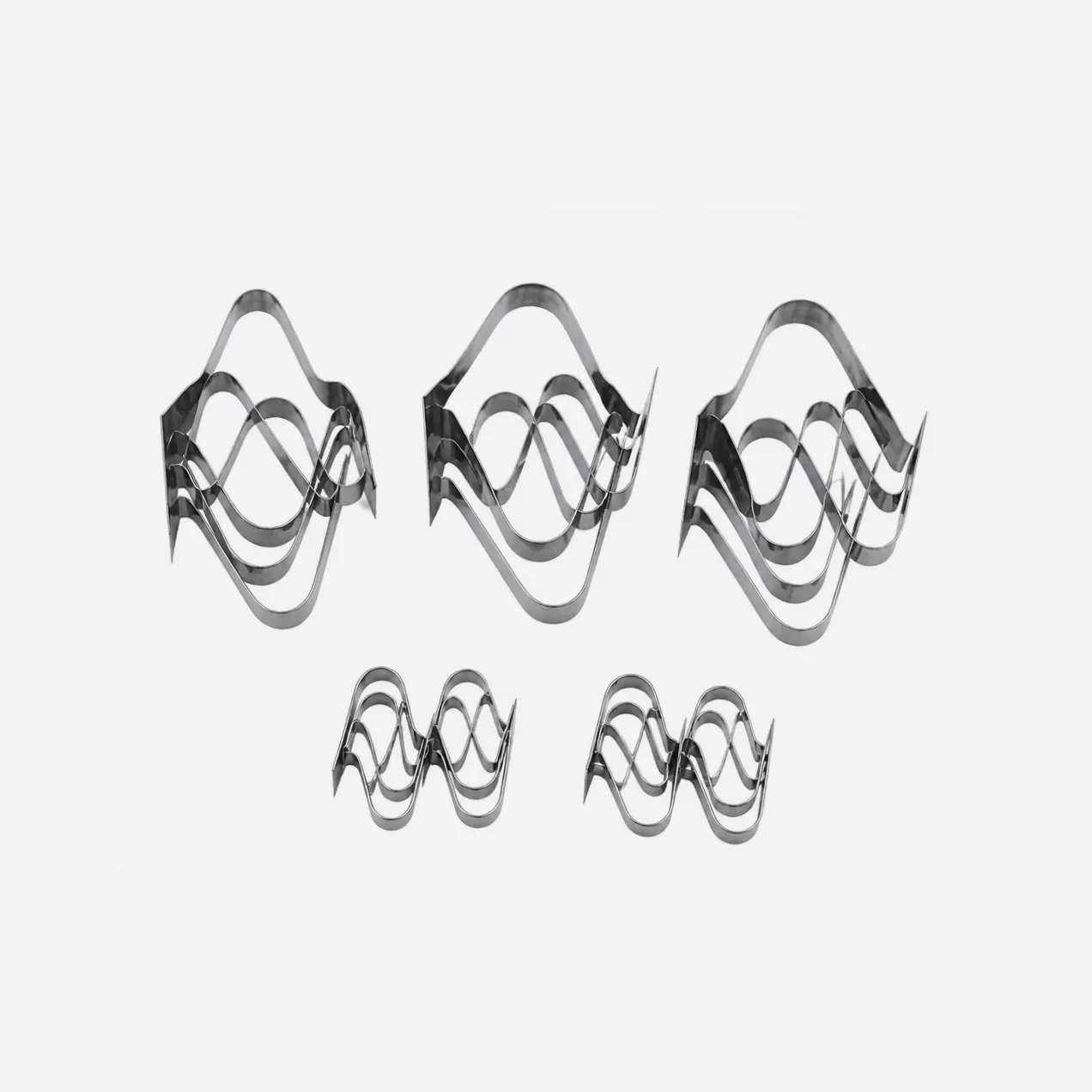
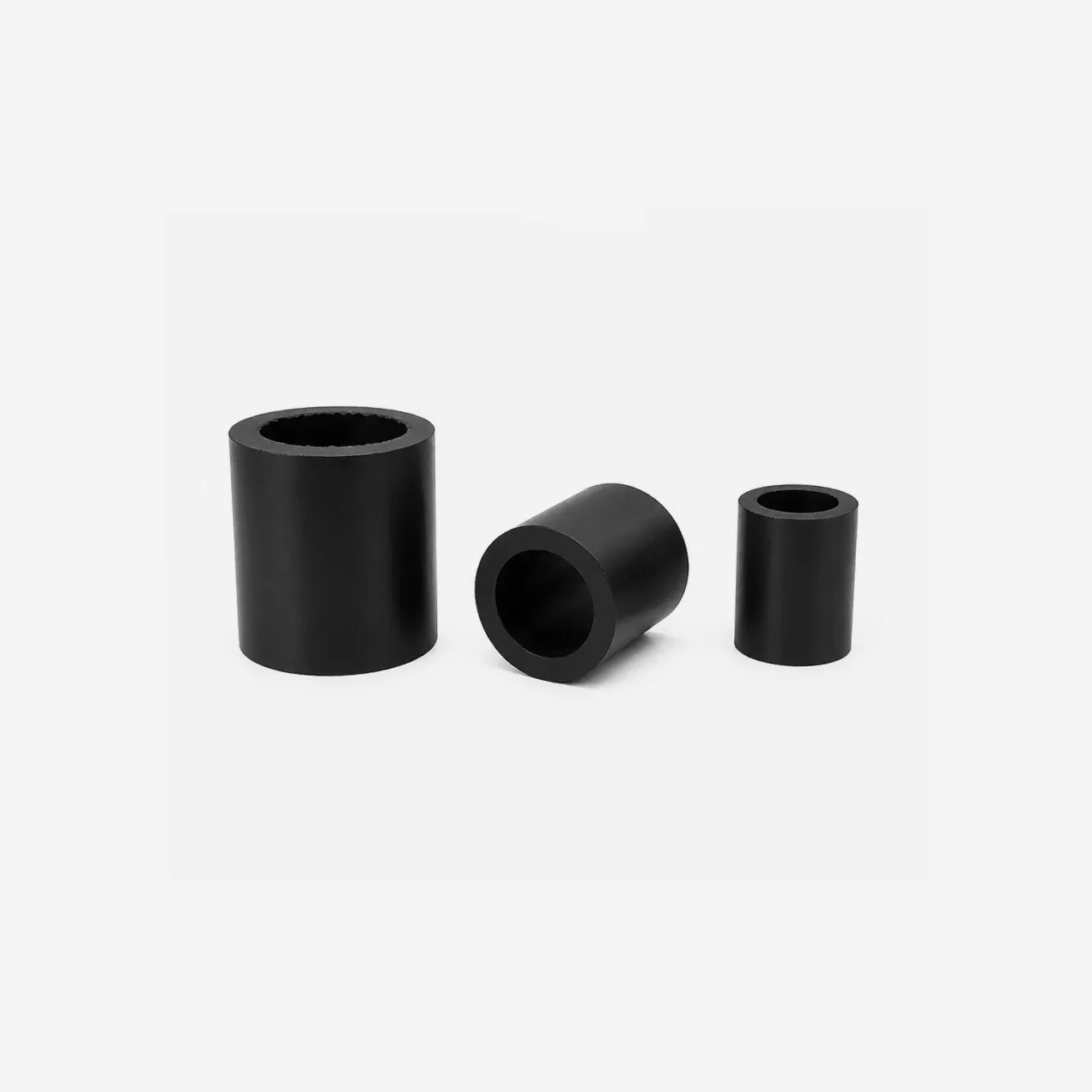
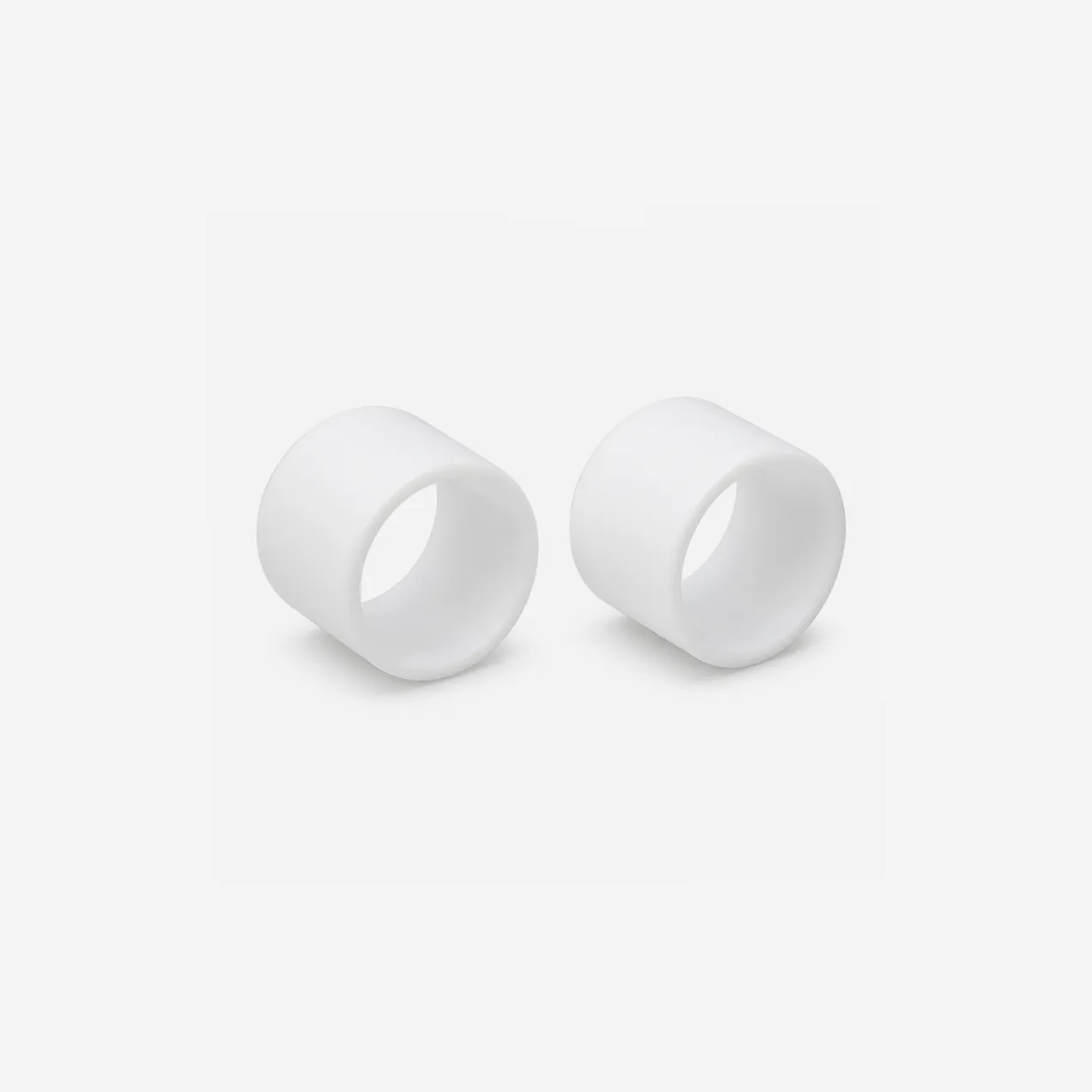
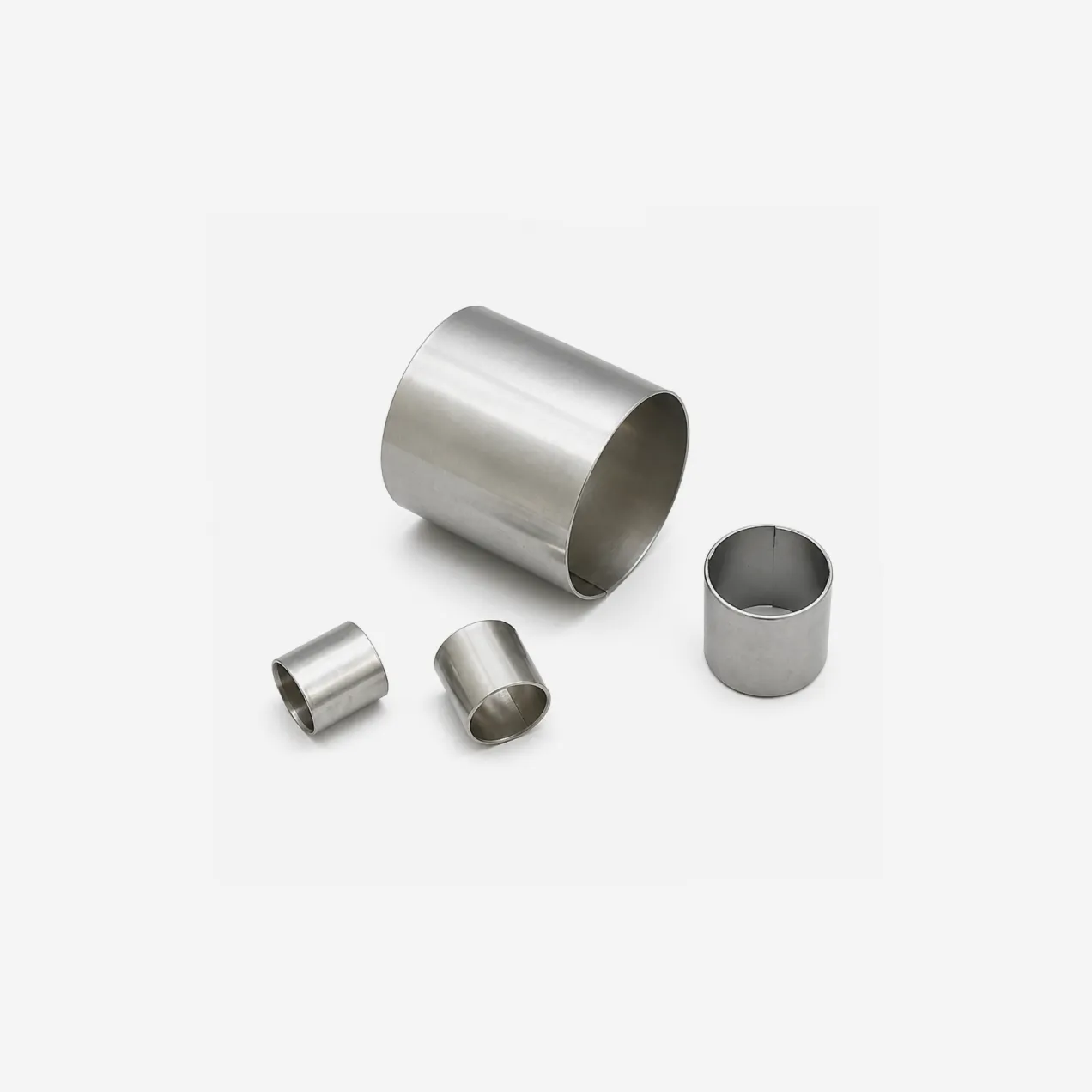
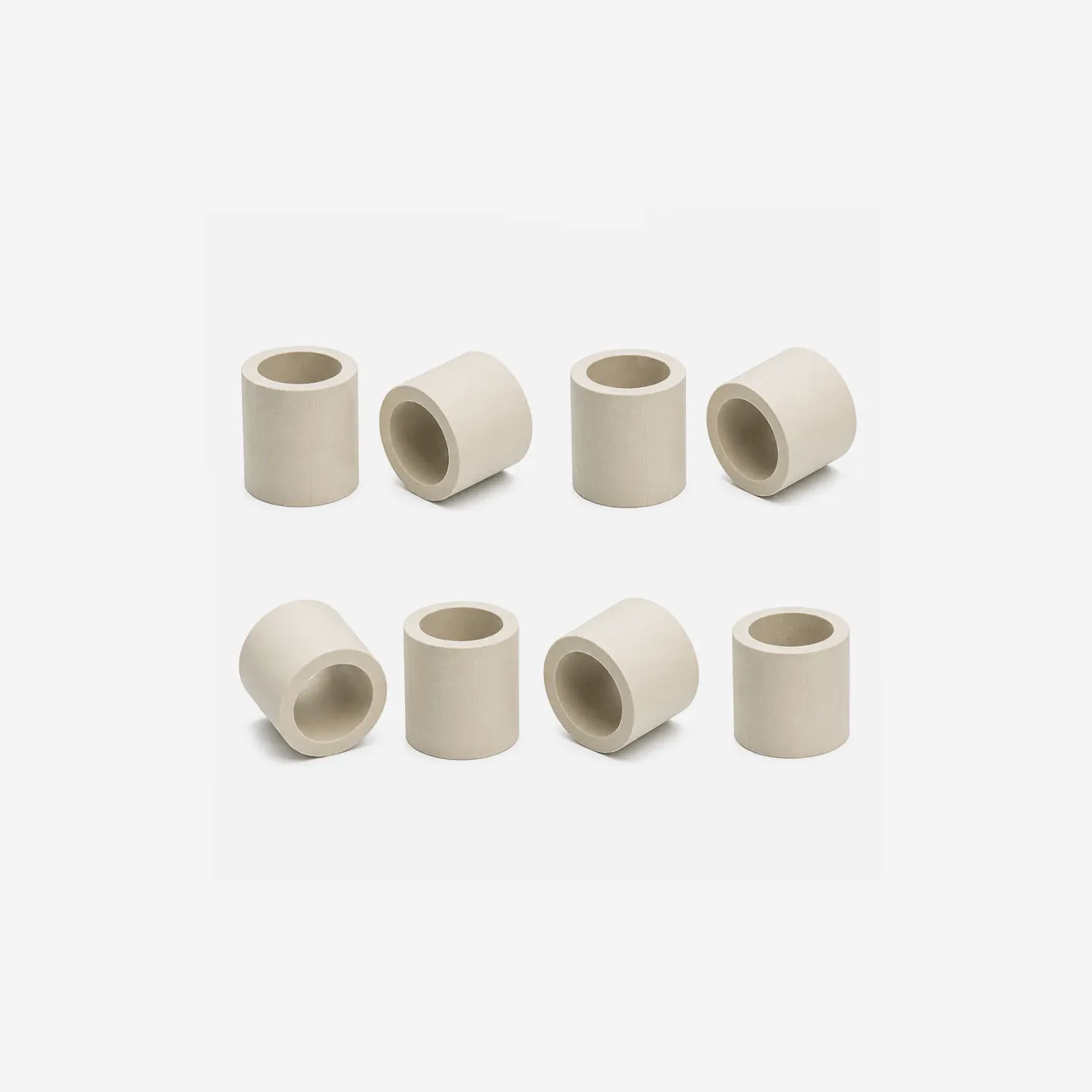
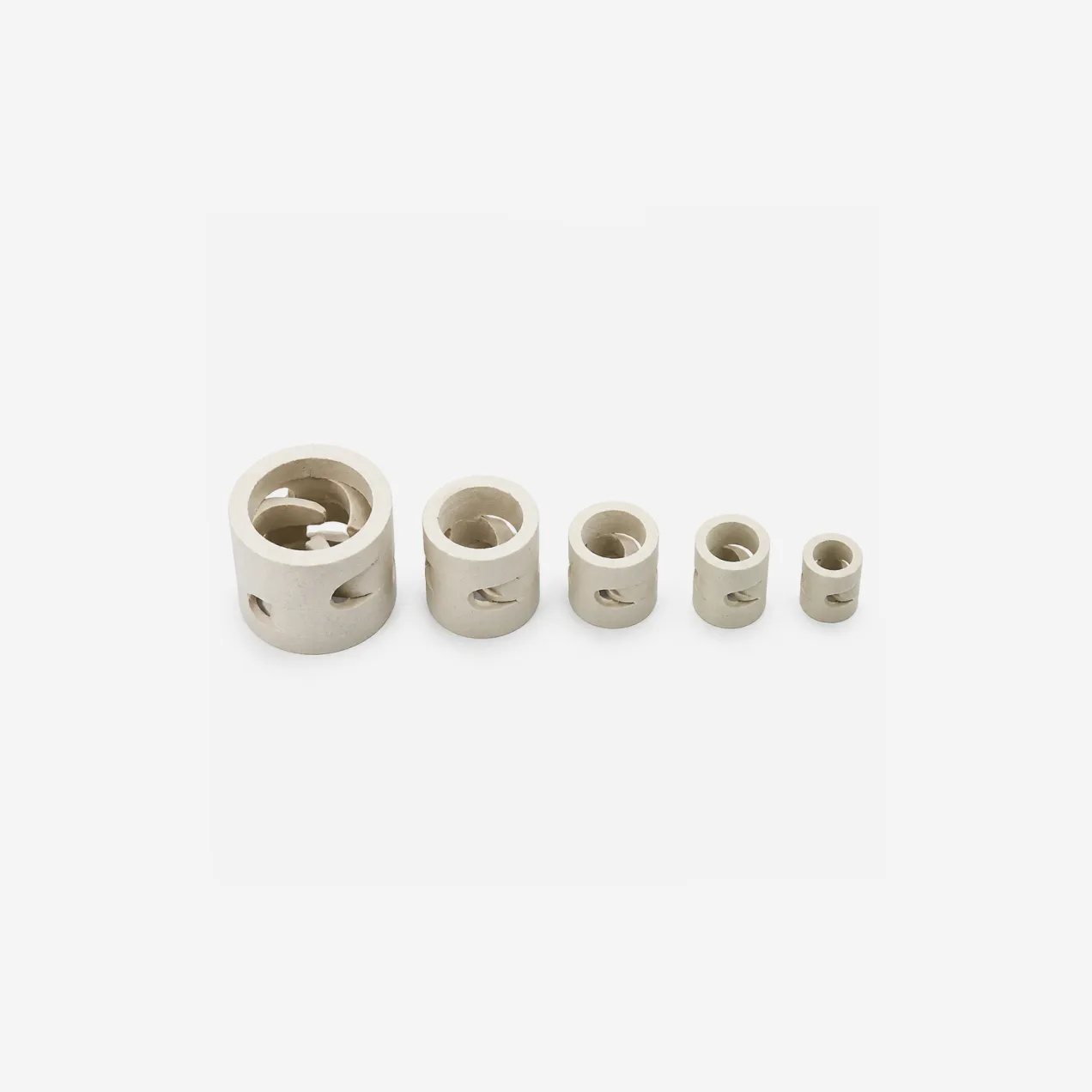
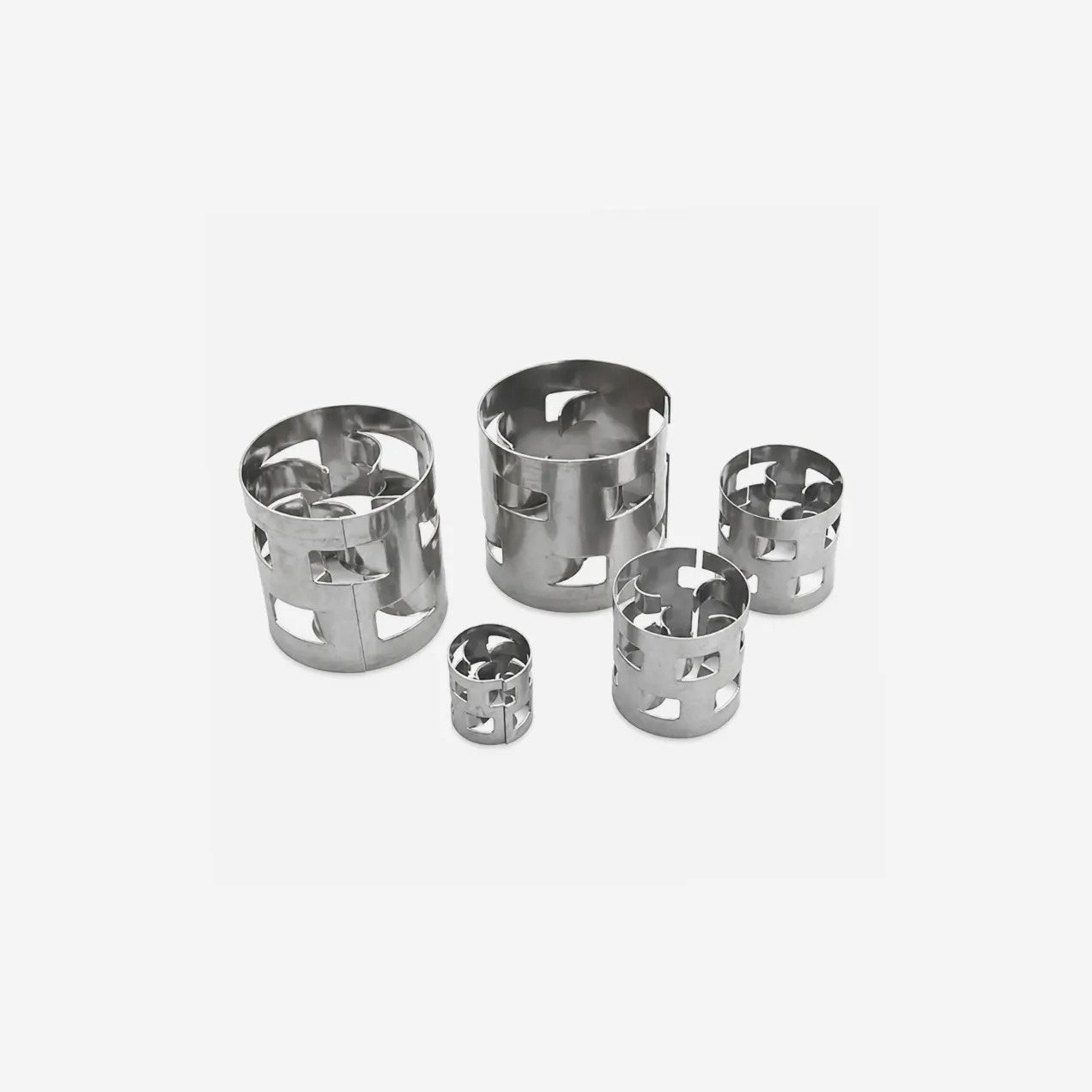
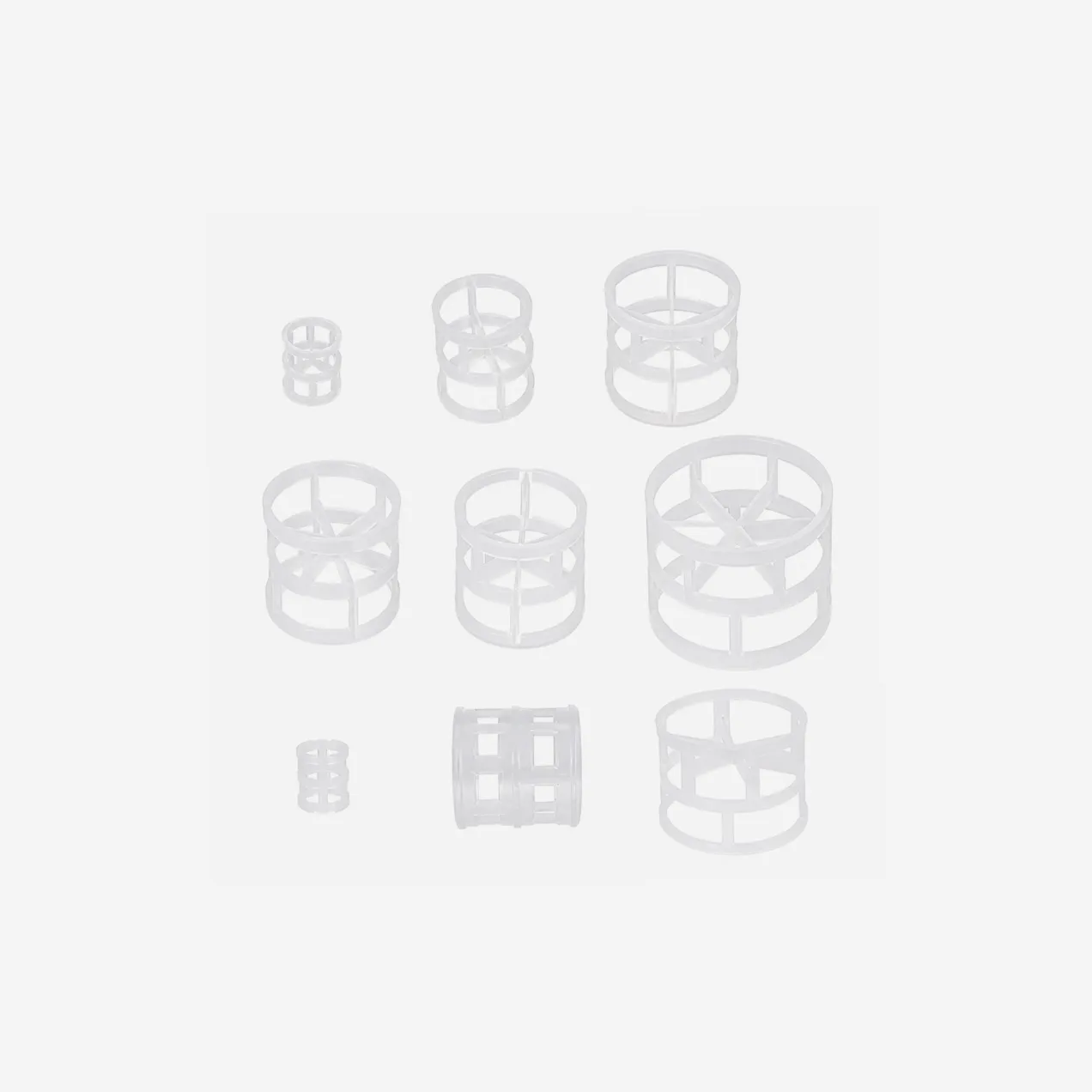
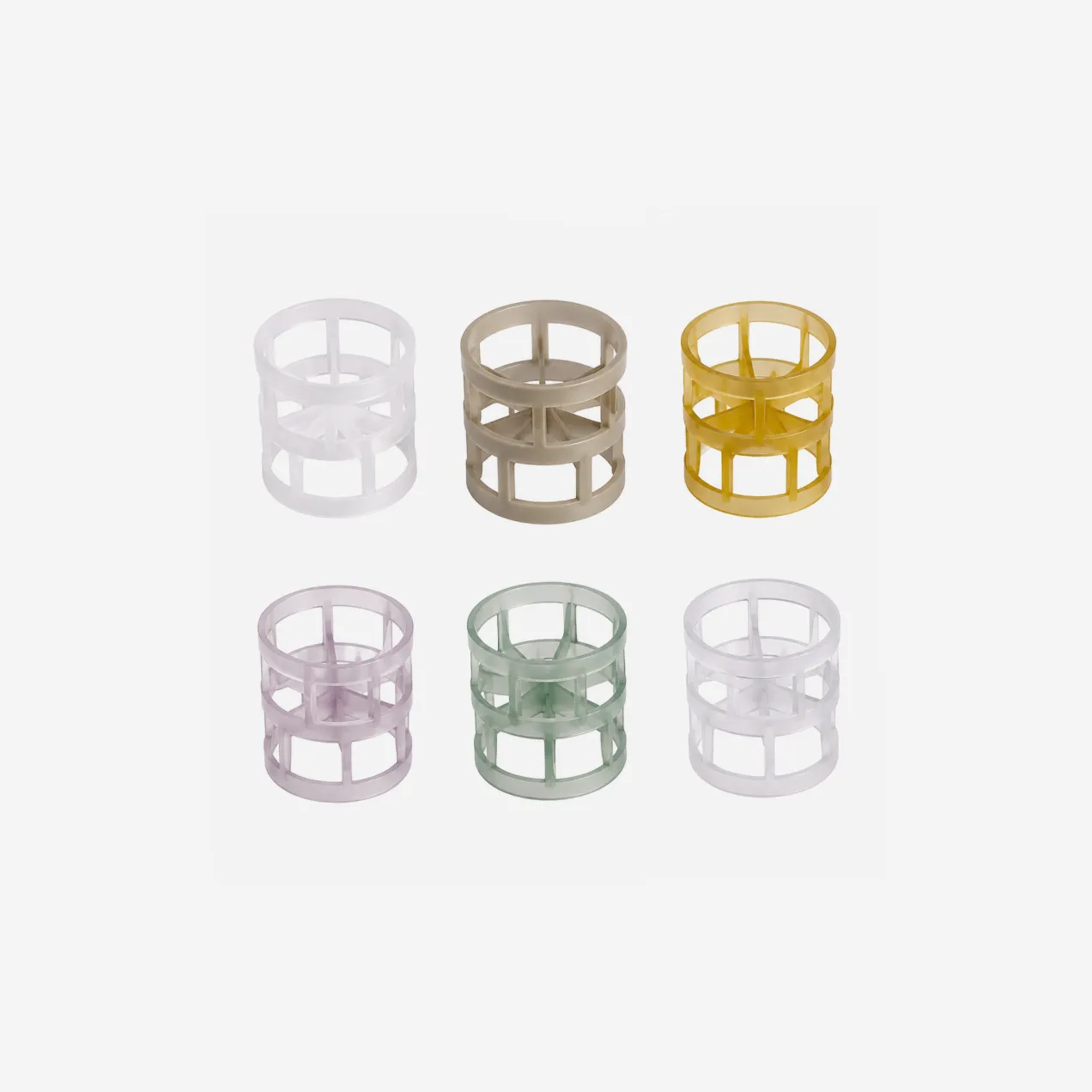
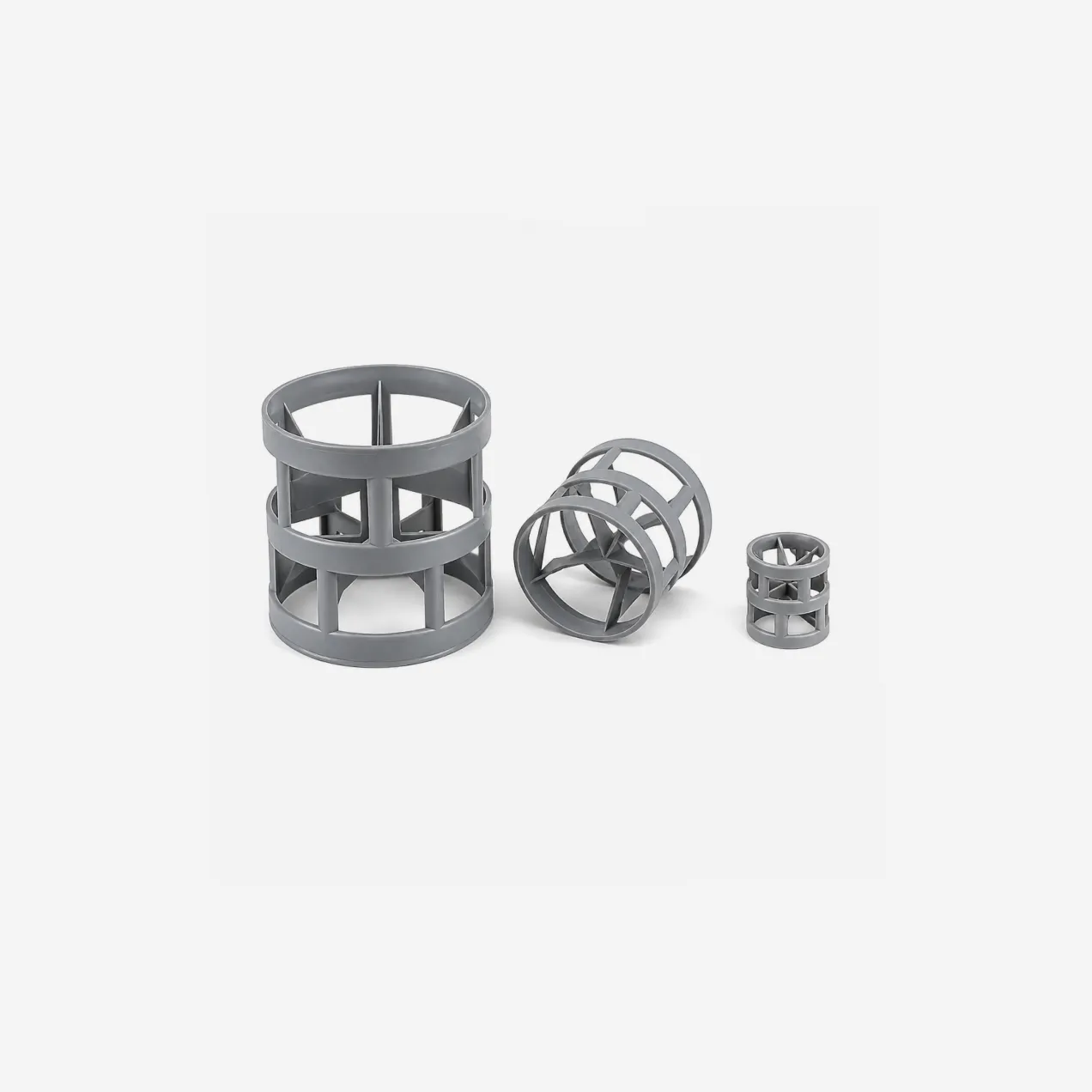
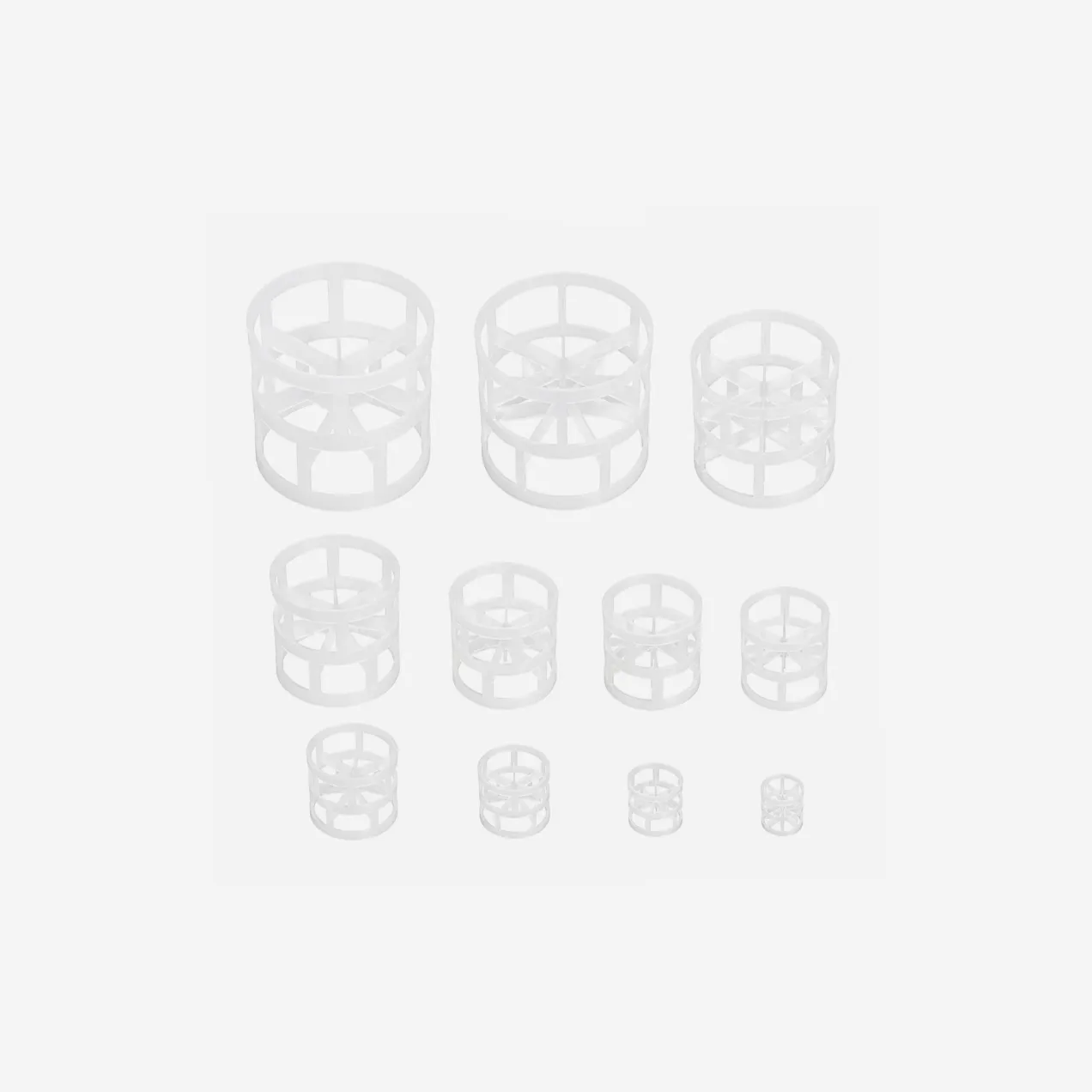
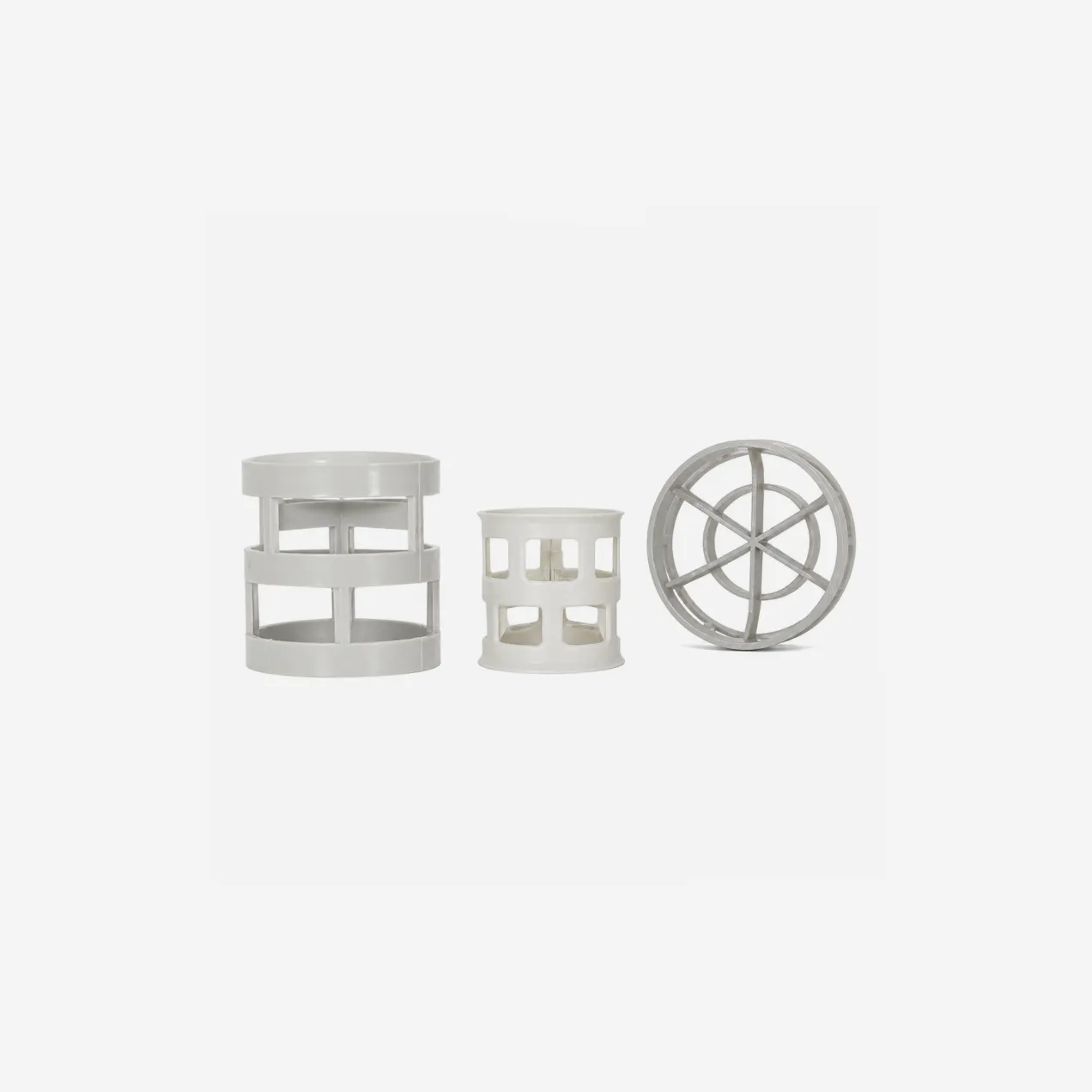
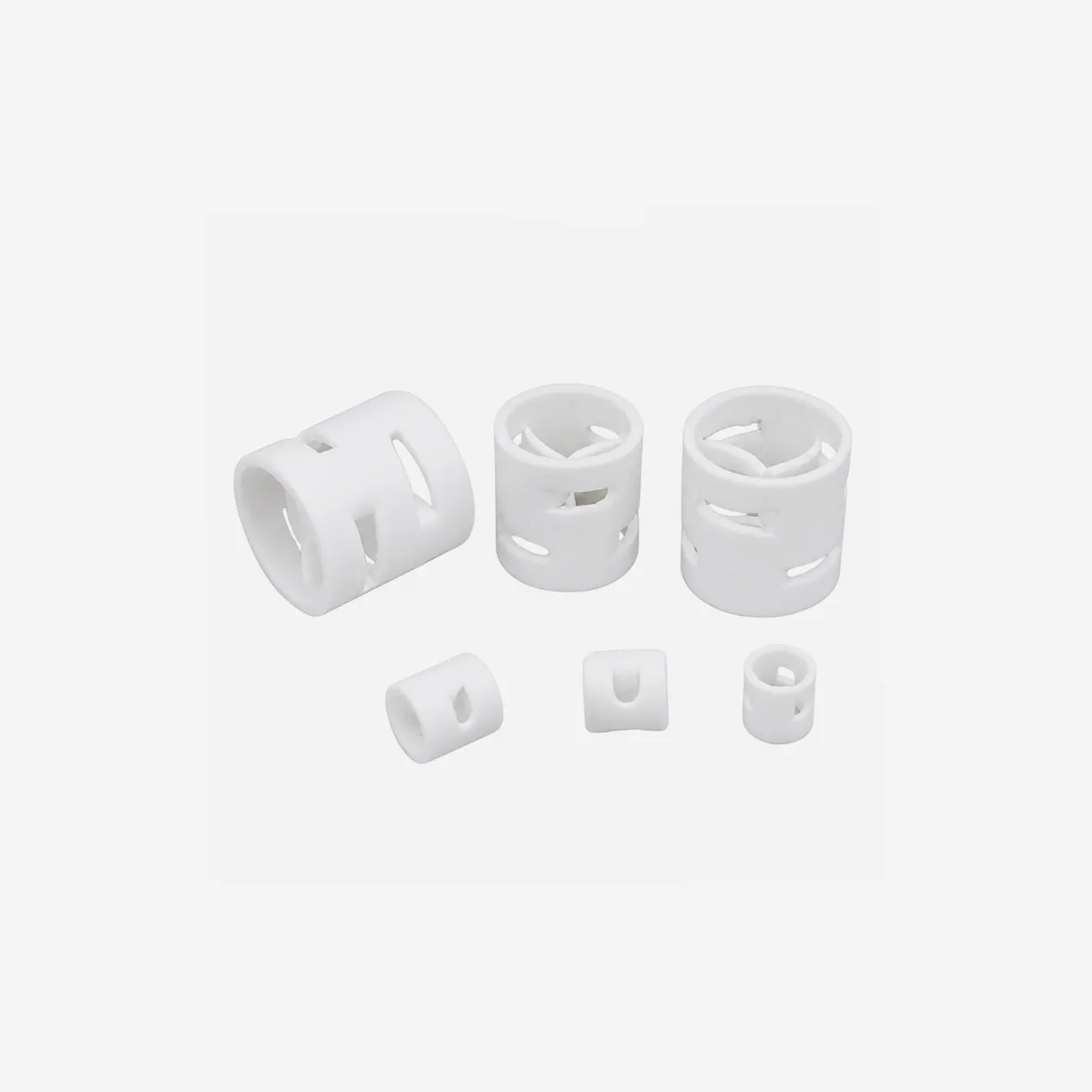
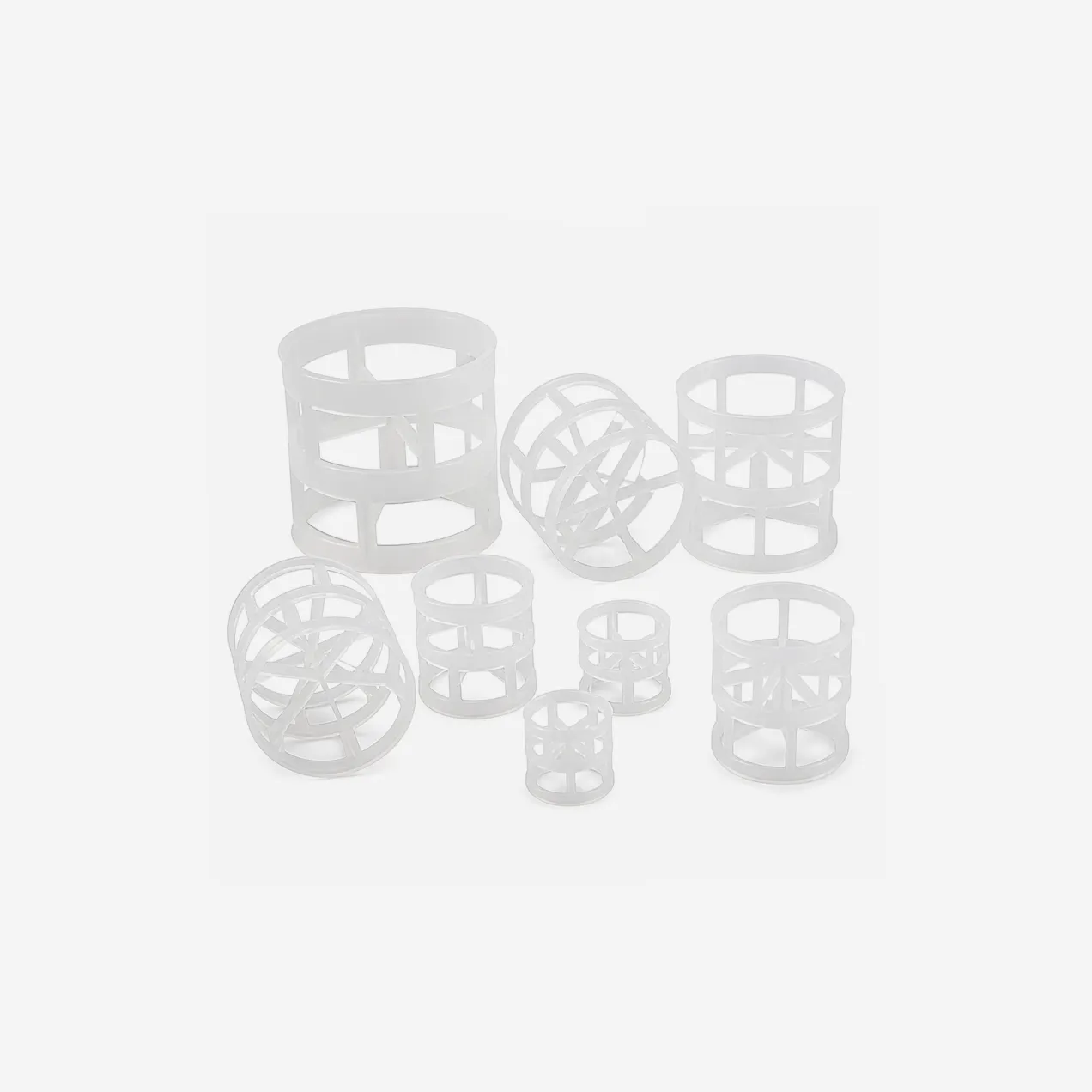
The metal cascade mini ring, the step or ladder ring, is a Pall ring redesigned to sit low and open. Where a Pall ring is about as tall as it is wide, the cascade ring is squat, its height only a third to a half of its diameter, and one rim is flared outward into a collar. That low, flared shape is where all its gains come from: short rings will not nest inside one another, so a dumped bed stays open and evenly spread, and the flared collar helps distribute the liquid and keep the rings from interlocking. Rolled from stainless or carbon steel, with Pall-style windows and inward tongues in its wall, it is strong, very open, and resistant to heat and acid.
What each feature buys, against a Pall ring:
| Design feature | What it does |
|---|
| Low ring height (a third to a half the diameter) | Rings cannot nest, so the bed stays open, about 10 to 20 percent more flux |
| Flared collar on one rim | Spreads the liquid and stops interlocking, pressure drop about 30 to 40 percent lower |
| Windowed wall with inward tongues | Opens the internal surface for contact and better separation |
| Thin stainless or carbon steel | High void with strength and resistance to heat and acids |
Those gains put it into high-throughput gas duty everywhere: decarbonization absorption and regeneration towers in hydrogen and fertilizer plants, and absorption, stripping and washing towers across the chemical and oil industries. It comes in carbon steel and in stainless grades 304, 304L, 316, 316L and 410, from 25 up to 76 mm across. To spec a bed, just send us the tower dimensions and what it is running, and we will pick the ring size and steel.