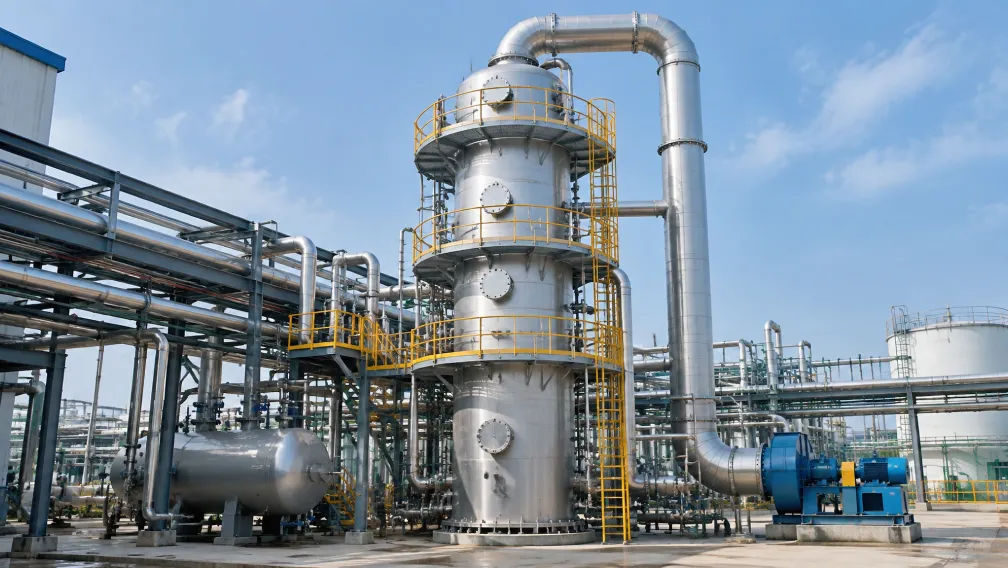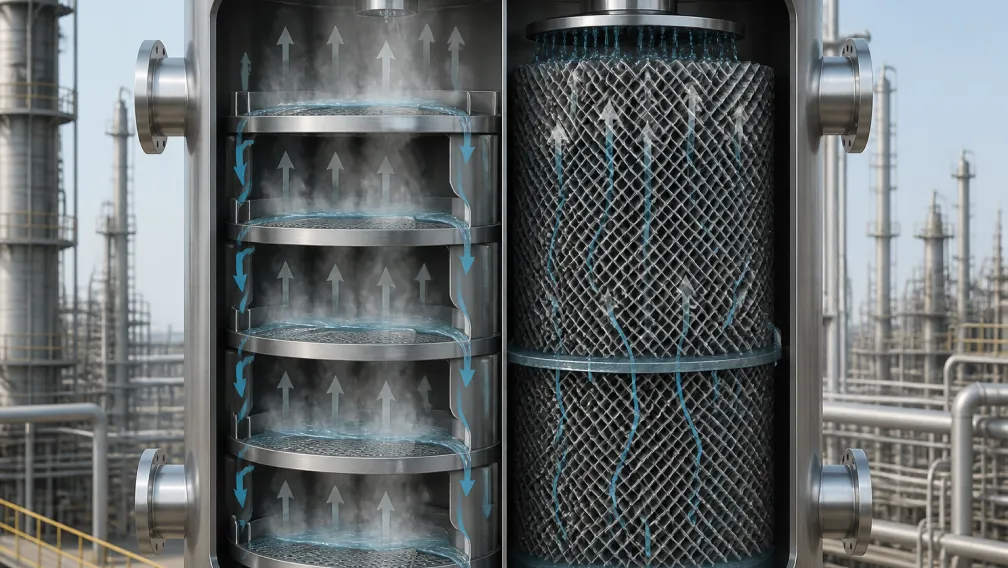

A packed column operates as an integrated system. While the specific surface area of the packing dictates the theoretical limit of mass transfer, the actual separation efficiency achieved in the field is governed almost entirely by the performance of the tower internals. The most critical of these components is the liquid distributor. If the initial liquid distribution at the top of the bed is non-uniform, the resulting maldistribution will propagate downward, starving some sections of the packing while flooding others. This localized imbalance destroys the Height Equivalent to a Theoretical Plate (HETP), regardless of whether the column utilizes random packing or high-efficiency structured packing.
This engineering guide outlines the operational principles of liquid distributors, support plates, and bed limiters, providing a selection framework based on liquid load, turndown ratio, fouling potential, and column diameter.
The Impact of Liquid Maldistribution
Maldistribution occurs when the liquid-to-gas ratio deviates across the cross-sectional area of the tower. In regions where liquid flow is deficient, vapor channels upward without adequate contact, carrying heavy components into the overhead product. In regions where liquid flow is excessive, the local liquid film thickens, reducing the effective interfacial area and increasing the risk of premature flooding. The resulting concentration pinches cannot be corrected by simply adding more packing height; the radial mixing capability of modern packings is insufficient to overcome severe initial maldistribution.
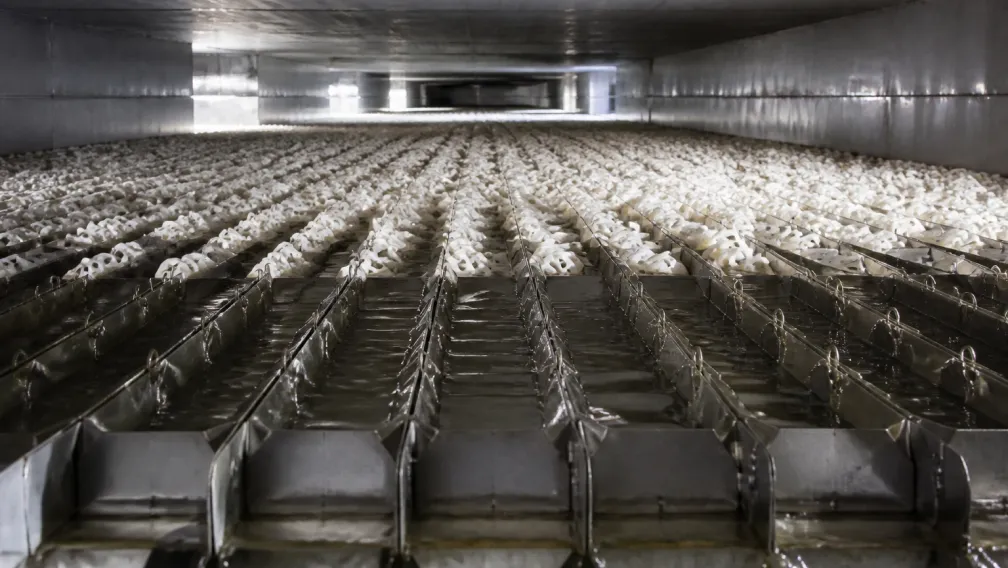
To prevent this, engineers calculate a target "drip point density"—the number of liquid introduction points per square meter. Standard random packings generally require 60 to 100 points/m². High-efficiency structured packings, which possess minimal radial spread capabilities, demand much higher densities, often between 100 and 200 points/m². The distributor must achieve this density while maintaining a uniform flow rate from each individual drip point, requiring tight manufacturing tolerances and strict levelness during installation.
Gravity-Driven Liquid Distributors
Gravity distributors operate by maintaining a static head of liquid over an array of calibrated orifices or weirs. They are the standard choice for distillation and absorption duties due to their reliability and wide operating range.
Trough Distributors
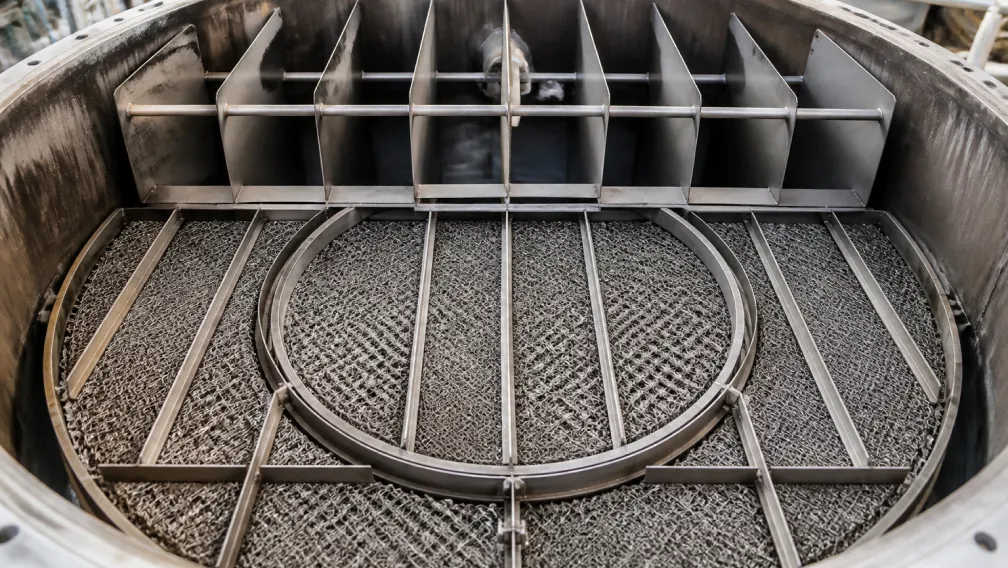
A stainless steel trough liquid distributor consists of a central parting box (or primary trough) that meters fluid into a series of parallel secondary troughs. The liquid exits the troughs through orifices drilled in the base or sidewalls. Trough distributors provide substantial open area for upward vapor flow, minimizing pressure drop. They are highly scalable, operating effectively in columns ranging from 0.8 meters to over 10 meters in diameter. Since the troughs are open at the top, they are relatively resistant to fouling and allow for easy inspection and cleaning. The standard turndown ratio (the ratio of maximum to minimum design flow rate) for an orifice-type trough distributor is typically 2.5:1, but dual-level orifices can extend this to 10:1.
Pan and Sieve Tray Distributors
Pan distributors are flat plates spanning the entire column cross-section, featuring an array of liquid orifices on the floor and vertical risers (chimneys) for vapor passage. A PP plastic tray distributor or metal sieve tray distillation plate is frequently specified for columns under 1.2 meters in diameter where complex trough systems are difficult to install. Because the liquid forms a continuous pool across the deck, pan distributors provide excellent radial liquid distribution. However, they restrict the vapor flow area more than trough designs, resulting in a higher pressure drop. They are also highly susceptible to fouling; any particulate matter will settle on the deck and plug the liquid orifices, leading to immediate maldistribution.
Pressure-Driven Liquid Distributors
Pressure distributors rely on the kinetic energy of the incoming fluid to force liquid through nozzles or perforated pipes. They require no liquid level to operate and are generally lighter and less expensive than gravity systems.
Pipe Header and Spray Distributors
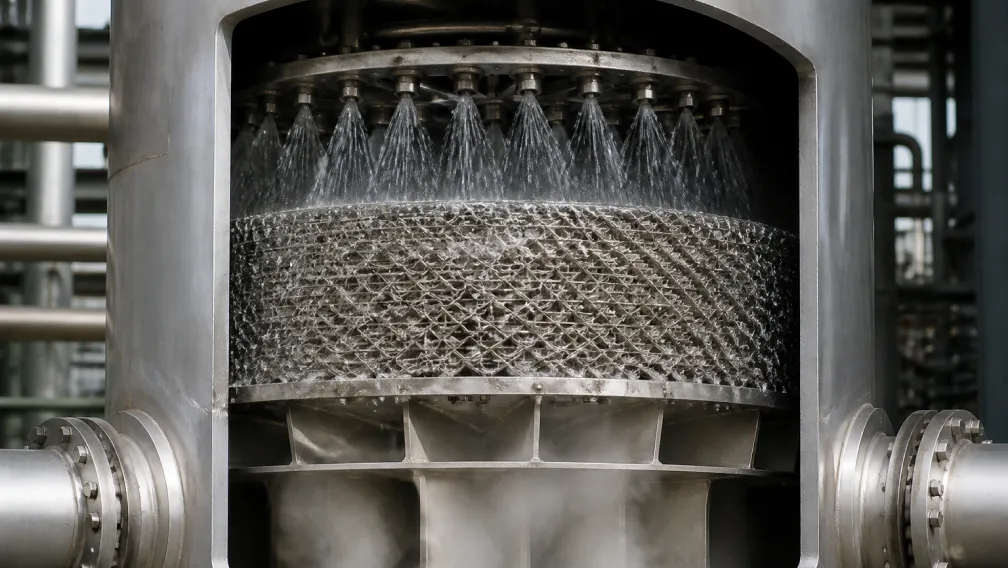
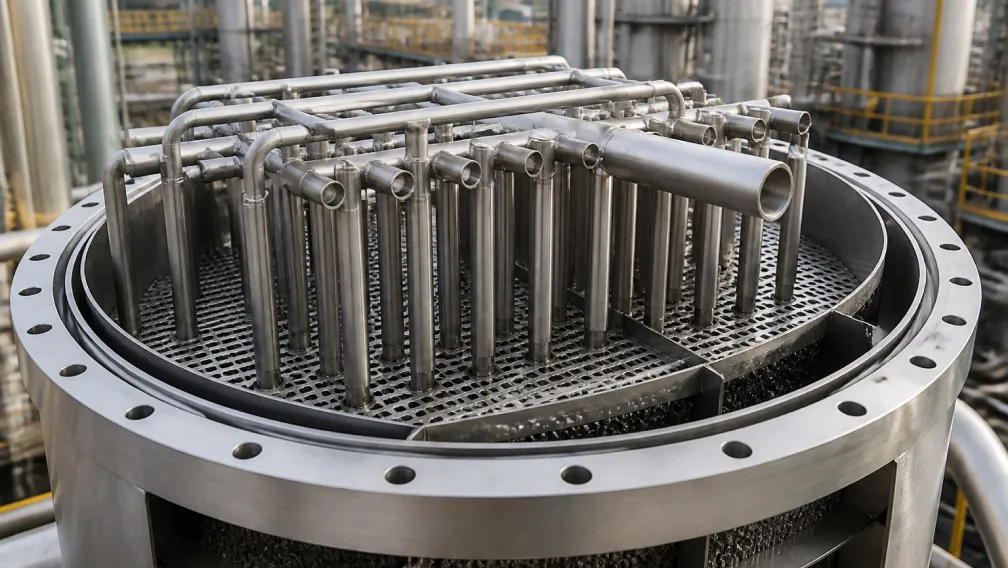
A pipe distributor consists of a main header connected to a network of laterals equipped with spray nozzles or drilled holes. These systems are used in heat transfer applications, scrubbers, and highly fouling services where large-diameter nozzles can pass particulates without plugging. Because they rely on pump pressure, they have a very limited turndown ratio (usually less than 2:1), as flow rate varies with the square root of pressure. Furthermore, spray nozzles generate fine droplets that can be easily entrained in the upward vapor stream. Consequently, pressure distributors are rarely used in high-purity distillation requiring structured packing.
Support Grids and Gas Injection Plates
The packing bed rests on a support grid that must bear the static weight of the packing and the dynamic weight of the liquid holdup, all while allowing unrestricted passage of vapor and liquid. A standard flat grate often causes a bottleneck because the packing elements block a significant portion of the open area, leading to localized flooding at the base of the bed.
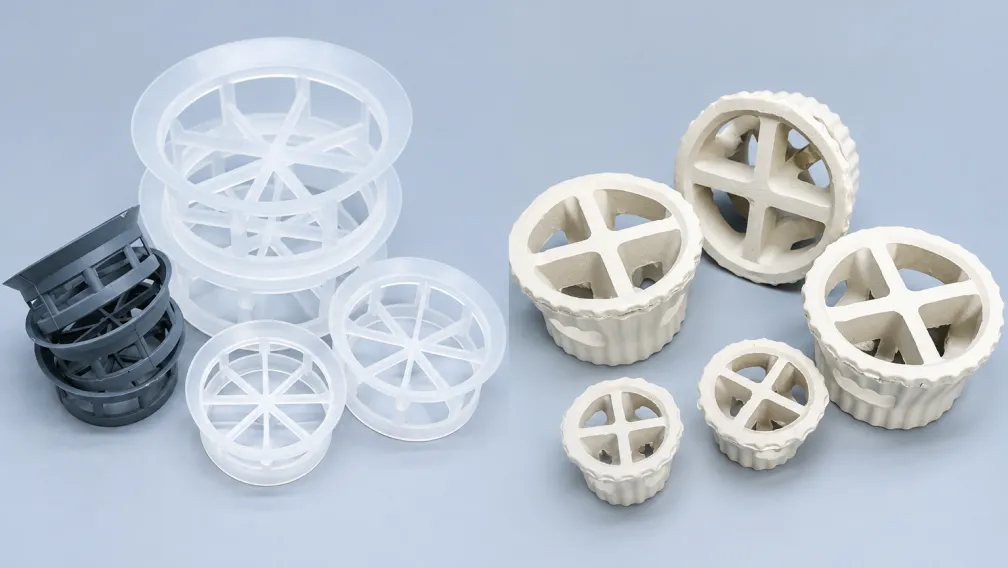
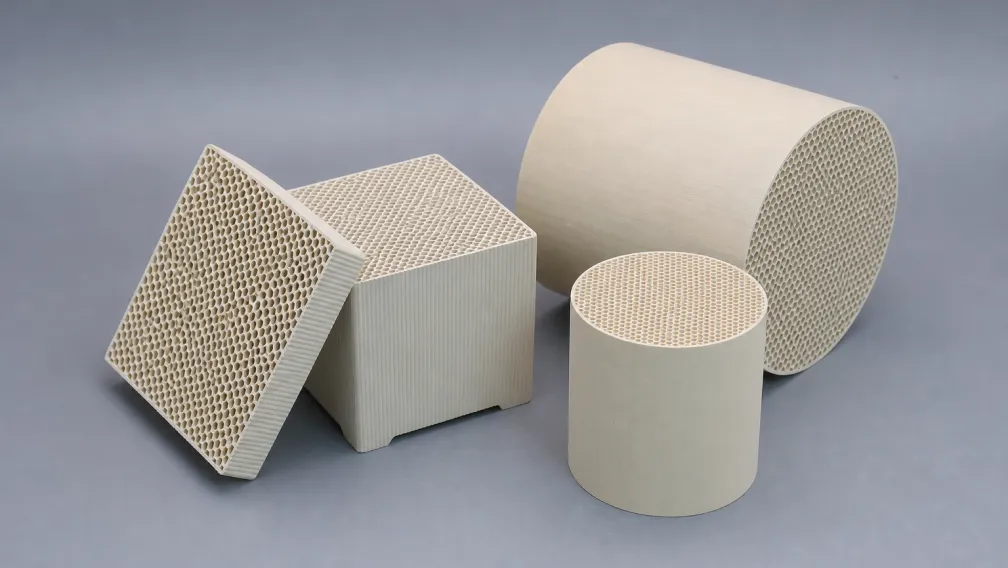
To resolve this, engineers specify gas-injection support plates, such as the metal hump support or ceramic hump support. These corrugated plates feature separate pathways for the two phases: liquid drains through slots at the bottom of the corrugations, while vapor enters through slots on the elevated ridges. This design provides an effective free area greater than 100% of the column cross-section, ensuring that the support plate does not limit the hydraulic capacity of the tower.
Bed Limiters and Hold-Down Grids
During sudden surges in vapor velocity, start-up conditions, or process upsets, random packing can fluidize. Fluidization causes the packing elements to rub against each other, leading to mechanical attrition, the generation of fines, and eventual loss of bed integrity. To prevent this, a bed limiter (hold-down grid) is bolted or welded directly above the packing bed. For structured packing, which does not fluidize but can shift upward in large blocks during severe upsets, robust retaining grids are mandatory to maintain the geometry of the mass transfer zone.
Liquid Redistribution
Even with a perfect initial distributor, liquid naturally migrates toward the column walls as it descends through a bed of random packing. Once liquid reaches the wall, it bypasses the packing and no longer participates in mass transfer. To correct this, long packed columns are segmented. Engineering guidelines dictate that a random packing bed should not exceed 10 to 15 times the column diameter (or a maximum of 6 to 8 meters) before the liquid is collected and redistributed. A redistribution system consists of a wall wiper or collector tray that channels all fluid back into a secondary liquid distributor, restoring uniform flow before the next packed section.
Selection Criteria for Tower Internals
Specifying the correct internals requires balancing multiple process parameters:
- Liquid Rate: Low liquid loads (< 5 m³/m²·h) require high-density pan or trough distributors with capillary tubes to maintain flow. High liquid loads favor heavy-duty trough or pipe distributors.
- Turndown Requirement: If the plant operates across a wide capacity range, dual-orifice trough distributors are required to accommodate variations in liquid head.
- Fouling Potential: In services containing solids or polymerizing compounds, orifice pan distributors must be avoided. V-notch weir trough distributors or large-orifice pipe distributors are mandatory to prevent plugging.
- Vapor Velocity: High vapor velocities require trough distributors and gas-injection support plates to minimize pressure drop and prevent entrainment.
Engineering and Manufacturing Tolerances
A distributor is a precision instrument. A variation of just a few millimeters in installation levelness can drastically alter the liquid head across a pan or trough, causing severe flow variations from one side of the column to the other. High-performance distillation systems require internals fabricated to strict dimensional tolerances, fully assembled and water-tested at the manufacturing facility prior to shipment.
Our engineering team designs and fabricates complete tower internal systems—including liquid distributors, collectors, support plates, and demisters—matched specifically to the hydraulic requirements of the packing. Submit your column diameter and flow rates through our contact page for internal sizing and mechanical design support.
-

Rongjian
Process Media Manufacturer Since 2010
Rongjian produces tower packing, molecular sieves, ceramic grinding media and other process media from our Pingxiang production base. We supply to industrial projects in over 100 countries.