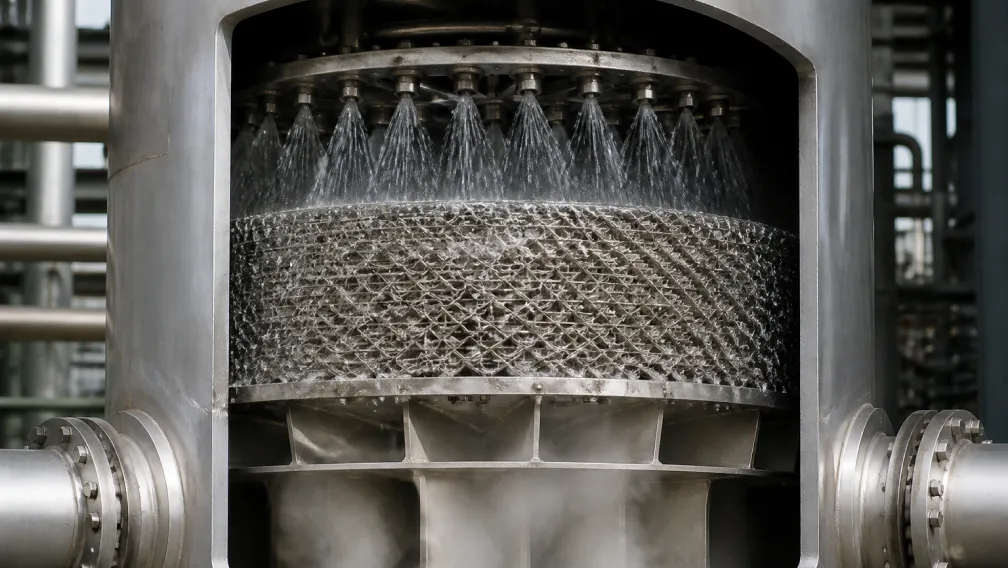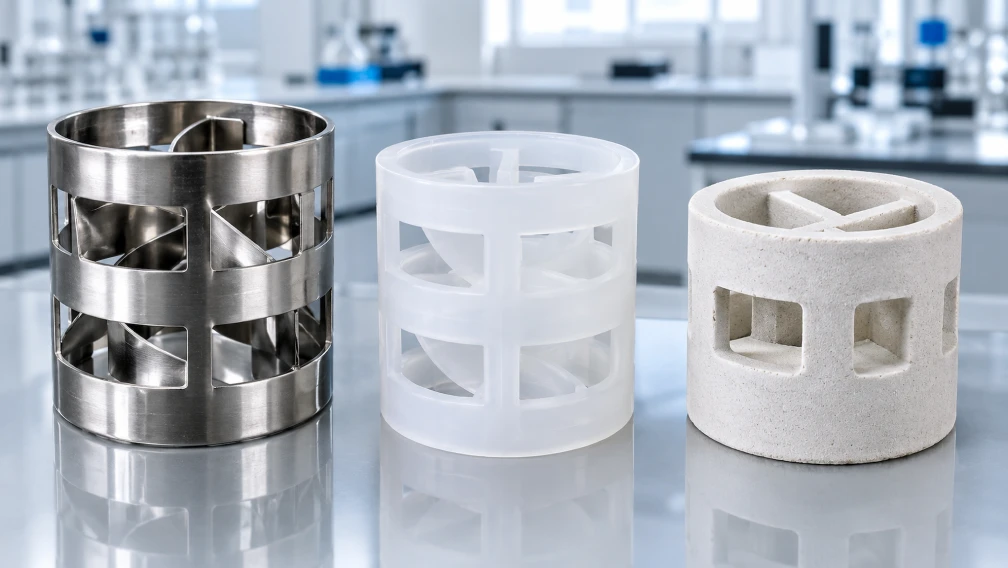

Tower packing efficiency fundamentally depends on selecting the appropriate material for the operating environment. The physical and chemical properties of the packing material dictate mass transfer efficiency, column pressure drop, resistance to corrosion, and long-term mechanical stability. Industrial random packing and structured packing are manufactured in three primary material categories: metal, plastic, and ceramic. Each material offers distinct advantages and limitations regarding temperature tolerance, surface wetting, chemical compatibility, and cost.
This guide examines the engineering characteristics of metal, plastic, and ceramic tower packings, providing a framework for selecting the correct material based on specific chemical processing applications.
Metal Tower Packing: Mechanical Strength and High Capacity
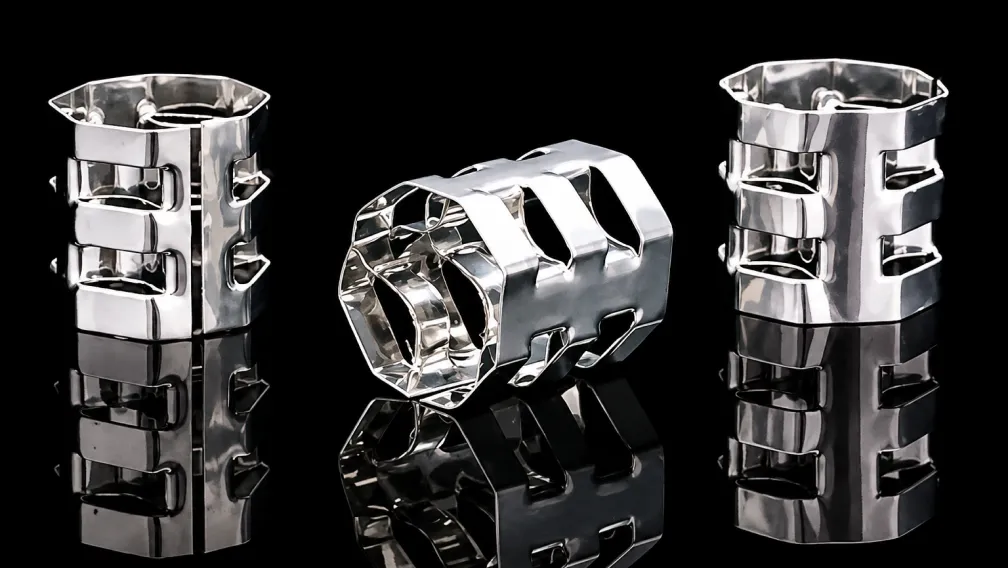
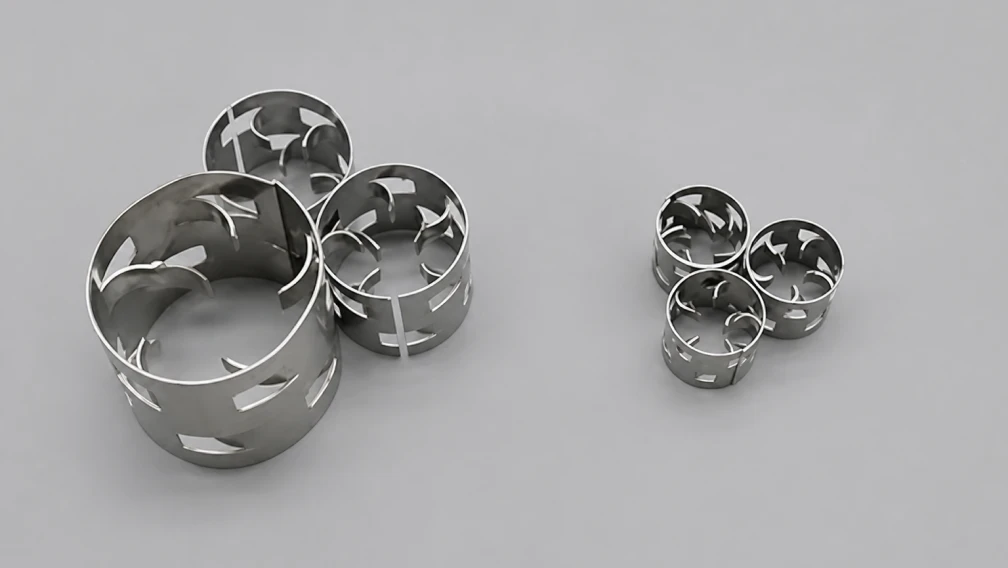
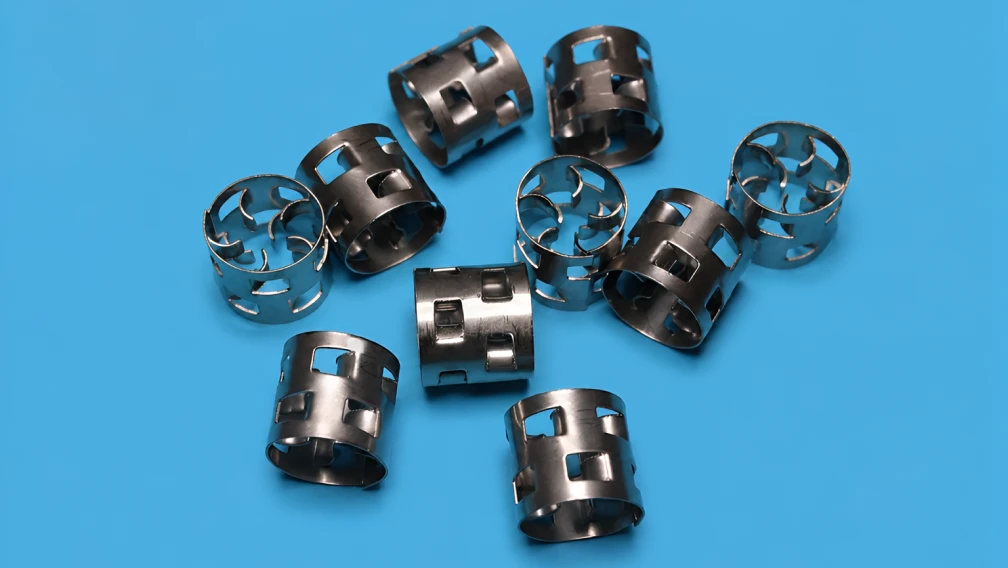
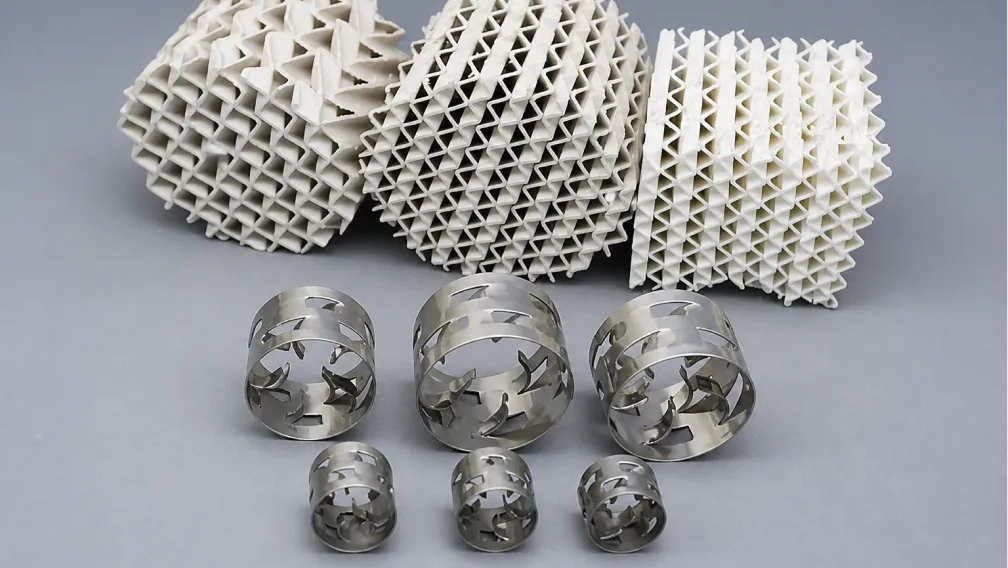
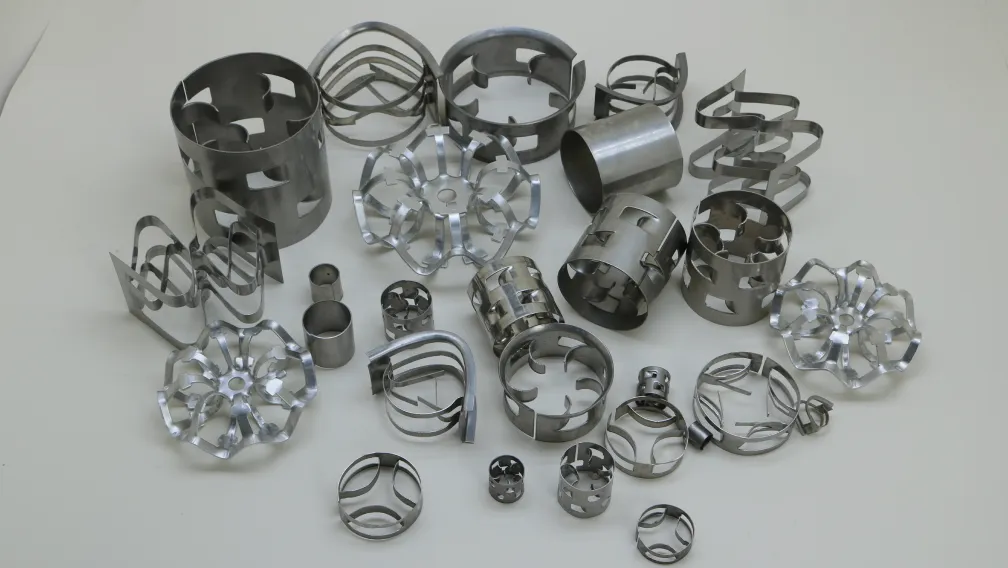
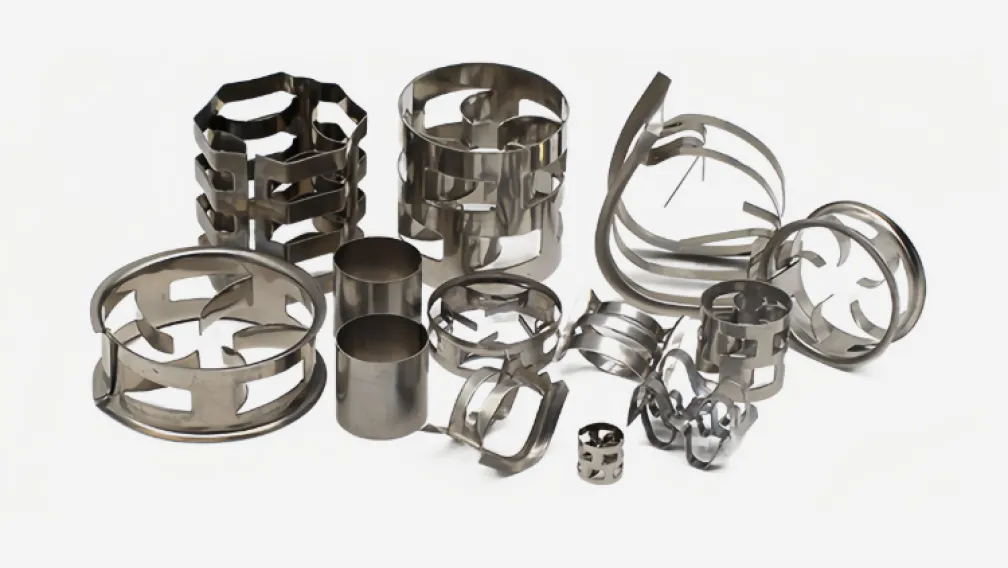
Metal tower packing provides the highest mechanical strength and impact resistance among all packing materials. Manufactured from thin sheet metal, these packings achieve extremely high void fractions—often exceeding 95%—which directly translates to low pressure drop and high gas processing capacity. The thin walls also maximize the available specific surface area for mass and heat transfer.
Material Options and Chemical Compatibility
Metal packings are highly versatile due to the availability of numerous alloys. Standard applications utilize carbon steel or 304/304L stainless steel. For environments containing organic acids, chlorides, or requiring elevated high-temperature oxidation resistance, engineers specify 316/316L stainless steel, 410 stainless steel, titanium, Monel, or Hastelloy. Metal packings are broadly compatible with solvents, alcohols, and high-temperature hydrocarbons but are susceptible to attack by inorganic acids (such as hydrochloric and sulfuric acid) and certain aggressive alkaline solutions.
Operating Limits and Wettability
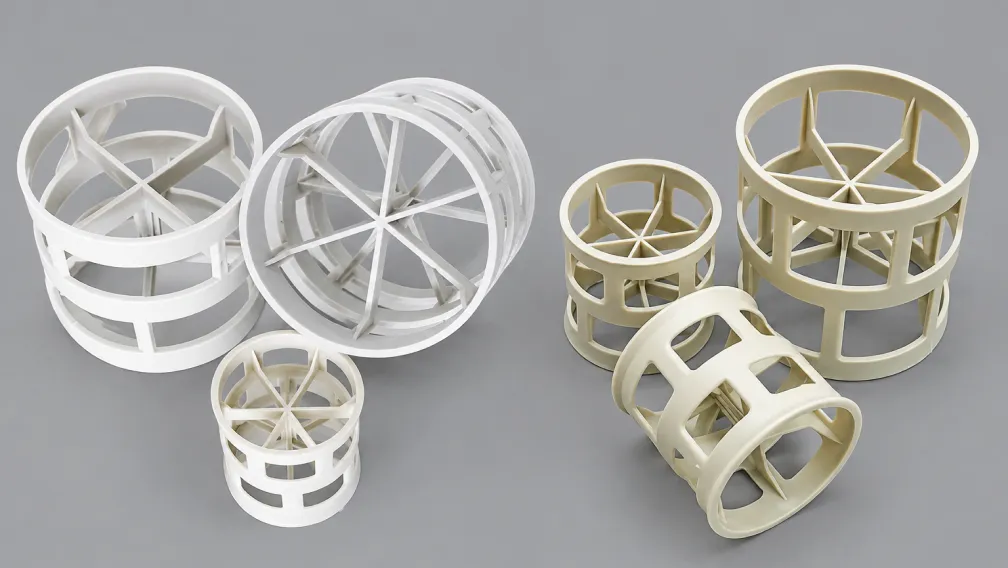
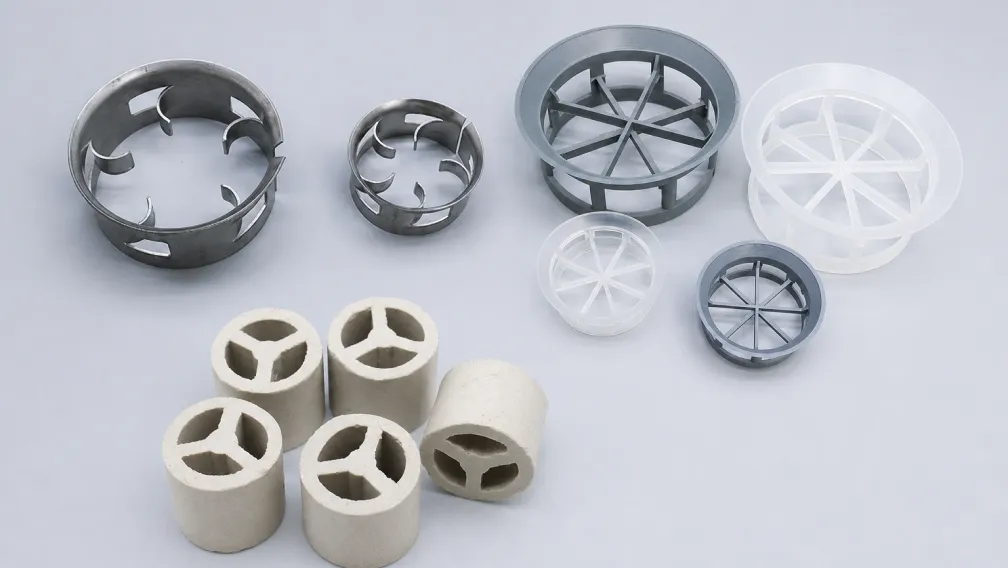
Metal naturally possesses a high surface energy, resulting in excellent liquid wetting characteristics. This ensures that the entire physical surface area of the packing participates in mass transfer, even at relatively low liquid-to-gas ratios. Temperature limitations are dictated strictly by the metallurgy and the specific corrosive environment; however, most stainless steel packings operate reliably at temperatures well above 400 °C in non-corrosive atmospheres. Standard designs, such as metal Pall rings, are widely deployed in vacuum distillation, absorption, and stripping columns where high capacity and low pressure drop are required.
Plastic Tower Packing: Lightweight and Corrosion-Resistant
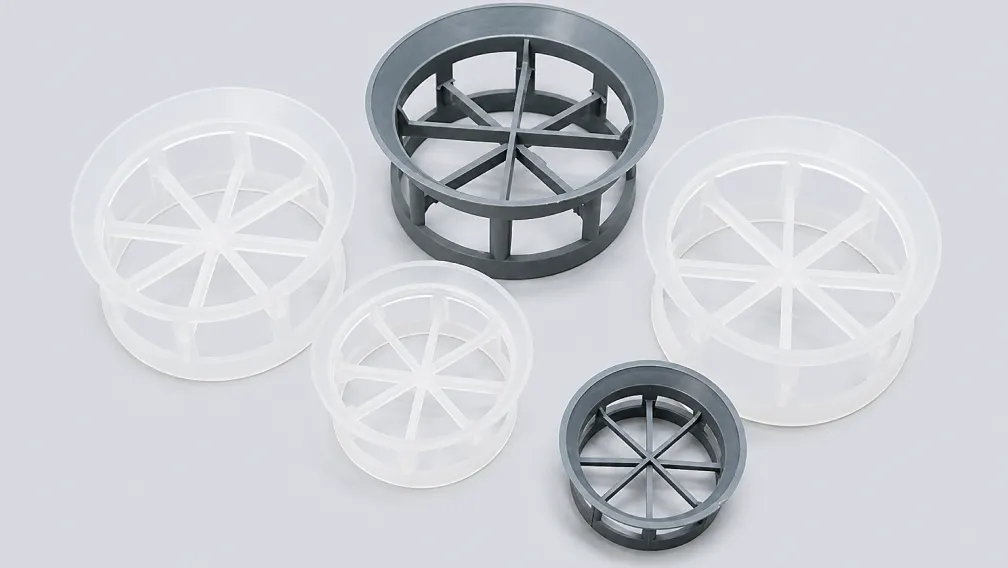
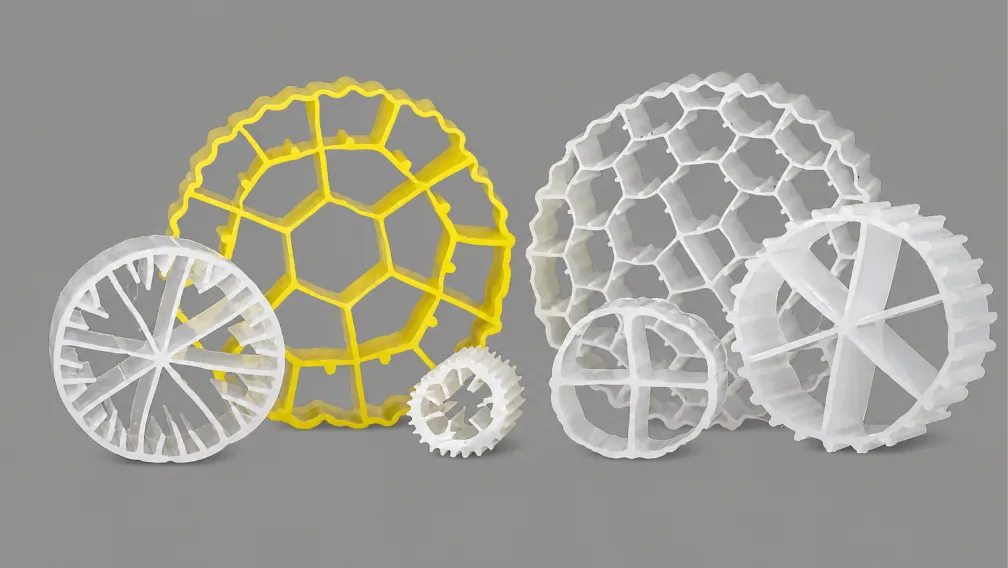
Plastic tower packing is engineered for applications requiring high chemical resistance at moderate temperatures. The primary advantage of plastic is its exceptional immunity to a wide spectrum of corrosive chemicals, particularly inorganic acids, alkalis, and salt solutions, which would rapidly degrade standard metal packings. Furthermore, plastic is significantly lighter than both metal and ceramic, reducing the structural load on the column shell and internal bed limiters.
Polymer Selection and Temperature Limits
The operating temperature limit of plastic packing is strictly bound by the selected polymer's thermal softening point and long-term creep resistance. Material options range from commodity plastics to advanced fluoropolymers:
- Polypropylene (PP): The most common and cost-effective material. Suitable for operating temperatures up to 90 °C. PP Pall rings are standard in general water treatment and fume scrubbing.
- Polyethylene (PE): Operating limits up to 60 °C, offering excellent toughness and chemical resistance.
- Polyvinyl Chloride (PVC) and CPVC: Specified for environments with high chlorine content. CPVC extends the temperature limit to approximately 95 °C.
- Polyvinylidene Fluoride (PVDF): Withstands continuous operating temperatures up to 150 °C and offers superior resistance to highly aggressive acids and halogens.
- Polytetrafluoroethylene (PTFE) and PFA: High-performance fluoropolymers capable of operating up to 250 °C. These materials provide near-universal chemical inertness but command a significant cost premium.
Hydrodynamics and Surface Energy
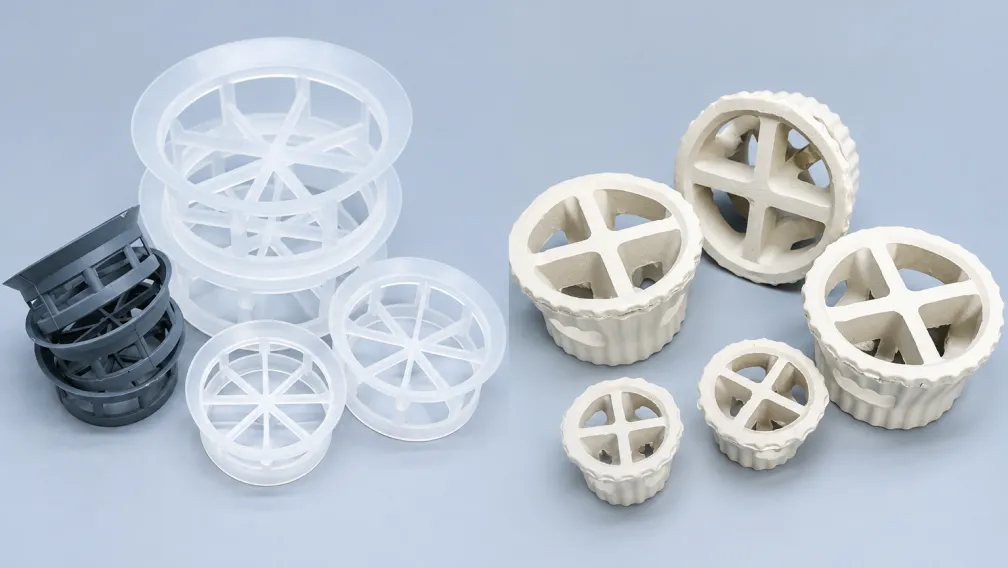
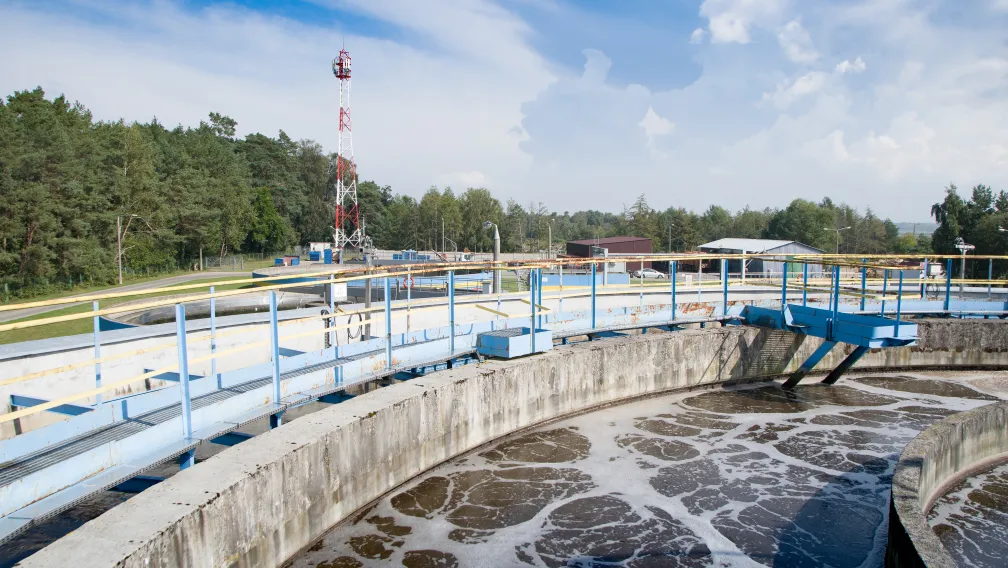
Plastics inherently possess lower surface energy than metals, leading to poorer natural wettability. Aqueous solutions tend to bead on smooth plastic surfaces rather than forming a continuous mass transfer film. To counteract this, modern plastic packings are often molded with textured surfaces, internal ribs, and complex geometries to promote liquid film distribution and droplet renewal. Plastic packings also exhibit strong resistance to fouling and biological growth, making them the standard choice for biological trickling filters, municipal water treatment, and acid gas scrubbing.
Ceramic Tower Packing: Extreme Thermal and Chemical Durability
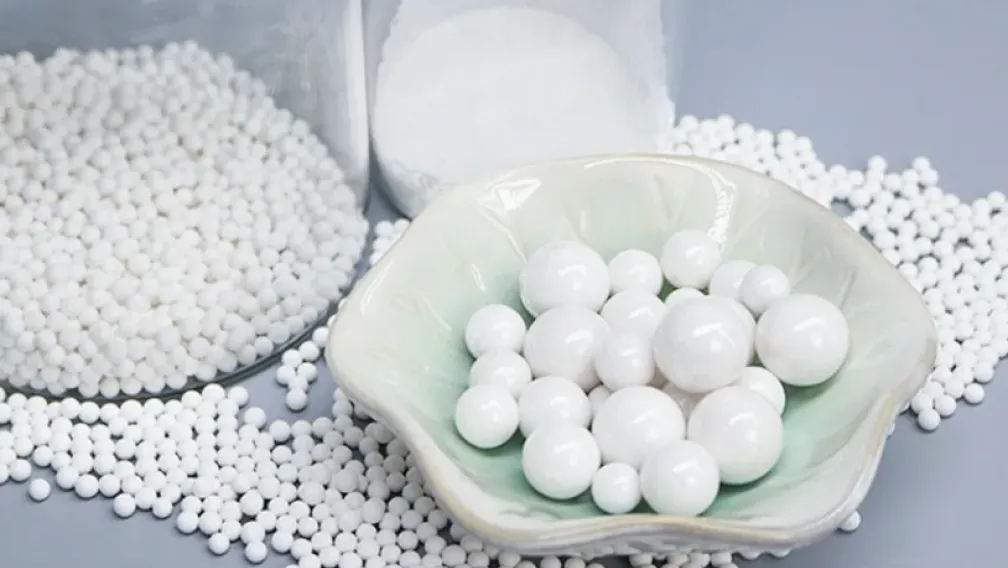
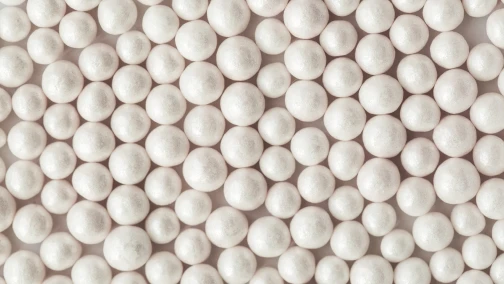
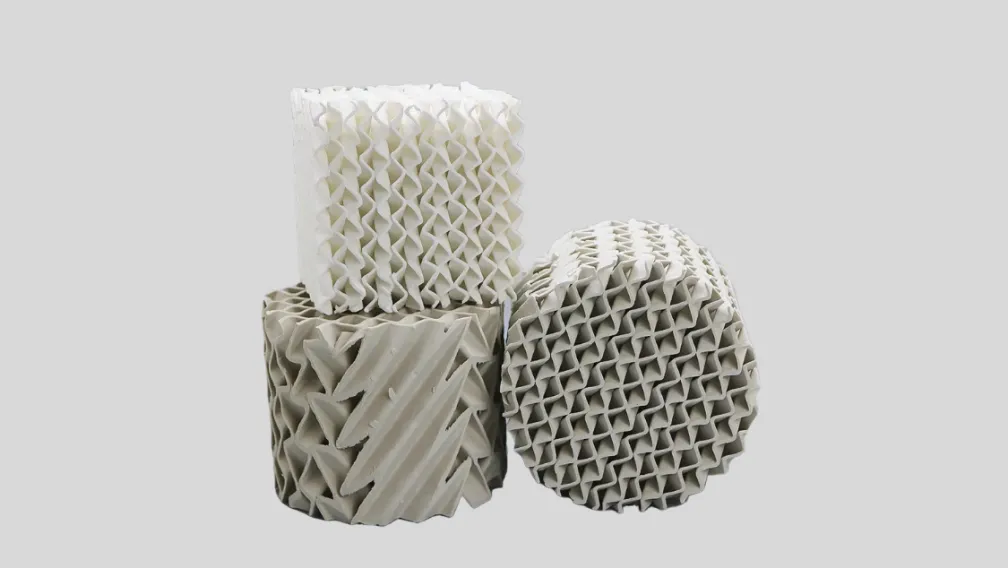
Ceramic tower packing is manufactured from chemical porcelain or alumina silicates and fired at extremely high temperatures. This class of material is specified when conditions exceed the temperature limits of plastics and the corrosion resistance limits of metals. Ceramic packings are chemically inert to all inorganic and organic acids, with the singular exception of hydrofluoric acid (HF) and highly concentrated, hot alkalis.
Chemical and Thermal Properties
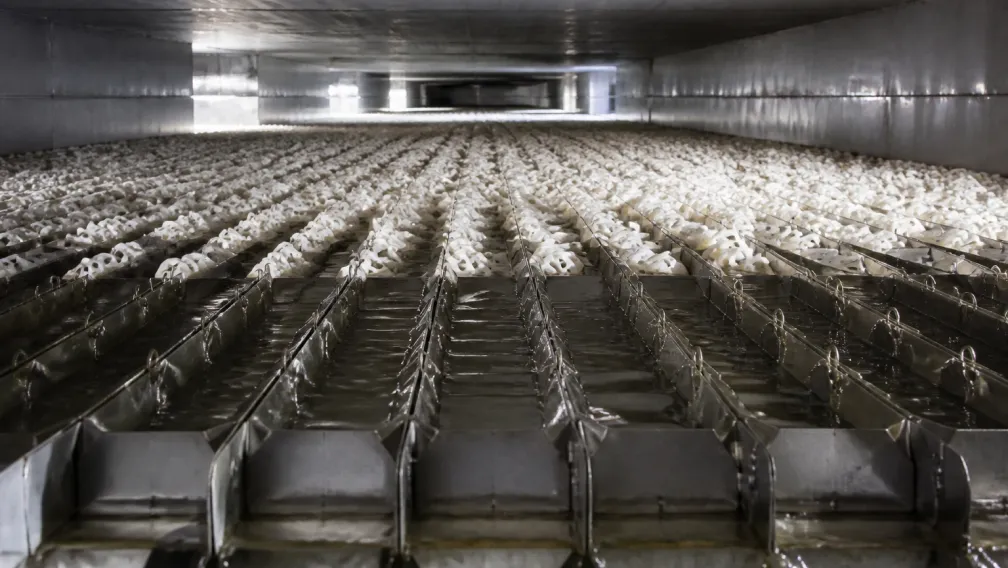
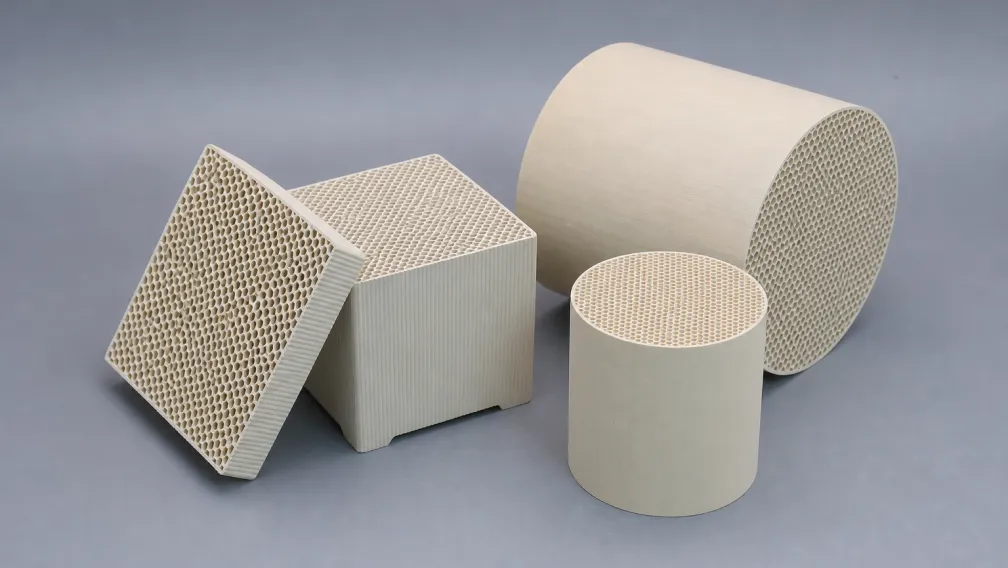
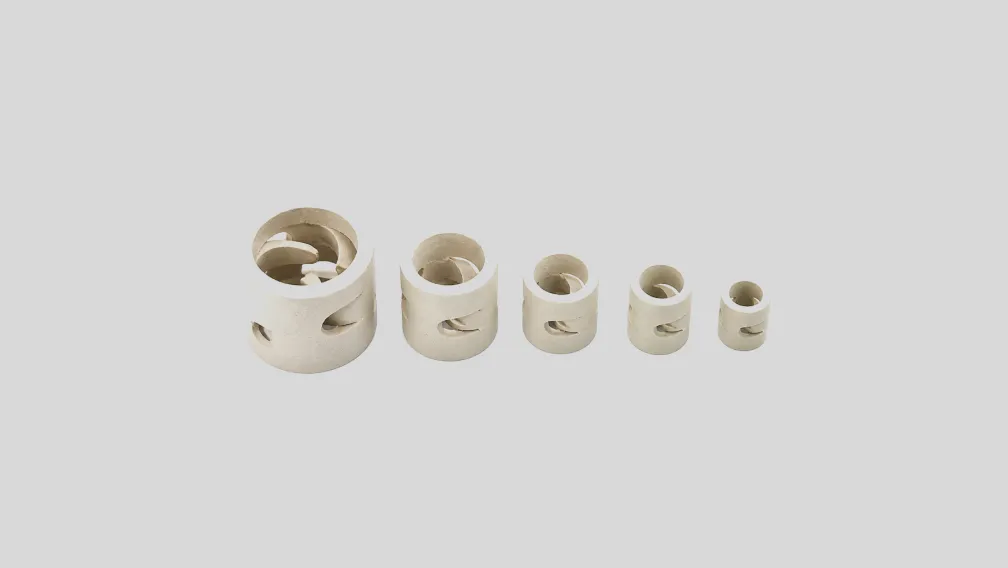
Ceramic packings withstand continuous operating temperatures often exceeding 1,000 °C, accompanied by excellent thermal shock resistance. This high thermal mass and stability make ceramic the default material for heat recovery applications, such as the heat transfer media in Regenerative Thermal Oxidizers (RTOs). In highly corrosive chemical processes, such as sulfuric acid manufacturing or halogen processing, ceramic Raschig rings and ceramic super intalox saddles provide decades of uninterrupted service life where any other material would dissolve rapidly.
Structural Limitations
The primary drawback of ceramic is its brittleness and weight. Ceramic packings have high bulk densities, necessitating heavy-duty tower internals and strong column foundations. The manufacturing process requires relatively thick walls to maintain structural integrity, which reduces the overall void fraction of the packing bed to roughly 70-75% (compared to >95% for metal). This lower void fraction inherently increases column pressure drop and reduces capacity. Careful handling is required during shipping, installation, and maintenance to prevent breakage, as ceramic fragments can block the bed and restrict fluid flow.
Comparative Analysis and Engineering Selection
Material selection requires an evaluation of the system's process fluids, operating temperature, column hydrodynamics, and capital budget. The following parameters dictate the final decision:
1. Corrosive Environment
If the process fluid is highly acidic (e.g., HCl, H2SO4) at elevated temperatures, ceramic is mandatory. If the environment involves halogenated compounds or acids at moderate temperatures (below 150 °C), engineered plastics like CPVC, PVDF, or PTFE are highly effective. For hydrocarbon processing, distillation, and non-corrosive aqueous systems, metal is preferred due to its hydraulic efficiency.
2. Temperature Constraints
Plastic packings must not be utilized above their deformation temperatures, as compressive loads within the column will cause the bed to collapse. Standard PP fails above 90 °C; PVDF extends to 150 °C. Above 250 °C, the choice is restricted entirely to metal or ceramic. In cryogenic processes or air separation, metals (particularly aluminum and stainless steel) retain ductility and structural strength.
3. Hydraulic Performance: Pressure Drop and Capacity
Where column diameter is constrained or blower energy costs are a major concern, pressure drop must be minimized. Metal packings offer the highest capacity and lowest pressure drop due to their thin-walled construction. Plastic packings are slightly thicker but perform similarly. Ceramic packings introduce the highest pressure drop due to thick walls and lower void fractions, requiring larger column diameters to handle the same volumetric flow rates.
4. Column Structural Load
The weight of the packing bed impacts vessel design. Ceramic is the heaviest, often weighing over 600 kg/m³. Metal follows at approximately 200-300 kg/m³, depending on gauge thickness. Plastic is the lightest, generally under 100 kg/m³. Retrofitting a column originally designed for plastic with ceramic packing requires structural recalculation of the bed limiters and support plates.
Specific Industrial Applications
- Vacuum Distillation and Petrochemical Refining: Metal packings (stainless steel, titanium) are the standard. The high wettability ensures excellent HETP (Height Equivalent to a Theoretical Plate), and the high void fraction prevents excessive pressure drop, which is critical in vacuum operations.
- Fume Scrubbing and Acid Gas Absorption: Plastic packings are highly cost-effective here. Polypropylene is heavily utilized in SO2 and NH3 scrubbers operating at ambient to moderate temperatures.
- Sulfuric Acid Production: Ceramic saddles and rings are non-negotiable. The high temperatures and extreme acidity of the process fluid destroy both metals and polymers.
- Stripping of Volatile Organic Compounds (VOCs): Depending on the stripping medium (air vs. steam), plastic or metal may be used. Steam stripping typically requires metal due to localized temperature spikes.
Consult with Separation Specialists
Material specification is the first and most critical step in mass transfer equipment design. Incorrect material choices lead to rapid packing degradation, increased pressure drop, loss of separation efficiency, and unplanned column shutdowns. Our engineering team assists operators in evaluating process parameters to select the optimal combination of packing material, geometry, and size for targeted efficiency. Submit your process data and column specifications through our contact page for technical support and customized material recommendations.
-

Rongjian
Process Media Manufacturer Since 2010
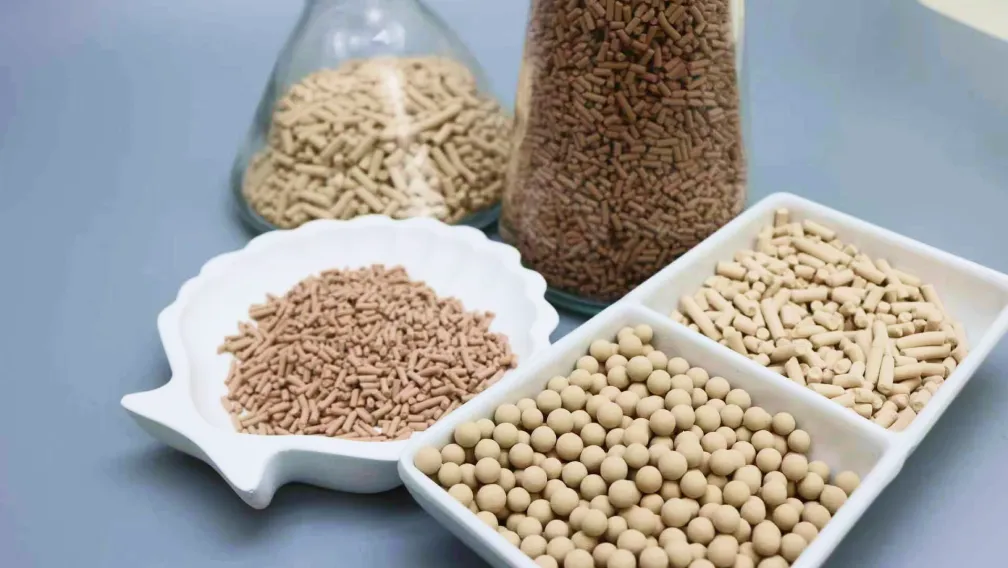
Rongjian produces tower packing, molecular sieves, ceramic grinding media and other process media from our Pingxiang production base. We supply to industrial projects in over 100 countries.