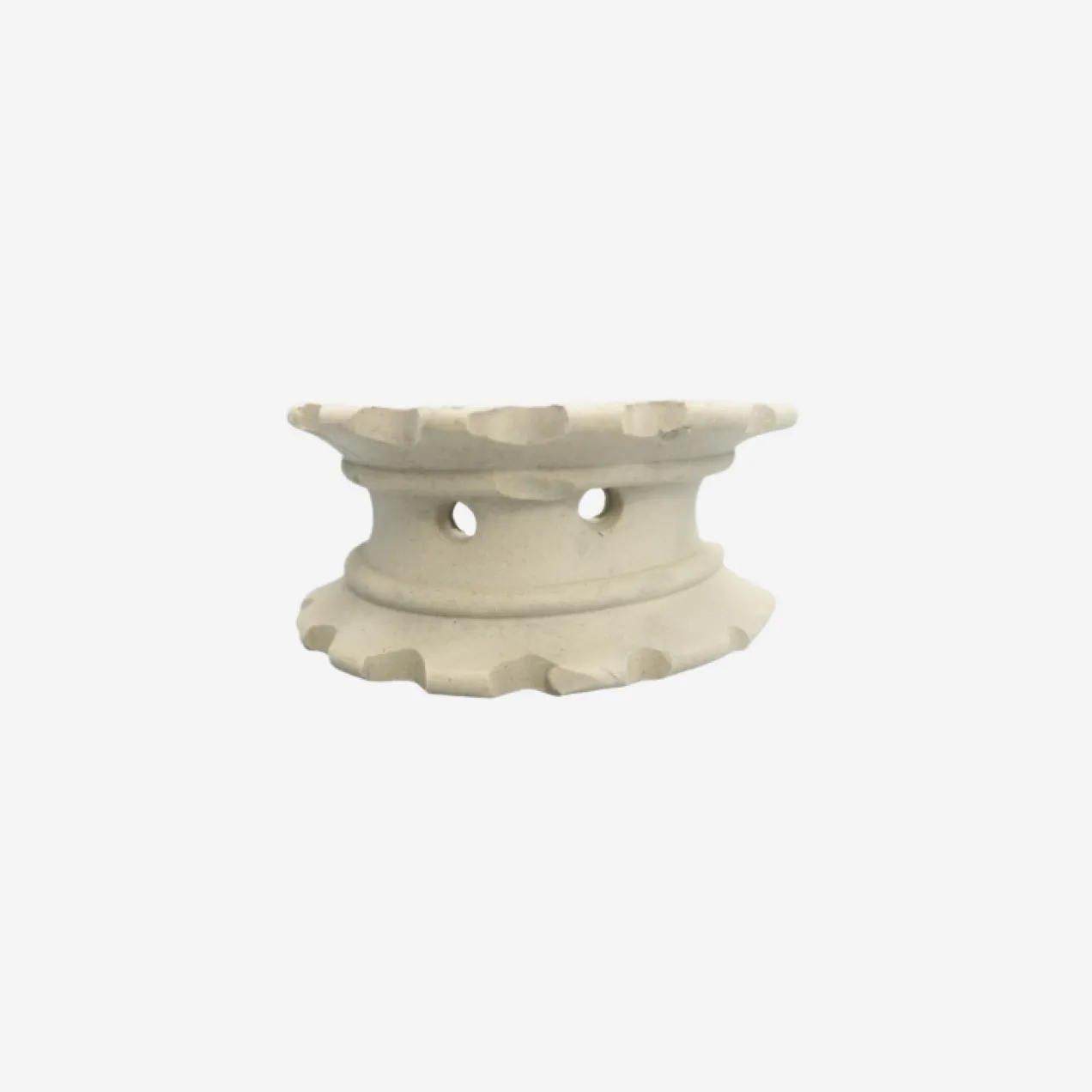
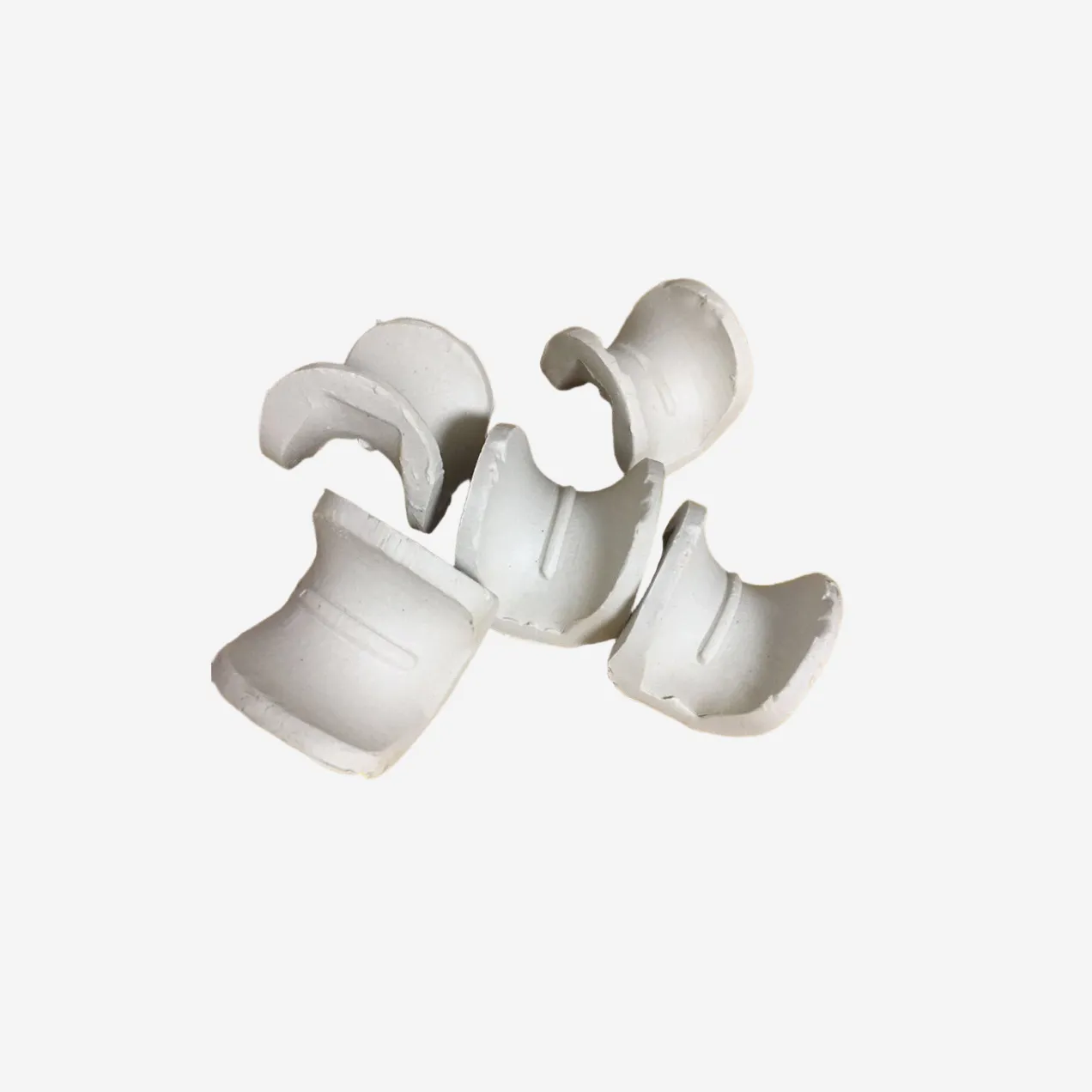
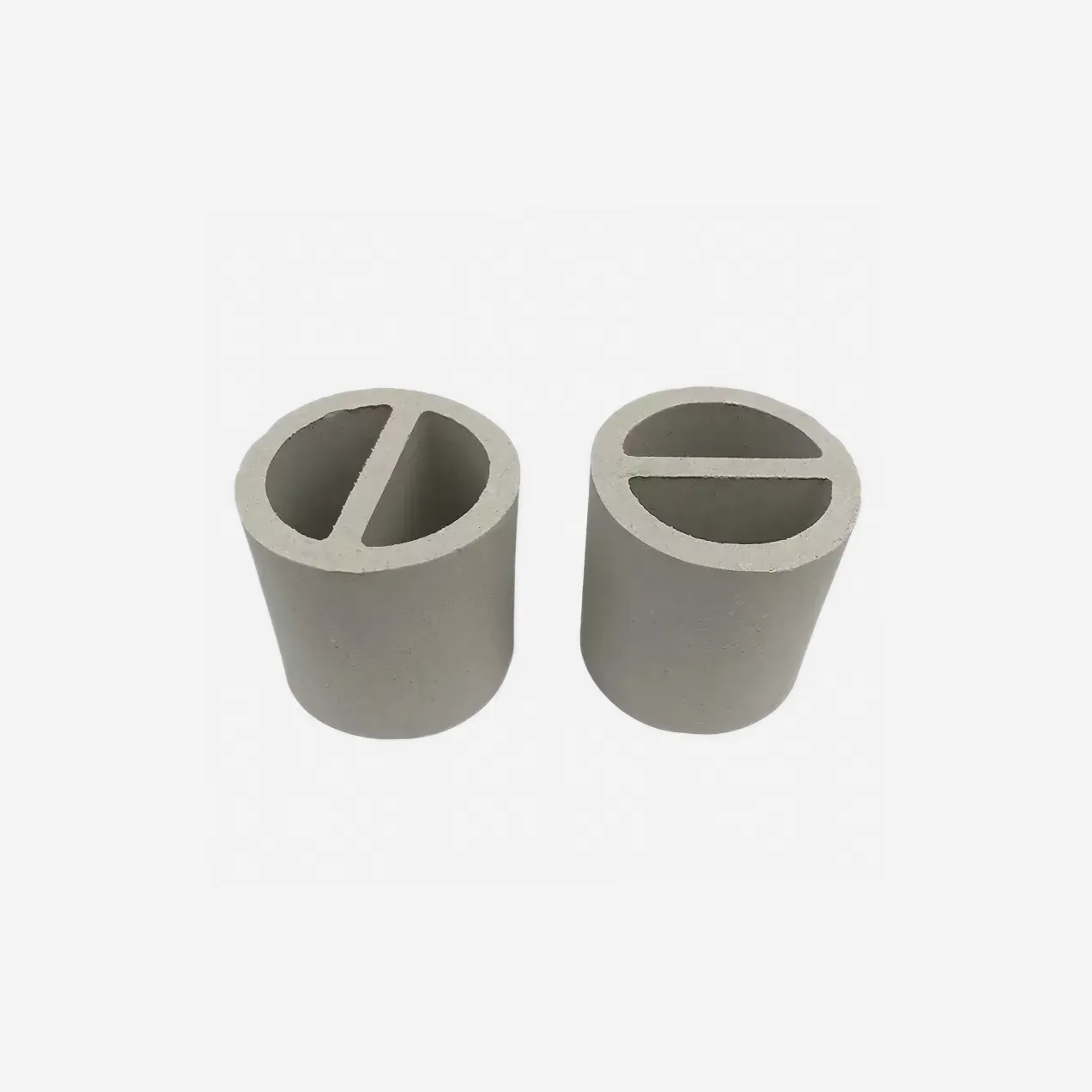
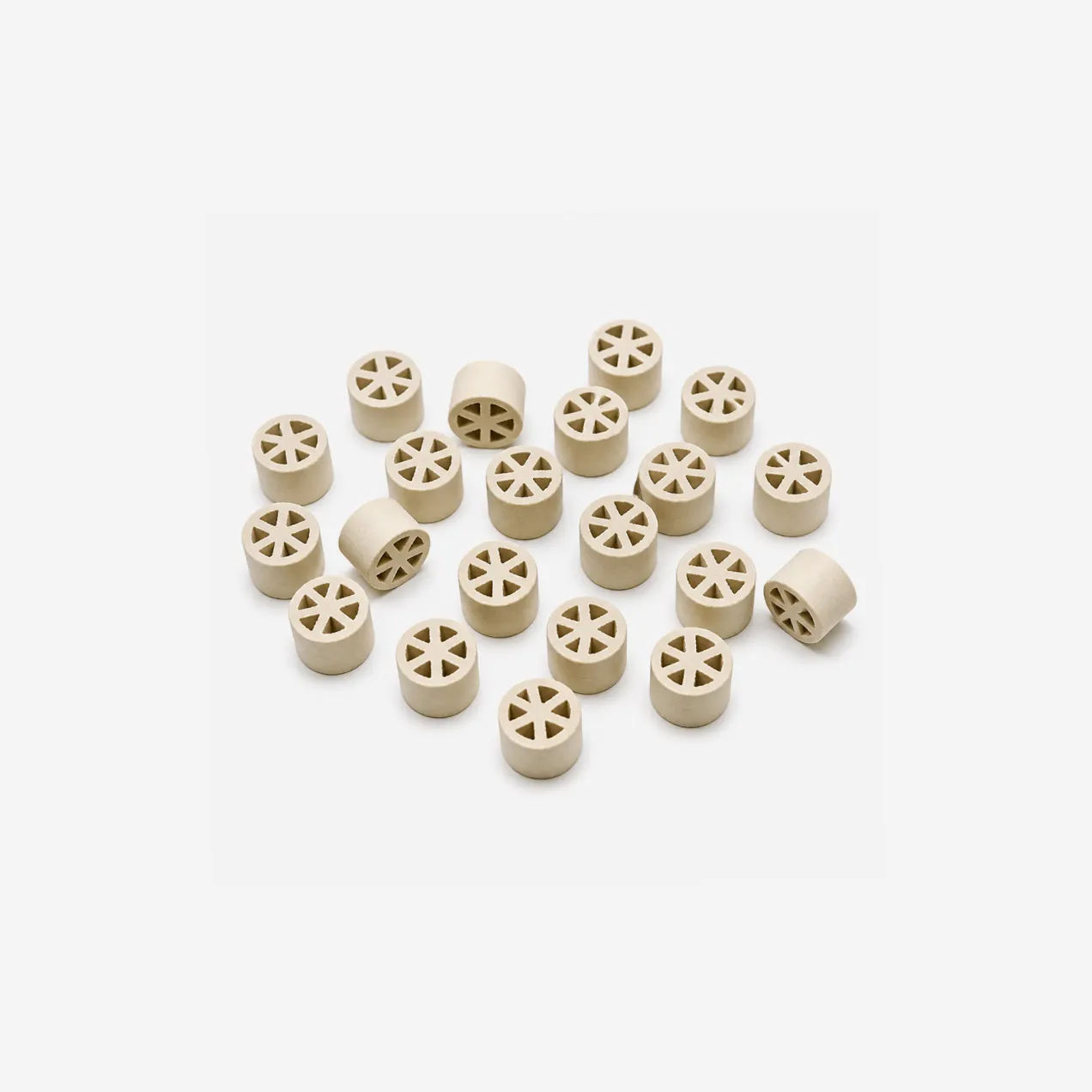
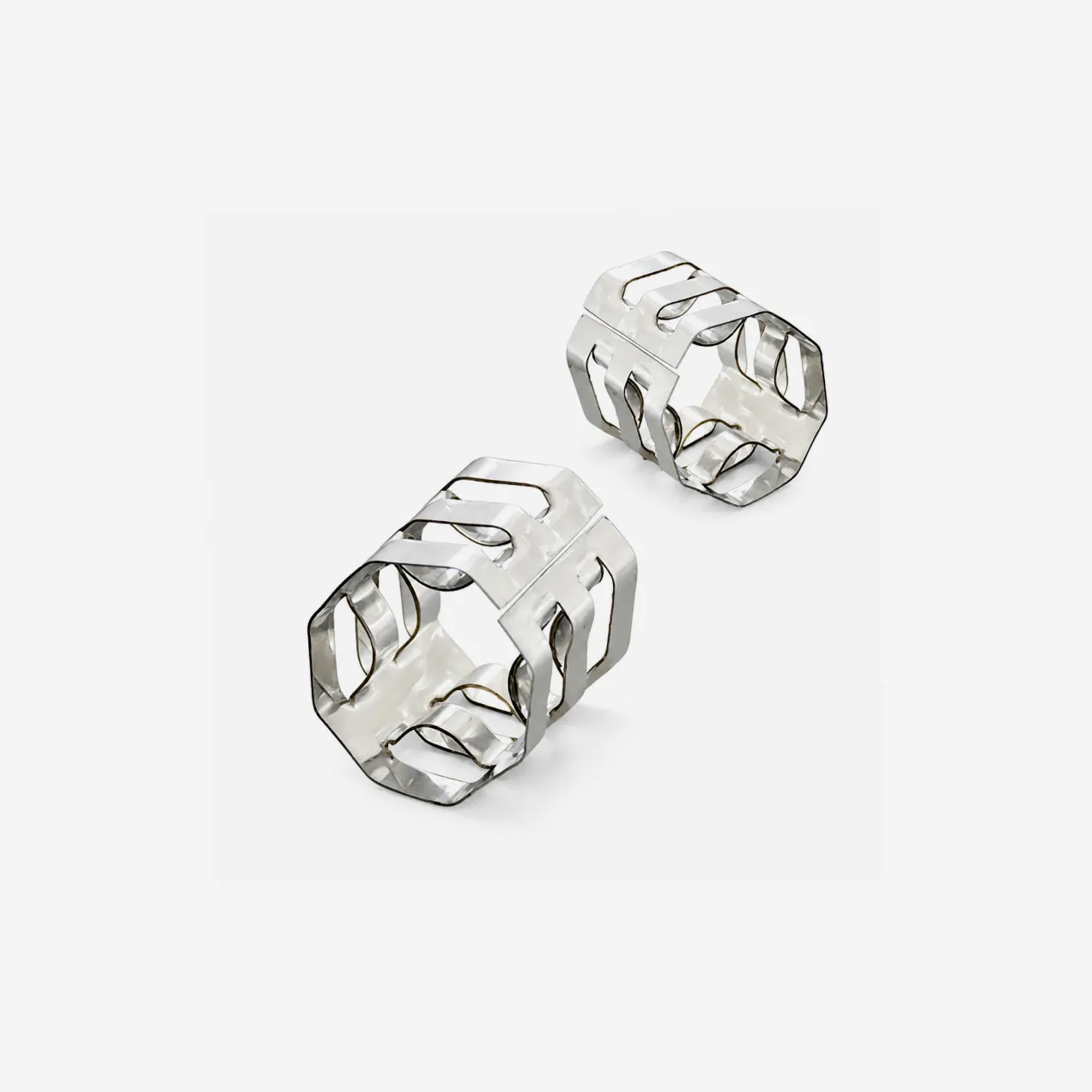
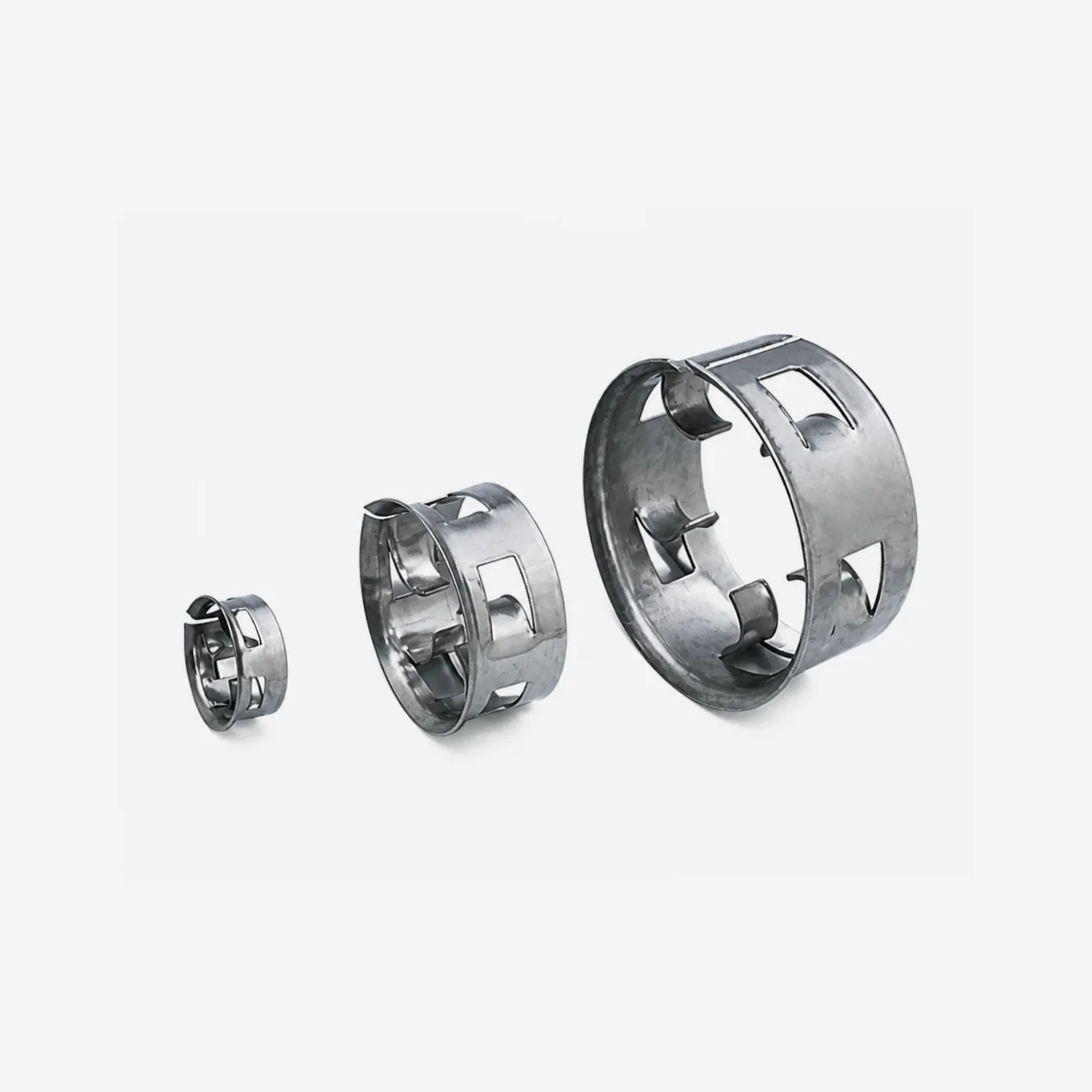
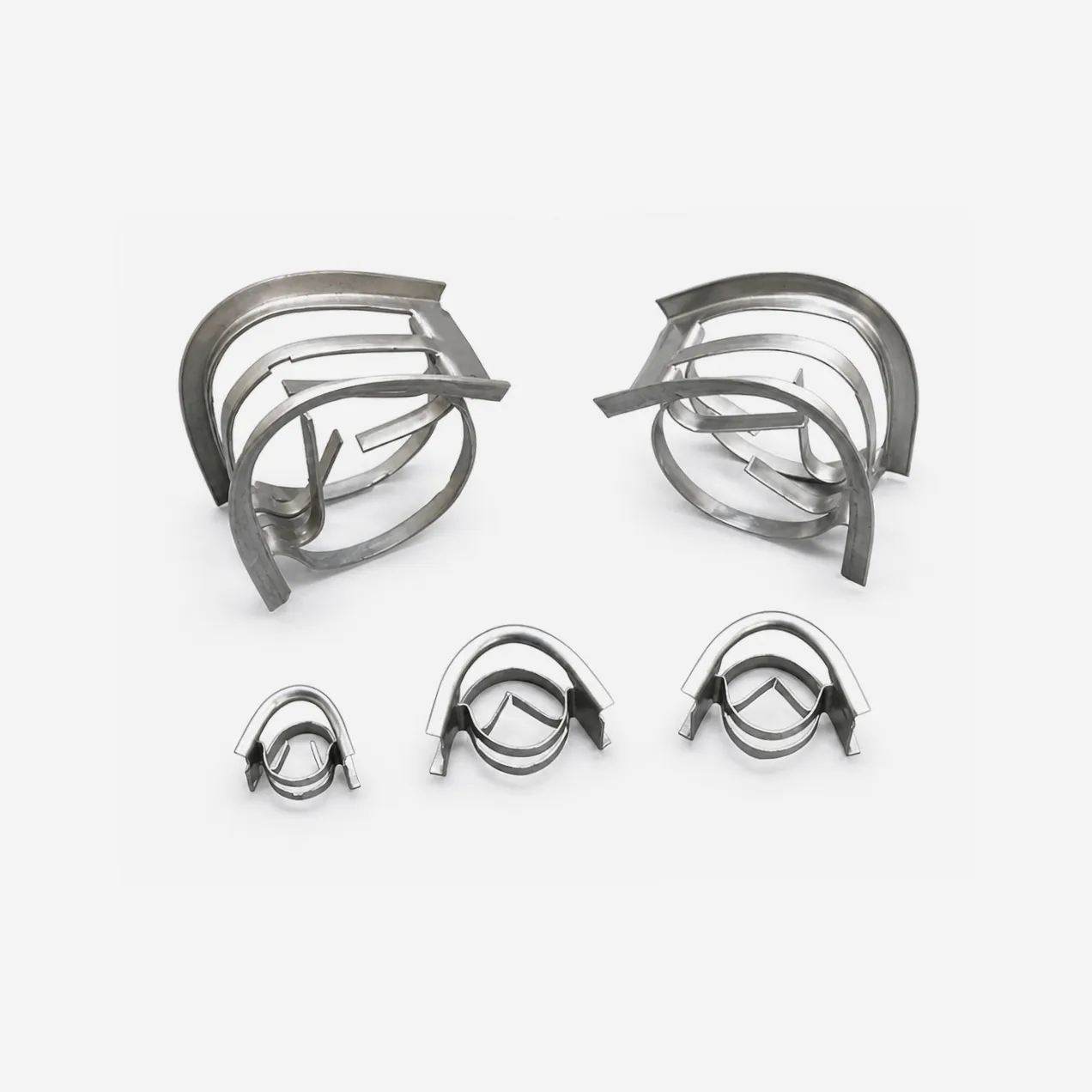
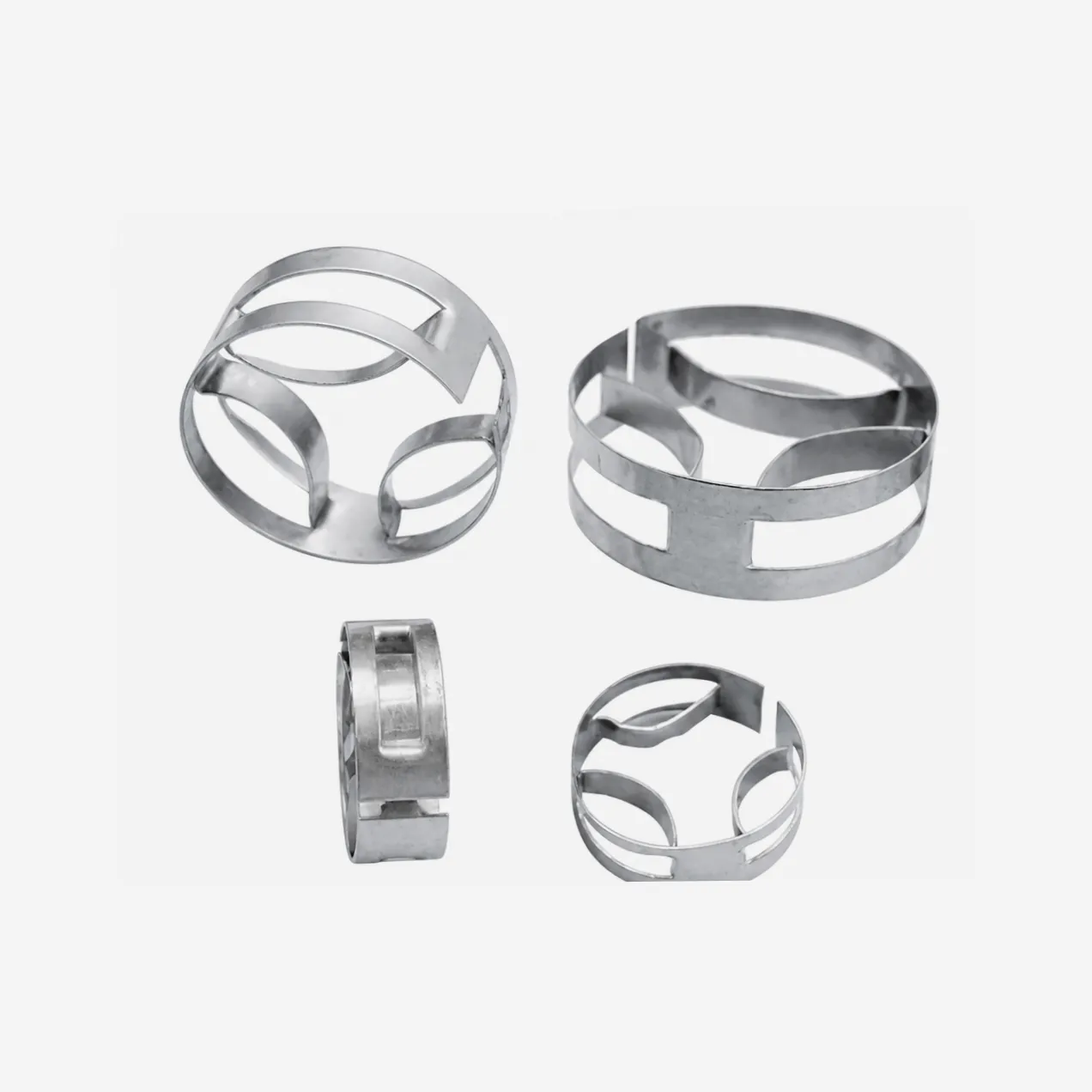
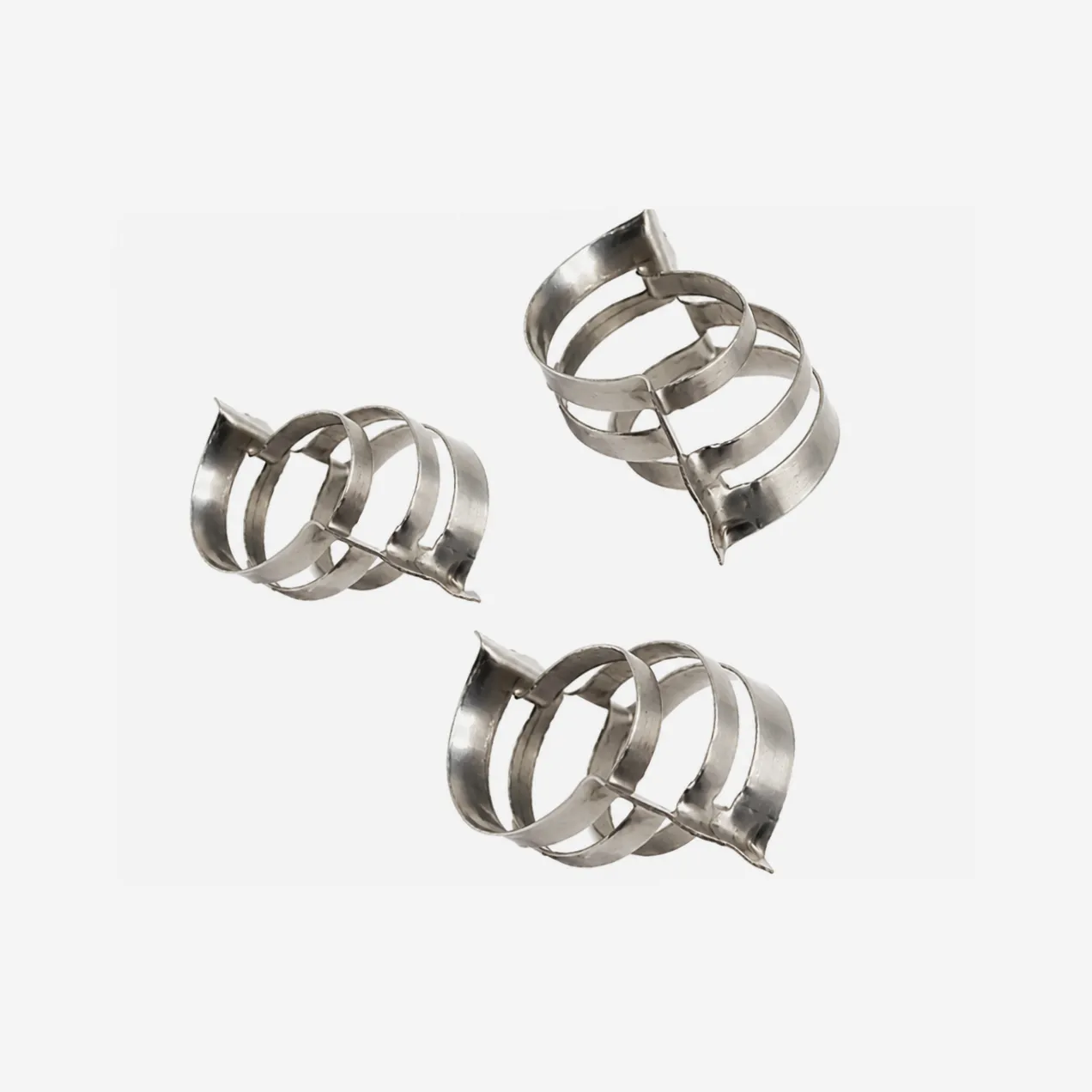
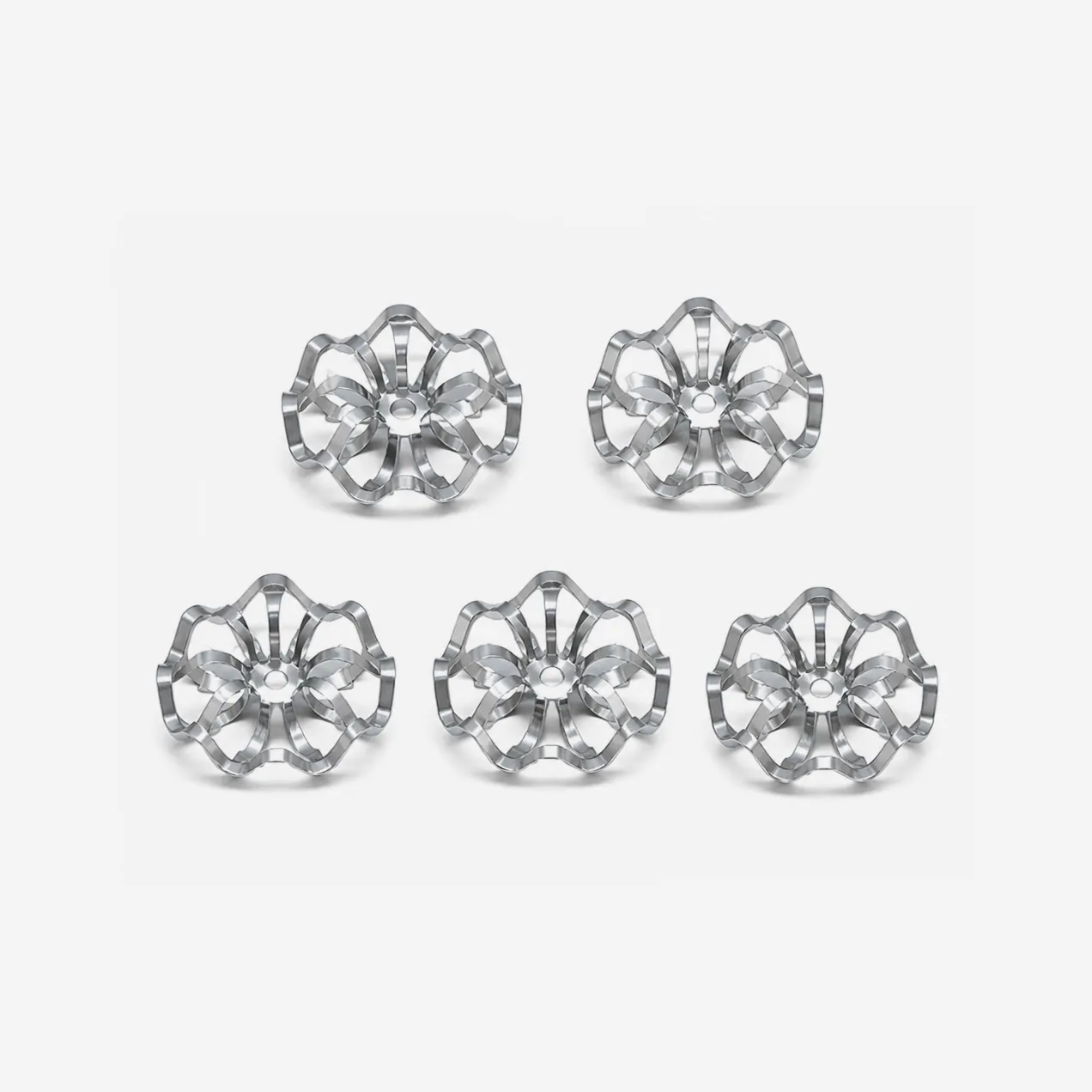
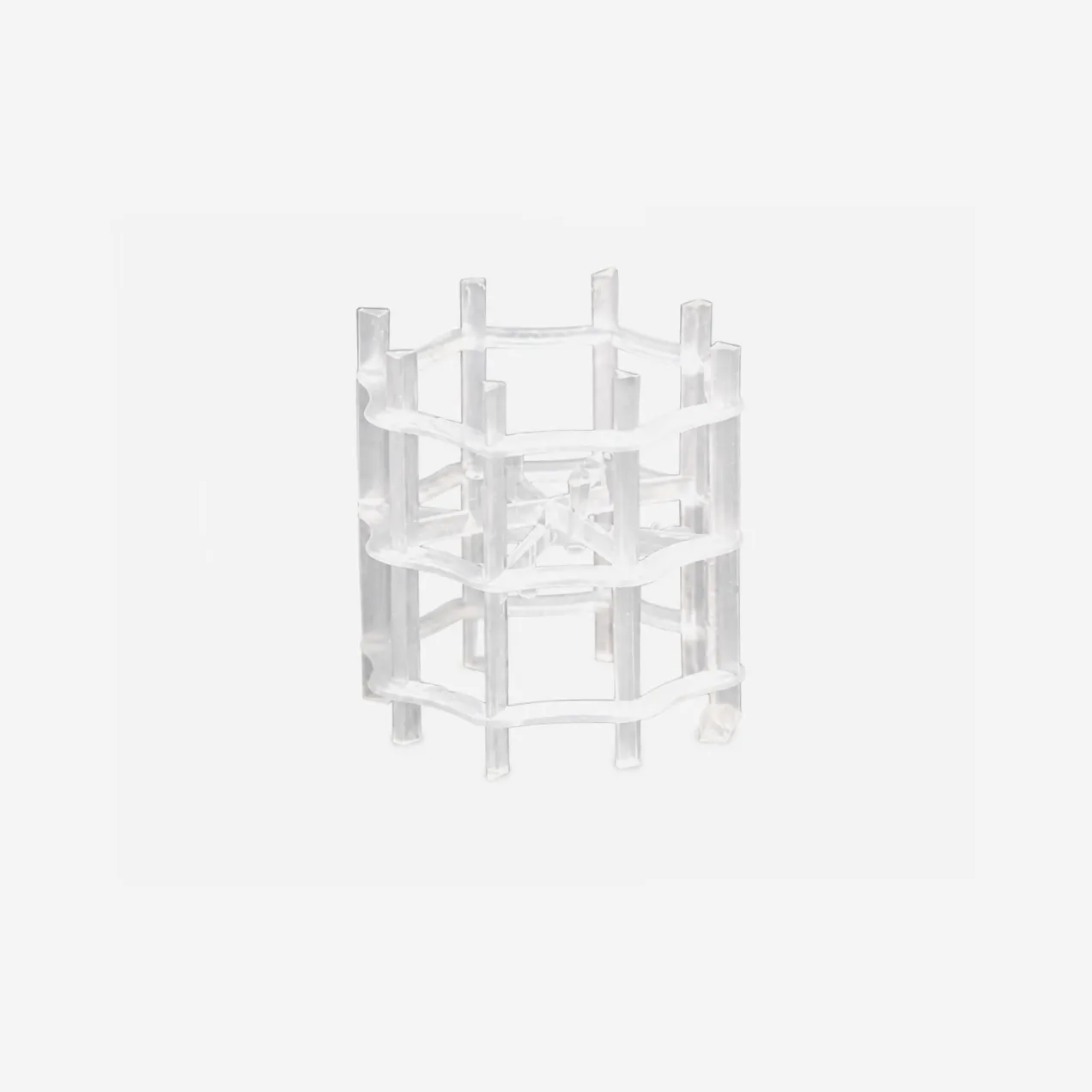
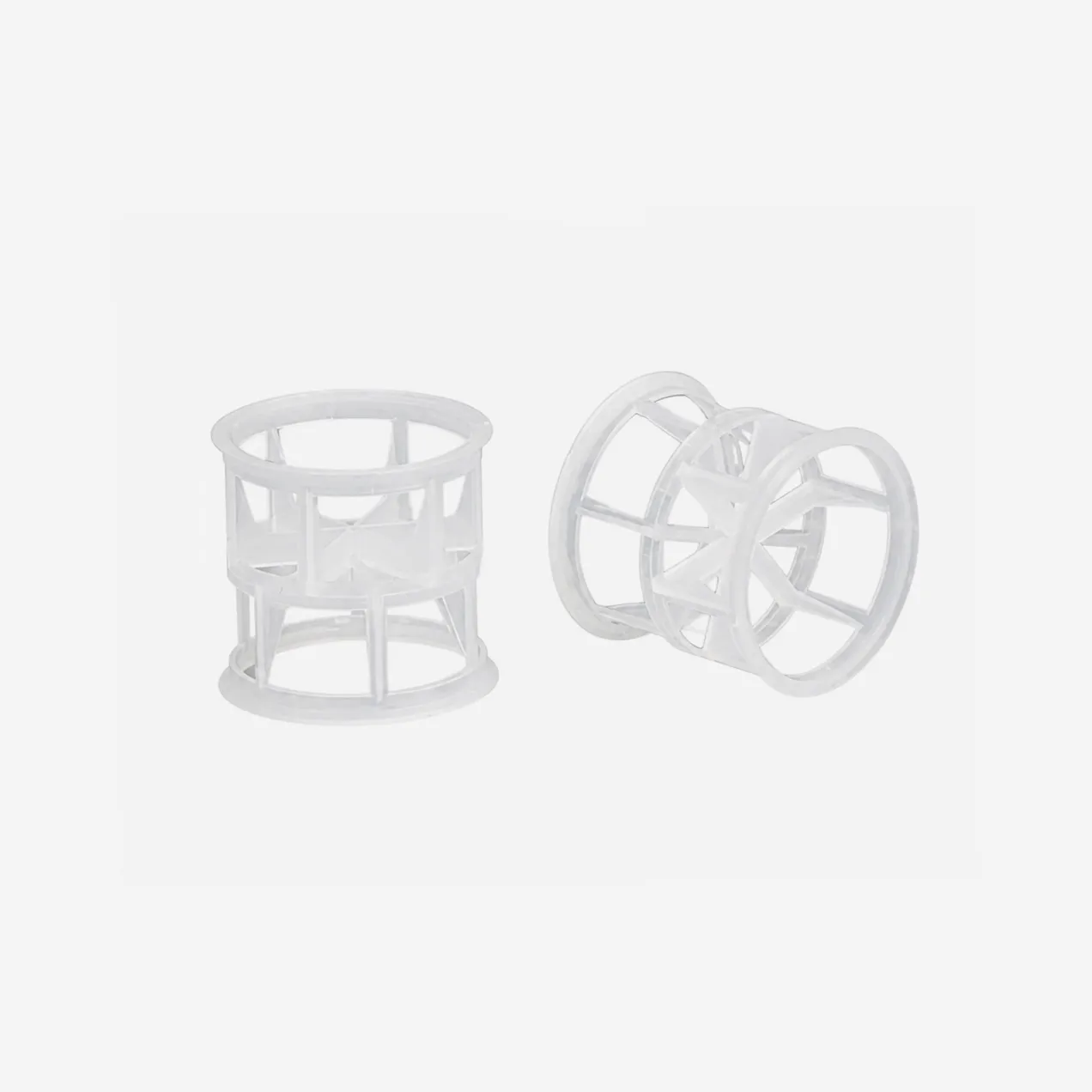
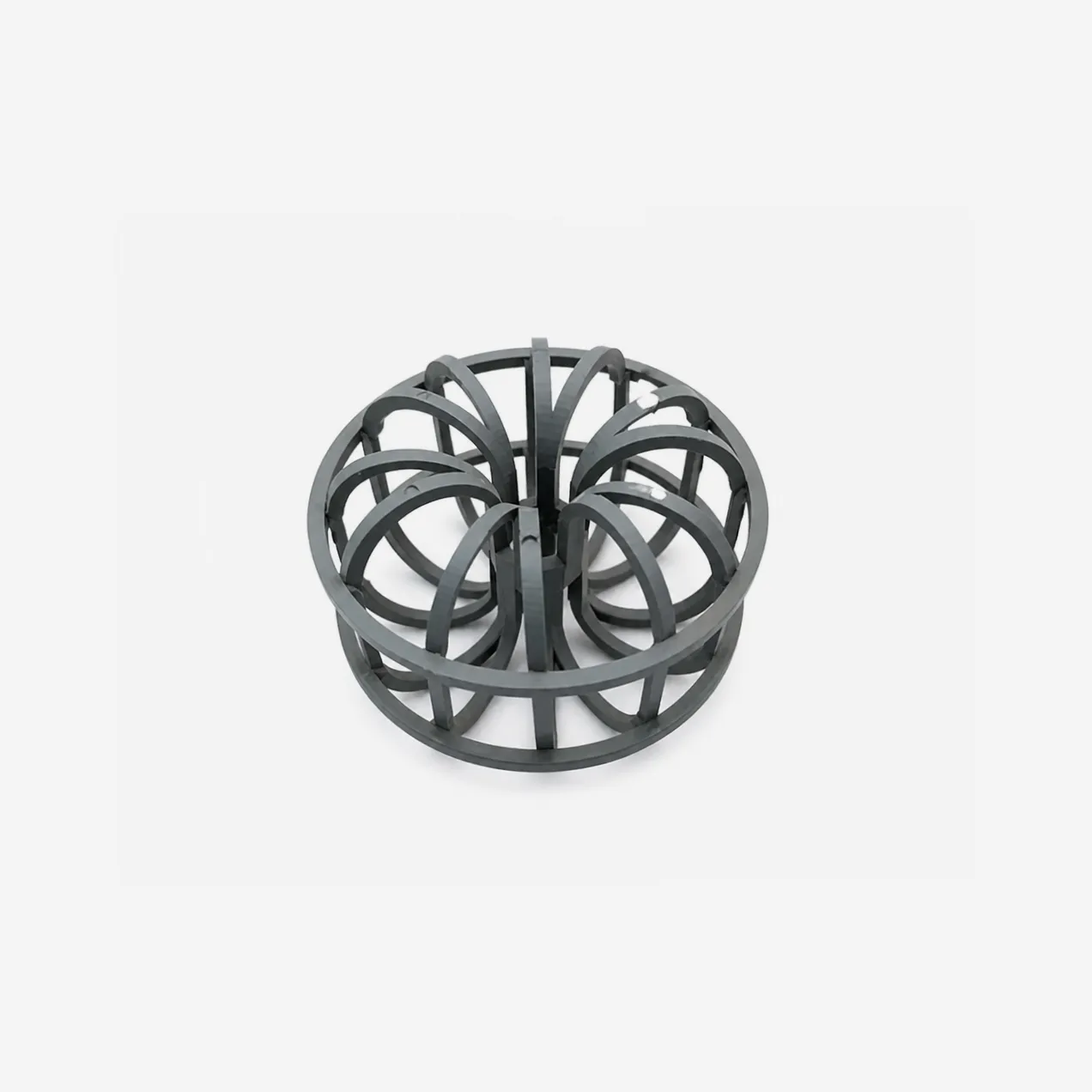
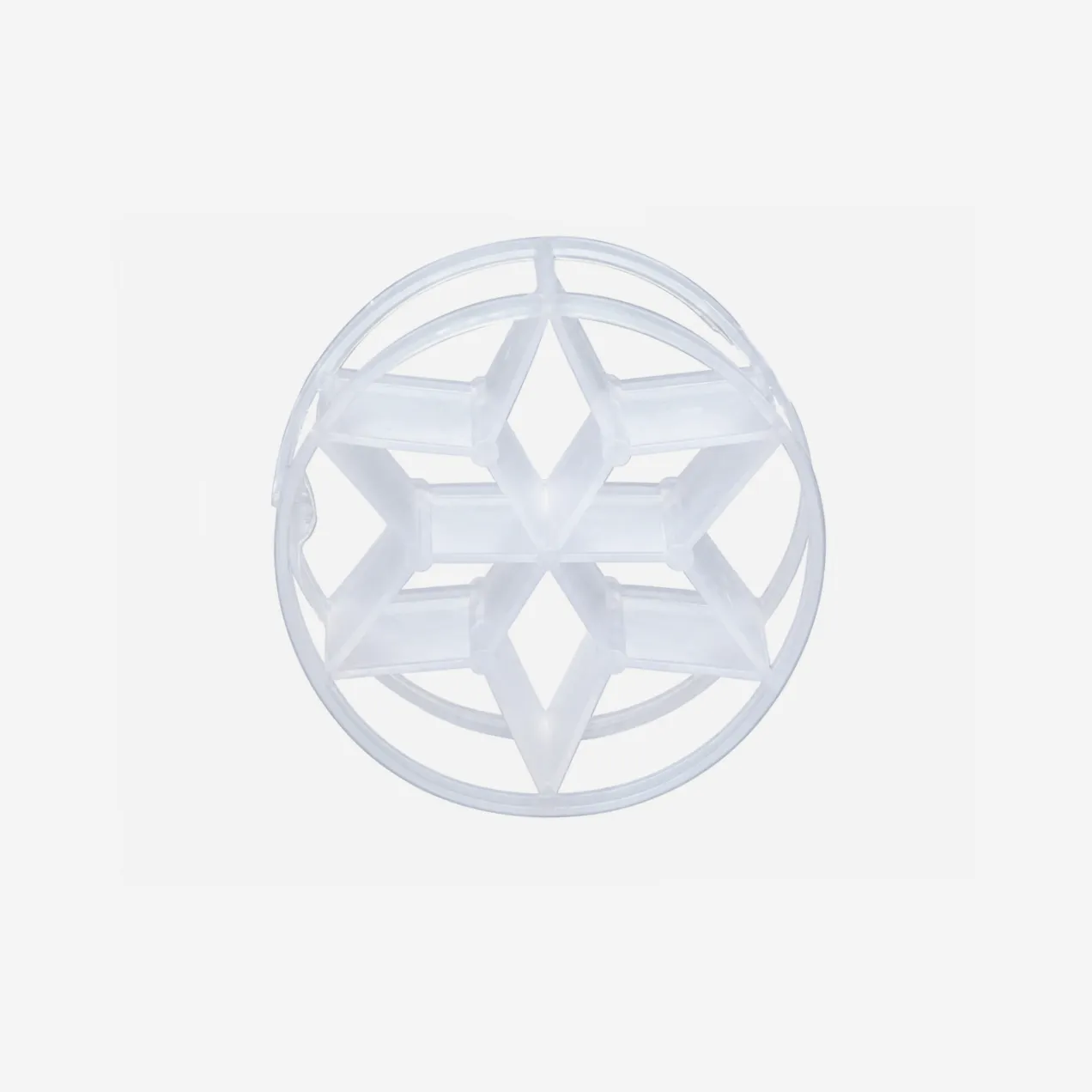
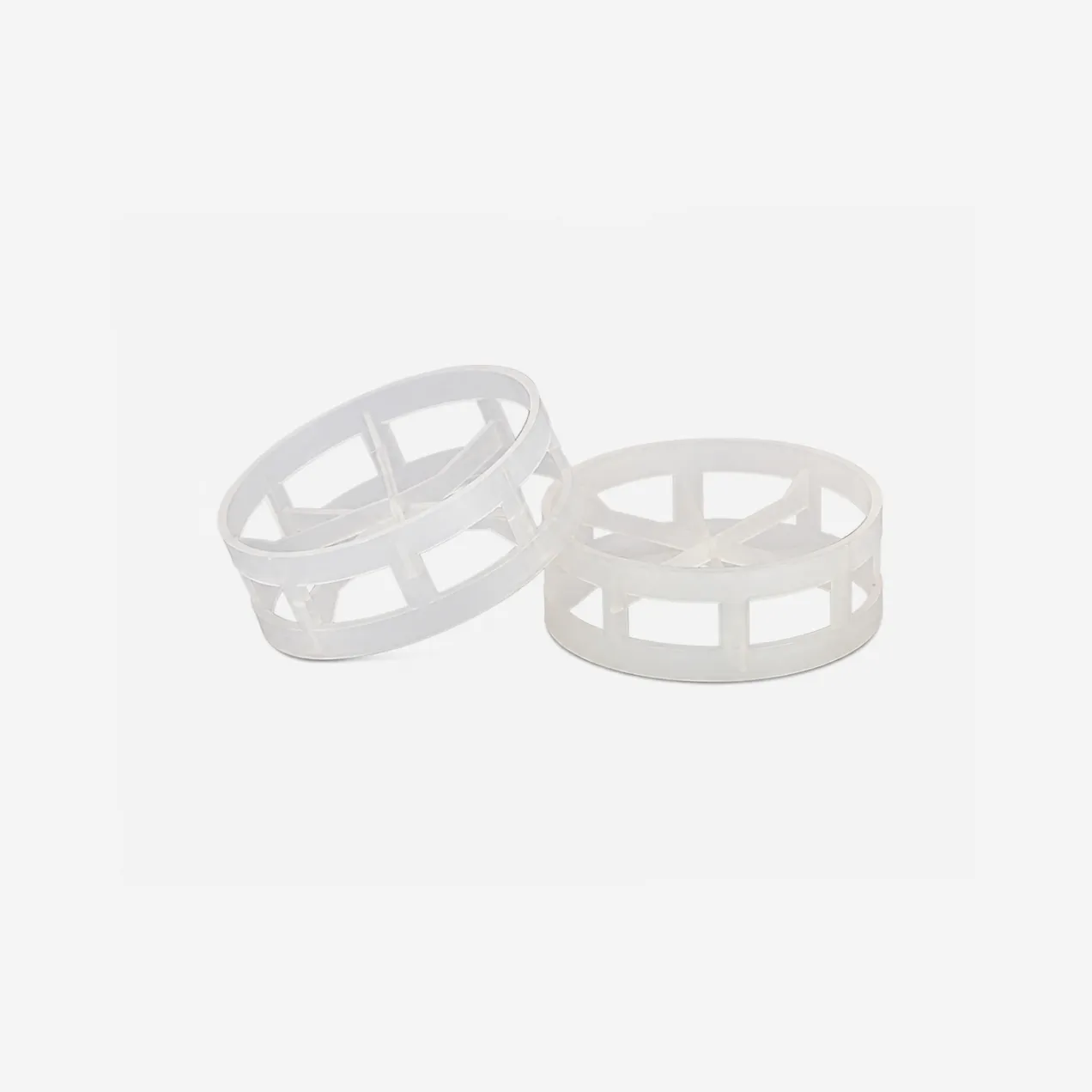
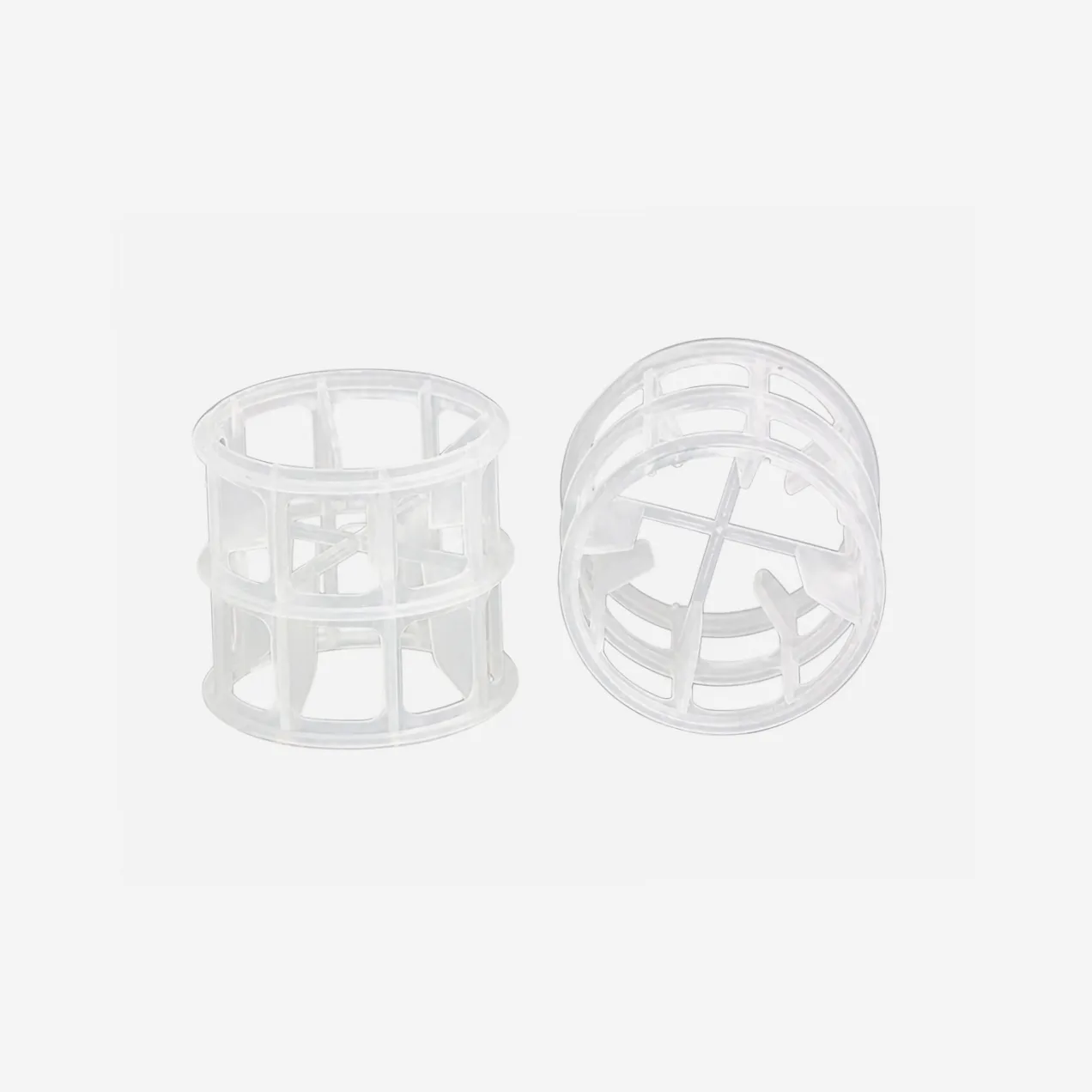
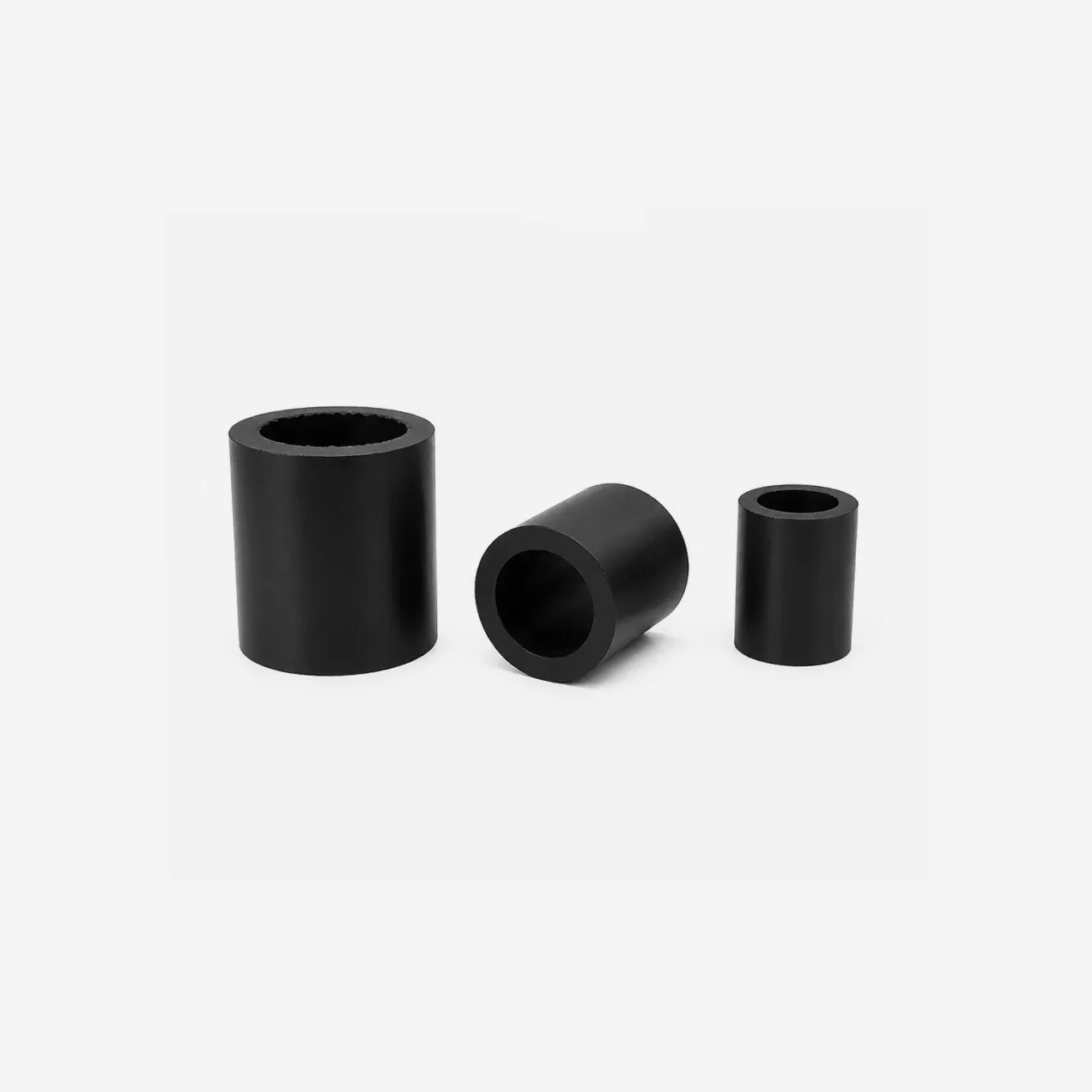
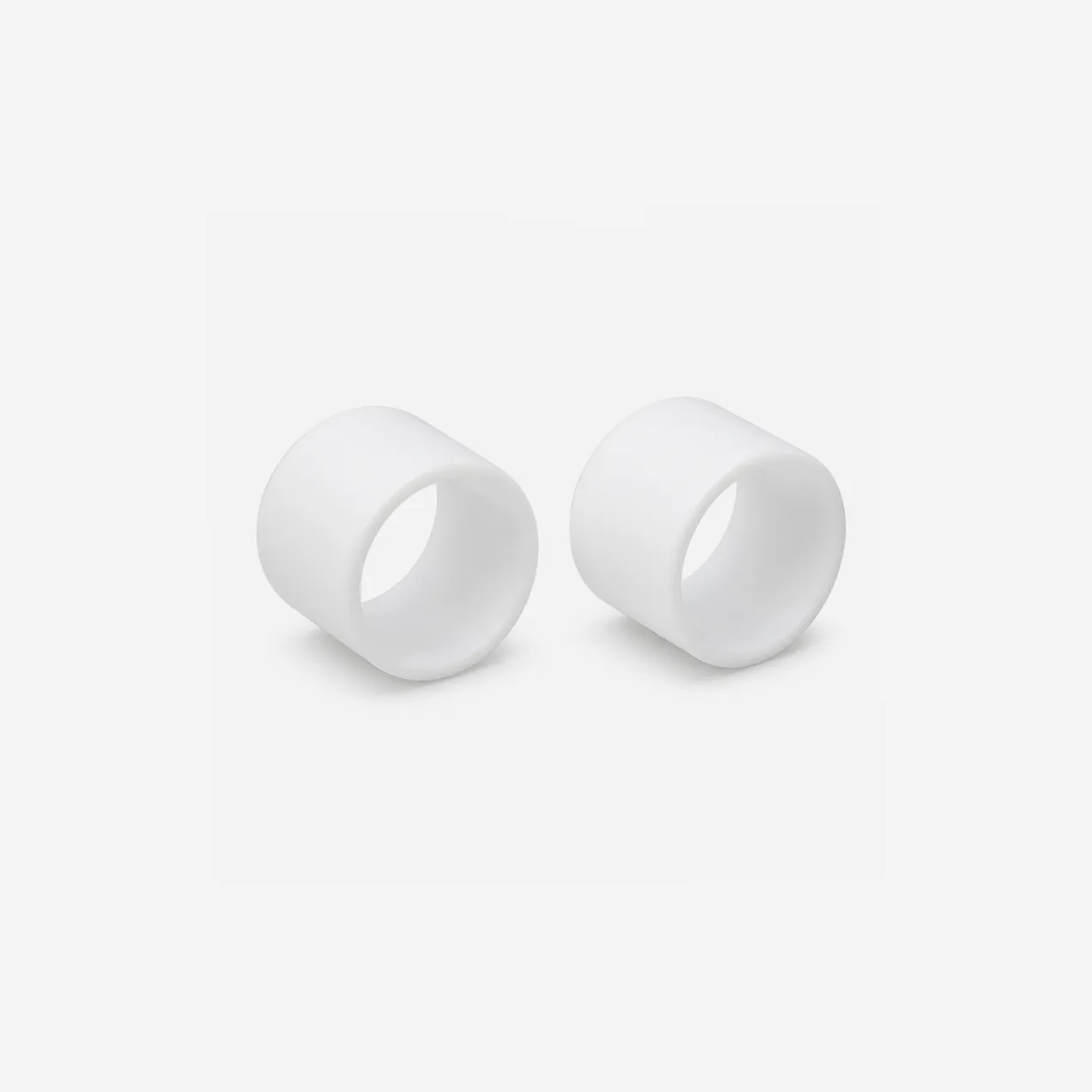
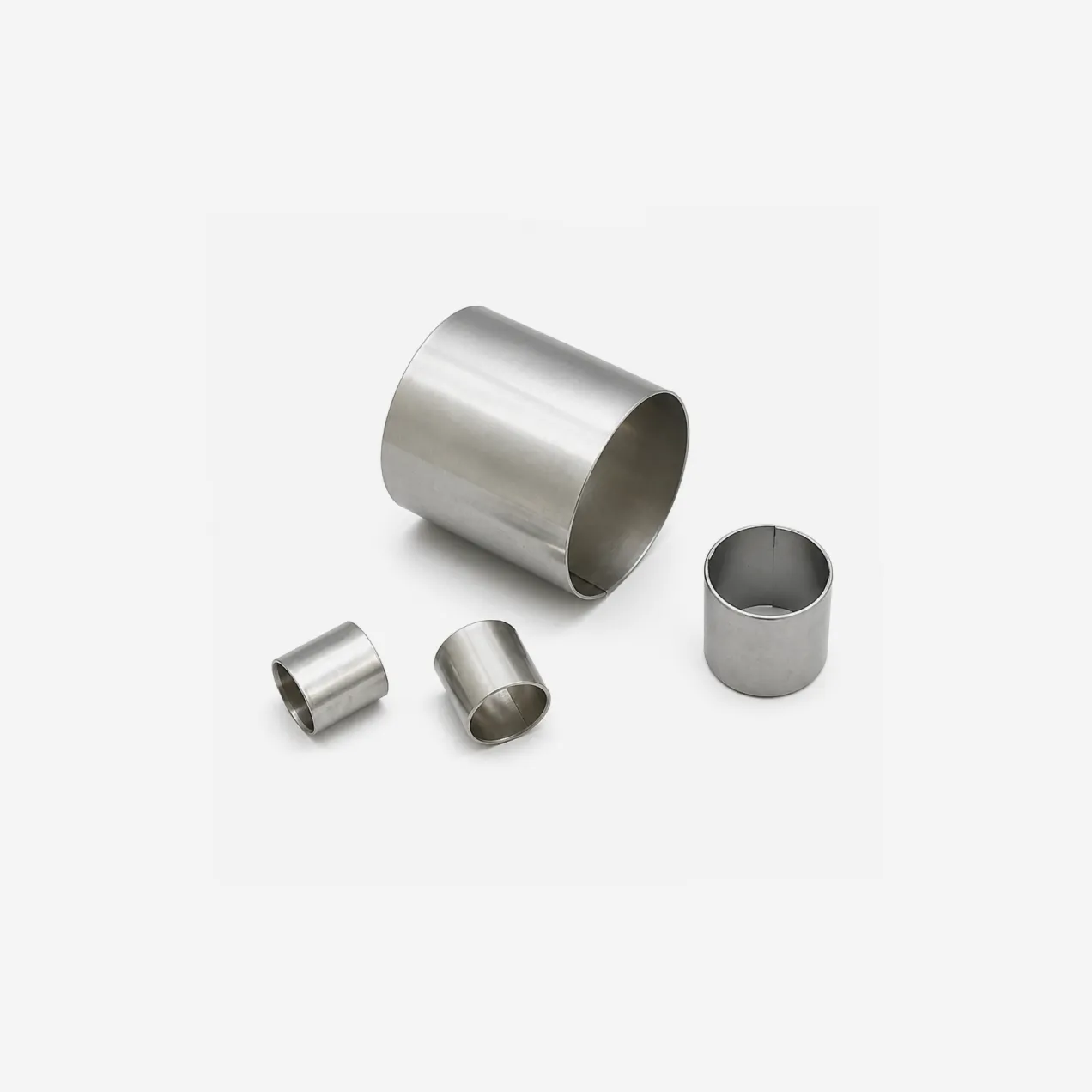
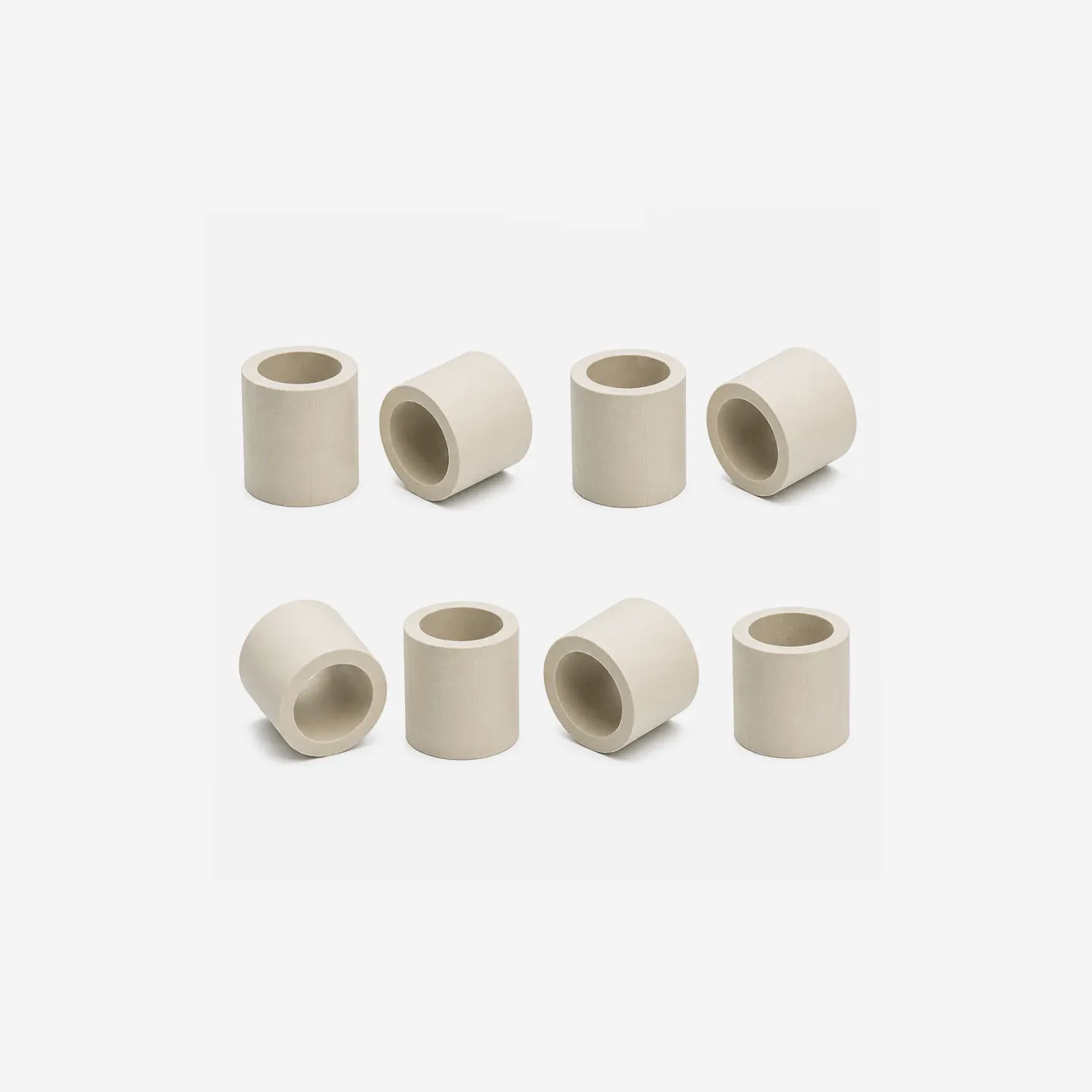
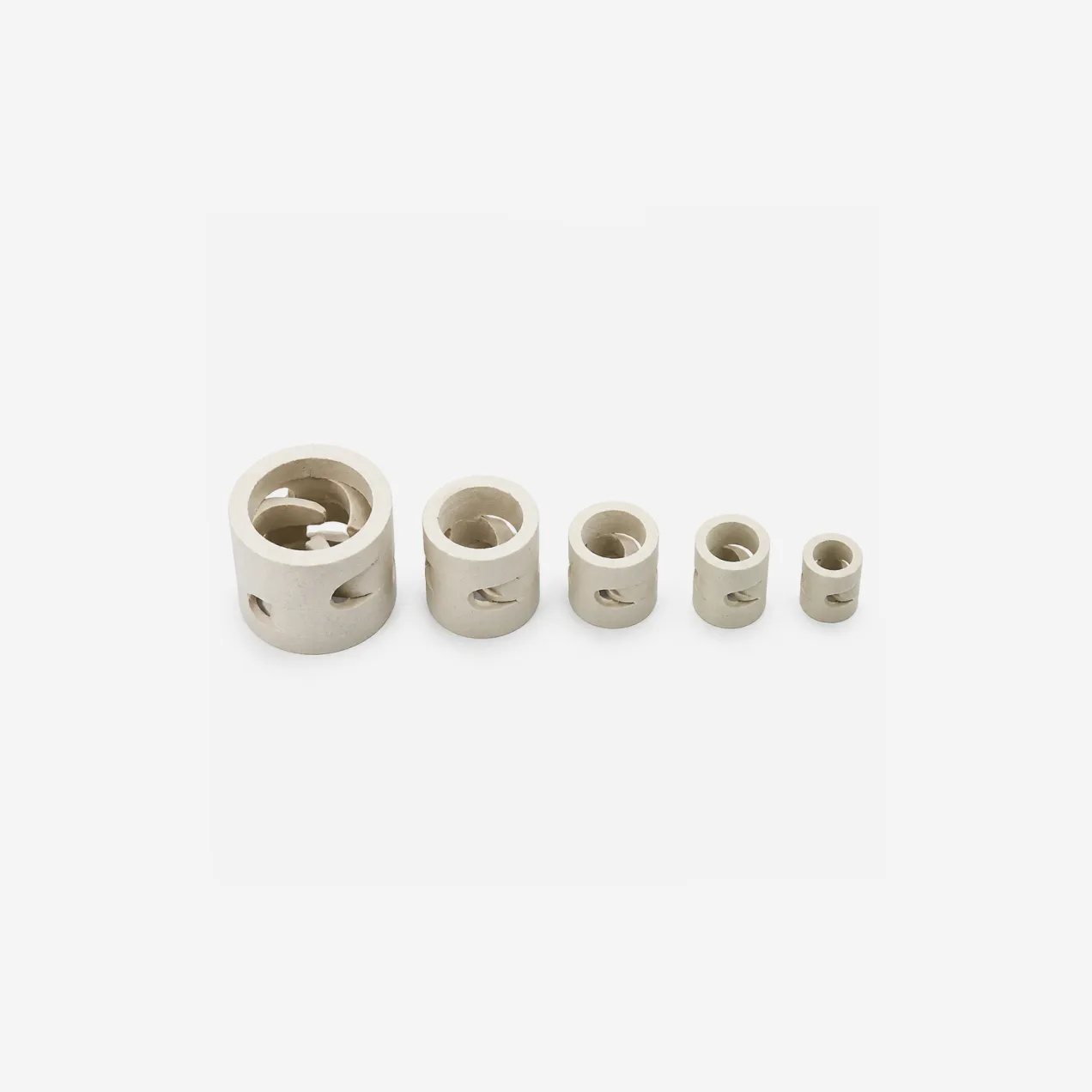
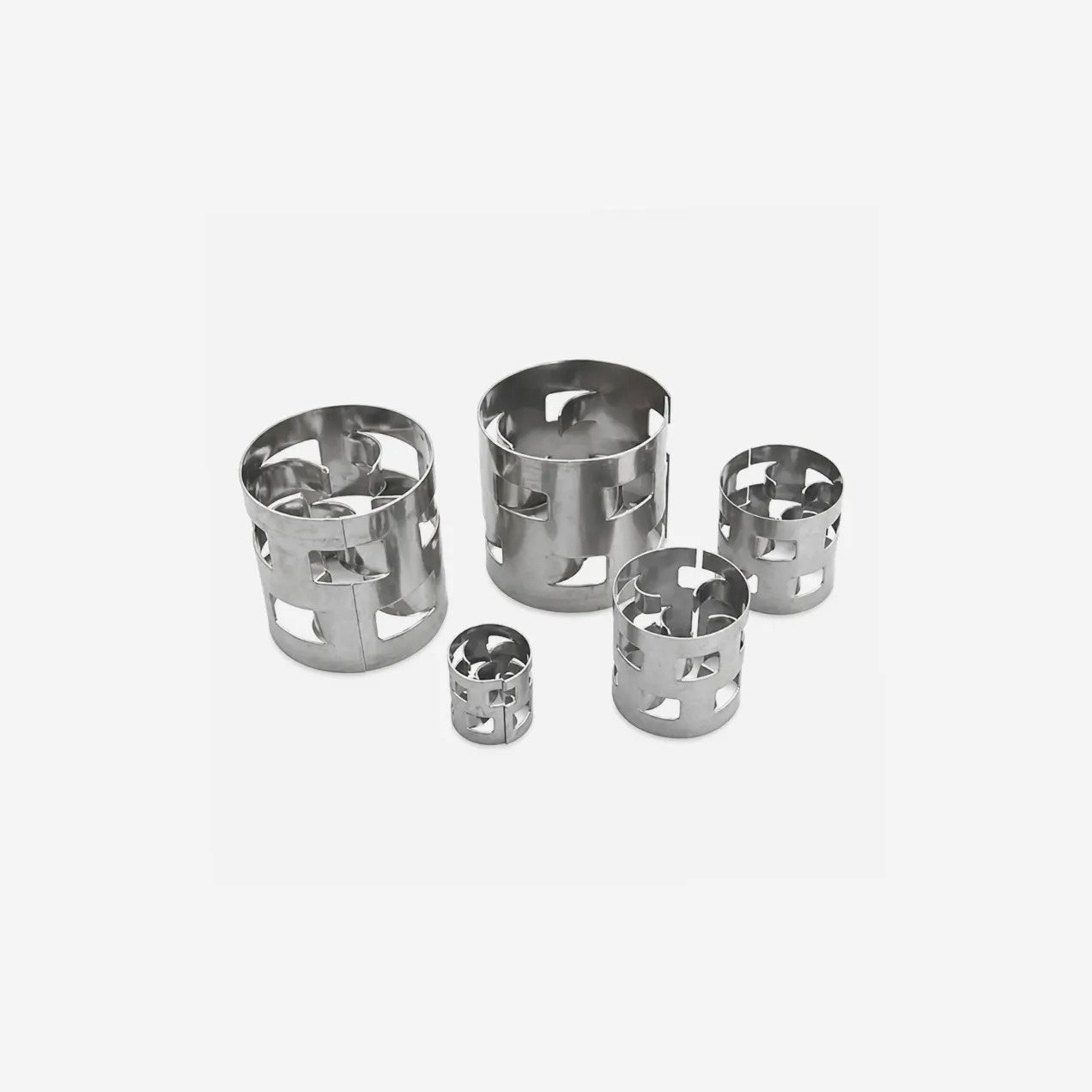
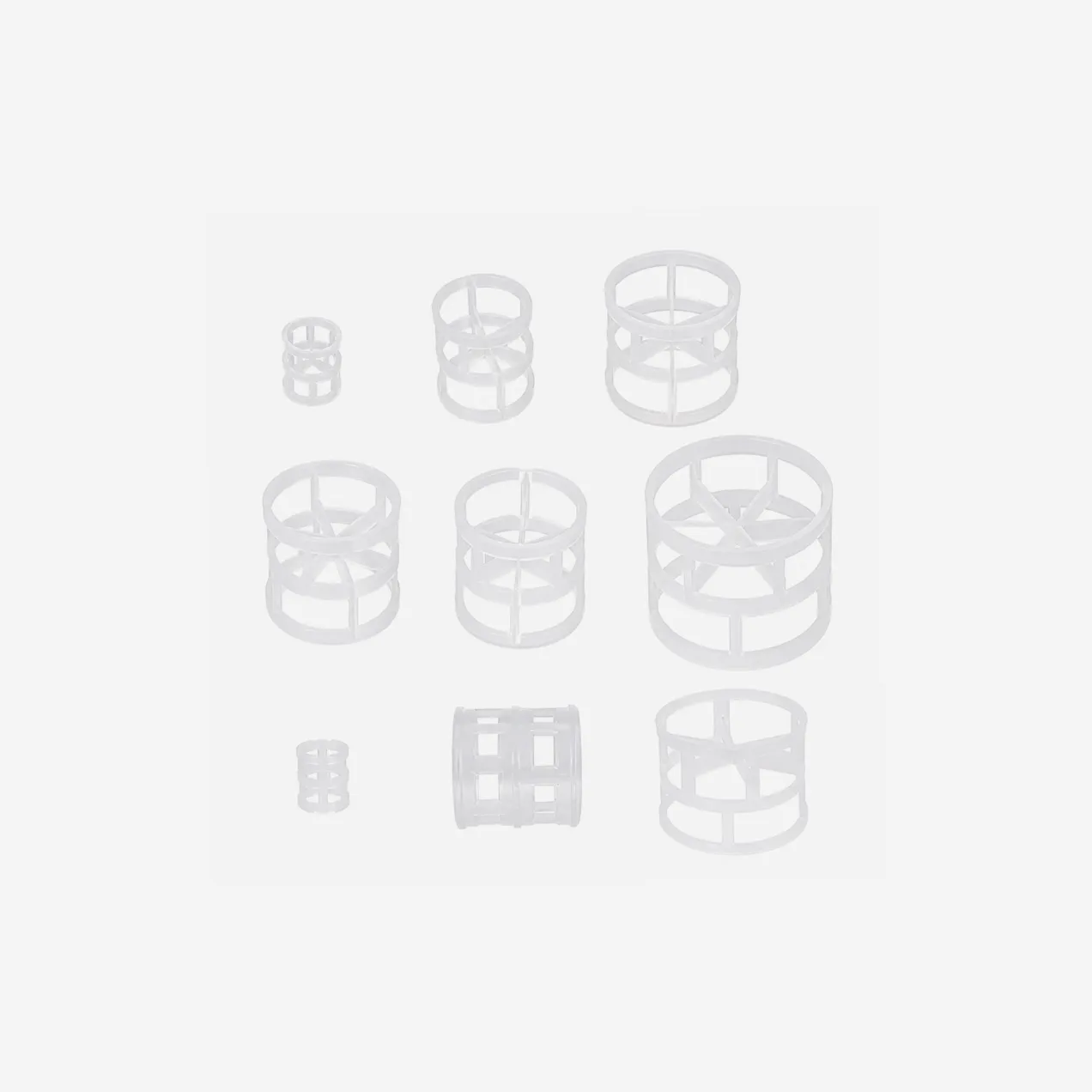
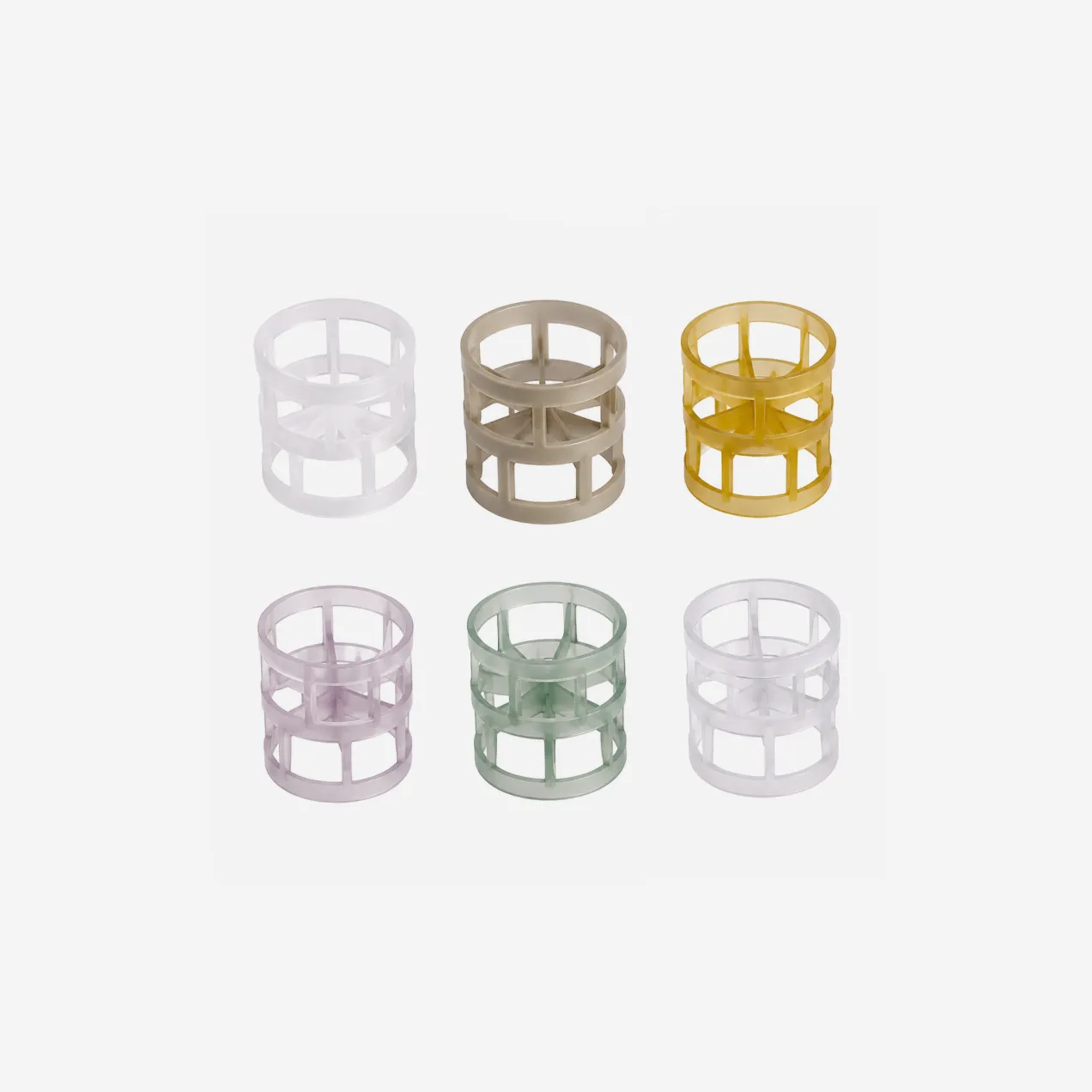
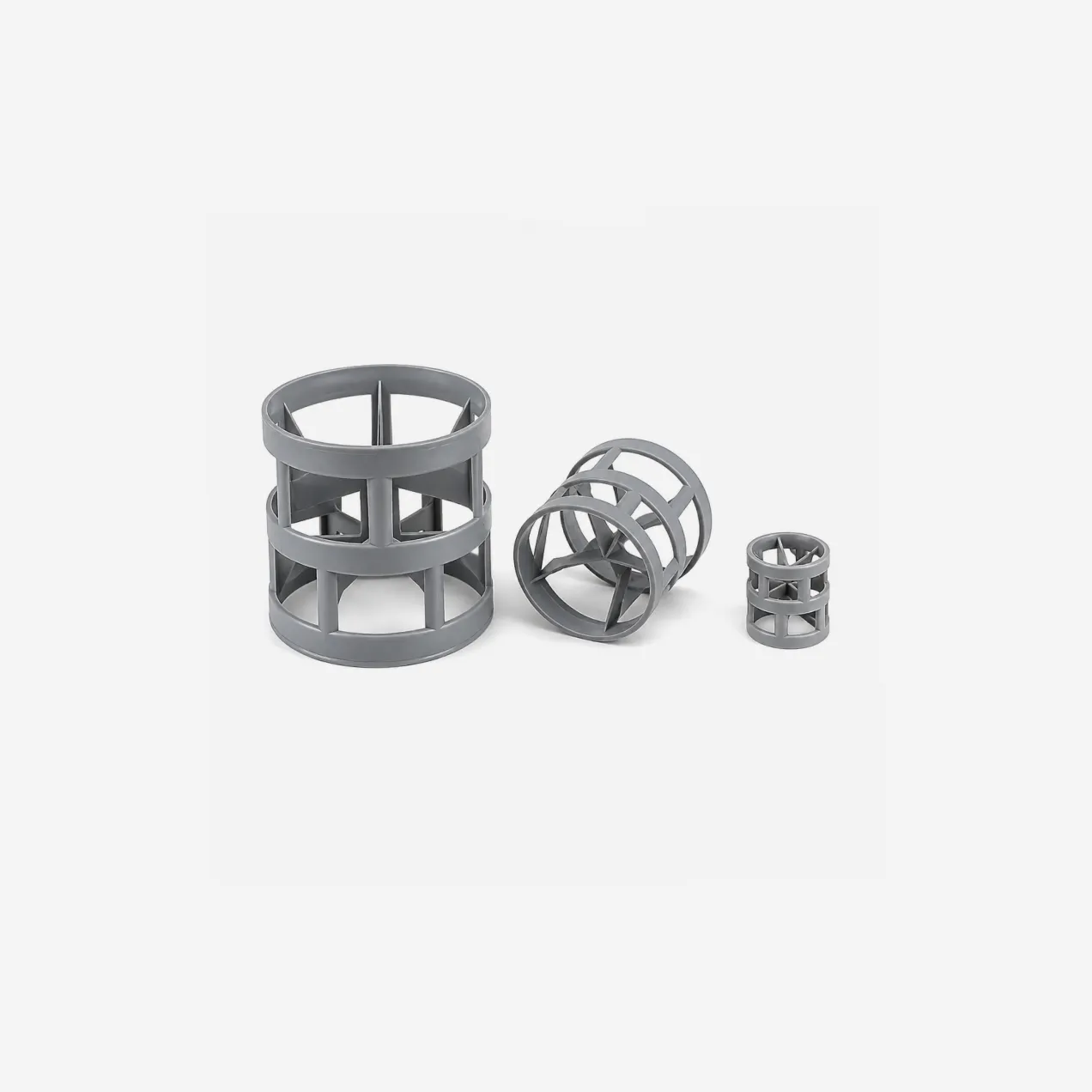
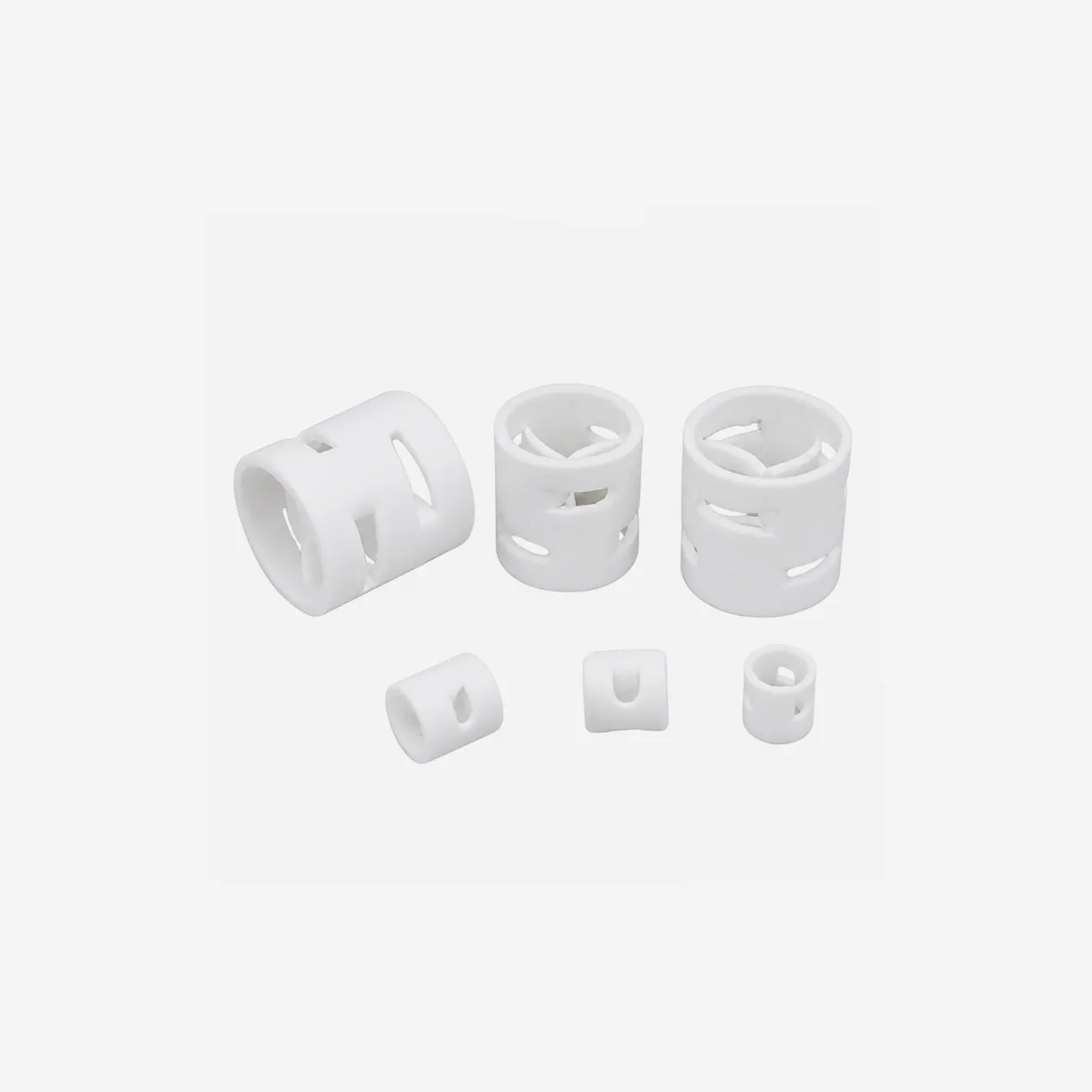
The Raschig ring is the simplest packing shape — a plain hollow cylinder with no cut openings — and made in carbon it becomes a specialist for the harshest chemistry. The material is impervious graphite: graphite powder bound with phenolic resin, formed and fired, then sealed against liquids and gases. Unlike the more familiar packing materials, graphite is chosen not for cost or capacity but for two properties they cannot match. It resists almost every corrosive chemical, hydrofluoric acid included, and it conducts heat, so it withstands thermal shock rather than cracking under it. It also wets readily with any liquid, which keeps mass transfer high. Its limits are that it is brittle, like ceramic, and costs more, and that in hot air it will slowly oxidise.
Its case is clearest in the duties that defeat the other materials:
| The challenge | Carbon / graphite | The usual alternative |
|---|
| Hydrofluoric acid (to ~48%) | Resists it | Ceramic is attacked |
| Hot HCl and mixed acids | Resists, no special alloy | Stainless steel corrodes |
| Thermal shock | Conducts heat, low expansion — resists | Ceramic cracks |
| Continuous heat | To about 200°C | Most plastics stop lower |
Read together, these mark out carbon's niche: hydrofluoric-acid towers, hot hydrochloric and sulphuric acid units, acidic-gas absorption and desulphurisation, propane strippers, and the distillation and scrubbing of strongly corrosive streams. It is the packing that replaces exotic metal and defeated ceramic in the most punishing acid service. For everyday acid duty, ceramic stays cheaper; for high pressure or top efficiency, metal is stronger; for cool corrosive scrubbing, plastic is lighter and less costly. But when hydrofluoric acid, mixed acids or severe thermal shock are in play, the carbon Raschig ring is in a class of its own. Tell us the chemistry and the temperature and we will size it for you.