search
Search

Enter keywords to search for products, blog posts, and more.


Home > PTFE Pall Ring

PTFE Pall Ring
PTFE Pall Ring

PTFE Pall Ring

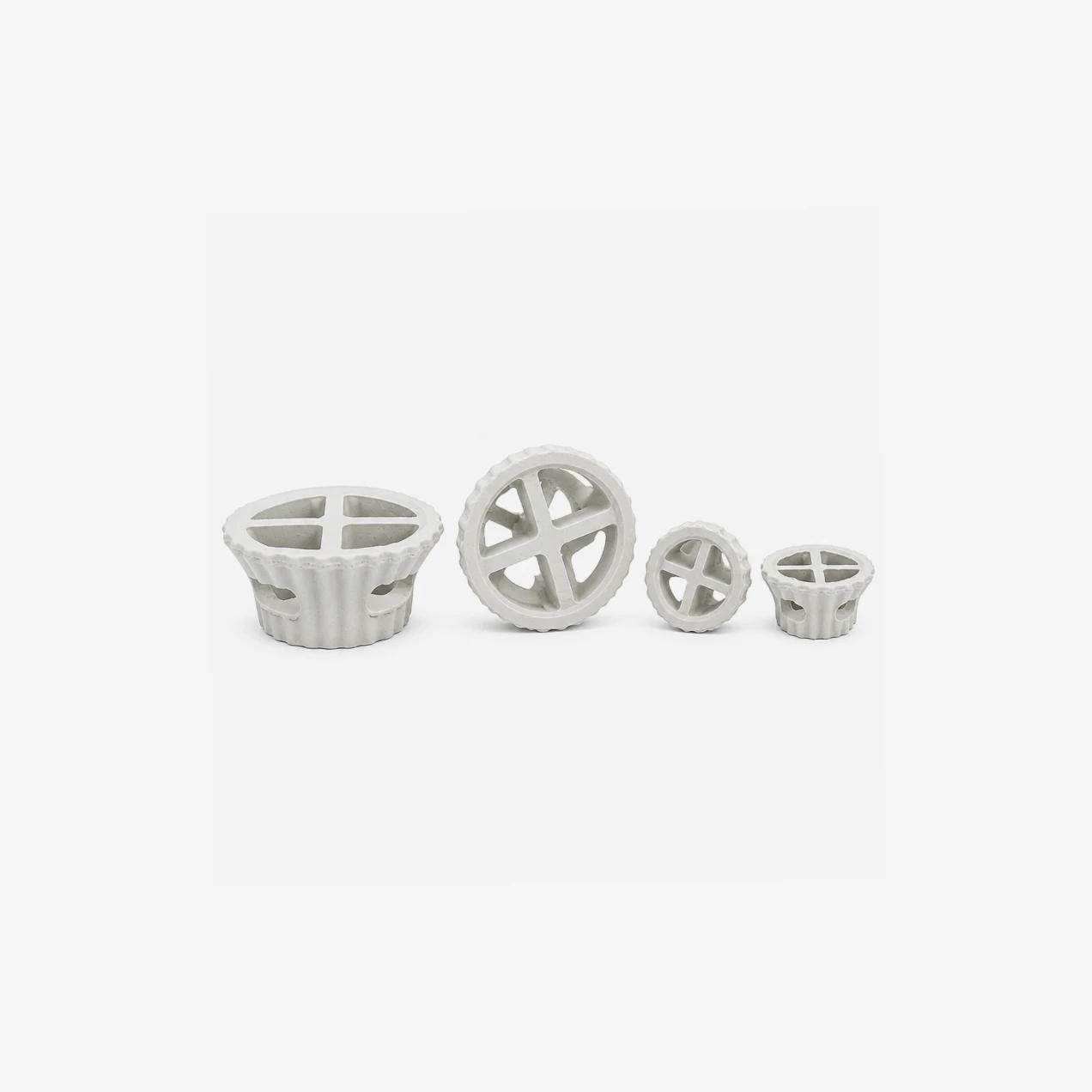
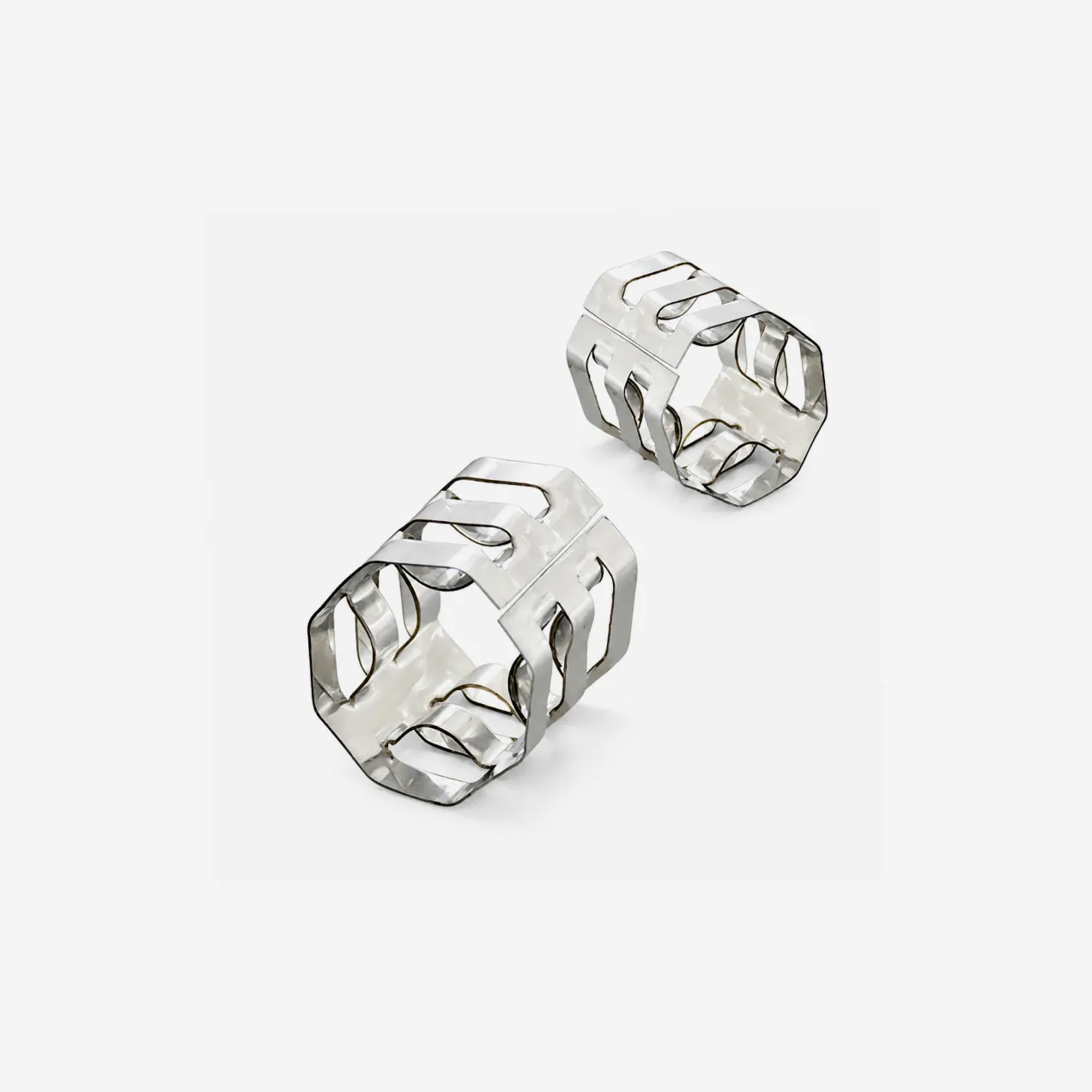
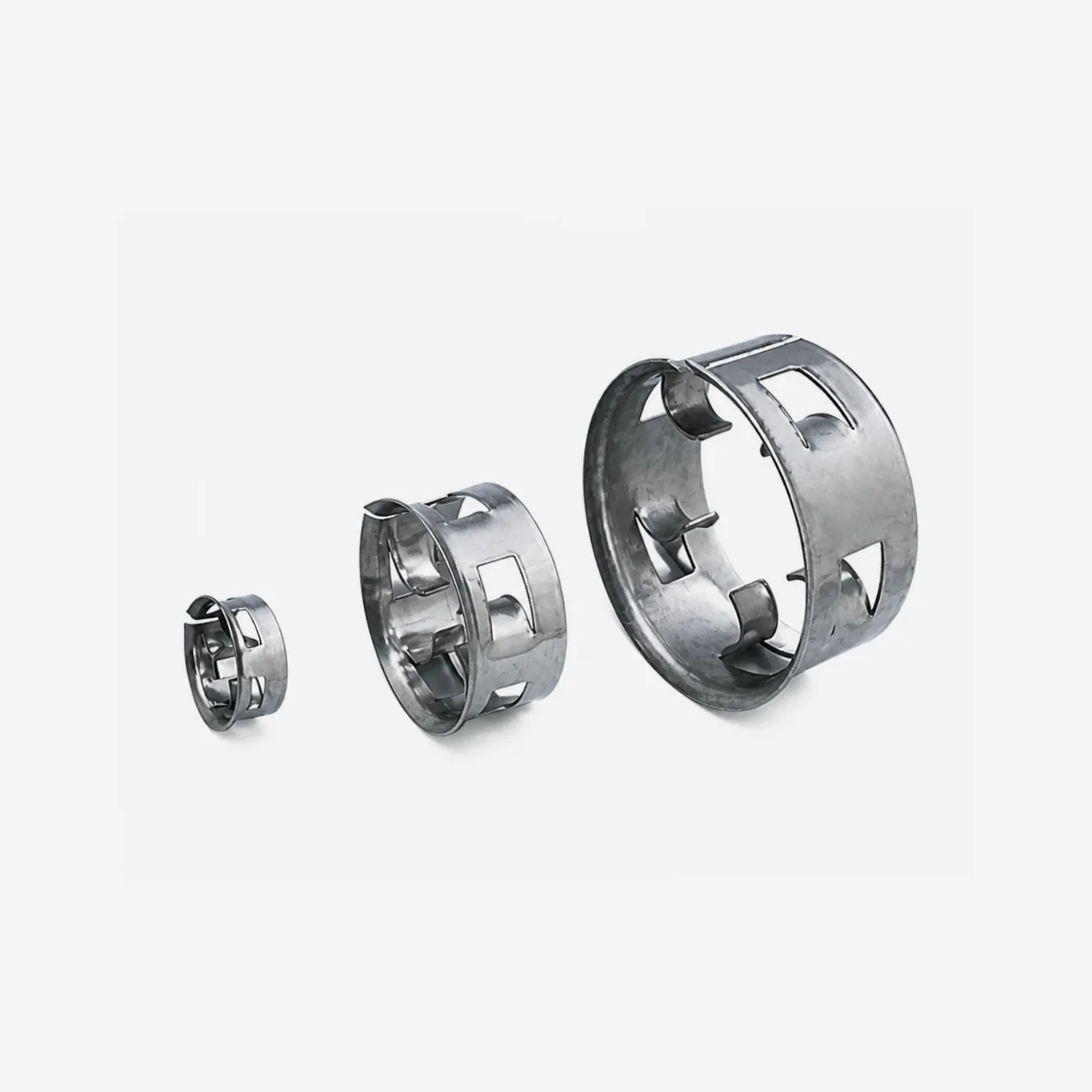
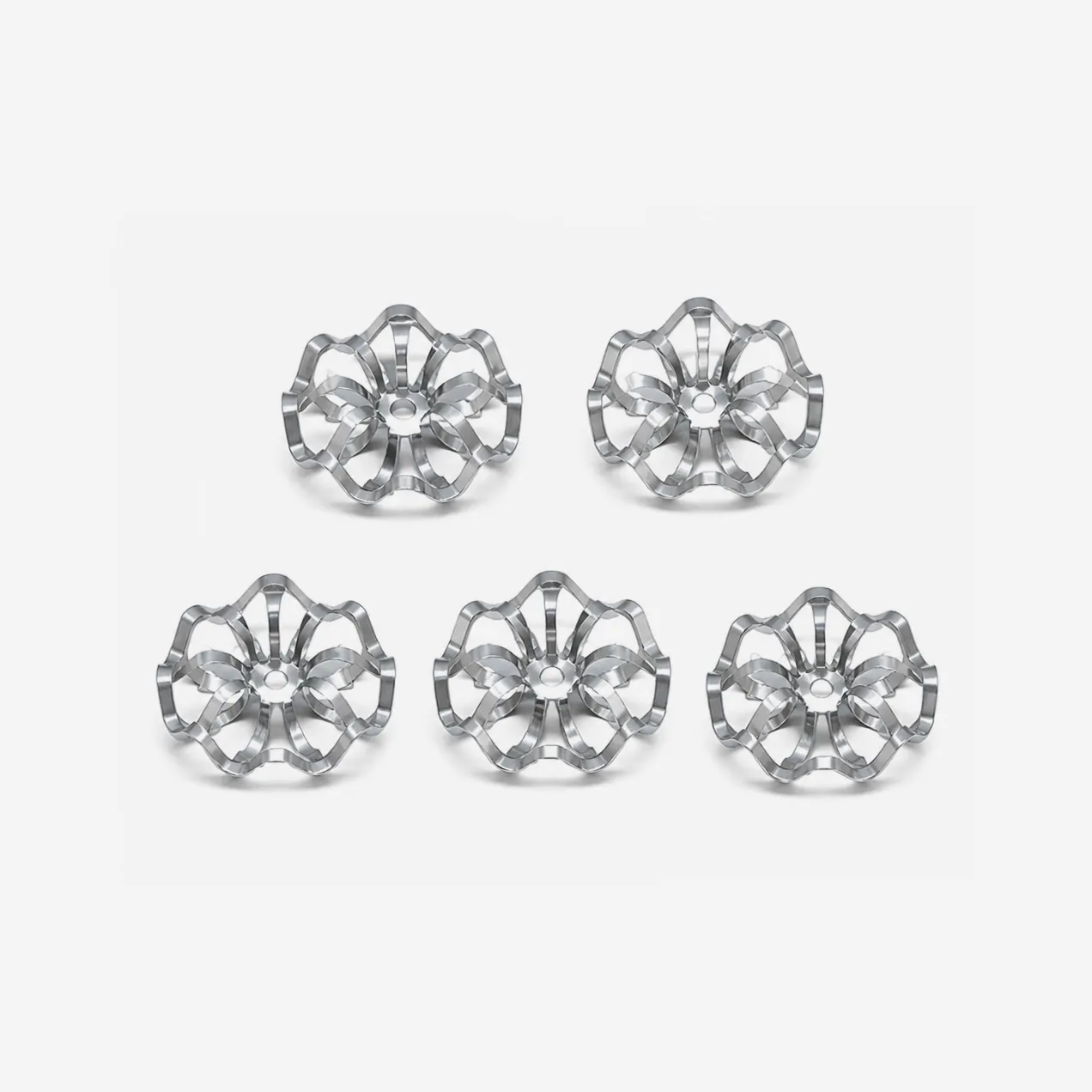
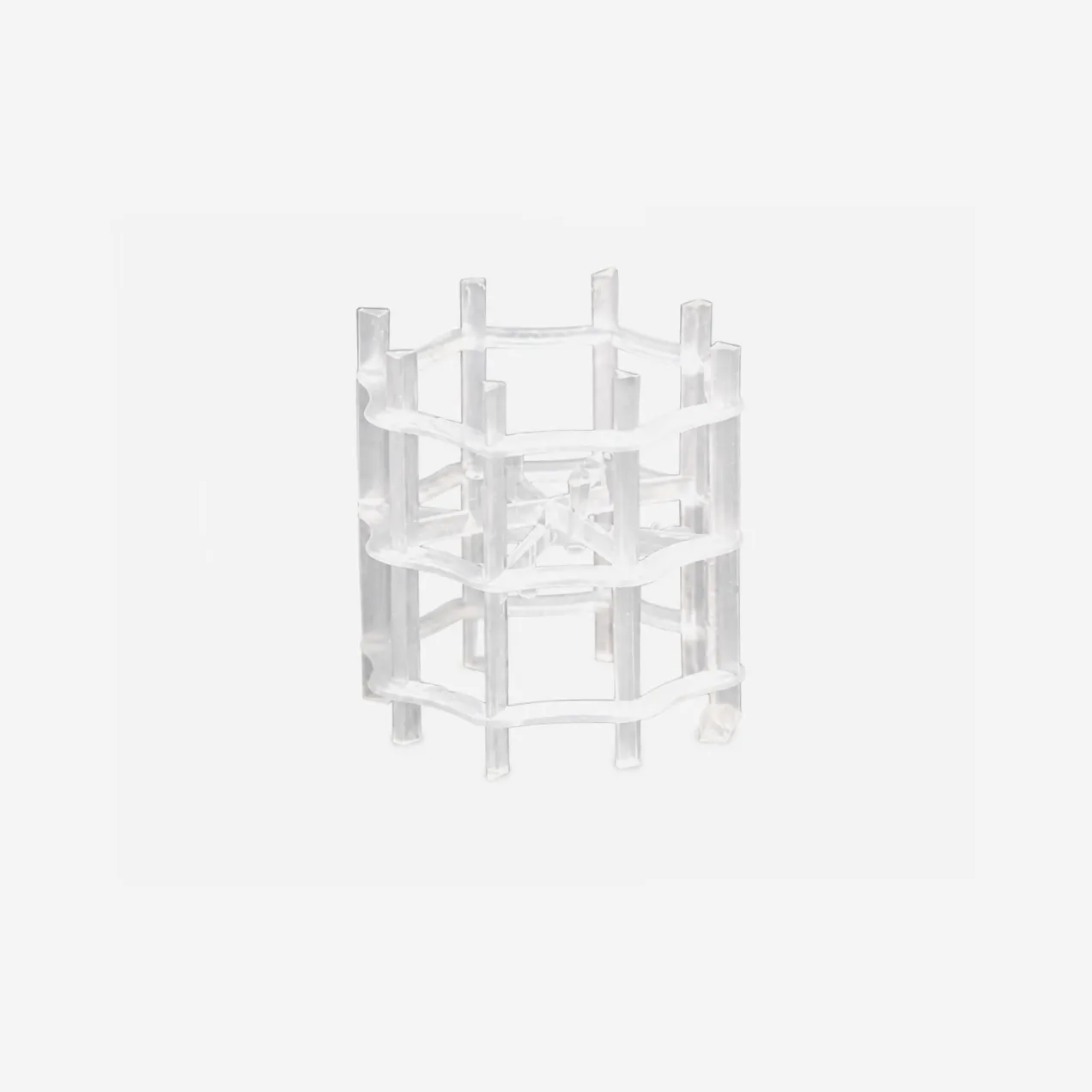
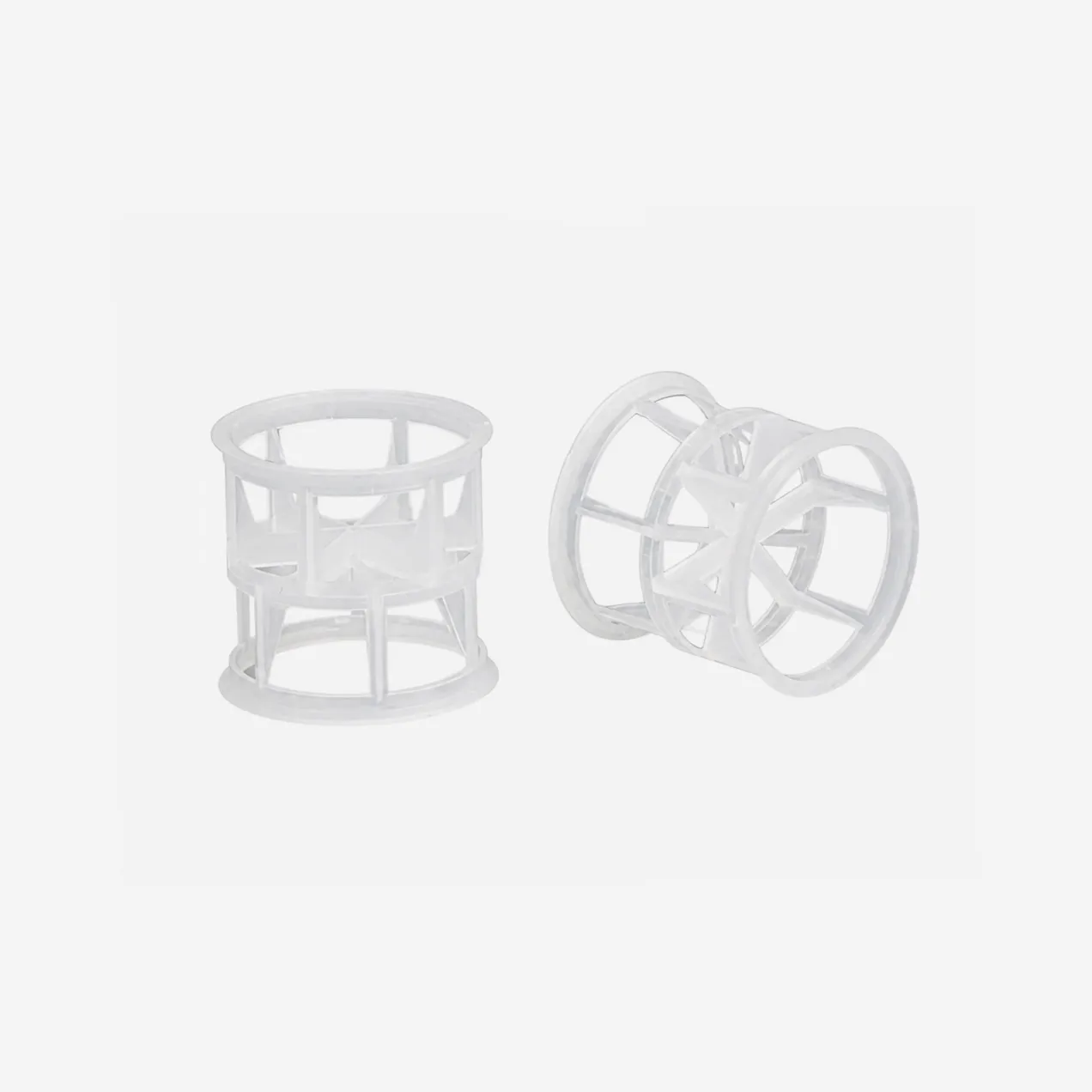
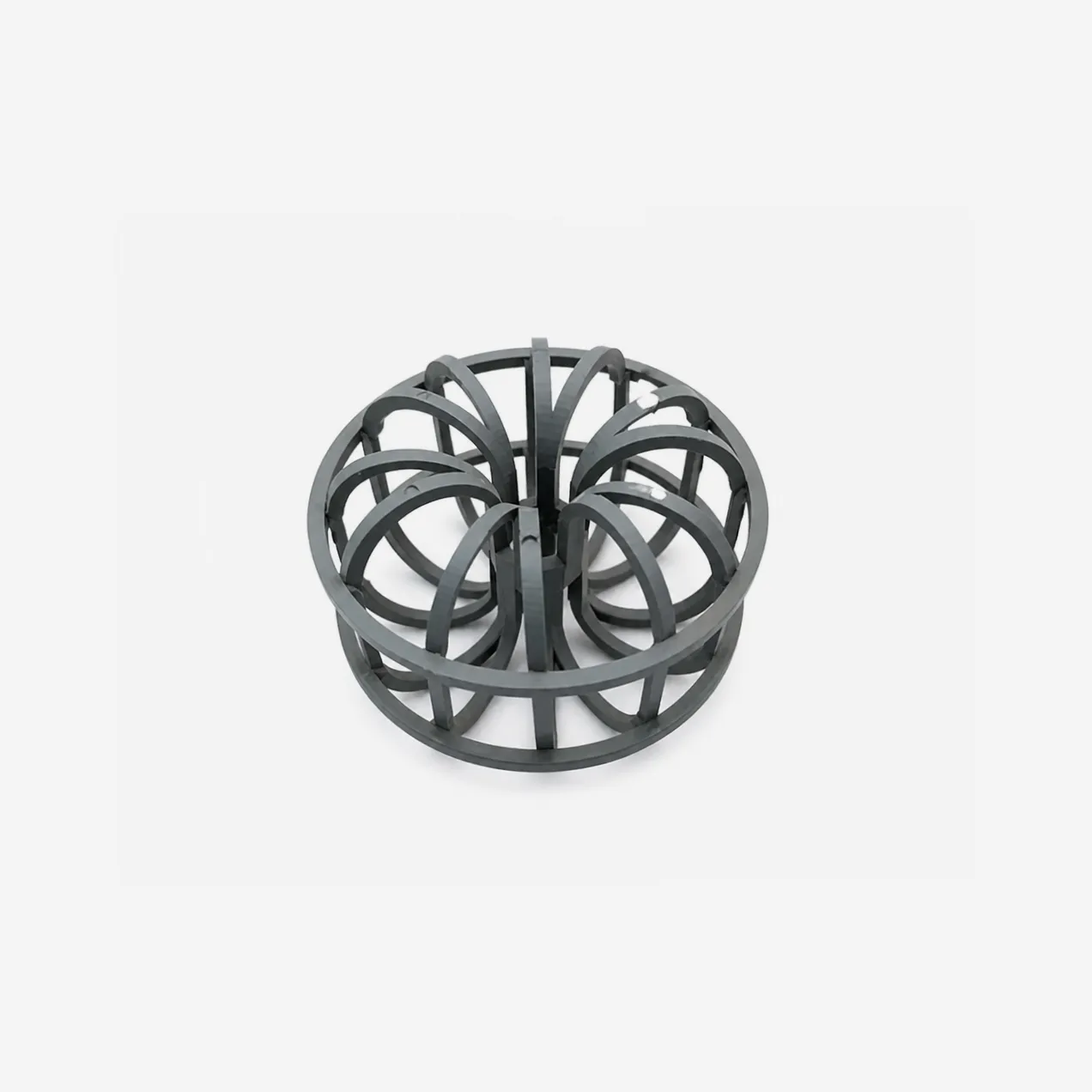
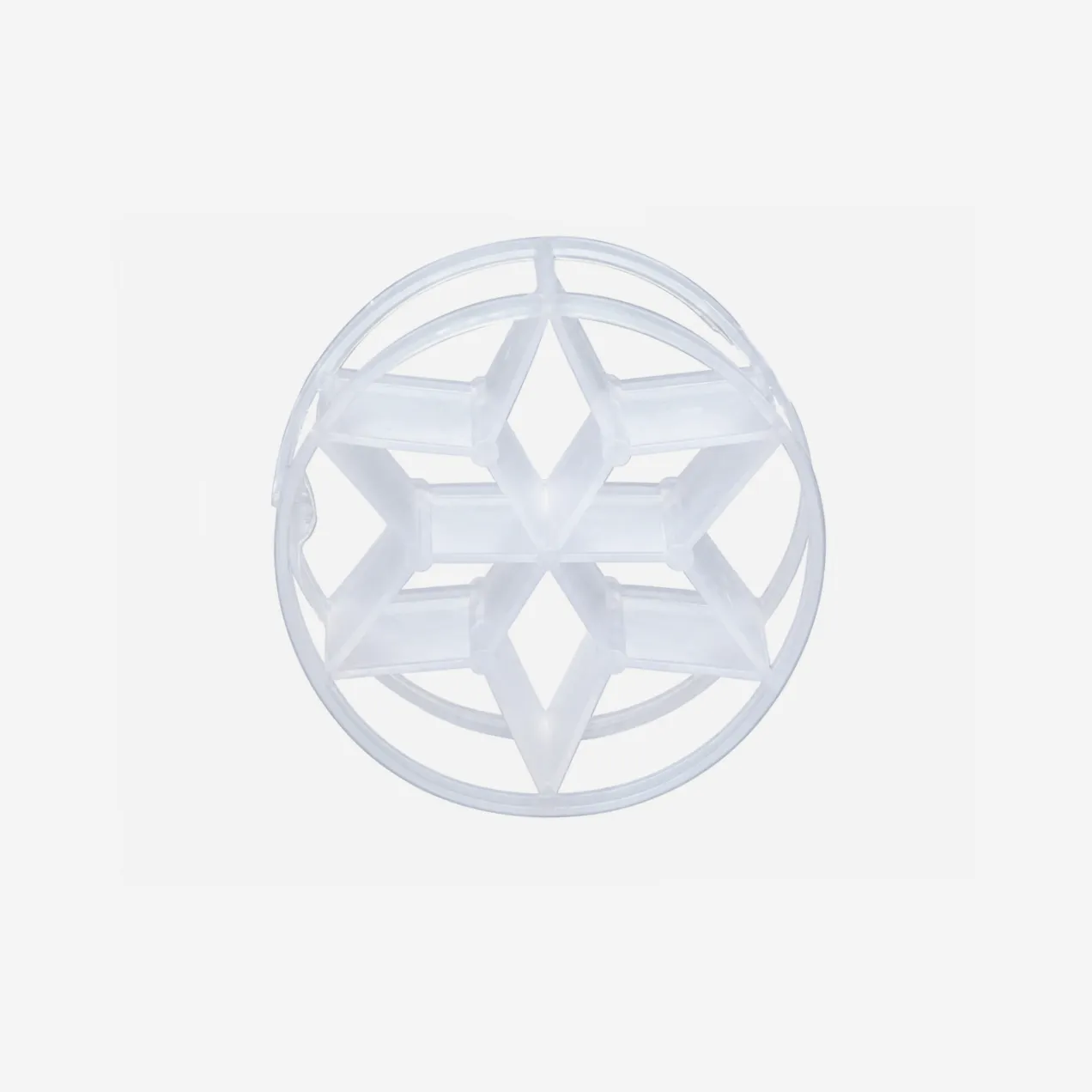
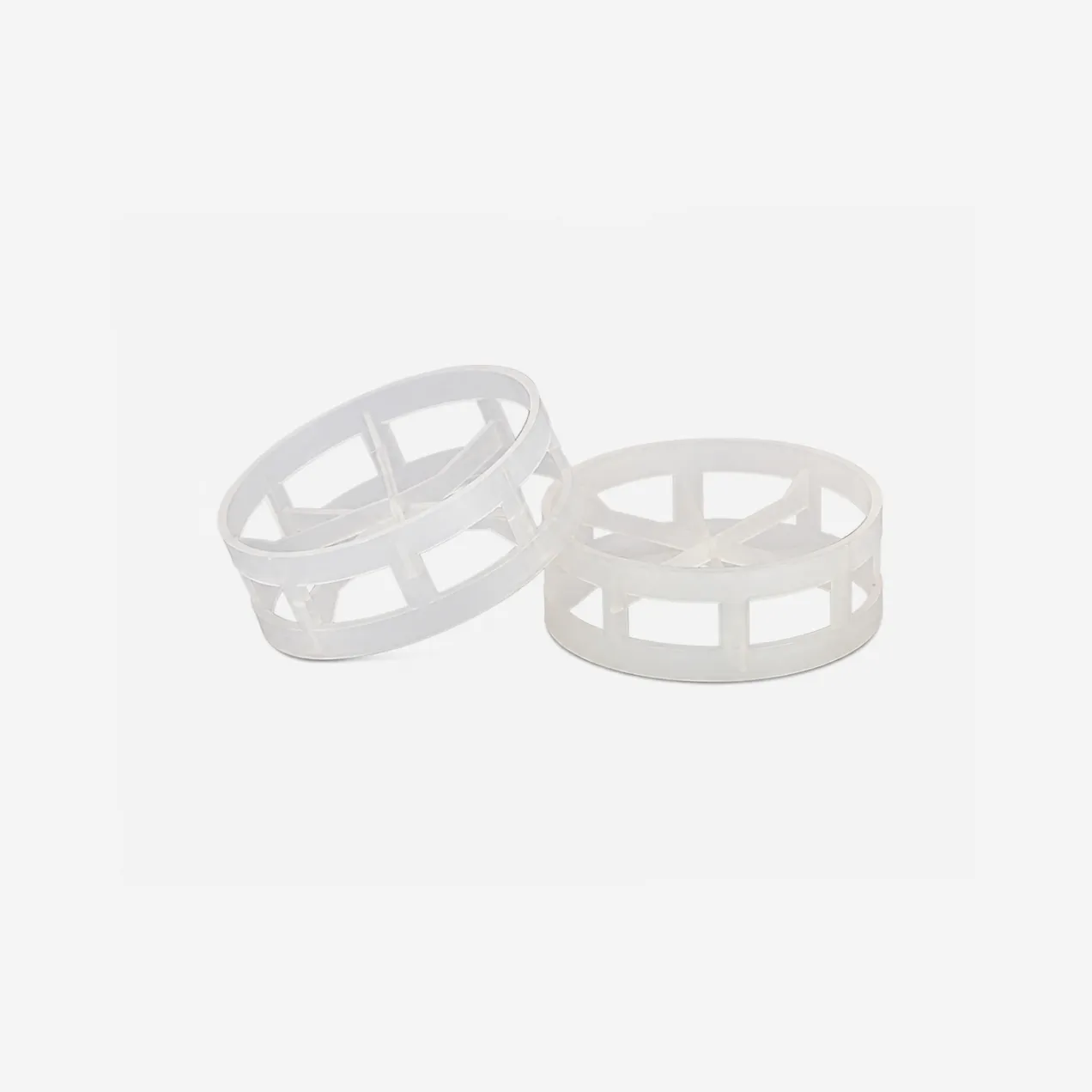
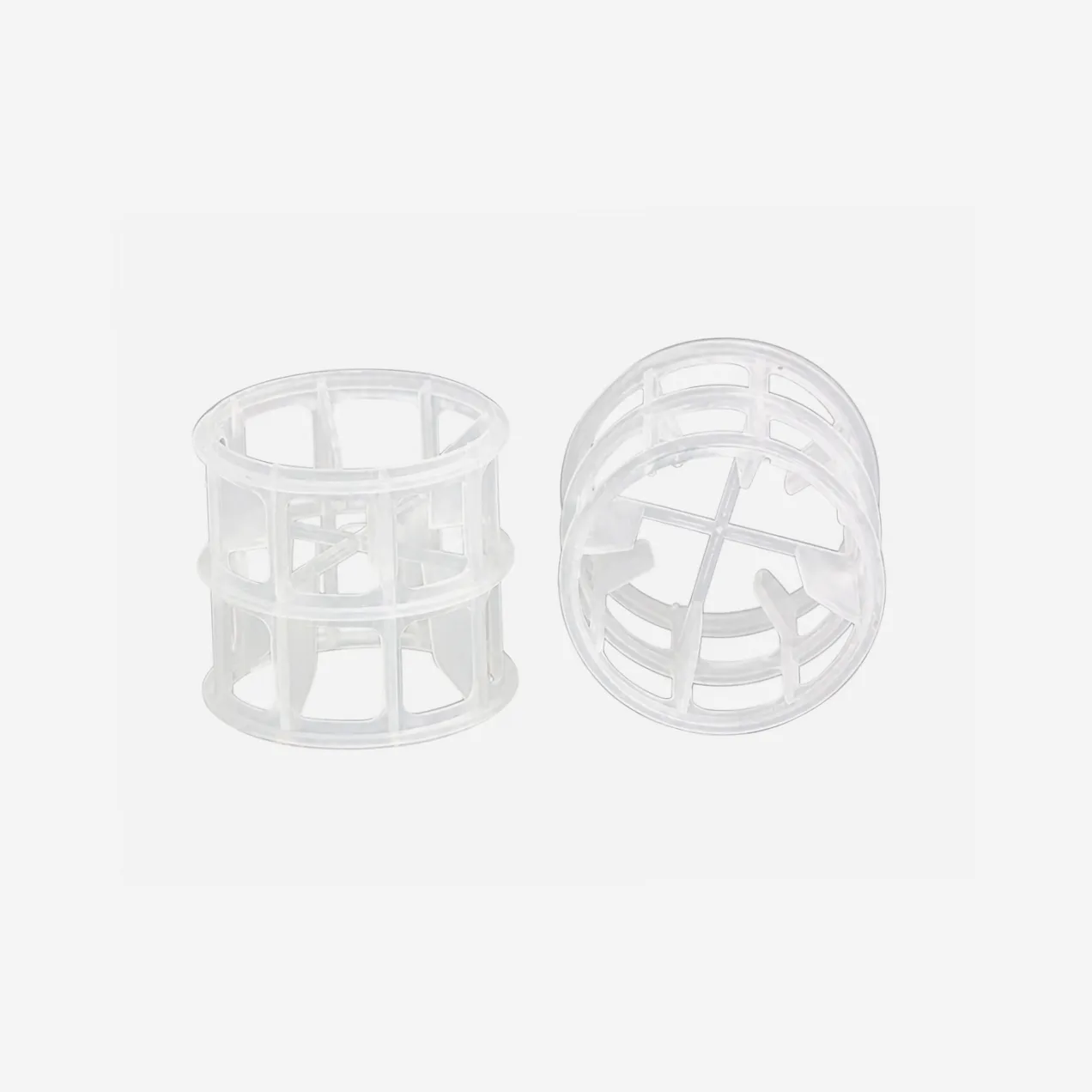
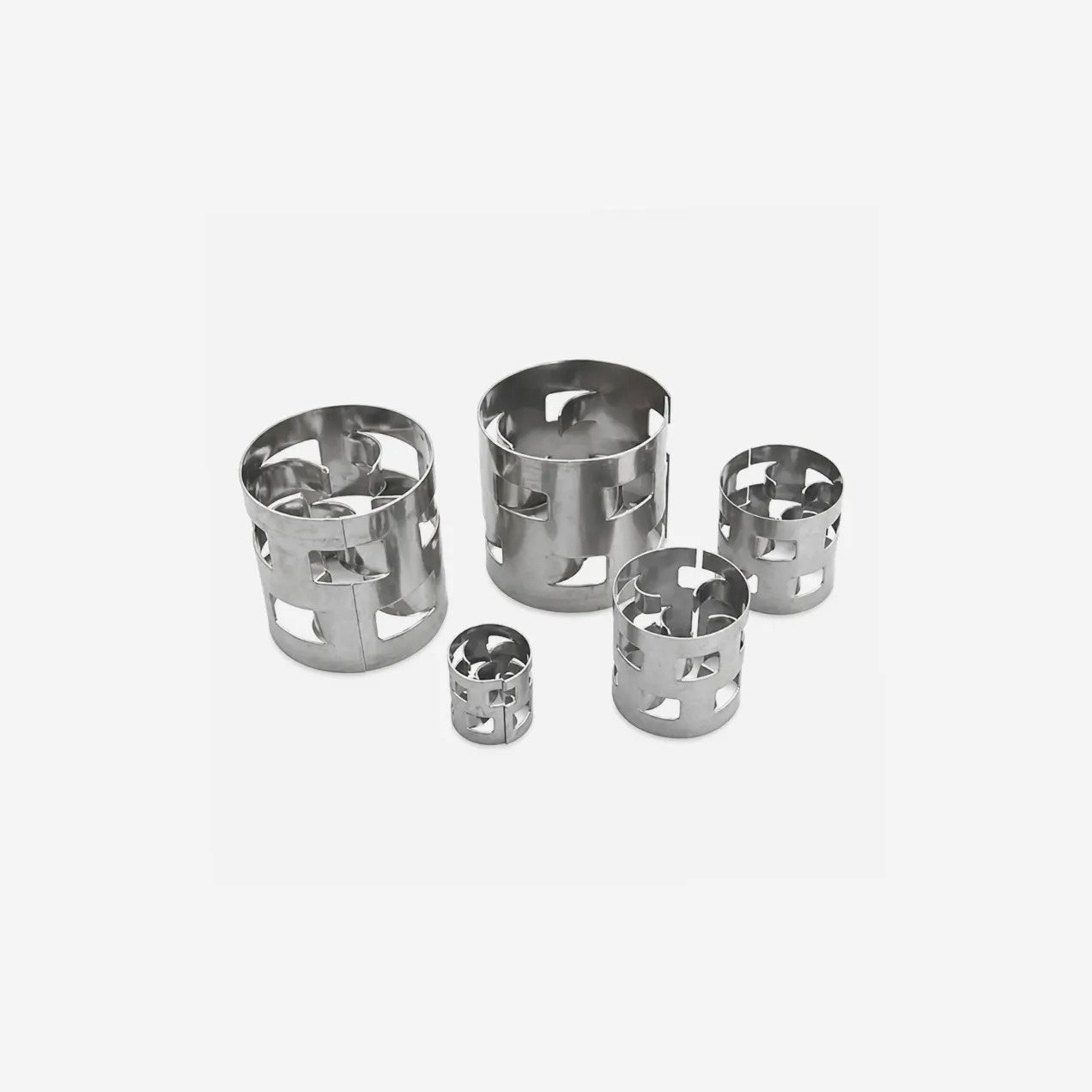
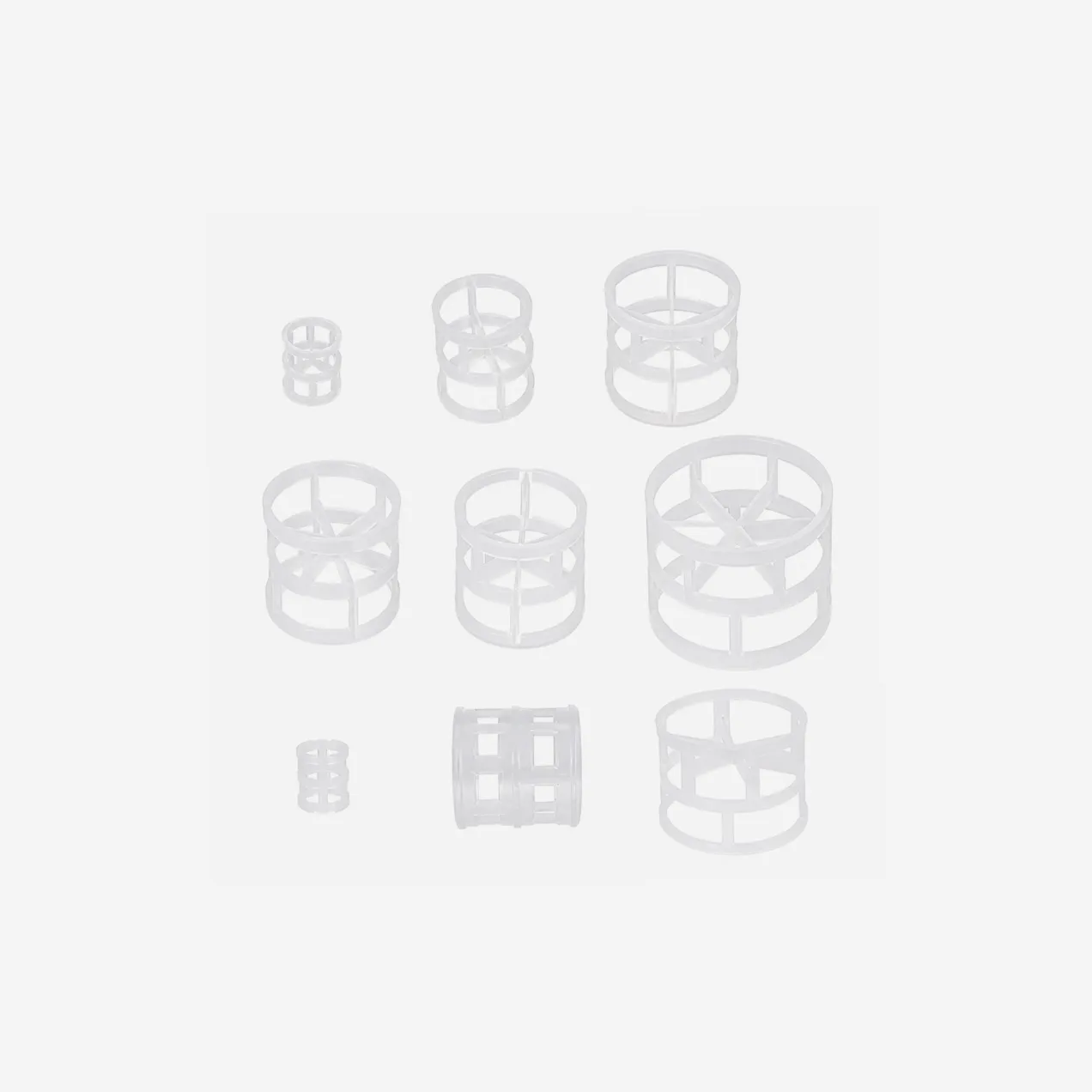
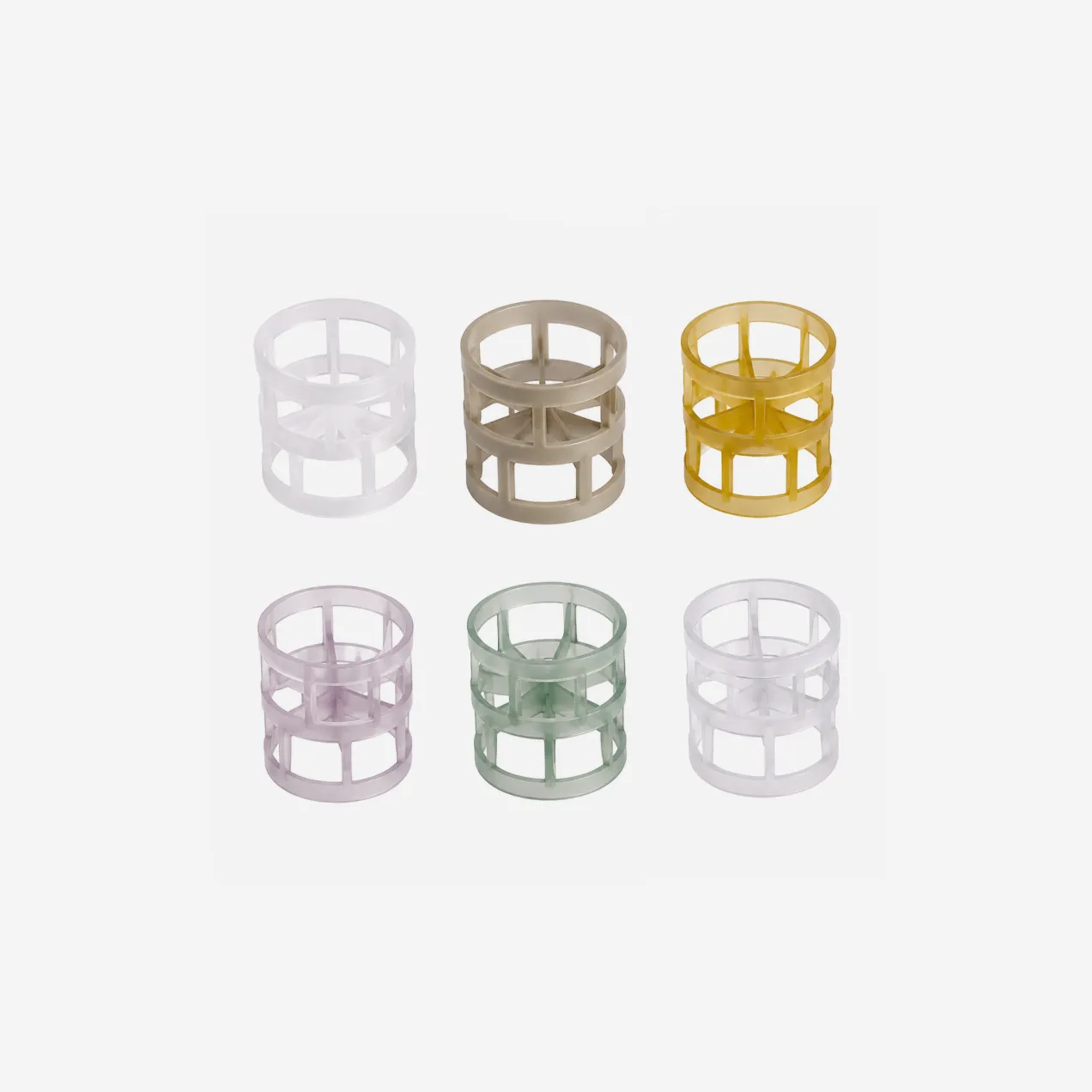
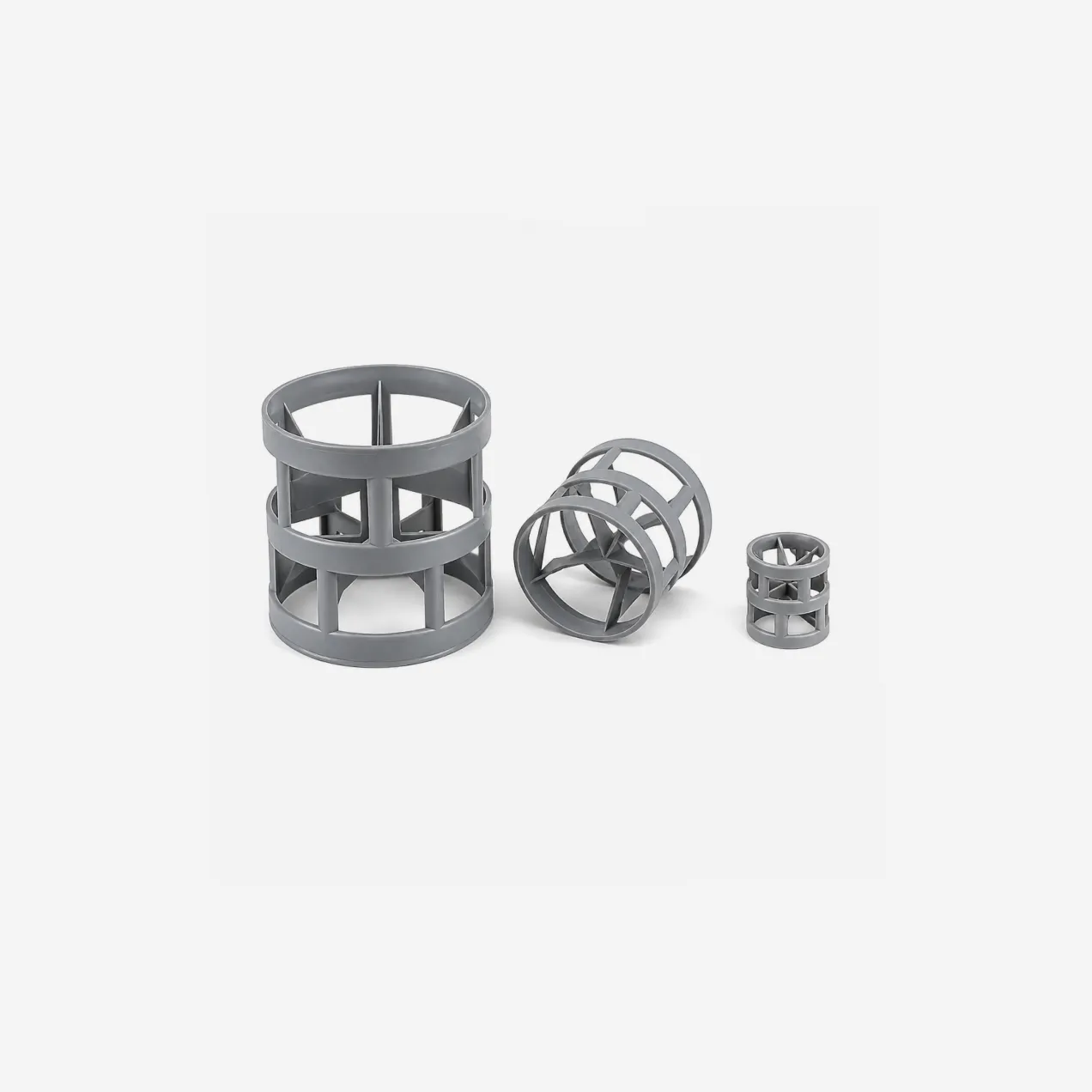
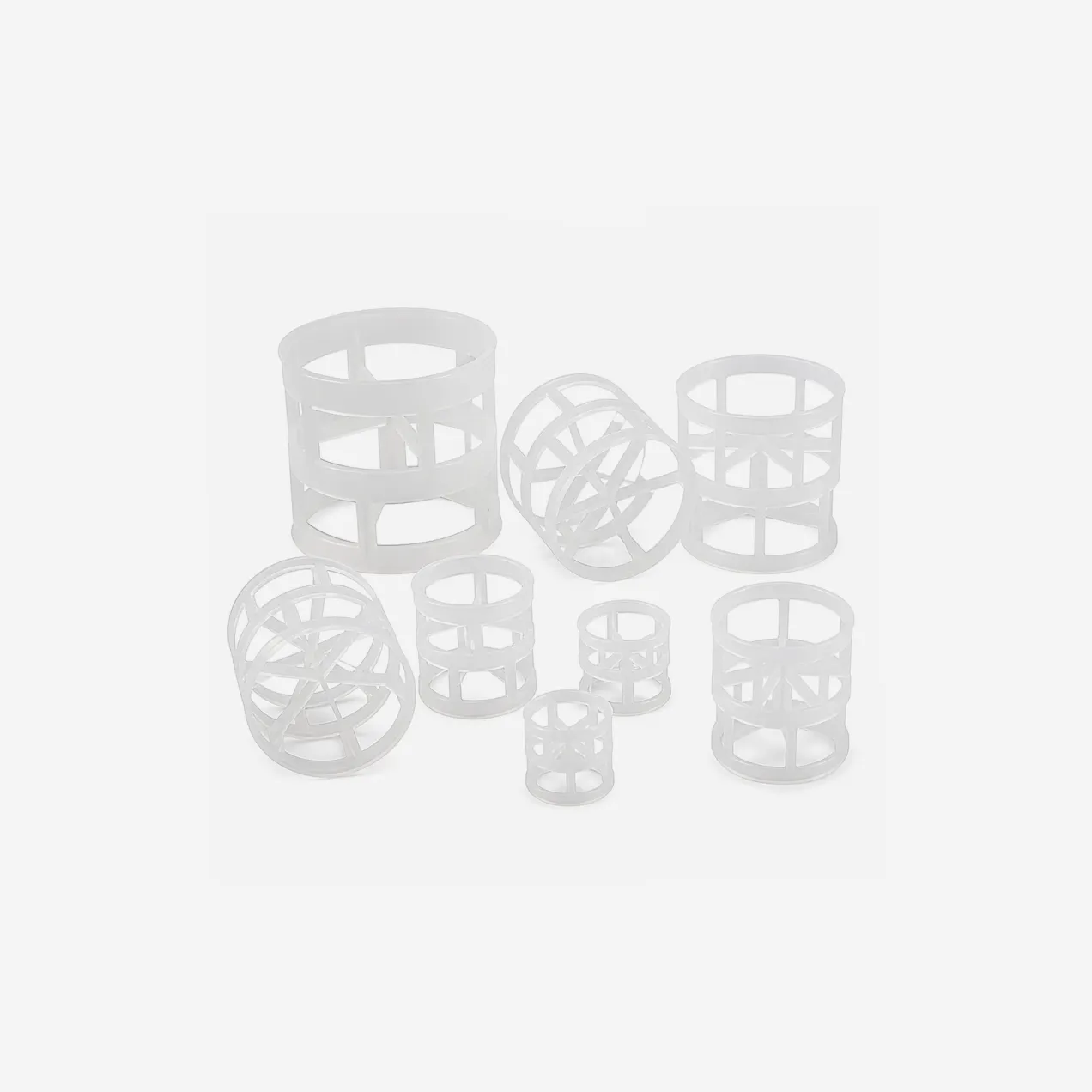
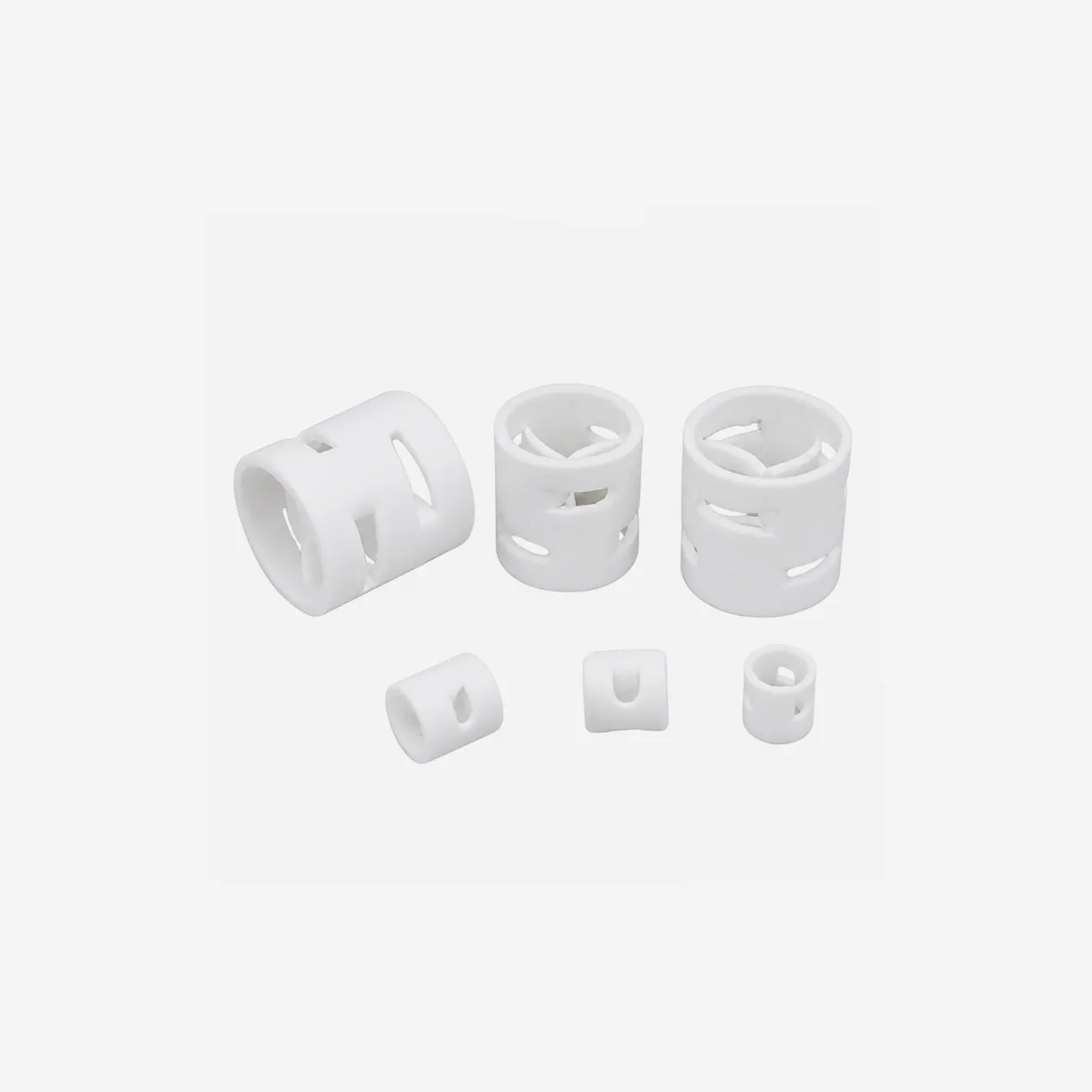
PTFE Pall ring is a random tower packing moulded from pure PTFE, the fluoropolymer better known as Teflon. It carries the usual open Pall-ring shape, but the material is the point: PTFE resists almost every chemical there is and takes far more heat than ordinary plastics, so it keeps working in columns where PP, PVC or even PVDF would soften or be eaten away. It is the fill to reach for when a stream is hot, strongly acidic, or full of aggressive solvents, and its slick surface stays clean on top of that. We make it in the standard 16 to 76 mm sizes.

  • 100% PTFE — near-universal resistance to acids, alkalis and solvents, including HF, bromine and hot concentrated acids.
  • Very wide working range, roughly −100 up to about 260°C, well past other plastic packings.
  • Slick, non-stick, low-friction surface that resists fouling and scaling.
  • Open Pall-ring form for high void, low pressure drop and strong gas-liquid contact.
  • Standard sizes 16, 25, 38, 50 and 76 mm for absorption, stripping and distillation towers.

Technial Parameters

Size (mm)Specific surface area (m²/m³)Void fractionPieces per m³ (approx.)
25≈225≈90%≈52,000
38≈140≈90%≈13,600
50≈105≈90%≈6,500
76≈90≈92%≈1,930


PropertyValue
Product TypePlastic random packing (Pall ring)
MaterialPTFE (polytetrafluoroethylene / Teflon), 100% pure
Standard Sizes16, 25, 38, 50, 76 mm
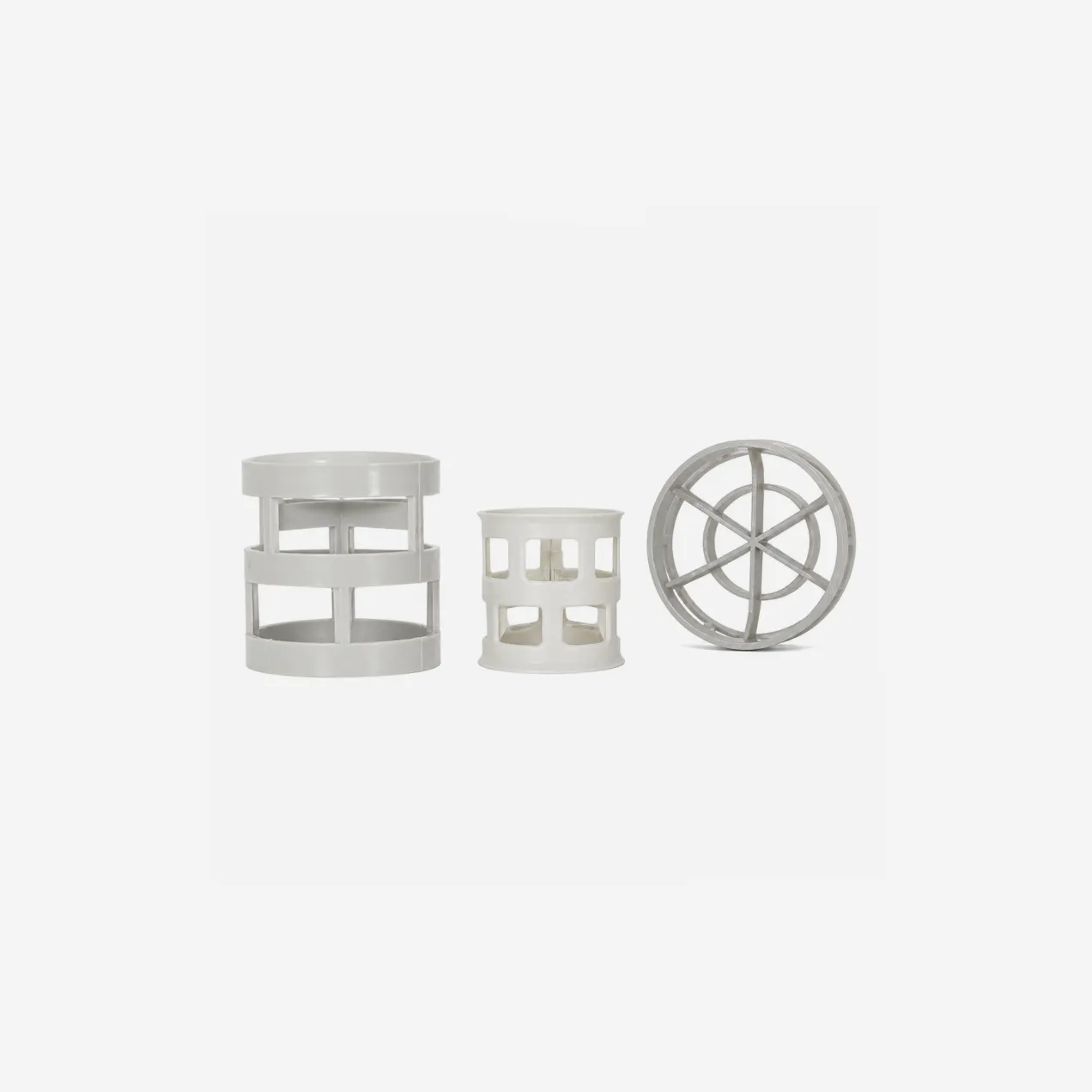
StructureCylinder with two rows of windows and inward tongues
Void FractionAbout 90%
Working TemperatureAbout −100 to +260 °C
Chemical ResistanceNear-universal — acids, alkalis, solvents, incl. HF, bromine, aqua regia
SurfaceNon-stick, low-friction, anti-fouling
Not Resistant ToMolten alkali metals, fluorine gas (F2), a few extreme fluorochemicals
ApplicationsHot / highly corrosive absorption, stripping, distillation, scrubbing
TrademarkRONGJIAN
OriginJiangxi, China
HS Code3926909090
Transport PackageCartons / drums

FAQs

What is a PTFE Pall ring used for?

PTFE Pall ring goes into packed columns for the familiar jobs — absorption, stripping, distillation and scrubbing — but it is picked for the hard cases. Typical duties are hydrofluoric and other strong acid gases, hot concentrated sulphuric or nitric streams, chlorine and bromine service, ammonia-plant decarbonisation, desulphurisation, and solvent separations such as ethylbenzene or iso-octane. It also suits ultra-clean pharmaceutical and electronics columns where nothing may leach into the product. Put simply, wherever the chemistry or the temperature is too much for ordinary plastic packing, PTFE is the fill that survives.

When should I choose PTFE over PP or PVDF Pall rings?

Step up to PTFE only when the duty needs it, because it is the priciest of the plastics. PP handles ordinary acid, alkali and salt service to about 100 degrees and is the default choice. PVDF covers hotter and more oxidising streams to about 150 degrees. PTFE sits at the top of the ladder: it takes almost any chemical, including hydrofluoric acid, bromine and hot concentrated acids that would attack PVDF, and it runs far hotter, to about 260 degrees. So when PP or PVDF would be eaten or softened, or when no trace may leach into the product, PTFE earns its cost. For milder, cooler duty it is overkill. Tell us the medium and the working temperature and we will say whether PTFE is needed or a cheaper grade will do.
What temperature and chemicals can PTFE Pall rings handle?

PTFE works across a very wide band, from around minus 100 degrees up to about 260 degrees, so it covers both cryogenic and hot service that other plastics cannot reach. On chemistry it is close to inert: it resists nearly all acids, alkalis and organic solvents, and it is left unharmed even by hydrofluoric acid, bromine and boiling concentrated acids, aqua regia included. The few things that do attack it are molten alkali metals and elemental fluorine gas, plus a couple of extreme fluorine compounds, none of which appear in ordinary process streams. For almost any corrosive tower duty, PTFE is chemically safe.

What are the limits or downsides of PTFE Pall rings?

Three things to keep in mind. First, cost: PTFE is the most expensive packing plastic, so it is used only where the duty demands it. Second, mechanics: PTFE is soft and can slowly deform under a heavy static load, more so when hot, so very deep beds are supported well and sized with that in mind. Third, the surface is non-wetting, which is what keeps it clean but also means the liquid must be spread evenly over the top of the bed, so a good distributor matters more than with a wettable plastic. Kept to those points, a PTFE bed lasts a very long time in service that would wreck other packing.

What makes a PTFE Pall ring special is entirely the material. PTFE, the plastic most people call Teflon, is about as inert as an engineering material gets: it can be boiled in sulphuric, nitric or hydrochloric acid, or even in aqua regia, and come out unchanged in weight and strength. It shrugs off hydrofluoric acid, bromine and fluorinated chemicals that wreck almost anything else, and it stays sound from cryogenic cold up to roughly 260 degrees. Its surface is slick and non-stick as well, so deposits struggle to form and the bed keeps itself clean. The Pall-ring shape does the ordinary work of high void, low pressure drop and close gas-liquid contact; here it is simply moulded in a material that next to nothing can touch.

Because PTFE is the costly choice, it helps to see where it sits against the alternatives for a demanding column:

PackingMax temperatureChemical resistanceRelative costBest for
PP≈100°CGood (acids, alkalis, salts)LowEveryday corrosive, moderate-temp duty
PVDF≈150°CVery good (oxidisers, hot acids)MediumHotter, more oxidising streams
PTFE≈260°CNear-universal (HF, bromine, hot conc. acids)HighThe most aggressive chemistry and highest heat
Metal / ceramicVery highVariesVariesClean high-temp, or hot acid where cost allows

Two handling points come with PTFE. It is soft and can creep under a heavy static load, the more so when hot, so deep beds are supported and sized for it. And the non-wetting surface, the very thing that keeps it clean, means the liquid has to be spread evenly across the top of the bed, so a proper distributor is worth fitting. Typical duties are hydrofluoric and hydrochloric acid gas scrubbing, chlorine and bromine service, ammonia-plant decarbonisation, desulphurisation, high-temperature distillation, and ultra-pure pharmaceutical and electronics columns. In every one of these the PTFE ring is chosen for a single reason: it keeps working where cheaper packing would corrode, soften or taint the product.