search
Search

Enter keywords to search for products, blog posts, and more.


Home > Ceramic Raschig Ring

Ceramic Raschig Ring

Ceramic Raschig Ring

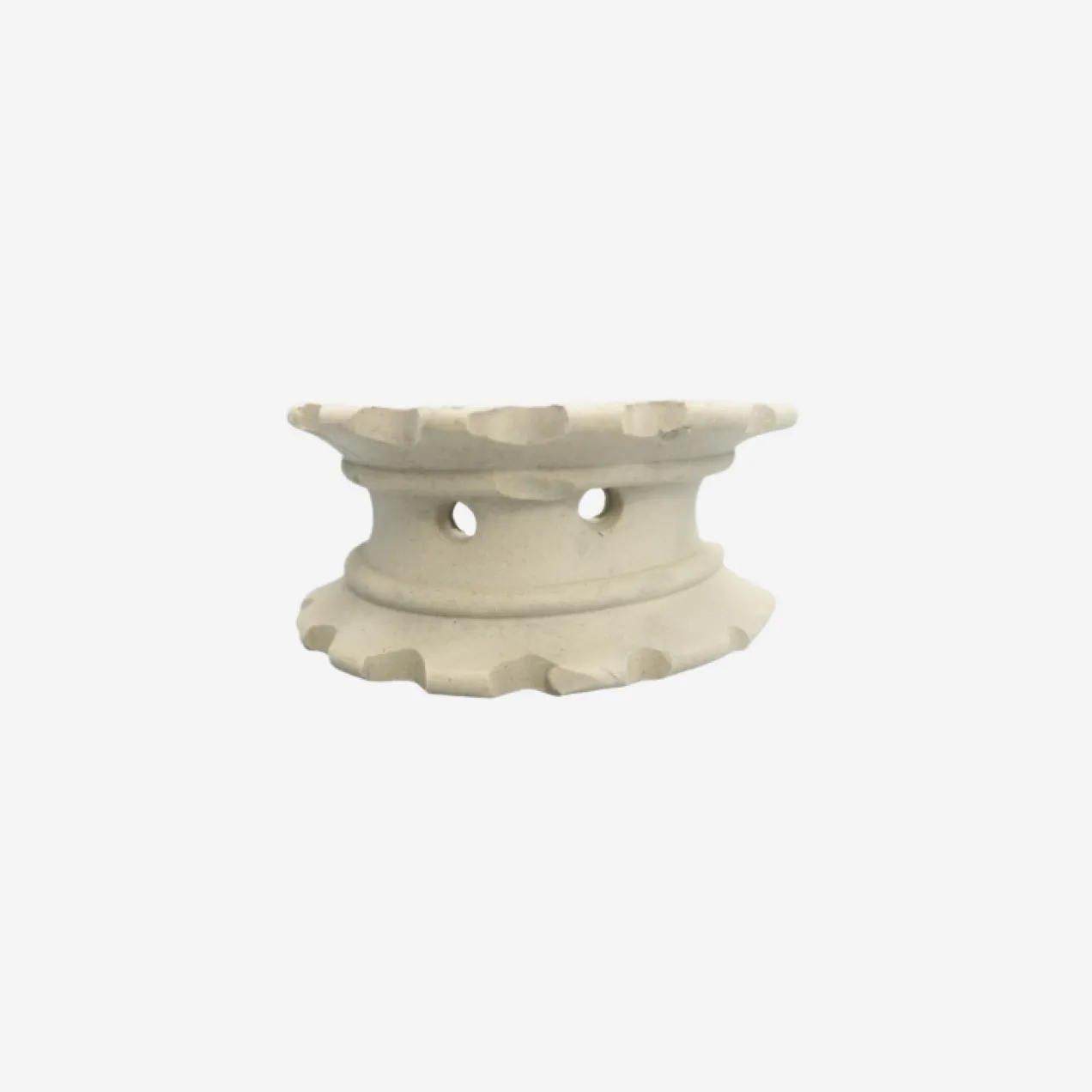
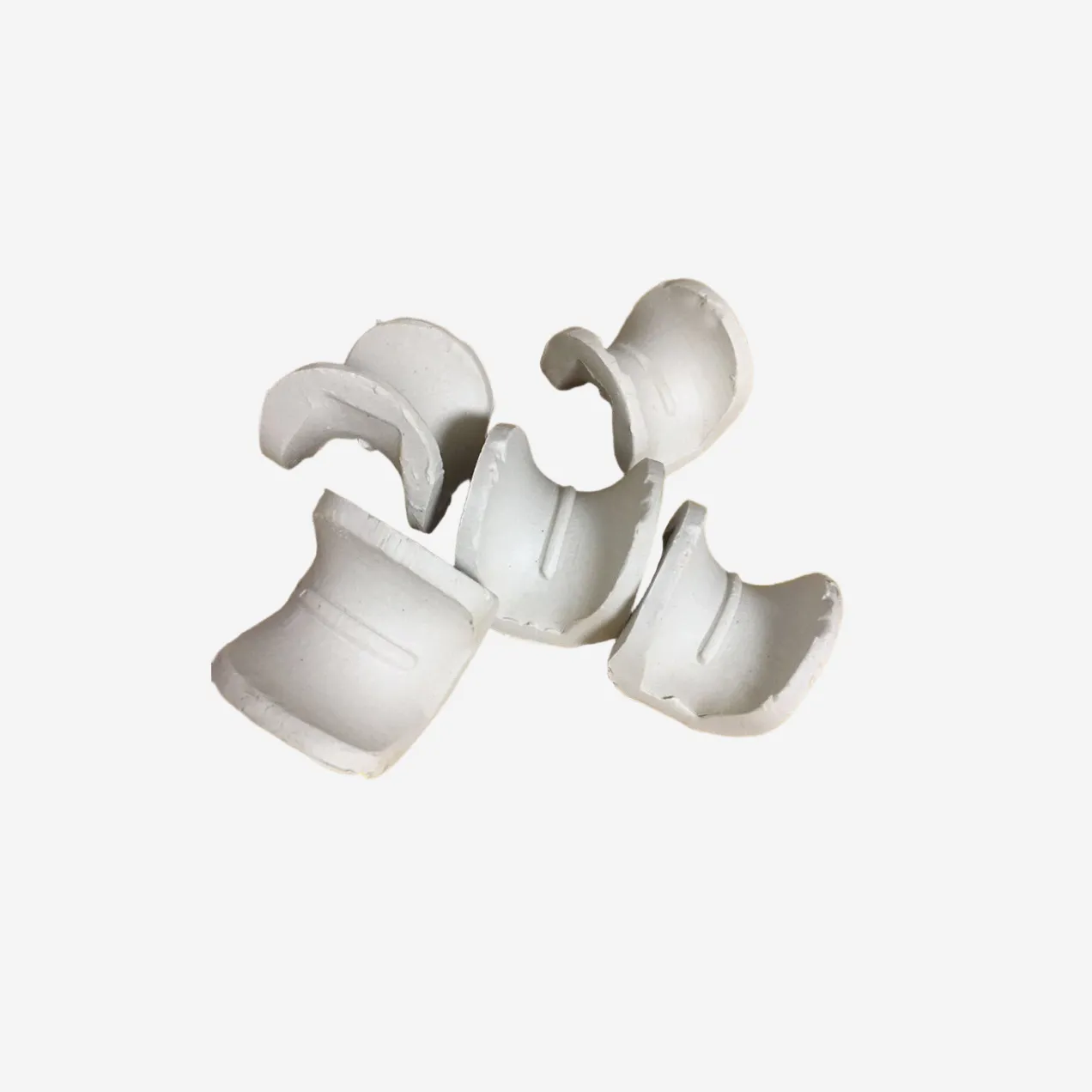
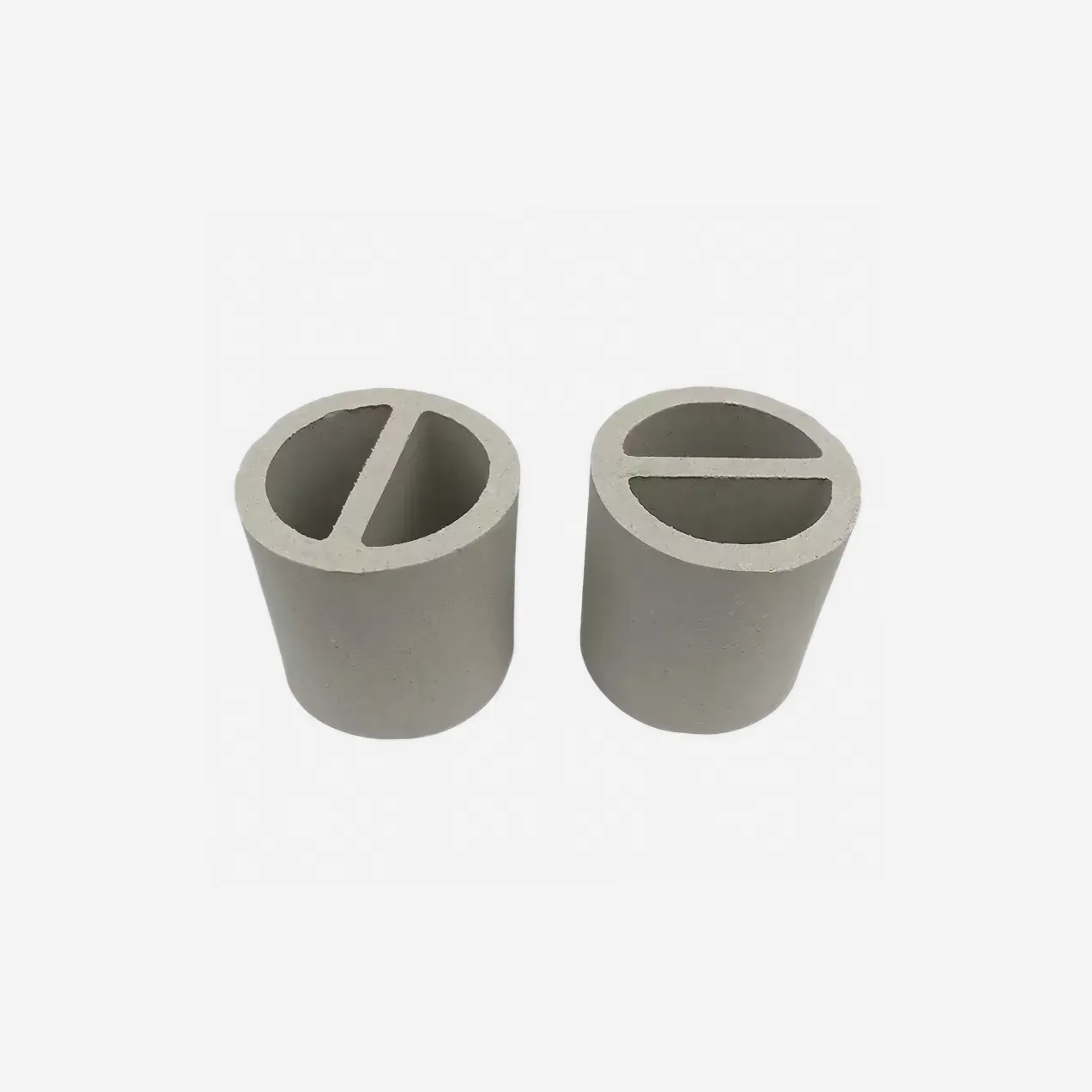
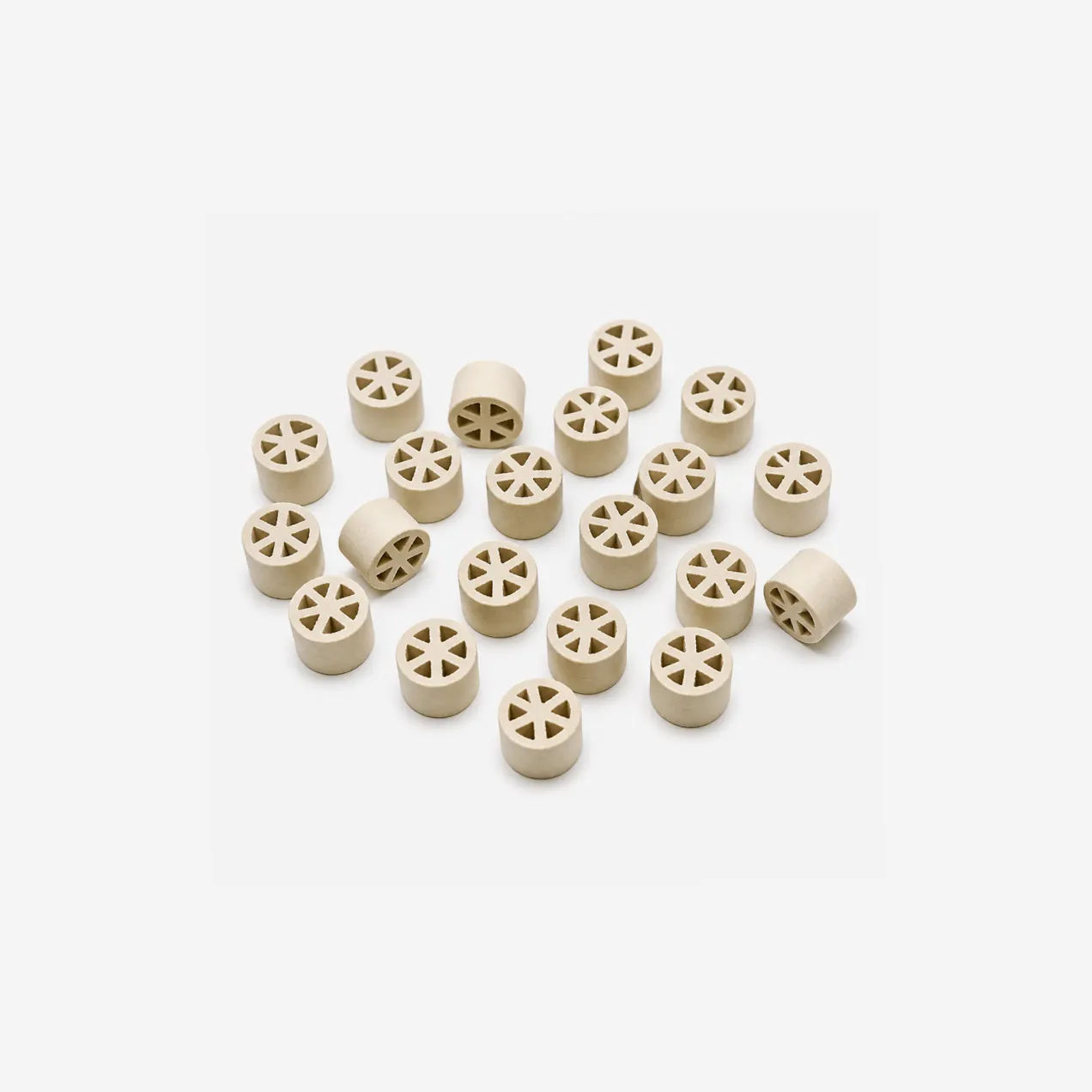
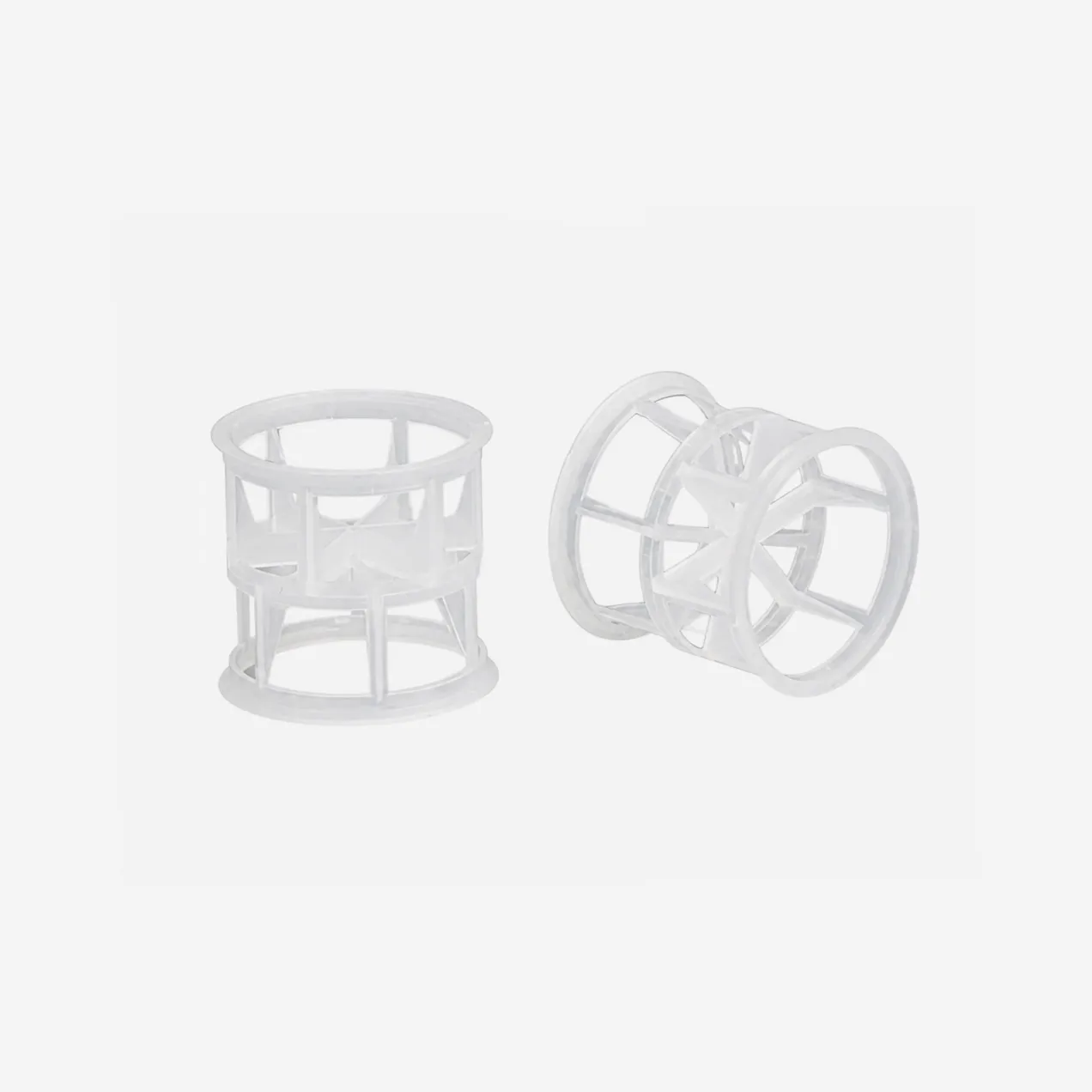
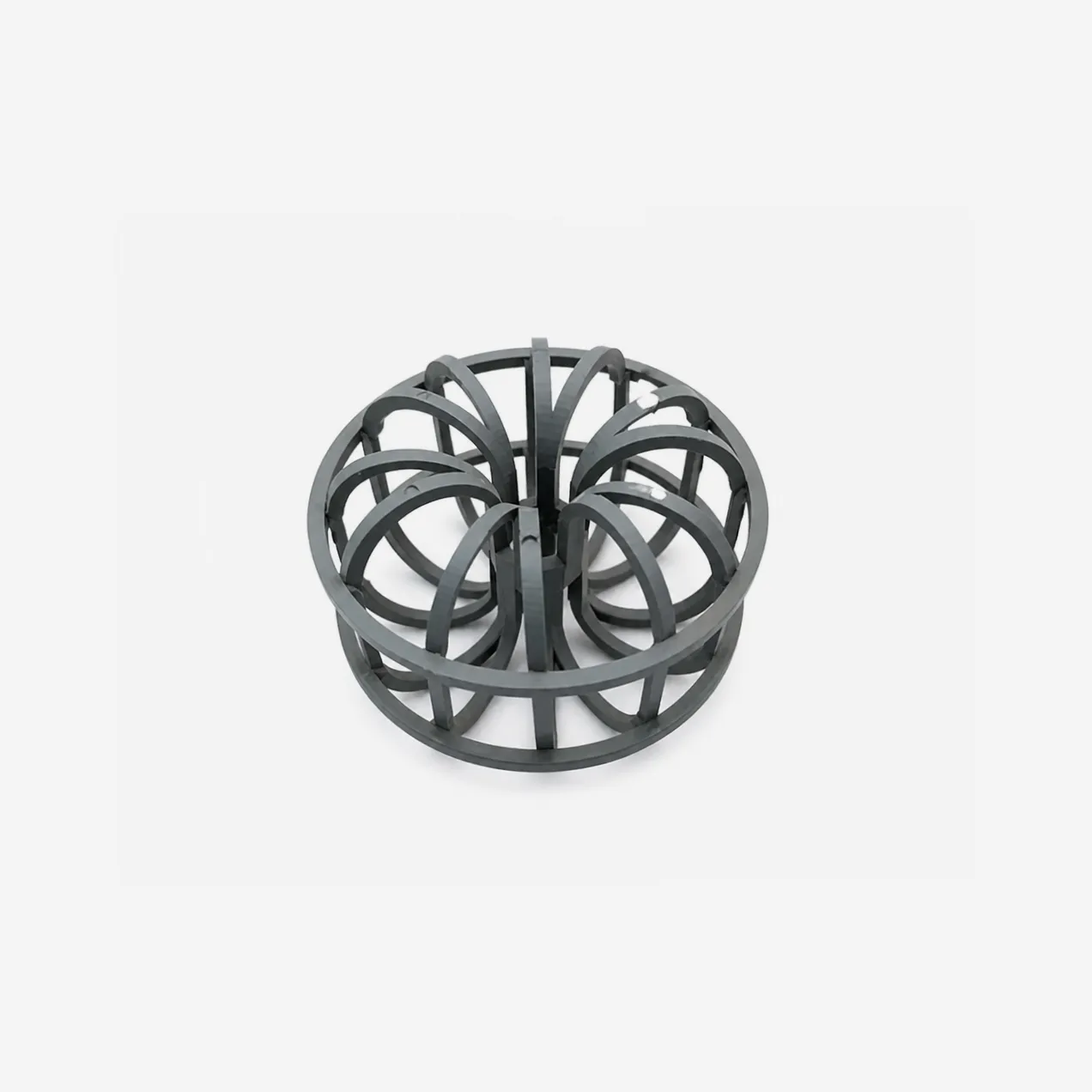
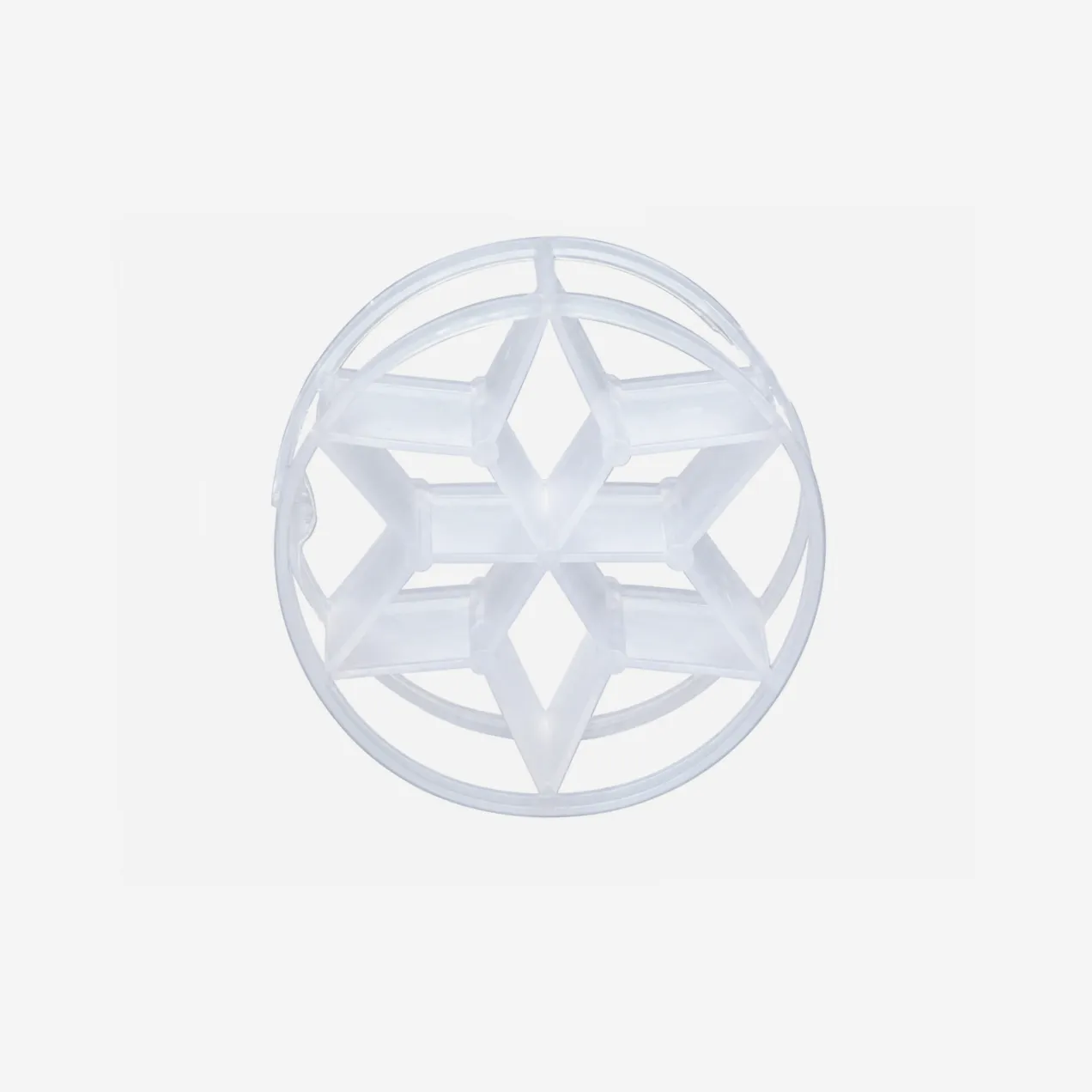
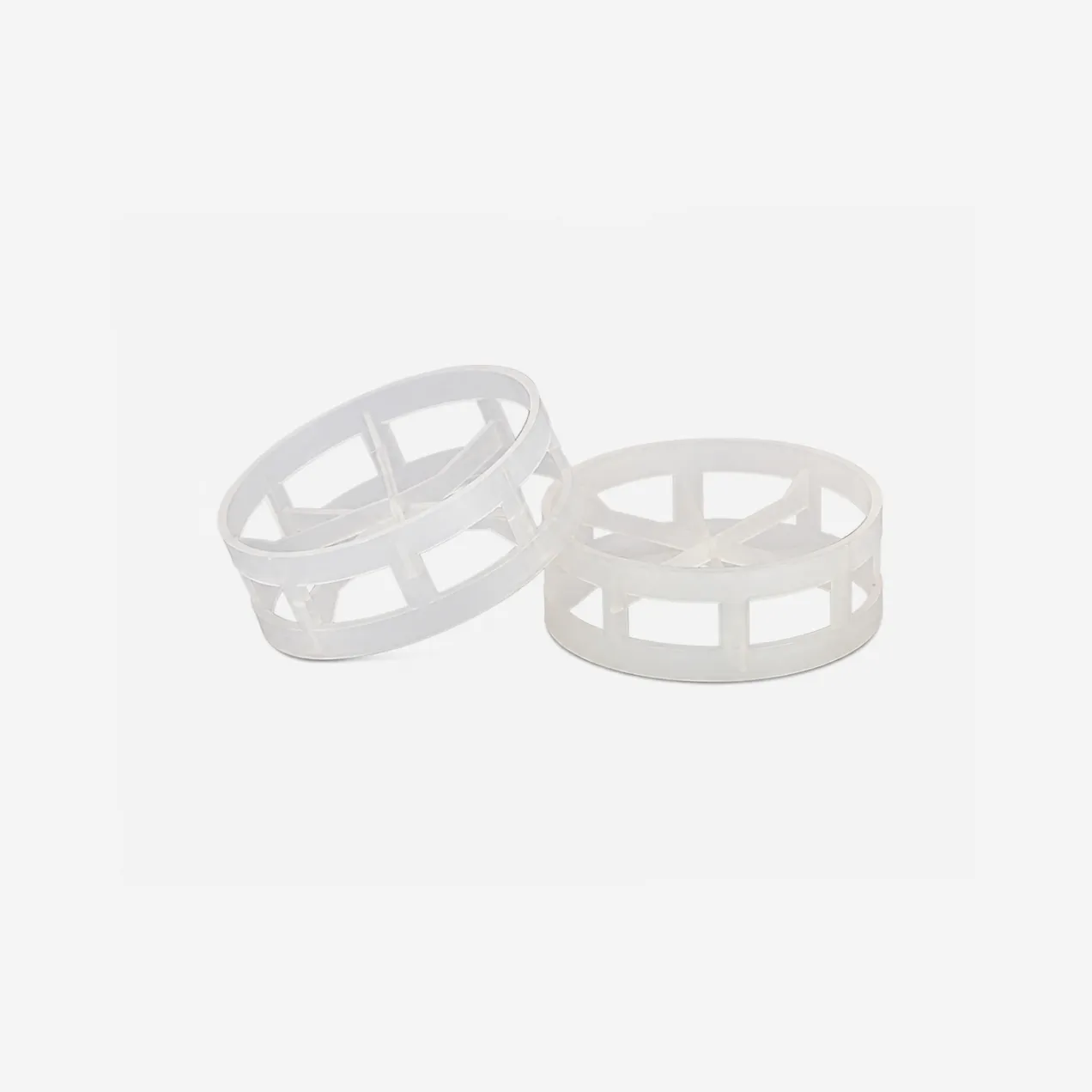
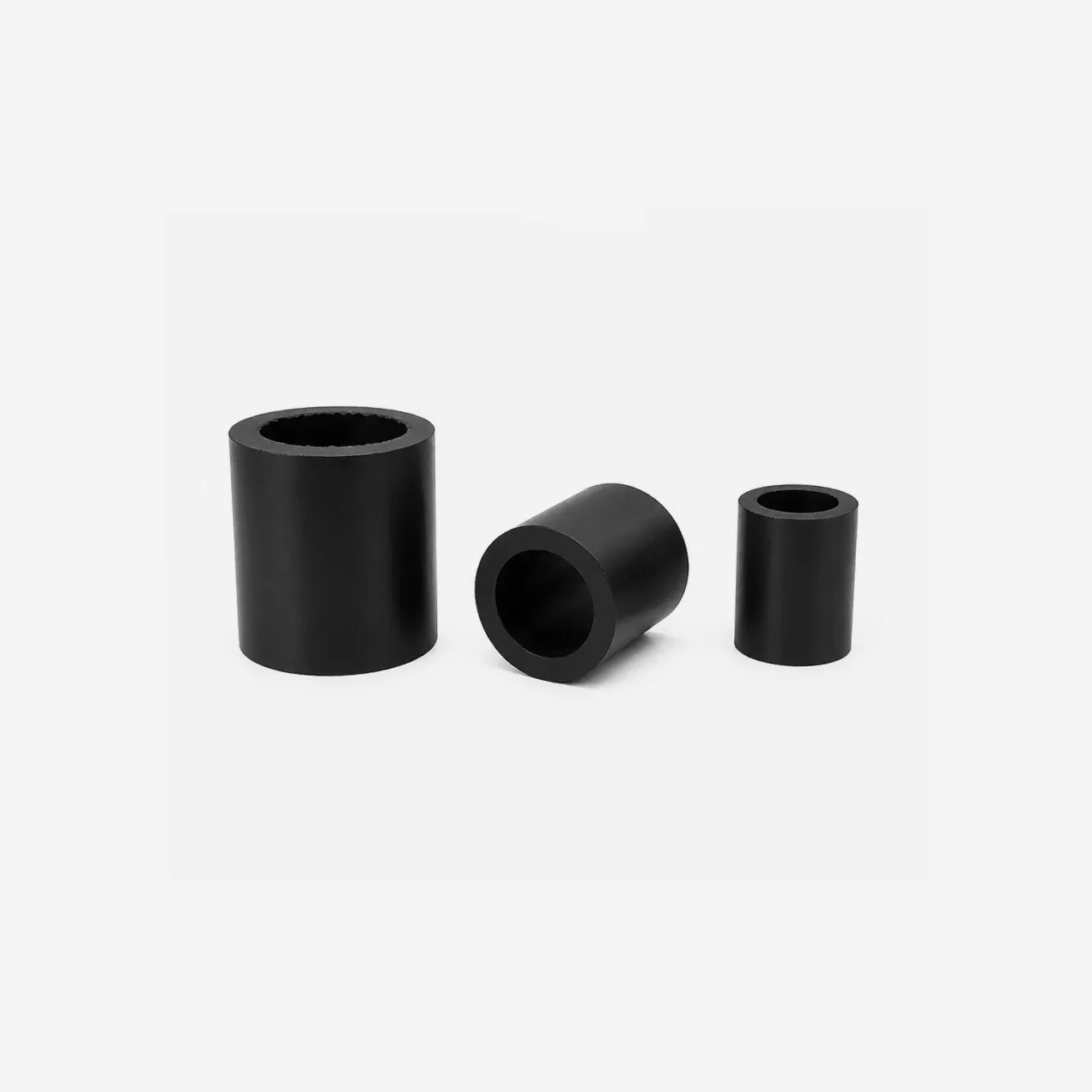
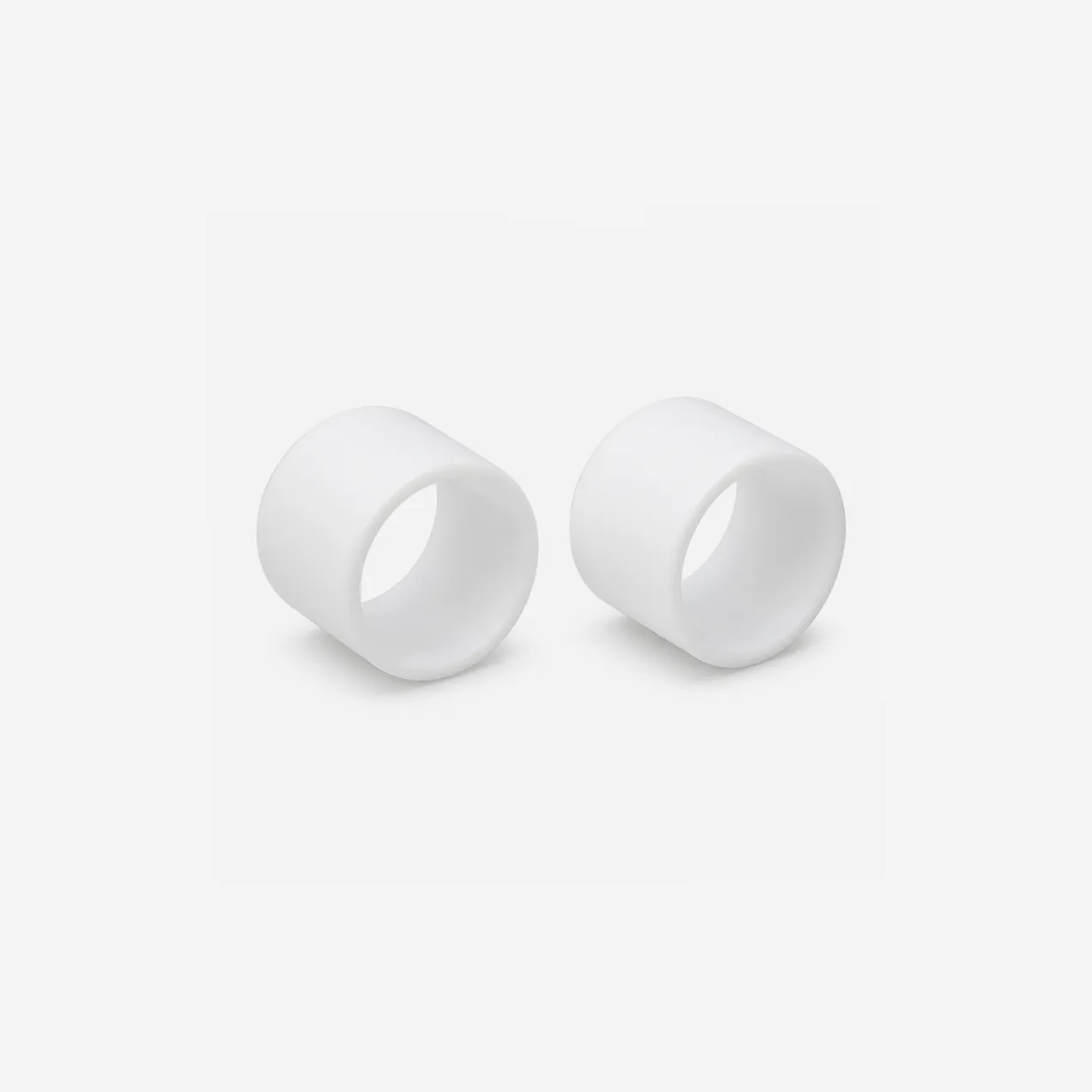
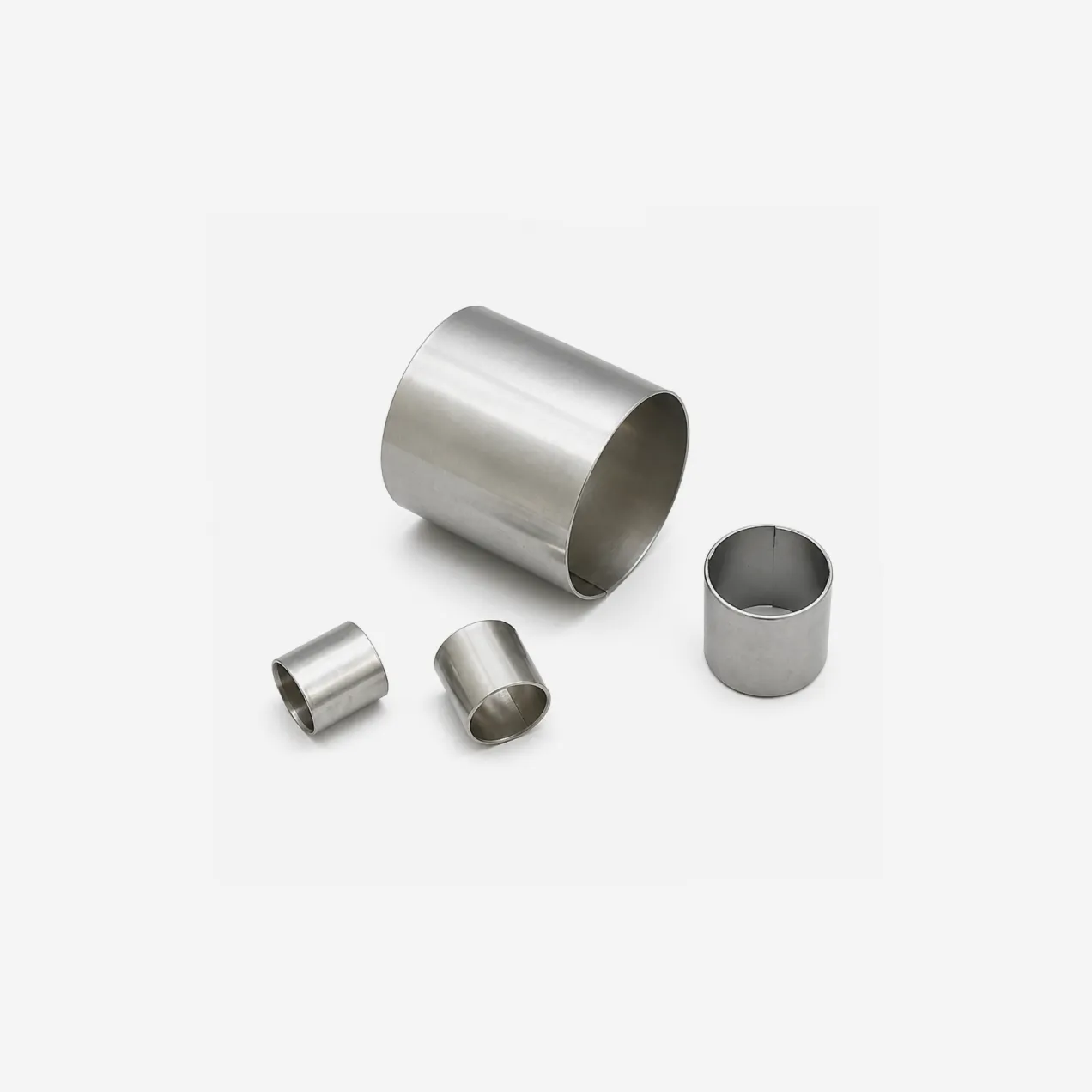
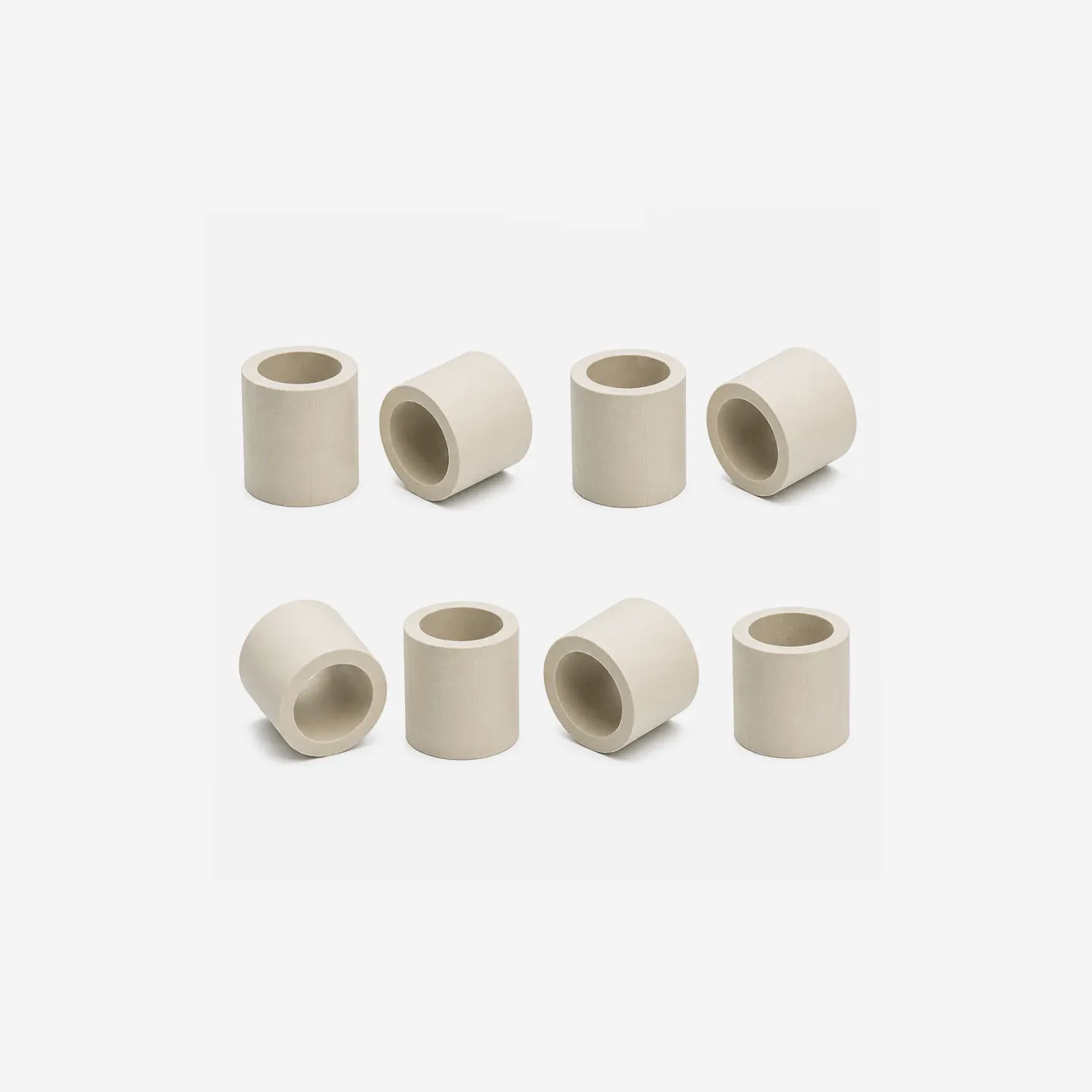
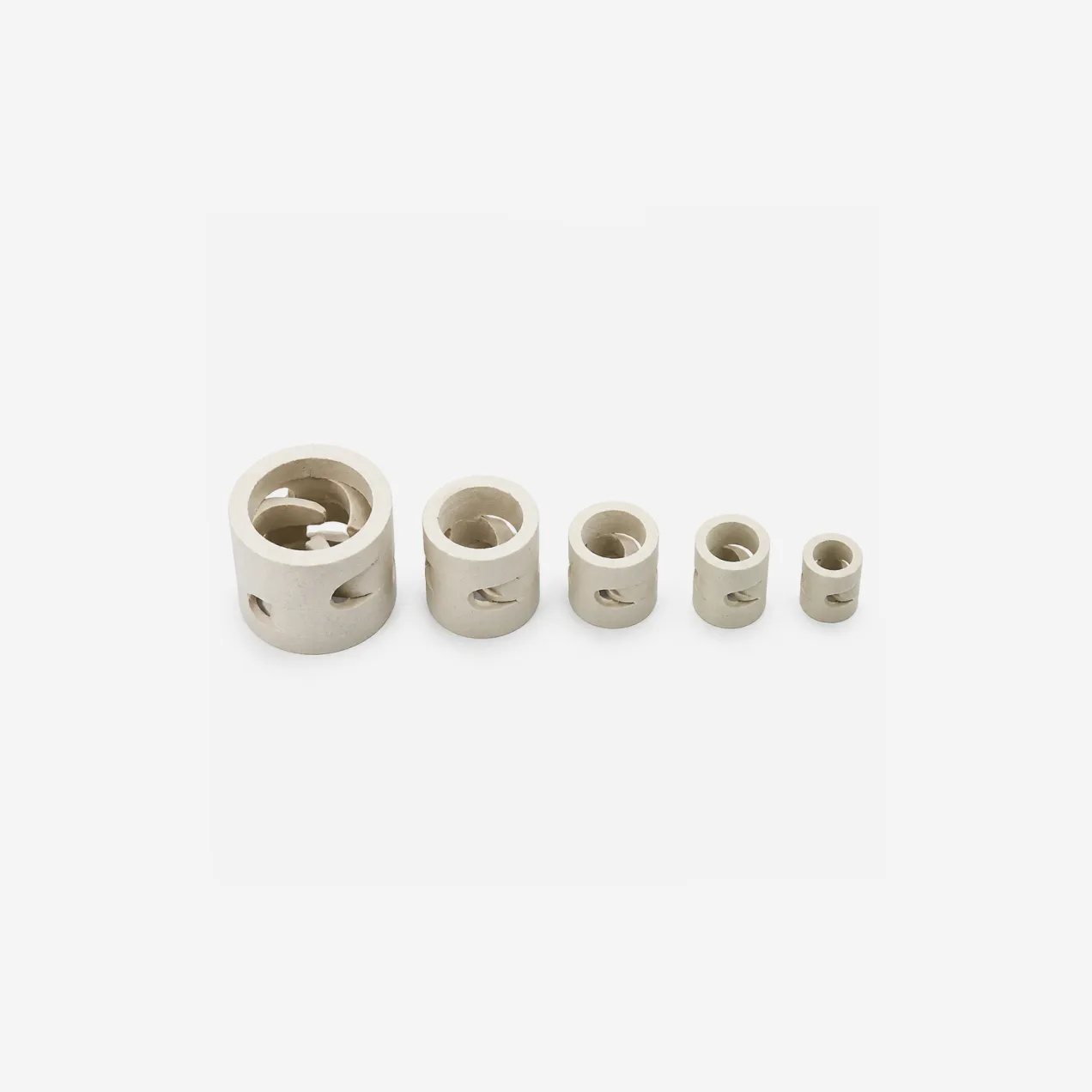
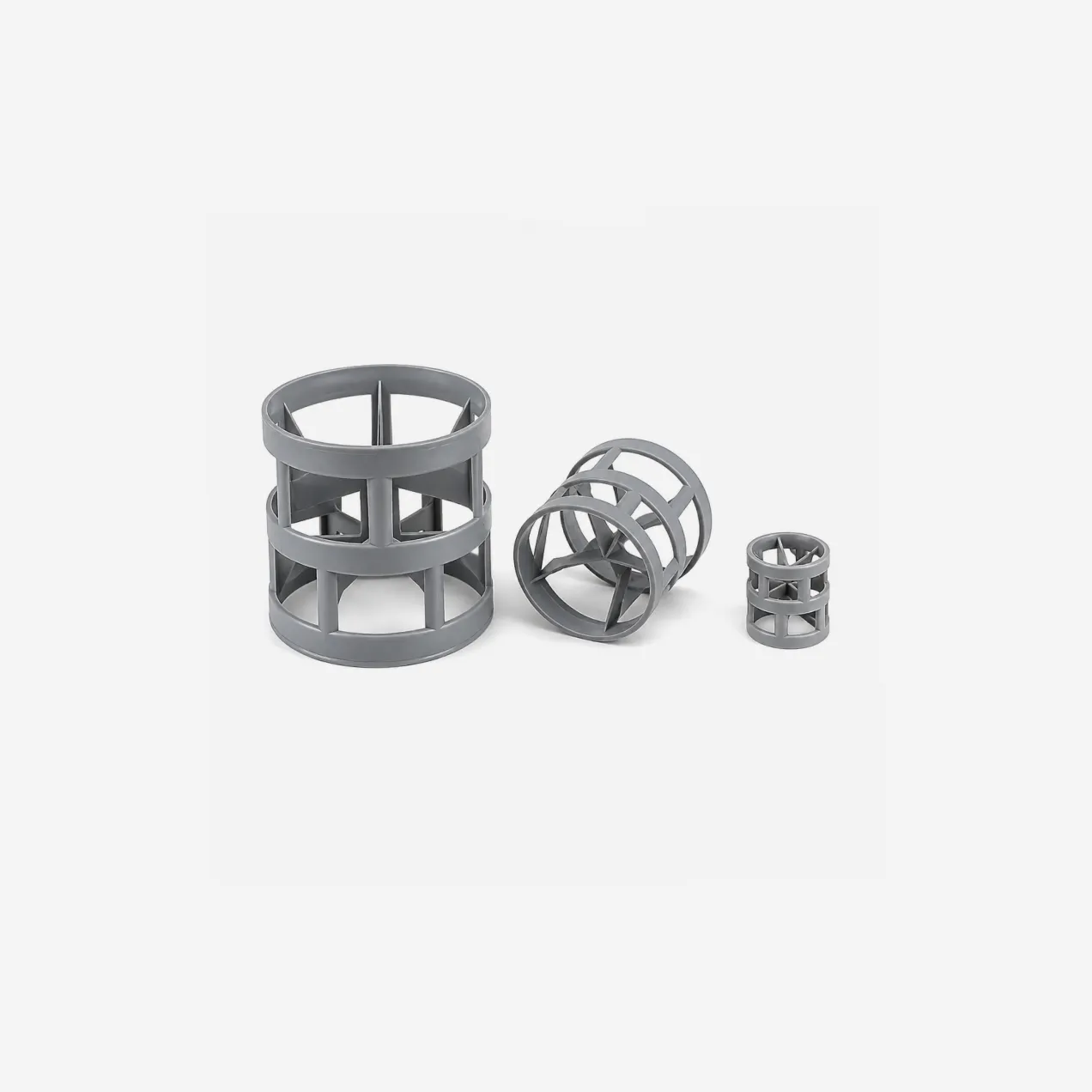
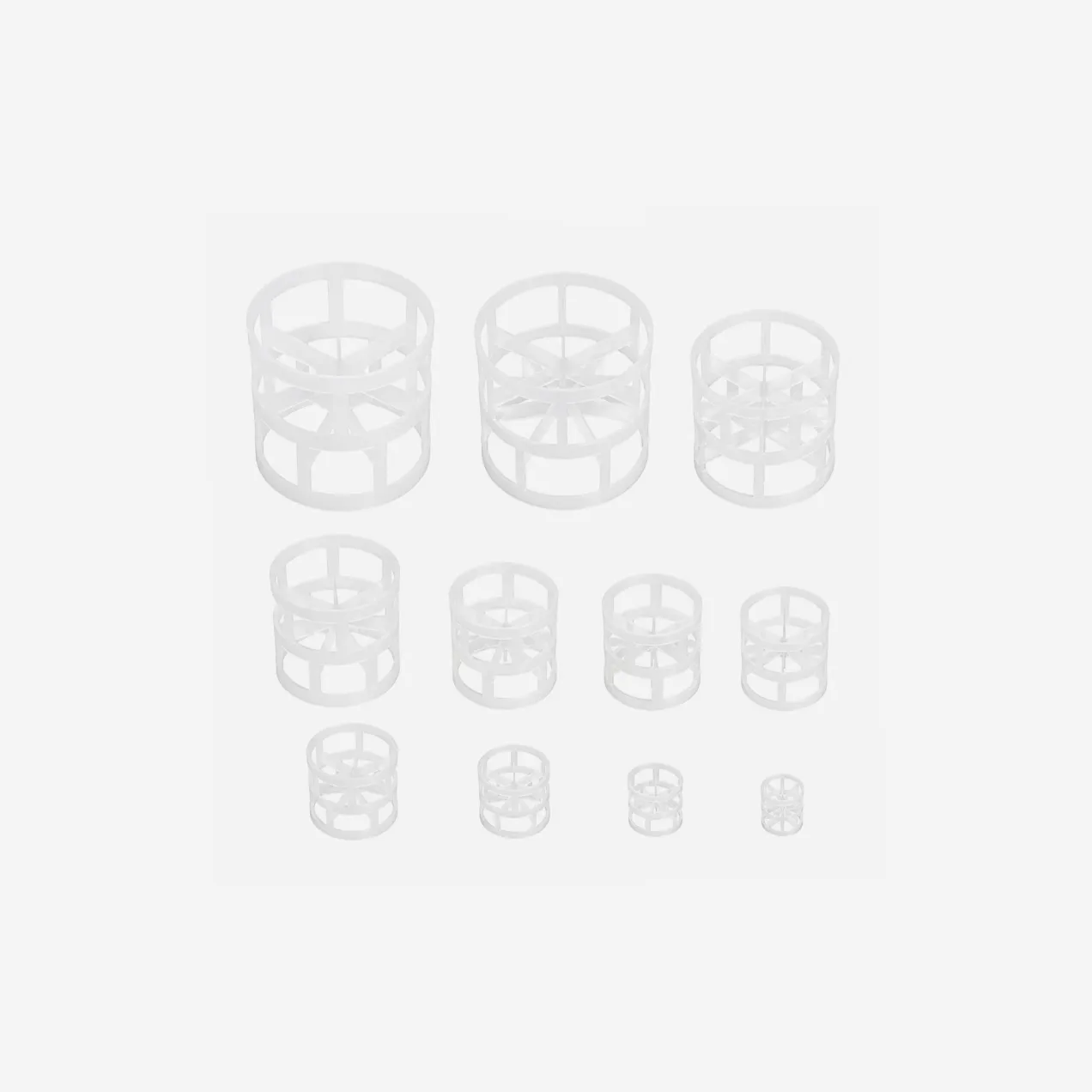
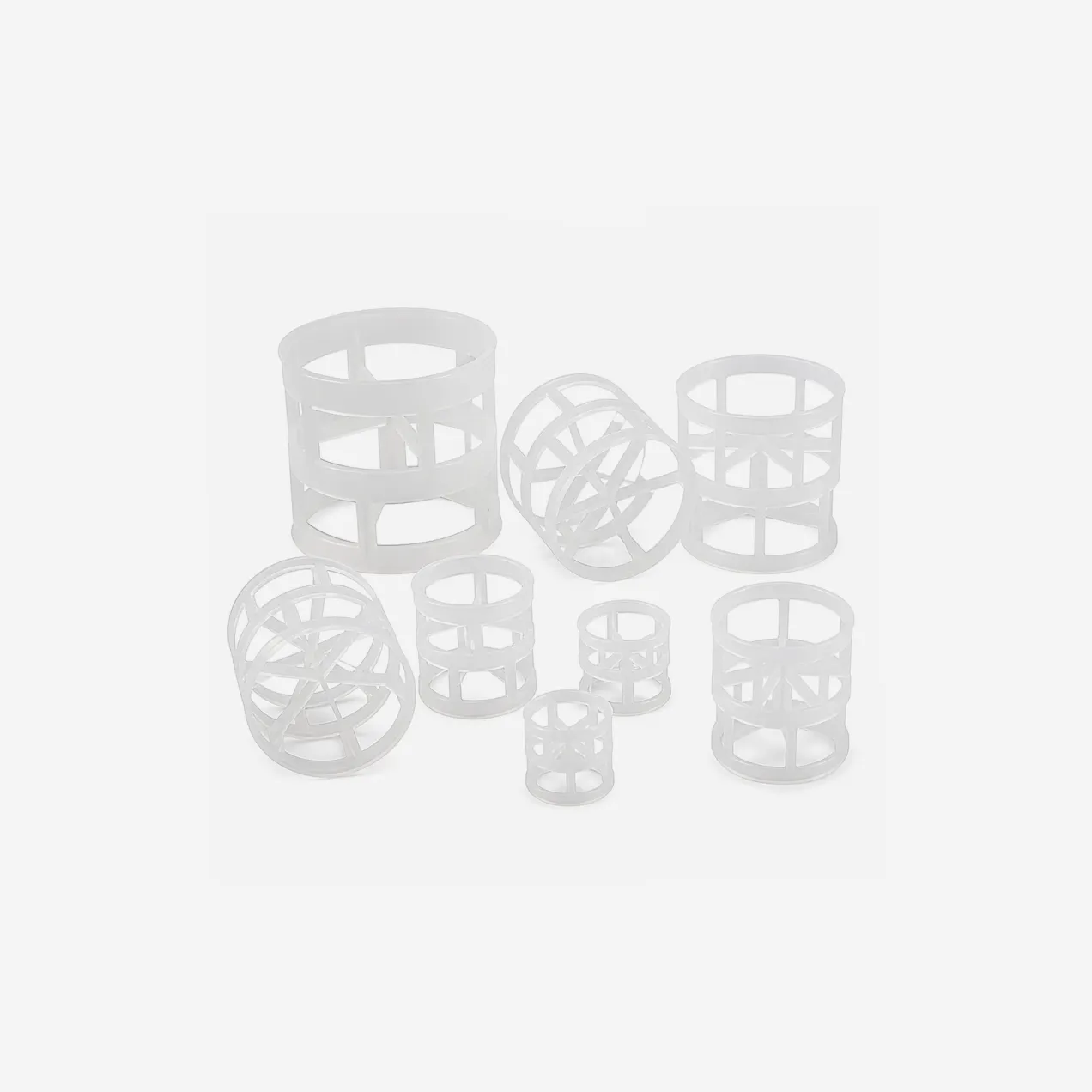
Ceramic Raschig ring is the original random tower packing: a simple hollow ceramic cylinder, as tall as it is wide, with a plain thick wall and no windows. That basic shape makes it the most rugged and lowest-cost ceramic packing, giving a good gas-liquid contact area at a modest pressure drop. Fired from alumina, porcelain or chemical stoneware, it resists strong acids and alkalis and stays stable in continuous heat up to around 1000°C, so it has long been the standard for acid absorption, drying and reaction towers. It gives up some capacity to the windowed Pall ring but wins on simplicity, wall strength and price. We make it in sizes from 16 to 80 mm.
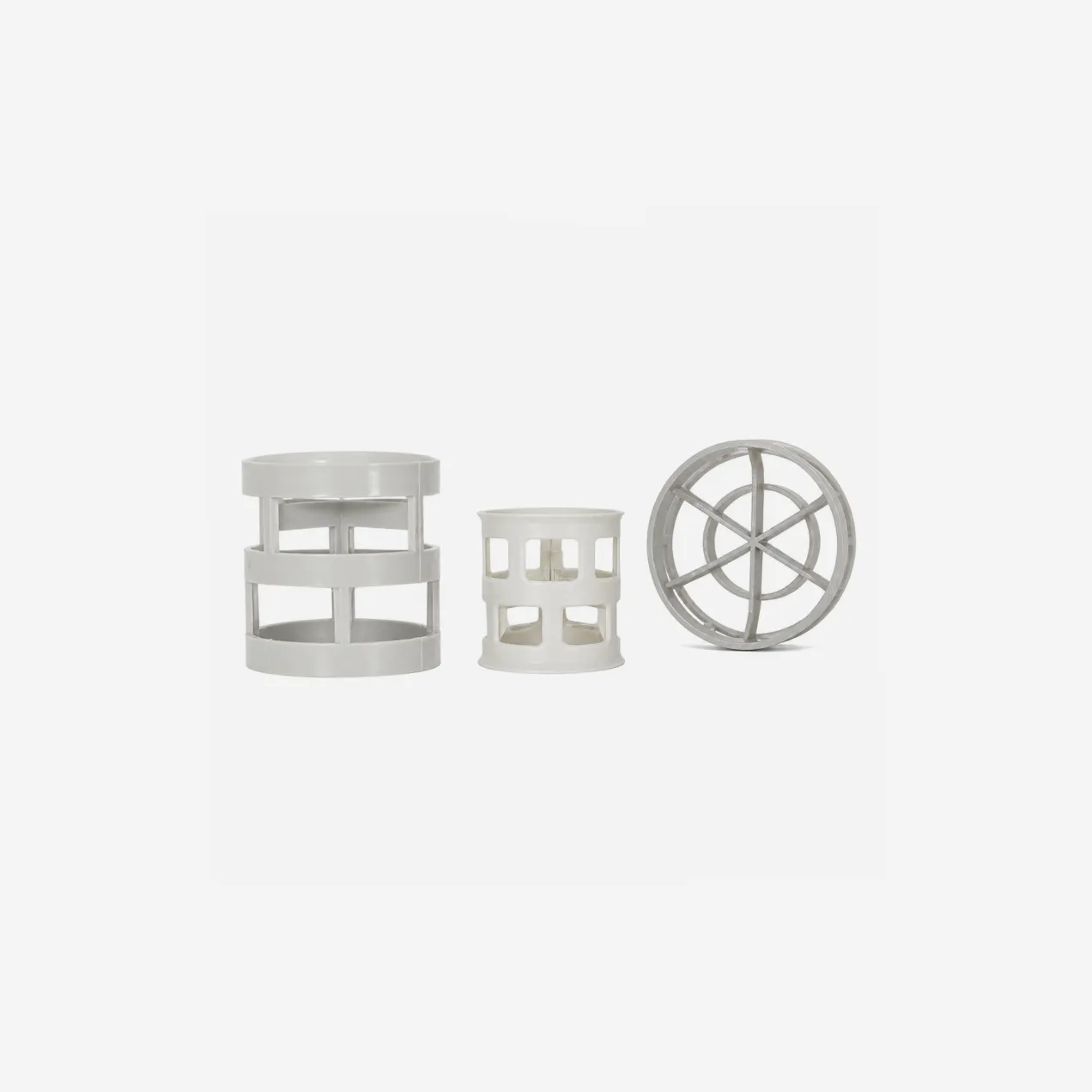
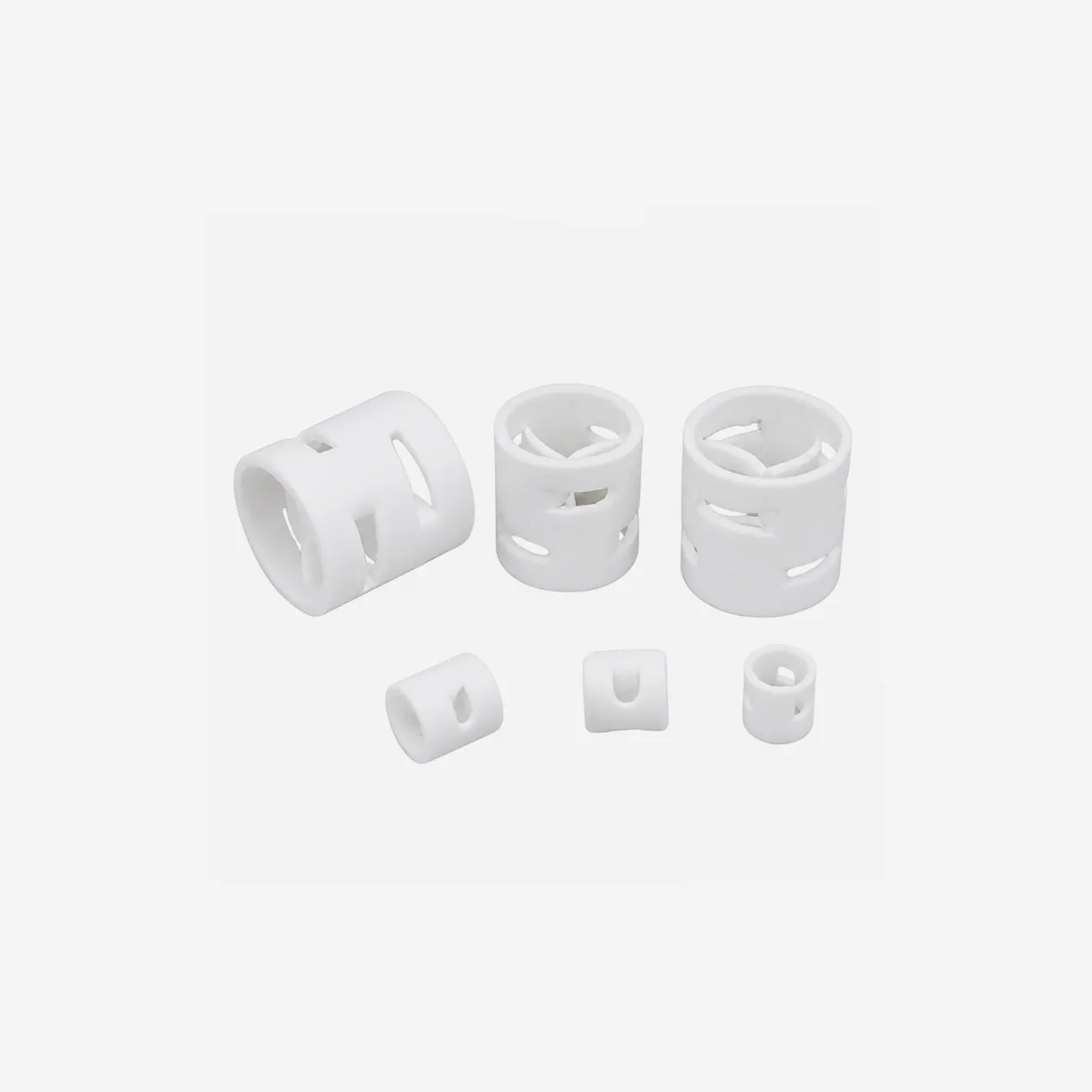
  • The original hollow-cylinder packing — simple, thick-walled and very robust.
  • Fired ceramic (alumina / porcelain / stoneware) — chemically inert and non-combustible.
  • Resists strong acids and alkalis; only HF and hot caustic are real threats.
  • Continuous heat to about 1000°C, with low thermal expansion.
  • Lowest-cost ceramic packing; also laid as a support or hold-down layer. Sizes 16-80 mm.

Technial Parameters

Size (mm)Specific surface area (m²/m³)Void fractionBulk density (kg/m³, approx.)
16≈305≈72%≈700
25≈190≈73%≈680
38≈150≈74%≈600
50≈120≈75%≈600
80≈76≈76%≈550


PropertyValue
Product TypeCeramic random packing (Raschig ring)
MaterialFired ceramic (alumina / porcelain / chemical stoneware)
Model NO.RJ-1925
ColourLight grey
Standard Sizes16, 25, 38, 50, 80 mm (6–100 mm available)
ShapePlain hollow cylinder, height ≈ diameter, solid wall
Void FractionAbout 72–76%
Max Service TemperatureUp to about 1000 °C (grade-dependent)
Chemical ResistanceStrong acids, alkalis, organic solvents (not HF or hot caustic)
StrengthsSimple, thick-walled, robust; high compressive strength; low thermal expansion; lowest-cost ceramic packing
LimitationsBrittle; lower capacity and more channelling than a Pall ring
ApplicationsAcid absorption / drying towers, sulphuric and oleum plants, BTX distillation, ammonia scrubbing; support layer
TrademarkRONGJIAN
OriginChina
HS Code6909110000
Transport PackageCarton box / ton bag / steel drum

FAQs

What is a ceramic Raschig ring used for?

Ceramic Raschig ring is one of the oldest and simplest random packings, and it is still a workhorse of hot, acidic towers. It is used for gas absorption and scrubbing — removing sulphur dioxide, hydrogen chloride or ammonia — for reaction towers running nitration or sulphonation, and for distilling azeotropes and high-purity or high-temperature streams. Being ceramic, it resists strong acids and very high heat, so it suits sulphuric acid and oleum plants, BTX distillation, HF alkylation and chlorine processing. It is also commonly laid as a robust support or hold-down layer beneath lighter, more efficient packing. Where a tower is hot and corrosive and simplicity and cost matter, the ceramic Raschig ring fits.

How is a Raschig ring different from a Pall ring?

A Raschig ring is the original design: a plain hollow ceramic cylinder, as tall as it is wide, with a solid wall and nothing else. The Pall ring came later as an improvement on it — the same cylinder, but with rows of windows punched in the wall and the cut tongues bent inward. Those openings let gas and liquid pass through the ring rather than only around it, so a Pall ring has more open volume, a lower pressure drop, better liquid spreading and higher capacity. A Raschig ring gives up some of that performance, and it is a little more prone to liquid running down the wall, but in return it is simpler, thicker-walled and mechanically very tough, and it costs less. For robust, low-cost duty, especially as a support layer or in aggressive acid service, the Raschig ring still earns its place.

What temperature and chemicals can ceramic Raschig rings handle?

Ceramic Raschig rings are fired from alumina, porcelain or chemical stoneware, and they take extreme heat — continuous service up to around 1000 degrees, depending on the grade — far beyond any plastic or common metal. Chemically they are inert to strong acids such as hydrochloric and sulphuric, to alkalis, and to organic solvents, with only hydrofluoric acid and hot strong caustic posing a real threat. They also have low thermal expansion and high resistance to deformation and wear under load. A standard stoneware grade covers a full pH range for most acids; for the most extreme conditions, such as molten salts, a high-alumina 99 percent grade is used. This mix of heat and acid resistance is exactly why ceramic remains the material of choice for acid towers.

What sizes are available and how do I choose?

Ceramic Raschig rings come in diameters from about 6 up to 100 mm, and the size is chosen to balance separation against flow. Smaller rings, roughly 6 to 25 mm, pack more surface area into the column and give sharper separation, so they suit high-purity distillation and absorption; larger rings, 50 to 100 mm, open the bed for high gas and liquid rates, so they suit big scrubbers where throughput and low pressure drop matter most. On material grade, standard stoneware handles the great majority of acid and alkali duties across the pH range, while a high-alumina grade is specified for the harshest service. Tell us the tower size, the duty and the chemistry and we will recommend the ring size and grade.

The Raschig ring is the packing that started it all: a simple hollow cylinder, roughly as tall as it is wide, made here in fired ceramic. It has no windows or tongues, just a plain thick wall, which makes it the most basic and most rugged random packing there is. Gas and liquid meet on the ring's surfaces and in the open bed between rings, giving a useful interfacial area at a modest pressure drop. Later designs such as the Pall ring cut openings into this same cylinder to lift capacity, but the plain Raschig ring keeps its own strengths: a thick wall that resists cracking, a simple robust shape, and the lowest cost among ceramic packings. In alumina, porcelain or chemical stoneware it withstands strong acids and continuous heat up to around 1000 degrees, which is why it has been the standard acid-tower packing for so long.

In practice it earns its keep across three broad kinds of duty:

ProcessExample use caseWhy ceramic Raschig
Gas absorptionAmmonia scrubbing in fertiliser plantsResists ammonia-induced corrosion
DistillationBenzene-toluene-xylene (BTX) separationHandles 150–200°C vapours
Chemical reactionOleum (H2SO4·SO3) productionTolerates concentrated sulphuric acid

Two limits are worth planning for. Being a simple cylinder, a Raschig bed is more prone to liquid channelling and wall-flow than a windowed packing, which is handled with good distributor plates or by layering a higher-efficiency packing above it. And like all ceramic it is brittle, so it needs careful loading and firm support, though modern alumina-reinforced grades are tougher. On sizing, small rings of 6 to 25 mm give high-purity separation while 50 to 100 mm rings suit high-flow scrubbers; standard stoneware covers the full acid and alkali range, and a high-alumina 99 percent grade takes on molten salts and other extreme conditions.