search
Search

Enter keywords to search for products, blog posts, and more.


Home > Super Raschig Ring

Super Raschig Ring
Super Raschig Ring

Super Raschig Ring

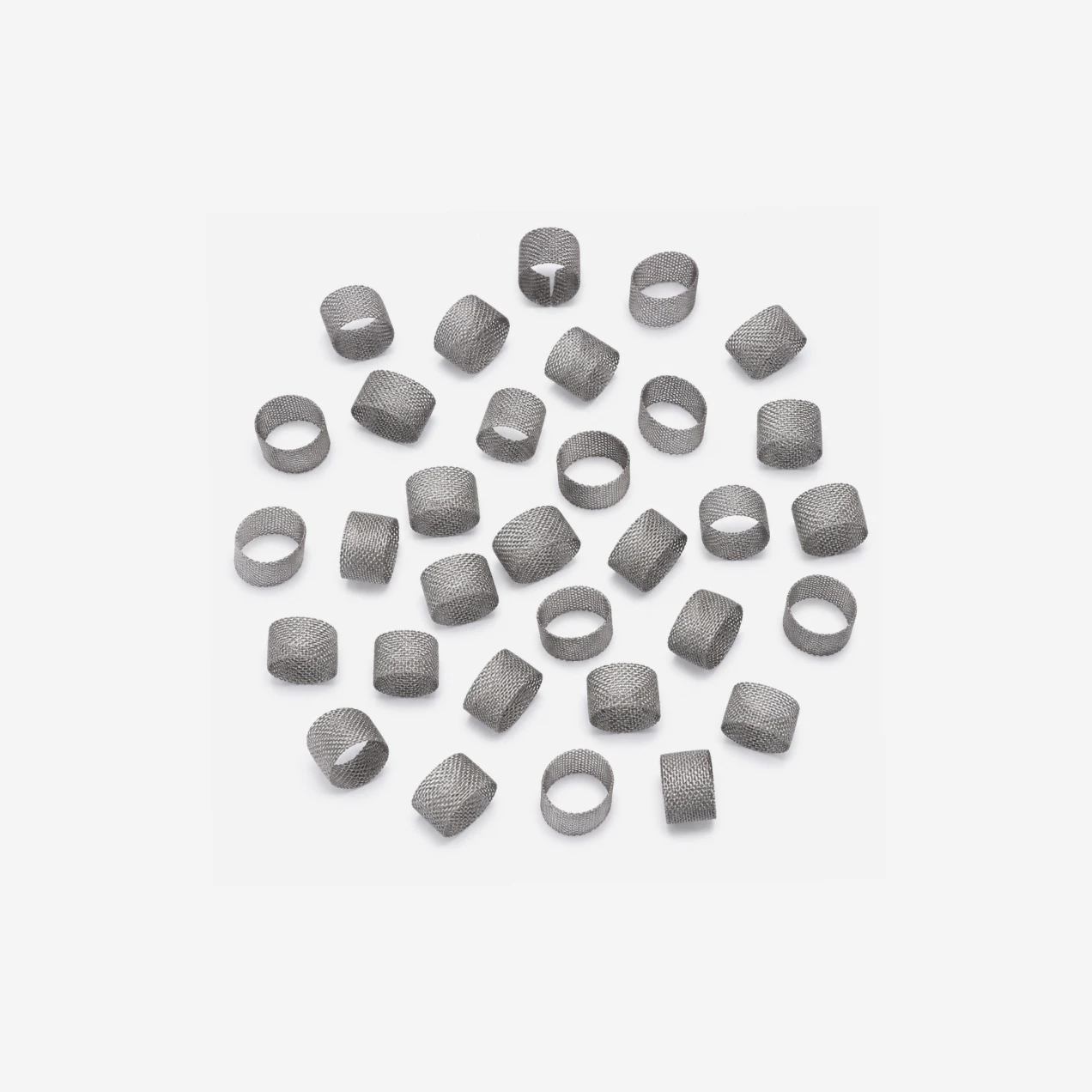
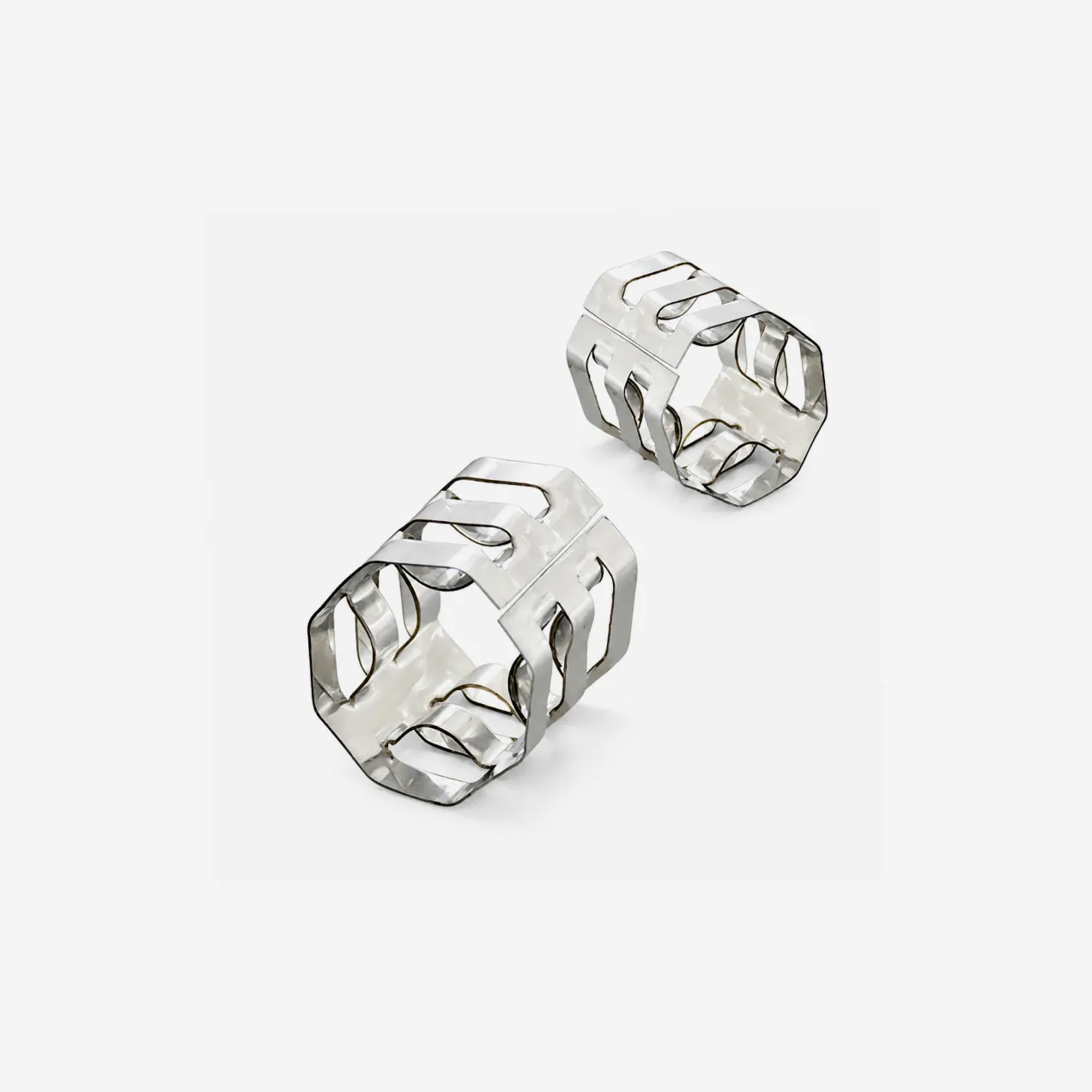
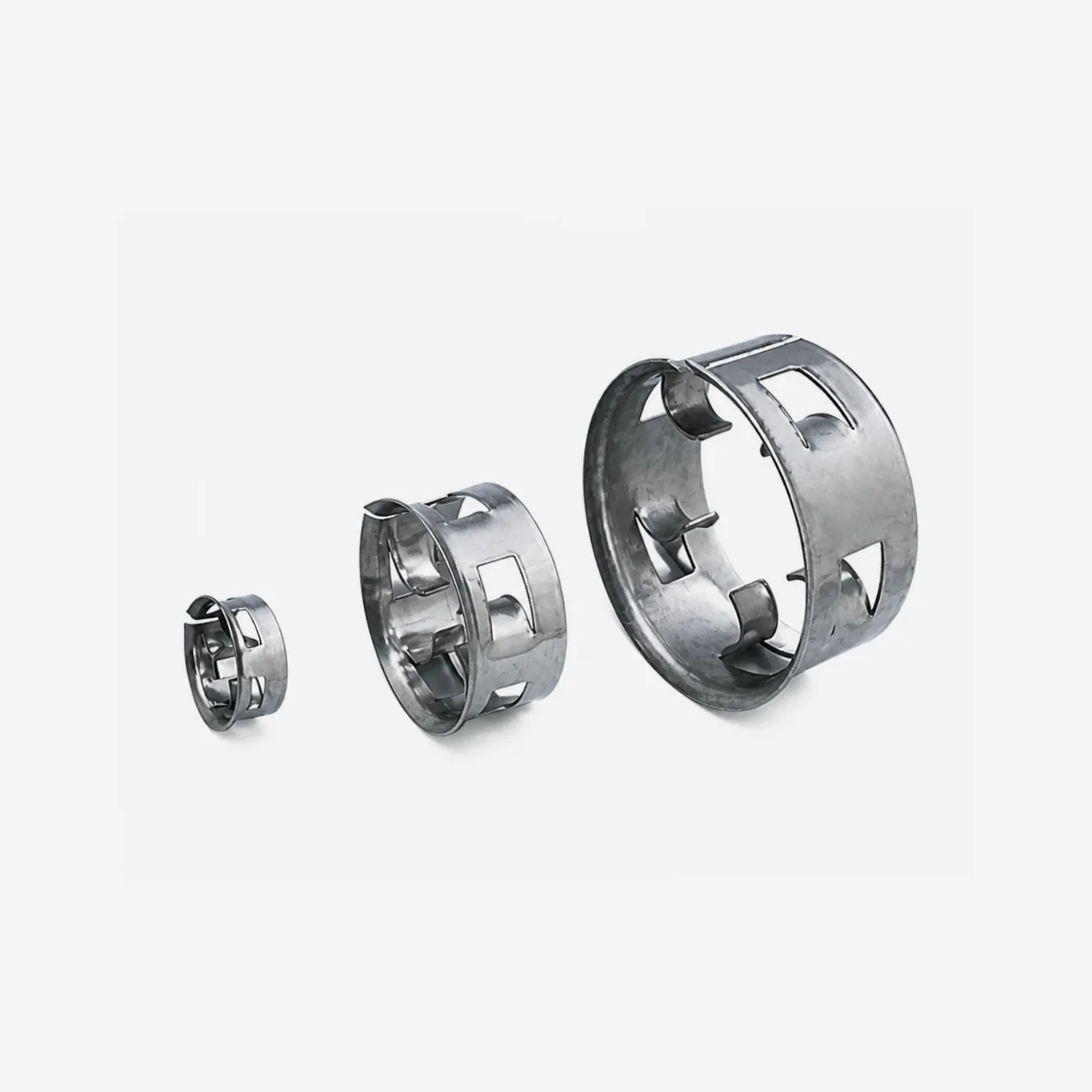
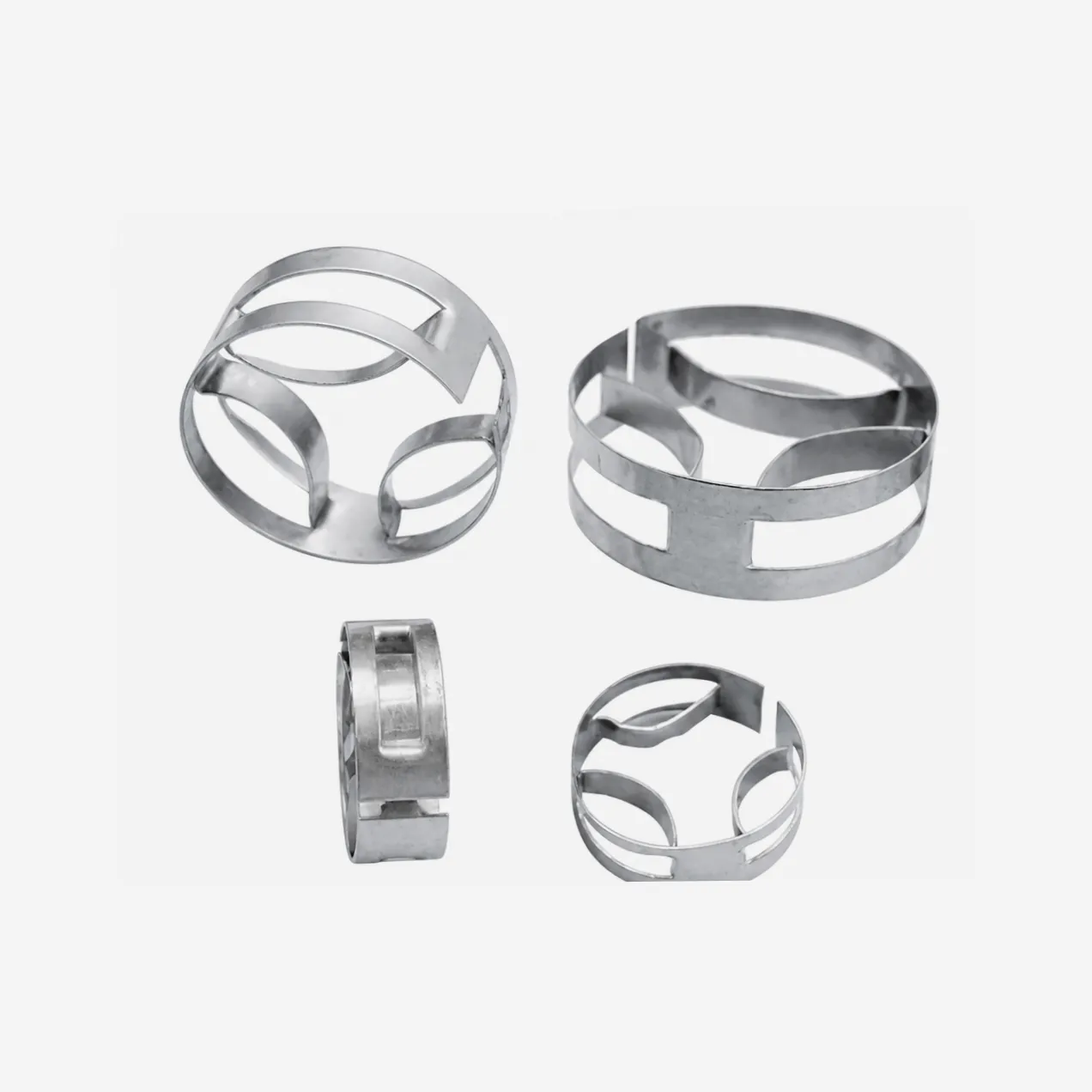
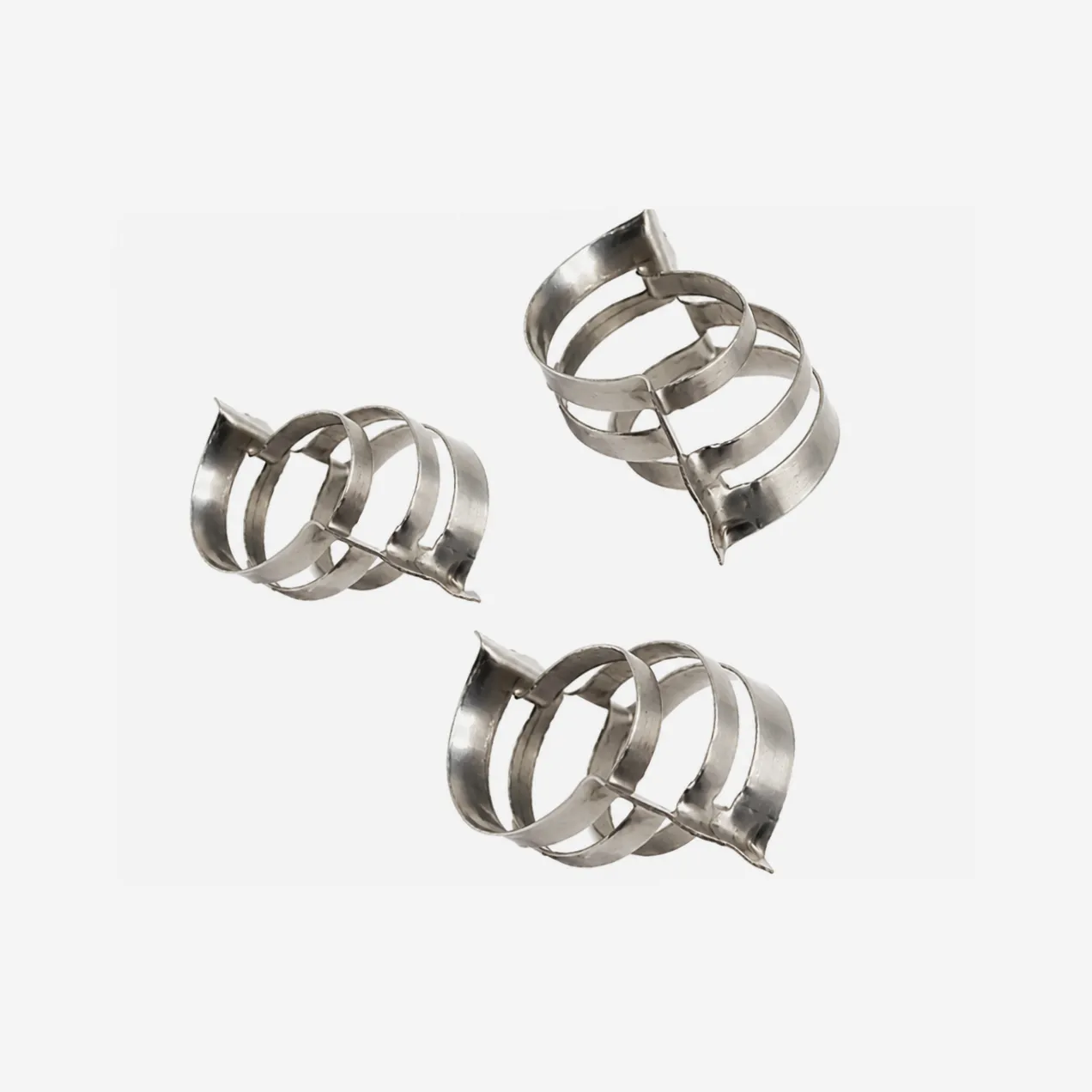
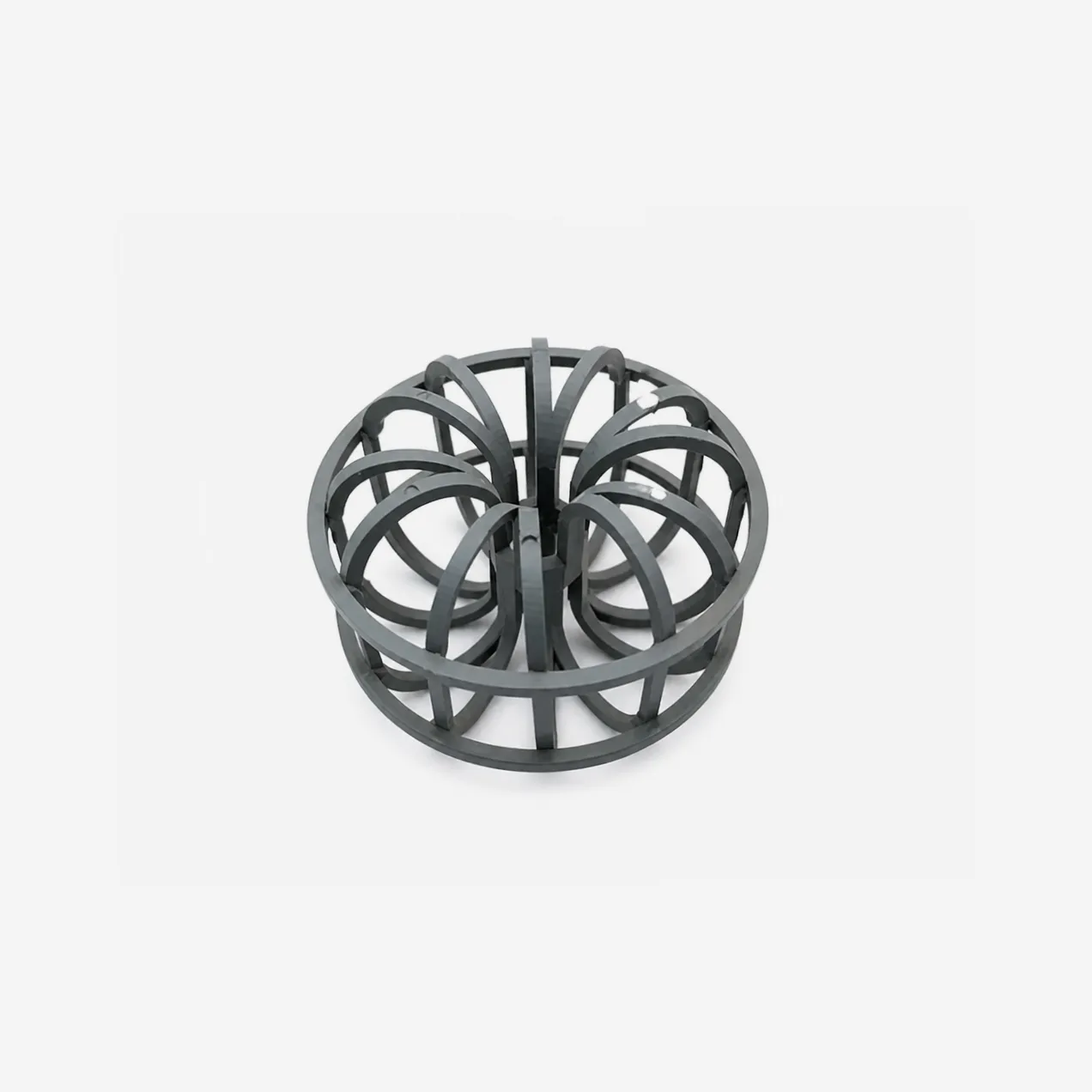
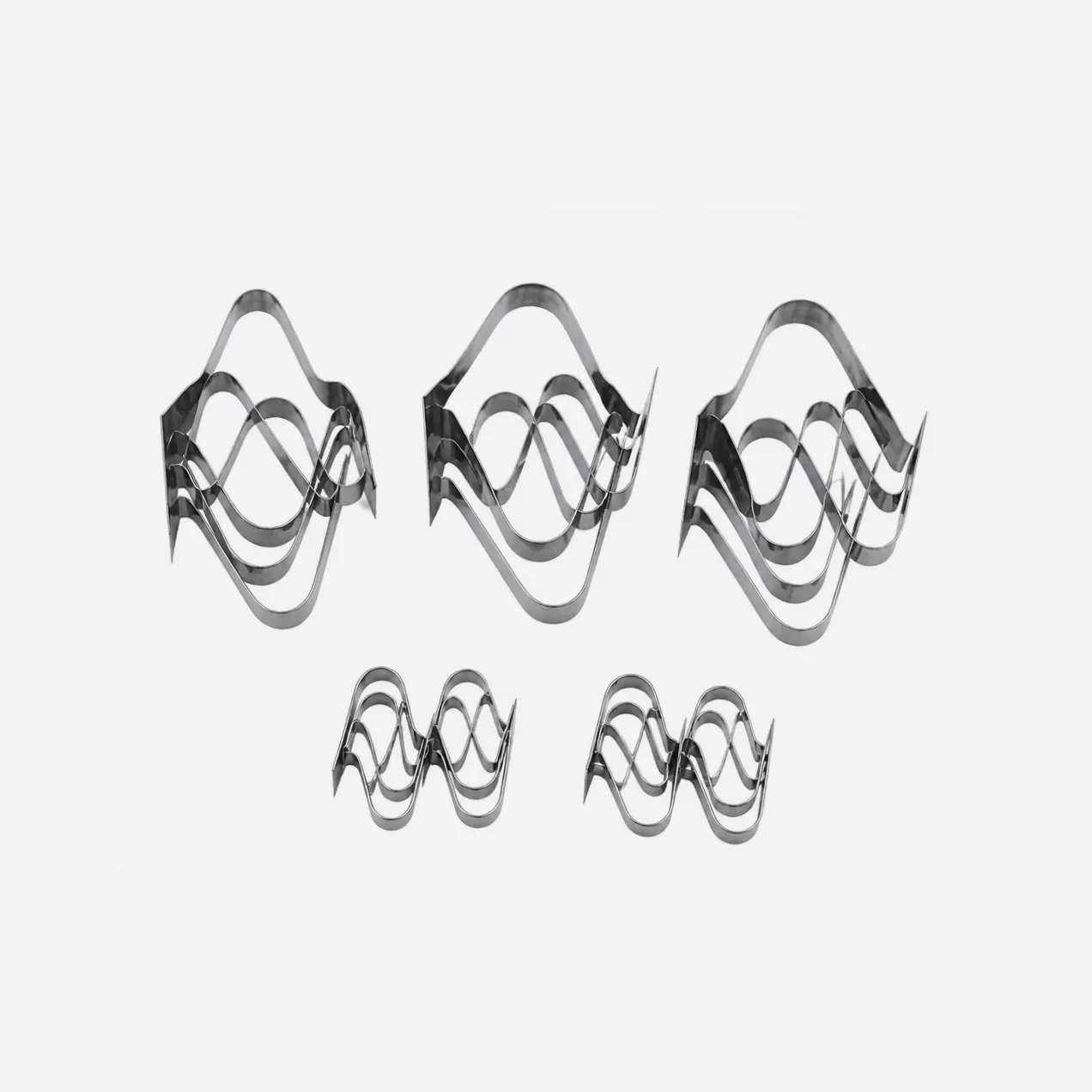
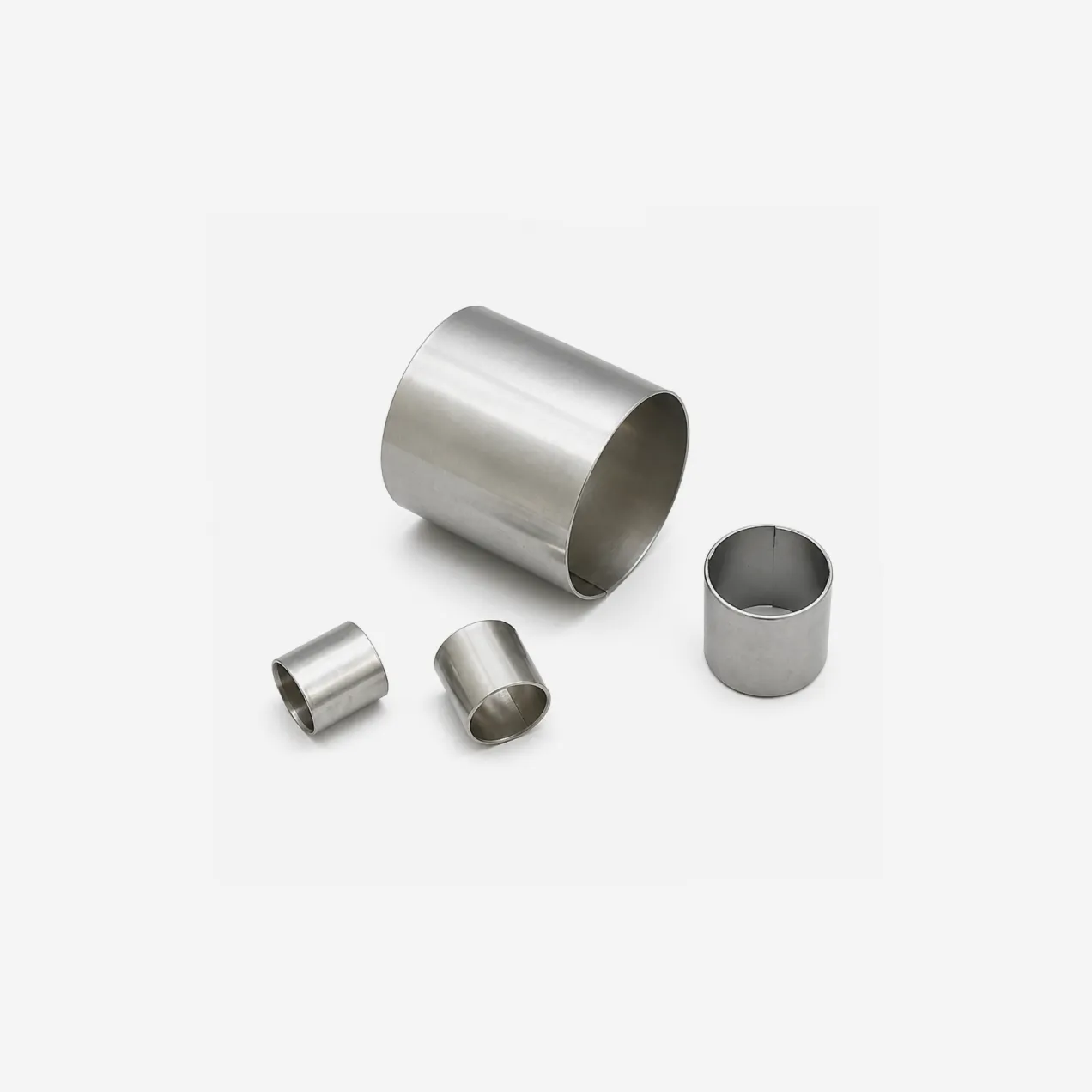
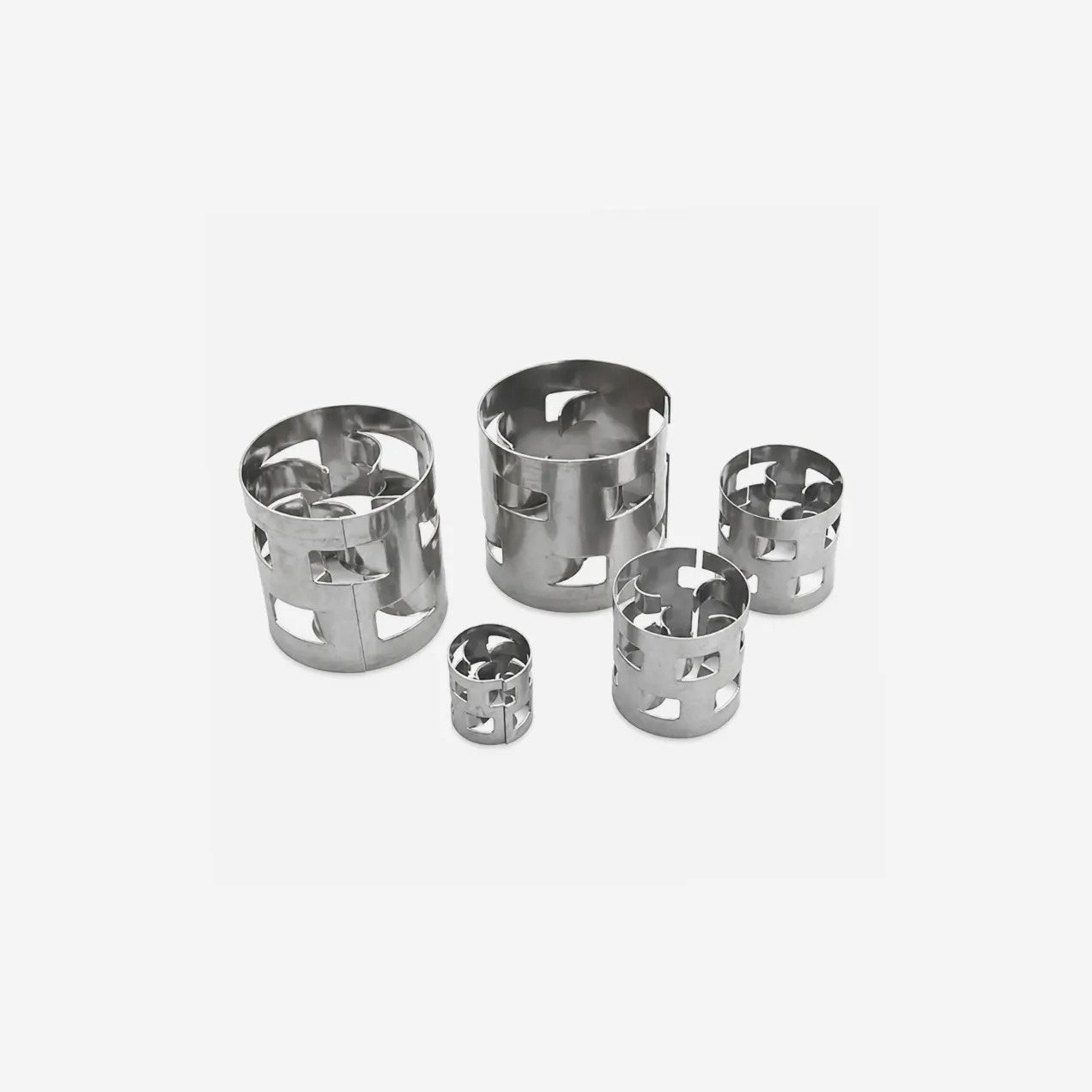
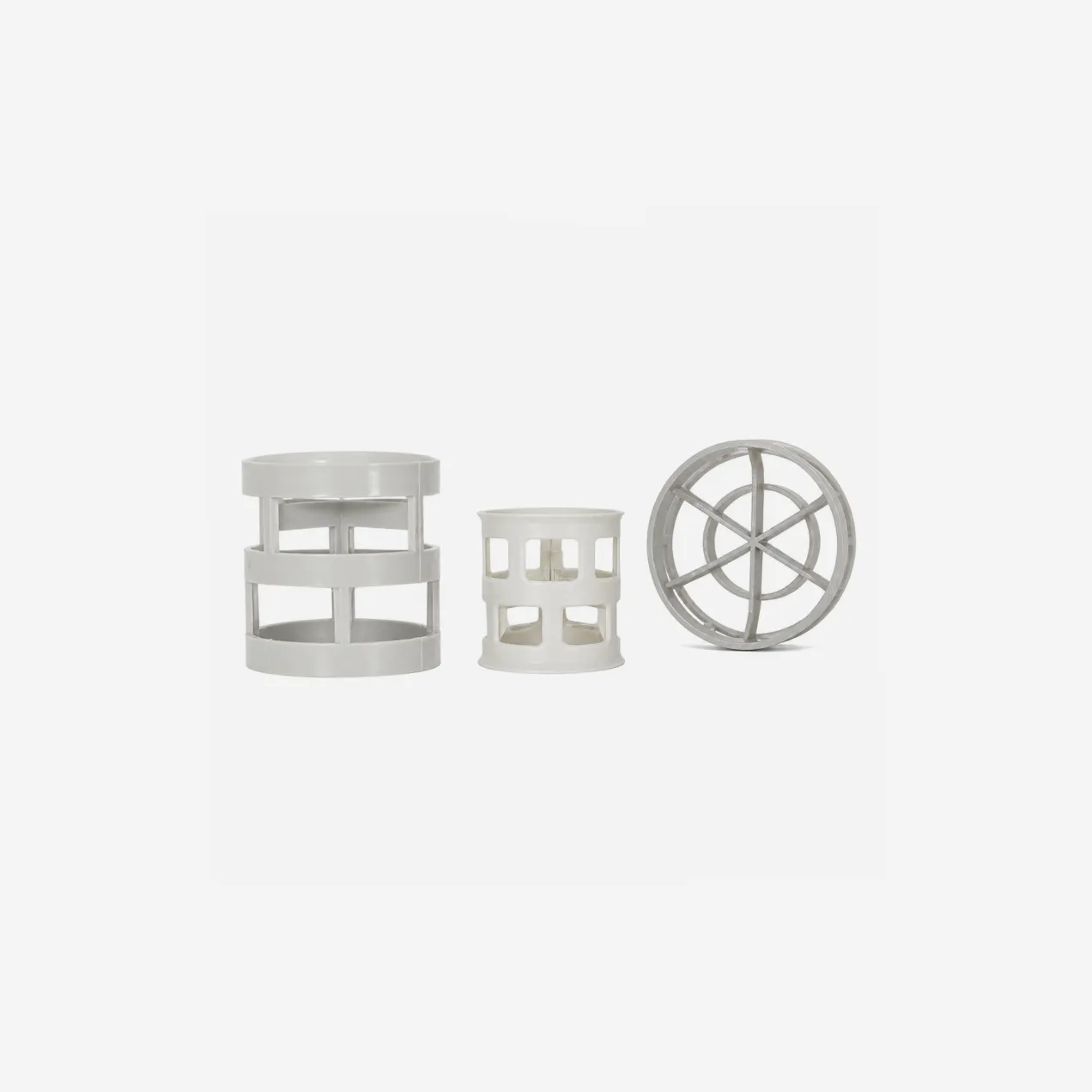
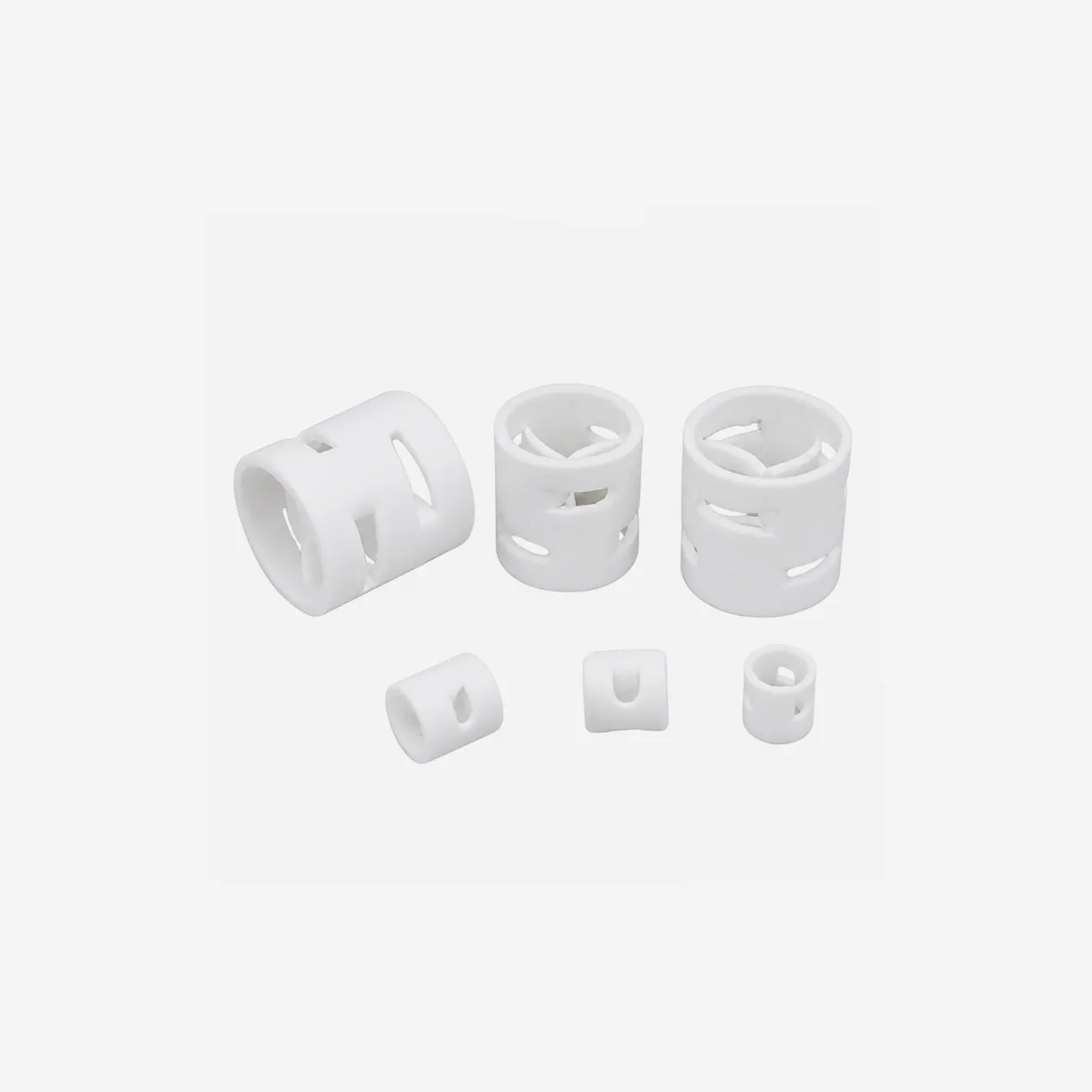
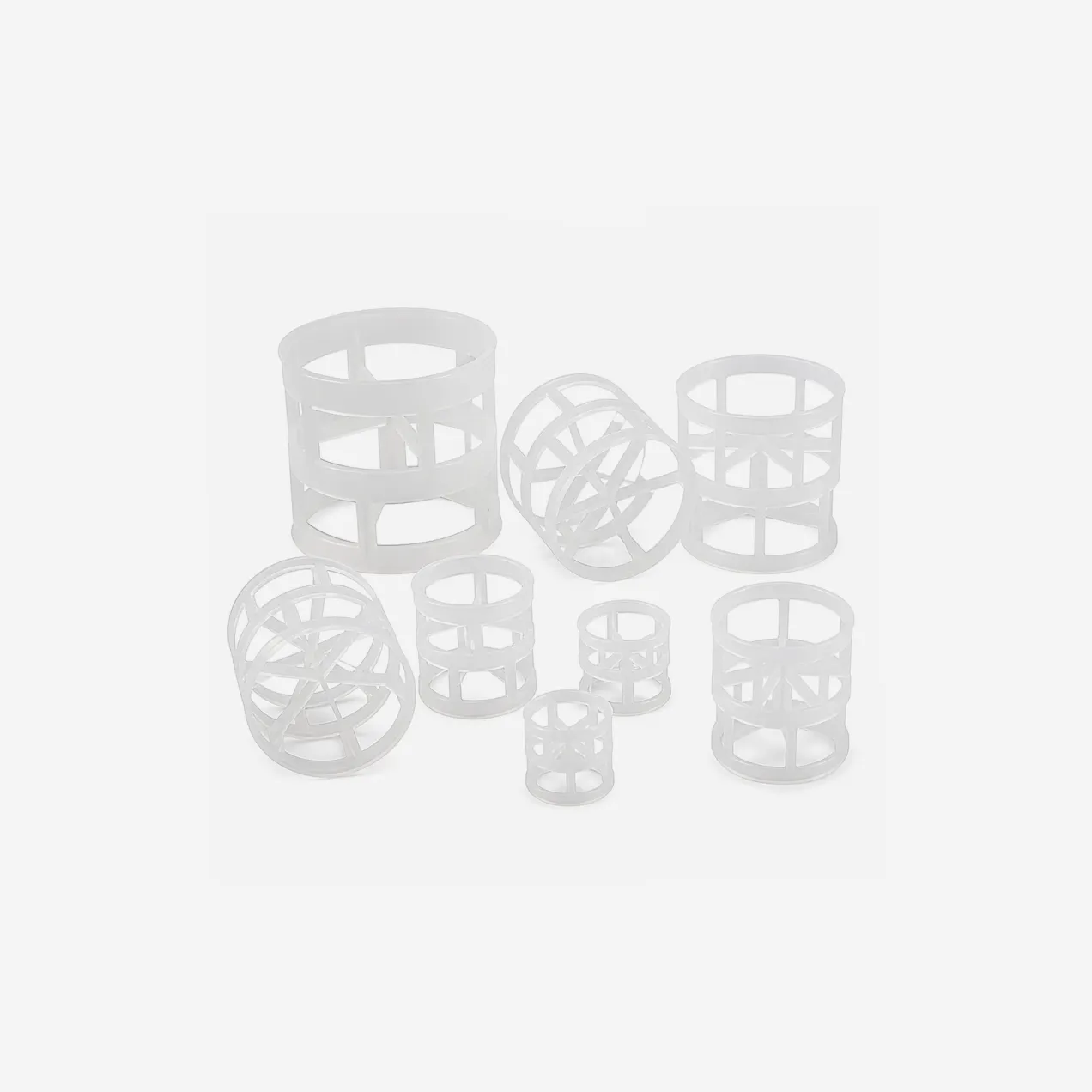
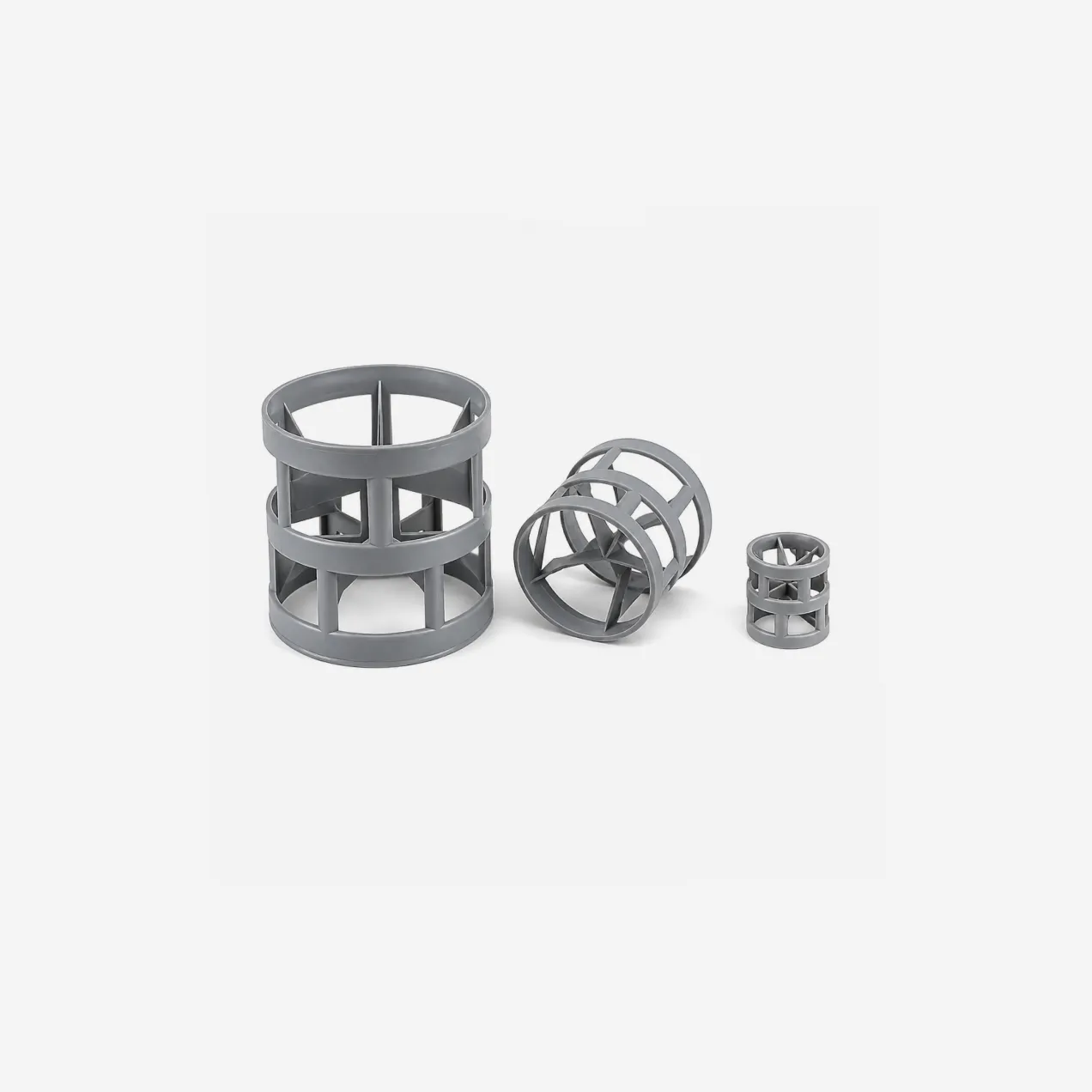
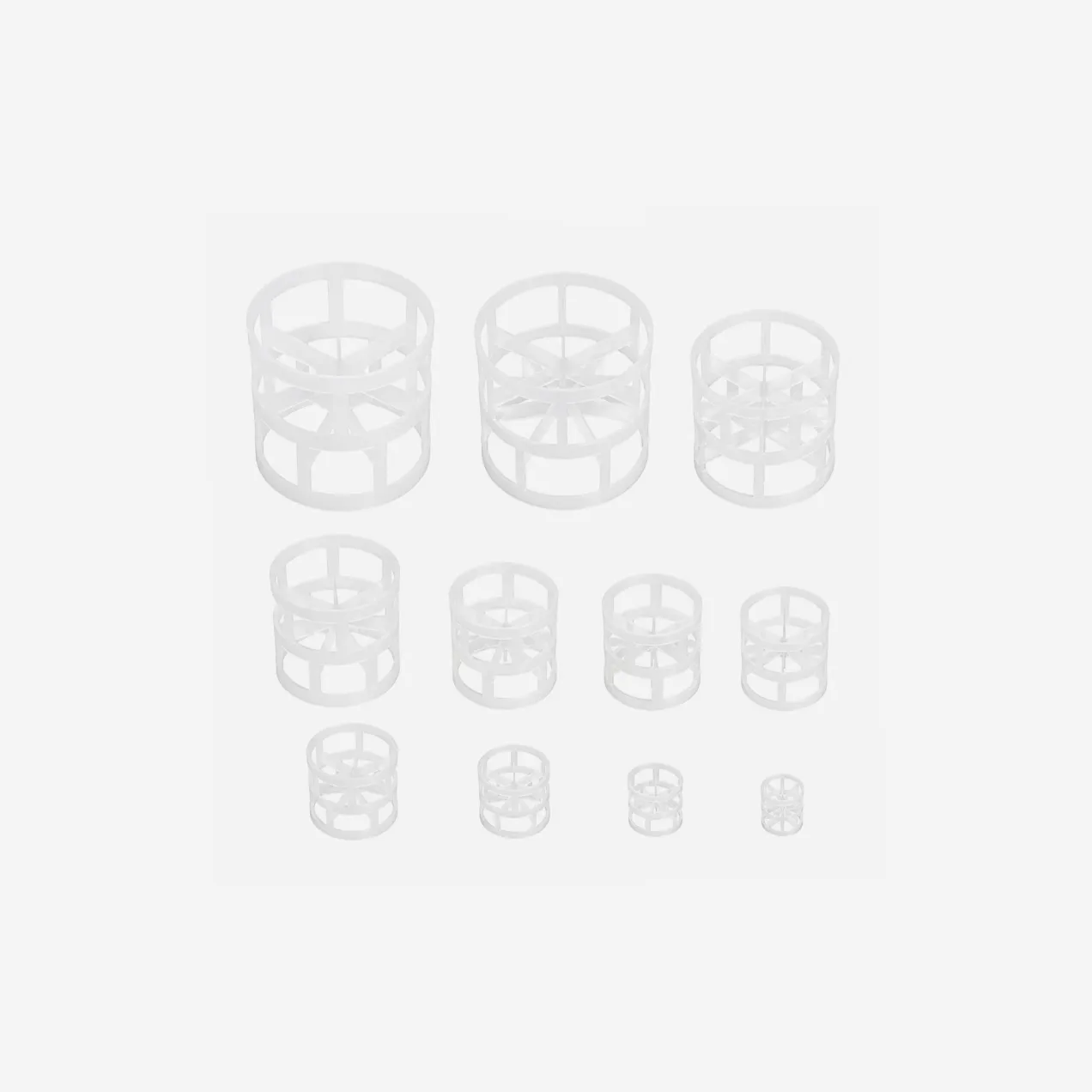
Super Raschig ring is an improved, high-efficiency version of the Raschig ring, made from thin metal strip. In place of the plain cylinder it uses a double-layer conjugate structure with inner ribs, which stops the rings nesting together in the bed and spreads liquid far more evenly. That single change lifts performance sharply: about 33 percent more load capacity, roughly 67 percent lower pressure drop, and around 12 percent better separation than a traditional Raschig ring. It is rolled in 304 or 316L stainless steel or carbon steel, with thin walls for high flux, and it takes very high temperatures and most acids apart from hydrofluoric. We make it in sizes from 6 to 150 mm, commonly 25 to 76 mm.

  • Improved Raschig ring with a double-layer conjugate structure and inner ribs.
  • About 33 percent more capacity and 67 percent lower pressure drop than a plain Raschig.
  • Better, more uniform liquid distribution and around 12 percent higher separation efficiency.
  • Thin-wall metal (304/316L or carbon steel); porosity about 95 to 98 percent.
  • High-temperature and acid-resistant (not HF); sizes 6 to 150 mm.

Technial Parameters

ParameterRange
Diameter range6–150 mm (common 25–76 mm)
Specific surface area57–330 m²/m³
Porosity95–98%
Wall thickness0.6–1.6 mm
Stacking weight276–659 kg/m³
Stacking density1,900/m³ (76 mm) to 205,000/m³ (16 mm)


PropertyValue
Product TypeMetal random packing (super / conjugate Raschig ring)
MaterialStainless steel 304 / 316L, carbon steel
Model NO.RJ-1468
StructureDouble-layer conjugate (iso-Raschig) with inner anti-overlap ribs
Standard Sizes6, 10, 16, 25, 38, 50, 76 mm (6–150 mm)
Max Service TemperatureVery high, 1000–1200 °C (metal)
Chemical ResistanceMost acids and alkalis (not hydrofluoric acid)
vs Traditional Raschig~33% more capacity, ~67% lower pressure drop, ~12% better separation
AdvantagesHigh capacity, low pressure drop, even distribution, thin-wall high flux, reusable
ApplicationsAbsorption, washing, drying and vacuum-distillation towers; petrochemical, fertiliser, environmental
TrademarkRONGJIAN
OriginChina
HS Code8419909000
Transport PackageCarton box / ton bag / steel drum

FAQs

What is a super Raschig ring, and how is it different from a plain Raschig ring?

A super Raschig ring is a modern, high-performance redesign of the classic Raschig ring. Where the original is just a plain hollow cylinder, the super ring has a double-layer conjugate structure with ribs turned inward, and those ribs stop the rings from nesting or overlapping when they are dumped into the bed. The result is a much more even spread of liquid and gas and far better hydraulics: about 33 percent more load capacity, roughly 67 percent less pressure drop, and around 12 percent higher separation efficiency than a traditional Raschig ring. It keeps the simplicity and robustness of a ring while performing much more like a modern high-efficiency packing. In short, it is the Raschig ring brought up to date.

What is a super Raschig ring used for?

Super Raschig ring is used for gas-liquid contact in demanding columns — absorption, washing, drying and distillation — across petrochemical, fertiliser and environmental plants. Its low pressure drop and light liquid hold-up make it a strong choice for vacuum distillation and for heat-sensitive materials that must not linger or overheat in the bed. The high capacity suits towers that must handle large gas and liquid loads, and the even distribution improves separation where product purity matters. It withstands high temperatures and most acids, so it fits hot corrosive service too, provided hydrofluoric acid is not present. Wherever a plain Raschig bed is underperforming on capacity or pressure drop, the super ring is the upgrade.
What is it made of, and what temperature and chemicals can it take?

Super Raschig rings are formed from thin metal strip, usually 304 or 316L stainless steel, or carbon steel for milder, non-corrosive service. In metal they take very high temperatures, into the 1000-to-1200-degree range, well beyond any plastic or ceramic packing, and they resist most acids and alkalis. The one important exception is hydrofluoric acid, which attacks these metals, so HF duty needs a different material such as graphite. The thin wall keeps the ring light and open for high flux and low resistance, while the metal gives it the strength to be stacked deep and to be cleaned and reused. Tell us the fluid and its temperature and we will confirm the grade.

When should I choose a super Raschig ring over a plain Raschig or a Pall ring?

Choose a super Raschig ring when you want the robustness and simplicity of a ring but much better performance than the plain version gives. Against a traditional Raschig ring the case is clear: at the same size it carries far more load at a fraction of the pressure drop, so it is the sensible replacement in almost any Raschig duty. Against a Pall ring the two are close, since both are high-capacity, low-pressure-drop packings, so the choice often comes down to price, availability and the specific hydraulics of the column. As a rule, if you are specifying or revamping a tower that used plain Raschig rings, the super ring is a straightforward, high-value upgrade. Tell us the tower and the duty and we will help you compare.

The super Raschig ring — also called a conjugate or iso-Raschig ring — is what the plain Raschig ring becomes when its hydraulics are engineered properly. A traditional Raschig ring is a bare hollow cylinder, and its weakness is that the cylinders tend to line up and nest when dumped, leaving parts of the bed starved of liquid. The super ring answers this with a double-layer conjugate body and inward ribs: the ribs hold the rings apart so they cannot overlap on the same axis, and they break the liquid into a finer, more even flow down through the packing. Rolled from thin metal, the ring stays light and very open, so gas passes with little resistance.

The gains over the traditional ring are substantial and measurable:

Traditional RaschigSuper Raschig
StructurePlain hollow cylinderDouble-layer conjugate with inner ribs
Load capacityBaselineAbout 33% higher
Pressure dropBaselineAbout 67% lower
Separation efficiencyBaselineAbout 12% higher
Liquid distributionProne to nesting and channellingEven; ribs prevent overlap

Made in 304 or 316L stainless steel or carbon steel, the super Raschig ring takes very high temperatures and most acids — hydrofluoric acid being the exception — and its thin walls, roughly 0.6 to 1.6 mm, keep porosity high at about 95 to 98 percent. Those qualities suit it to absorption, washing and drying towers and, thanks to the low pressure drop, to vacuum distillation of heat-sensitive materials in petrochemical, fertiliser and environmental plants. Set beside a Pall ring it performs in the same high-efficiency class; set beside a plain Raschig ring it is simply a large step up. For any tower where a traditional Raschig bed is limiting capacity or wasting pressure, it is the natural replacement.