
Activated carbon looks like a commodity and buys like one, which is exactly why so many installations underperform. Two carbons with the same iodine number can differ by a third in service life on the same stream, because the test indicators buyers quote measure different pore regions — and each application loads a different region. Correct selection follows a fixed sequence: identify the contaminant, determine its phase and molecular size, match the corresponding test indicator, then confirm form, raw material, and mechanical properties. This guide walks through that sequence with the numbers engineers actually specify.
The Test Indicators and What Each One Measures
Four laboratory values dominate activated carbon datasheets. None of them is universally "the quality number"; each maps to a pore size range and therefore to a class of contaminants.
| Indicator | Test Standard | Unit | Pore Region Measured | Specify For |
|---|---|---|---|---|
| Iodine number | ASTM D4607 | mg/g | Micropores (probe ~0.56 nm) | Liquid-phase purification: drinking water, wastewater, process liquids |
| CTC activity | ASTM D3467 | wt% | Micropores plus small mesopores (probe ~0.63 nm) | Gas-phase duty: VOC control, odor, solvent vapor |
| Methylene blue / molasses number | Industry methods | mg/g or index | Mesopores and macropores | Decolorization, large organic molecules |
| Ash content and hardness | ASTM D2866 / D3802 | wt% / % | Physical quality | Food-grade purity, regenerated beds, gold recovery |
The practical consequence: a carbon can test at 1,050 mg/g iodine and still deliver only 55% CTC if its mesopore volume is low, while a heavily activated pellet can reach 100% CTC with iodine below 1,000 mg/g. Specifying iodine number for a VOC adsorber, or CTC for a drinking water bed, is the most common procurement error in this product category. For liquid-phase small molecules, lead with iodine; for gas-phase VOCs, lead with CTC and cross-check hardness; for large color bodies, ask for methylene blue or molasses values.
Physical Forms and Where Each Belongs
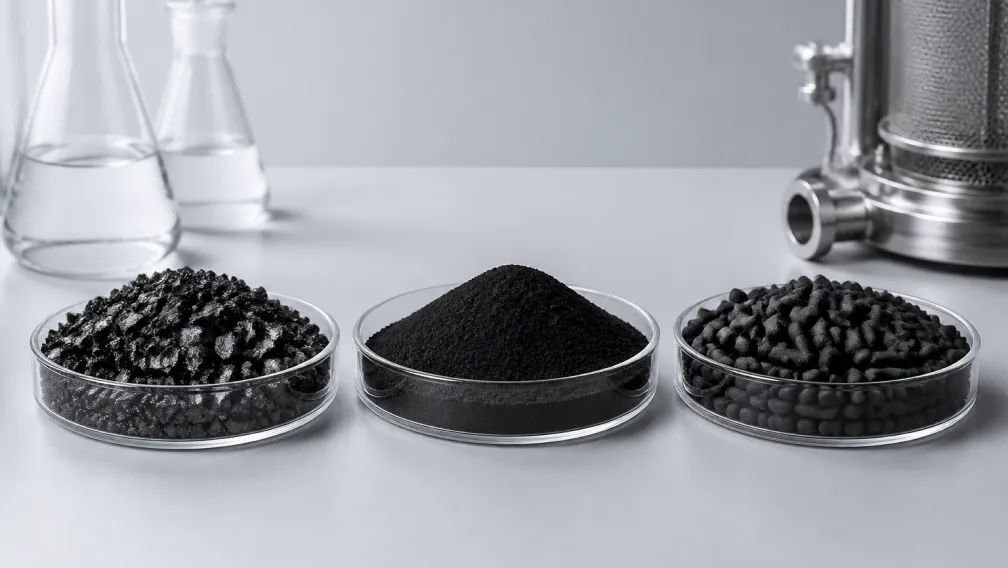
Powdered activated carbon (PAC) at 100–325 mesh adsorbs fast because diffusion distances are short. It is dosed into contact basins or batch vessels and then filtered out, which makes it the right tool for seasonal taste-and-odor events, emergency contaminant spikes, and batch decolorization. PAC is single-use; there is no practical regeneration loop.
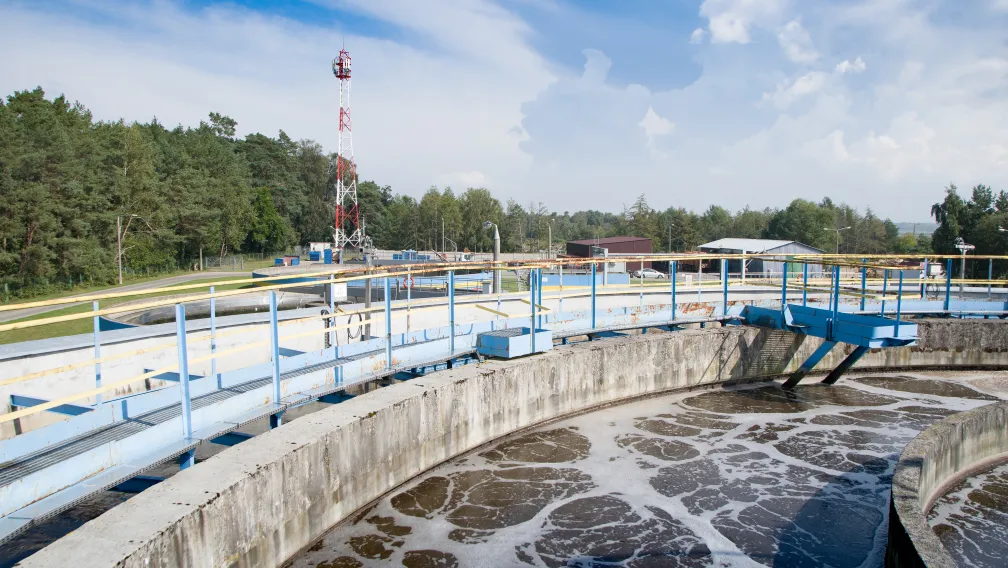
Granular activated carbon (GAC) in mesh sizes such as 8×30, 12×40, or 6×12 fills fixed-bed contactors for continuous liquid-phase duty. GAC beds run for months to years, can be backwashed, and the spent carbon can be thermally reactivated. Drinking water, wastewater polishing, and RO pretreatment dechlorination run almost exclusively on GAC.
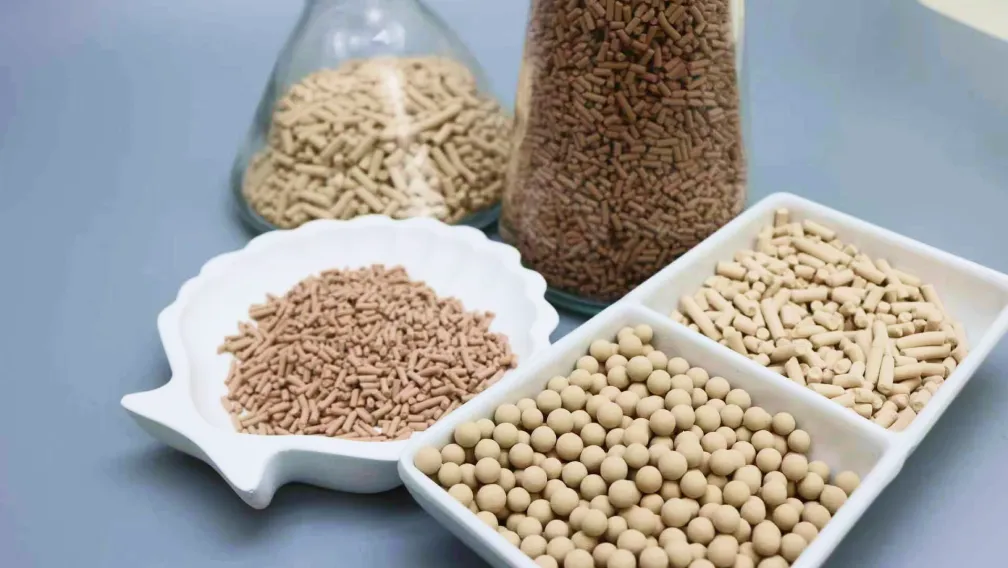
Extruded pellet carbon (EAC) in 0.9–8 mm diameters — 3 and 4 mm being the workhorses — serves gas-phase adsorption. The uniform cylinders keep bed pressure drop low at high superficial velocities, and the extrusion binder gives the mechanical strength to survive repeated steam regeneration in solvent recovery loops.
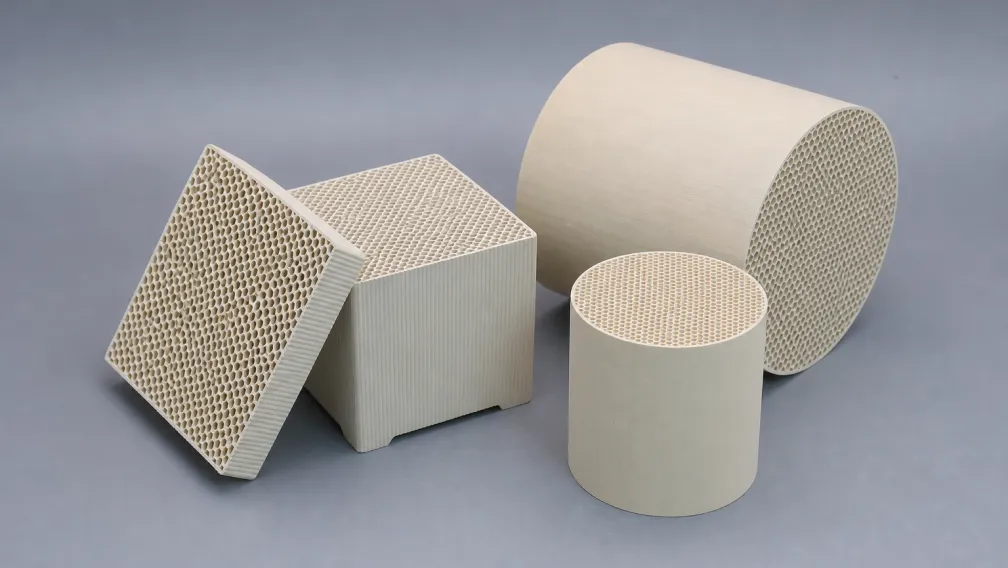
Honeycomb carbon forms structured monolith channels for high-flow, low-pressure-drop exhaust treatment where a granular bed would choke the blower. Impregnated grades — loaded with KOH, NaOH, KI, or metal oxides — target contaminants plain carbon adsorbs poorly: H₂S, mercury vapor, ammonia, and acid gases.
Raw Material Base: Coconut, Coal, and Wood
The starting material sets the pore architecture before activation ever begins. Coconut shell carbon develops the densest micropore population, the highest hardness, and low ash — the default for drinking water, gold recovery circuits (6×12 mesh, iodine 1,100+), and high-purity gas duty. Coal-based carbon carries a broader micro-to-mesopore distribution and a lower unit price, which makes it the volume workhorse for industrial wastewater and general vapor-phase treatment where contaminant molecules span a wide size range. Wood-based carbon is the most meso- and macroporous of the three, adsorbs large molecules quickly, and dominates food, sugar, and pharmaceutical decolorization. The base material decision runs in parallel with the form decision, and both follow from the contaminant profile established at the start.
Application-Based Selection
Water Treatment and RO Pretreatment
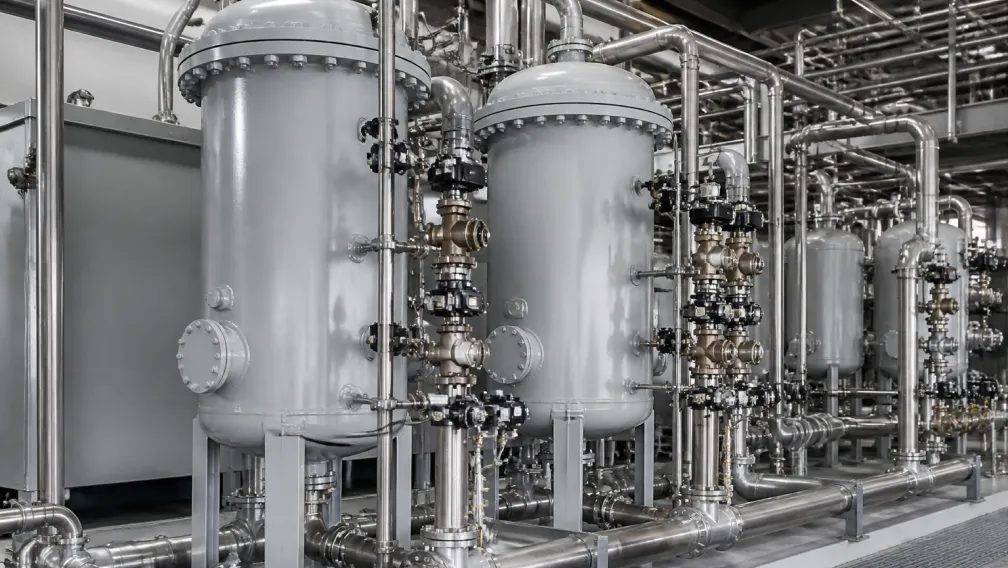
For municipal and industrial water beds, specify iodine number first: 800 mg/g is a common minimum for drinking water, 1,000 mg/g for industrial process water, and up to 1,200 mg/g for high-purity loops. Size the bed on empty bed contact time: chlorine removal needs only 3–6 minutes, while dissolved organics and trace contaminants call for 10–20 minutes. Dechlorination ahead of reverse osmosis deserves specific attention — free chlorine attacks polyamide membranes irreversibly, a point we covered in our analysis of the Rosarito desalination pretreatment chain. Where the utility disinfects with chloramine rather than free chlorine, standard GAC needs roughly four times the contact time, and catalytic carbon is the cleaner answer.
VOC Control and Odor Abatement
Gas-phase adsorbers run on 3–4 mm extruded pellets specified by CTC activity. General odor control and HVAC duty performs well at 50–60% CTC; concentrated industrial VOC streams justify 80–100% CTC grades, which can extend bed life by a quarter or more under continuous high-concentration loading. Humidity above about 60% RH competes with VOCs for pore volume, so humid streams need either upstream conditioning or a capacity margin. Our activated carbon range covers both coal and coconut pellet grades for this duty.
Solvent Recovery
Recovery loops adsorb solvent vapor and strip it with steam in repeated cycles, so the carbon faces thermal and mechanical stress hundreds of times. Extruded coal-based pellets are standard: mesopore-rich for fast desorption, priced for the large bed volumes, and hard enough — specify hardness above 90% — to resist attrition across regeneration cycles. Where recovered solvent purity matters, low-ash coconut grades earn their premium.
Decolorization in Food and Fine Chemicals
Color bodies are large molecules that never enter micropores. Sugar syrup, edible oil, and pharmaceutical liquors are treated with wood-based PAC selected on methylene blue or molasses values, dosed into the batch and filtered out. Ash and acid-soluble extractables belong on the specification sheet here, since whatever leaches from the carbon stays in the product.
Specialized Gas Treatment
Plain carbon removes H₂S, mercury, and ammonia poorly regardless of its test values. These duties run on impregnated grades matched to the target gas, and the impregnant chemistry — caustic, potassium iodide, or metal oxide — is the actual selection criterion.
Changeout, Reactivation, and Operating Cost
GAC beds are changed out on breakthrough — rising outlet concentration of chlorine, TOC, or the target contaminant — or on excessive pressure drop from accumulated solids. Tracking outlet values against a commissioning baseline gives the earliest warning and avoids both premature changeout and compliance excursions. Spent GAC from non-hazardous service can usually be thermally reactivated and returned to the bed at roughly half the cost of virgin carbon, with a makeup fraction added to cover attrition losses; carbon that has adsorbed hazardous compounds moves to disposal or specialist reactivation under local regulation. Reactivation economics favor buying a harder, consistent carbon up front: every point of hardness lost in the vessel becomes mass lost at the reactivation kiln.
Specification Mistakes to Avoid
- Quoting iodine number for gas-phase duty. Iodine measures the wrong pore region; specify CTC or butane working capacity instead.
- Ignoring hardness on regenerated beds. A soft carbon loses a few percent of its mass to attrition every steam cycle and leaves fines in the recovered solvent.
- Choosing fine mesh for capacity without checking hydraulics. Smaller granules adsorb faster but raise pressure drop and fines carryover; match the underdrain and backwash design.
- Treating datasheet values as performance guarantees. Indicators screen candidates; isotherm testing or a pilot column on the actual stream confirms the choice.
Selection Checklist
Boiled down, the sequence is: name the contaminant and its phase; estimate molecular size; pick the matching indicator — iodine for liquid-phase small molecules, CTC for vapor, methylene blue or molasses for color bodies; choose the form (PAC for batch and emergency, GAC for continuous liquid beds, pellets for gas, impregnated for H₂S/mercury/ammonia); choose the base (coconut for micropores and hardness, coal for broad distribution and cost, wood for large molecules); then verify with ash, hardness, and a pilot test where the volume justifies it. For water treatment trains that combine carbon with other media, our water treatment media solutions page shows how the stages fit together.
Get a Grade Recommendation
Share your stream composition, flow rate, contaminant concentration, and outlet target through our contact page, and our technical team will recommend a form, base material, and specification — with isotherm support where the application requires it.
-

Rongjian
Process Media Manufacturer Since 2010
Rongjian produces tower packing, molecular sieves, ceramic grinding media and other process media from our Pingxiang production base. We supply to industrial projects in over 100 countries.