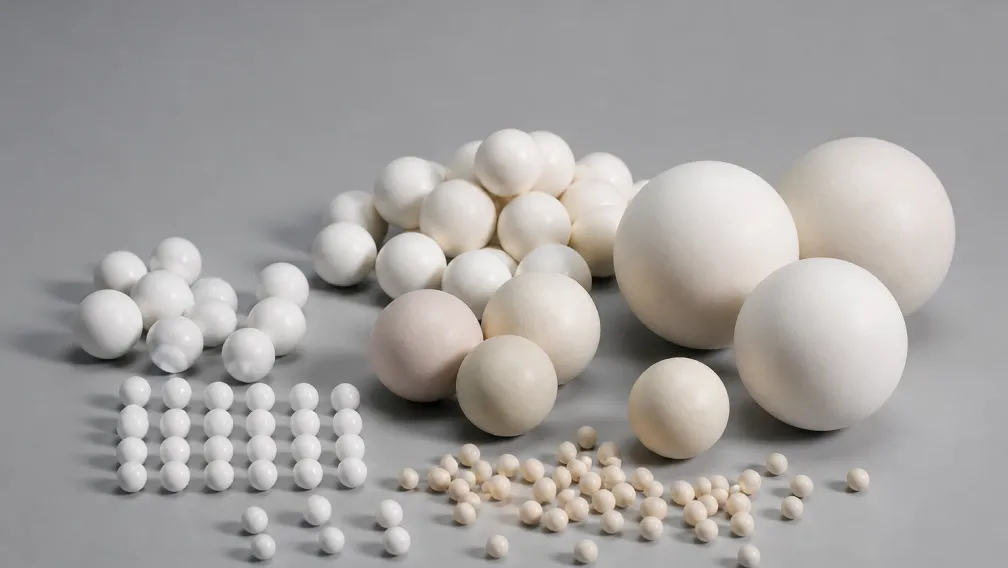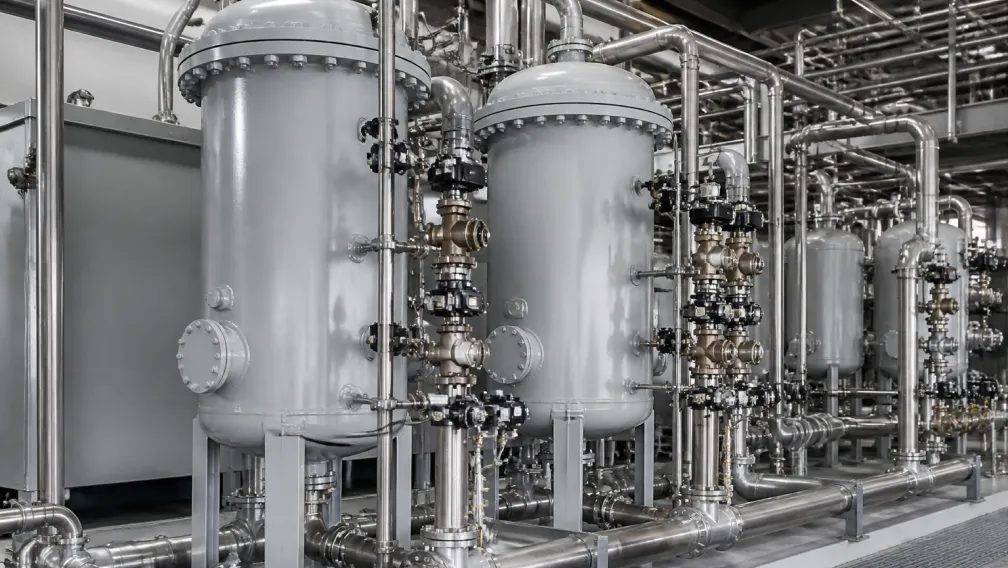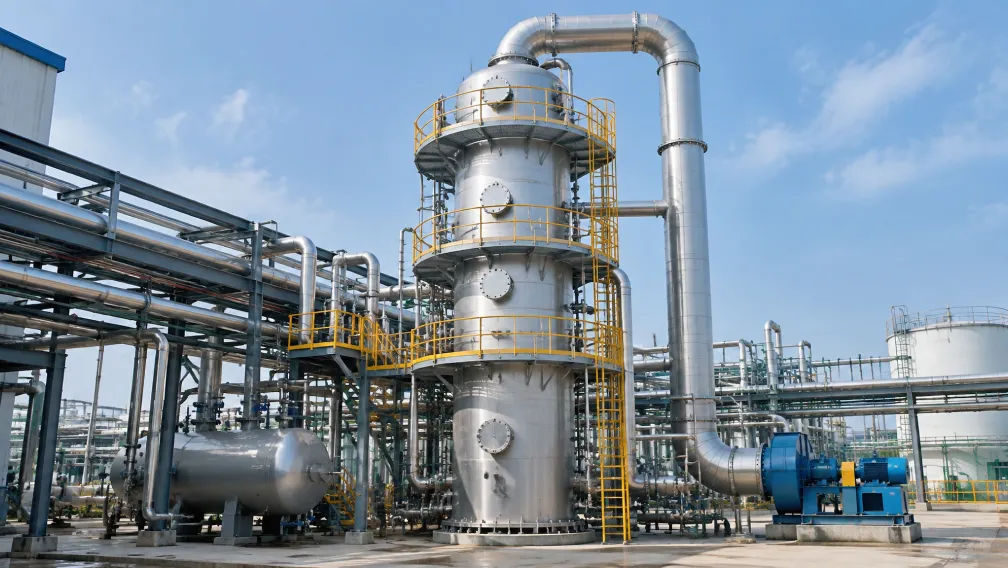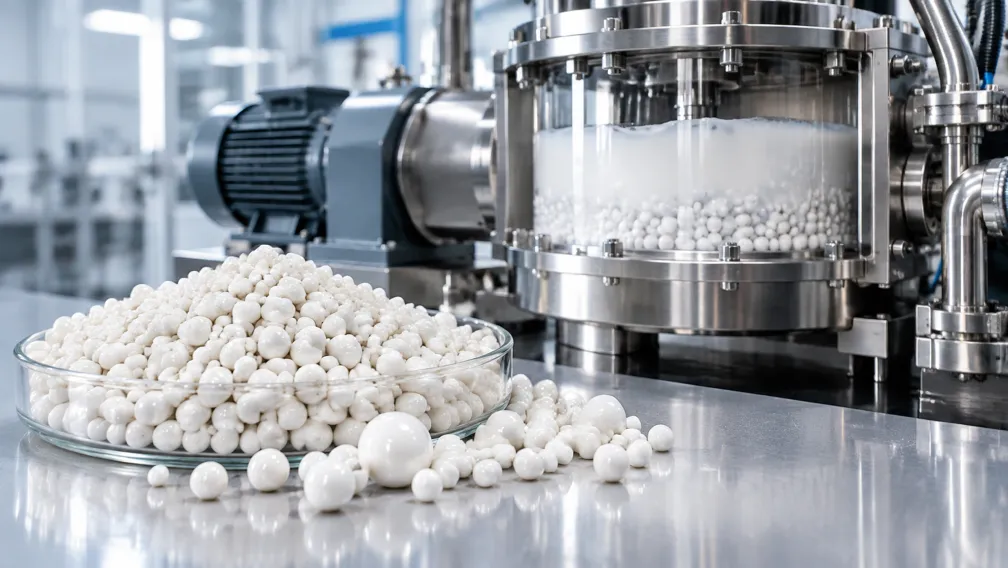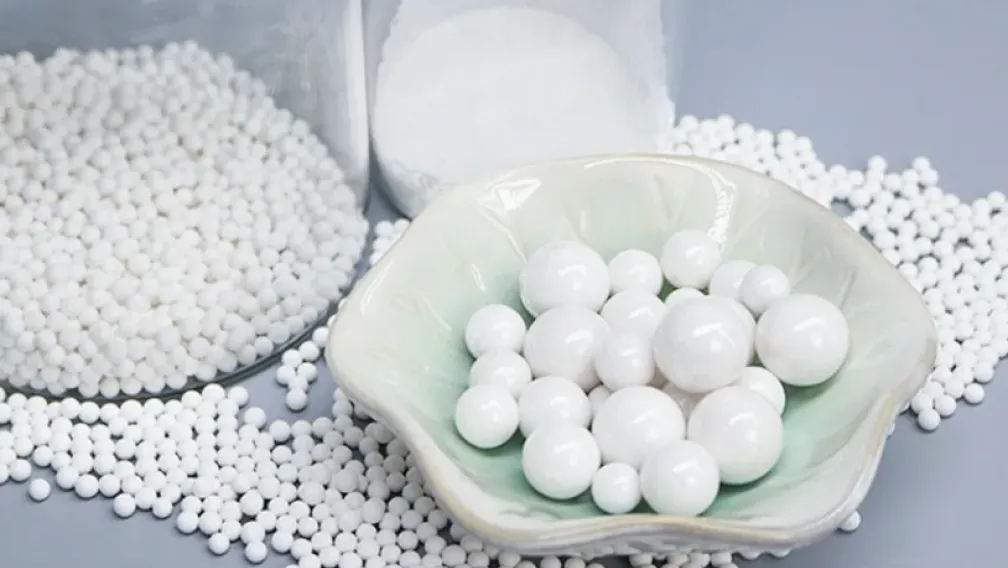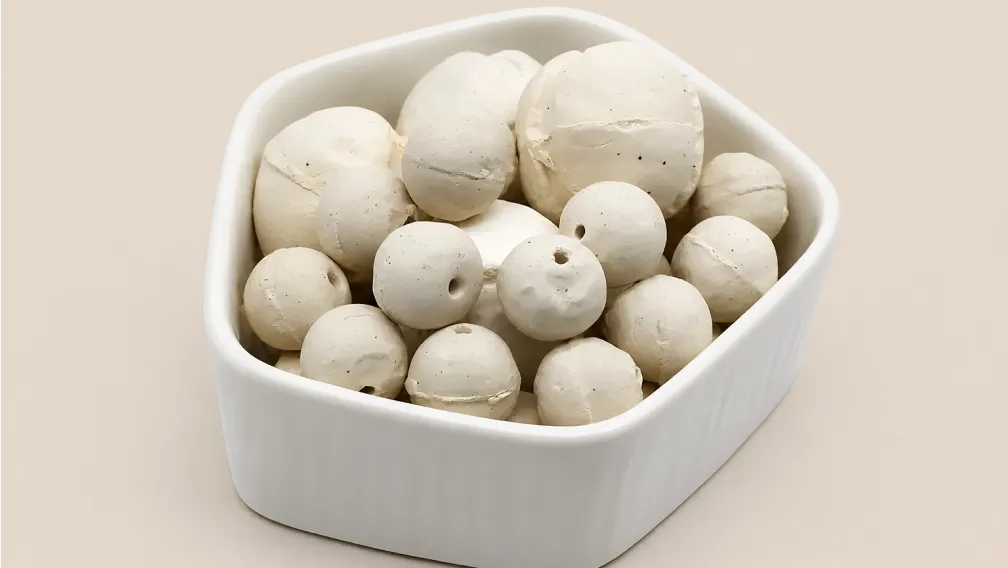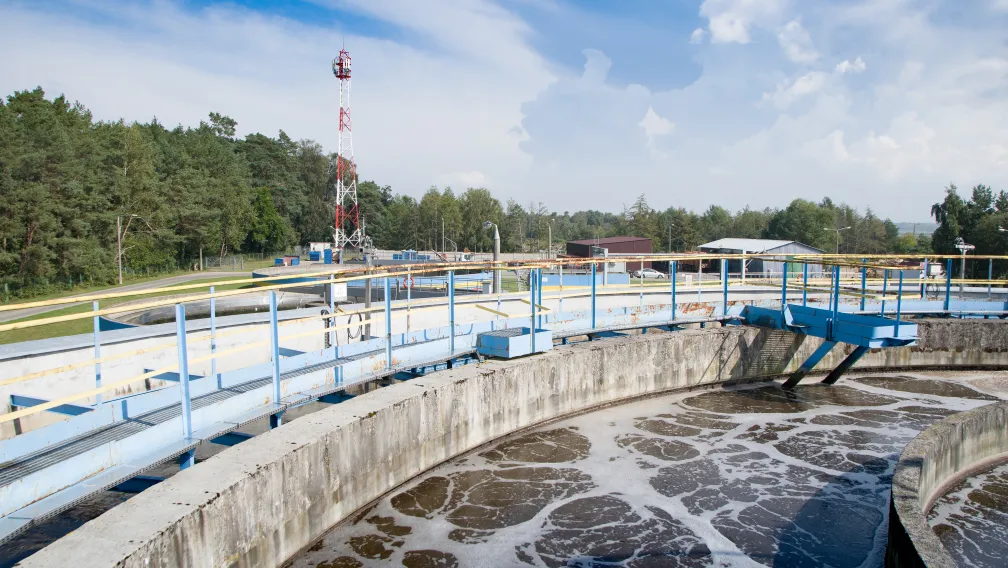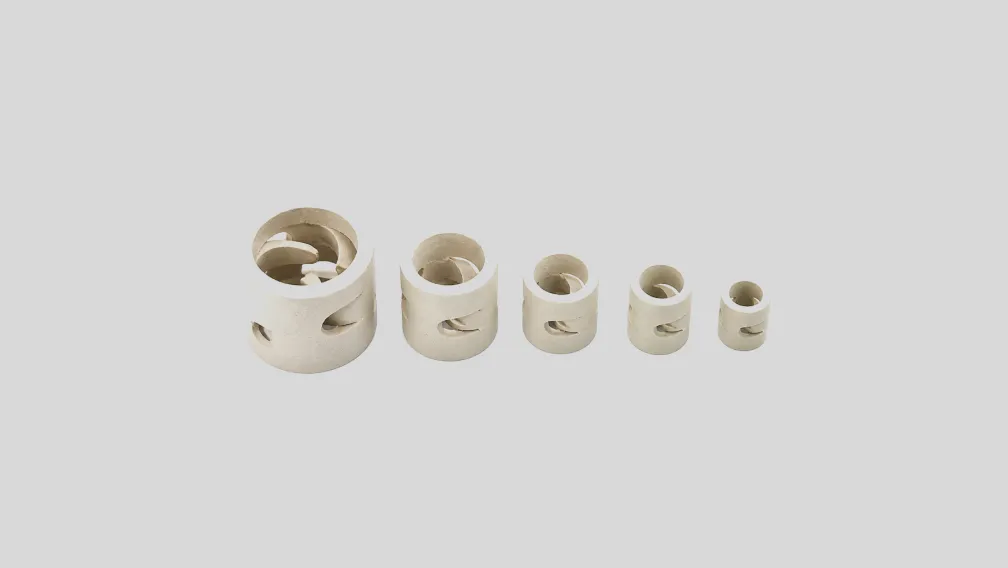

Fixed-bed reactors, hydrotreaters, and adsorption dryers depend on inert ceramic balls to hold active catalyst and desiccant beds in place. Although the media takes no direct part in the chemical reaction, an incorrect Al₂O₃ grade or a poorly graded support bed can trigger silica fouling downstream, catalyst migration into outlet collectors, or premature pressure drop escalation. Selecting inert ceramic balls requires matching alumina purity, crush strength, water absorption, and diameter progression to the vessel temperature, stream chemistry, and active bed particle size. This guide covers the engineering parameters and bed-grading rules used in refinery, petrochemical, and gas processing vessels.
Core Functions in Fixed-Bed Reactors and Dryers
Inert support media performs two distinct mechanical roles inside a pressure vessel: bottom support and top covering.
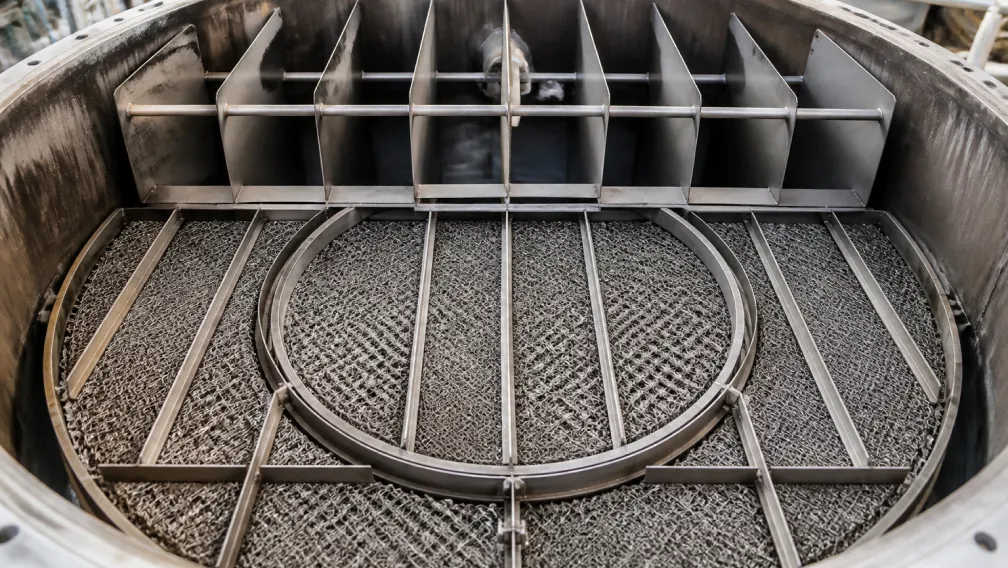
Bottom support layers sit directly on the reactor support grid or outlet collector screen. They transfer the static weight of the catalyst bed plus the hydraulic pressure drop load to the vessel internals without crushing. Graded layers step down in diameter from the grid slot width to the catalyst particle size, preventing active media from leaking through the screen while maintaining uniform flow collection across the vessel cross-section.
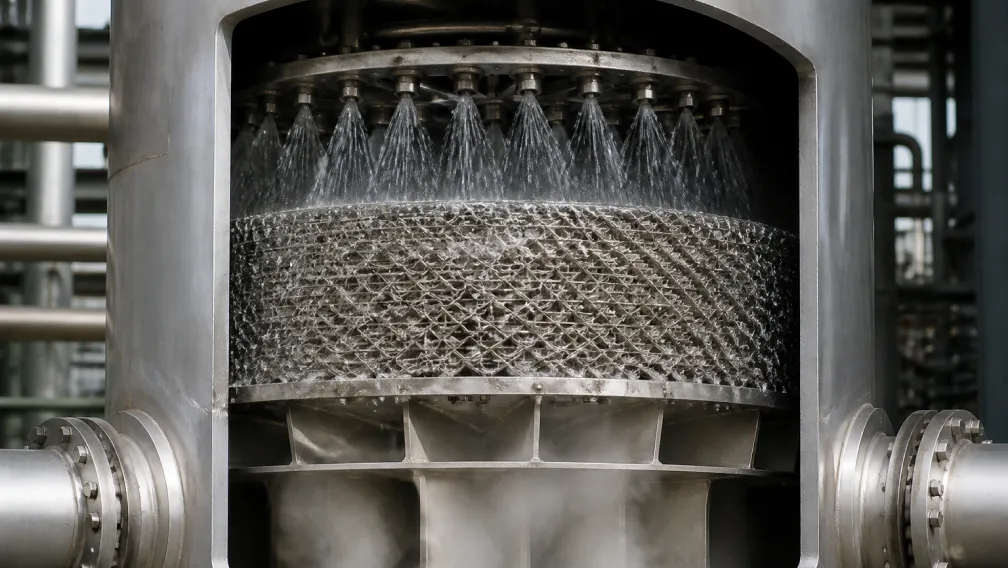
Top cover (hold-down) layers sit above the active catalyst or adsorbent bed. Incoming gas or liquid streams entering through the top nozzle carry high kinetic energy. A top layer of dense inert alumina ceramic balls breaks up the inlet jet, spreads fluid evenly across the bed surface, and stops the active catalyst from fluidizing or attriting during flow surges. In fouling hydroprocessing services, top layers also act as a sacrificial trap for corrosion scale and iron sulfide particulates before they reach the active catalyst.
Al₂O₃ Grade Classification and Engineering Properties
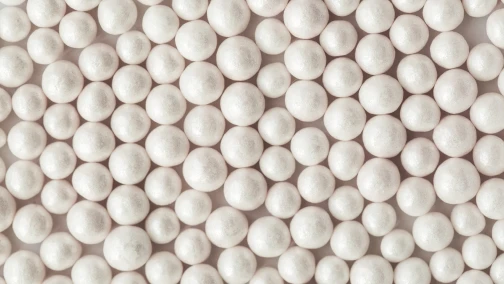
Industrial ceramic support balls are classified by aluminum oxide (Al₂O₃) content, with the balance consisting primarily of silica (SiO₂) and minor fluxes. Raising the Al₂O₃ fraction shifts the crystal phase from feldspar-rich porcelain toward mullite and eventually alpha-alumina (corundum). That phase shift directly increases operating temperature limits, crush strength, bulk density, and resistance to steam leaching.
| Al₂O₃ Grade | Primary Phase | Typical SiO₂ (%) | Max Operating Temp (°C) | Bulk Density (kg/m³) | Water Absorption (%) | Typical 13 mm Crush Strength (kN) | Primary Service |
|---|---|---|---|---|---|---|---|
| 17–23% Al₂O₃ | Alumina porcelain (feldspar) | 68–75 | 1,000 | 1,300–1,400 | ≤ 1.0–2.0 | ≥ 1.0–1.5 | General hydrotreating, PSA, gas dryers, acid towers |
| 30–45% Al₂O₃ | Feldspar–mullite | 50–65 | 1,200 | 1,400–1,500 | ≤ 1.0–2.0 | ≥ 1.2–1.8 | Elevated-temp reactors, higher bed-load vessels |
| 50–70% Al₂O₃ | Mullite | 25–45 | 1,400 | 1,500–1,650 | ≤ 1.0 | ≥ 1.5–2.2 | High-temp thermal cycling, catalytic cracking |
| 75–92% Al₂O₃ | Mullite–corundum | 6–20 | 1,550 | 1,700–1,950 | ≤ 0.5–1.0 | ≥ 2.5–4.0 | Deep hydrocracking, heavy-load tall reactors |
| 99% Al₂O₃ | Alpha-alumina (corundum) | ≤ 0.2 | 1,650+ | 1,900–2,200 | ≤ 0.5 | ≥ 4.5–8.0 | Steam reformers, ammonia synthesis, high-temp steam |
Silica volatilization is the main reason to specify 99% Al₂O₃. Under normal hydrocarbon or dry gas conditions below 450 °C, standard 17–23% Al₂O₃ porcelain is completely stable and delivers the lowest installed cost. In high-temperature, high-pressure steam environments above 500 °C—such as steam methane reformers, secondary reformers, and high-temperature shift converters—silica reacts with steam to form volatile silicic acid. The leached silica travels downstream and precipitates as a hard scale on waste heat boiler tubes, heat exchangers, and turbine blades. In these units, high-alumina ceramic balls with 99% Al₂O₃ and SiO₂ below 0.2% are mandatory.
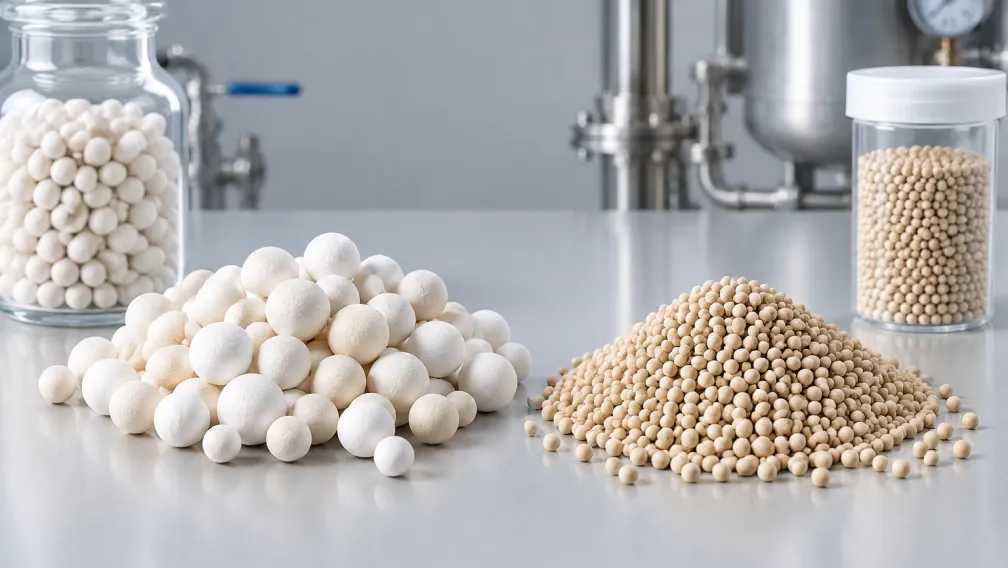
Specialty geometries extend the standard solid sphere. Porous ceramic balls (perforated or open-pore spheres) provide higher void fraction and internal surface area for trapping particulates and heavy gums at the top of hydrotreater beds, reducing pressure drop buildup across the run. For regenerative furnaces, air preheaters, and hot-blast stoves where thermal mass is the primary requirement, refractory ceramic balls are formulated for high heat capacity and repeated rapid thermal cycling.
Mechanical Strength, Water Absorption, and Thermal Shock
Three physical test indicators on a batch certificate determine whether a support bed will survive a multi-year operating run:
- Crush strength: Measured per HG/T 3683.1 or equivalent single-ball compression testing, crush strength rises sharply with both diameter and alumina content. Bottom-layer spheres in a 20-meter hydrocracker carry tons of static catalyst weight plus differential pressure across the bed. Balls that crack under point loading shed sharp ceramic fragments that wedge into the support screen and spike reactor ΔP.
- Water absorption: Properly vitrified inert balls test below 0.5% to 2.0% water absorption depending on grade. High porosity weakens the ceramic matrix and allows process liquids or steam condensate to penetrate the core. During rapid heating or emergency depressurization, trapped moisture flashes to vapor and spalls the sphere from the inside out.
- Thermal shock resistance: Catalytic reactors undergo steep temperature ramps during start-up, regeneration, and shutdown. Standard porcelain and mullite grades should survive 10 or more quench cycles from operating temperature into cold water without surface crazing or fracture.
Multi-Layer Bed Grading Design Rules
Loading a single ball diameter beneath a catalyst bed leads to rapid bed failure. If the balls are too large, small catalyst pellets (typically 1.5–4.0 mm) sift through the interstitial voids and escape into the outlet piping. If the balls are small enough to retain the catalyst directly, they fall through the slots of the bottom support grid.
Process engineers resolve this with a graded bed governed by the 2:1 diameter ratio rule: the nominal diameter of each layer should not exceed twice the diameter of the adjacent smaller layer. Because the void throat between packed spheres of diameter D is roughly 0.155D to 0.414D, keeping the step ratio at or below 2:1 prevents smaller spheres from migrating downward into the voids of the layer below.
| Bed Position (Bottom to Top) | Nominal Ball Size | Typical Layer Depth | Engineering Function |
|---|---|---|---|
| Layer 1 (On support grid, 12 mm slots) | 25 mm (1 in) or 38 mm (1.5 in) | 150–200 mm | Bridges support grid slots; carries full static and hydraulic bed load |
| Layer 2 (Intermediate transition) | 13 mm (1/2 in) or 19 mm (3/4 in) | 100–150 mm | Steps down void size without creating a flow restriction |
| Layer 3 (Upper support) | 6 mm (1/4 in) | 100 mm | Transitions from coarse support to fine retention layer |
| Layer 4 (Catalyst interface) | 3 mm (1/8 in) | 75–100 mm | Supports 1.5–3 mm catalyst extrudates or adsorbent beads directly |
| Active Bed | Catalyst or Desiccant | Per process design | Primary reaction or adsorption zone |
| Top Layer 1 (Hold-down interface) | 6 mm (1/4 in) | 75–100 mm | Prevents large top balls from sinking into the active catalyst |
| Top Layer 2 (Flow dispersion) | 13 mm (1/2 in) or 19 mm (3/4 in) | 100–150 mm | Absorbs inlet jet momentum; traps scale and prevents fluidization |
Each graded layer should have a minimum depth of 75 to 100 mm, or at least three to four ball diameters for sizes 25 mm and above. Thinner layers are difficult to rake level inside a confined vessel and risk localized mixing at the interface, which creates channels for catalyst migration.
Application-Based Grade Selection
Hydrotreating and Hydrocracking Reactors
Refinery hydroprocessing units operate at 320–430 °C and pressures from 3 to 18 MPa in hydrogen-rich service. Standard 17–23% Al₂O₃ porcelain or 30–45% medium-alumina balls handle most hydrotreaters cleanly. In deep, high-pressure hydrocrackers with heavy catalyst loads or high-temperature quench zones, 75–92% Al₂O₃ grades provide the additional crush strength margin. Operators frequently install a top grading layer of perforated or porous ceramic balls to capture iron sulfide scale and extend run length between turnarounds.
Steam Methane Reformers and Ammonia Synthesis
Primary and secondary reformers, high-temperature shift reactors, and ammonia converters expose support media to high-pressure steam and temperatures ranging from 500 °C to over 1,000 °C. Any silica-rich ceramic will volatilize under these conditions. Engineering specifications for these vessels require 99% Al₂O₃ corundum balls with certified low SiO₂ (< 0.2%) and low Fe₂O₃ (< 0.1%) to avoid both silica fouling and unintended catalytic side reactions.
Natural Gas Dehydration and PSA Units
Adsorption vessels loaded with molecular sieve or activated alumina operate below 320 °C during thermal swing regeneration. Standard 17–23% Al₂O₃ inert ceramic balls are the standard support and hold-down charge. For 1.6–2.5 mm or 3–5 mm desiccant beads, a 6 mm interface layer is typically paired with 13 mm and 19 mm support layers. Low dust content and smooth surface finish are important during loading so ceramic fines do not carry over into downstream cryogenic heat exchangers or compressors.
Sulfuric Acid, Alkylation, and Chemical Scrubbers
Alumina porcelain resists all organic and inorganic acids—including concentrated sulfuric, hydrochloric, and nitric acids—at elevated temperatures, with hydrofluoric acid (HF) and hot concentrated alkalis as the only major exceptions. Acid resistance above 98–99% makes 17–23% Al₂O₃ balls the standard packing-support and bed-cover media in acid drying towers and chemical scrubbers.
Reactor Loading, Inspection, and Common Failure Modes
Even properly specified ceramic balls fail if handled poorly during turnaround loading. Three field practices protect bed integrity from day one:
- Pre-loading screening and batch verification: Inspect incoming drums or lined bags for transit breakage and dust. Screen out split hemispheres and fines before charging, and verify the batch certificate for Al₂O₃ content, crush strength, water absorption, and diameter tolerance.
- Controlled drop height: Never free-drop ceramic balls from the top manhole onto a bare support grid or onto an already loaded layer. Free-fall impacts crack 25–50 mm spheres and bend support grid bars. Use a flexible canvas sock or loading chute, keeping the free-drop height below 1 meter.
- Leveling between every layer: Have loading technicians rake each graded layer flat using wooden boards or plastic rakes (standing on plywood load-spreading boards over the bed) before introducing the next size. Uneven layer thickness causes thin spots where catalyst can bypass the interface.
Selection Checklist
Confirm these five parameters before finalizing a ceramic support media bill of materials:
- Operating temperature and steam partial pressure: Use 17–23% Al₂O₃ below 450 °C in dry or hydrocarbon service; specify 99% Al₂O₃ (< 0.2% SiO₂) above 500 °C in steam-rich atmospheres.
- Vessel load and bed height: Verify single-ball crush strength for the bottom layer against static catalyst weight plus design pressure drop.
- Grid slot width and catalyst size: Build the graded layers using the 2:1 diameter step rule, maintaining 75–100 mm minimum depth per layer.
- Fouling potential: Add a top layer of porous or perforated ceramic balls if feed scale or particulates threaten top-bed ΔP.
- Chemical exposure: Confirm absence of hydrofluoric acid (HF) and hot concentrated caustic solutions, which attack aluminosilicate ceramics.
Request Grade Specifications and Bed Grading Support
We manufacture and supply inert alumina ceramic balls from 17–23% Al₂O₃ porcelain up to 99% Al₂O₃ corundum, alongside porous and refractory grades in sizes from φ3 mm to φ50 mm, with batch crush-strength and chemical analysis documentation. Share your vessel diameter, support grid slot size, catalyst dimensions, and operating conditions via our contact page to receive a graded bed bill of quantities and grade recommendation.
-

Rongjian
Process Media Manufacturer Since 2010
Rongjian produces tower packing, molecular sieves, ceramic grinding media and other process media from our Pingxiang production base. We supply to industrial projects in over 100 countries.