
On July 27, 2026, Baker Hughes announced a major order from Venture Global LNG to supply a complete liquefaction solution for the CP2 LNG expansion project in Cameron Parish, Louisiana. The order, booked in the second quarter, covers six additional liquefaction blocks and brings Baker Hughes' total scope on CP2 to 12 liquefaction modules. It extends a master equipment supply agreement that already covers Venture Global's Calcasieu Pass and Plaquemines facilities, where Baker Hughes supports more than 100 million tonnes per annum (MMtpy) of existing and planned LNG capacity.
What the CP2 Expansion Order Covers
According to the company's press release, the scope of supply includes:
- Six liquefaction blocks, each built around two single mixed-refrigerant (SMR) liquefaction modules, for a total of 12 modules.
- Compression trains using Baker Hughes centrifugal compressor technology.
- Cold boxes, air coolers, and integrated control systems for each block.
CP2 is Venture Global's third greenfield LNG project, located next to its Calcasieu Pass plant. The terminal carries a nameplate capacity of 20 MMtpy and a peak capacity of 28 MMtpy. Phase 1 reached final investment decision in July 2025 with $15.1 billion in project financing, and Phase 2 FID followed with total project financing of roughly $20.7 billion. First LNG is expected in 2027. When fully commissioned, CP2 will rank among the largest LNG export terminals in the United States.
Why LNG Liquefaction Demands Deep Feed Gas Pretreatment
Natural gas entering an SMR cold box must be far cleaner than pipeline-spec gas. Water and carbon dioxide freeze solid at cryogenic temperatures and will plug the brazed aluminum heat exchangers inside the cold box, forcing a shutdown. LNG plants therefore dry the feed gas to a water content below 0.1 ppmv and cut CO2 to around 50 ppmv or less before liquefaction.
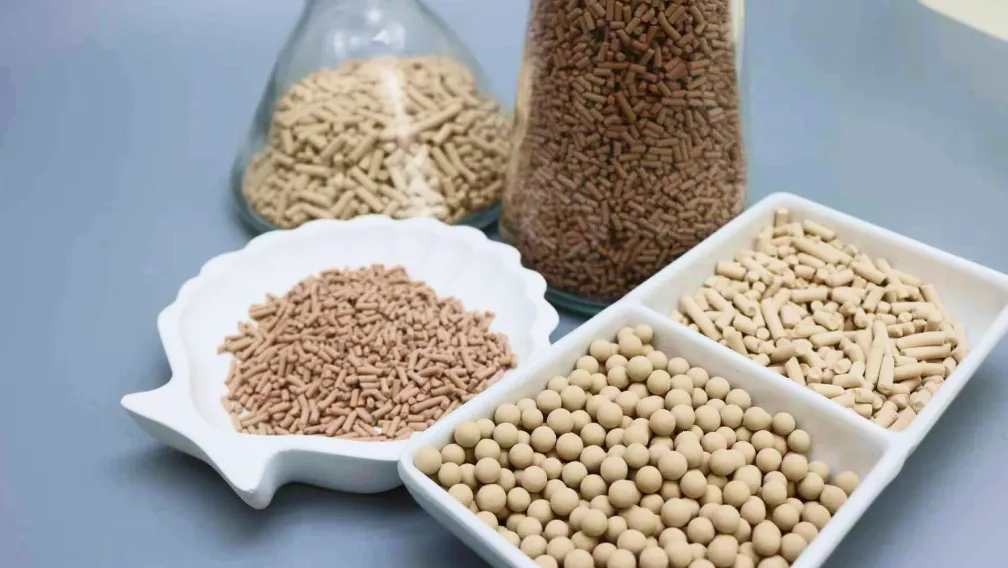
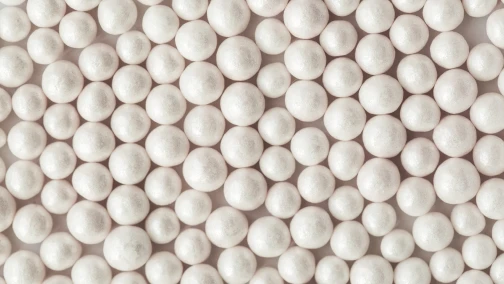
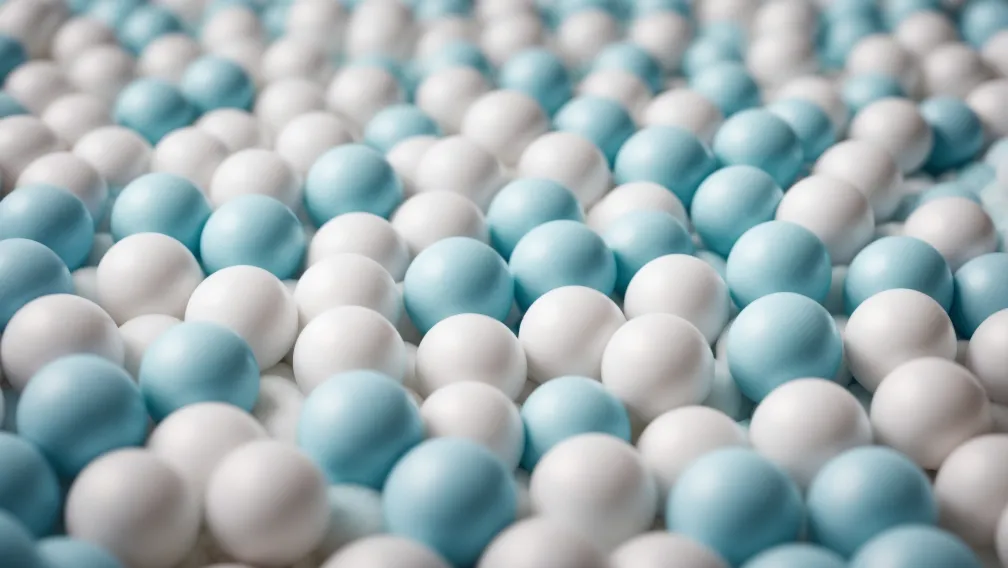
That drying duty falls on adsorption. Each liquefaction train runs multiple parallel dehydration beds filled with molecular sieve, typically 4A or 13X grade. The beds work in cycles: one or more adsorb moisture while another regenerates with hot gas, then cools and swings back online. Because CP2 is designed with six pre-treatment facilities feeding its liquefaction blocks, the expansion translates directly into large-volume molecular sieve demand, plus scheduled replacement charges every few years as the adsorbent ages.

Where Amine Units and Tower Packing Fit In
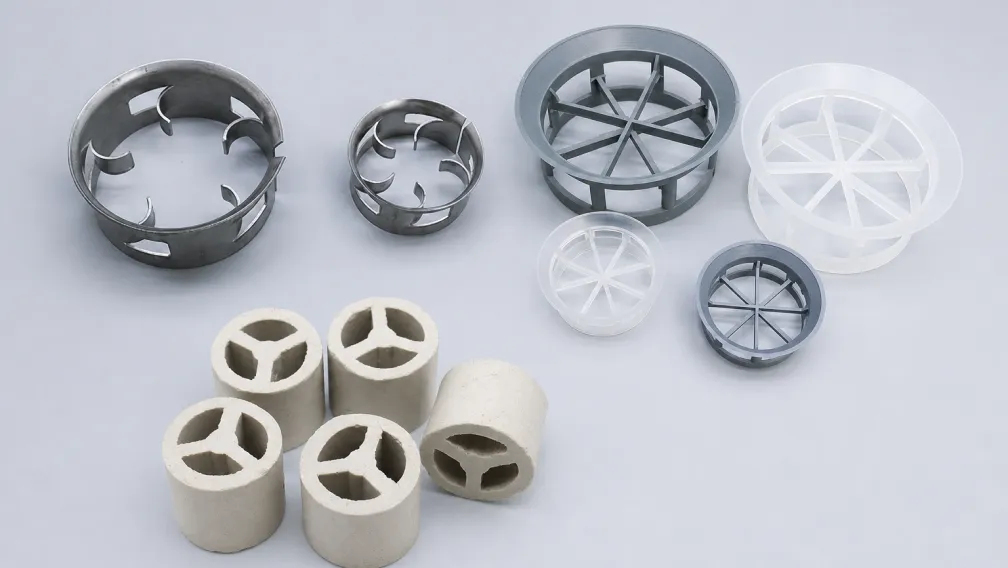
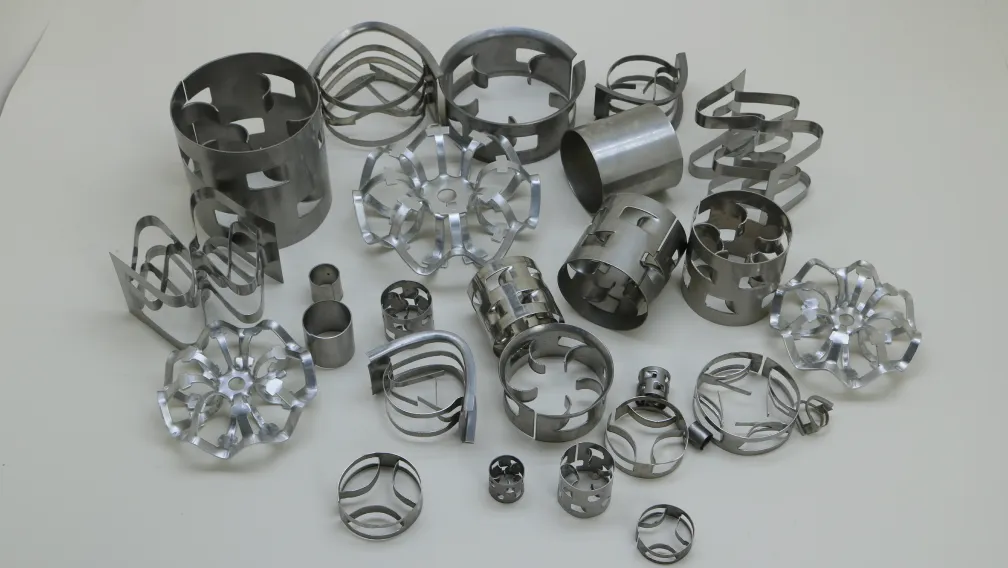
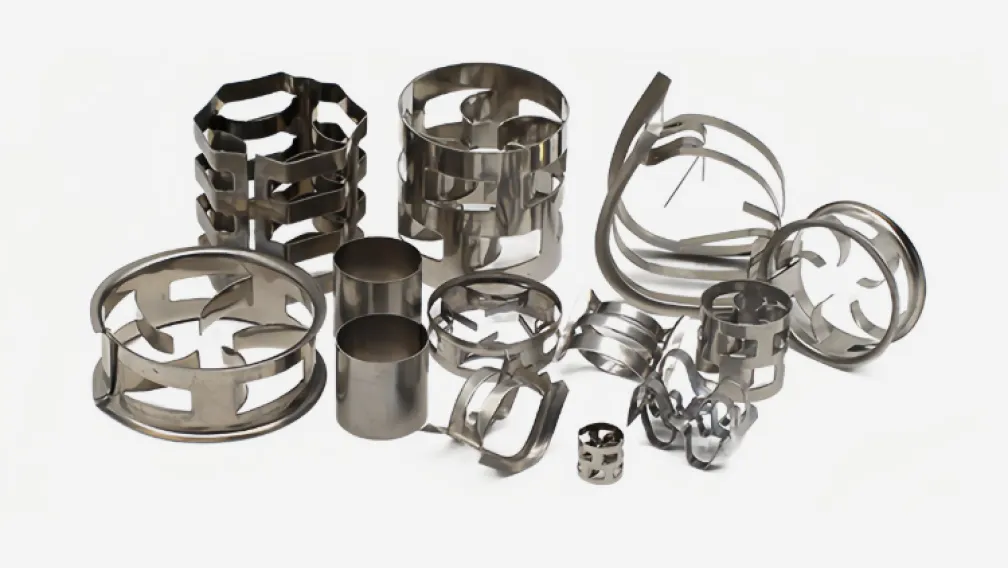
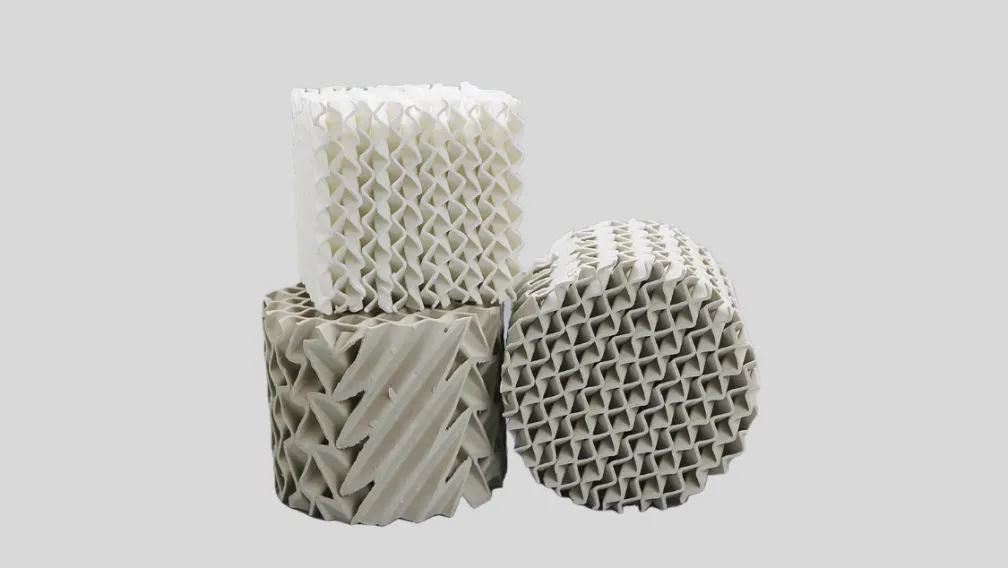
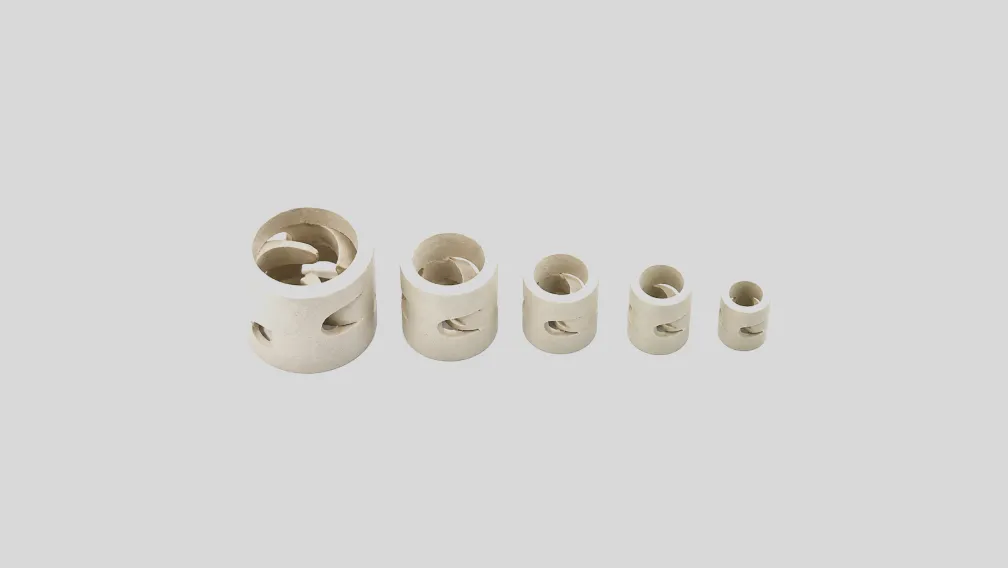
CO2 removal ahead of the dryers is handled by amine treating. Raw gas flows up an absorber column against a circulating amine solvent, and the rich amine is then regenerated in a stripper column. Both columns rely on high-efficiency tower packing to create the surface area for gas-liquid contact. Metal and plastic random packings are standard in high-capacity absorbers, while structured packing is used where pressure drop and column height are constrained. Mercury removal vessels, another standard part of LNG pre-treatment, add further demand for specialty adsorbent beds.

What This Means for Process Media Demand
The CP2 order is one data point in a wider build-out. Global LNG liquefaction capacity additions from 2026 through 2028 are the largest in the industry's history, with the U.S. Gulf Coast and Qatar accounting for most of the new tonnage. Every new train repeats the same pre-treatment chain: amine absorption, molecular sieve dehydration, and mercury guard beds. For buyers specifying adsorbents and column internals for these projects, the practical requirements stay consistent: high crush strength and low attrition for fast-cycling dehydration beds, uniform bead size for predictable pressure drop, and packing geometries that hold capacity at the high gas rates typical of Gulf Coast plants.
Sources
- Baker Hughes: Baker Hughes Secures Major LNG Technology Order for Venture Global's CP2 LNG Expansion
- Pipeline & Gas Journal: Baker Hughes Wins CP2 LNG Expansion Technology Contract
- U.S. Department of Energy: CP2 LNG Uprate Application (February 2026)
-

Rongjian
Process Media Manufacturer Since 2010
Rongjian produces tower packing, molecular sieves, ceramic grinding media and other process media from our Pingxiang production base. We supply to industrial projects in over 100 countries.